
Last updated: Apr 19, 2026
The humid continental climate of this area means that hail can strike with little warning and shorten a roof's life in a single afternoon. A hailstorm leaves pockmarked shingles, dented metal, and sometimes hidden depressions that can start leaks days or weeks later. In spring, a surge of damaged roofs fills the market, and the clock starts ticking on emergency containment. If gutters clog or flashing lifts, water finds its way to attic spaces and ceilings fast, amplifying interior damage and mold risk. Don't wait for a quiet moment to check; a storm's aftermath often looks fine from the ground but hides dangerous weaknesses on the roofline.
Spring hail events create immediate surges in roofing demand and can compress inspection and scheduling timelines. After a storm, quick triage matters: walk the roof only if safe, and document the damage with photos from the ground plus any visible leaks inside the home. This is the window to mobilize a reputable local contractor who understands how hail can compromise granule adhesion, underlayment, and edge details. Look for inspectors who can distinguish hail damage from wear, and who will provide a clear, itemized report that supports a fast, accurate claim. Because referrals from neighbors and long-standing local crews carry weight in this town, prioritize crews with a track record of handling rapid replacement while maintaining quality.
Fall wind storms raise the risk of shingle blow-off on already weakened roofs and on homes waiting for replacement. When gusts whip through, loose edges and compromised seals can fail with little provocation, accelerating interior water intrusion. If a roof has wind-stripped shingles or exposed underlayment, the storm season can turn a small issue into a larger, more urgent repair. The key is proactive assessment: confirm that vent flashings, chimney seals, and ridge caps are secure, and request attention to any areas showing curling, cracking, or lifted tabs. For homes awaiting replacement, prioritize temporary protections-tarps or roof patches-to slow water intrusion while a replacement schedule is finalized. A fast, decisive plan reduces the risk of attic moisture damage and preserves home comfort through the late-season weather shifts.
Find local contractors experienced in assessing and restoring roofs after hail, wind, and severe weather events.
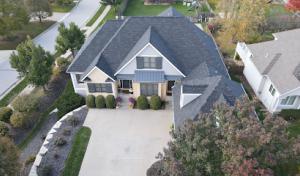
FreeState Roofing
(785) 856-1173 www.freestateroofing.com
4311 W 6th St Suite C, Lawrence, Kansas
4.9 from 165 reviews
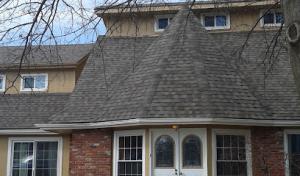
Garcia Roofing Lawrence Kansas
(785) 423-8800 www.garciaroofing.biz
645 Vermont St, Lawrence, Kansas
5.0 from 69 reviews
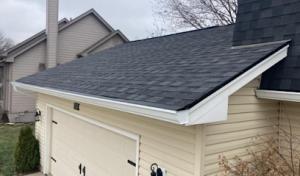
Green Factor Roofing
(785) 264-4433 www.greenfactorroofing.com
1881 E 1450 Rd, Lawrence, Kansas
5.0 from 90 reviews
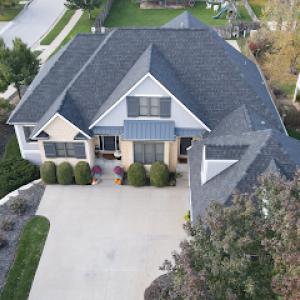
FreeState Roofing
(785) 856-1173 www.freestateroofing.com
4311 W 6th St Suite C, Lawrence, Kansas
4.9 from 165 reviews
FreeState Roofing has been in the industry for over 26 years. Being locally owned and operated gives us the opportunity to take a more personal approach with our clients. We fully understand that we are helping to preserve your home not just doing a job. We handle each and every customer with the same amount of urgency no matter the circumstance. We are currently servicing the Lawrence, KS, Topeka, KS, Kansas City, KS, Kansas City, MO, and Columbia, MO areas. Our home base is located in Lawrence, KS and we will travel up to a four-hour radius. Call us to get scheduled for your free inspection and estimate. We look forward to helping you and letting you see you see exactly why we stand out from the rest.
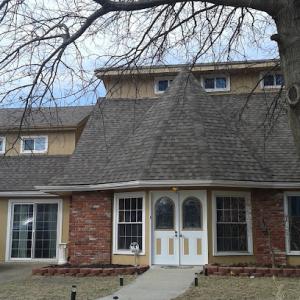
Garcia Roofing Lawrence Kansas
(785) 423-8800 www.garciaroofing.biz
645 Vermont St, Lawrence, Kansas
5.0 from 69 reviews
We are a high quality, reliable and honest Lawrence Kansas roofing company. We take great pride in our work. We offer free estimates and inspections for roof replacements, roof repairs, gutters, siding & paint. We have helped many homeowners with the insurance claims process. We help homeowners understand their claim and make it an easy process for them. If you're looking for a Lawrence Kansas roofing contractor, call Garcia Roofing at 785-423-8800
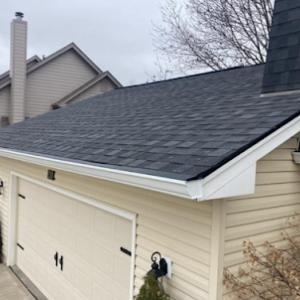
Green Factor Roofing
(785) 264-4433 www.greenfactorroofing.com
1881 E 1450 Rd, Lawrence, Kansas
5.0 from 90 reviews
Green Factor Roofing has been serving Northeast Kansas homeowners through our sister business, Green Factor Insulation, providing reliable home energy services, quality service, and lasting solutions, since 2004. We understand what it takes to create a truly efficient home at every layer. Our experts can look at your roof, identify problems, and provide solutions inside the home and out. Whether you need a complete roof replacement after a severe storm or minor wood rot repairs, we are the roofers you can trust. We offer free roofing estimates throughout Kansas, schedule yours today!
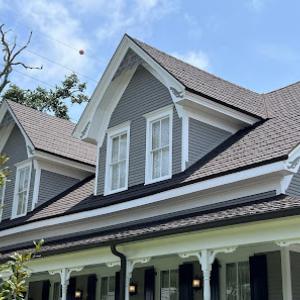
Precision Roofing Services
(785) 592-3791 precisionroofingservicesco.com
2500 W 31st St, Lawrence, Kansas
5.0 from 21 reviews
Welcome to Precision Roofing Services - the fastest growing roofing company in Lawrence, Kansas, and beyond! We provide affordable, reliable, and long lasting roofing solutions from repair, installation, replacement, inspection, coatings, and more. We've got you covered no matter what type of roofing you need, whether it's commercial, residential, tile, metal, or flat roofing. Dealing with roofing issues can be a real hassle - that’s why we offer stress-free estimates and super flexible scheduling. Combine that with the best materials at each budgetary level paired with expert workmanship, our roofing solutions are built to last. And of course we provide warranties on our work - so rest assured, your roof is in great hands with us!
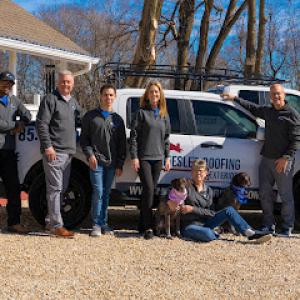
Mesler Roofing, Siding & Windows
(785) 371-0000 meslerexteriors.com
1628 US-40, Lawrence, Kansas
4.5 from 118 reviews
For over 40 years, Mesler Roofing, Siding, and Windows have transformed residential and commercial properties throughout Northeast Kansas. From roof repairs and siding replacements to window upgrades and home painting, we are committed to providing high-quality services with premium materials. We offer flexible financing options to keep your property safe and secure, regardless of budget constraints. Discover a wide selection of premium shingles, windows, siding, and doors at our showroom. Our knowledgeable staff will guide you through the selection process, helping you find the perfect styles, materials, and finishes to enhance the beauty and functionality of your property. Experience the Mesler difference today!
Midwest Diversified
(785) 856-7663 www.coolroofsforever.com
807 E 23rd St STE K, Lawrence, Kansas
5.0 from 9 reviews
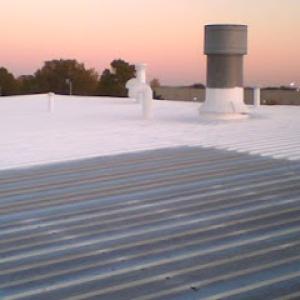
Midwest Diversified delivers fast commercial roof repairs performed by licensed and insured roofing experts. Whether you need a simple flat roof repair or a more complex metal roof repair in Lawrence, KS, our experts are well-versed in different roofing materials and needs. In addition to repairing affected areas, we scour the rooftop to find the source of the damage so you can prevent future roofing issues. We work with Conklin products to provide customers with high-quality roof coatings that can protect against future damages and extend the lifespan of your roof!
Alpha Roofing
(785) 841-7663 alpharoofers.com
1220 N 3rd St, Lawrence, Kansas
4.2 from 58 reviews
Alpha Roofing provides residential and commercial roofing, storm damage repairs, and storm damage replacement services to the Lawrence, Kansas area.

Garrison Roofing
(785) 841-0809 www.garrisonroofingks.com
Lawrence, KS
4.8 from 13 reviews
Garrison Roofing provides roof replacement, roof repair and roof inspections in the Lawrence, KS Area.
Appelhanz Roofing
(785) 749-0000 www.appelhanzroofing.com
5200 Bob Billings Pkwy, Lawrence, Kansas
5.0 from 6 reviews
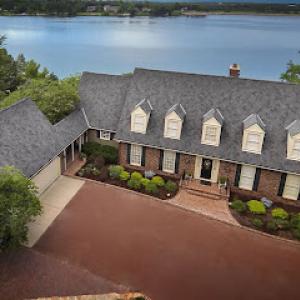
Appointment Only Installing Peace of Mind Since 1979 Our tradition of quality is built on four pillars: Workmanship, Service, Materials, and Safety. We strive for excellence in every area to ensure your roof is beautiful and worry-free, today and for years to come.
K S R Roofing
(785) 749-4391 www.ksrpowerwashing.com
2721 W 6th St Suite F, Lawrence, Kansas
4.0 from 20 reviews
KSR Power Washing has been serving the Lawrence area for over 20 years with quality power washing services. We are a locally owned and operated business that was established in 1989.
Shamrock Roofing & Construction Lawrence
(913) 850-6556 shamrockroofer.com
4105 W 6th St Unit 5, Lawrence, Kansas
5.0 from 4 reviews
We’ve been helping homeowners and businesses in Lawrence, KS protect their properties since 1977. As a long-standing roofing contractor, we understand the impact Kansas weather can have on local homes—from hailstorms to high winds. We focus on roof replacement, roof repairs, and storm damage restoration, offering free inspections, clear recommendations, and full insurance claim support when needed. Our licensed and insured crews install asphalt shingles, impact-resistant roofing, metal, and flat roofing systems. Lawrence residents choose us for straightforward communication, dependable workmanship, and a company that’s here for the long run.
Schwickert's Tecta America
(913) 674-4445 www.schwickerts.com
1841 E 1450 Rd, Lawrence, Kansas
5.0 from 2 reviews
Founded in 1906 by George Schwickert, Schwickert’s Tecta America is a leading Midwest Roofing and Mechanical contractor, servicing commercial customers. Consider us your One Company with Endless Solutions. We offer roofing, architectural metals, mechanical, HVAC and plumbing service, electrical and more to our commercial customers.
When a hailstorm hits, this market tends to light up with claim activity quickly. The combination of wind-driven damage and hail impacts on both older neighborhoods and newer homes means an adjuster may show up sooner than you expect. Your first priority is safety and securing the attic and interior spaces from further damage. If you notice leaks, drips, or stained ceilings, document them immediately. Keep a simple log of when you observed issues and who you spoke to on the phone or at the door. This neighborhood often experiences rapid weather cycles, so moving promptly helps prevent secondary damage from rain or thawing hail.
Insurers serving this market commonly require detailed photo documentation and written estimates before coverage decisions are finalized. That means you should plan to provide clear, dated photos of all vulnerable areas: slopes, flashing around chimneys and vents, gutters and downspouts, fascia, and any hail dents or missing shingles. Take wide shots to show the roof's overall condition and close-ups to illustrate impact points. Include close images of attic insulation and ceiling stains if leaks are present. A dated sequence helps the file tell the full story from storm onset to present condition. Written estimates should come from reputable roofing or restoration contractors who can itemize replacement materials and labor in a way the adjuster can easily review. Having these documents ready reduces back-and-forth and speeds the review process.
Homeowners in this market should expect adjuster-driven claim reviews and should document slopes, flashing, vents, gutters, and interior leak evidence immediately after storms. The adjuster will tour the roof from ground level and, if permitted, may request access to the attic and crawlspace. Be prepared to point out previously known vulnerabilities, such as aging flashing or worn valleys, as these issues can influence coverage discussions. If possible, designate a weather window that aligns with the short spring and fall replacement seasons in town, because adjusters often coordinate timelines around those windows. Keep a calm line of communication open with the adjuster, and provide any additional photos or estimates quickly if asked.
Coordinate with a local contractor who is familiar with Kansas wind patterns and hail variance by neighborhood. A contractor who understands the typical roof assemblies in your area can tailor the written estimate to your roof type, whether it's asphalt, metal, or tile. When you receive an adjuster's documentation request, respond with the agreed-upon photos and the detailed bid you prepared, plus any supplemental notes about interior leaks or attic conditions. If questions arise about the roof's condition during the claim review, offer to provide time-stamped photos taken on the day of the storm and within 24 hours after, as this helps establish the sequence of damage.
Avoid delaying documentation or delaying a response while waiting for a perfect weather window. In this market, claim decisions hinge on thorough, timely documentation. Do not rely on memory-attach the actual photos and the contractor's line items. If the adjuster notes discrepancies between the estimate and the photos, be ready to produce an updated scope and cost breakdown. Finally, recognize that the claim review can involve multiple parties and may require coordination with a temporary primary roof covering or tarp to protect interior spaces while the process unfolds.
Connect with contractors who help homeowners navigate the claims process from damage assessment to final approval.
FreeState Roofing
(785) 856-1173 www.freestateroofing.com
4311 W 6th St Suite C, Lawrence, Kansas
4.9 from 165 reviews
Garcia Roofing Lawrence Kansas
(785) 423-8800 www.garciaroofing.biz
645 Vermont St, Lawrence, Kansas
5.0 from 69 reviews
Green Factor Roofing
(785) 264-4433 www.greenfactorroofing.com
1881 E 1450 Rd, Lawrence, Kansas
5.0 from 90 reviews
In Lawrence, spring and fall are often the preferred replacement windows because summer heat and winter cold complicate installation conditions. Scheduling during these mild stretches reduces damage risk to shingles, minimizes heat-related worker fatigue, and helps sealing lines set properly before the next season's extremes. A practical approach is to target mid-season weeks when daytime highs stay comfortable and overnight temperatures don't plunge into freezing ranges. That window tends to align with available crews, predictable material handling, and less push from storm-chasing schedules that can squeeze installations into tight buffers. If your roof is nearing the end of its life, coordinating a fall or spring project also gives you a safer margin to address any incidental repairs uncovered during tear-off.
Spring in this area often brings a mix of sun and showers. A solid plan is to have the tear-off completed during a stretch of dry days, with a contingency in place for late-season rain. If a late-season hail event has damaged several homes nearby, anticipate short-term delays as crews triage and prioritize. The goal is to avoid consecutive wet days that stall underlayment and flashing work. Consider pre-staging materials and securing a shaded offloading area to keep shingle temperature and handling predictable on warm afternoons. A clear rain plan protects newly exposed decks and prevents moisture from penetrating once the new layer is installed.
Fall offers cooler mornings and typically fewer strong wind episodes than mid-winter. The cooler air helps with faster curing of sealants and a more controlled application of roof penetrations around chimneys and vents. Scheduling in this season also tends to align with the end-of-year insurance workflows and replacement timetables that neighbors commonly observe, reducing the chance of back-to-back storm activity disrupting progress. A practical step is to designate a primary crew and buffer crew so that if a late-season warm spell extends into a weekend, work can continue without scrambling for experienced labor.
Summer afternoon storms in Lawrence can interrupt tear-off and affect shingle handling during active installs. If a storm is forecast, arrange for temporary storm tarping and secure all loose debris. On hot days, plan concrete break-ins and material staging to minimize heat exposure to shingles and underlayment. Maintain a simple daily checklist for wind-driven debris risk and shingle alignment, so a sudden gust doesn't compromise the new roofing line. Having a clear plan for post-storm cleanup keeps interruptions from turning into days-long delays.
Winter ice and cold temperatures in Lawrence can delay work and make material handling and sealing less predictable. When temperatures dip, sealant performance drops and fasteners may require time to seat properly. If a cold snap hits during a scheduled replacement, shift to interior prep work and stage components for rapid resumption when conditions improve. Coordinating with the crew about forecasted cold spells helps protect aging underlayment and ensures flashing details remain watertight as soon as temperatures permit.
Asphalt shingles are the dominant roofing material in this area, and for good reason. They strike a balance between cost, availability, and performance that suits a wide mix of older neighborhoods and newer suburban homes alike. When hail and wind are the daily variable, look for impact-resistant or at least higher wind-rated shingles and ensure proper attic ventilation to reduce heat buildup that accelerates aging. In many Lawrence homes, the roof deck and underlayment condition drives a successful asphalt installation more than the shingle color or profile. The practical takeaway is to choose a product with a strong warranty and a wind rating that matches your street's exposure, then pair it with solid attic sealing and regular edge maintenance to prevent wind-driven lifting during storms.
Metal roofing is a meaningful but smaller segment in this market, often chosen by homeowners who value durability through hail and temperature swings. In Lawrence, metal can perform exceptionally well when the roof is properly installed to handle wind uplift and thermal expansion. Metal panels or standing-seam designs usually excel in storm exposure, but a careful assessment of structural support and fastener spacing is essential, especially on homes with older framing or limited attic space. Consider color and coating choices that minimize ice dam risk in winter months, and plan for periodic maintenance to address sealant wear around valleys and fasteners. For homes facing frequent hail events, metal can offer long-term resilience with clean, rapid repairs if damage occurs.
Clay tile and concrete tile exist in the Lawrence market but are less common and require more planning. These materials offer distinctive curb appeal and high durability under certain conditions, yet their weight imposes structural considerations. If the home's structure or existing roofing supports are marginal, a retrofit or reinforcement might be necessary. Tile roofs perform well against wind when properly fastened, but hail can crack individual tiles, leading to localized leaks if not addressed promptly. Repairability hinges on matching tile profiles and ensuring the underlayment remains intact beneath the tile mat. For homes drawn to a tile look, weigh the long-term stability and repair logistics against the load-bearing requirements and potential for rapid shingle-style replacements in storm windows.
Wood shakes and synthetic shingles provide a distinctive look but require extra attention in this climate. Real wood is susceptible to hail impact and moisture-related issues that can drive rot if gutters or flashing fail to shed water efficiently. Synthetic shingles offer more uniform performance and lower maintenance than natural wood, but still demand careful installation to prevent wind uplift and edge damage in high-wind events. If choosing these options, verify the roof deck's ability to support weight, ensure proper ventilation, and plan for more proactive inspection after severe storms to identify edges or seams that may need resealing or replacement.
Many Lawrence homes end up with a mixed-material strategy due to retrofit opportunities or evolving style preferences. The practical approach is to align material choice with local storm history, structural readiness, and your comfort with maintenance intervals. In all cases, ensure proper attic ventilation, protective underlayment, and a robust edge-to-edge seal around valleys and penetrations to minimize storm-related failures. As seasons shift through spring and fall, a proactive inspection cadence helps catch hail-induced wear early, before it becomes a larger repair concern.
The most popular roofing material in the US. Find pros who install, repair, and replace asphalt shingles.
FreeState Roofing
(785) 856-1173 www.freestateroofing.com
4311 W 6th St Suite C, Lawrence, Kansas
4.9 from 165 reviews
Green Factor Roofing
(785) 264-4433 www.greenfactorroofing.com
1881 E 1450 Rd, Lawrence, Kansas
5.0 from 90 reviews
When a hailstorm hits, Lawrence roofs see a quick shuffle in contractor schedules. Demand spikes mean crews are booked days to weeks out, and availability tightens for those three- to four-day replacement windows that fit Kansas spring and fall weather. That surge pushes prices upward, especially if your neighbor's claim ramps up the same week. You'll notice a jump not just in materials, but in staging, disposal, and the crew mobilization time. In practical terms, plan for slower approvals and shorter scheduling buffers right after a big hail event, and be prepared for a quicker-than-usual turnover on projects that run through favorable weather gaps.
In Lawrence, material selection builds a wide cost ladder. Asphalt shingles sit at about 350 to 600 USD per square, a familiar starting point for many older homes or budget-conscious updates. If you're leaning toward metal, expect 700 to 1100 USD per square; metal shines in hail zones for durability and longer life, but it's a bigger upfront ticket. For tile lovers, clay systems range roughly from 1000 to 1800 USD per square, and concrete tiles generally run 900 to 1500 USD per square, offering strong wind resistance and a distinctive look. Synthetic or composite shingles land between 500 and 900 USD per square, balancing cost with performance and often easier installation. These ranges reflect Lawrence's typical mix of older neighborhoods with newer suburban roofs, where higher hail risk makes durable, faster-install options appealing.
With post-hail demand spikes, you'll often see scheduling tightened and crews juggling multiple emergency replacements. To avoid the worst of the rush, start conversations with contractors early in the window when spring storms are fresh in people's minds, even if you're not yet certain about the exact date. Ask for clear timelines, including delivery of underlayment, shingles, and any specialty products you're considering. If you're choosing metal or tile for hail resistance, balance the longer-term durability against the higher square-foot cost, especially on roofs with complex pitches or multiple penetrations. In all cases, get a written, itemized estimate that reflects the true square footage, waste, and disposal so you can compare apples to apples as prices shift after a hail event.
Get a clear picture of your project costs upfront - no commitment required.
FreeState Roofing
(785) 856-1173 www.freestateroofing.com
4311 W 6th St Suite C, Lawrence, Kansas
4.9 from 165 reviews
Garcia Roofing Lawrence Kansas
(785) 423-8800 www.garciaroofing.biz
645 Vermont St, Lawrence, Kansas
5.0 from 69 reviews
Green Factor Roofing
(785) 264-4433 www.greenfactorroofing.com
1881 E 1450 Rd, Lawrence, Kansas
5.0 from 90 reviews
You should know that a full roof replacement typically requires a building permit, not permit-free maintenance. Skipping the permit can lead to fines, delays, or failed inspections when the city discovers the project mid-progress. The permit process helps ensure the work meets current code, ventilation, and drip-edge requirements, which can affect long-term performance and resale.
In this market, the roofing contractor typically pulls the permit and submits project details to the city before work proceeds. That means your contractor is responsible for filing the paperwork and coordinating inspections. Ask for the permit number and an itemized permit plan before the first notch of shingle is removed, so you have a clear record if questions arise later.
City inspections in Lawrence may occur during and after installation, with attention to ventilation, underlayment, flashing, and overall compliance before final approval. It's not unusual for inspectors to check attic ventilation balance, confirm proper underlayment orientation, and verify flashing around chimneys and vents. If issues are found, remediation timelines can extend the project and impact your weather window.
Keep documentation organized in a folder you can show the inspector or insurer if needed. Delays or rework due to missed or poorly executed steps can push you into unfavorable weather gaps, especially in spring and fall when Lawrence weather can swing quickly. A well-documented permit path helps protect your home and your timeline.
Although steep-slope roofing dominates the area, local contractor signals show recurring demand for flat or low-slope roof work on additions, porches, and mixed-use structures. These surfaces behave differently in hail and wind storms, and small edge details can become big trouble if not designed to shed water quickly. When planning replacements or repairs, pay close attention to the transition from a sloped main roof to any flat or low-slope sections. A properly insulated and sloped transition reduces the risk of standing water and accelerated membrane wear, especially after fast, storm-driven cycles.
Lawrence inspection focus on flashing and underlayment makes skylight and roof-transition detailing especially important during replacement. Skylight flashing is not a cosmetic add-on; it's a critical line of defense against repeated hail impact and wind-driven moisture. Ensure the flashing around every skylight is continuous, with bonded sealant and backer rod where appropriate. Pay particular attention to the perimeter where low-slope areas meet existing vertical walls or dormers. If a roof-to-wall transition isn't crisply flashed, even a small leak can become a season-long nuisance.
After storm cycles, leak complaints often center on penetrations and transitions rather than field shingles alone. Hail damage can deform flat roofing membranes or damage sealants at vents, skylights, and chimneys. Contractors should inspect not just the surface but the entire network of penetrations, flashings, and terminations. A cautious eye on these details helps prevent surprise leaks when spring winds resume.
Find specialists in TPO, EPDM, and built-up flat roofing systems for residential and commercial properties.
Garcia Roofing Lawrence Kansas
(785) 423-8800 www.garciaroofing.biz
645 Vermont St, Lawrence, Kansas
5.0 from 69 reviews
Midwest Diversified
(785) 856-7663 www.coolroofsforever.com
807 E 23rd St STE K, Lawrence, Kansas
5.0 from 9 reviews
Shamrock Roofing & Construction Lawrence
(913) 850-6556 shamrockroofer.com
4105 W 6th St Unit 5, Lawrence, Kansas
5.0 from 4 reviews
In this market, crews that specialize in replacement work and handle storm volume tend to perform best. You want a contractor who can move efficiently from tear-off to weatherproof dry-in and who has a track record of handling hail-driven damage scenarios. Look for teams that routinely manage full replacements rather than niche new-build work. This concrete focus helps ensure they bring the right equipment, staging, and scheduling discipline for Lawrence's spring and fall weather windows.
After a hail event, quick contact and on-site assessment matter. The right crew will respond within a short window, protect the home during storm teardown, and establish a practical cleanup plan for debris and missed spots. Ask about their post-storm process: how they secure the site, how they manage disposal, and how they handle temporary dry-in if delays occur. Local homeowners value firms that leave a neighborhood-friendly footprint-tarps, sweep-up, and haul-away that minimizes disruption to yards and driveways.
A notable share of contractors in town are long-established or locally owned. That tends to correlate with steady crews, dependable warranties, and practical service that sticks to the job-site timeline. Look for a firm with references from nearby streets or blocks with similar roof types. Prioritize those who can demonstrate consistent communication, documented project milestones, and a hands-on supervisor who will be on-site during critical phases.
Lawrence sees a mix of older neighborhoods and newer homes, so confirm the crew's experience with your material and your roof geometry. Whether asphalt shingles or metal, ask for recent projects with comparable pitches, ventilation needs, and attic conditions. Require a line-by-line scope: tear-off plan, debris containment, weather safety measures, and a staged schedule that aligns with your home's exposure and the next reliable dry period.
Schedule a on-site meeting with the estimator and the lead crew supervisor. Use the moment to confirm material availability, previous hail-related repairs on your street, and a realistic timeline. Leave with a written, itemized plan that you can reference during the project. In Lawrence, this direct, local approach often translates into fewer surprises and steadier post-storm performance.