
Last updated: Apr 19, 2026
Spring hail and thunderstorms deliver a steady drumbeat of damage, and the clock starts ticking the moment the storm passes. In this climate, shingles can spring leaks or show bruising, and metal edges may kink from hail impact. But the bigger risk is the backlog that follows: inspectors and roof crews get swamped by dozens of calls in a short window, leaving critical delays that let minor damage fester into major leaks. If a storm hits on a weekday, you can expect a scramble for appointments that stretches into evenings and weekends. Plan for a fast response: secure your attic access, clear drive paths, and preserve any obvious hail marks or curled edges with a quick photo record before staging any temporary repairs.
As soon as a storm passes, you have a narrow window to document what happened and prevent secondary damage. Take wide exterior shots that show the overall roof and context of the home, then close-ups of damaged shingles, lifted tabs, or visible granule loss. Inside, check for signs of water intrusion around chimneys, vents, and dormers-these areas often take the first hits during convective storms. Because scheduling can be tight, you want trustworthy documentation ready for an insurer and a contractor. If a leak is active, place a temporary tarp or waterproof barrier and keep receipts for any emergency measures; these details are key when the claim is reviewed in a busy season.
This market experiences both fresh storm damage and winter wear that has aged through freeze-thaw cycles. Differentiating the two is essential when filing a claim, because insurers look for new damage that was caused by a recent event and not from cumulative aging. Fresh damage tends to show abrupt edges, unusual bruising along ridges, or sudden peeling near vents and chimneys. Older wear often presents as granule loss, hairline cracking, or widespread cupping attributable to years of sun and temperature swings. A careful, labeled photo timeline helps: annotate each shot with date, storm name (if applicable), and exact location on the roof. This documentation reduces back-and-forth with adjusters and speeds approvals for necessary work.
Fall high-wind events in south-central Kentucky can damage already-aged roofs before winter's arrival, threatening unseen leaks when days shorten and temperatures swing. Storm season spills into fall, and the combination of weakened shingles and gusty days means leaks can appear out of nowhere after a quiet spell. Preventive steps matter: address loose flashing and fine-tune roof ventilation to minimize simultaneous heat build-up and condensation, which can accelerate wear during coy, windy periods. If you suspect wind uplift, focus the inspection on rakes, hips, and valley penetrations where wind pressure concentrates.
The quickest path to a smooth claim is clear, comprehensive documentation paired with decisive action. Photograph the entire roof from the ground using a drone if possible, then gather interior photos of any attic or ceiling staining. Compile a simple timeline: storm date, observed damage, first calls to insurers, contractor visits, and any temporary repairs. Share this with both your insurer and your preferred contractor upfront to align expectations about prioritization and sequencing. In a place with sharp spring swings and autumn gusts, prioritizing the most compromised sections-flashing, valleys, and roof-to-wall interfaces-reduces the risk of a minor issue becoming a costly winter surprise.
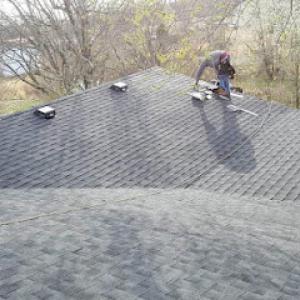
Freedom Contracting
213 Porter Pike, Bowling Green, Kentucky
5.0 from 107 reviews
Freedom Contracting is the highest quality roofing company in Bowling Green, KY. We focus on our customer service and quality craftsmanship. Additionally, we provide general contractor needs along with large home renovations. You will always been thankful that you called us instead of a team of contractors that will ignore you and create excuses for every job! Allow our team to serve you well and end the project early. Freedom Contracting is the best in Warren County and we will prove it!
Kaliber Contracting
(800) 597-0790 kalibercontracting.com
6318 Taz Ct Ste. 100B, Bowling Green, Kentucky
4.9 from 29 reviews
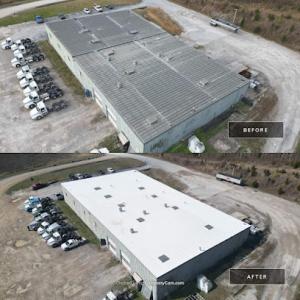
Kaliber Contracting is a commercial and industrial roofing contractor with a team of professionals who are dedicated to delivering exceptional services with honesty, integrity, and excellence.
Build 2 Suit: Roofing Divison
(270) 938-3400 www.b2sroofing.com
1550 Westen St, Bowling Green, Kentucky
5.0 from 27 reviews
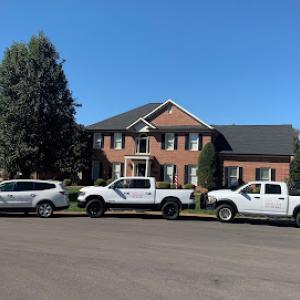
Locally owned and operated in Bowling Green, KY. We are one of three GAF certified roofing contractors in South Central Kentucky. We offer high quality work and excellent customer service to help get any of your Residential, Commercial or Industrial roofing completed. Call us today to speak with one our service representatives and line up an appointment today! We look forward to helping you through the process of getting you a new roof whether through insurance due to storm damages or just ready to make that home look different.
A+ Home Improvement
6115 Scottsville Rd Unit 4, Bowling Green, Kentucky
4.7 from 93 reviews
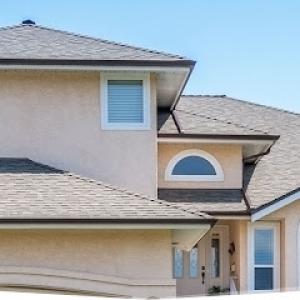
A+ Home Improvement takes care of your roofing and exterior needs. Our team is trained in all areas of roofing and exterior remodeling. Through our trained representatives, A+ will assist you with storm damage claims to your home or business. A+ is a certified roofing company, OSHA certified, and very well trained on dealing with insurance claims.
HomeFront Roofing & Improvement
(270) 784-4878 homefrontroofs.com
511 E 10th Ave suite 1, Bowling Green, Kentucky
4.8 from 19 reviews
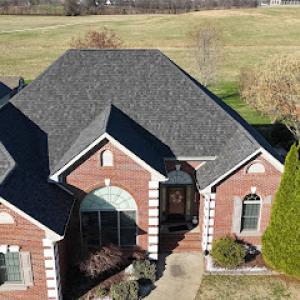
At HomeFront Roofing, we're revolutionizing the industry by delivering exceptional quality at prices that make sense for your budget. Our materials are top-of-the-line, our craftsmanship is second to none, and our customer service is truly unparalleled. Whether you need a brand-new roof, a restoration, help with insurance claims, or other general contracting services, we guarantee the utmost value and a dependable sense of security on every project. Choose HomeFront Roofing and say goodbye to contractors who leave you hanging and provide excuses. We operate with integrity and put our customers first, always aiming to complete your project smoothly and leave you with peace of mind. Let us show you why we are aiming to be the best in Kentucky
CMS Roofing & Restoration
(270) 843-5405 www.cmsroofing.com
308 Old Scottsville Rd, Bowling Green, Kentucky
4.0 from 83 reviews
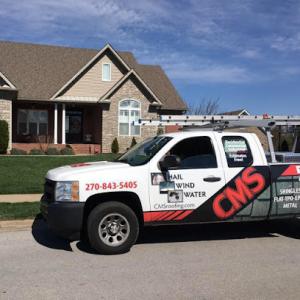
CMS Roofing, based in Bowling Green KY and Owensboro KY, offers top-tier roofing and restoration services across Kentucky and Tennessee. Specializing in residential and commercial roofing, they excel in storm damage repairs, insurance claims, and full roof replacements. As a GAF Master Elite Contractor, they provide expert shingle and flat roof solutions, backed by a lifetime warranty. Providing service since 2006, their professional team ensures quick estimates, thorough inspections, and 24/7 emergency services. Contact CMS Roofing at 270-843-5405 by phone or text right now!
Hale Roofing
(270) 842-2989 www.haleroofingky.com
269 Porter Pike, Bowling Green, Kentucky
4.4 from 14 reviews
Hale Roofing, in Bowling Green, KY, is the area's leading roofing specialist serving Allen, Barren, Butler, Logan and Warren counties since 1978. We specialize in residential roofing and replacement, seamless gutters and more. For all your roofing needs, contact Hale Roofing, in Bowling Green today!
Premier Roofing
(270) 904-0947 premier-roofing.us
5261 Nashville Rd, Bowling Green, Kentucky
4.6 from 9 reviews
YOUR ROOF IS ONE OF YOUR LARGEST ASSETS HIRE A RELIABLE RESIDENTIAL, COMMERCIAL OR INDUSTRIAL ROOFER IN BOWLING GREEN, KY Are you looking for a licensed, experienced roofing contractor in the Bowling Green, KY area? Premier Roofing is ready to take on your project. We offer professional, reliable roofing services that meet a wide variety of needs. Our team has over 22 years of experience, which has earned us a reputation for excellence. You can depend on us to take on your roofing project with precision and care. Choose the roofer in Bowling Green, KY with a dedication to craftsmanship. Call Premier Roofing at 270-904-0947 right now.
Green's Roofing
(270) 781-7454 greensroofingbg.com
2325 Greathouse Rd, Bowling Green, Kentucky
5.0 from 3 reviews
Green's Roofing has served Bowling Green, Warren County, and surrounding areas since 1967. During our 50 years in business, we have had the pleasure to work with many great people. Our company prides itself in professional work; our crews are respectful and honest. Green’s always works as a team on every job and provides 100% quality work.
Rangel Roofing & Carpentry
300 Vance Ln, Bowling Green, Kentucky
5.0 from 2 reviews
Locally owned and operated

Mikes Roofing
Bowling Green, Kentucky
3.7 from 3 reviews
Mikes Roofing in Bowling Green, KY specializes in flat roof, PPO roofing, shingles, and metal roofing. We offer free estimates and other discounts.
Kentucky Quality Roofing
224 Emmett Ave, Bowling Green, Kentucky
5.0 from 1 review
compania que le ofrece servicios de techos ya sea reparations oh instalar tu Nuevo techo
Hail and wind losses commonly drive deductibles and claim activity in the Kentucky market, and those patterns show up in Bowling Green after spring storms. When a storm hits, the combination of sudden impacts and high wind can create a mix of visible damage and hidden weaknesses, especially on older roofs or surfaces like tile, wood, or synthetic products. Insurers often apply specific deductible logic for wind or hail events, and that logic can shape whether a homeowner files a claim promptly or negotiates a remediation plan with the carrier. Knowing how these loss drivers tend to interact helps you set expectations about timelines, scope, and potential follow-through with adjusters.
If storm damage is reported, insurers will want photo documentation that clearly shows the roof and any collateral damage to its components. Take dated photos of shingles, flashing, vents, and any granule loss, along with close-ups of suspected hail strikes or wind-driven damage. Record the date of the loss and note how the weather and wind conditions were on that day. Prepare a concise list of affected areas, including any interior signs of moisture or attic condensation. When the claim is opened, expect an adjuster review that may include a walk-through from the roofline to the attic. Having organized photos, a simple damage map, and a summary of prior repairs or known weaknesses helps the process stay on track, particularly if the roof is older or constructed with tile, wood, or synthetic materials common in the local housing stock.
Some carriers tighten coverage terms for older roofs or for less common materials, which matters in this market because tile, wood, and synthetic shingles appear alongside standard asphalt shingles. Be prepared to discuss roof age, maintenance history, and any preexisting conditions that could influence coverage decisions. Expect questions about ventilation and wind-resistance details, which align with the local emphasis on proper roof envelope performance. If a carrier questions the cause of damage or the extent of loss, provide documentation from any roofing contractor assessments and, when appropriate, independent estimates that reflect both the storm impact and any necessary repairs.
Conversions from traditional shingles to tile or synthetics can trigger inspection nuances, especially if the damage appears on components like underlayment or ventilation components rather than the surface layer alone. Insurers may request details about the original installation method, attic ventilation balance, and the presence of any code-driven upgrades. For Bowling Green homes with mixed material stock, carriers often review whether the claim aligns with typical wear patterns for those materials and the local climate's freeze-thaw cycles. Document any prior or concurrent issues, such as interior leaks or deck damage, so the adjuster can see the full scope of storm-related needs.
Spring and fall weather swings in this area can compress timelines for weather-dependent work. If a claim is approved, coordinate promptly with a contractor who can stage work within windows of dry weather, ensuring moisture intrusion is controlled between wind and rain events. Keep a written log of communications, including dates, names, and promised timelines, to prevent miscommunications as the storm season moves through Warren County.
Connect with contractors who help homeowners navigate the claims process from damage assessment to final approval.
Kaliber Contracting
(800) 597-0790 kalibercontracting.com
6318 Taz Ct Ste. 100B, Bowling Green, Kentucky
4.9 from 29 reviews
Build 2 Suit: Roofing Divison
(270) 938-3400 www.b2sroofing.com
1550 Westen St, Bowling Green, Kentucky
5.0 from 27 reviews
Cold winters with freeze-thaw cycles and hot, humid summers in Bowling Green shape how replacement windows perform and how crews handle installation. The heat of July and August makes high-heat installation days harder on crews and can affect asphalt shingle handling and sealing behavior nearby, so you want a window project that minimizes long stretches of rooftop exposure. The winter slowdown isn't just about cold; sealants and gaskets can take longer to cure, and unseasonably cold snaps can stall progress. Spring and fall become the preferred replacement seasons because temperatures are moderate, humidity is manageable, and you'll face fewer weather-caused delays. Planning around these windows helps ensure proper seal, insulation, and long-term performance.
For most homes in the area, vinyl or aluminum-clad vinyl windows strike a practical balance of energy efficiency, cost, and ease of installation. In hotter summers, choose coatings with low-emissivity (low-E) glass and gas-filled panes to cut heat gain and reduce cooling loads. If wind resistance is a concern due to fall gusts, look for impact-resistance options or at least laminated glass for higher wind zones and potential hail-driven impacts from spring storms. For homes with existing trim or historical character, consider retrofits that maintain visual compatibility while enhancing air sealing. Be mindful that heavy window units can strain older frames; ensure the wall around openings is reinforced and that the rough opening is plumb and square before installation.
Start with an inspection that focuses on the condition of surrounding roofing and siding, because roof integrity directly affects window water management. If your roof shows signs of wear or recent storm impact, coordinate the window project with a roof assessment to avoid rework caused by wind-driven leaks. On forecasted warm, dry days, panel a crew to complete exterior sealing and flashing detail first, then install the sash and glazing in cooler periods to reduce movement and contraction risk. If a spring storm front is approaching, don't push ahead with nonessential interior finishes; delaying until after the worst weather helps protect interior drywall and trim. Conversely, fall installations should target afternoons with calm winds and dry surfaces to prevent condensation on interior panes and to verify seal integrity before winter.
Because storm demand spikes and fall winds can damage aging roofs, homeowners often need to book earlier than expected for the most favorable weather windows. Prepare a clear scope and keep a record of prior repairs, anchor points, and any existing hulls around corners or mullions that could be affected by climate changes. Request a written plan that includes window flashing details, air sealing methods, and the sequence of installation relative to roofing work. Ensure the contractor confirms the alignment of new windows with wall framing, and that the weather stripping and sills are compatible with typical Bowling Green temperature swings. Finally, verify that all operable units include functional hardware and that glass is rated for the expected wind loads in the spring and fall seasons.
Asphalt shingles remain the practical workhorse for reroofing projects in this market, especially for homes with typical frame, pitch, and attic space found on many Bowling Green-area streets. They align well with the volume of spring storm replacements and the demand for reliable, easy-to-inspect performance after hail or wind events. If you need quick, predictable installation windows that fit into a busy spring or fall schedule, shingles are typically the most forgiving option. When you're evaluating warranty coverage, look beyond the label to the installer's workmanship record and the local performance history after hail and microburst events-these factors matter almost as much as the product itself.
Metal roofing holds a meaningful niche here, especially for homes facing frequent wind-driven hail or for structures with upper-level roof exposures where conventional shingles show edges more quickly after storms. Metal can offer improved wind resistance and a longer service life in the right configuration, but it requires precise installation details: secure fastening with appropriate underlayment, correct panel overlaps, and solid fastener placement for the typical seasonal wind patterns. If you're considering metal, verify that a local contractor can address wind-uplift ratings and confirm the system's compatibility with attic ventilation. For additions such as metal dormers, the synergy with existing roof lines and gutters becomes crucial to avoid mismatched performance under spring squalls and fall storms.
Clay and concrete tiles, along with wood shingles or shakes, exist in this market but demand closer attention to structural fit and maintenance. Tile systems are heavier and may require structural reinforcement; wood products demand continued moisture management and periodic treatment to slow deterioration from humidity and temperature swings. Insurance documentation for tile or wood often hinges on correct underlayment choice, fastener patterns, and flashing details at valleys, chimneys, and vent penetrations. If you pursue these materials, plan for a thorough inspection of the deck, rafters, and attic ventilation to ensure long-term performance through hot, humid summers and freeze-thaw cycles.
Across all materials, prioritize a plan that maintains adequate attic ventilation to manage humidity and prevent heat buildup during the hottest weeks of summer. In spring and fall, align work with typical temperature swings to minimize shingle curl or panel distortion and to maximize sealant performance around penetrations. For storm-damaged roofs, document visible hail impact, wind-stripped shingles, and flashing integrity before and after repairs to support smooth insurance communication. A well-ventilated, correctly weatherproofed roof system reduces the risk of secondary damage as the seasons turn.
In Bowling Green, replacement costs swing with spring storm activity. After a big hail event, contractor schedules tighten quickly and prices can spike due to urgency and shorter lead times. If you're repairing or replacing after a storm, expect longer waits for availability and possible premium charges for expedited work. That surge also affects material stock; crews may run through common shingles faster, narrowing your choice window and nudging you toward what's on hand. Planning ahead for slow weather windows in late spring can help you lock in a more predictable price and a steadier crew schedule.
Asphalt shingles remain the most cost-efficient, and locally they tend to stay competitive even during busy seasons. The economy of scale for asphalt in this market helps keep per-square costs relatively affordable compared with specialty options. Metal, tile, and synthetic products are pricier here because they're less prevalent and must be sourced from fewer local distributors or longer supply lines. If you're weighing a metal or tile upgrade, expect the price per square to rise more quickly during a spring rush or fall demand spike than asphalt. This distinction matters when you're budgeting for a full replacement or a major retrofit.
Seasonal weather swings in this area matter for schedules and crew availability. Summer heat can slow long days on a roof, especially for steep pitches, while winter cold can drag project timelines and push up labor costs due to shorter daylight hours and higher risk of adverse weather. Post-storm demand compounds these effects: you might see longer waits for start dates, forced sequencing of projects, or higher bid variability as crews balance multiple urgent jobs. Even within the published per-square ranges, a project started in late summer after a dry spell can skew toward earlier completion but with higher unit labor rates, compared with a spring project that benefits from a steadier pace.
The typical cost range for asphalt shingles remains the most leverageable option for homeowners who want predictable budgeting in this market. If a choice includes metal, clay, concrete, or synthetic shingles, plan for a wider range and tighter scheduling around peak demand times. For a fast-track or post-storm repair, you may consider staged work: a temporary protective install to prevent further damage, followed by a full roof replacement when rates normalize and crews have open slots. This approach helps manage both risk and cost during volatile spring and fall windows.
Don't let upfront costs delay a critical repair - these contractors offer payment plans to fit your budget.
Build 2 Suit: Roofing Divison
(270) 938-3400 www.b2sroofing.com
1550 Westen St, Bowling Green, Kentucky
5.0 from 27 reviews
Before reroofing work proceeds, you must obtain a roofing permit through the City of Bowling Green Building Department. This isn't a mere formality; it channels your job into the local review process, ensuring that planned materials, fasteners, and ventilation align with city expectations. Contractors submit project details for city review, and the city conducts a post-completion inspection to verify code compliance. If the permit isn't secured or the inspection isn't passed, counties and residents alike can face delays, rework, and potential fines. Knowing this timeline helps you synchronize weather windows with the city's schedule rather than chasing them.
In Bowling Green, the Building Department may require documentation showing roof ventilation and wind-resistance features. Your paperwork is not optional garnish; it is part of the approval package that determines whether the project can move forward. Expect to supply vent locations, attic insulation details, and wind-rated components as part of the plan set. If your existing system lacks explicit wind-resistance features or adequate ventilation, you may need to upgrade components or adjust the design to meet local standards. Having precise spec sheets and installation instructions on hand can prevent back-and-forth delays.
Spring and fall weather swings can complicate both approval and completion timelines. The city's review and post-completion checks add steps you'll want to anticipate when scheduling crews. Your contractor should plan for a buffer between weather-appropriate installation days and the required inspection windows, so a late-season storm or an early cold snap doesn't leave you with an unfinished roof. Being proactive about documenting ventilation and wind-resistance details can help the process move smoothly, reducing the risk of a re-inspection or a second round of paperwork.
Bowling Green roofs commonly face hail bruising, lifted shingles, and wind edge damage because of the area's repeated thunderstorm exposure. When hail stings occur, shallow bruises weaken the protective surface, and granules can be displaced, speeding up aging. Wind along roof edges and near corners tends to pry loose fasteners or lift shingles at the hips and eaves, creating vulnerable paths for water entry. If you notice scuffed surfaces, curling tabs, or loose edging, treat it as a warning rather than a cosmetic issue. Small problems in high-wind zones can grow quickly into leaks after a heavy storm.
Heat and humidity in Bowling Green summers can accelerate shingle aging and expose ventilation weaknesses, which is why the city's permit process may ask for ventilation documentation. Excess attic heat can dry out fasteners and underlayment, making joints brittle and prone to cracking. Humidity can foster condensation behind the roof deck, especially if soffit vents or ridge venting are blocked or undersized. Look for a shiny, torqued fastener pattern or buckled underlayment after a hot spell, and consider whether attic openings permit enough air exchange to balance the indoor climate.
Freeze-thaw conditions in winter can worsen small storm-created openings, turning minor Bowling Green roof damage into interior leaks if repairs are delayed. Water that seeps through a compromised shingle seam or nail hole can freeze, expand, and force the tear wider. The result is a slow drip that sneaks into ceilings or attics, often during midwinter thaws or early spring rain. Timely attention to even minor gaps minimizes the risk of interior damage and more extensive structural concerns.
After a storm, inspect the roof with care for lifted tabs, missing granules, or creased shingles. A cautious early assessment helps prioritize the safest, most durable repair approach. Pay attention to flashing around vents, chimneys, and skylights, since these are frequent failure points in this climate. Proactive maintenance-cleaning debris, securing loose ridge cap, and resealing any suspect seams-keeps small issues from becoming costly, weather-driven failures.