
Last updated: Apr 19, 2026
Evansville sits in a Midwest hail and wind claim environment where insurers commonly use local storm-date data to validate roof damage. That means after a hail or wind event, your insurer will expect a precise timeline of when damage happened and when you first reported it. If you can document a credible storm date, with photos and reports from neighbors or a trusted roofer, you give yourself leverage to avoid claim disputes later. Act quickly: start a damage log the moment the hail starts or the wind ramps up, and keep a dated sequence of photos from different angles of the roof, gutters, and vents.
Spring hail and heavy rainfall are a major local scheduling issue, often delaying tear-off, dry-in, and material staging. When the weather turns nasty, crews stall, and so does the paperwork flow that insurers require before you can move to the next step. If a storm rolls in, your best move is to secure temporary protection (awnings, tarps, or wind-rated boards) and document it. Then push for a firm, written restoration window from your contractor and adjuster. Keep a contingency plan for a week-by-week timeline, because a single spring storm can push the project back and create misalignment with your financing or mortgage inspections.
Fall wind events can interrupt reroofing schedules in Evansville even when temperatures are otherwise favorable for replacement. Strong gusts, drifting debris, or a sudden cold snap can halt staging and tearing, leaving materials exposed and vulnerable to moisture. If a storm warning hits mid-process, coordinate with your roofer to secure open deck areas and ensure tarping is in place so interior spaces aren't stressed by rain leakage. Have a realistic plan to extend the dry-in period if the forecast calls for high wind or late-season cold fronts. A proactive approach reduces the risk of weather-driven delays turning into weeks-long setbacks.
Because insurers use local storm-date data to validate damage, your documentation needs to be tight and timely. Photograph the entire roof from multiple angles during daylight, capturing hail impact marks, edge cratering, and any unusual granule loss. Save meteorological data for the event date, and collect neighbor roof notes if possible. When you file, attach a clean, organized file: the storm date, your initial report, follow-up photos, and a short log of communications with your insurer and contractor. This isn't ornamental-it's your roadmap to a smoother claim review and a faster path back to a secure, weather-ready roof.
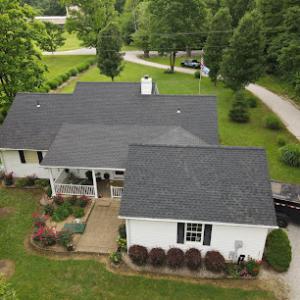
Mayes Roofing
4800 New Harmony Rd, Evansville, Indiana
5.0 from 252 reviews
Mayes Roofing is a GAF-Certified, fully insured roofing company with over 20 years of experience delivering exceptional service. We specialize in everything from new home roof installations to roof damage repairs, serving the Evansville, Indiana Tri-State area. As a locally owned and operated business, we’re dedicated to providing fair, affordable pricing and top-tier customer care. Our skilled installers use premium materials to ensure durable, long-lasting results. Contact Mayes Roofing today for reliable roofing solutions that stand the test of time!
The Way Construction
(812) 455-0231 thewayconstruction.com
2425 US-41 Suite 202, Evansville, Indiana
5.0 from 267 reviews
The Way Construction proudly serves Evansville, Newburgh, Boonville, and surrounding areas with expert roofing, siding, and gutter services. Our experienced team specializes in roof repairs, roof replacements, siding repair and replacement, gutter replacement, and soffit and fascia services, providing comprehensive solutions for your home’s exterior. Committed to quality craftsmanship and customer satisfaction, we work to enhance and protect homes across the community. Whether you need minor repairs or a full exterior replacement, The Way Construction is your trusted choice for reliable, professional service.
Bone Dry Roofing
(812) 993-4626 www.bonedry.com
2211 N Burkhardt Rd, Evansville, Indiana
4.9 from 101 reviews
Proudly family owned and locally operated, Bone Dry Roofing has been serving the Evansville community for more than 35 years. Our experienced team provides expert roof repairs and replacements, with every new roof backed by our 25-Year Craftsmanship Warranty. Beyond our quality materials and skilled workmanship, what truly defines us is our dedication to every homeowner we serve. From the first call to final cleanup, we deliver consistent communication, careful attention, and dependable service—that’s The Bone Dry Roofing Experience. Trusted by thousands across Evansville, we’re honored to help protect your greatest investment—your home and your peace of mind. Reach out today to schedule your free estimate.
Chapman Construction
(812) 760-7126 www.chapmanconstructionllc.com
3900 E Baseline Rd, Evansville, Indiana
4.9 from 162 reviews
Chapman Construction is licensed, bonded, and insured to complete remodel and new construction projects of all sizes and scope.
Storm Guard Roofing & Construction
(812) 625-2783 www.stormguardrc.com
1326 E Division St, Evansville, Indiana
4.8 from 223 reviews
Storm Guard is a trusted name in the insurance restoration industry. For over a decade, Storm Guard has specialized in exterior insurance restoration for roofing, siding, windows, gutters, and emergency tarping services. The Storm Guard “Way” is the spirit running through the core of our entire organization. Simply stated, our clients’ peace of mind, and restoration of their property in the aftermath of a damaging storm, is paramount. As a trusted contractor, we will always strive to help ease our clients’ burden with the utmost in quality insurance and construction expertise.
HomeVenture Roofing
1900 Stringtown Rd, Evansville, Indiana
5.0 from 40 reviews
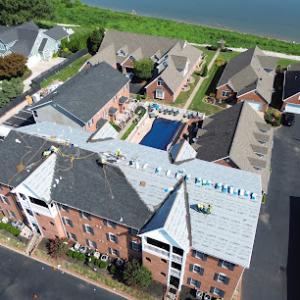
HomeVenture Roofing is a premier roofing contractor delivering engineering-driven, innovative roofing solutions in Chandler, Evansville, Newburgh, Boonville, and McCutchanville, IN. We specialize in roof replacement, roof repair, emergency roof repair, leak detection and repair, storm damage restoration, and routine roof inspections and maintenance. Our team also provides expert siding and gutter services to protect and enhance your home. Count on us for precision, durability, and top-tier craftsmanship in every project.
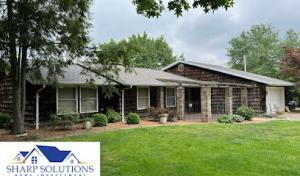
Sharp Solutions Home Improvement
(812) 549-4046 sharpsolutionshomeimprovement.com
12700 Old State Rd, Evansville, Indiana
4.8 from 110 reviews
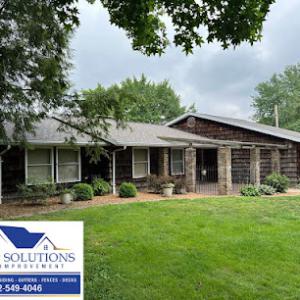
Sharp Solutions Home Improvement is a locally owned and operated company that has been in business for 10 years as a subcontractor and opened as a full-service sales and installation home improvement company in 2021. We are licensed, bonded, and insured for Indiana, Kentucky, and Illinois and will work with your insurance company to help you get your claim settled.
Upright Construction
(812) 551-2086 uprightconstruction.pro
1316 E Division St, Evansville, Indiana
4.7 from 381 reviews
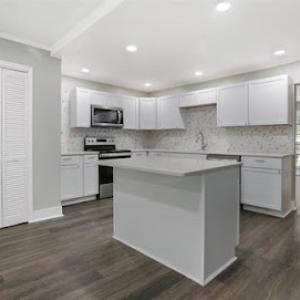
Upright Construction is a tip-rated roofing contractor serving Evansville, In and surrounding areas . We specialize in roof replacement , roof repair, and storm damage for residential and light commercial properties. Our team installs high-quality systems using premium materials, including GAF shingles, and has extensive experience assisting homeowners with insurance claims. Homeowners throughout Evansville and Newburgh trust Upright Construction for reliable roof inspections, fast response after storms, and professional workmanship. From full roof replacements to leak repairs, we focus exclusively on durable roofing solutions completed on time and on budget.
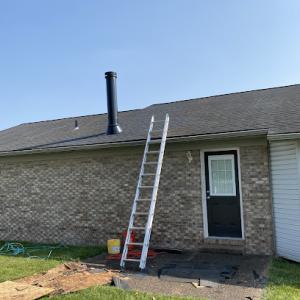
Honest Abe Roofing Evansville
(812) 777-8800 info.honestaberoofing.com
2510 N Cullen Ave STE C, Evansville, Indiana
4.7 from 337 reviews
Honest Abe Roofing offers superior residential roofing services including maintenance, installation, and repairs. Our team of licensed roofing contractors take pride in representing our local, reliable roofing company. We have developed our roofing services and products specifically with the residential roofing customer in mind. We know your roof is a big investment and that roofing emergencies happen. That is why we offer only the best roofing products and installation services that ensure each of our roofs will last a lifetime.
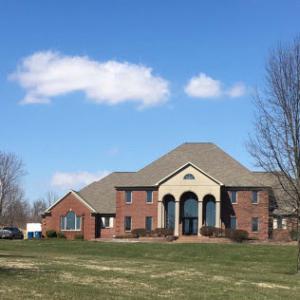
TriState Roofing & Remodeling
(812) 963-3130 tristateroofingandremodeling.com
12400 Darmstadt Rd, Evansville, Indiana
5.0 from 24 reviews
At TriState Roofing and Remodeling we are your destination for EVERYTHING exterior! We specialize in making your home the best on the block! Our services include metal roofing, dimensional shingle roofing, standing seam roofing, vinyl siding, vinyl replacement windows, gutter guards and much more! Our expertise allows us to take care of all the exterior needs for your home. With a large service area including most of the TriState Roofing & Remodeling you can count on us no matter where you live; service areas include Evansville, Henderson, Owensboro, Princeton, Carmi and all surrounding areas!
Best Choice Roofing
(812) 567-1198 bestchoiceroofing.com
3315 N Green River Rd, Evansville, Indiana
4.6 from 278 reviews
Best Choice Roofing is your trusted roofing expert and the Best Choice when it comes to choosing a roofing company with a commitment to impeccable customer service. In business since 2009, Best Choice Roofing’s industry-leading contributions to the roofing industry include a customer-first mentality, a dedication to top-quality products and a leadership team focused on the growth of its people. Because of this framework, we have created a loyal base of customers all over the United States.
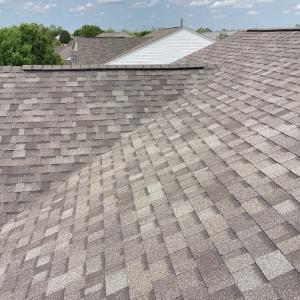
Royalty Roofing
(812) 422-6980 royaltyroofing.com
1124 Indy Ct, Evansville, Indiana
5.0 from 20 reviews
For over 35 years, Royalty Roofing has been serving Indiana with top-quality commercial and residential roofing solutions. With a strong reputation for expert craftsmanship, reliability, and superior customer service, we have become the go-to roofing contractor for homeowners and businesses alike. At Royalty Roofing, we treat every project like it’s our own—delivering exceptional service, premium materials, and lasting results. Whether you need a new roof, repairs, or maintenance, we’re here to help.
The Ohio Valley humidity, coupled with Evansville's hot summers and cold winters, creates repeated expansion and contraction cycles in shingles and roof decks. Those cycles are especially pronounced on asphalt shingles, but they also affect metal, tile, and shake products when installation details aren't perfectly matched to the season. Expect accelerated aging where sun exposure is highest and where trees or shade create microclimates on the roof surface. This means timing roof replacements to avoid extreme heat or deep freezes can help long-term performance, while also acknowledging that the work window will be limited by weather and storm risk. In practical terms, plan for longer exposure to temperature swings for any roof type and schedule adjustments if a section of the roof bears repeated, strong sun or rapid cooling after afternoon storms.
During hail and high-wind events, Evansville homeowners commonly confront sudden leaks and accelerated wear around flashings, penetrations, and valley intersections. After a storm, perform a careful walk-around of the roof from the ground and, when safe, from the ladder line. Focus on denting, granule loss, loose or curling shingles, lifted flashing, and damaged step and counter flashings. Photograph damage from multiple angles and save weather reports or county disaster notices if applicable. Create a dated, organized file that ties the observed damage to a storm event and its plausibly matched date. When filing insurance, provide this documentation along with a concise timeline that shows when the damage was first noticed, when the roofer was able to begin work, and any temporary mitigations like tarping. If a claim is necessary, keep copies of every communicating email or message, and record the name and contact details of the adjuster and the contractor's representative. In this market, timely documentation supports a smoother claim and reduces back-and-forth if repair timing becomes urgent after a storm.
Spring and fall are the preferred reroofing seasons for this region, as cooler, more predictable weather helps installers manage underlayment and sealing with less risk of rapid weather-driven setbacks. However, both seasons can be disrupted locally by storms and rain, so the best-laid schedule often slides. When a hailstorm or wind event hits, the shortest path to a reliable reroof is a phased plan: first, address any active leaks with temporary, weatherproof measures; second, allow the largest practical dry window for roof deck inspection and repairs; third, align the schedule so that multiple days in a row are forecast for low precipitation and moderate temperatures. If a roof has widespread damage or compromised underlayment, prioritizing a full tear-off and replacement inside a single window can minimize the chance of ongoing water intrusion during late-season storms. For homes with complex roof lines, valleys, or multiple roof pitches, breaking the project into stages can help manage interior protection and staging space, while staying mindful of indoor humidity and attic ventilation during the process.
Moderate precipitation year-round makes it essential to keep underlayment, flashing, and penetrations watertight through seasonal changes. Inspect roof-to-wall intersections, chimney cricket setups, vent boots, skylights, and edge details after storms, and address any sealant degradation promptly. In the Evansville climate, a robust sealant and proper shingle-to-flashing interface can prevent water intrusion when temperatures swing from hot to cold quickly. When a roof is being prepared for replacement, ensure the roofing crew prioritizes secure sealing around all penetrations and confirms that the drip edge is correctly aligned to direct water away from the fascia. For homeowners, coordinating with a contractor who emphasizes temporary protection and meticulous detailing near chimneys and vent stacks during storms can save substantial interior moisture concerns and potential secondary damage.
In this community, asphalt shingles remain the backbone of most residential roofs. The local reroofing and storm-repair market centers on shingles that can handle the Midwest's humidity, hail, and wind with straightforward installation and predictable performance. For many homeowners, an asphalt shingle roof offers a familiar profile, quick service timelines after a hail event, and a practical balance between durability and value. When storms roll through, you'll often see crews specializing in shingle replacements that match the neighborhood's typical roof lines and attic ventilation setups. Because shingle systems are so common, you'll find a broad network of local installers who can work efficiently within the region's storm-repair rhythm.
Metal roofing has carved out a meaningful specialist presence locally, making it one of the more established upgrade paths beyond standard shingles. If you're evaluating longer-term resilience against frequent hail and wind, metal can offer high impact resistance and a longer service life. In Evansville, you'll notice contractors who focus on metal installations often pair them with existing roof ventilation improvements and upgraded underlayment to maximize performance in humid summers. The material's reflectivity can help mitigate heat buildup in attics, which matters in hot stretches that follow storm season. While metal isn't as ubiquitous as asphalt, its dedicated local teams can guide you through profile choices, panel layouts, and color options that complement typical Evansville rooflines.
Clay tile and concrete tile can deliver distinct curb appeal and wind performance, yet they appear less frequently among the typical local contractor specialties. If a home has an existing tile roof or if a restoration project leans toward a tile aesthetic, a select set of nearby crews can manage the heavier weight and precise roofing geometry required for these systems. Wood shakes and synthetic products also present in the market, but their adoption tends to be more limited. Wood is sensitive to moisture and hail impacts, while synthetics offer design flexibility with lower maintenance, though selection and installation expertise remain more specialized. For most storm-focused reroofs, shingles still outpace these options in terms of compatibility with local crews, warranty support, and practical serviceability after hail events.
The blend of humid summers and the region's hail patterns means choosing a roof that balances weather resilience with ease of repair after wind events. An asphalt-shingle setup aligns with the typical roofing footprint in Evansville neighborhoods, enabling faster assessments, matched re-roof components, and streamlined insurance documentation when a storm damages the roof. If a homeowner considers upgrading for longevity or specific performance benefits, a local contractor can help evaluate whether a metal upgrade makes sense given the home's pitch, framing, and attic ventilation. Remember that a roof's surface isn't just about the shingles; the underlayment, flashing, and attic sealing work together to resist moisture intrusion and wind-driven rain. When storm claims arise, the local market's familiarity with shingle-based reroofs can translate into more predictable timelines and reliable post-storm service.
Local reroof costs can rise after hail and wind events when demand spikes across Evansville and surrounding Indiana markets. If a storm wall or neighborhood gets hit hard, crews and materials can move fast, and availability may tighten for a few weeks. That spike tends to push labor hours up and can shift material pricing, even for standard shingle jobs. For a homeowner, this means timing is partly a price predictor: a quicker decision can help avoid the steepest surge in both crews and trucks responding to storm-damaged properties.
Scheduling in Evansville's preferred spring and fall windows can tighten labor availability because those seasons are also the most practical for full replacements. If a project runs into peak demand, you may see longer wait times for scheduling, higher bid counts, and potential delays if weather in those windows shifts. Planning ahead for a reroof during a lull in local storms can improve access to crews and shorten overall project duration, even if the initial weather looks favorable for a quick start. In practice, bookmark a midweek start date when possible to help with crew routing and material deliveries.
Material choice matters sharply in this market, with asphalt shingles at 350 to 650 USD per square, metal at 700 to 1350, clay tile at 1000 to 2300, concrete tile at 900 to 1800, wood shingles or shakes at 600 to 1100, and synthetic or composite shingles at 900 to 1500. Asphalt remains the stock option for many Evansville homes, offering balance between cost and durability against humidity and hail exposure. Metal can be a strong long-term investment where wind resistance and hail resilience are priorities, especially on ranch or contemporary styles. Clay and concrete tiles bring a dramatic look and excellent longevity but require a stronger roof deck structure and higher upfront costs. Wood shingles or shakes give a traditional aesthetic but require more maintenance in humid climates. Synthetic or composite shingles offer a middle ground with enhanced impact resistance and reasonable weight.
If a hail event has damaged several roofs nearby, expect bids to reflect current material costs and crew availability. Request itemized quotes that separate underlayment, flashing, and disposal beyond the roofing material to compare apples-to-apples. Consider the long-term needs: a higher upfront investment in metal or tile might reduce future maintenance and replacement frequency compared with asphalt if hail exposure has been severe in the area. Finally, verify that the chosen material's weight and warranty align with the existing deck and local climate patterns, ensuring the replacement delivers solid performance through Indiana's humid seasons and frequent weather swings.
Don't let upfront costs delay a critical repair - these contractors offer payment plans to fit your budget.
The Way Construction
(812) 455-0231 thewayconstruction.com
2425 US-41 Suite 202, Evansville, Indiana
5.0 from 267 reviews
Bone Dry Roofing
(812) 993-4626 www.bonedry.com
2211 N Burkhardt Rd, Evansville, Indiana
4.9 from 101 reviews
Sharp Solutions Home Improvement
(812) 549-4046 sharpsolutionshomeimprovement.com
12700 Old State Rd, Evansville, Indiana
4.8 from 110 reviews
In this area, a full reroof typically requires a building permit rather than treating a replacement as simple over-the-counter maintenance. The permit process is designed to ensure the new roof meets current codes and is suitable for the local climate, including Ohio River Valley humidity, hail, and wind loads. A contractor will not leave the job site with a signed permit in hand; instead, the permit needs to be properly filed and tracked through the local building department. Understanding this ahead of time helps prevent delays when storm damage demands a quick roof replacement.
The contractor usually takes the lead on the permit submission. They present project details such as roof type, underlayment, venting, attic insulation considerations, and any structural work if applicable. That submission also includes code-compliance information to demonstrate the planned roof will meet or exceed the local building code requirements. It is prudent for homeowners to receive a copy of the submitted documents and to confirm the contractor's credentials and license status with the building department. Clear communication about drainage, anchoring, and wind-related requirements helps avoid back-and-forth requests that slow progress after a hail or wind event.
Inspections occur after installation to verify that the roof system conforms to code and the specifics of the approved permit. The inspector will typically review nailing patterns, underlayment type, flashing details, venting, and attic access as they relate to the final installation. If any deficiencies are found, repairs or adjustments must be completed before the project is considered compliant. It is common for inspections to be scheduled in sequence as different portions of the reroof are completed, rather than all at once.
Once the installation passes inspection, the project is closed out with final sign-off. Processing commonly takes several business days to a couple of weeks depending on department workload. To avoid unnecessary delays, ensure the contractor coordinates appointment times with the building department and provides any requested documentation promptly. After sign-off, maintain a copy of the final inspection report and permit closure for your records, as this can be valuable for future repairs or insurance documentation.
In Evansville, Indiana, homeowners face a high-claim environment driven by Midwest hail and wind. That reality isn't a scare tactic-it's a practical factor that shapes every insurance interaction after a severe storm. Carrier adjusters will expect you to show a clear before-and-after trail, and they often compare claimed damage against local storm history. Take organized photos from ground level and from the attic, plus dated close-ups of any roof and gutter damage. Keep copies of receipts for temporary fixes and notes on when leaks or shadows appeared inside the home. If you don't have the right documentation, the claim can stall or be narrowed, even if the damage is real.
Some policies in this market carry higher deductibles or hail-specific endorsements, which can change whether a full replacement makes financial sense. That means the verdict on replacement versus repair isn't automatic after a hail event-it hinges on how the damage stacks up against your deductible and any hail add-ons. It's common for carriers to scrutinize whether a roof truly needs replacement or can be limited to targeted repairs. Be prepared for questions about the age of the roof, the extent of wind-driven damage, and how much of the roof was affected across different slopes.
Because adjusters will compare current damage to storm history, a consistent record matters. Weather pattern history, neighborhood-wide claims, and even the timing of the storm can influence settlement outcomes. Before speaking with an adjuster, gather a concise timeline: when the storm hit, when the roof was first inspected, and when any temporary protections were installed. After inspection, provide a clean, labeled photo set that highlights areas of concern and any previously noted issues.
Never assume the adjuster sees the same problem you do. Use the photo record to guide conversations and request a written scope of damage. If a full replacement seems financially questionable given your policy's structure, ask for a second opinion or a depreciation review. Stay firm on documenting everything, because once the claim moves forward, the path you've laid can determine the final outcome.
Connect with contractors who help homeowners navigate the claims process from damage assessment to final approval.
The Way Construction
(812) 455-0231 thewayconstruction.com
2425 US-41 Suite 202, Evansville, Indiana
5.0 from 267 reviews
Bone Dry Roofing
(812) 993-4626 www.bonedry.com
2211 N Burkhardt Rd, Evansville, Indiana
4.9 from 101 reviews
Chapman Construction
(812) 760-7126 www.chapmanconstructionllc.com
3900 E Baseline Rd, Evansville, Indiana
4.9 from 162 reviews
Evansville's contractor market shows unusually strong demand for emergency response, reflecting how quickly storm-related leaks need temporary protection between weather windows. When a storm hits, a rapid tarp or weatherproof cover is worth more than a day's delay. If rain is imminent, place a sturdy cover over the most vulnerable area and keep a nearby bucket ready for drips. Document every patch with photos and dates, because the clock on storm repairs often starts ticking the moment the weather turns.
Heavy spring rainfall can turn small flashing or penetration failures into active interior leaks before full replacement can be scheduled. Check around chimneys, vents, roof-to-wall transitions, and skylights after every downpour. If water is traveling across the ceiling or pooling in attics, treat it as an urgent signal to halt interior damage. Temporary helpers like sealants or exterior tarps can slow intrusion, but they're not a substitute for a proper fix once calm weather returns.
Skylight-related repair capability is present in the local market, which matters because storm-driven water entry often concentrates around roof openings and transitions. If a skylight shows condensation, cracks, or crusting around seals, arrange a quick inspection. Repairs can be a focused, cost-efficient step to stop active leaks while a larger reroof plan is scheduled.
When leaks begin, act fast: deploy temporary protection, capture clear photos, and contact a trusted local roofer with skylight experience for an assessment as soon as possible. Prioritize leaks that threaten ceilings, electrical systems, or insulation. If the weather window looks favorable, coordinate a timeline that minimizes interior damage and streamlines the transition from emergency protection to permanent reroofing.
When you can't wait, these contractors offer fast response times to stop leaks and prevent further damage.

Storm Guard Roofing & Construction
(812) 625-2783 www.stormguardrc.com
1326 E Division St, Evansville, Indiana
4.8 from 223 reviews
HomeVenture Roofing
1900 Stringtown Rd, Evansville, Indiana
5.0 from 40 reviews
Sharp Solutions Home Improvement
(812) 549-4046 sharpsolutionshomeimprovement.com
12700 Old State Rd, Evansville, Indiana
4.8 from 110 reviews
The Evansville market has plenty of contractors advertising rapid response and cleanup after a storm, but you need to know who actually handles the insurance documentation, permit submission, and final inspection closeout. Look for a firm that assigns a dedicated point of contact who will present you with a clear claim packet, track each milestone, and confirm when a project is officially closed. Avoid teams that bounce you between sales folks, office staff, and crew leads without a single accountable coordinator.
Long-standing local firms that routinely serve single-family homes are a practical choice when hail and wind claims surge. These operations tend to understand the typical Evansville roofscape-house styles, age, and common damage patterns-and they're more likely to stay on the job until a completion stamp is secured. In a market driven by storm demand, residential-focused companies can offer steadier scheduling, predictable crews, and familiar cleanup practices, which helps during the stress of storm-season timelines.
Reroofing after a hail or wind event is as much about logistics as price. Ask how tear-off will be staged to minimize living space disruption, how yard debris will be contained and removed, and how the crew will protect landscaping and gutters during the replacement. Expect a clear plan for site cleanup, including tarp protection, nail pickup, and waste management. Clarify how the contractor will communicate claim progress, document weather-related delays, and handle any warranty follow-up, so there's no guesswork if issues surface after the crew leaves.