
Last updated: Apr 19, 2026
Franklin homeowners commonly face spring storm and hail risk followed by insurer documentation demands in Tennessee's periodic high-claim environment. When a storm hits, the rush to file claims can feel intense, but the most critical step is to act with purpose: document the damage immediately, photograph before any temporary fixes, and keep a clear record of dates, weather notices, and conversations with the adjuster. Hail can leave deceptive, shallow dings in asphalt shingles that only a trained eye catches, while nearby trees and wind-driven debris can carve gaps that invite moisture retention. Do not delay a professional inspection, because the clock on a claim often starts ticking from the first report, and gaps in evidence can complicate coverage decisions.
The city's humid subtropical heat accelerates asphalt shingle aging, so storm damage assessments often involve separating fresh impact damage from older heat-related wear. A local roofer will scrutinize each area for hail impacts that align with the storm window, while also noting high-heat aging patterns that might mimic fresh damage. Expect infrared or moisture-sensing checks in tricky spots, especially on steep slopes or late-summer exposures. The goal is to present a precise story to the insurer: what happened, when it happened, and what needs replacement versus what can be repaired. If an insurer questions preexisting wear, your documentation should clearly show the sequence of events and the condition before the storm, not after.
Replacement timing in Franklin is often favored in spring and fall because summer heat and winter cold can complicate scheduling, material handling, and inspection timing. Spring storms tend to set the claim cycle in motion, and many homeowners prefer to secure a replacement before the peak heat of summer compounds installation challenges. Fall offers a stable window with milder temperatures that helps with shingle sealing, adhesive performance, and worker safety ahead of winter. The key is to align the project with the insurer's timelines while preserving enough buffer to coordinate material delivery, weather gaps, and contractor schedules. If a claim is approved late in the season, discuss whether initiating temporary repairs that stop leaks is appropriate while awaiting full replacement, never compromising structural integrity or warranty terms.
Prepare a concise damage narrative that links each observed condition to a specific event. Take wide-angle photos that show the roof in relation to nearby trees, then close-ups of suspected impact points, flashing, and edge areas. Keep a running log of dates, names, and phone numbers of every contact with the insurer, contractor, or adjuster. Request a written scope of work from the contractor that differentiates between necessary replacements and permissible repairs, so the insurer sees a clean, accountable plan. If documentation feels rushed, insist on a reinspection after a delay caused by weather or scheduling, because a second look can capture evolving conditions-especially after a heavy rain event when hidden moisture becomes more visible.
Respond quickly to adjuster visits and provide full access to the roof, attic, and exterior walls as needed. Have a trusted local roofer evaluate the roof in the same visit if possible, ensuring the assessment uses the same damage language and photos the insurer expects. For larger storms, consider prioritizing critical areas first-leaks, sagging sections, or compromised flashing-while planning a full replacement during the preferred spring or fall window. Finally, maintain a calm, organized line of communication with the insurer: clear questions, precise dates, and a consistent description of discovered damage will minimize back-and-forth and keep the project moving toward a timely, quality replacement.

Storm Guard Roofing & Construction of Nashville
(615) 619-5197 www.stormguardrc.com
256 Seaboard Ln Suite F-103, Franklin, Tennessee
5.0 from 783 reviews
Are you looking for reliable Nashville TN roofing services? Look no further than Storm Guard of Nashville. We specialize in exterior services, including roofing, windows, siding, gutters, and painting. No job is too big or small for us, from residential homes to commercial buildings. As a licensed and locally owned business, we take pride in our work and offer a five-year labor warranty to back it up. At Storm Guard, we believe in putting our clients first. Our "Way" is centered around ensuring our clients have peace of mind and their property is fully restored after a storm. As a trusted roofing contractor, we strive to ease our clients' burden by providing quality roofing and construction expertise. Contact us today!
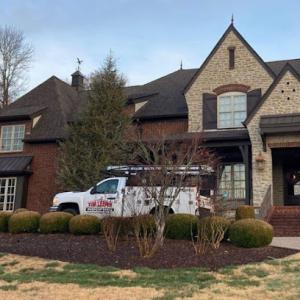
Tim Leeper Roofing
(615) 553-2782 timleeperroofing.com
321 Billingsly Ct Unit 18, Franklin, Tennessee
5.0 from 212 reviews
Tim Leeper Roofing has proudly served Franklin, TN with expert residential and commercial roofing services since 2004. Rooted in a tradition of craftsmanship, we approach every project with integrity, precision, and a commitment to long-term value. Our team isn’t just here to complete jobs—we’re here to solve problems, improve homes and businesses, and build lasting trust with our clients. From roof repairs and replacements to full-scale commercial solutions, we prioritize quality, communication, and an exceptional customer experience. We’re driven by a passion for roofing and a belief that every project is an opportunity to exceed expectations. Call us now!
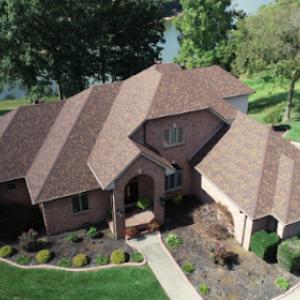
QE Roofing
(615) 505-7663 www.qeroofing.com
725 Cool Springs Blvd, Franklin, Tennessee
5.0 from 270 reviews
QE Roofing is a full service roofing company. We specialize in residential, commercial, and industrial properties. We service shingle, metal, TPO, PVC, tile, slate, and elastomeric coating roofs. Roofer Franklin TN | Roofing Repair Franklin TN
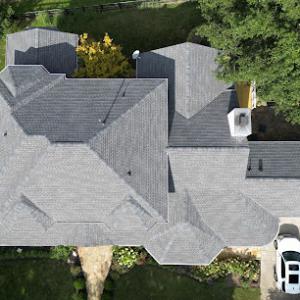
Fuller Construction
(629) 260-3343 www.fcihomes.net
1113 Murfreesboro Rd Ste 106 #159, Franklin, Tennessee
5.0 from 152 reviews
We build quality roofs with a lifetime guarantee. From installation to clean up, you wont be disappointed. Learn more about our commitment to excellence and your satisfaction. We pride ourselves on a keen attention to detail from the shingles to the banister. Our general contracting service offers top-notch workmanship, and our custom homes feature high-quality craftsmanship. Put simply... we do things the right way.
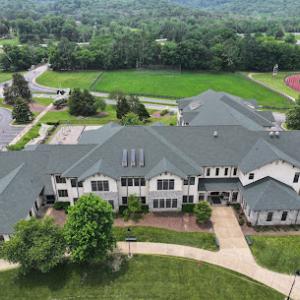
Three Stone Roofing & Exteriors
6100 Tower Cir #210, Franklin, Tennessee
5.0 from 329 reviews
Three Stone provides top-tier roofing, painting, exterior cleaning, and garage floor/concrete coating services, along with expert handling of insurance claims. As a trusted contractor, we treat every home owner, property manager and business owner with the highest level of respect. Reach out to us today!
Invictus Roofing
(615) 234-9833 www.invictusconstructiongroup.com
230 Franklin Rd Building 2 Suite 26, Franklin, Tennessee
5.0 from 88 reviews
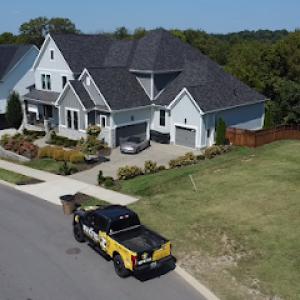
Are you tired of dealing with roofing issues that never seem to be resolved properly? Welcome to Invictus Construction Group, where we guarantee precision and expertise in every roofing project. Based in Franklin, TN, we are a team of licensed and insured roofing experts dedicated to elevating the standards of residential and commercial roofing. As a preferred contractor with Owens Corning, we bring expertise and sustainable, high-performing building materials to your doorstep, ensuring your project withstands the test of time. Our goal with every client is to provide the highest quality roofing services
Force Roofing Systems
(615) 614-3441 forceroofingsystems.com
318 Seaboard Ln #308, Franklin, Tennessee
4.9 from 332 reviews
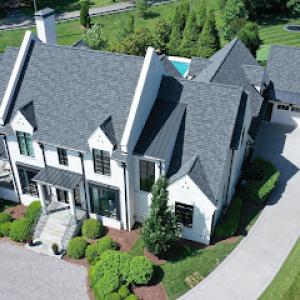
Force Roofing Systems proudly serves Franklin, Brentwood, Cool Springs, Nolensville, and surrounding Davidson and Williamson County communities with professional roofing solutions you can trust. We provide residential, commercial, and multi-family roofing services, installing and replacing roofs using asphalt shingles, metal roofing, and tile systems, along with gutter installation for complete exterior protection. Our team is also highly experienced in storm damage repair, and we are a GAF Master Elite® and Owens Corning Preferred Contractor. We offer 10- and 25-year workmanship warranties, flexible financing, and exclusive discounts for military personnel and first responders. Call today for a free estimate.
Five Points Roofing
(615) 266-4877 fivepointsroofing.com
118 Beasley Dr, Franklin, Tennessee
4.9 from 363 reviews
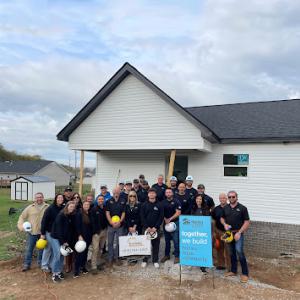
Five Points Roofing provides expert residential roof replacements in Franklin, Spring Hill, Brentwood, Thompson's Station and Nashville. With over a 100 years of combined experience, our licensed team specializes in asphalt shingle and metal roofing. We start every project with our 5 Point roof inspection to ensure precision and quality. Whether you need a storm damage insurance claim or a full roof installation, we provide free same week roof inspections across Middle Tennessee, Trust the #1 Best Roofing Company in Williamson County and book your inspection today.
Superior Roofing
(615) 599-9221 superiorroofingllc.com
810 Oak Meadow Dr unit 681893, Franklin, Tennessee
4.9 from 134 reviews
Since 2005, Superior Roofing has been a trusted leader in providing comprehensive roofing solutions. Based in Franklin, Tennessee, their expert team of contractors and inspectors specializes in a wide range of services, including roofing, cladding, and waterproofing. They are committed to delivering exceptional craftsmanship and unparalleled service for both residential and commercial properties. Dedicated to ensuring customer satisfaction and lasting results, Superior Roofing aims to be your go-to partner for all your property’s needs, offering peace of mind and superior quality.

Professional Roofers
(615) 778-1440 proroofersinc.com
321 Billingsly Ct STE 13, Franklin, Tennessee
4.9 from 286 reviews
Professional Roofers, Inc. is a roofing contractor in Franklin, serving Brentwood, Spring Hill, Nashville, and nearby areas. Our roofing company offers residential roofing, roof repair, asphalt shingle roofing, and more. We also specialize in gutter services and property management support. Customers love us because of our comprehensive roof warranties and affordable roof financing options. We are an Owens Corning Platinum Contractor & CertainTeed Shingle Master, so you can feel comfortable knowing your home is in great hands. If you want to experience how your most trusted Franklin roofing company embraces our motto, “Protecting your Home, Business and Family", call us now for a free estimate!
Four Corners Roofing & Restoration
(615) 856-1157 www.fourcornersrr.com
2020 Canyon Echo Dr, Franklin, Tennessee
5.0 from 42 reviews
Four Corners Roofing & Restoration, serving the Nashville, TN area, is your trusted partner for top-notch roofing and restoration services. We specialize in roofing, Water damage, fire damage, smoke damage and mold abatement. We pride ourselves on quality craftsmanship, utilizing advanced techniques and state-of-the-art equipment. As a locally-owned business, we prioritize customer satisfaction, transparency, and fair pricing. Whether you need residential or commercial services, we're dedicated to ensuring the safety and longevity of your property. Experience the difference with Four Corners Roofing & Restoration – your reliable choice for roofing & restoration excellence in Nashville and beyond.
Storm Damage Services
1650 Murfreesboro Rd Ste 221, Franklin, Tennessee
5.0 from 38 reviews
At SDS Tennessee we specialize in storm damage insurance replacement. We offer free roof inspections because we value you and your home, and take pride in providing high quality service, materials, and exceptional roofing expertise.
Franklin's residential roofscape reflects a diverse material palette rather than a single-market standard. Asphalt shingles remain common, but metal roofing, clay tile, concrete tile, synthetic/composite shingles, and slate each have a meaningful presence depending on neighborhood and home style. The mix is driven by age of homes, architectural intent, and the rise of premium upgrades in newer or historic-adjacent districts. Homeowners will encounter a true spectrum rather than a one-size-fits-all solution, with decisions depending on the visual harmony with surrounding properties and the expected performance under local weather patterns.
Higher-end homes and preservation-friendly neighborhoods bring premium options to the forefront. Slate, clay tile, and synthetic alternatives are more relevant here than in many Tennessee markets dominated by basic shingles. Slate provides a classic, long-lived profile that suits brick and historic facades, while clay and concrete tiles offer weather resistance and a distinctive silhouette that complements upscale subdivisions. Synthetic or composite shingles can mimic the appearance of natural materials at a lower maintenance profile, making them a practical compromise for upscale homes aiming for longevity without the heavier installation demands of real slate or tile.
Material choice must balance summer UV and heat exposure with seasonal hail and wind events. The Franklin climate subjects roofs to intense sun in long, hot summers and occasional hail that tests surface durability. Metal roofs can excel in heat dissipation and resilience, while clay and concrete tiles provide excellent UV resistance and slow degradation, though they can be heavier and require roof framing assessment. Asphalt and synthetic shingles offer broad compatibility and easier replacements, but their lifespan can be shortened by heat and faster UV aging if quality mid-range products are chosen. Visual compatibility with historic and upscale neighborhoods also matters, as many homes are under preservation-style covenants or feature carefully staged exteriors.
In neighborhoods with historic character or tightly spaced custom homes, selecting a material that respects the roofline and color palette is essential. Clay or concrete tiles pair well with brick or stucco exteriors and distinctive eaves, while slate suits traditional façades and steep pitches. For modern or suburban estates, metal roofing or synthetic shingles can provide a bold, contemporary look without compromising performance. The key is aligning the roof's silhouette, color, and texture with the surrounding streetscape while ensuring the chosen material meets practical demands such as wind resistance and seasonal maintenance.
Start by inventorying nearby roofs and noting which materials blend with the street's architectural rhythm. For historic-adjacent blocks, lean toward slate, clay, or premium synthetic options that honor tradition while delivering modern durability. On newer, upscale subdivisions with larger lots, metal roofing and high-end composite products offer extended longevity and a streamlined maintenance profile. In spring and fall windows, plan roof replacement or major repairs to minimize disruption during peak heat and storms, and ensure installation teams measure for any required structural reinforcement when switching to heavier tile or slate in existing systems.
Different materials demand different maintenance rhythms. Slate and high-end tiles require careful inspection of flashing and underlayment to preserve weather-tightness. Metal roofs benefit from periodic coating or treatment to mitigate glare and corrosion in exposed eave lines. Asphalt and synthetic shingles need regular venting checks and UV-rated underlayment replacements to maintain performance across Franklin's seasonal cycles. In all cases, ensuring that color and profile stay cohesive with neighboring homes helps preserve the street's visual integrity while delivering dependable protection.
In this market you should anchor cost expectations to the per-square ranges shown for common roof systems. Asphalt shingles typically run from about 350 to 650 USD per square, while metal roofing sits in a higher band, roughly 700 to 1,200 USD per square. If the project leans toward premium or specialty materials, expect higher values: clay and concrete tile commonly land between 900 and 1,800 USD per square, with synthetic/composite shingles from 450 to 900 USD per square, and slate often from 1,100 to 2,100 USD per square. Premium materials are more common here because the local housing stock includes many larger and more design-sensitive homes, where curb appeal and long-term performance drive material choices. When budgeting, use these per-square ranges as your baseline and then factor in the home size, roof complexity, and chosen material.
Storm-driven surges in roofing demand can affect pricing and scheduling after severe weather events, especially when many homeowners file claims at once. In Franklin, a strong spring or fall weather window is the sweet spot for replacements, but a neighborhood hit by hail or heavy storms can push crew availability and material orders into tighter timelines. If crews are in high demand, you may see short-notice price adjustments or limited appointment slots. Build a realistic replacement window that accounts for possible backlog after a damaging event, and consider obtaining preliminary approvals or comparisons before the first heavy rain spells arrive. Planning ahead helps lock in reasonable schedules and reduces the risk of forced mid-season overages.
The design-intensive, larger homes common in newer steep-slope neighborhoods and historic-area expansions influence material selection. Premium options like slate, clay tile, or high-end metal can be more prevalent than in more uniformly scaled markets. Each choice carries distinct aesthetics, durability profiles, and maintenance needs, all of which impact total cost beyond the base per-square figure. When evaluating options, weigh the long-term value and appearance against the upfront cost, noting how roof pitch, roof lines, and protrusions (dormers, skylights, chimneys) can increase both material consumption and labor time.
1) Confirm the planned roof area in squares and select a target material. 2) Multiply by the corresponding per-square range to establish a material-and-labor frame. 3) Add a contingency for weather-related delays or supply fluctuations, typically 5-15 percent. 4) Gather two or three detailed estimates that itemize tear-off, disposal, underlayment, fasteners, and insulation adjustments. 5) Align the final choice with the home's design sensitivity and long-term performance goals, recognizing that larger or more intricate roofs often justify premium materials. 6) Schedule a window that balances favorable spring and fall conditions with reliable crew availability. In Franklin, thoughtful preparation and material choice aligned with the house style can deliver durable performance and satisfy design expectations without exceeding practical budgets.
Get a clear picture of your project costs upfront - no commitment required.
Force Roofing Systems
(615) 614-3441 forceroofingsystems.com
318 Seaboard Ln #308, Franklin, Tennessee
4.9 from 332 reviews

Professional Roofers
(615) 778-1440 proroofersinc.com
321 Billingsly Ct STE 13, Franklin, Tennessee
4.9 from 286 reviews
A building permit is typically required for a full roof replacement through the City of Franklin Building Services. It is not something to skip or treat as an afterthought, because the permit process ensures the planned work complies with local codes for roof assembly, ventilation, and fire-rated details. Before any tear-off begins, confirm that your scope of work matches what triggers a permit-especially if the project includes structural changes, updated ventilation, or new exhaust or intake vents. The permitting office can tell you whether your home's particular roof configuration, attic access, or chimney work will require additional documentation or plan review.
Inspections are scheduled after all work is finished, and the closeout with the inspector is a formal part of the reroof process, not a mere afterthought. Expect at least one final inspection to verify that the new roof deck, underlayment, flashing, and shingles meet code and manufacturer specifications. Having the permit number, project address, and contractor information on hand will streamline this step. If the inspector notes deficiencies or deviations from the approved plan, be prepared to address them promptly-this could mean corrective flashing, vent sealing, or re-securing fasteners. Timely scheduling and access to the attic and eaves help the inspector assess critical details such as attic ventilation and underlayment coverage.
Projects involving structural changes or vent work may trigger additional permit requirements or amendments to the initial permit. If roof framing is altered, trusses are adjusted, or if dormers, skylights, or height changes are introduced, plan on extra reviews and potential code-specific conditions tied to structural integrity and load paths. Similarly, adding or relocating vents, chimneys, or roof-mounted HVAC equipment can require engineering considerations and added documentation. Coordinating these elements with both the contractor and the Building Services office early in the process helps prevent delays or rework at the final inspection.
Start by selecting a contractor who understands the local permit workflow and can provide all necessary documentation, including a scope of work, roof plan, and any structural notes if applicable. Submit the permit package well before the anticipated tear-off date and schedule a pre-inspection walkthrough if offered. Keep a detailed record of any changes to the plan as work progresses, since amendments often require additional approvals. On the day of the final inspection, ensure clear access to the eaves, attic ventilation, and any newly installed flashings or vents, so the inspector can verify compliance without unnecessary delays.
In Franklin, Tennessee insurers serving the area may request pre-work and post-work photos, a detailed scope, and a close review of roof age and condition before approving replacement. This isn't a courtesy-it's how many claims get vetted after a storm or when a shingle shows heat wear. Gather clear, date-stamped photos of all elevations, attic conditions, and interior signs of water intrusion. A concise, itemized scope helps prevent back-and-forth that drags the process into the busy spring and fall windows.
Because the city sees periodic severe-weather claim volume, homeowners should expect stricter documentation and possible deductible pressure after regional storm events. Plan for a window that aligns with calmer weather, when crews can safely inspect, tarp, and replace without heat-triggered surprises. If a claim is filed during a volatile stretch, insurers may push for faster decisions, which can lead to rushed documentation or overlooked details. Keeping a steady cadence of photos and notes through the process reduces surprises when the final assessment lands.
Insurance decisions often hinge on whether the file clearly distinguishes storm-created damage from normal aging on heat-exposed shingles. In warmer stretches, shingles can lift or curl in a way that mimics impact damage, so precise notes matter. A professional assessment that flags wind-stripping, hail impact, or moisture beneath lifted shingles-paired with corresponding time-stamped photos-helps clarify the cause. For historic or higher-end homes with steep angles, the line between aging and storm effects can be subtle; build the file with context, not just snapshots.
Document roof lines from multiple stands and heights, including near gutters and valleys where wear shows first. Keep a running timeline of weather events and any temporary repairs. If a claim progresses to replacement consideration, ensure the file includes every inspector's comment, the scope of work, and the exact age of the roof as noted by the contractor or insurance adjuster. A disciplined trail reduces back-and-forth and aligns expectations when spring and fall weather windows open.
Connect with contractors who help homeowners navigate the claims process from damage assessment to final approval.
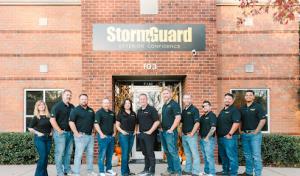
Storm Guard Roofing & Construction of Nashville
(615) 619-5197 www.stormguardrc.com
256 Seaboard Ln Suite F-103, Franklin, Tennessee
5.0 from 783 reviews
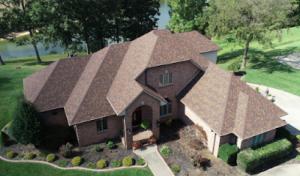
QE Roofing
(615) 505-7663 www.qeroofing.com
725 Cool Springs Blvd, Franklin, Tennessee
5.0 from 270 reviews
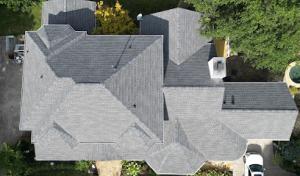
Fuller Construction
(629) 260-3343 www.fcihomes.net
1113 Murfreesboro Rd Ste 106 #159, Franklin, Tennessee
5.0 from 152 reviews
When storms hit, quick response matters more than you think. Emergency response is especially relevant in Franklin because local contractor signals show very high prevalence of quick-response and emergency repair service. A sudden leak can start a cascade-water finds its way from roof sheathing into decking and interior finishes in hours. If you notice active dripping or the ceiling bulges, treat it as urgent and initiate a tarp plan immediately.
Fast temporary protection matters in Franklin's humid conditions because moisture intrusion can spread quickly from roof leaks into decking and interior finishes. Lay a sturdy tarp or waterproof sheeting over the affected area, anchoring edges with weights or nails long enough to hold during wind. If you cannot safely reach the roof, place tarps at interior risk points-attic vents, skylights, and softened ceiling spots-to slow water ingress. Keep towels or buckets ready beneath the leaks to control drips and minimize damage to insulation and drywall. Recheck tarps after rain, wind, or heat swings to ensure they remain secure.
Document every issue with photos from multiple angles-outside and inside where leaks show. Create a dated log of when water first appeared, driving weather, and any observed hail or debris impact. This helps when the insurer schedules their inspection and sets a replacement timeline. Coordinate with a licensed local contractor to prioritize areas most affected and to plan an efficient sequence for full replacement once the schedule is set.
When you can't wait, these contractors offer fast response times to stop leaks and prevent further damage.
Storm Guard Roofing & Construction of Nashville
(615) 619-5197 www.stormguardrc.com
256 Seaboard Ln Suite F-103, Franklin, Tennessee
5.0 from 783 reviews
Professional Roofers
(615) 778-1440 proroofersinc.com
321 Billingsly Ct STE 13, Franklin, Tennessee
4.9 from 286 reviews
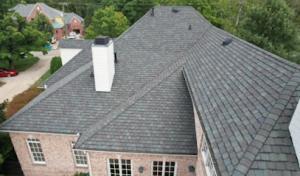
Four Corners Roofing & Restoration
(615) 856-1157 www.fourcornersrr.com
2020 Canyon Echo Dr, Franklin, Tennessee
5.0 from 42 reviews
You're in a market where re-roofing, cleanup included, quick response, and residential experience are more prevalent signals than niche specialty work. This means the best choices often come from contractors who handle complete projects fast, talk plainly about timelines, and back up what they promise with steady residential references. Look for crews that show up with a fleet of trucks, reliable cleanup crews, and a process that keeps your yard intact rather than leaving a mess behind. It's not about the flashiest bid; it's about predictable scheduling and consistent workmanship, especially when spring storms or fall temperature swings pressure the schedule.
The local mix includes a meaningful share of long-established, locally owned, family-owned, manufacturer-certified, and drone-inspection contractors. Those are real, tangible signals you can use to compare service style and credibility. Ask for visible certifications, who will perform the work, and whether inspections come from a factory-trained tech. A family-owned outfit often provides clearer accountability and a straightforward point of contact. Drone inspections can speed the initial assessment, but ensure you also get a ground-level, hands-on walkthrough of the roof's condition and the recommended replacement plan.
Because storm-chasing pressure can rise after severe weather in Franklin, homeowners should verify licensing, insurance, scope detail, cleanup commitments, and warranty terms before signing. Do not be rushed into a broad scope without a precise line-by-line description: what is replaced, what stays, and what is cleaned up. Confirm who organizes debris removal and whether tarps, leak protection, and interior protection are included. A solid contract should spell out response times after a storm, and a clear policy for warranty coverage on workmanship and materials.
Ask for a single point of contact, a defined project start date, and a transparent schedule showing milestone cleanups. Request a written scope that includes shingle style, underlayment choices, and any required attic ventilation work. Verify that the crew will protect landscaping and hard surfaces during peak hail seasons or heavy rain. Finally, compare how each contractor documents the project, from pre-inspection to final walk-through, so you know exactly what you're getting when the job is complete.
Flat and low-slope roofing is a secondary need in Franklin rather than the dominant residential roof type, but it remains relevant for additions, porches, mixed-use buildings, and some commercial properties. In neighborhoods with downtown preservation areas and newer steep-slope suburbs, low-slope sections show up primarily on additions or covered outdoor spaces. Local contractor data shows flat-roof specialization is present but far less common than storm repair and steep-slope re-roofing, so homeowners with low-slope sections may need more targeted screening. Expect mixed results depending on age of the structure and the roof's original purpose.
Low-slope sections in Franklin still face the same seasonal pattern of summer heat, fall debris, and winter delays, but repair methods and drainage concerns differ from the city's more common steep-slope roofs. Heat accelerates membrane aging on flat roofs, and debris from ragweed and maples can clog internal drains or scuppers more quickly on low-slopes. Ensure interior attic or space beneath the flat area is adequately vented to prevent condensation and mold. Drainage must be checked after storms; standing water on even a modestly inclined section can lead to edge blistering and early wear of the cap sheet or coating. In mixed-use properties, ensure bike racks or planters don't block drip edges.
When scheduling a low-slope check, bring a roofer who can evaluate membrane integrity, flashing transitions, and parapet conditions. Even if the rest of the home uses steeper pitches, the low-slope area warrants a focused review for venting, edge detailing, and drip edge compatibility with the overall roof system. Since inventory varies widely, rely on a contractor who can perform targeted moisture testing and provide a clear plan for drainage restoration and maintenance. For additions and porches, confirm that any new low-slope insert aligns with existing waterproofing methods.
In Franklin's climate, seasonal timing matters; plan inspections after peak heat and before autumn debris to maximize durability for lasting performance here.
Find specialists in TPO, EPDM, and built-up flat roofing systems for residential and commercial properties.
QE Roofing
(615) 505-7663 www.qeroofing.com
725 Cool Springs Blvd, Franklin, Tennessee
5.0 from 270 reviews
Professional Roofers
(615) 778-1440 proroofersinc.com
321 Billingsly Ct STE 13, Franklin, Tennessee
4.9 from 286 reviews

Antebellum Roofworks
(615) 794-9111 antebellumroofworks.com
222 Franklin Rd, Franklin, Tennessee
5.0 from 11 reviews