
Last updated: Apr 19, 2026
New Albany sits in Southern Indiana's Ohio River corridor, where hail and wind events are a major driver of roofing claims. The region endures rapid temperature swings that stress shingles, flashing, and vent seals, and the combination of heavy downpours and high winds can expose attic spaces to sudden leaks even when the roof looks intact from the ground. When a storm hits, the most urgent need is not a cosmetic update but a rapid assessment for structural safety and water intrusion. Every hour after a storm matters: if you see daylight in the attic, hear drips, or notice damp patches on ceilings, treat it as an active leak and begin documenting right away.
Local contractor signals show unusually strong concentration in storm damage, insurance claims, and emergency repair work, indicating that post-storm service is a core homeowner need in this city. This demand pattern means response windows are tight and crews move quickly from emergency tarping to full roof replacement. Seek a contractor who can mobilize within 24 to 48 hours after a storm, perform a temporary repair to stop the water, and then guide you through the insurance assistance process. In practice, that often means a two-phase approach: first, an on-site leak-stop and tarp, then a detailed assessment for a full-coverage claim package. The goal is to reduce further interior damage while you work through official documentation and verification with the insurer.
Insurers in Indiana increasingly ask for documentation of pre-existing conditions and may use stricter appraisal and claim review processes after severe weather events. Take a proactive stance: photograph every visible roofing element before any temporary repair, including shingles, flashing around chimneys, vents, skylights, gutters, and fascia. Photograph the interior signs of leakage-stains on ceilings, walls, and attic insulation-ideally dating the images with timestamps. Keep a running log of storm dates, observed damage, and any spikes in interior moisture. If a contractor notes pre-existing wear, request a written pre-storm condition report and retain utility records that show when power was interrupted or when moisture detectors first tripped. This organized file becomes a critical backbone for the claim and helps avoid delays caused by incomplete documentation.
First, file the claim promptly and request a field adjuster visit as soon as possible after forming a basic assessment. Do not sign off on repairs without a clear scope that matches the observed damage and the insurance coverage; ambiguity can stall payment or invite back-and-forth. Hire a local contractor with a track record in storm damage and emergency repair, someone who understands the typical composition of New Albany roofs-what works with the regional weather patterns and what fails under flash storms. Ensure the contractor provides a tarp plan, a temporary leak-stopping strategy, and a transparent timeline for temporary repairs followed by a full replacement if warranted. Document every interaction with the insurer and the contractor-names, dates, and outcomes-to keep the claim moving forward.
Avoid waiting for obvious leaks to escalate into interior damage that complicates the claim. Do not rely on the first contractor who knocks on the door after a storm; instead, compare at least two reputable local roofers who understand Southern Indiana hail and wind dynamics and who can present a clear report package tailored to Indiana claim review practices. Be mindful that insurers may request more detailed evidence after severe weather; your preparedness with thorough photos, precise measurements, and a cohesive repair plan can shorten the path to a settled claim and a proper, weather-resilient roof.

Statewide Contractors (Roofing - Siding - Gutters)
990 Progress Blvd, New Albany, Indiana
5.0 from 55 reviews
Kentuckiana's Trusted Roof Replacement Company For Both Residential And Commercial Property Owners. Statewide provides professional roof replacement services to home and business owners all over Kentuckiana! If you have had hail or wind damage from a recent storm, our team offers same day appointments and same day inspections. We will provide you with a free digital analysis of any damage we should find along with a prepared estimate of damages for your insurance provider. We provide: *Free Damage Inspections *Claims Filing Assistance *Insurance Adjuster Meeting Representation *Deductible Assistance Program *1 Day Roof Installations *Lifetime Warranty
RAM Roofing & Remodeling
(502) 444-7663 www.ramroofer.com
401 Mt Tabor Rd, New Albany, Indiana
5.0 from 26 reviews
RAM Roofing & Remodeling is the premier choice for roof repair and replacement in Louisville, KY and southern Indiana. With over 15 years of experience, we provide FREE online roof inspections in just 43 seconds, storm damage repairs, preventative maintenance, and complete residential & commercial roof replacements. Fast, reliable, and top-quality service. Flexible financing available Licensed, insured, and highly rated experts. We proudly serve homeowners and businesses throughout Louisville, KY, and southern Indiana. Call now or book your free online inspection today!
Cox Roofing
(502) 541-6566 www.coxroofingsystems.com
400 State St, New Albany, Indiana
5.0 from 19 reviews
Cox Roofing is your trusted local roofing expert, proudly serving residential and commercial roofing clients in Louisville, New Albany, and the surrounding areas. As an Owens Corning Platinum Preferred Contractor, we meet the highest standards in the industry and offer some of the best roofing warranties available. Whether you need roof replacement, roof repair, roof inspection, or a new installation, our experienced team is committed to delivering long-lasting results and peace of mind. At Cox Roofing, we stand behind our work with integrity, professionalism, and unmatched customer care, making us the ideal commercial roofer for your business or residential roofing needs. Let us protect what matters most—your home or business.
Burt's Roofing
(502) 667-4500 www.burtsroofing.com
New Albany, Indiana
5.0 from 16 reviews
Since 1991, Burt's Roofing has been the trusted name in home renovation. As a family-owned business, we offer comprehensive solutions for roofing, gutters, siding, and more. Our skilled professionals are dedicated to delivering exceptional service, whether it's gutter cleaning, window installation, painting, or a complete roof renewal. We focus on reliable, affordable, and lasting results, tailored to your unique needs. Let Burt's Roofing be your partner in creating the home of your dreams!
Murphy Roofing & Construction
616 Roseview Terrace, New Albany, Indiana
4.6 from 30 reviews
Murphy Construction specializes in residential remodeling from the foundation to the roof. We also offer many commercial applications and all types of damage restoration. We are lucky enough to be partnered with several of the best companies in the area,so if there is something that Murphy cannot tackle then one of our partners can.
Insulated Roofing Contractors
(800) 635-6996 www.ircroof.com
326 Mt Tabor Rd, New Albany, Indiana
4.1 from 28 reviews
Since 1974, Insulated Roofing Contractors has installed over 250 million square feet of roof, most of which was spray polyurethane foam. We are a family owned and operated business. IRC is committed to being recognized as the nation’s premier roofing contractor by providing innovative solutions that create a high quality, sustainable, and cost-effective roofing system. Our commitment to customer service, integrity, and quality, means that you can trust our recommendations and our decisions for your roof. We're here to ensure your roof is safely and professionally installed, from day one!
Pro Restoration Plus
(812) 727-8844 www.prorestorationplus.com
Serving
4.9 from 94 reviews
Pro Restoration Plus is a reputable, family-owned roofing and remodeling business headquartered in Jeffersonville, IN, that serves all of Kentuckiana! We specialize in roof repairs, replacements, siding, gutters, and a wide range of interior home improvement services. Furthermore, we are a 5-star-rated, A+ accredited company on the Better Business Bureau with a commitment to our customers’ satisfaction. Our certified inspectors will help educate you on any issues they spot by breaking down what may be the culprit and the solutions available to you. The most rewarding aspect of our job is witnessing the joy and satisfaction on our customers’ faces as they see their homes transformed and restored to their former glory.
C&C Roofing
(812) 551-1087 www.ccroofer.com
Serving
5.0 from 20 reviews
C&C Roofing is a family and woman-owned business based in Clarksville, Indiana. After years of experience in the roofing industry, this mother and son duo founded the company in 2020, bringing their expertise and dedication to every project.
Gonzalez Roofing
(859) 529-6110 www.gonzalezroofingllcoh.com
Serving
5.0 from 13 reviews
Gonzalez Roofing, founded in 2018, is a trusted roofing and siding contractor serving Florence, KY, and surrounding areas. If you're searching for a reliable local roofing company near me, we specialize in roof maintenance, metal roofing, TPO, EPDM, and PVC roof installation for residential and commercial properties. We also offer gutter services, free inspections, and free estimates to ensure your roof stays in top condition. Our team provides 24/7 emergency repairs, giving you peace of mind when you need it most. Contact Gonzalez Roofing today for expert roofing solutions near you!
Stiles Roofing Company
(812) 944-9844 stilesroofingcompany.com
Serving
4.7 from 17 reviews
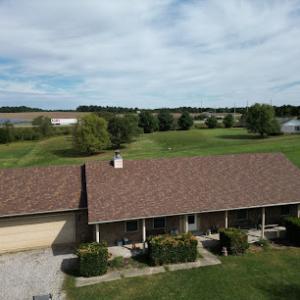
For more than 43 years, Stiles Roofing Company has been providing professional residential and and commercial roofing services. We take pride in delivering outstanding customer service to each and every one of our customers. If you have concerns about the condition of your roof give Gary Stiles a call today for your free no obligation estimate.
Dura Roofs
(502) 324-4141 www.duraroofs.com
Serving
5.0 from 21 reviews
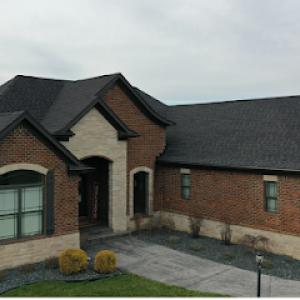
Dura Group Roofing is a Roofing Company located in Jeffersonville, IN. We offer Roof Repairs, Spray On Roofing, Roofing Consultations, Roof Replacements, Certified Roofing, and other Roof Repairs. Here at Dura Group Roofing, our mission is to always provide quality service at an affordable price. Our roofers are highly trained professionals with years of experience. The success of our company is due to the dedication we provide to our customers. No matter the job, customer satisfaction is always our number one priority! Contact us today for more information and services.
Absolutely Affordable Roofing
(812) 214-1076 www.absolutelyaffordableroofing.com
Serving
4.8 from 61 reviews
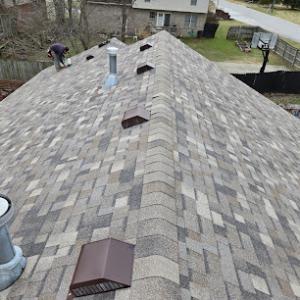
Absolutely Affordable Roofing, a local roofing contractor, provides competitive pricing coupled with master-quality workmanship. This venture represents a new business endeavor, building upon prior experience with a highly-rated roofing contractor; references are available upon request. We are committed to treating your property with the utmost care and respect.
New Albany's humid continental climate brings hot summers, cold winters, and seasonal precipitation that directly affect installation timing and roof lifespan. Heat and humidity in the height of summer can soften shingles and make long days on the roof uncomfortable, while winter conditions bring wind-driven snow and occasional ice that complicate work and create slip hazards. When planning a roof project, align the schedule with the shoulder seasons so crews can work steadily without fighting through the hottest days or midwinter freezes.
Fall is commonly the best window for major roof work. Temperatures in the 50s and 60s are comfortable for crews, and the humidity tends to be lower than in the peak summer months. By choosing a fall tear-off or replacement, you reduce the risk of heat-related product expansion and worker fatigue, and you give the new roofing system time to settle before winter storms arrive. Start with a careful inspection in late summer to flag any hail or wind damage that could affect the scope of the fall project. This helps you lock in a plan before autumn rains ramp up.
Spring brings renewed warmth and longer daylight, which helps keep progress steady as temperatures rise. Spring storms and rainfall can pause tear-offs, but that interruption is usually brief and predictable, allowing crews to adjust and resume without long delays. For a spring project, complete the bulk of the work before the heat of early summer hits, and use the milder days to address interior or flashing work that often accompanies a full roof replacement. A spring timeline also gives you leverage to coordinate with storm season follow-ups and any post-winter repairs that become urgent.
Peak summer heat can push the roofing crew into very long workdays and higher risk of heat-related stress. If a fall window is tight, a well-timed early-summer start can work in calmer conditions, but be prepared for schedule shifts caused by heat and afternoon storms. The key is to place emphasis on material handling during cooler parts of the day and to choose reflective or lighter-color shingle options that perform better in heat. In practice, heavy afternoon storms in midsummer can pause tear-offs, so build buffer days into the plan.
Winter installs are rarely ideal due to freeze-thaw cycles that can accelerate aging if damaged roofs are left in place. When temperatures regularly drop below freezing, shingles can become brittle, nail guns and adhesives behave differently, and snow load adds safety concerns. If a winter project is unavoidable, schedule around consistently above-freezing days, keep a contingency for cold-weather delays, and ensure temporary protection is in place to guard against wind-driven moisture.
Work with a contractor who understands the local storm patterns and the way spring rainfall can interrupt tear-offs. Build a realistic calendar that starts with a thorough pre-season inspection, identifies storm-damaged areas, and prioritizes proper removal and replacement sequences. Use fall and spring for larger projects to maximize crew efficiency, minimize exposure of underlayment, and ensure a solid installation before the extremes of summer heat and winter cold.
Prepare by consolidating insurance-related documentation and scheduling adjustments early in the season so the project can proceed without last-minute weather-driven delays. Prioritize securing shade and safe access for workers during hot periods, and arrange for swift debris containment to protect driveways and landscaping from spring or fall storm activity. Keeping the work area clean and predictable makes the most of the favorable shoulder seasons and reduces the risk of weather-related setbacks once the crew is on-site.
Get a clear picture of your project costs upfront - no commitment required.
RAM Roofing & Remodeling
(502) 444-7663 www.ramroofer.com
401 Mt Tabor Rd, New Albany, Indiana
5.0 from 26 reviews
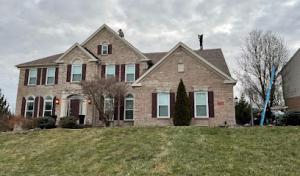
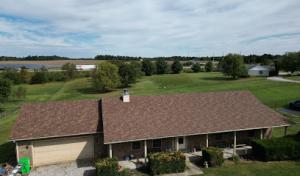
In the local market, the dominant materials used are asphalt shingles, metal roofing, clay tile, concrete tile, wood shingles or shakes, and synthetic or composite shingles. Each option has distinct benefits for the area's storm exposure and seasonal shifts, so choosing a material starts with how the roof behaves under typical New Albany conditions. Asphalt shingles remain common for their balance of cost, ease of replacement, and broad availability, while metal roofs offer excellent wind resistance and rapid snow shedding. Clay and concrete tiles are favored on certain homes with a more traditional look or heavier roof structure, and wood shingles or shakes bring natural texture but demand careful maintenance in humid summers. Synthetic or composite shingles provide versatility and can mimic other materials with improved impact resistance in some cases.
Material choice in New Albany has to account for both humid summers and cold winters, which makes thermal movement, moisture exposure, and freeze-thaw durability especially relevant. The heat and humidity can accelerate adhesive aging and edge curling for some asphalt systems, while freeze-thaw cycles stress fasteners and occasional tile breakage in heavier roof assemblies. Metal roofs, if not properly coated, can reflect heat and condense inside attic spaces, so insulation and ventilation are important. Tile systems-especially clay or concrete-tend to be heavier and require structural verification to handle the load, plus installation accuracy to prevent cracking on cycles of freezing and thawing. Moisture management around penetrations and valleys matters for all materials, but the risks multiply for real-world, year-round humidity and storm-driven water intrusion.
Heavier tile systems are present in this market but require attention to structure and installation quality because reroofing here commonly involves replacement rather than only minor repair. If a roof is being replaced, the existing deck and trusses should be evaluated for the added weight and for the condition of underlayment, drainage, and fasteners. Contractors often need to upgrade underlayment and ensure that the roof pitch and flashing are compatible with the chosen tile type. This means conversations about roof framing, attic ventilation, and potential reinforcement should occur early in the project to prevent surprises after the old roof is removed.
In storm-prone seasons, the detailing around chimneys, vents, and overhangs becomes critical for any material type. Asphalt and synthetic shingles benefit from impact-resistant choices and proper nailing patterns, while metal roofs rely on secure seam sealing and fastener spacing. Tile systems demand precise installation of battens, clips, and sealants to resist wind uplift. A high-quality installation also supports faster emergency responses after hail or wind events, since a well-sealed roof is easier to dry out and document for insurance purposes.
Maintenance that matches New Albany's climate includes proactive inspection after major storms, prompt repair of any cracked or loose shingles, and periodic cleaning to prevent moisture buildup in valleys and gutters. For heavier materials, ongoing checks of fasteners and support structures help catch shifting loads early. The long-term durability hinges on choosing a material that aligns with structural capacity, climate realities, and the level of care taken during reroofing projects.
Typical pricing for asphalt shingles in this market sits around 350 to 650 USD per square. In storm-impacted periods, scheduling tends to tighten and prices can drift higher as crews book up quickly to handle multiple hail- or wind-damaged roofs. If the roof has old underlayment or steep sections, expect costs toward the higher end. Your roofer may also quote for a tear-off if the existing roof is decades old or shows moisture intrusion.
Metal options run from 600 to 1100 USD per square. Metal is popular in established neighborhoods for its durability and wind resistance, but steep slopes common in local homes can add to installation time and cost. After a hail event, metal re-roofs can become especially in-demand, driving lead times and pricing pressure. Factor in potential additional work for flashing, deck replacement, or complementary gutters.
Clay tile typically ranges from 1000 to 1800 USD per square. Tile roofs are common on classic designs but require careful handling and precise placement. Storms can push replacement timelines, since tile is fragile and needs careful staging. Expect higher costs if structural reinforcement or a full tear-off is needed due to aging decking or previous roof work.
Concrete tile commonly falls between 900 and 1500 USD per square. Similar to clay, weight and handling drive labor costs, especially on older structures with marginal framing. After hail events, crews may need orthogonal flight plans for tile removal and replacement, which can lengthen project duration and slightly raise price.
Wood options run from 600 to 1100 USD per square. In New Albany, wood can be susceptible to moisture and rapid aging in freeze-thaw cycles, so some projects include deck and moisture barrier upgrades. Storm-driven demand can push scheduling pressure, and steeper roofs increase labor and safety costs.
Synthetic or composite shingles typically cost between 550 and 900 USD per square. This material can offer good hail resistance and lighter handling than tile, but still faces higher labor rates when the roofline is steep or the attic is tight. In busy after-storm periods, expect longer waits and potential price adjustments as crews balance multiple reroofs.
Don't let upfront costs delay a critical repair - these contractors offer payment plans to fit your budget.
RAM Roofing & Remodeling
(502) 444-7663 www.ramroofer.com
401 Mt Tabor Rd, New Albany, Indiana
5.0 from 26 reviews
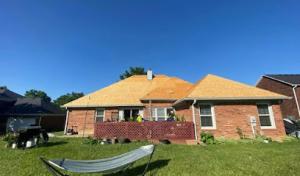

A reroof here cannot move forward without a building permit. The city treats roofing as a structural change, especially after a severe storm or hail event when insurance letters start flying. If the permit isn't pulled, you're operating outside code, which can bite you later-think denied claims, missed inspections, and work that has to be torn off to bring everything up to standard.
The contractor, or you if you're taking on the project yourself, must submit the application to the city building department before any shingle sawdust hits the attic. In many cases, a storm-damaged roof triggers a faster-review path, but the same rules apply: no rough-in or deck work until the permit is in hand. The process hinges on accurate drawings, a scope of work, and a commitment to meet current code requirements. If a subcontractor handles the filing, verify that they have the city's current forms and the project details ready before the bid is signed.
Inspections are not cosmetic checks; they verify the structural and weatherproofing integrity of the roof system. Expect a rough-in inspection once the roof deck and any venting or flashing modifications are in place, before any underlayment goes on. Then there's a final inspection when everything is completed to the city's satisfaction-this confirms compliance with setback rules, ventilation, drip edge, and flashing details, which matter for long-term performance and insurance repairs.
Typically, permit issuance happens within 1 to 2 weeks if the application has no deficiencies. That window can stretch if plans are incomplete or if there are questions about storm-related damage assessments. To avoid delays, ensure the project scope is clear, all required documents are attached, and any requested photos or damage reports are readily available. After the final inspection, keep the permit closed-out documents in a safe spot; those papers often travel with insurance adjusters and future contractors.
If a contractor tries to skip the permit, or suggests rushing through inspections, pause. Rushing can save a day on the calendar but cost you weeks or months of headaches, plus potential denial of warranty or insurance claims. Stay proactive, stay compliant, and coordinate closely with the city's building department to keep the reroof on track without surprises.
In New Albany, freeze-thaw cycling is a meaningful aging factor for shingles when replacement is postponed into winter conditions. Water that seeps into small gaps or microcracks expands as temperatures dip below freezing, then contracts as it thaws. Over time, this back-and-forth loosens granules, weakens the adhesive, and can open pathways for moisture to travel beneath the surface. The result is a higher risk of curling, cupping, and unexpected leaks once temperatures swing warm again. If a roof is already stressed from a prior hail hit or wind blow, this cycle accelerates damage rather than delaying the inevitable.
Summer heat and humidity in this part of Indiana can affect material performance and crew productivity during installation. Intense sun can soften asphalt shingles and blister synthetic overlays, making proper alignment and nailing more challenging. Prolonged heat fatigues crews, nudging them toward rushed lapses in sealant adhesion or underlayment preparation. Humidity adds to drying times and can foster subtle bonding issues on roof decks. The consequence is a greater chance of micro-leaks forming during the first storms after a replacement, especially if there are preexisting hail scars that have not been fully addressed.
Fall winds and moisture create local scheduling and installation-quality concerns even during one of the preferred replacement seasons. Frequent gusts can complicate material handling, causing sheets to shift before fasteners set. Damp air slows underlayment drying and can leave surfaces with a slightly slick edge, which increases the risk of improper shingle seating. When fall weather is unsettled, crews may batch tasks into tighter windows, elevating the potential for missed nail lines, insufficient edge exposure, or inadequate attic ventilation checks that silently compromise roof longevity.
Find contractors experienced in skylight installation, flashing, and leak repairs to bring natural light into your home.
New Albany homeowners are operating in a high-claim Indiana environment shaped by frequent hail and wind losses. Insurance decisions here can hinge on the quality and timing of records, especially after a storm or a leaking event that draws an adjuster's attention. Coverage availability and claim handling can be affected by recent local and regional storm activity, making timely inspection records especially important in this market.
Before the next hail or wind event, build a simple baseline: photos of the entire roof from ground level and from overhead angles if a ladder is safe, plus attic photos showing underside of decking and ventilation. Note any pre-existing wear, loose shingles, curling edges, or lifted edges around penetrations. Keep a dated file that shows a clear sense of the roof's condition prior to weather events. This baseline helps support urgency and reduces questions about wear being blamed on the storm itself.
After a storm or any event that causes visible damage or interior leaking, act quickly to document what changed. Take fresh photos and videos from multiple angles, especially around damaged valleys, edges, flashing, and penetrations. Capture interior water intrusion on ceilings and walls, with timestamps if possible. Record weather conditions and the date/time of the event in a short, straightforward note. If access is limited due to debris or safety concerns, prioritize what can be safely inspected and documented on the same day.
Create a simple, dated folder or binder for the claim: event summary, photos from before and after, a list of visibly damaged components, receipts for temporary fixes, and any correspondence with the insurer or contractor. Keep a log of each contact, noting dates, names, and what was discussed. This organized record helps a claims professional assess urgency and scope promptly, which matters when storms cluster in the region.