
Last updated: Apr 19, 2026
Spring thunderstorms and hail are a primary local trigger for roof damage and scheduling backlogs in Owensboro. The combination of rising humidity, storm-driven wind, and hard hail can leave unseen damage that worsens fast once the next pop-up storm rolls through. If you hear hail rattling or strong gusts, inspect with care once safely off the roof is possible the next day. Don't wait for leaks to show themselves-latent damage is real, and delays in filing can complicate coverage.
Storm-related claims are common in this Kentucky market, and adjusters often expect photo documentation plus a roof condition report. Before you call your insurer, take clear photos from ground level and from the attic if access exists. Capture close-ups of damaged shingles, granule loss, and any lifted or broken flashing. A dated record from a licensed roofing contractor that outlines the roof's current condition, visible hail impact points, and any necessary temporary mitigation steps adds credibility to the claim. If your roof has visible wind-driven damage, document both the local area and any adjacent structures to show pattern and scope. Keep the documentation organized and readily shareable for the adjuster.
Some Kentucky insurers have tightened claim guidelines after larger storms, with added scrutiny on wind-rated products and matching materials for repairs. The adjuster will want to verify that the repair materials and installed system align with the original roof's performance expectations. Expect questions about the roof's age, the product type, and whether a wind rating was part of your original purchase. Having a consistent, professional roof condition report paired with high-quality photos can streamline the evaluation and reduce back-and-forth delays.
Begin by notifying the insurer promptly after a storm and request an inspection window soon after the weather settles. Hire a reputable local roofer who understands the Owensboro storm pattern and the expectations insurers have here. Ensure your contractor provides a detailed scope of work, including correct flashing, underlayment, and a plan for matching materials if needed. Do not rush repairs that would impede the next inspection; instead, implement temporary tarps or coverings to prevent further water intrusion while awaiting the adjuster. Communicate clearly with the insurer about the timing and the supplier options for materials that comply with wind-rated specifications. By coordinating documentation, contractor notes, and a disciplined claim timeline, backlogs can be navigated more predictably.

Roof Angel
2212 Frederica St, Owensboro, Kentucky
5.0 from 154 reviews
Roof Angel is a trusted, local roofing company dedicated to protecting what matters most- your home and business. We specialize in everything from minor leak repairs to complete roof replacements. Known for our honest assessments, free inspections, and insurance claim expertise. Roof Angel is committed to making the roofing process smooth, transparent, and stress free. We will bring integrity, care, and quality to every single shingle we install.
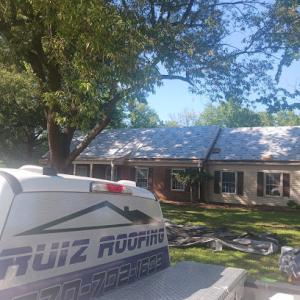
Ruiz Roofing & Home Improvement
(270) 702-1609 ruizroofingky.com
4085 Ashbyburg Rd, Owensboro, Kentucky
5.0 from 66 reviews
Make Sure You Have a Reliable Roof Over Your Head Call for a free roof inspection and damage estimate in the Ownesboro, KY area. Your roof seems like the part of your home that should last forever. However, it is one of the components that will eventually fail. Day after day, it faces the harsh rays of the sun and weathers precipitation and the activity of animals and insects. Because of all this wear and tear, it needs a little more attention than you think. Ruiz Roofing & Home Improvement has the services you need to inspect, replace or repair the roof over your Owensboro, KY home. Contact us at 270-702-1609 now to learn more about our roofing services.
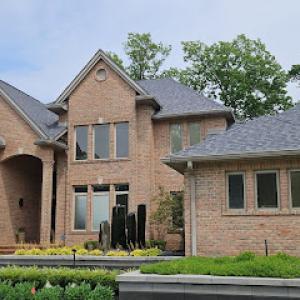
Absolute Assurance Restorations
2301 Grimes Ave, Owensboro, Kentucky
5.0 from 62 reviews
Top-rated roofing company serving all of Owensboro, Kentucky. We specialize in storm damage including hail and wind. We handle all types of claims for roof replacement, roof repair, siding replacement, windows and doors. Contact us for your free inspection!
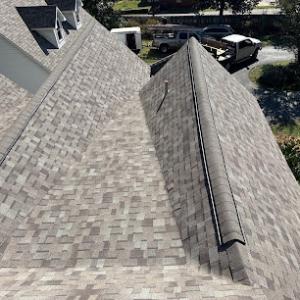
Built Wright Homes & Roofing Inc.,
(270) 215-4654 builtwright.com
2042 Airport Rd, Owensboro, Kentucky
5.0 from 47 reviews
At Built Wright Homes & Roofing, Inc., we proudly serve Owensboro and nearby communities. We specialize in full roof replacements, roof repairs, inspections, storm damage repair, and flat roofing systems built for Kentucky weather. Our team installs high-performance asphalt, metal, and fiberglass roofing, plus precision-cut seamless gutters and durable siding for homes and businesses. We’re local, licensed, and family-run—offering fast estimates, honest pricing, and quality that lasts. Call today and see why Kentuckians trusts Built Wright.
Blue Star
(270) 314-7573 www.bluestarrest.com
1122 Daviess St, Owensboro, Kentucky
4.9 from 44 reviews
Blue Star /restoration and Contracting Has merged with and took over Unique Surfaces! Est. since 2015 and over 20+ years of experience we are proud to serve the Owensboro and surrounding areas. when it comes to Roofing, Mold Specialists, water damage cleanup, gutter repairs, fire damage, General repairs, Crawlspaces and dumpster rentals we can handle it all. Helping families restore their home With their wide range of expert services, they've got your back covered to ensure prompt service when you need it most.
Jones Roofing & Repairs
(270) 903-8971 ajonesroofing.com
6035 US-60, Owensboro, Kentucky
4.8 from 46 reviews
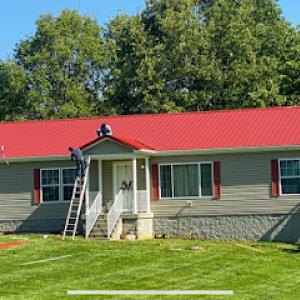
Roofing, chimney repairs, siding, windows & more: Call today for your free estimate.
Homesteads Roofing
(270) 704-7663 homesteadsroofing.com
515 Salem Dr #8, Owensboro, Kentucky
4.9 from 19 reviews
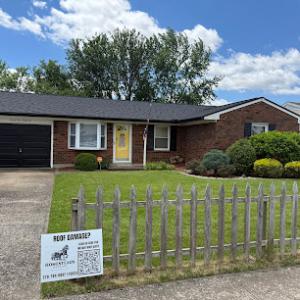
Homesteads Roofing is your trusted local roofing contractor in Owensboro, KY, delivering expert roof repairs, full replacements, and premium siding installations. We protect homes with high-quality materials, honest service, and quick turnaround times. Whether you're dealing with storm damage, aging shingles, or need a full exterior upgrade, our experienced team is here to help. Fully licensed and insured, we treat every home like our own—keeping you dry, safe, and comfortable year-round. Call today for a free estimate and discover why homeowners across Owensboro trust Homesteads Roofing for reliable, long-lasting results. Contact us today for a free estimate!
ProFinish Remodeling
(270) 570-0868 www.profinishremodeling.com
5151 Trifecta Pl, Owensboro, Kentucky
4.7 from 59 reviews
Greetings from ProFinish Remodeling! Family-owned and operated in Owensboro, KY, we have 35 years of experience performing commercial and residential roofing services. We are fully licensed and insured and offer affordable and competitive prices…"ProFinish For All Your Home Remodeling Needs!” "We are GAF Master Elite Certified Roofers, a Second Generation Business, Have an A+ Rating in BBB, Owensboro Reader’s Choice Award Winner, Owens Corning Preferred Contractor, HomeAdvisor Elite Service Award Winner, Featured Pro at porch.com, and Angi’s Leads Superservice Award Winner.” We cater to the needs of our clients and offer friendly customer service in a timely manner.
Noble Roofing Company of Owensboro
(270) 695-9174 lovemynobleroof.com
1019 Halifax Dr, Owensboro, Kentucky
5.0 from 15 reviews
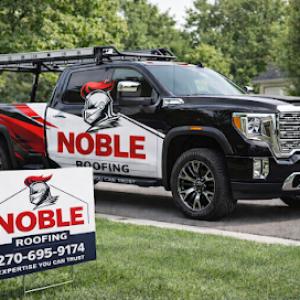
Noble Roofing Company of Owensboro is your go-to expert for top-tier residential and commercial roofing, siding and window services in Owensboro KY and surrounding areas. Specializing in a comprehensive range of solutions, we offer roof repair, new roof installations, and roof replacement, siding installations and window replacements. We excel in roof leak repair, roof inspections, and enhancing roof ventilation, ensuring your property remains secure and energy-efficient. Our skilled team is dedicated to delivering exceptional workmanship and personalized customer service. Trust Noble Roofing Company for all your roofing, siding and window needs and experience unparalleled quality and dependability.
Martin Brothers Roofing & Remodeling
(270) 479-8483 martinbrosroofing.com
233 Williamsburg Square, Owensboro, Kentucky
4.6 from 40 reviews
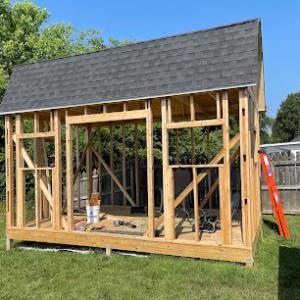
Martin Brothers Roofing & Remodeling is a locally owned and trusted contractor in Owensboro, Kentucky. Martin Brothers Roofing & Remodeling can handle any roofing, gutter, siding or window project you may have in the Western Kentucky area. From new roofs, to re-roofs, to windows, to vinyl siding, gutters and downspouts. We are local, licensed, insured and trusted. If your home has suffered, wind, hail, ice, or tree damage we can provide emergency service. In case of storm damage we will work directly with your insurance company to get your home repaired as quickly as possible. Contact us today for a Fast Free Inspection and Estimate.
Unique Surfaces Roofing & Contracting
(270) 231-7724 www.theuniquesurface.com
3147 Alvey Park Dr W, Owensboro, Kentucky
5.0 from 7 reviews
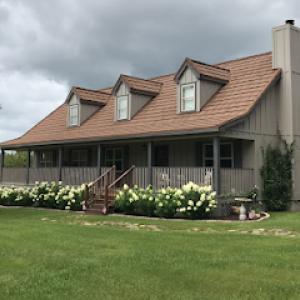
Our team of experienced contractors have the skills and up-to-date knowledge to provide your family or business with the best service. From roofing repairs and installations to gutters and siding, we’re the local contractors you can trust.

Sjl Contracting
1822 Bonnie Castle Dr, Owensboro, Kentucky
4.2 from 17 reviews
SJL Contracting, LLC is a family owned business located in Owensboro, KY. We specialize in roofing, tear-offs and repairs for all residential and commercial needs. SJL Contracting is certified in shingles, rubber and TPO materials. We are also trained with all types of metal roofing including standing seam and metal shingles.
Spring and fall provide the most reliable window installation weather in this river valley. Owensboro's hot, humid summers push crews to start early and wrap up before peak afternoon heat, which can throttle daily progress on larger replacement projects. In those moderate shoulder seasons, you'll find crews able to handle larger window packages without the retrospective risk of heat-related damage to frames or sealants. For homes with long, sun-exposed facades, consider selecting vinyl or fiberglass frames with a white or light-colored exterior to reflect heat and reduce interior swell during the hottest days. If your home sits near tall trees that shade a portion of the house, you may gain faster scheduling windows in the fall when crews aren't chasing the last-minute summer push.
Owensboro's exposure to spring thunderstorms and the surrounding stormy season means you want windows that seal well against wind-driven rain and are built to resist seasonal swelling from humidity. Laminated or double-glazed units with low-E coatings perform best in this climate, balancing energy efficiency with glare control. For homes with older sills and rough openings, plan for precise flashing and a careful install to avoid future leaks after sudden warm spells. In a city shaped by the Ohio River Valley, you'll notice more wear on exterior trim around windows, so discuss integrated drainage and drip edges with the installer to prevent water intrusion at the sill line during heavy rain events. If your roof is due for replacement at the same time, align the window job to minimize repeated roof penetrations; having flashing coordinated with roof work reduces future maintenance calls.
Peak storm season can delay both contractor scheduling and city inspection timing when demand spikes. It helps to set a target start window early in the shoulder seasons and lock in contingencies for mid-project weather days. Have your existing openings measured twice by the installer and verify rough openings from the prior build are square; this reduces the chance of post-install adjustments that can stretch schedules during busy periods. When storms loom, confirm the installer's plan for tarping and protecting interior spaces, especially in rooms with large windows facing prevailing winds. If the home has multiple stories, discuss staged installation to keep interior disruption to a minimum and maintain energy efficiency throughout the project. Finally, ask about a mock-up or test seal on one unit before committing to the full set; that ensures you're satisfied with fit, operation, and weather-tight performance under Owensboro's typical humidity swings.
Get a clear picture of your project costs upfront - no commitment required.
Ruiz Roofing & Home Improvement
(270) 702-1609 ruizroofingky.com
4085 Ashbyburg Rd, Owensboro, Kentucky
5.0 from 66 reviews
Jones Roofing & Repairs
(270) 903-8971 ajonesroofing.com
6035 US-60, Owensboro, Kentucky
4.8 from 46 reviews
Homesteads Roofing
(270) 704-7663 homesteadsroofing.com
515 Salem Dr #8, Owensboro, Kentucky
4.9 from 19 reviews
Asphalt shingles and metal roofing are the dominant practical choices in Owensboro, reflecting a balance of durability, local weather patterns, and available services. Asphalt shingles offer straightforward installation and ample repair options when the spring hail and wind season tests a roof, while metal roofing brings a high resistance to wind-driven debris and a longer service life in a humid climate. In this area, tile and wood products occupy a smaller niche and tend to be chosen for specific aesthetics or architectural styles rather than widespread practicality. Choosing between these two practical options hinges on how well each system handles heavy seasonal rainfall, the humidity load in summer, and the way it interacts with the attic environment over time.
Owensboro's humid summers and wetter winter periods exert continuous pressure on the roof envelope. The underlayment you select should be rated for extended moisture exposure and be compatible with the chosen surface, because a robust underlayment is your first line of defense against interior leaks. Flashing details-around chimneys, vent pipes, skylights, and transitions between planes-are essential in this river-plain climate where sudden downpours and hail are common. A well-sealed flashing system accommodates temperature swings and the occasional ground-blown debris, reducing the risk of slow leaks that can corrode structural components over time.
Attic ventilation plays a pivotal role beyond the roof deck. In a humid area, proper intake and exhaust ventilation keeps the attic cooler in summer and helps manage moisture in winter. This balance helps extend shingle life and mitigates issues like condensation that can degrade decking and fasteners. For metal roofs, ventilation remains important because metal can conduct heat efficiently, changing how attic air moves and how moisture condenses on interior surfaces. Regardless of surface material, a thoughtful ventilation strategy-combining ridge vents with eave intakes and well-sealed penetrations-is a smart investment.
Fall leaf debris can reduce gutter flow and ventilation performance, which matters for shingle aging and moisture management in this region. When gutters clog, roof edges stay wetter longer after storms, and poor drainage can magnify ice dam risks on living spaces below. For metal roofs, debris accumulation can trap moisture against fastener lines and panels if gutters aren't doing their job. Regular cleaning and a dependable gutter system with downspouts sized for the average seasonal rain helps maintain consistent roof temperatures and prevents moisture from lingering near the roof edge.
If choosing asphalt shingles, look for a shingle class that offers strong wind resistance and a thick, laminated profile to better shed hail impacts and resist curling in heat. For metal roofs, metal choices with HVAC-friendly underlayment and corrosion-resistant coatings perform well in the humid climate and provide extended service life with careful inspection of sealant lines and panel seams. Tile options-whether clay or concrete-should be selected with a careful eye toward substrate support and edge detailing, since heavier panels require solid framing and precise flashing transitions to prevent cracking and leaks under heavy storms. Each option benefits from a local contractor who understands how Owensboro's storm patterns shape the roof's daily life.
Typical Owensboro material pricing runs about $400 to $650 per square for asphalt shingles, $750 to $1250 for metal, $1200 to $2500 for clay tile, $1100 to $1800 for concrete tile, $600 to $1200 for wood shingles or shakes, and $450 to $900 for synthetic or composite shingles. Those bands are a useful spine for early budgeting, but the real number depends on your roof's slope, attic access, and how many penetrations you have. If your home sits on a hill above the river flats or features a complex roofline typical of older Owensboro neighborhoods, you'll tend toward the higher end of the ranges. In a straight, single-pitch roof with good access, you'll see numbers closer to the low end.
Local reroof pricing can rise after spring storm events when demand surges and contractor schedules tighten across Owensboro. Hail and wind damage drive urgency, and crews shift from planned replacements to storm response, which can push per-square costs up and shorten warranty windows as crews backfill work. If you're shopping shortly after a big storm, expect to see greater variability in bid timing and possible upcharges for expedited start times or after-hours work. Plan for a longer decision window if a storm has just passed and several contractors are tied up.
Inspection timing and permit processing are usually straightforward for standard reroofs in Owensboro, but peak-season delays can still affect total project cost and timeline. If the crew is juggling multiple storm calls, you may see gaps between proposal, material delivery, and actual tear-off. Delays can also creep in if a weather-front stalls progress for several days. When budgeting, build a buffer for a potential week or two of delay related to weather or crew availability, especially in late spring through early summer.
For asphalt, prioritize color and granule retention in a humid Kentucky climate, where heat and humidity accelerate aging. For metal, check that the coating system is suitable for hail resistance and wind uplift in windy storm corridors along the Ohio River. Tile options require careful roof deck assessment, especially on older structures common in Owensboro, to support weight and ensure proper fastener spacing. Regardless of material, factory warranties and installation workmanship matter just as much as the sticker price.
Residential reroofs in Owensboro typically require a building permit through the City of Owensboro. Before any tear-off begins, you or your contractor should verify that a permit is on file and that the scope of work meets local code requirements. This step is especially important after a storm, when many homeowners pursue rapid replacements; delaying the permit can complicate insurance claims and scheduling. A straightforward process exists for standard reroofs, but having the permit in hand helps avoid hold-ups at the start of the project.
The local process generally calls for inspections to be scheduled after work has started and again at completion. If you are coordinating a crew during the spring storm season, plan for the first inspection to occur once the roof removal is underway and the new roofing material is being installed. The second inspection is a completion check, ensuring that all components are properly installed and weather-tight. Scheduling in advance with the building department can help prevent bottlenecks, especially when crews are working on multiple homes in a neighborhood.
Owensboro inspections commonly concentrate on flashing, ventilation, and underlayment. Proper flashing around valleys, chimneys, vents, and skylights helps manage the mix of humid heat and storm-driven rain that characterizes this area. Ventilation performance is watched closely to prevent heat and moisture buildup inside the attic, which can accelerate aging of roof decks and insulation. Underlayment quality and coverage are reviewed to ensure a solid barrier against Owensboro's spring and summer showers. If there are any deviations from standard installation practices, expect guidance or a rework request during the inspection.
Minor delays are more likely during busy roofing seasons when contractor crews are tied up with multiple reroofs. To minimize disruption, communicate preferred inspection windows and keep the permit documentation readily accessible on site. Having a clear line of communication with the contractor about where inspections will occur and who will meet the inspector can reduce reinspection visits. If a weather event slows progress, check in with the building department about any optional interim inspections or staged milestones that keep the project moving without compromising code compliance.
Owensboro sits in a Kentucky roofing market where verified storm damage is often covered, but documentation quality strongly affects claim outcomes. When a hail storm or a fast-moving spring storm sweeps through, prepare to back up every claim with clear, dated evidence. A thorough report from a reputable contractor, annotated photos showing prior condition and the extent of new damage, and a professional assessment can mean the difference between a smooth replacement and delayed timelines.
Carriers may ask for clear photos, a condition assessment, and evidence that replacement materials meet current wind-rating expectations. Take wide shots of the roof line and close-ups of damaged shingles, flashing, and any granule loss. Include attic observations if there are signs of moisture intrusion. A neutral, detailed evaluation from a trusted roofer helps prove how the damage affected structure and how the chosen materials meet the tested wind requirements that insurance policies expect after spring storms.
Matching-material issues can matter on partial repairs when older roofing products are no longer a close visual or product match. If only a section is replaced, the contrast between new and old can look conspicuous. In Owensboro's market, insurers can scrutinize whether a partial fix leaves the roof visually cohesive and functionally consistent with the rest of the system. Discuss with the contractor how to blend or transition materials to minimize mismatches and downstream complaints from the adjuster.
Keep a dated record of storm dates and weather notes, request a storm-damage inspection from a professional, and preserve any correspondence with the insurer. When possible, have the assessment aligned with the actual wind-load ratings of the replacement roof, so the claim stays anchored in current performance expectations rather than older, less rigorous standards.
When a reroof comes together quickly, flashing and ventilation are the first things that can expose you to leaks. In this humidity-heavy climate, shingles often hide subtle gaps around chimneys, vents, and exhausts until a heavy rain or a spring storm hits. If the flashing isn't sealed properly or the vent gaps aren't adequately vented, water sneaks into the deck and travels along the nail line, sometimes showing up as staining far from the original entry point. An honest inspection will walk the roof edge, around dormers, and where two planes meet to confirm there's a continuous metal seal and a clear, unobstructed vent path. Skipping these details can turn a small drip into a costly repair down the line.
Wetter winter conditions reveal underlayment and flashing defects that were less obvious during dry months. In practice, that means you might see soft spots or damp patches after a midwinter thaw that never quite dries out. If the underlayment shows wear or tears, or if the flashing behind a chimney or skylight is blistering, those weak points become channels for moisture during frequent spring storms. Pay close attention to any roof areas that felt fine during summer but showed new dampness after winter's melt and spring downpours. A thorough, moisture-focused evaluation can catch deterioration before it manifests as a leak inside the attic.
Fall debris around gutters isn't just an aesthetic nuisance; it can back up moisture and trap water along the roof edge. When leaves and sticks pile up, water can back up under shingles at the eaves and in gutters, accelerating wear on the drip edge and flashing. If drainage is neglected, standing water near the fascia invites corrosion and invites ice dam potential in shoulder months. A proactive clean-out before the heavy fall rains helps keep the system moving and reduces the chance of a small leak growing into a bigger problem after the next storm.
Find contractors experienced in skylight installation, flashing, and leak repairs to bring natural light into your home.
Ruiz Roofing & Home Improvement
(270) 702-1609 ruizroofingky.com
4085 Ashbyburg Rd, Owensboro, Kentucky
5.0 from 66 reviews
Homesteads Roofing
(270) 704-7663 homesteadsroofing.com
515 Salem Dr #8, Owensboro, Kentucky
4.9 from 19 reviews
Warranties exist, but they aren't universal. In this market, workmanship coverage can vary significantly from one contractor to the next. When evaluating bids, you'll want to compare not just the length of the coverage but what it actually backs up-labor, flashing, leak repair, and replacement parts. Look for a clearly stated start date, what conditions void the warranty, and whether coverage is transferable to a new homeowner. In this climate-where spring storms can test roofs year after year-having a robust workmanship warranty that includes a reliable path to claim resolution matters as much as the material warranty. If a contractor refuses to spell out these details in writing, treat that as a red flag.
Cleanup is a strong local hiring priority, showing up frequently in contractor positioning and homeowner expectations. A responsible crew will cover landscaping, protect driveways, and remove debris promptly each day. Material bins, nails, and shingle scraps should be picked up before the crew leaves. Expect a final walk-through to confirm all debris is cleared and the property is left in the same condition as when the project started. If a contractor cannot commit to a thorough cleanup, or if debris shows up after the job, that signals potential reliability problems.
Owensboro's reroof-heavy market means homeowners often choose crews based on responsiveness and post-job follow-through as much as price. A reputable contractor will provide a clear contact point for questions during the cleanup phase and after project completion. If weather or supply delays occur, you should receive timely updates and a realistic plan for any outstanding items. Fast responses, documented change notices, and prompt scheduling of any necessary adjustments distinguish the dependable options from the rest.