
Last updated: Apr 19, 2026
Spring in this river valley means hail and high winds slam onto roofs that have weathered damp, humid weeks prior. When those storms roll through, insurance carriers pivot quickly to assess damage, and the claim cycle can move in weeks rather than months if the damage is obvious and documented. For homeowners, the window to start a claim is real and time-sensitive: a fast report can reduce the chance of temporary patchwork turning into a longer, more invasive replacement. Durable response hinges on recognizing the signs early-granule loss, dented panels, lifted edges, or wind-blown debris in gutters-and acting without delay.
Louisville's contractor market concentrates on storm damage and emergency repair because post-storm work is a core homeowner need. After a hail event or a wind-driven shingle blow-off, crews flood the market with offers, sometimes at a pace that makes it hard to sort legitimate firms from less scrupulous outfits. The immediate danger is making an expensive, incomplete fix that becomes a stepping stone to bigger damage. To guard against this, verify credentials and licensing, insist on written scope of work, and demand a clear timeline. A storm can create urgency, but solid, verifiable estimates prevent rushed decisions that could backfire when the claim review begins.
Louisville homeowners often need to document roof age and prior damage because carrier review of older roofs can affect whether a storm claim moves quickly. Gather recent roof history: first installation date, any past repairs, known hail or wind patches, and photos taken before the storm season. When a claim is filed, the insurer will compare pre-storm condition to the observed damage. If the roof has existing issues, be prepared to explain how a new replacement will restore integrity and prevent recurring leaks. A thorough file with dated photos and notes helps the adjuster see the full picture and reduces back-and-forth delays.
The goal is a clean, defendable claim package that makes the case for full replacement when warranted. Start with a simple, dated narrative of what happened, followed by a photo log showing damage progression after each storm. Include attic insulation observations if there's sudden warmth or condensation, and bring in an independent roof age estimate if available. When you engage a contractor, ask for a documented scope with the exact material, layer counts, and a color-matched replacement plan. Keep logs of communications, and set a realistic, visible progress timeline that you can share with the insurer and your contractor to minimize disconnects.
In Louisville, the pressure to get back under a solid roof can tempt quick fixes that don't hold up. Avoid paying out-of-pocket for urgent patches that aren't part of a full replacement plan, unless the insurer approves it and a formal repair scope is in place. Beware of contractors who promise an immediate start but fail to provide a thorough inspection, a written estimate, or a transparent warranty. Maintain a single point of contact through your insurer and your chosen contractor, and keep a running checklist of repaired sections, warranty terms, and follow-up inspection dates to ensure storm damage is fully resolved and the roof remains watertight through the next season.
Aboveboard Roofing
(502) 900-0047 aboveboardroofingco.com
1860 Mellwood Ave Suite 117, Louisville, Kentucky
5.0 from 199 reviews
Here at Aboveboard Roofing, we stay Aboveboard by striving to provide the highest quality roofing installation experience for every single one of our clients! With premium roofing practices, and specialized processes in customer relations, we are setting a new standard. We make the roofing process easy for you, by communicating proactively, setting clear expectations, and making a conscious effort to manage your project down to the smallest detail. Our expertise is in working with insurance companies- with an approval rate of over 99% of storm related insurance claims with insurance specialists! Our vision is to revolutionize this industry!
ProClaim Roofing
(502) 287-1776 www.proclaimroofing.com
10629 Henning Way Suite 10A, Louisville, Kentucky
5.0 from 241 reviews
Where integrity is our foundation, excellence is our roof. ProClaim Roofing Company is a leading provider of roofing, gutters, gutter guards, and siding services in Louisville, KY. Our team is dedicated to delivering exceptional service to our customers and earning their trust through reliable, high-quality workmanship. We take pride in our reputation as a top-rated roofing company and our contractors expertise. We strive to exceed expectations on every project. If you're in need of roofing, gutters, gutter guards, or siding services in Louisville, look no further than ProClaim Roofing Company. Check out our reviews on the Better Business Bureau, Google, Nextdoor, and Facebook to see what our past clients have to say about our services.
Big League Roofers
(502) 876-7663 bigleaguerooferslouisville.com
10845 Bluegrass Pkwy, Louisville, Kentucky
5.0 from 203 reviews
Louisville's premiere roofing and storm restoration company. Call Big League Roofers today to schedule your free roof inspection.
Pure Roofing Company
(502) 547-7375 www.pureroofingky.com
11909 Plantside Dr, Louisville, Kentucky
5.0 from 87 reviews
Insurance Claim Roof Replacements: Our Expertise, Your Peace of Mind At Pure Roofing, we specialize in insurance claim roof replacements. With our extensive experience and in-depth understanding of the insurance claim process, we take the stress out of navigating roof replacements covered by insurance. Trust our expertise to handle your insurance claim seamlessly, ensuring a smooth and hassle-free experience for you. Rest assured, your roof replacement is in capable hands with Pure Roofing.
Leave It To Beaver Roofing
(812) 748-2092 www.leaveittobeaverroofing.com
Louisville, Kentucky
4.9 from 150 reviews
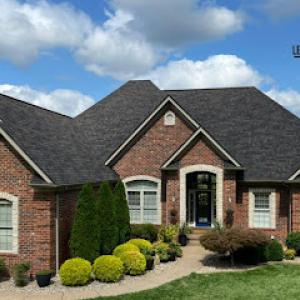
"Leave it to Beaver Roofing is a local company serving Southern Indiana and Louisville Kentucky. We offer roofing, siding, and gutters replacements/repairs. Give us a call to schedule your free no obligation estimate or inspection. We can also assist in the insurance process if damage is present."
Unisource Roofing
(502) 829-6684 www.unisourceroofing.com
2338 Frankfort Ave, Louisville, Kentucky
4.9 from 205 reviews
Unisource Roofing, a leading Louisville roofing company, offers comprehensive services in roofing and restoration. We specialize in roof repair, and new roof installation. As an Owens Corning Preferred roofing contractor in Louisville, we provide unmatched roofing warranties to homeowners. Fully insured, our Louisville roofers are dedicated to excellence. Whether you need a roof company in Louisville, KY for minor repairs or a complete restoration, Unisource Roofing is your trusted partner. We pride ourselves on being one of the most reliable roofing companies in Louisville, KY, offering quality services to keep your home safe and secure. For Louisville roof repair or any roofing needs, Unisource Roofing is your go-to contractor.
MCP Roofing - Kentucky
(502) 377-9405 mcproofing-kentucky.com
9850 Von Allmen Ct #201, Louisville, Kentucky
5.0 from 108 reviews
When MCP Roofing and Restoration started we had one goal in mind, to provide not only out standing customer service and excellent workmanship, but to also make sure our customers don’t wait on a project for months on end. We have developed our relationship with our suppliers and roofing specialists so that your project gets done on time without the hassle of rescheduling and delays. If you are looking for a roofing contractor, you are sure to have some questions. Check our website for more information, or to schedule a free inspection.
Eclipse Roofing & Restoration
(502) 266-7510 www.eclipseroofinglouisville.com
11540 Blankenbaker Access Dr #105, Louisville, Kentucky
4.9 from 451 reviews
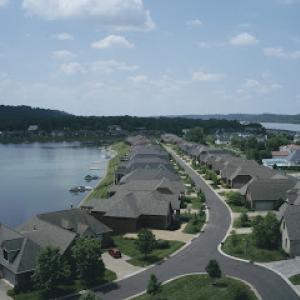
We offer many home improvement solutions such as roofing installation and roof repair. In addition, we offer the majority of exterior home repair services like replacement windows, siding replacement and repair, gutter replacement, and the installation and repair of skylights. Eclipse Contracting only uses the very best in materials for our home improvement projects. We are a factory certified roofing contractor for GAF, North America’s largest roofing manufacturer who was once again voted #1 in quality in the 2013 BUILDER Brand Use Study, Certified CertainTeed shingle applicator. We also install VELUX skylights, which offer a lifetime no leak warranty.

Origin Roofing & Exteriors
(502) 497-8621 www.originconstructionky.com
724 Lyndon Ln Suite B, Louisville, Kentucky
4.9 from 220 reviews
Origin Roofing & Exteriors, your leading roofing contractor in Louisville, KY, offers a comprehensive range of services to safeguard your home. Specializing in residential roofing, roof replacement, roof repair, and meticulous roof inspections, we ensure your roof stays in optimal condition. From expert Gutter Installation to seamless Windows Installation, we've got you covered. Count on us for swift Storm Damage Repair and reliable Emergency Roofing solutions. At Origin Construction, we prioritize quality craftsmanship and customer satisfaction above all else. Trust our skilled team to deliver durable, long-lasting roofs that protect your home. Contact us today for top-tier roofing services in Louisville and surrounding areas.
Bone Dry Roofing
(502) 513-6275 www.bonedry.com
8130 New La Grange Rd, Louisville, Kentucky
4.8 from 1459 reviews
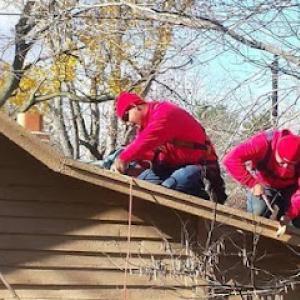
For over 35 years, Bone Dry Roofing has been the trusted choice for homeowners throughout the greater Louisville area. As a family-owned, locally operated company, we take pride in delivering expert roof repairs and replacements backed by our 25-Year Craftsmanship Warranty. Our roofs are built to last—but it’s our dedication to the customer experience that truly sets us apart. From your first call to project completion, we emphasize clear communication, attention to detail, and reliable service every step of the way. That’s what defines The Bone Dry Roofing Experience. Trusted by thousands across Louisville, we’re proud to protect your home and your peace of mind. Reach out today to schedule your free estimate.
Evergreen Construction & Roofing
(502) 554-0628 www.evergreenbuilthomes.com
2820 S English Station Rd, Louisville, Kentucky
5.0 from 68 reviews
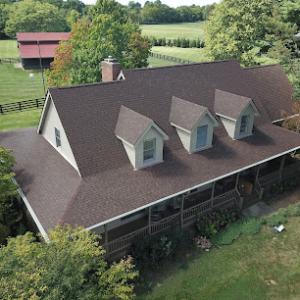
Evergreen Construction and Roofing is a Louisville, Kentucky-based roofing contractor that specializes in providing top-quality roofing services to the greater Louisville area. Evergreen Construction and Roofing is the trusted choice for all of your roofing needs.
Homestretch Roofing
(502) 208-5432 www.homestretchroofing.com
13297 O'Bannon Station Way, Louisville, Kentucky
5.0 from 67 reviews
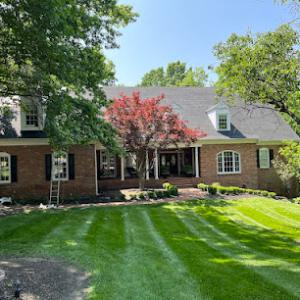
If you're looking for a reputable roofing company in the Louisville, KY area, you've come to the right place. Homestretch Roofing provides residential roofing, siding, gutter and window services that can enhance the appearance of your home dramatically. Whether you need leaky roofing, damaged siding or sagging gutters replaced, we've got you covered. Our crew will go above and beyond to make sure your home is shielded from the elements and looking its best.
The Ohio Valley hums with hot, humid summers and cold winters, and that pattern accelerates wear on typical residential roofs. In Louisville, the combination of high humidity, spring hail, and seasonal wet spells pushes underlayment and flashing to work harder than in milder climates. The goal is to limit exposure to peak heat and heavy rainfall during a roof's vulnerable installation phases, so scheduling with the weather in mind reduces the chance of short-term leaks or long-term deterioration. Planning around predictable patterns helps ensure replacements hold up through the next round of storms without repeating repairs.
Spring and fall are the practical windows for a full roof changeout. In spring, the danger is late-season hail and heavy rain that can complicate installation, but temperatures are still mild enough to protect sealants and underlayment. Fall offers cooler mornings and evenings that help sealants set properly before winter, while avoiding the hottest days that can dry out shingles too quickly or warp underlayment. In Louisville, targeting these seasons minimizes heat stress on materials and reduces the likelihood of weather delays that push a project into harsher conditions.
Snow and ice aren't constant threats, but winter freeze-thaw cycles can stress underlayment and flashing, especially if a project lingers into peak cold spells. Dry days with moderate temperatures give crews time to perform precise flashing work and ensure shingles seat fully without warping. Summer heat, when it does arrive, can nudge asphalt and other common coverings toward faster aging if installed under extreme sun. A well-timed project will avoid the hottest stretch and any heavy downpours that flood exposed roofing work zones.
Certain materials respond differently to Louisville's swings. Asphalt shingles gain resilience when installed during moderate temperatures, while metal roofs tend to expand and contract with heat and humidity, requiring careful seam work in spring or fall. Tile and synthetic options also behave best when temperatures are stable during installation. When planning, think about how the chosen roof system will perform across a full year of humidity, quick temp changes, and summer storms, so the fasteners and sealants settle correctly.
After a replacement, the first few weeks matter for long-term performance. Watch for any rapid temperature swings that could stress newly sealed joints, and ensure close inspection following a heavy spring storm. In Louisville the daily routine of a storm-driven season makes it crucial to confirm that flashing around chimneys, vents, and intersections is bond-tight and weather-tight as temperatures settle. A properly timed project reduces the chance of early callbacks and supports a durable finish through the next cycle of seasonal challenges.
In Louisville, asphalt shingles run about $350 to $650 per square, a spread that reflects neighborhood differences and contractor options. Metal roofing sits higher, roughly $900 to $1,300 per square, with the same weather stress that hits metal a bit differently after hail. Clay tile typically runs $1,000 to $1,400 per square, and concrete tile follows at $900 to $1,350 per square, which is a practical consideration for the city's older homes and newer builds alike. Wood shingles or shakes generally fall in the $700 to $1,000 per square range, while synthetic or composite shingles come in around $750 to $1,100 per square. These figures reflect Louisville's local pricing dynamics, including labor variation and material availability from season to season.
Spring hail and wind can suddenly push a project from "on the list" to "on the calendar." Storm-driven demand spikes in Louisville can pressure scheduling and pricing, especially for full re-roofs and emergency dry-ins after a hail event or a severe wind spell. If your roof needs a full replacement, expect that the timing and the bid will be influenced by the post-storm flood of requests, along with the typical lead times for crews to allocate material and manpower.
Costs in Louisville are shaped by several on-site details that get checked during the inspection. Ventilation quality, flashing integrity, and proper nailing patterns all influence the final bill. A roof with limited attic ventilation or corroded or improperly sealed flashing can add labor time and material needs, sometimes shifting an estimate by a noticeable margin. If a full replacement is involved, the bid will also account for the complexity of detailing around penetrations, valleys, and edge metal, all of which are scrutinized when the project is reviewed after installation.
Start with a materials comparison that matches your home style and anticipated weather exposure. If hail or wind damage is suspected after a storm, document the roof with dates and photos and contact a local roofer who understands Louisville's typical attic ventilation setups. When quoted, ask for a clear breakdown: material type, square count, labor, flashing, ventilation, and any necessary nailing upgrades. Given the range of Louisville costs, a two-project window-budgeting for a mid-range option with a contingency for weather-driven scheduling-helps keep the project steady from storm season through completion.
Louisville requires a building permit for a full roof replacement. That permit signals more than paperwork: it creates a tracked record with the city that your project must follow. In practice, the contractor tends to file the application and attach project details, so you are not expected to juggle the filing yourself. Rushing or skipping this step can lead to delays, rework, or a denial that stalls the entire project. If the work proceeds without a permit, the city can retroactively order removal, and some insurers will question claims tied to unpermitted work.
A permit sets expectations for material choices, ventilation, underlayment, nailing patterns, and flashing that meet local code. The process is designed to catch common missteps early, especially after spring hail and wind damage that can prompt insurance-driven replacements. You should confirm with the contractor that the permit application includes roof deck work, attic venting, and attic access modifications if needed. Code officials may also want documentation on drip edges, valley configurations, and eave protection before the work starts.
Inspections are scheduled during and after the work to verify underlayment, nailing, ventilation, and flashing, followed by a final inspection to close the permit.
Expect inspectors to check the entire sequence: how the underlayment is installed, whether the roof deck is dry and sound, how nails are driven, and whether attic vents, soffit vents, and turbine or powered vents align with the plan. If discrepancies appear, crews may need to pause, replace flashing, or re-nail sections, and a mid-project hold can cost days or a weekend of work. Weather gaps and rain screens add another layer of potential delay.
After the crew completes the roof, the final inspection confirms everything is installed to code and then the permit is closed. Before that happens, the city may require a documenting inspection of setback distances, vent brands, and attic exhaust locations.
To minimize surprises, keep a line of communication with the contractor and the permit office, and request written confirmations of inspection dates. If a storm drives rapid replacement, ask for a documented plan that shows how underlayment, nailing, ventilation, and flashing will be addressed to satisfy both the insurer and the city, and avoid surprises altogether.
Asphalt shingles dominate the Louisville roofing landscape, fitting the city's large stock of residential re-roofing projects and moderate upfront budgets. They are well suited to the region's spring hail and wind activity, providing solid, everyday protection with a wide selection of colors to match typical Louisville architectural styles. For many homeowners, asphalt remains the most predictable option when a storm claim triggers a roof replacement, thanks to straightforward installation, easily available replacement components, and a long track record of performance in this climate. When choosing asphalt, look for those with good impact resistance ratings and a warranty that covers wind uplift typical of Louisville's high-wind days. A practical approach is to consider shingles with a bundled underlayment and a robust nailing pattern, since near-term hail events can stress fasteners and underlayment alike.
Metal roofing is an active specialty in this market and is often considered by homeowners aiming for durability through repeated storm seasons and strong summer sun exposure. Metal panels excel at shedding rain and hail with less surface damage and can offer extended longevity in the face of Louisville's humidity and temperature swings. If evaluating metal, prioritize systems with standing-seam construction, corrosion-resistant coatings, and a proven track record for wind uplift resistance. The color choices tend to stay cooler under summer sun, which can help with attic heat load and overall energy comfort. Professional installation matters here, because proper sealing at transitions, penetrations, and edge details directly influences long-term performance in this climate.
Clay tile, concrete tile, wood shakes, and synthetic shingles exist in Louisville but are more selective options. Architectural style often drives adoption of these materials, as clay and concrete tiles tend to complement traditional or Mediterranean-inspired designs, while wood shakes suit historic or rustic looks. These options also bring heavier load considerations, so structural assessments are essential before committing. Synthetic shingles can mimic the appearance of natural materials with lower maintenance needs, but still require attention to wind resistance and climate-specific performance. If choosing any non-asphalt, ensure that the roof framing can handle additional weight and that the chosen material's wind uplift design aligns with Louisville's seasonal storm activity. In any case, select a system with a compatible underlayment and flashing approach to maintain moisture protection through humid springs and storm-driven rain events.
Explore specialists in steel, aluminum, and standing seam metal roofs built to last 50 years or more.
Homestretch Roofing
(502) 208-5432 www.homestretchroofing.com
13297 O'Bannon Station Way, Louisville, Kentucky
5.0 from 67 reviews

Louisville Roofing
(502) 561-0375 louisvilleroofing.com
3501 Bashford Ave Ste B, Louisville, Kentucky
5.0 from 91 reviews
American Home Exteriors
(502) 994-3401 www.roofingserviceskentucky.com
11800 Brinley Ave #201, Louisville, Kentucky
5.0 from 61 reviews
The Ohio River Valley weather keeps you vigilant: spring hail storms and gusty winds regularly trigger adjuster visits and claim filings. That means the roof is one of the first annual checks for many households, and claims can cluster after a local storm. In this market, the timing of an inspection matters, because a single storm can set off a wave of activity that strains schedules and expectations. If a roofer or public adjuster suggests you pursue a claim, you're entering a process where documentation and rapid response can shape outcomes, not just the damage itself.
Insurers serving this market have tightened terms for aging roofs, so Louisville homeowners need to know roof age, prior repairs, and maintenance history before filing. Preexisting wear, granule loss, or previous patch jobs can influence what an adjuster recommends and how a claim is reimbursed. If you've avoided minor fixes in the past, the next review may hinge on transparency about history. Being proactive-keeping records of weather events, inspection notes, and any small leaks-helps show the roof's current condition and can prevent surprises when a claim is evaluated.
Claim timelines in Louisville can stretch when adjusters need more documentation on pre-existing wear versus fresh storm damage. Delays aren't unusual if the file lacks clear photos, dated repairs, or a coherent narrative linking damage to the event in question. Gather dated evidence from past maintenance, contractors, and any recent weather alerts you received. Clear, organized documentation supports a smoother review and reduces back-and-forth that can stall a decision during the critical post-storm window.
Connect with contractors who help homeowners navigate the claims process from damage assessment to final approval.
Aboveboard Roofing
(502) 900-0047 aboveboardroofingco.com
1860 Mellwood Ave Suite 117, Louisville, Kentucky
5.0 from 199 reviews
ProClaim Roofing
(502) 287-1776 www.proclaimroofing.com
10629 Henning Way Suite 10A, Louisville, Kentucky
5.0 from 241 reviews
Big League Roofers
(502) 876-7663 bigleaguerooferslouisville.com
10845 Bluegrass Pkwy, Louisville, Kentucky
5.0 from 203 reviews
After spring storms, damage often first shows at shingle edges, along ridge lines, and where flashing meets the substrate. In Louisville, wind and hail can peel granules, lift tabs, or create micro-tears that progress if left unchecked. Those exposed details-where wind gusts catch a seam or where hail has hammered a corner-become primary failure points if the roof isn't maintained or inspected promptly. Keeping a close eye on visible gaps or lifted shingles after a storm helps you catch a developing problem before it escalates into leaks or more expensive repairs.
Humidity and seasonal temperature swings in Louisville put extra stress on ventilation and flashing performance over the roof's life. Poor or aging vent seals can allow moisture to intrude into the attic, condensing on rafters and decking during humid summers or rapid cool-downs in spring. Inadequate attic ventilation compounds this by raising underside temperatures, accelerating wear on underlayment, and accelerating deterioration of exposed fasteners. Regular inspection should verify that soffit vents, ridge vents, and attic baffles remain clear and properly sealed so moisture has a clear pathway out rather than forming hidden pockets that invite mold or rot.
Because many local contractors emphasize chimney work and skylights, roof penetrations and wall intersections are recurring concern points. Flashing around chimneys, vent pipes, skylights, and where the roof meets walls deserve meticulous attention, especially after winter freeze-thaw cycles and spring wind storms. Look for splits in sealant, loose flashings, or corrosion at the flashing upturns. These areas often develop slow leaks that may not be obvious from ground level but become visible once rainy periods return or when attic condensation increases. A proactive approach-annual checks and targeted resealing-helps keep these critical transition zones watertight.
Find contractors experienced in skylight installation, flashing, and leak repairs to bring natural light into your home.
ProClaim Roofing
(502) 287-1776 www.proclaimroofing.com
10629 Henning Way Suite 10A, Louisville, Kentucky
5.0 from 241 reviews
Unisource Roofing
(502) 829-6684 www.unisourceroofing.com
2338 Frankfort Ave, Louisville, Kentucky
4.9 from 205 reviews
MCP Roofing - Kentucky
(502) 377-9405 mcproofing-kentucky.com
9850 Von Allmen Ct #201, Louisville, Kentucky
5.0 from 108 reviews
In Louisville, a meaningful share of contractors work on flat or low-slope systems for porches, additions, and mixed residential-commercial properties. Those areas require a different eye than standard shingles, because water has less built-in grip to move off the surface. When a project includes a porch or an add-on roof, plan for a dedicated low-slope detail from the start rather than stacking membranes on top of old flashing. The goal is to keep modest slopes from becoming water traps, especially where the house interface intersects gutters and fascia.
Low-slope sections need close attention after heavy rain periods. Drainage can be slow when surfaces carry standing water, and flashing details become more forgiving only if everything underneath remains dry. Inspect near transitions where the porch roof meets the main structure, and check for any movement in connective surfaces after a storm. If you see damp plywood, lifted flashing, or moisture staining around the joint, address it promptly with a proper sealant choice and a revised flashing layout that channels water toward the primary drainage path.
Roof coatings exist in the Louisville market but appear as a niche service rather than the dominant residential solution. Coatings can be a practical add-on for flat sections or low-slope surfaces that already have a base roof in place, but they require careful surface prep and compatibility checks with existing materials. In this market, coatings are most often considered for sleeves, patches, or limited-scope repairs rather than full-coverage replacement, and they work best where the substrate is clean, dry, and well-supported.
Because low-slope systems tolerate less aggressive shedding of water, establish a cadence for more frequent inspections, especially after spring storms. Look for signs of edge lift, surface blisters, or delamination at seams. Maintain clear drainage paths by keeping debris out of gutters and ensuring downspouts terminate away from porous substrates. When in doubt, rely on a local specialist who has a track record with porches and additions, and who can tailor flashing and membrane choices to the specific couple of inches of slope you're dealing with.
Find specialists in TPO, EPDM, and built-up flat roofing systems for residential and commercial properties.
A&S Roofing Repair
(502) 876-2665 asroofingrepairllc.com
806 Clarks Ln, Louisville, Kentucky
4.9 from 66 reviews
Louisville Top Choice Roofing
(502) 777-1844 www.louisvilletopchoiceroofing.com
4648A Jennings Ln, Louisville, Kentucky
5.0 from 32 reviews
Deer Park Roofing
(502) 754-3370 www.deerparkroofing.com
2601 Grassland Dr, Louisville, Kentucky
4.8 from 101 reviews
Louisville homeowners commonly hire for re-roofing after storm events, and quick response with cleanup included is a practical expectation due to the city's spring hail and wind activity. A locally familiar contractor can usually mobilize faster, coordinate with insurers, and stay on site through the final cleanup, which makes the job smoother during the insurance-driven project cycle.
Long-established, family-owned, and locally owned firms are visible in the market, and that visibility matters when you want someone to return for inspection corrections or warranty follow-up. Focus on firms with a steady local footprint, not just flashy marketing. Ask for recent local projects, and check whether the contractor will be the same company handling the claim, scheduling permits, coordinating inspections, and closing out the job. A contractor with a local shop and a consistent crew is more likely to stay engaged through the entire process.
Free inspections and drone assessments are common in this market, but you still need clarity on who handles permit scheduling, inspection coordination, and final closeout. When a roofer arrives, confirm they are comfortable documenting hail and wind damage specifics and that their crew will perform a thorough cleanup. Request a written plan that covers debris removal, tarp provisions if weather stalls work, and a clear timeline tied to your insurance adjuster's schedule. A reputable local outfit will walk you through what to expect on the inspection report and what constitutes an acceptable temporary fix.
Storm-repair flow means coordination between your insurer and the contractor is ongoing. Ensure the company commits to a post-installation warranty review and a walk-through after the work is complete. Do not accept a final sign-off until you've tested the roof's key details, such as flashing, sealants, and proper attic ventilation. If repairs or corrections are needed, a Louisville-based contractor with local leverage will follow through, returning as promised to verify everything is sound.