
Last updated: Apr 19, 2026
After a severe storm rolls through, the first window to protect the home is the critical window. Hail and wind claims are common enough in the Nashville area that insurers often expect detailed before-and-after photos, roof age records, and clearly documented scope when a homeowner files. Right after damage is found, secure the most vulnerable areas first-tarp exposed roof sections, cover damaged skylights, and shield any water-prone interiors. Because spring storms and frequent rain are a recurring local scheduling problem, temporary dry-in and tarping matter more in Nashville than in drier Tennessee markets. A staged approach wins on time: stabilize now, document later, and you avoid compounding damage that could complicate a claim or reduce coverage. If you must walk the roof, do so only with proper safety gear and fall protection; avoid extension ladders beyond a safe angle, and don't underestimate the risk of slippery shingles in wet weather.
When hail and wind strike, the insurer will want a precise record trail. The standard expectation here is clear, organized documentation that tells the story of what happened, what was damaged, and what needs replacement or repair. Start with a dated photo log: exterior shots from all elevations, close-ups of dented or torn shingles, flashing, vents, and chimney caps. Include interior photos if water intrusion is visible on ceilings or walls. Keep a written log of all observations, including the date of the storm, the approximate wind speed if known, and any prior damage that could factor into depreciation or coverage. The contractor market data shows storm damage, insurance claims, and emergency repair are the most prevalent specialties in Nashville, reflecting how often homeowners here hire roofers after severe weather rather than only for age-based replacement. Include a simple materials and scope outline so the adjuster can visualize the needed work without guessing.
File promptly, but with preparedness. When you call the insurer, insist on a field adjuster visit and request documentation guidelines in writing. If you already have work started, share the scope and photos early, and keep the communication trail tight: emails or written notes that reference the claim number, the storm date, and the exact observed damage. A preferred strategy is to secure a temporary dry-in before the adjuster's visit if possible, so the property remains protected against rain while the claim is being processed. In Nashville, the frequency of storms means adjusters are busy, and you may encounter high demand for emergency repairs. Make your contractor a trusted third party for assessment rather than a sales-driven hire. A solid contractor will help you distinguish between damage that requires immediate stabilization and issues that can be staged for a licensed inspection in good weather. Ask for a scope of work with line-by-line items, and keep the documentation consistent: match every photo to a caption and every caption to a line item in the scope. If any dispute arises about the extent of damage, your organized file becomes the best defense.
The timing of the work matters in this market. Spring rains can derail crews, while storm-driven demand spikes make scheduling tight. Lock in a timeline with the contractor early, but leave room for weather delays. If the roof is mid-repair and another storm is forecast, request tarping or an emergency cover to prevent interior damage; a temporary fix now beats a costly water intrusion later. In practice, prioritize the stabilization steps that reduce further risk before the insurer approves a complete replacement-this approach minimizes exposure to secondary damage and keeps the project moving when the weather finally clears. Stay vigilant: storm season is a recurring event, and a clear, action-oriented plan saves time, stress, and potential claim friction.
Paragon Roofing
(615) 910-8310 www.paragonroofingusa.com
1201 4th Ave S #109, Nashville, Tennessee
5.0 from 161 reviews
For residential roofing and gutter services, Paragon Roofing is the superior choice. Their commitment to excellent customer service and reliable results is unparalleled. Hundreds of homeowners in Nashville, Brentwood, Franklin, and the surrounding areas have turned to them. Just check out our 100+ 5-star reviews. With valuable warranties and all required state and local licensing, as well as liability and workers’ compensation insurance, their customers can trust them to provide the quality solutions they need. From roofing upgrades and repairs to gutter installation, Paragon Roofing has you covered. Every job begins with a free estimate, so call them to get yours. In emergencies, they can schedule same-day appointments.
MidSouth Construction
(615) 712-8893 www.roofingbymidsouth.com
652 Old Ezell Rd, Nashville, Tennessee
4.9 from 1015 reviews
At MidSouth Construction, we’ve been providing professional roofing services in Nashville since 2010. We’re experienced residential and commercial roofing contractors and damage-restoration experts who understand the unique climate challenges of Middle Tennessee. From roof repairs to complete installs, our certified roofing contractors in Nashville deliver dependable results. We’re honored to be a GAF Master Elite® residential roofing company and President’s Club Award winner. Nashville residents rely on our trusted roofers for quality and peace of mind.
Priority Roofing
(615) 571-9638 priorityroofs.com
640 Spence Ln Suite 100, Nashville, Tennessee
5.0 from 143 reviews
Replace or repair your residential roof with Priority Roofing where customer service is our top priority! We’re professional Nashville roofing contractors, our bids are competitive, and we’ll find a great solution for your residential roof. We specialize in Nashville residential roof installation and roof repair, as well as emergency roofing service for leaks and damage. From dozens of shingle systems, to metal, tile and slate roofing options, we have roofs to fit nearly every budget. Our company inspects your roof and provides an honest assessment of what needs to be done, all at no cost to you. Priority Roofing is family owned and locally operated.
Quality Exteriors
(615) 857-1550 qualityexteriors.com
2610 Winford Ave, Nashville, Tennessee
4.9 from 175 reviews
Homeowners and businesses rely on Quality Exteriors for expert roofing services in Nashville backed by years of experience. Since 2006, we've specialized in premium Nashville roof replacement and residential roofing, combining top-tier craftsmanship with GAF Master Elite® and GAF President's Club certifications. As a family-owned company serving roofing needs, we prioritize customer satisfaction and long-lasting solutions, offering industry-leading workmanship warranties and unmatched professionalism for both residential and commercial projects across Middle Tennessee. When you need trusted Nashville roofing experts, we're here to deliver exceptional results with seamless, stress-free service from consultation to completion.
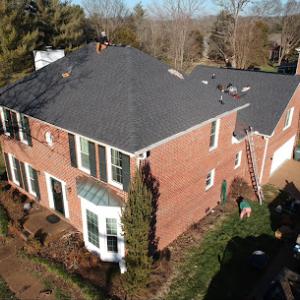
Traditions Roofing & Restoration
Nashville, Tennessee
5.0 from 89 reviews
Locally owned and operated general contractor servicing middle Tennessee. We specialize in roof repair, roof replacement, gutters, siding, and exterior painting.
Martin Roofing Services
(931) 358-7080 www.martinroofingtn.com
Nashville, Tennessee
5.0 from 76 reviews
At Martin Roofing Services, we offer residential roofing services to clients in Montgomery and the surrounding counties in Tennessee. We are a licensed, bonded, and insured company dedicated to helping our clients find cost-effective solutions to all their roofing needs. Contact us today to schedule a consultation and get a free estimate. Let us help you protect your home with a roof that stands the test of time.
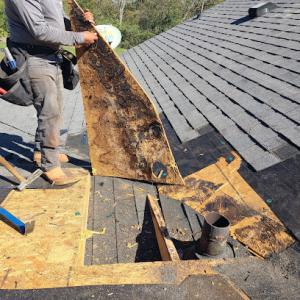
Terry Woodall Roofing Contractors
(615) 300-6005 terrywoodallroofing.com
805 52nd Ave N, Nashville, Tennessee
4.9 from 141 reviews
Established in 1984, Terry Woodall Roofing Contractors boasts over four decades of roofing services in Nashville, Pegram, Kingston Springs, Fairview, Brentwood and Franklin, TN. We specialize in roof repairs, roof replacements, roof inspections and new roof installations. We have the expertise to tackle your roofing needs. We prioritize quality and customer satisfaction, providing inspections and serving a wide array of locations, including Pegram, Kingston Springs, Brentwood, and Franklin. Experience the difference with Terry Woodall Roofing Contractors - the premier choice for all things residential roofing related in Davidson and Williamson county Tennessee.
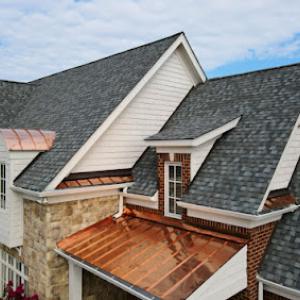
Archway Roofing
(615) 649-9466 www.archwaytn.com
98A Rose St, Nashville, Tennessee
4.9 from 138 reviews
Archway was created by middle Tennesseans for middle Tennesseans. We pride ourselves of being honest, responsive, and focused on quality. We have decades of experience in both residential and commercial contracting. Our quality work is our marketing team. Our satisfied customers are our sales department. Started in June 99' as a luxury custom home builder, in Nashville’s premier neighborhoods. Since 2008, our focus is home restoration services. Archway has serviced over 2000 homes since 2008. As a certified “Shingle Master” installer, our customers receive upgraded warranties, quality installations, and material discounts, standard. As our late founder, Mike Blackmer us to say, "The job’s not done until the job’s done right.”
Bill Ragan Roofing Company
(615) 242-0333 www.billraganroofing.com
2969 Armory Dr Suite 300, Nashville, Tennessee
4.9 from 192 reviews
Roof leaks are stressful, and the process to get it repaired can add even more stress to your already busy life. Let us take the stress of your leaky roof off your shoulders. Since 1990, the team at Bill Ragan Roofing has been offering high-quality roofing services to residents in the Nashville area. We offer a no-pressure sales approach with a focus on educating you on all things roofing. All our focus is on getting the most life out of your roof. Our team won’t rest until we give you a roof replacement that’s going to give you years of peace of mind. Your satisfaction is our absolute goal. That’s why we offer a lifetime warranty on our workmanship. When you work with Bill Ragan Roofing, you’ll never worry about your roof again.

Glick Roofing Systems
(615) 265-0598 www.glickroofingsystems.com
2923 Elm Hill Pike, Nashville, Tennessee
5.0 from 64 reviews
Glick Roofing Systems provides commercial and industrial roofing services, specializing in roof restoration, leak repair, and preventative maintenance. We work on flat roofs, metal roofs, TPO, EPDM, and other low-slope systems. With offices in Nashville, TN and Dallas, TX, we serve clients across Tennessee, Texas, Kentucky, Georgia, Alabama, Mississippi, North Carolina, South Carolina, and Arkansas. Our team focuses on restoring aging roofs to extend their lifespan, prevent water damage, and avoid costly replacements. We’re committed to showing up on time, communicating clearly, and delivering quotes within 24 hours. From minor leaks to full replacements, we bring reliability, responsiveness, and real solutions.
The Metal Roofers
(615) 649-5002 www.themetalroofers.com
935 E Trinity Ln #3, Nashville, Tennessee
4.9 from 147 reviews
Your local Tennessee family-owned metal roofing and solar company. We help provide our customers with high quality, durable roofing solutions that come with a true lifetime warranty. Our financing options give customers peace of mind and low payments while reaping the many benefits and savings associated with metal roofs. With instant approvals and most credit scores accepted, we strive to provide financing where other roofing companies fail to. Our roofs come in numerous styles and a wide range of colors, matching the style and needs of each individual customer's needs. Get in touch with us to learn more about what makes our roofs so great! Get out of the roof replacement game that comes with traditional shingles and go with metal!
Roof MD
(866) 601-2408 www.roof-md.com
5016 Centennial Blvd Suite 200, Nashville, Tennessee
4.9 from 143 reviews
As one of the top roofing contractor in Nashville and Middle Tennessee, we're dedicated to serving our community with pride. Need a reliable roofing expert? We'll be at your site within 2 business days, offering a free roof inspection & solutions to keep your roof in top shape. Our status as a Platinum Preferred Contractor by Owens Corning underlines our commitment to excellence and high quality work. Our outstanding 5/5 Google rating and the Angi Super Service Award reflect our commitment to high standards, setting us apart in the roofing industry.
In this city, the pattern of spring storms, humid subtropical moisture loads, and frequent insurance-driven reroofs shape the timing strategy. The goal is to align replacement with dry, mild conditions that help shingles seal properly while avoiding the peak storm window and dense late-season schedules. Spring and fall stand out as the preferred replacement windows because they tend to offer the dry, moderate weather that reduces moisture exposure during installation and helps crews keep to a steady rhythm.
Storm damage response starts with a clear plan for after a storm, not just the day of impact. When hail or high winds hit, the first step is rapid assessment and securing temporary protection to prevent interior moisture intrusion. Scheduling should account for a quick teardown and underlayment sequence that preserves interior structure, but also leaves buffer days for weather swings. Wet springs can interrupt tear-off and underlayment sequencing, so project calendars often need more weather buffer than homeowners expect. Build that buffer into the plan by targeting a window of several days to a couple of weeks after a storm, depending on forecast reliability and local crew availability.
Because wet springs are a common pattern, plan ahead: if a storm hits during a wet period, expect delays in tear-off and roof deck prep, and prepare to shift to more weather-resilient tasks like temporary tarping and interior protection while waiting for a drier stretch. Fall work benefits from cooling temperatures and typically drier days, which support faster sealing of shingles and better roof-venting performance as crews lay out underlayment in a lighter, less humid air. When choosing a replacement window, aim for those stretches where the chance of unplanned weather is lowest, even if it means waiting a few extra days for a favorable day.
Summer heat and humidity in this region can slow crews and affect material handling, especially during long days on a steep pitch. Heat can shorten sealant and asphalt shingle working windows, so scheduling a mid-morning start with planned midday pauses helps maintain quality and safety. Winter cold and occasional ice or snow can push scheduling back even when snowfall totals are modest; keep an adaptable calendar with built-in contingency days and a plan for rapid tarp-up if cold snaps arrive.
After a storm, stabilization is the fastest path to preventing further damage while waiting for a full reroof. Prioritize securing open portions of the deck with temporary underlayment or tarps, coordinating with crews to minimize re-exposure to moisture, and arranging expedited inspections to document wind or hail impact for the insurance claim. Documentation should capture weather dates, extent of damage, and any temporary fixes applied to the roof and attic compartments.
Set milestones: rapid damage assessment within 48 hours of a storm, temporary stabilization within 72 hours if needed, and a tentative full replacement window based on dry-weather forecasts. Maintain clear communication with the contractor about anticipated weather buffers and the expected sequencing of tear-off, underlayment, and shingle installation. If a storm disrupts the plan, re-check forecasted dry spells and re-lock the window to the first substantial dry stretch that matches the crew's capacity. This approach keeps the project moving while reducing exposure to moisture and protecting interior spaces.
Asphalt shingles dominate Nashville replacements because they fit the city's large reroofing market and broad price sensitivity, but they need careful attention to wind resistance and underlayment because local inspections commonly focus on those items. In practical terms, that means choosing a shingle with proven uplift ratings for our spring storms and ensuring the underlayment is properly installed over a solid roof deck. You'll often see multiple layers of asphalt on older homes; if a re-cover isn't feasible, a full tear-off gives you a clean start with better wind performance and a fresh felt or modern synthetic underlayment. When selecting color and profile, consider the way humidity and heat bounce off the southern sun and how that affects curled edges or accelerated granule loss over time. A reliable local crew will coordinate wind-rated shingles, sealed seams, and fastener patterns that align with Nashville wind codes and the typical roof geometry you'll see across town.
Metal roofing has a meaningful specialist presence in Nashville and is often considered by homeowners looking for better performance against repeated storm exposure and long humid summers. Metal panels or tiles can deliver superior wind uplift resistance and a tight, durable deck connection when installed with proper sealant joints and an integrated gutter strategy. In practice, expect longer installation windows during peak storm seasons, but also a quicker return to a weather-tight, dry attic compared to some traditional options. If you lean toward metal, ask about fastening methods that resist moisture-driven corrosion near coastal seams and ensure that the fasteners are corrosion-resistant and sealed to prevent ice damming or water intrusion during heavy spring rains. A reputable local metal roofer will also map out color and profile choices that reflect the neighborhood aesthetic while maintaining high performance in heat and humidity.
Tile, wood shake, and synthetic products exist in the market but are niche compared with asphalt and metal, which matches Nashville's contractor specialization data. Clay and concrete tiles offer excellent longevity in dry seasons but can be heavier and more susceptible to wind-driven debris on certain rooflines. Wood shakes deliver warmth and character, yet humidity and resin content can lead to faster deterioration if ventilation and underlayment aren't up to the task. Synthetic shingles provide a middle ground, combining decent durability with more flexible installation, but their long-term performance under heat and moisture should be verified with the local installer's experience. If you're considering any of these, ensure a detailed wind uplift plan, proper underlayment, and an evaluation of your home's structure to handle additional weight or unusual roof geometry.
Across Nashville homes, the weather cycle-humid summers, spring storms, and occasional hail-puts a premium on a solid roof assembly. Regardless of material choice, emphasize a well-sealed deck, robust underlayment, and careful edge detailing at dormers, valleys, and eaves. A focused post-storm stabilization approach helps prevent further interior damage while waiting for permanent repairs, including rapid tarping, secure temporary coverings, and a clear plan for documentation of any hail impact or wind-related damage. Align your material choice with how a local crew handles sequencing, drainage control, and attic ventilation, so the roof remains resilient through the next round of storms.
In Nashville-Davidson County, a full reroof generally requires a permit through Metro Codes Administration rather than being treated as purely informal maintenance. Treat the permit as part of the project roadmap, not as an afterthought-because skipping the permit or rushing a dry-in can bite you later when inspections catch missed details or required paperwork.
Metro Codes review is followed by inspections that commonly include rough and final stages, with underlayment and wind-related installation details often drawing attention. Expect the process to begin with plan review and an application that outlines the roof type, slope, and attic ventilation, plus any updated attic access or install details. While this is happening, coordinate with the roofer to ensure materials and methods meet code expectations for your street and block, which frequently experience specific wind and moisture considerations tied to the area's climate.
If weather or contractor demand spikes strain your schedule, the permit process can still move, but not always at the pace you'd prefer. Inspections are scheduled windows, not random checks, and the inspector may request revisions or documentation before moving into the next stage. A dry-in timeline can extend if material deliveries slip or if roofers encounter hidden damage that prompts a scope change. In other words, planning for a slightly longer window between weather breaks and final closeout helps avoid penalties or rework.
Start by filing the permit before any shingle removal begins to avoid a retroactive permit bill or enforcement hold-ups. Provide a clear scope of work, including roof type, square footage, and any upgrades to flashing, valleys, ridges, or venting. Your contractor should align the project details with the wind-resistance requirements that inspectors emphasize, especially in storm-prone seasons. Keep a copy of the permit card and the inspector notes, and make sure the crew keeps written records of inspections as they occur.
Preparation on the front end pays dividends during the rough-in and final checks. Expect the underlayment, fasteners, and edge details to be scrutinized for proper installation technique and weatherproofing. If an inspection fails, don't panic-review the cited deficiencies with the contractor, request a written plan for corrections, and reschedule promptly. A careful, transparent process reduces the risk of delayed closeout and helps you stabilize the roof area quickly after a storm or during peak season demand.
In this market, roofing costs swing widely by material, and Nashville homeowners should expect broad pricing by material. Asphalt shingles run about $350 to $650 per square, metal roofing typically falls in the $600 to $1200 per square range, clay tile from $900 to $1900 per square, concrete tile $900 to $1600 per square, wood shingles or shakes $500 to $900 per square, and synthetic or composite shingles $350 to $700 per square. Those figures reflect common sizes and installation realities in this area, where lots of homes still carry classic shingle or tile styles alongside newer metal roofers. Your exact price will hinge on roof complexity, roof height, and fast-tracking needs after a damaging event.
Storm-driven demand spikes can tighten labor availability in this city, especially after hail and wind events. When a windy or hail-heavy day cluster hits, crews can get booked up quickly, and contractors may push for expedited timelines. If you're navigating a post-storm reroof, expect pricing to trend upward beyond the base material costs if you need fast-turn emergency work or a quick stabilization to prevent interior damage. Planning a little contingency for labor surges can save stress and keep your project moving, even when storm season compresses calendars.
Beyond materials and labor, the sheer volume of reroofs in a given year adds administrative and scheduling costs that show up in quotes. You'll often see a marginal bump for coordination, staging, and ensuring crew availability during peak seasons. If your home has unusual attic layouts, multiple dormers, or complex ridge lines, that complexity compounds both material waste considerations and labor time, nudging the per-square price higher. When comparing bids, ask for a clear breakdown of what the quote covers-deck protection, waste removal, and disposal fees can noticeably alter the bottom line, especially after a hail event when crews are stretched thin.
Don't let upfront costs delay a critical repair - these contractors offer payment plans to fit your budget.
Bill Ragan Roofing Company
(615) 242-0333 www.billraganroofing.com
2969 Armory Dr Suite 300, Nashville, Tennessee
4.9 from 192 reviews
Southeastern Roof & Exteriors
(615) 839-7663 southeasternroof.com
Nashville, Tennessee
5.0 from 63 reviews
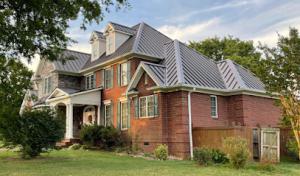
The Metal Roofers
(615) 649-5002 www.themetalroofers.com
935 E Trinity Ln #3, Nashville, Tennessee
4.9 from 147 reviews
Because Nashville is an active hail-and-wind claim market, insurers often want more than a simple leak photo; they may ask for age documentation, condition records, and contractor scope verification. That means your file should read like a well-organized history of the roof, not a single incident report. Expect adjusters to request a chain of evidence that shows what the roof looked like before the storm and what has changed since.
Homeowners should keep date-stamped photos before storms when possible, because proving pre-loss condition can matter when adjusters review whether damage is storm-related or wear-related. A simple phone shot from a sunny afternoon won't cut it; aim for a wide, scarfed view of the entire roof, attic snapshots showing insulation or water staining, and any prior repairs with dates if available. Store them in a cloud folder labeled by year and address, so you can pull them quickly when the storm hits.
Contractor bids and scope comparisons are especially relevant in this market because adjusters in the area may request them during claim review. If you're juggling multiple bids, ensure each scope clearly lists materials, fasteners, underlayment, and any repair limits. Ask contractors to explain how their scope aligns with your roof's real condition, and keep a written record of conversations and any changes. This isn't just about price; it's about creating a paper trail that shows the true extent of storm damage versus aging wear.
Without thorough documentation, adjustments can drift toward denial or partial payment. The more complete your packet-photos, dates, and a clear, itemized scope-the better you stand to protect a timely, fair settlement. In storms, timing and clarity can influence how quickly stabilization work gets underway.
Connect with contractors who help homeowners navigate the claims process from damage assessment to final approval.
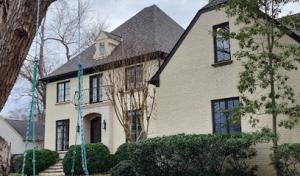
Paragon Roofing
(615) 910-8310 www.paragonroofingusa.com
1201 4th Ave S #109, Nashville, Tennessee
5.0 from 161 reviews
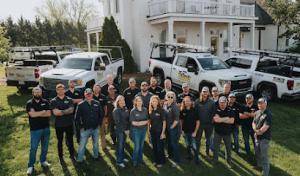
MidSouth Construction
(615) 712-8893 www.roofingbymidsouth.com
652 Old Ezell Rd, Nashville, Tennessee
4.9 from 1015 reviews
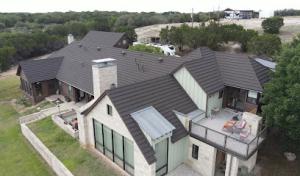
Priority Roofing
(615) 571-9638 priorityroofs.com
640 Spence Ln Suite 100, Nashville, Tennessee
5.0 from 143 reviews
In Nashville, repeated wet spring conditions can turn small flashing or underlayment defects into interior leak problems faster than homeowners expect. The humid subtropical climate means moisture moves through tiny openings and joints over time, so a seemingly minor lapse in sealant around chimneys, vents, or valley intersections can escalate after a few storms. When inspecting, focus on visible signs of aging at flashing kickouts, vent boot seams, and the transition from roof deck to walls. If a roof has aged underlayment or questionable drip edge, plan for targeted resealing or a careful beefing up of the underlayment in those vulnerable zones. Keep an eye on interior ceilings beneath joints that see frequent condensation or slow drips after rain events; these are often indicators that the roof envelope needs attention beyond the shingles themselves.
Wind exposure during seasonal storms makes shingle edge lift, ridge damage, and fastener-related blow-offs a recurring local concern, which is why wind mitigation details are commonly checked during reroof inspections. The way Nashville sits in storm paths means edges and ridge lines take the brunt of gusts, so look for lift at the starter course, exposed fastener heads, and any step of the ridge vent that looks tented or loose. When considering repairs, priority should go to resealing around fastener zones, replacing any missing or damaged shingles, and ensuring ridge caps are properly secured with fasteners that resist pull-out. A roof that holds together through a rough spring storm reduces the chance of widespread interior moisture problems later.
Skylight penetrations deserve extra scrutiny in Nashville because storm-driven rain can expose installation weaknesses even when the surrounding field shingles still look serviceable. Check the skylight flashing for blistering, corroded metal, and caulking failure where the frame meets the curb. Pay attention to the sealant around the curb, the drip edges, and any pooling water near the skylight base after a heavy rain. If the skylight is older or has been resealed multiple times, consider upgrading the flashing hardware or re-flashing with a dedicated storm-rated kit. Even a small skylight lapse can become a focal point for leaks during a late-spring downpour.
Find contractors experienced in skylight installation, flashing, and leak repairs to bring natural light into your home.
Modern Roofing
(629) 263-1222 modernroofingusa.com
1001 Capital Funds Ct, Nashville, Tennessee
4.9 from 97 reviews
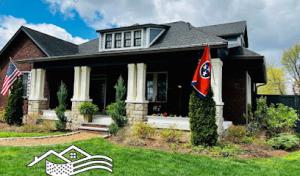
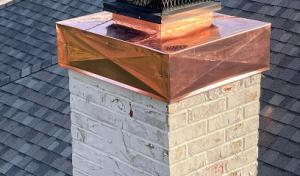
After a storm, Nashville homeowners often start with contractors who can commit to showing up fast and cleaning up the site promptly. In practice, that means prioritizing firms that outline a clear plan for temporary stabilization, tarp-work if needed, and debris removal on the first few days. A reliable storm roofer will set expectations for weather-related setbacks and keep the yard safe while securing the house from further moisture.
The local market includes many reroofing-focused teams, so compare how each handles Metro permit pull, inspection scheduling, and insurer documentation. Look for a firm that can coordinate photos and notes for your insurer, provide a straightforward change-order process, and keep you informed about inspection windows. Scope clarity matters more than a low bid: you want a documented plan that covers immediate stabilization, material delivery, and the sequence of steps.
Timelines can tighten quickly when storms spike contractor demand. Expect a detailed mobilization schedule, with a short window for temporary protection if rain is still in the forecast. A responsible roofer will footprint the job with daily progress reports and a clear sequence from tear-off through underlayment and final cleanup. In practice, prioritize firms that bring a visible crew on site, maintain orderly material storage, and verify that exterior scheduling aligns with your family's routine.
Because the local market is competitive on affordability, ensure the contract clearly defines scope, exclusions, and warranty coverage. A dependable Nashville roofer will spell out what is covered by workmanship guarantees, how long the coverage lasts, and how service calls are handled after completion. Verify that the proposal aligns with what's promised in insurer documentation and that any deviations are captured in a written change order.