
Last updated: Apr 19, 2026
Spring in this market brings hail and high winds that relentlessly test roofs. A single severe boreal gust or a quarter-inch hail streak can leave hidden damage behind shingles, flashing, and vent edges. The result isn't just cosmetic: compromised shingles fail sooner, leaks follow, and attic temperatures swing wildly, accelerating material deterioration. This is a place where inspections become almost routine after every big storm, and decisions about replacement are driven by real-time need rather than hopeful timelines. The pattern is familiar: storms roll through, insurance questions follow, and homeowners are urged to act fast before water intrusion compounds the repair.
When a storm hits, photo documentation is not optional-it's essential. Take clear pictures of roof surfaces, gutters, and any interior signs of water entry on ceilings or walls. Capture timestamps if possible, close-ups of suspected hail impact marks, and broader shots that show the overall roof condition. A formal, itemized estimate from a licensed contractor strengthens a claim and helps insurers understand scope. Keep copies of all communication with your insurer and contractor, including notes from any onsite assessments. In this climate, the lack of solid documentation can stall a claim or invite disputes about what was damaged versus what's wear and tear.
A contractor assessment should prioritize dusting away the fog of storm confusion. Expect thorough hail and wind damage checks for asphalt shingles, metal panels, and any flashing around chimneys or vents. The goal is to identify wind-lifted shingles, cracked granules, punctures, and potential moisture hotspots in attic spaces. Early, decisive conclusions about repairs versus full replacement save weeks of back-and-forth with insurers. If you need temporary mitigation, request tarping or quick-seal solutions to protect interiors, but ensure any temporary fix is clearly documented and time-limited so it doesn't blur the full scope of work later.
The signal mix here leans toward emergency repair, storm damage, and insurance-claims services more than niche roof specialties. That means selecting a contractor who can balance speed with solid method: accurate damage assessment, transparent communication, targeted recommendations, and support through the claim process. Look for a local team that can provide a formal assessment in writing, accompany you to insurer appointments when needed, and offer clear timelines and milestone updates. A storm-focused contractor is more likely to understand the common roof types found on Clarksville homes and how each behaves after hail and high wind.
After a storm, move quickly but calmly. Schedule an on-site assessment within 24 to 72 hours if possible, because moisture can spread and escalate damage fast. Keep interior spaces dry by quickly addressing small leaks with containment measures, but avoid making temporary fixes that could complicate a later full-replacement claim. When communicating with insurers, reference the storm event date, the observed damage indicators, and the contractor's formal assessment. If multiple storms hit in succession, prioritize addressing the most severe damage first to prevent secondary leaks and escalating interior damage. In this neighborhood, timely action isn't just about comfort-it's about preserving structure, value, and peace of mind.
Find local contractors experienced in assessing and restoring roofs after hail, wind, and severe weather events.
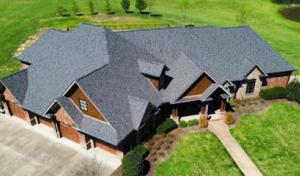
Big Timber Roofing
(931) 472-5055 bigtimberroofing.com
1315 Barbara Dr, Clarksville, Tennessee
5.0 from 183 reviews
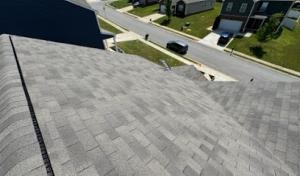
The Clarksville Roof Guys
(352) 715-2553 theclarksvilleroofguys.com
919 Tiny Town Rd, Clarksville, Tennessee
5.0 from 93 reviews
Integrity Roofing & Exteriors
(931) 614-7477 www.integrityroofingclarksville.com
917 McClardy Rd, Clarksville, Tennessee
4.9 from 468 reviews
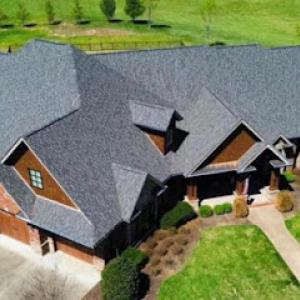
Big Timber Roofing
(931) 472-5055 bigtimberroofing.com
1315 Barbara Dr, Clarksville, Tennessee
5.0 from 183 reviews
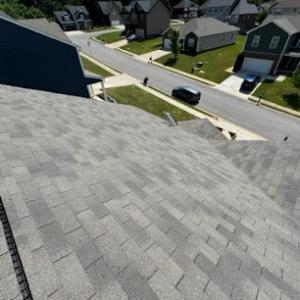
Big Timber Roofing is a licensed and insured roofing contractor with the expertise to do large and small roof replacements. A company you can truly count on.
The Clarksville Roof Guys
(352) 715-2553 theclarksvilleroofguys.com
919 Tiny Town Rd, Clarksville, Tennessee
5.0 from 93 reviews
The Clarksville Roof Guys provide reliable, professional roofing services in Clarksville, TN. We specialize in roof repair, replacement, and inspections for residential and commercial properties. Whether you're dealing with storm damage, leaks, or aging shingles, our experienced team delivers quality workmanship using durable materials. Locally owned and committed to honest service, we’re here to protect your home or business. Call today for a free roof estimate from one of Clarksville’s trusted roofing contractors.

Integrity Roofing & Exteriors
(931) 614-7477 www.integrityroofingclarksville.com
917 McClardy Rd, Clarksville, Tennessee
4.9 from 468 reviews
Integrity Roofing and Exteriors is a roofing company that does more. We are the professionals who are dedicated to offering customers top-quality services at affordable prices.
Best Choice Roofing
(931) 283-2548 bestchoiceroofing.com
151B Hatcher Ln, Clarksville, Tennessee
4.7 from 342 reviews
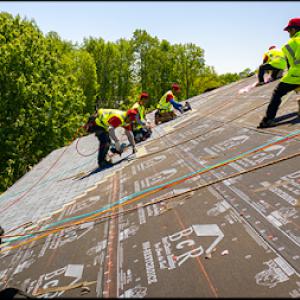
Best Choice Roofing is your trusted roofing expert and the Best Choice when it comes to choosing a roofing company with a commitment to impeccable customer service. In business since 2009, Best Choice Roofing’s industry-leading contributions to the roofing industry include a customer-first mentality, a dedication to top-quality products and a leadership team focused on the growth of its people. Because of this framework, we have created a loyal base of customers all over the United States.
JJ Roofing
(931) 216-5607 www.jjroofingtn.com
Clarksville, Tennessee
5.0 from 24 reviews
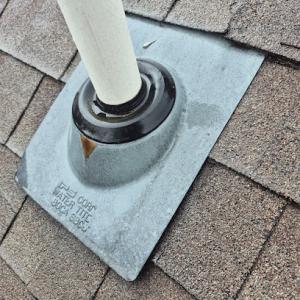
At Jj Roofing, we specialize in providing top notch roofing solutions that protect your home and add value for years to come! Whether you need a new roof installation, repair, or maintenance, our team of experts has you covered with the highest quality materials and impeccable craftsmanship. 💼🔧
Bedstone Exteriors
(931) 338-5519 bedstoneexteriors.com
1760 Jardco Dr, Clarksville, Tennessee
5.0 from 16 reviews
Clarksville premier roofing contractor
Flora Roofing
(931) 249-3393 sites.google.com
310 Pine Mountain Rd, Clarksville, Tennessee
4.8 from 26 reviews
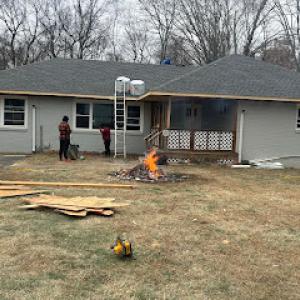
Flora Roofing is a Clarksville-based roofing contractor specializing in residential and new construction roofing projects. With years of experience and expertise, they offer a wide range of services, including shingle and metal roof repair and installation, leak detection and repair, chimney repair, soffit and fascia installation, home remodeling, vinyl siding installation, and door and window replacement. Additionally, they handle minor repairs such as fixing damaged pipe boots, replacing missing shingles, and addressing valley issues. Call today to schedule a free estimate on your new home project.
Jackson Roofing & Remodeling
(931) 906-0041 www.jacksonroofingclarksvilletn.com
342 Kraft St, Clarksville, Tennessee
4.6 from 50 reviews
Jackson Roofing & Remodeling in Clarksville, TN, provides dependable roofing solutions backed by skilled craftsmanship and premium materials. As a trusted rubber roofing contractor, we deliver durable systems built to withstand the elements. We specialize in asphalt shingle roofing, metal roofing, roof replacement, and roof installation for homes and businesses. Our team focuses on precision, transparent communication, and long-lasting results. With competitive pricing, efficient timelines, and high-quality workmanship, we ensure every project meets the highest standards. Contact Jackson Roofing & Remodeling today to schedule your inspection or request a free estimate.
Lewis Brothers Roofing, Siding & Guttering
(931) 358-6114 www.facebook.com
3208 Hwy 41A S, Clarksville, Tennessee
4.5 from 23 reviews
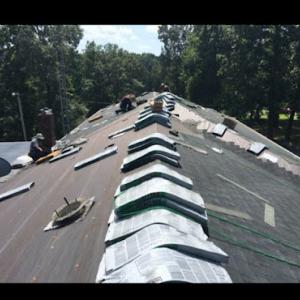
We have been in business in Clarksville for over 25 years. We are locally owned and operated and we specialize in new roofs, re-roofs, tear-offs, 5 & 6" aluminum gutter installation, vinyl siding & trim as well as hardy board siding. We offer repairs in these categories as well.
Rivera’s Roofing
(239) 285-0605 www.riverasroofingtn.com
409 Judy Lynn Dr, Clarksville, Tennessee
5.0 from 7 reviews
"Welcome to Rivera’s Roofing, where excellence meets craftsmanship in every shingle. As a premier roofing company, we specialize in delivering top-notch roofing solutions tailored to meet your needs. With a team of seasoned professionals, we pride ourselves on our attention to detail, superior quality materials, and commitment to customer satisfaction. Whether it's residential or commercial roofing projects, we handle each job with precision and care, ensuring durability and longevity. From installations to repairs and maintenance, trust Rivera’s Roofing to elevate your property's protection and curb appeal. Experience the pinnacle of roofing excellence with us."
Hernandez Roofing
(931) 302-1562 hernandezroofing.netlify.app
Clarksville, Tennessee
5.0 from 6 reviews
Hernandez Roofing is a name synonymous with roofing excellence in Clarksville, TN, and the surrounding areas. With 20 years of dedicated service, we've earned the trust of homeowners and businesses alike. Our journey has been marked by a relentless pursuit of roofing perfection, driven by integrity, quality workmanship, and a customer-centric approach. Our team comprises seasoned professionals who are not just experts in the roofing industry but also passionate about their craft. We've mastered the art of roofing, from shingle replacements to full roof installations. At Hernandez Roofing, we believe in fostering long-term relationships with our clients, founded on transparency, open communication, and a shared dedication to roofing.
Blackbeard Roofing
286 Clear Sky Ct B, Clarksville, Tennessee
4.8 from 6 reviews
Local Roofing company that cares about the Homeowner and quality above all else
Clarksville's hot summers and humidity accelerate wear on asphalt shingles, especially on sun-exposed roof planes. The relentless heat can make asphalt granules shed faster, reducing UV protection and shortening the shingle lifespan. In practice, this means roofs with southern and western exposures may show accelerated curling, color fading, and granule loss earlier than expected. A practical, local takeaway is to schedule more frequent visual checks on those high-heat planes after the peak of summer each year, looking for unusual algae staining, lifted tabs, or exposed asphalt. Regular inspections allow small issues to be flagged before they become widespread leaks, and a proactive maintenance plan can extend the life of the most common residential roof assemblies found in the area.
Tile roofs-whether clay or concrete-behave differently in this climate. Freeze-thaw cycles in this part of Tennessee are a real concern for tile roofs, making crack monitoring more relevant here than in warmer Gulf Coast markets. Cracks can start at fasteners, edges, or underlayment transitions and may propagate with seasonal temperature swings. In practice, that means a careful eye on cracked or chipped tiles after winter thaws and spring storms. A reasonable maintenance approach includes keeping gutters clear of sediment so water can drain away from hips and ridges, and inspecting ridge caps for displacement after storms. For tile owners, a targeted quarterly check during the first year after installation or a major hail event can catch microcracks that would otherwise go unnoticed until a leak forms.
Seasonal scheduling in Clarksville is uneven: storm surges in spring, heat-related slowdowns in summer, rain delays in fall, and winter freeze interruptions all affect replacement timing. The spring presents both a risk of hail and high wind and a narrow window to perform repairs before moisture intrusion more deeply undermines roof decking. Summer heat can complicate shingle installations, as asphalt products may require cooler conditions or extended curing times for proper seam performance. Fall rain often pushes replacement projects into late months when trucking and crews are scarce, while winter weather can stall the best-laid plans. This creates a practical pattern: plan for contingencies, allow margin between the end of a storm season and a preferred installation slot, and build a weather-aware maintenance calendar that prioritizes critical repairs before the high-damage months arrive.
For a typical Clarksville home, proactive monitoring should focus on the transitions around chimneys, vent stacks, and skylights, where sealants endure the most thermal cycling. After heavy spring storms, a focused assessment of flashing and valley areas helps catch wind-driven leaks early. Humidity and heat stress can loosen roof penetrations over time, so checking the integrity of sealants and fasteners at year-one and year-three marks (or after major weather events) provides a reliable baseline. When a concern is found, address it promptly with a repair strategy that minimizes exposure to the attic and interior spaces; delaying could force a larger, more invasive repair later. The goal is to keep the roof deck dry and the attic air sealed, reducing the risk of moisture-related rot and mold in a humid Tennessee summer.
Asphalt shingles stay the dominant material for most homes in this market. The shade of sun and long summer days bake roofs and can shorten service life compared with milder climates. If your home relies on asphalt, prioritize choosing a shingle with good granule adhesion and a stout warranty, and plan for periodic inspection after spring hail or strong storms. Local homes benefit from careful, regular maintenance: keep gutters clear, check for lifted tabs after a wind event, and reseal any flashing that shows wear. When you choose asphalt, consider a thicker, heavier shingle class to better resist heat and impact. Pairing with a well-ventilated attic and an effective underlayment helps prevent heat soak and moisture buildup that accelerates wear.
Metal roofing has meaningful local demand because durability during severe weather and heat-heavy summers is highly valued. In these conditions, attachment details matter: ensure proper panel alignment, secure fasteners, and sealed edge details to reduce noise and movement during wind events. Metal shines when a homeowner wants a longer service interval, but it requires precise installation and high-quality sealants to avoid leaks around penetrations. If you lean toward metal, plan for a professional who understands how to handle expansion and contraction in fluctuating temperatures and how to integrate venting and skylights without compromising wind uplift resistance. A metal roof can be complemented by reflective coatings or lighter colors to curb heat gain in peak sun months.
Clay and concrete tile bring distinct curb appeal and durability, but their performance hinges on local stressors. Freeze-thaw cycles can crack tile if installation isn't meticulous, and weight requires a sturdy structure and proper framing. If choosing tile, ensure the roof deck is engineered for the load and that a trusted tile-setting crew uses high-quality underlayment and proper battens. Concrete tile tends to be more affordable than clay and can hold up well if installed with attention to spacing and vented eaves. In all tile choices, anticipate higher maintenance needs around chimneys, vents, and penetrations, where movement and temperature swings can reveal service gaps.
Slate delivers longevity and a distinct look but comes with significant weight and cost, plus the risk of breakage during handling and transport. EPDM rubber offers excellent weather resistance for flat-to-low-slope sections and can be a smart secondary choice for accessory structures or additions. Both options are present in the market, yet the combination of freeze-thaw stress and installation complexity makes material choice more consequential here than in purely hot-weather cities. If considering these, work closely with installers who have recent, local climate experience and a clear plan for flashing, edge details, and roof-to-wall transitions. In Clarksville, the best approach is targeted use-reserve slate or EPDM where the roof geometry or function aligns with their strengths, and keep primary coverage with more forgiving and serviceable materials where needed.
Explore specialists in steel, aluminum, and standing seam metal roofs built to last 50 years or more.
Big Timber Roofing
(931) 472-5055 bigtimberroofing.com
1315 Barbara Dr, Clarksville, Tennessee
5.0 from 183 reviews
Bedstone Exteriors
(931) 338-5519 bedstoneexteriors.com
1760 Jardco Dr, Clarksville, Tennessee
5.0 from 16 reviews
In this market, your replacement cost is driven by the city's dominant material mix. Asphalt shingles sit in the 350 to 650 USD per square range, a familiar baseline for starter homes with typical 3-tab or dimensional shingles. If you're considering longer life and lower maintenance, metal roofing runs about 700 to 1100 USD per square. Clay tile clocks in at 900 to 1600, concrete tile at 700 to 1200, slate between 1600 and 3000, and EPDM rubber roofing comes in from 3.5 to 8 USD per square foot. If your home uses more than one material, your project may mix these figures, so you'll want a detailed breakdown from the contractor that separates material costs, underlayment, fasteners, and decking work. In Clarksville, the balance between upfront price and long-term performance matters, especially on hilly lots or homes with limited attic ventilation where heat gain and wind uplift can influence the best choice.
Spring hail and high-wind events can tighten scheduling and labor availability. It's common to see a spike in crews and shorter lead times after a wave of storms, which can push replacement pricing upward for a few weeks as trades juggle multiple storm-damaged roofs. If you're planning ahead, you'll benefit from choosing your material and final color family before the spring surge hits, so you're not negotiating rush pricing when the weather finally cooperates. If your roof is showing multiple damaged areas, hail denting, or wind-stripped shingles, expect a faster decision window from contractors who want to lock in material costs before the next round of storms.
Start with a clear estimate that separates material costs from labor and a contingency for weather delays. In a storm-prone season, you should expect a window of several days for tear-off, decking checks, and re-shingling, plus a day or two for coatings or paint touches if you're upgrading shingles color or metal panels. Schedule ventilation checks and attic insulation inspections as part of the same project to avoid rework later. If you're weighing options between asphalt shingles and metal, weigh the difference in weight on the existing structure and any needed deck reinforcement, especially on older homes or those with limited attic space. A well-planned sequence-survey and tarp, tear-off, decking repair if needed, underlayment, and final rock guard and vent restoration-keeps the project moving even when a spring storm rolls through.
Get a clear picture of your project costs upfront - no commitment required.
The Clarksville Roof Guys
(352) 715-2553 theclarksvilleroofguys.com
919 Tiny Town Rd, Clarksville, Tennessee
5.0 from 93 reviews
Flora Roofing
(931) 249-3393 sites.google.com
310 Pine Mountain Rd, Clarksville, Tennessee
4.8 from 26 reviews
Jackson Roofing & Remodeling
(931) 906-0041 www.jacksonroofingclarksvilletn.com
342 Kraft St, Clarksville, Tennessee
4.6 from 50 reviews
A full roof replacement in Clarksville typically requires a permit issued by the City of Clarksville Building Department. Skipping this step may save a moment, but it can bite back later with delays, fines, or even the need to undo work. The permit process exists to ensure that materials, methods, and safety practices meet local standards for your neighborhood and climate. Treat it as a foundational part of the project, not an afterthought.
The local process includes city oversight during the job and a required final inspection after completion to verify code compliance. That oversight means inspections can intersect with weather windows and contractor schedules, so plan for a realistic timeline that accounts for potential hold-ups after a hail or wind event. If a storm has recently hit, expect a surge in permit activity and permit review times. Coordinating with both the contractor and the Building Department helps prevent surprises that could affect repairs and warranty validity.
Because Clarksville requires final signoff, homeowners should confirm who is responsible for scheduling inspections and closing out the permit before making final payment. Typically, the contractor handles the scheduling, but the responsibility may be shared or shifted by agreement. Without a final inspection, the permit cannot be closed, and that oversight could complicate future resale or mortgage processes. Make sure the person overseeing payment has a clear checklist: permit status, inspection dates, and any required corrective work noted by the inspector.
Start by contacting the Clarksville Building Department early in the project to confirm the current permit requirements for a full roof replacement. Obtain any specific submittal documents your contractor will need, such as structural considerations for your roof type and local wind resistance expectations after spring storms. Maintain a visible record of permit numbers, inspection appointment confirmations, and any inspector notes. When the job nears completion, double-check that all necessary final inspections are scheduled promptly and that the permit is properly closed before the final payment is released. A proactive approach helps avoid last-minute gaps that could delay certification of the work and future coverage under your roofing system's warranty.
Spring storms in this market can leave roofs with a mix of cosmetic damage and hidden issues. In Tennessee, roof-claim outcomes vary by carrier, so Clarksville homeowners need to verify whether depreciation, hail classification, or wind damage language affects payout expectations. Start collecting photos the moment the storm passes-shots of gutters, shingles edges, flashing, and any hail marks. Keep a dated log of what you observe from ground level and attic access, noting any unusual daylight peeking through decking or damp patches that could signal concealed damage.
Clarksville's storm-focused roofing market means many contractors are accustomed to preparing the photos, estimates, and damage summaries adjusters ask for. When you hire help, ensure they provide a concise damage summary that ties visible issues to plausible failure points-blow-off shingles, lifted hips, granule loss, or compromised underlayment. Ask for a single, organized packet: photos labeled by roof section, a written damage narrative, and a scope of repairs with a transparent method for estimating replacement versus remediation. Keep digital backups in a cloud folder and carry printed copies to appointments.
Because severe-weather claims are a practical part of roof ownership in this area, documentation should begin immediately after storms rather than waiting for visible interior leaks. Do not delay photographing elevated areas, vent stacks, and edge details that often reveal the first signs of weather impact. When you speak with your insurer, reference the date of the storm and any weather advisories you relied on. If a contractor spots potential hidden damage, request a written assessment promptly so you can present a complete case to the adjuster.
Spring is the highest-risk roofing season in this market, with hail and high winds driving emergency tarping, leak calls, and insurance inspections. After a gusty system, you'll want to keep a tarp handy and a quick contact list for an experienced local contractor. Document every damaged area with photos from ground level and from the attic if accessible, and start a rapid timeline for temporary containment, assessment, and permanent repair.
Hot, humid Clarksville summers affect installation pace and material handling. Shingle storage should stay dry and shaded, and crews may pause during peak afternoon heat to protect both workers and roof material. Attic heat exposure matters for tear-off days-plan for better ventilation and access to shade or daytime work windows. If you're coordinating multiple crews, align start times to avoid bottlenecks at the ridge and to reduce indoor heat buildup in living spaces.
Autumn rain and cooler mornings can slow scheduling. After a hot July-August period, crews may need to adjust sequencing to prevent moisture intrusion during slow-weather days. Staging material on a dry day helps prevent rust on metal components and keeps shingles pristine for installation. Clear forecasts, prepped tarps, and a stabilized crew rotation help minimize weather-related delays without sacrificing safety.
Winter freezes and occasional ice can delay both repairs and full replacements in Clarksville. Plan for shorter workdays, potential frost-heave mornings, and the need for thaw periods before roof operations resume. Prioritize urgent leaks to limit interior damage and protect insulation during cold snaps. Maintain clear access to gutters and downspouts to reduce ice dam risk when temps rebound.
EPDM rubber roofing is part of Clarksville's active material mix, making low-slope roof maintenance relevant for some homes and many small commercial buildings. In this climate, EPDM membranes are chosen for their resilience, but the membrane's long-term performance depends on careful seam management, edge detailing, and reliable drainage. Regular inspections should target seam laps, exposed fasteners, and perimeter details where water can pool after heavy spring rains. Are you approaching a recoat or edge repair? Prioritize clean, dry conditions for any adhesive work, and verify that flashings at penetrations remain watertight, since a single misstep can lead to hot, humid summer leaks that spread quickly.
Clarksville humidity and rain timing make seam integrity and drainage performance especially important on EPDM systems. Summer humidity can accelerate aging of roof adhesives and sealants, so it is prudent to schedule maintenance for dry windows and after storm surges that push water toward joints. Pay particular attention to curb edges, transitions to parapets, and any isolation seams around HVAC units or skylights. A small seam issue can become a larger problem during the typical spring storm season, when typical wind-driven hail can force moisture into micro-tears. Regular UV exposure checks are helpful too, since sun-driven aging can harden membranes and reduce elasticity, increasing the risk of splitting at fastener lines.
The local contractor market shows only limited roof-coating specialization, so homeowners should not assume restoration options are as widely available here as standard replacement work. If a coating approach is considered, verify that the product is compatible with EPDM and designed for high-humidity environments. In many cases, a targeted sealant or seam compound may provide temporary relief, but the neighborhood performance history often leans toward patching or full membrane replacement when failures exceed a small repair. When addressing damage, seek a crew with proven EPDM experience who can document seam tests, drainage testing, and post-repair water shedding performance to ensure the system remains capable of handling Clarksville's spring deluge.
Extend the life of your existing roof with reflective or waterproof coatings that protect against UV and moisture.
In a Fort Campbell-adjacent, fast-growing area, the HVAC-like churn of roof work means many contractors emphasize storm response and affordability. A smaller share visibly markets warranty-backed work, which can hide long-term gaps if problems surface years after installation. You'll want to read the fine print on both material and labor promises and confirm exactly what each covers, and for how long. If a crew touts speed over certainty, pause to verify how the warranty handles common Clarksville realities like hail, wind uplift, and freeze-thaw cycles.
Clarksville's final inspection requirement on full replacements makes meticulous paperwork non-negotiable. Before approving a job, ensure the warranty documents mirror the project specifics logged at closeout. Any mismatch between the contract, the manufacturer's coverage, and the installer's workmanship guarantee can complicate claims or delay resolution when a leak or shingle issue appears after a storm. Keep copies of all notices, sign-offs, and warranty books in a single, accessible folder, and verify that the installer has filed the necessary paperwork exactly as intended.
In a market full of quick-turn re-roofing options, it's essential to separate what the manufacturer covers for the shingles or metal panels from what the installer promises to repair or replace. Material warranties protect the product itself, but workmanship warranties cover the installation you rely on to keep out water and withstand wind. If a problem arises within the warranty window, you want clarity on whether you're dealing with a product defect or an installation failure. Look for a clearly stated workmanship period, explicit conditions, and what constitutes proper maintenance to keep that coverage valid.
Ask for references with verifiable recent projects, and request examples where a warranty claim was resolved after spring storms. Verify that the contractor's warranty terms survive assignment if you sell the home. Finally, insist on a written timeline for addressing any post-installation issues, so a quick storm does not become a costly lingering concern.
In this market, contractors report a steady stream of calls around skylight leaks, but the work often centers on flashing and penetrations rather than wholesale skylight replacements. When a Clarksville contractor notes chimney-related flashing as a recurring homeowner concern, it's a cue to inspect skylight install details that intersect with those same flashing planes. The bottom line is that many leaks trace to how the skylight frame meets the roof deck and how flashing around the curb or curbless configurations is integrated with nearby vent stacks and chimneys. This local pattern means moisture can follow each seam and fastener into the attic even when the glass appears intact.
Skylight leaks rarely show up as a single drip at the corner; more often they manifest as damp insulation around the skylight curb, staining along the interior trim, or intermittent damp spots that worsen after wind-driven rain. In homes with limited skylight specialization in the market, leaks may be misdiagnosed as roof-wide problems. Look for swollen deck areas, aging sealant around the curb, degraded flashing at the intersecting planes, and any gaps where the skylight meets the shingles or metal roof. In Clarksville's spring wind and rain cycles, these weak points can open up quickly after a storm.
Start with the interior: trace dampness to the highest interior point near the skylight, then inspect the exterior shoulder around the skylight curb from a safe stance on the ladder. Move along the flashing line where the skylight meets the roof, checking for loose, cracked, or missing sealant and for lifting shingles or metal panels adjacent to the skylight. If water seems to follow a specific seam during a storm, focus repair efforts there first rather than waiting for a full roof assessment. After wind-driven rain events, prioritize penetrations so that you don't gamble on broader roof decisions.
Clean out any debris from the skylight crown and inspect the flashing tape or mastic at the edges. Look for dark areas indicating moisture behind the curb, and verify that the skylight operates freely without creating new gaps when opened for ventilation. If you find cracked sealant or copper/aluminum flashing that's showing green patina or corrosion, plan a targeted repair rather than a full re-flash of the roof. Remember that accurate identification of the leak path saves time during the repair window.
Because Clarksville market offerings are lean on true skylight repair specialists, screen contractors for track record with curb-mounted units or membrane-seal details around penetrations. Ask for references where leaks were traced to flashing joints and curb-to-roof transitions, and request photos from prior jobs that match your skylight type. A careful matchup of flashing detail, shingle or metal interfacing, and reputable sealant products will minimize repeat calls after the next storm season.
Find contractors experienced in skylight installation, flashing, and leak repairs to bring natural light into your home.
Best Choice Roofing
(931) 283-2548 bestchoiceroofing.com
151B Hatcher Ln, Clarksville, Tennessee
4.7 from 342 reviews