Roofing in Kentucky
Last updated: Feb 28, 2026
In Kentucky, the summer sun bakes the asphalt shingles while spring storms toss hail and heavy rain across our bluegrass towns. The winter freeze-thaw cycle rattles gutters and flashing, and those rapid temperature swings can shorten a roof's life if the wrong materials and details are chosen. That mix makes a durable, well-sealed roof a smart, long-term investment for homeowners from Louisville to Lexington, Bowling Green, and everywhere in between. The choices you make—material, color, and design—can affect energy bills, maintenance needs, and how often you'll face repairs. Here, you'll find practical, trustworthy guidance tailored for Kentucky homes, written in plain talk you can actually use.
With this page, you'll get a clear, neighborly overview of how Kentucky's climate shapes roofing decisions. Expect practical insights on the climate context, recommended roofing materials for Kentucky, popular roof styles and architectural trends you'll see across the state, a realistic look at typical costs here, and what permits or local regulations you'll want to know. On top of that, we tackle common roofing problems seen in Kentucky and practical fixes, maintenance and repair tips that stand up to wet springs and heat waves, guidance on when to repair versus replace, and advice on when it's time to hire a professional.
Our guidance is grounded in Kentucky conditions and backed by local resources—weather patterns, code considerations, supplier networks, and experienced Kentucky contractors who understand the terrain, masonry, and roofline realities of our towns and neighborhoods. You can trust that the scenarios here match what real homeowners in our area actually face, with steps you can take today to protect your investment and avoid surprises.
Let's start with how Kentucky's weather shapes the decisions you'll make for a durable, long-lasting roof.
Local Climate & Its Impact on Roofs
Kentucky's climate at a glance
Kentucky sits in a temperate, humid zone with four distinct seasons. Summers are hot and sticky, winters can be cold with occasional ice and snow, and spring brings volatile weather, including thunderstorms and flash flooding. The state also sees substantial rainfall (often 40–50 inches per year in many areas) and high humidity, which affects how roofs wear over time. These conditions mean your roof endures a wide range of stresses, from freeze–thaw cycles to wind-driven rain.
Winter weather impacts
- Freeze–thaw cycles crack and lift shingles, loosen flashing, and push water into small gaps.
- Ice dams can form along eaves, causing water backup under shingles and into the attic.
- Snow loading is a concern on lower-slope roofs and in shaded or treed areas; heavy snow accumulations add weight and stress.
- Icicles and pavement runoff can indicate drainage and ventilation issues that need addressing.
What to do:
- Ensure proper attic insulation (aim for efficient attic R-value and continuous insulation) and soffit/ ridge ventilation to reduce ice dam risk.
- Clear gutters and downspouts before and after winter storms to promote drainage.
- Have flashing around vents, skylights, and chimneys inspected after heavy snow or ice events.
Spring & summer hazards
- Severe thunderstorms bring hail, high winds, and rapid weather changes; damage from hail can crack shingles and dent metal components.
- Strong winds can peel back edges, loosen ridge caps, or lift flashing.
- Hail size and frequency vary by year; even small storms can cause micro-damage that compounds over time.
- Persistent humidity fosters moss, algae, and mold on shaded or damp roof surfaces, accelerating roofing material deterioration.
What to do:
- After a major storm, perform a quick visual roof check from the ground and call a pro for a more thorough inspection if you notice curling, cracking, or missing granules.
- Consider impact-resistant or properly rated shingles if you experience frequent hail or high-wind events.
- If you have shading or moisture-prone areas, plan for periodic cleaning and treatment to control moss and algae.
Humidity, rain, and roofing durability
- Long periods of damp weather promote algae growth on north-facing or shaded roofs, which can shorten the life of asphalt shingles.
- High rainfall and wind-driven spray stress seals, flashings, and vent bootings.
- Wet climates can accelerate wood deck and fascia rot if ventilation and drainage aren't managed.
What to do:
- Install or maintain good attic ventilation and a vapor barrier to limit moisture migration to the roof deck.
- Use proper underlayment and flashing materials suited for Kentucky's precipitation patterns.
- Inspect fascia boards, soffits, and gutters for rot and ensure efficient water shedding.
Materials & design that stand up to Kentucky weather
- Asphalt architectural shingles with high wind resistance (look for 110–130 mph or higher ratings) perform well in this climate.
- Metal roofs shed snow efficiently and resist wind and hail better, but require proper installation and flashing.
- Clay or concrete tiles look nice but are heavier and require a sturdy structure; they can be more prone to cracking in freeze–thaw cycles if not installed correctly.
- Wood shakes or shingles offer aesthetics but require proactive maintenance against moisture and moss in humid seasons.
Recommended maintenance mindset:
- Pair a durable roof material with robust attic ventilation and a well-sealed attic to minimize moisture-related wear.
- Schedule professional inspections after major storms or seasonal transitions.
Seasonal maintenance plan (quick steps)
1. Inspect after winter and after severe storms for damaged shingles, flashing, and gutters.
2. Clean gutters and downspouts; ensure water drains away from the foundation.
3. Check attic insulation and ventilation; seal air leaks around penetrations.
4. Watch for moss, algae, and rot on shaded surfaces; treat or replace as needed.
5. Schedule a professional roof inspection every 3–5 years, or sooner after major weather events.
Local risk warnings & official resources
- Kentucky experiences severe weather including thunderstorms, hail, tornadoes, and ice events; stay aware of seasonal forecasts and alerts.
- Official resources:
- National Weather Service Louisville, KY:
- NOAA Weather Safety:
- National Weather Service alerts and warnings:
- Kentucky Emergency Management (state preparedness):
- FEMA flood insurance information:
Recommended Roofing Materials for Kentucky
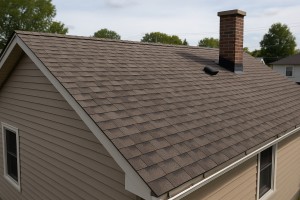
- The workhorse of Kentucky roofs. Affordable, widely available, and easy to install.
- Pros: broad color options, quick installation, good performance with modern wind-rated and algae-resistant versions.
- Cons: shorter lifespans than some alternatives; can be vulnerable to hail and extreme heat without proper upgrades.
- Typical lifespan: 15–25 years (standard); architectural/dimensional blends can reach 30–40 years with proper maintenance.
- Local tips: pick impact- and wind-resistant shingles; install an ice/water shield in eaves to combat winter ice dams; ensure adequate attic ventilation.
Architectural (Dimensional) Asphalt Shingles
- A step up from basic 3-tab, offering better depth and durability.
- Pros: longer life expectancy, improved wind resistance, enhanced curb appeal.
- Cons: higher upfront cost than 3-tab shingles.
- Typical lifespan: 30–40 years.
- Local tips: consider a higher wind rating for Kentucky storms and algae-resistant options for humid summers.
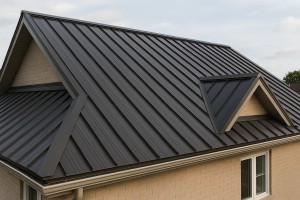
- A strong option for Kentucky's varied weather, especially in hail-prone or windy areas.
- Pros: 40–70 year lifespan, excellent hail and wind resistance, lighter on structure, reflective finishes can reduce cooling costs.
- Cons: higher initial price, some denting with hail on certain profiles, can be noisy without solid attic insulation.
- Best for: homes in wind-prone or hail-prone regions, newer builds with modern aesthetics, and those seeking long-term value.
- Local tips: choose a coated or coated-insulated panel, ensure proper underlayment, and factor in attic insulation to minimize noise.
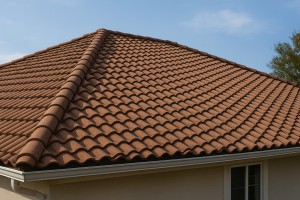
- Durable and distinctive look, with strong fire resistance.
- Pros: excellent longevity, energy efficiency, good in hot summers; low maintenance beyond routine inspection.
- Cons: very heavy; requires reinforced framing; higher upfront costs; potential for cracking in freeze–thaw cycles if not installed correctly.
- Best for: new construction with reinforced structure and a desire for Mediterranean or classic styling.
- Local tips: confirm roof structure can carry the load and use a qualified tile installer with Kentucky-specific experience.
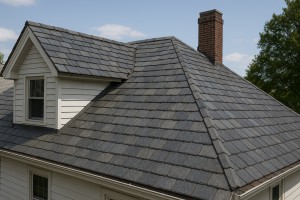
- Premium option with unmatched longevity and elegance.
- Pros: century-plus lifespan, natural beauty, excellent durability.
- Cons: very high cost, heavy weight, installation requires specialized craftsmanship, limited repair options.
- Best for: historic homes or high-end remodels where long-term value and aesthetics are priorities.
- Local tips: ensure proper substructure and budget for ongoing maintenance and potential replacements.
Synthetic Roofing (Composite, Rubber, Polymer)
- Modern alternatives that mimic natural materials at a lower weight and often lower cost.
- Pros: versatile styles and colors, good hail resistance, lighter weight than clay/stone options, reasonable durability.
- Cons: performance varies by brand; color fading and long-term wear can occur with lower-end products.
- Best for: budget-conscious buyers wanting the look of slate or tile, with easier installation and maintenance.
Wood Shingles and Shakes
- Classic look for certain architectural styles, but with caveats.
- Pros: natural aesthetic, good insulating properties.
- Cons: higher maintenance, susceptible to moisture, rot, and insect damage in Kentucky's humid climate; fire risk and codes may restrict use in some areas.
- Local tips: if chosen, ensure treated or properly maintained shingles and consider fire-rated treatments; plan for proactive upkeep.
Flat Roof Options (EPDM, TPO, PVC) for Additions or Flat Sections
- Practical for sunrooms or extensions.
- Pros: strong weather resistance, energy efficiency, straightforward sealing.
- Cons: seams require maintenance, not ideal for main hip/ridge lines on traditional homes.
- Local tips: ensure proper slope and professional installation; confirm warranty terms with a Kentucky-focused roofer.
Quick decision steps for Kentucky homes
1) Assess your local climate zone within Kentucky (hail risk, wind exposure, temperature swings).
2) Check roof structure: heavier materials require reinforced framing or structural upgrades.
3) Set a budget with long-term value in mind; compare 20–40 year options.
4) Prioritize wind/hail resistance in Kentucky's storms and ice dam prevention in winter.
5) Choose an installer with Kentucky experience and solid warranties.
Maintenance reminder: all materials benefit from regular inspections, especially after severe storms or harsh winters. Proper attic ventilation and a well-installed ice/water shield help reduce ice dam risks and heat-related wear, protecting your investment over time.
Popular Roof Styles & Architectural Trends in Kentucky
Gable and Cross-Gable Roofs: The Kentucky staple
Gable roofs are the most common style on traditional brick and farmhouse homes across Kentucky. They shed water well, are cost-effective, and easy to repair. Cross-gable configurations add visual interest for Victorian and craftsman-era houses but can require careful flashing and attic ventilation to prevent leaks.
- Best for: Classic homes, moderate climates, and lots with space for dormers.
- Pros: Simple design, good ventilation when paired with proper soffit vents.
- Cons: More prone to wind uplift in storms if not reinforced.
Hip and Low-Slope Roofs for Wind and Drainage
Hip roofs provide sturdy wind resistance and a balanced silhouette, which suits Kentucky's variable weather. They're common on ranch-style and bungalow homes and work well in windy counties.
- Pitch range: Typically 4/12 to 8/12 for residential use.
- Pros: Strong in high winds, better overall rain runoff from all sides.
- Cons: More complex framing means higher installation cost and potentially harder reroofing.
Metal roofs (steel, aluminum, or zinc blends) have surged in popularity, especially in rural areas with barns and outbuildings.
- Benefits: 40–70 year life, excellent hail and wind resistance, lighter weight, quick installation, reflective coatings for heat management.
- Best applications: Barns, porches, modern upgrades on homes, and areas with heavy storm exposure.
- Considerations: Noise can be louder during rain without proper decking; color choice can affect heat load.
Asphalt Shingles: The backbone of Kentucky homes
Architectural (laminated) asphalt shingles dominate most residential reroof projects due to cost, ease of installation, and broad warranty options.
- Life span: 15–30 years depending on quality, climate, and maintenance.
- Pros: Wide color selection, good impact resistance with newer premium shingles, straightforward repairs.
- Cons: Susceptible to ice dams in colder pockets if ventilation isn't adequate.
Wood Shingles and Shakes: Historic charm with maintenance
Aesthetic appeal for historic districts and upscale rural homes, wood shingles provide texture and curb appeal.
- Pros: Natural look, excellent insulation when dry.
- Cons: Higher maintenance, fire risk in some areas, not ideal in damp or termite-prone zones without proper treatment.
Slate, Clay Tile, and Luxury Options: Historic and upscale neighborhoods
In select Kentucky neighborhoods and older estates, slate and clay tile deliver a timeless, premium look and exceptional longevity.
- Benefits: Extraordinary durability (slate can last over a century), distinctive profile.
- Constraints: Heavy structures require reinforced framing and specialized installation; high upfront cost and fewer local contractors.
Roof Colors, Finishes, and Aesthetics: Kentucky-specific considerations
- Color impact: Lighter hues reflect heat in sunny summers; darker tones pair well with brick or stone but can heat up in southern exposures.
- Finish options: Coastal gray, charcoal, and warm earthy tones are popular for rural and urban blends.
- Neighborhood constraints: Some historic districts in Louisville and Lexington encourage traditional lines and subdued palettes.
Trends to Watch in Kentucky Homes
- Mixed materials: Combining standing-seam metal with asphalt or wood accents for durability and curb appeal.
- Energy-smart upgrades: Attic ventilation, ridge vents, and radiant barriers paired with solar readiness.
- Weather-ready designs: Enhanced underlayment, impact-resistant shingles, and wind-rated products for storm-prone counties.
- Aesthetic flexibility: Standing-seam metal roofs on porches, garages, and newer additions to harmonize with brick, stone, or wood exteriors.
Practical Steps for Choosing Kentucky-Ready Styles
1. Assess climate and exposure: wind, hail, and snow impact your choice of material and pitch.
2. Match to home style: align roofline and materials with your house's era and architectural cues.
3. Check local preferences: some neighborhoods favor traditional profiles or specific colors.
4. Plan ventilation and insulation: ensure attic space is properly vented to prevent ice dams and heat buildup.
5. Evaluate maintenance and budget: pick a material with a realistic life span and service plan for Kentucky's climate.
Practical Tips for Kentucky Homeowners
- After storms, inspect for hail marks or damaged shingles, especially in eastern counties.
- For metal roofs, verify proper underlayment and panel sizing to reduce noise and improve performance.
- When in historic districts, consult preservation guidelines before selecting textures and colors.
Average Roofing Costs in Kentucky
What drives price in Kentucky
- Climate and weather variability: freeze-thaw cycles, heat, and occasional severe storms influence material choice and installation methods.
- Local labor availability and demand: urban areas (Louisville, Lexington) often have higher quotes than rural parts of the state.
- Roof complexity: multiple slopes, dormers, chimneys, skylights, and outdoor living spaces add labor time.
- Tear-off vs. overlay: tearing off and disposing of old shingles adds per-square costs; overlays are cheaper but not always allowed by code.
- Material availability: regional supplier stock and freight costs can shift prices seasonally.
- Permits and inspections: some counties require permits that add a baseline fee and potential inspection charges.
Average cost ranges by material (installed)
Note: costs below include materials, basic underlayment, flashing, ventilation, and labor for a standard 1,500 sq ft roof. Removal of old roofing and disposal is separate unless noted.
- Asphalt shingles, 3-tab: $3.50–$5.50 per sq ft
- Typical total for 1,500 sq ft: about $5,250–$8,250
- Asphalt shingles, architectural/laminate: $4.50–$7.50 per sq ft
- Typical total for 1,500 sq ft: about $6,750–$11,250
- Metal roofing (standing seam or engineered panels): $8.00–$14.00 per sq ft
- Typical total for 1,500 sq ft: about $12,000–$21,000
- Wood shingles/shake: $6.50–$9.50 per sq ft
- Typical total for 1,500 sq ft: about $9,750–$14,250
- Concrete or clay tile: $8.00–$16.00 per sq ft
- Typical total for 1,500 sq ft: about $12,000–$24,000
- Slate (rare in Kentucky but available): $15.00–$40.00 per sq ft
- Typical total for 1,500 sq ft: about $22,500–$60,000
- Flat roofing (rubber membrane/EPDM or TPO): $4.00–$8.00 per sq ft
- Typical total for 1,500 sq ft: about $6,000–$12,000
Tear-off, disposal, and added services
- Tear-off of existing roof: add roughly $1.00–$2.50 per sq ft
- Upgrades to underlayment, ice-and-water shield, and enhanced ventilation: add $0.50–$1.50 per sq ft
- Roof coatings or reinforcements (for flat roofs): add $1.00–$2.00 per sq ft
- Ventilation improvements (attic fans, soffit vents, ridge vent): add $200–$1,000 depending on scope
Local considerations that affect price
- Urban vs rural: mobile crews, traffic, and permit processing can shift quotes upward in cities.
- Storm impact: in storm-prone counties, expect more variability and potential surge pricing after major events.
- Roof access: steep pitches, overhangs, and nearby landscaping increase ladder time and material handling.
- Historical homes: period-correct materials (slate, shakes) and preservation requirements drive costs up.
Quick budgeting tips ( Kentucky-specific)
1) Get 3–4 written bids from local, insured roofing pros.
2) Confirm whether tear-off is included and if disposal is in-bid or billed separately.
3) Ask about local code requirements (underlayment, ice barriers) that affect price.
4) Choose a material that suits Kentucky's climate and your home style (see differences below).
Common Kentucky roof styles and their cost implications
- Ranch or Colonial homes with simple, single-slope roofs: often cheapest for asphalt shingles.
- Homes with multiple gables or dormers: higher labor time, increasing total.
- Bungalows with eaves and low pitch: lower material cost but possible ventilation adjustments.
- Modern or craftsman homes with decorative dormers: higher bids due to detailed flashing and trim work.
Typical project size considerations
- Small to mid-sized homes (1,200–1,800 sq ft roof area): asphalt shingles often account for the majority of quotes.
- Larger homes or those with complex geometry: expect higher price ranges, especially for architectural shingles or metal.
- Replacement after a prior leak or damage: factor in additional decking repair if needed.
Permits & Local Regulations
Do I need a permit for a roof in Kentucky?
In Kentucky, building permits for roofing projects are generally handled at the city or county level. Most jurisdictions require a permit for replacing or removing a roof, adding new decking, underlayment, flashing, or making structural changes. Some smaller repairs or cosmetic work may be exempt in certain places, but you should not assume exemption. Always check with your local building department before starting.
Find your local rules
- Contact your city or county building department, planning & zoning office, or the official municipal website.
- Many jurisdictions use an online permit portal; you can often search by property address to see permit requirements.
- Rules differ by place: Louisville, Lexington, and Northern Kentucky suburbs each have their own processes. If you're outside a major city, call the county office.
What you'll typically need to apply
- Permit application form (online or in person)
- Property information: address, parcel ID, ownership details
- Scope of work: roof type, dimensions, decking replacement, underlayment, flashing, skylights, chimneys, vents
- Contractor information: licensed contractor name, license/registration number, contact info, proof of insurance
- Plans or drawings: simple roof plan, vent locations, insulation/attic details
- Structural notes: any decking or load-bearing changes
- Fees: permit fee estimate, inspection fees
Inspections you'll likely encounter
- Rough-in/structural inspection: if you're doing any framing, decking, or structural changes
- Underlayment and ventilation inspection: after the roof deck and underlayment are installed, before shingles
- Final inspection: once the roof is complete to verify code compliance and safe installation
- Some locales may require additional inspections for energy code compliance or weatherproofing
Steps you can follow
1) Confirm permit needs with the local authority for your exact address.
2) Gather project details and contractor information.
3) Submit the permit application with drawings or plans.
4) Pay the required fees and schedule inspections.
5) Complete all inspections and obtain final approval before occupying or closing out the project.
Contractor licensing and responsibilities
- Kentucky does not have a statewide roofing contractor license; licensing requirements are typically at city or county level. Verify your contractor pulls the permit.
- Ask for current proof of general liability and workers' compensation insurance, plus a valid business license or registration.
- Ensure the contractor's name on the contract matches the permit and any insurance documents.
HOA, covenants, and neighborhood rules
- Many subdivisions require prior HOA approval even when a permit is issued.
- Review covenants, conditions, and restrictions (CC&Rs) and any architectural review guidelines.
- If there are color, material, or roofline rules, align your plan with those to avoid delays or fines.
Practical tips to avoid delays
- Start by contacting the building department early to confirm permit requirements and code amendments.
- Have a clear scope of work, dimensions, and roof plan on hand when applying.
- Choose a contractor experienced with local inspections and who will pull and manage the permit.
- Keep all permit documents and inspection approvals on-site and accessible.
Common Kentucky-specific notes
- Climate considerations: many jurisdictions emphasize attic ventilation and insulation as part of the permit scope due to Kentucky's seasonal weather.
- Energy code: some areas enforce IECC insulation and ventilation requirements if the project triggers a building permit; local amendments may apply.
Common Roofing Problems in Kentucky & Solutions
Hail and Wind Damage in Kentucky
Severe spring and summer storms are common in Kentucky, bringing hail and strong winds that can dent gutters and lift or crack shingles. Older roofs are more vulnerable, but even newer installations can show damage after a big storm.
- Signs to look for: dented or loose shingles, curled edges, lifted tabs, missing granules, exposed roof deck, and leaks inside the attic after a storm.
- Causes: hail impact, wind uplift, improper nailing, and aging or undersized underlayment.
Solutions:
1) Schedule a professional roof inspection after a major storm to catch hidden damage.
2) Document damage with photos and notes; check for interior leaks in the attic and ceilings.
3) File an insurance claim if warranted; review your policy for hail and wind coverage.
4) If shingles are loose or missing, cover with a tarp temporarily to prevent water intrusion.
5) Repair or replace damaged shingles and flashing; consider higher-impact shingles (Class 3–4) for better resistance.
6) Have gutters and downspouts checked and re-seated to prevent water from backing up onto the roof.
Ice Dams and Winter Moisture
Kentucky winters can produce freezing rain and heavy snowmelt, leading to ice dams at the eaves and moisture intrusion in the attic.
- Causes: heat escaping from the attic, insufficient insulation, and poor venting that creates warm roof surfaces countering cold air outside.
Solutions:
1) Upgrade attic insulation to at least R-38 (or code-recommended level) and seal gaps where warm air escapes.
2) Improve ventilation with a balanced system of soffit and ridge vents; ensure airflow from soffit to ridge is unobstructed.
3) Safely remove existing ice dams with a roof rake from ground level; avoid aggressive shoveling on a steep roof.
4) If dams persist, apply calcium chloride ice melt along the edge in a controlled way (never directly on shingles).
5) Consider a professional assessment if ice dams recur annually; improper repair can lead to decking damage.
Moss, Algae, and Shingle Degradation
Humid Kentucky summers and shaded roofs foster moss and algae growth, which can lift shingles and shorten roof life.
Solutions:
1) Trim overhanging branches to increase sun exposure and reduce shade.
2) Install zinc or copper strips along the ridge to inhibit new growth.
3) Clean moss with a non-caustic cleaner or a diluted bleach solution; rinse well and avoid high-pressure washing.
4) Do not power-wash shingles; choose gentle, targeted methods to prevent damage.
5) If shingles are already compromised, replace affected sections and consider a shingle upgrade for long-term resilience.
Leaks Around Flashing, Chimneys, and Vents
Leaks around roof penetrations are common as homes age or after shifting foundation.
- Common sources: flashing around chimneys, skylights, vent pipes, and at junctions with the roof deck.
Solutions:
1) Inspect flashing for gaps, cracks, or displaced metal; re-flash where needed.
2) Replace worn step flashing and counter-flashing; seal joints with high-quality, roof-grade sealant.
3) Re-seal around chimneys and vents; ensure flashing integrates with shingles and underlayment.
4) Patch small shingle damage promptly to prevent water intrusion; larger issues should be handled by a pro to avoid further leaks.
Attic Ventilation and Insulation Deficits
Poor ventilation and insulation lead to moisture buildup, accelerated shingle wear, and higher energy costs.
- Signs: condensation on the underside of the sheathing, unusual attic heat, and higher summer attic temperatures.
Solutions:
1) Assess ventilation balance—adequate intake vents (soffits) and exhaust vents (ridge or gable) are crucial.
2) Add or upgrade insulation to meet or exceed local recommendations; seal attic penetrations to stop air leaks.
3) Use air barriers and baffles to maintain unobstructed airflow from soffits to ridge.
4) In older homes, consider a professional energy audit to target problem spots.
5) Address moisture sources (bathroom fans, kitchen vents) that vent into the attic rather than outside.
Gutter and Downspout Blockages
Clogged gutters and misdirected downspouts are frequent in Kentucky due to seasonal debris and heavy rains.
- Symptoms: overflowing gutters, water backs up onto the roof edge, and fascia damage.
Solutions:
1) Clean gutters and downspouts at least twice a year, and after major storms or leaf drop.
2) Repair sagging sections and reseat loose hangers; ensure proper slope toward downspouts.
3) Install gutter guards if desired to reduce debris buildup.
4) Direct downspouts away from the foundation (3–4 feet minimum) to prevent basement or crawlspace moisture.
5) Check for rust or leaks and seal or replace as needed.
Maintenance & Repair Tips for Kentucky
Seasonal Maintenance Checklist
- Spring (March–May): Inspect after storms for loose or missing shingles, damaged flashing, and worn sealant around vents. Clean debris from the roof and gutters; trim nearby branches to reduce future impact.
- Summer (June–August): Check attic ventilation and insulation to prevent heat buildup that can warp shingles or raise indoor moisture. Sweep gutters clean and ensure downspouts direct water away from the foundation.
- Fall (September–November): Clear leaves and pine needles from roof and gutters. Inspect flashing around chimneys, vents, and skylights; reseal where needed. Schedule a professional roof inspection before winter storms.
- Winter (December–February): Look for ice dams and water stains inside the attic or ceilings. Avoid walking on a snow-covered roof; if you must, use extreme caution or hire a pro. Keep exterior temperatures above freezing when applying de-icers or performing maintenance near the edge.
Common Kentucky Roofing Issues
- Ice dams during fluctuating winter temperatures: poor attic insulation or ventilation can cause water to back up under shingles.
- Wind and hail damage from severe spring storms: loose or punctured shingles, lifted flashing.
- Humidity and algae growth in warm months: streaks and weakened granules on asphalt shingles.
- Flashing deterioration around chimneys, vents, and skylights: leaks or rust spots.
- Moss in shaded, damp areas: can lift shingles and trap moisture.
Roof Material Tips for Kentucky
- Asphalt shingles: look for curling, missing granules, or bald spots after storms. Ensure sealant around edges remains intact and replace damaged shingles promptly.
- Metal roofs: highly durable here; inspect seams and fasteners annually. Clean debris from ridges; address any loose screws to prevent leaks.
- Tile or slate (less common, but possible): check for cracked tiles and ensure underlayment remains intact. Replace damaged pieces promptly to prevent leaks.
- General tip: choose dark or cool-color options in exposed areas to reduce heat buildup, which can extend the life of the roofing system in Kentucky's hot summers.
Gutter and Drainage Tips
- Clean gutters at least twice a year (spring and fall) and after heavy storms to prevent overflow.
- Ensure downspouts direct water at least 3–4 feet away from the foundation; consider splash blocks or extensions for slope management.
- Install gutter guards if you have tall trees nearby to reduce debris buildup, but inspect guards periodically for clogs or sagging.
- Check for sagging sections; re-secure brackets and address any loose fascia boards promptly.
When to Call a Pro
- Visible sagging, widespread shingle loss, or repeated leaks that don't respond to simple repairs.
- Damaged flashing around chimneys, skylights, or vent stacks.
- Roofs steeper than about 4:12 or with compromised safety during inspection.
- Suspected structural damage (soft spots, noticeable creaking, or bowing) or if your attic shows persistent mold or moisture issues.
DIY vs Professional Repairs
- Do-it-yourself tasks:
- Debris removal and routine cleaning of roof surfaces and gutters.
- Small sealant repairs around flashing in dry, mild conditions.
- Gutter catches and downspout extensions repositioning.
- When to hire a pro:
- Replacing missing or curling shingles on a large area.
- Re-sealing flashing or addressing suspected structural damage.
- Work on steep pitches, near edge hazards, or if you lack proper safety gear.
Tools & Safety Essentials
- Sturdy ladder and ladder stabilizers; fall protection gear if working at height.
- Roofing shoes with good traction, work gloves, and a wearable harness if available.
- Roofing sealant, flashing tape, and a caulking gun for quick-weatherproofing.
- Pry bar, hammer, pry knife, and a magnetic scoop for locating and removing loose nails.
- Weather-aware planning: avoid working during rain, high winds, or icy conditions.
Quick Visual Check List (3-minute on-roof scan)
- Shingles: look for curling, cracking, or missing pieces.
- Flashing: ensure it lies flat with no gaps or rust.
- Vents/Chimneys: seals intact; no loose tops or cracked collars.
- Gutters: clear of debris; downspouts directing water away.
- Attic: insulation level adequate; evidence of moisture or staining.
When to Repair vs. Replace
Local realities in Kentucky
- Kentucky's climate duels hot summers with cold winters, humidity, and freeze–thaw cycles. These conditions stress shingles, flashing, and attic ventilation.
- Typical lifespans: asphalt shingles 15–25 years, metal 40–70, tile 50+, depending on thickness, installation, and maintenance.
- Severe weather can strike anywhere. Spring storms, hail in many counties, and strong winds can damage roofing surface and attic components. Ice dams are a risk if attic insulation and ventilation aren't up to par.
- If damage is widespread or the roof is near the end of its life, replacement often saves more in the long run than continuing to patch.
Repair options for localized damage
- Isolated leaks: repair the flashing, sealant joints, or replace a small section of shingles where the underlayment isn't compromised.
- A few missing or curling shingles: replace only the affected shingles and reseal.
- Minor flashing or vent boot issues: repair or reseal flashing around chimneys, skylights, or vent pipes.
- Small deck damage: fix deteriorated decking in a limited area if the structure beneath is sound and the rest of the roof is healthy.
- Cost and disruption: repairs generally cost less upfront and can buy several years of life if the rest of the roof is in good condition.
- Future plans: if you don't plan to stay long or you're budgeting conservatively, targeted repairs can be sensible.
Replacement scenarios to consider
- Widespread shingle deterioration: extensive curling, cracking, missing shingles across large areas, or many leaks.
- Recurrent leaks: multiple rooms show signs of water intrusion despite previous repairs.
- Structural concerns: visible deck rot, sagging, or weakened rafters; these issues often indicate the roof isn't just surface-level.
- Aging out of life expectancy: asphalt nearing 20–25 years, metal nearing the mid-to-late decades, or tile/slate approaching their nominal life under Kentucky's climate.
- Insurance and weather events: after a severe hail or wind event, replacement may be necessary or wiser than repeated patches; insurance adjustments often favor replacement when damage is widespread.
- Long-term value and efficiency: a new roof can improve energy efficiency with better ventilation and, in some cases, upgraded insulation or reflective shingles.
Kentucky-specific factors to weigh
- Ice dams and ventilation: proper attic insulation and ventilation become more critical in Kentucky's winter months; a replacement might include upgrades to attic ventilation and insulation, which can reduce future damage and energy costs.
- Insurance considerations: document damage, work with your insurer, and keep a record of repairs and invoices. Some storms may trigger replacement coverage if damage is extensive.
- Seasonal timing: late spring through early fall often allows faster installation and fewer weather delays; winter work is possible but slower and more uncertain.
- Local codes and warranties: ensure any replacement meets current Kentucky code requirements and that you choose materials with solid warranties suited to regional conditions.
Step-by-step decision guide
1. Inspect the roof from a safe vantage point or have a pro inspect for curling, missing shingles, damaged flashing, and attic moisture.
2. Estimate remaining life: assess whether more than 25–30% of the roof shows damage or if the roof is near or past its expected life for its material.
3. Get two professional assessments with written quotes for both repair and replacement options.
4. Compare material quality, warranties, and energy-efficiency benefits.
5. Consider disruption, financing, and ROI—will a new roof reduce future repair costs and improve comfort?
6. Decide and schedule work with a licensed contractor who specializes in your roof type and is familiar with Kentucky's climate.
Maintenance to extend life
- Schedule regular inspections, especially after major storms.
- Clean gutters and remove debris to prevent water backup and ice dam formation.
- Ensure attic ventilation is clear and insulation is up to code.
- Trim overhanging branches to reduce impact risk and debris buildup.
When to Hire a Professional
- If you notice active leaks, interior water intrusion, or ceiling/wall staining, call a roofer right away. Water can damage insulation, studs, and electrical.
- Look for a sagging roof deck, loose flashing around chimneys or vents, or shingles that have blown off in a storm. These issues can lead to structural damage if left untreated.
- Downed power lines or gas lines near the house are emergencies. Stay clear and call the utility company or emergency services.
- Do not climb onto a damaged roof yourself. A professional with proper safety gear can assess and tarp or secure the area until repairs begin.
Non-emergency signs that warrant an inspection
- Visible shingle damage: curling, cracking, missing tabs, or shingles that've buckled from hail impact.
- Granule loss in gutters, on driveways, or in yard debris. Excess granules shorten shingle life and can signal timely replacement.
- Moss, algae, or widespread widespread dampness on the roof deck, which can compromise underlayment and ventilation.
- Ice dam formation in Kentucky winters (check for icicles along eaves, warped interior ceilings, or attic condensation). Persistent ice dams indicate ventilation or insulation needs an expert assessment.
- After a severe storm, even if you don't see obvious damage, a professional inspection helps catch hidden issues that could worsen with freeze–thaw cycles typical in Kentucky.
- If hail or wind damage is suspected, contact your insurer and start the claim process. An insured, reputable roofer can help document damage and provide a detailed, itemized estimate.
- Gather photos of affected areas and any prior roof work. A contractor who understands Kentucky claims processes can help with documentation, but avoid letting a contractor pressure you into filing fees or upgrades you don't need.
- Insurance settlements often require timely mitigation. A licensed professional can tarp, patch, or temporary fixes to prevent further damage while the claim is processed.
How to evaluate a roofing contractor in Kentucky
- Licensing and insurance
- Require proof of general liability and workers' compensation insurance (certificate of insurance). Verify the policy is current.
- Check that the contractor is properly registered to work in your city or county if local rules apply.
- Local presence and references
- Prefer Kentucky-based pros with recent local projects. Ask for 3–5 references and contact Kentucky homeowners about long-term performance.
- Credentials and warranties
- Look for manufacturer certifications (e.g., GAF, Owens Corning, CertainTeed) and a workmanship warranty in writing. Confirm the length and what it covers.
- Written estimates and clear contracts
- Get 3+ written bids with detailed scope, materials, timelines, and cleanup. Avoid vague “will fix as needed” language.
- Permits and code compliance
- A solid contractor will handle permit applications when required by your city/county and ensure work complies with Kentucky Building Code and local ordinances.
- Communication and professionalism
- Timely responses, on-site supervision, and a clear point of contact are signs of a reliable team. Early education on roof care and maintenance is a plus.
- Red flags to watch for
- Pressure to sign immediately, cash-only payments, or asking for large upfront deposits. Out-of-town “storm chasers” who only provide a temporary fix often abandon longer-term warranties.
- Poor references, lack of a physical business address, or reluctance to share contactable prior projects in Kentucky.
Steps to hire a pro (numbered)
1) Document damage and budget: take photos, note any leaks, and decide if temporary mitigation is needed.
2) Research and pre-screen: shortlist 3–5 Kentucky contractors with local references and good reviews.
3) Verify credentials: confirm licensing (where required), active insurance, and a physical local address.
4) Collect bids: obtain itemized, written estimates from each candidate and compare materials, warranties, and timelines.
5) Check references and past work: contact homeowners in Kentucky and, if possible, visit a current job site.
6) Review contract and permits: ensure scope, price, timeline, warranty details, and permit responsibilities are spelled out.
7) Schedule and oversee: set a clear start date, understand storm-season peak demand, and confirm cleanup and debris disposal plans.
Kentucky-specific considerations
- Strong spring storms and summer hail can cause localized damage quickly; timely inspection helps prevent compounding issues.
- Winter freeze–thaw cycles in Kentucky make proper insulation, ventilation, and ice-dam protection essential. Ensure your contractor addresses these factors.
- Local permitting rules vary by city and county—your chosen pro should handle the permitting process and ensure code-compliant installation for Kentucky homes.
Putting A Lid On It: Roof Maintenance, Repair, and Replacement in Kentucky
In Kentucky, the mix of humid summers, icy winters, and sudden storms makes roofs work overtime. Freeze-thaw cycles push shingles, flashing, and fasteners to their limits, and heavy spring rain can test sealants and gutters sooner than you expect. Regular maintenance isn't a luxury here – it's a practical habit that protects your home, preserves energy efficiency, and helps you avoid bigger repairs down the line.
A simple routine goes a long way: a quick seasonal check, careful cleaning, and timely small repairs. When you address issues early, you defend your attic from moisture, keep insulation doing its job, and extend the life of your roof. Think of maintenance as a small investment with big returns over the years.
Seasonal Care and Quick Checks
- Do biannual inspections (spring and fall) focusing on shingle edges, flashing around chimneys and vents, and the condition of gutters and downspouts.
- After storms, look for lifted shingles, dents, loose flashing, granule loss, or signs of leaks in ceilings or walls.
- Clean gutters and downspouts; ensure drainage away from the foundation and keep fascia and soffits clear.
- Check attic ventilation and insulation; make sure soffit vents aren't blocked and that ridge or gable vents are functioning. Poor venting invites condensation and ice dam risk in winter.
- Trim branches that overhang the roof to minimize debris and impact from wind-driven limbs.
- Remove accumulated debris like pine needles, leaves, and moss in valleys and along edges.
When to Call a Pro or Consider Replacement
- Signs you need a professional: persistent leaks, widespread curling or missing shingles, visible sagging, significant hail damage, or damaged flashing that you can't safely repair yourself.
- Replacement considerations: asphalt shingles typically last 20–30 years, metal roofs 40–70 years, and tile or slate can outlast both with proper care. Kentucky's winds and hail influence performance, so talk through warranty, wind rating, and impact resistance with a reputable contractor.
- Material choices: lighter, reflective colors can improve summer comfort; ensure your choice meets local codes and matches your home's style and budget.
- Don't overlook permits and flashing details; a well-sealed system with proper ventilation helps maximize longevity and energy efficiency.
A steady cadence of inspection, timely minor repairs, and smart material choices can keep your Kentucky roof reliable for years. You're part of a community that values safety and comfort, and with thoughtful care and professional guidance when needed, you can enjoy a beautiful, durable roof that lasts. Here's to solid shingles, clear skies, and a home that stays dry and welcoming for many seasons to come.
