
Last updated: Apr 19, 2026
Summer thunderstorms and tropical systems are a daily reality across the Lake Charles metro area, and this part of Southwest Louisiana makes storm season a practical year-round concern. Wind-driven damage can appear suddenly, but it often hides in plain sight: curling shingles, gaps at hips and ridges, lifted flashing, and loose soffit panels. In a neighborhood where homes commonly use asphalt shingles, metal, or concrete tile, the first sign of trouble is a rapid change in the attic or ceiling-dark stains, a sudden spike in humidity, or a leak that tracks along the joists after a gusty afternoon. When a storm rolls through, keep a wary eye on the deck and eaves; a quick, professional inspection can prevent a small breach from becoming a full房 replacement later in the season.
The Lake Charles metro region endures major Gulf storms that can leave a homeowner puzzled by what qualifies as sudden wind damage versus older wear. A claim adjusted on the basis of wind damage requires clear evidence of a new event or conditions that created a direct path for water entry. Photograph exposed decking, blown-off shingles, torn underlayment, and any dented or shifted fasteners. In Sulphur, where homes sit close to the coast and storms arrive with little warning, it helps to document the difference between a recent impact or wind lift and aging deterioration from past seasons. If a claim is needed, present a timeline of recent weather, tarping efforts, and any temporary protections already in place to demonstrate prompt response.
During hurricane season, leaks demand fast action. If you notice wet insulation or ceiling sag, deploy a tarp to cover the area and limit further water intrusion. The goal is to minimize interior damage while a professional maker-ready plan is assembled. While awaiting contractors, avoid turning on heat or AC near the leak to prevent spreading moisture into insulation and drywall. Insurance-ready planning means having a documented repair plan, a clear scope of work, and a visible path to dry-in. In this climate, a timely roof flyover, deck inspection, and imminent tear-off schedule can prevent mold growth and secondary damage that complicates claims.
Tearing off a roof during the Gulf season can be complicated by summer storms that interrupt work and expose decking to sun and rain alike. Choose a contractor with a proven track record for wind-resistance installation and efficient dry-in. A typical plan prioritizes securing underlayment, ensuring proper ventilation during replacement, and completing weatherproofing before a predicted storm window reopens. Ask for a phased schedule that prioritizes critical areas-exposed decking, attic access, and any living space directly beneath the affected roof. Confirm a weather contingency plan that spans possible delays and ensures a timely return to a weatherproof condition.
In a high-risk environment, a roof is more than a cover-it's a barrier against the Gulf's intensity. Consider designs and materials that offer robust wind uplift resistance, dependable underlayment, and durable flashing details suited to coastal exposure. For homes that have endured multiple seasons, a targeted assessment of fascia, soffit, and gutters helps prevent recurrent leaks. A proactive, staged replacement plan-spanning from initial emergency tarping to a full, properly sealed dry-in-safeguards interior living spaces and stabilizes claim outcomes when the next hurricane approaches.
In Sulphur, the active wind and storm claim environment affects homeowners directly, with carriers commonly asking for date-stamped photos, scope details, and evidence that damage came from a covered event. When a leak or visible damage appears after a storm, gather photos from the moment you notice it and keep a clear timeline of when you observed it, when you reported it, and when inspectors or adjusters visit. Your photo records should include date stamps, close-ups of shingles, flashing, and any interior staining. If you can safely access the attic, capture ceiling and rafter areas showing any moisture or staining, and note the weather conditions at the time of observation. The goal is to present a cohesive narrative that connects the damage to a storm event your policy will recognize.
Because Sulphur is in a high-claim coastal-influence market, underlayment quality, wind-focused installation details, and maintenance records can affect claim disputes and policy pricing. When you replace or repair, prioritize products and workmanship that emphasize wind resistance and proper underlayment continuity. If you are filing a claim, keep records of maintenance that show ongoing attention to vent boots, ridge vents, and any gaps around edges where wind-driven rain can force entry. Document previous repairs or upgrades, including any tape, sealant, or flashing fixes that were performed before the latest storm season. A well-maintained roof with solid detailing on eaves and penetrations reduces the chance that a carrier questions whether damage came from a covered event versus aging or wear.
After major storms in Southwest Louisiana, claim volume can surge at the same time contractor demand spikes, which can delay inspections and increase pressure to document damage immediately. Expect delays in getting an inspector scheduled, and avoid waiting to report small but accumulating issues. If a storm has passed, you should still file promptly and explain the rising risk of hidden damage. In the meantime, protect the interior with temporary measures like tarps or quick leaks stops, and keep old and new contractor estimates organized so adjusters can see your plan of action. In busy periods, be prepared for back-and-forth communication and stay persistent with your insurer to secure an appointment window that aligns with the storm-season timeline.
Connect with contractors who help homeowners navigate the claims process from damage assessment to final approval.
Coleman Roofing & Construction
(337) 357-6333 www.colemanroof.com
4001 Maplewood Dr, Sulphur, Louisiana
5.0 from 14 reviews

North American Roofing Company
(337) 242-1405 www.roofingprostx.com
2412 Maplewood Dr Suite 2, Sulphur, Louisiana
4.2 from 10 reviews
RoofClaim
366 N Post Oak Rd, Sulphur, Louisiana
5.0 from 20 reviews
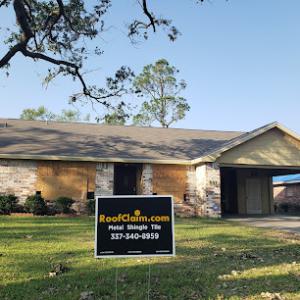
When you choose RoofClaim, you can count on us to provide exceptional roof repairs and replacements in the Sulphur area. Our streamlined roofing process means the experience will be easy and hassle free! We’ll guide you through the entire roofing process from start to finish, and you’ll always be kept informed about where your project stands. We’re experts in the roofing industry, so join our list of satisfied customers and enjoy the RoofClaim difference!
Coleman Roofing & Construction
(337) 357-6333 www.colemanroof.com
4001 Maplewood Dr, Sulphur, Louisiana
5.0 from 14 reviews
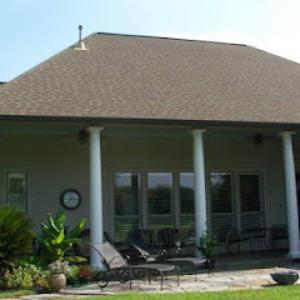
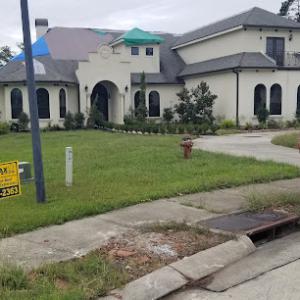
Coleman Roofing & Construction is a reliable company serving commercial and residential clients in Sulphur, LA. Our company specializes in roofing, gutters, coatings, Velux skylights, and insurance claims. We have worked in the roofing business for decades and continue to provide comprehensive solutions to our clients. We tailor our services to suit clients’ needs and exceed their expectations. Our team delivers top-of-the-line craftsmanship and the best quality products to give clients the best returns on investment. We also prioritize excellent customer service by ensuring they have the best experience when working with us. Furthermore, we stand behind our work to give them the ultimate peace of mind.
RoofMax USA
(404) 823-5578 www.roofmaxusa.com
2965 E Napoleon St Suite 3, Sulphur, Louisiana
5.0 from 7 reviews
we give our customers the best service, we also provide the highest quality installers. Their craftsmanship provide you with an exceptional roof at competitive prices. We treat you like family and make sure all your questions are answered and your expectations are met.
PowFord Roofing
902 Invader St, Sulphur, Louisiana
5.0 from 4 reviews
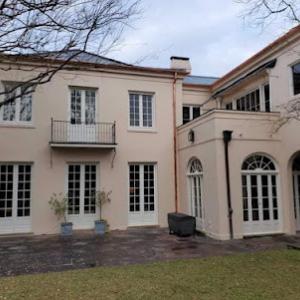
We are here to provide the best roof replacement in Lake Charles, Louisiana. We are proud of the exceptional reputation we’ve built up among Louisiana homeowners, and we work to ensure we deliver value for everyone we do business with.

North American Roofing Company
(337) 242-1405 www.roofingprostx.com
2412 Maplewood Dr Suite 2, Sulphur, Louisiana
4.2 from 10 reviews
North American Roofing Company is a roofing company specializing in roof replacements, roof repairs, roof inspections and offer free roof estimates. Proudly serving Sulphur, Lake Charles and all surrounding areas. Our dedicated team ensures top-notch craftsmanship and reliable solutions for all your roofing needs. Trust us for expert service and lasting results. Call us today for an appointment request or free estimate! * A+ Rated BBB Member * Financing Available * CertainTeed ShingleMaster contractor * Hail Damage Inspections * Insurance Claim Specialist * Residential & Commercial contractor
Del Mar Group
619 Henning Dr, Sulphur, Louisiana
4.2 from 5 reviews
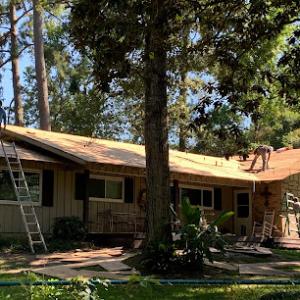
Located in Sulphur, LA, Del Mar Group is the region’s one-stop-shop for all residential construction needs, both indoor and outdoor. We specialize in custom roofing, home building, seamless gutter construction, and landscaping, and provide top-notch customer service every time. When you need home improvement services in the Sulphur area, you can count on Del Mar Group to get the job done on time, on budget, and to the highest standard of quality. Call Now!

Salazar Roofing
(337) 602-9892 www.salazarroofing.com
3482 S Beglis Pkwy, Sulphur, Louisiana
5.0 from 2 reviews
Do you need roof repair services for your home or business? We provide roof installation, repair, and replacement in Louisiana. We use our decades of experience in the roofing business and the expertise of our team to provide the most reliable and high-quality service in the area. We cater to both residential and commercial buildings and use high-quality materials, including stone-coated steel, slate, tile, and modified bitumen, to satisfy a variety of roofing requirements. Our team includes professionals like meteorologists, consultants, forensic engineers, & insurance adjusters. They ensure the success of each roofing project and can provide support even after the work is completed. Call us today to learn more about our roofing services.
Houston River Roofing
2718 Judie St, Sulphur, Louisiana
5.0 from 1 review
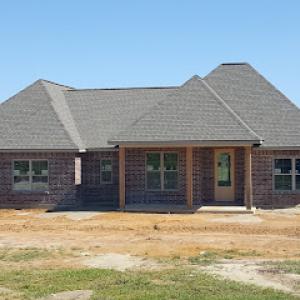
Locally owned and operated and insured
Daley's Home Improvement
Serving
5.0 from 25 reviews
We are a locally owned home improvement business. We offer serves for roofing, gutters, electrical, metal awnings, and more. Please feel free to reach out for a quote.
Kinder Roofing & Construction
(337) 580-9607 www.kinderbuilds.com
Serving
5.0 from 42 reviews
We are a licensed and a local company that’s here for you and with you the entire building and roofing and remodeling process, with a project manager or General Contractor on each job to ensure everything is running smoothly. #letsbuildtogether
M&M Roofing, Siding & Windows - Lake Charles
(337) 436-7151 mmroofsiding.com
Serving
4.7 from 25 reviews
M&M Roofing, Siding & Windows has been a family-owned and operated business serving homeowners for over 40 years. With offices in Houston, San Antonio, Beaumont, Austin, and Lake Charles, we can care for your home’s local roofing services and help you get back to life. We specialize in home improvements, including residential and commercial roofing, siding, windows, doors, radiant barriers, gutters, and soffit & fascia. Choosing M&M Roofing, Siding & Windows is a wise choice when it comes to protecting your home. We offer the highest quality materials and expert craftsmanship and also financing. Call today and one of our experienced roofing experts will give you a free estimate and discuss the right options for your situation.

Pelican Roofing Company
(337) 703-4515 www.pelicanroof.com
Serving
5.0 from 7 reviews
At Pelican Roofing, we pride ourselves on the reputation we’ve built as a dependable roofing company that our customers know they can trust—and we want to continue building that reputation. We believe our success is measured by our superior workmanship and our relationships with our customers and employees. Our friendly and courteous staff are dedicated to providing customer-focused service, competitive pricing and roofing expertise on every project. Fully licensed and insured, Pelican Roofing holds ourselves to the highest standards of integrity, safety and professionalism by hiring only qualified and experienced roofing specialists. From small leaks to big problems, Pelican Roofing is committed to exceeding our customers’ expectations.
Asphalt shingles remain common in Sulphur because they fit local budgets, but prolonged heat, UV exposure, and storm winds can shorten service life compared with milder climates. For a practical, all-around choice, look for impact-resistant and weather-tolerant variants labeled for wind uplift and heat resistance. In the hotter months, ensure the shingles have a laminated profile rather than a basic strip shingle, which helps resist blistering and edge-lift during heavy rain. When you're evaluating a reroof, check that the installation includes proper attic venting and sufficient underlayment to curb heat buildup under shingle granules. Fasteners should be corrosion-resistant and driven to the correct depth to prevent nail pops after a hurricane wind gust. In Sulphur, the best asphalt choices balance cost, local wind exposure, and the time your roof spends under the sun.
Metal roofing is especially relevant in Sulphur's market and climate because it handles wind and sheds heavy rain well, which helps explain the strong local contractor signal for metal specialists. If choosing metal, prioritize profiles with reinforced seams and a tested wind-uplift rating. A standing-seam system reduces the chance of fastener leaks and makes a clean, storm-ready surface that sheds leaves and debris quickly after a storm. Pay attention to color and coating; darker finishes can absorb more heat, so select a finish that reflects a portion of the sun's energy to keep attic temperatures manageable. Compatibility with existing structures matters, too; metal can be heavier than shingles, so ensure the supporting frame is assessed if the house is older or lighter-built. In practice, a metal roof offers long-term resilience against the Gulf Coast's windloads and driving rains, which matters when a quick, reliable leak-stop is needed during hurricane season.
Clay tile, concrete tile, wood shakes, and synthetic shingles are available in the market, but heavier systems may require structural review and can be less common on the area's typical residential housing stock than shingles and metal. Clay and concrete tiles provide excellent longevity and temperature performance, but their weight demands a structural assessment and sometimes extra hardware. Wood shakes deliver a distinct look and good thermal behavior, yet they can be vulnerable to moisture and wind-driven debris unless treated and properly maintained. Synthetic shingles mimic many of the benefits of natural materials while offering lighter weights and improved wind resistance, though performance varies by brand. If considering these, coordinate with a local roofer who understands how Sulphur's humidity and storm cycles interact with each material, and plan for potential reinforcement or upgrades to the attic and ventilation to preserve roof integrity under stress.
In hurricane season, installation quality becomes a critical line of defense. Emphasize full-coverage underlayment, proper nailing patterns, and adequate edge and hip coverage to resist uplift. Regular inspections after storms help catch loose fasteners, lifted shingles, or sourced leaks before they become interior water intrusion. For any heavier system or a roof near the end of its life, a careful assessment of the structural frame is essential to avoid unexpected failures when a strong wind event occurs. In Sulphur, quick leak response is a practical necessity; know where you can access the attic space and identify primary leakage paths so you can communicate clearly with your insurer and contractor if you need a rapid, insurance-ready replacement plan.
Pricing you'll see locally generally tracks the city's exposure to Gulf Coast storms. Provided local pricing ranges run about $350-$650 per square for asphalt shingles, $750-$1250 for metal, $1800-$2800 for clay tile, $1400-$2200 for concrete tile, $600-$1200 for wood shingles or shakes, and $450-$850 for synthetic or composite shingles. In the wake of a hurricane or a blistering summer, storm-driven demand can tighten labor availability and push replacement pricing upward faster than in calmer markets. Planning around that seasonality helps avoid the worst price jumps and keeps a roof over your head sooner.
Pricing by material matters to your replacement strategy. Asphalt shingles remain the most common choice for Sulphur homes and are typically the quickest option to schedule after severe weather, though they offer the lowest top-end wind resistance compared with metal or tile. Metal roofing delivers strong wind performance and longer service life, but the initial outlay is higher. Clay and concrete tiles bring durable, long-term protection but can add weight and require a roof structure check to handle the load. Wood shingles or shakes give a traditional look but demand careful maintenance and can be more sensitive to humidity and fungal concerns. Synthetic or composite shingles aim to balance performance and cost, with a mid-range price tag and decent wind resistance.
Seasonal timing and labor availability influence final costs. After a hurricane or intense summer storm, crews may be booked weeks out and material suppliers can run low on standard choices. That dynamic tends to push not just the per-square price, but also ancillary costs like waste disposal, underlayment upgrades, and rapid-start surge charges. If a project is compressed into a tight window, scheduling and logistics can add to the total cost even before a single shingle is installed.
When you're comparing bids, include the local administrative cost layer that can accompany full re-roof projects. Permit fees tied to project valuation and post-job inspections influence the bottom line, especially on larger or more premium installations. While the materials above give a solid starting point, a careful bid should reflect the true weather-impacted demand in the weeks following a major event.
Choosing the right material for Sulphur hinges on balance. If the goal is speed and value, asphalt remains strong; if wind resistance and longevity matter more, metal or tile can justify the upfront premium. In any case, a plan that anticipates hurricane-season timing and clearly documents wind-resistant details will smooth insurance interactions and help ensure you're prepared for the next storm.
Get a clear picture of your project costs upfront - no commitment required.
North American Roofing Company
(337) 242-1405 www.roofingprostx.com
2412 Maplewood Dr Suite 2, Sulphur, Louisiana
4.2 from 10 reviews

M&M Roofing, Siding & Windows - Lake Charles
(337) 436-7151 mmroofsiding.com
Serving
4.7 from 25 reviews
A full re-roof in Sulphur typically requires a permit through the local building department rather than being treated as informal maintenance. The city reviews the project scope, collects a permit fee based on valuation, and requires an inspection after completion to verify the roof was installed according to code. This process is not merely a formality; it ensures that wind-resistant installations and hurricane-season preparedness meet current standards, which matters for insurance documentation and long-term performance in Gulf Coast exposure.
Because permit review and final inspection are part of the local process, homeowners in Sulphur should confirm who is pulling the permit before work starts and who will be present for closeout if corrections are required. It is common for the contractor to file the permit, but responsibility can shift if multiple contractors or subs are involved. Make sure the person listed as the permit applicant is reachable for questions during the project and attends the closeout inspection if corrections are needed. If your roofer does not handle permit tasks, designate a reliable point of contact to avoid delays at key milestones, especially when weather windows compress during hurricane season.
An inspection occurs after the roof is installed to verify compliance with applicable codes and approved plans. In this region, inspectors look for proper nailing patterns, flashing details around penetrations, and adherence to wind-resistance requirements that protect against Gulf Coast storms. Prepare by ensuring all components are visible to the inspector: ridge vents, drip edge, underlayment, fasteners, and any secondary water barriers. Keep the original permit documentation, any engineering letters, and the stamped set of approved plans readily accessible. If the inspector requests adjustments, address them promptly with your contractor; a rapid response can prevent project delays that bite into window opportunities between storms.
Coordinate the permit timeline with your insurance documentation goals, since a completed, code-compliant installation supports claims for wind-damage assessments after events. For homes with complex framing or older decks, double-check that structural repairs align with your existing code compliance package before permit submission. In hurricane-prone months, confirm the permit review schedule early and account for possible weather-driven postponements. Finally, maintain clear communication with your contractor about who is responsible for submitting changes to the permit if the project scope evolves during tear-off, replacement, or shingle choices.
In Sulphur's hot, humid climate, prolonged moisture exposure can accelerate deterioration around penetrations, flashing points, and underlayment when roofs are not dried in quickly after storm damage. You may notice drip lines or staining long after a rainstorm, and that slow seepage can creep into attic assemblies if fasteners loosen or sealants fail. The takeaway is simple: treat any moisture intrusion as an active problem, even if it seems minor at first. Delays in drying and repair let rot, algae, and rust creep into the deck, threatening long-term stability and the roof's ability to shed water.
Wind-driven rain from Gulf systems can expose weaknesses that may not show up during ordinary showers, especially along edges, ridges, and transitions. A storm may push water under shingles, around vent boots, or behind metal edging where sealant has started to break down. In practice, that means you should inspect those transition zones after every storm, not just after the season's biggest events. If you find loose or lifted shingles at the edges, or hear sizzle or hiss against flashing during pressure winds, treat it as a failure waiting to happen and address it promptly.
Prolonged sun and heat in Southwest Louisiana can age sealants and roofing components faster, which is why older roofs often fail during the first major storm rather than on a clear day. Dry and brittle sealant joints, shifting flashings, or cracked peeled coatings signal that the roof is aging out of its protective capacity. When that happens, tiny breaches become big leaks under the pressure of a storm. Regular inspection of fasteners, sealants, and flashing helps maintain resilience through the next season.
After a storm, active leaks and interior damage demand fast action. Look for a roofer that demonstrates an explicit plan for 24-48 hour peak response in Sulphur's Gulf Coast conditions. Ask how the crew prioritizes emergency tarping, stair-access safety, and debris removal to minimize interior moisture intrusion during a wet week. A local company should be able to schedule a same-week inspection, provide a mobile point of contact, and document field findings with photos for insurance review.
The market includes both residential specialists and contractors who also tackle commercial projects, so verify the crew's relevant experience for your roof type and project size. If your home uses asphalt shingles, metal, concrete tile, or another material, request photos of recent jobs with similar scope. Confirm the crew's hands-on time with your asset class-storm-damaged shingles, wind uplift repairs, and re-roofs under insurance timelines require different skill sets and material handling. A seasoned Sulphur crew will explain ventilation, underlayment, and wind-resistance details tailored to local storms.
Cleanup, local tenure, and whether the company is locally owned are recurring priorities. Homeowners value crews that stay on-site until cleanup is complete and leave a tidy, two-swing-area jobsite with minimal debris. Ask for the identified project supervisor and a live phone line for daily updates. If the company has recently changed ownership or subcontractors, request a direct contact who can verify past storm-related work and customer references in Sulphur.
After a storm, you need clear documentation for insurance purposes. Ensure the contractor provides a detailed scope, take-off sheets, and a digital folder of before-and-after photos. The roofer should compile an itemized repair or replacement plan that matches your insurer's expectations for approval. Confirm they can deliver a written warranty that stands up to coastal humidity and repeated storm exposure, with clear terms on workmanship and material coverage.
Ask about local service windows, planned follow-ups, and how the company handles post-work cleanup. A reliable Sulphur roofer will outline a short-term schedule, notify you of potential weather delays, and commit to returning for a short-term inspection after heavy rains to verify sealant performance and flashing integrity.