
Last updated: Apr 19, 2026
Beaumont sits in Southeast Texas near the Gulf Coast, so roof decisions must be driven by hurricane season from June through November, not by inland storm patterns alone. The air is heavy, the roof bears the brunt of both soaking rain and sudden wind gusts, and your home's age often means older edge details and underlayment require extra attention. The window for safe, effective work tightens when tropical systems appear on the radar, so planning and communication with your contractor should align with the seasonal risk calendar. This isn't a year-round project in isolation; it hinges on forecast-backed urgency and practical readiness as storms approach.
Active storm periods can disrupt work, with heavy rain bands and wind pushing crews off the roof and threatening temporary dry-in protection. If you anticipate a replacement during hurricane season, insist on a robust dry-in strategy from day one. The shelter should include a watertight temporary cover for penetrations, secure fastenings around hips and valleys, and a methodical sequence that minimizes exposure time for fresh underlayment. For homes with steep or complex roof lines, ensure the temporary protection accounts for wind-driven rain that can penetrate even well-sealed edges. Daily weather checks should drive short-term scheduling windows, and a contingency plan with the contractor can keep you ahead of late-season storms without delaying critical protection.
Older homes in this market often present edge and attachment challenges that matter more than in lower-wind markets. Wind mitigation details aren't just a regulatory checkbox-they're a line of defense. Pay particular attention to fastener pattern, ridge and hip closures, drip edge integrity, and the connection between roof deck and wall systems. Your crew should verify that deck boards are sound, that underlayment laps are correctly overlapped, and that sealing at eaves and gables is continuous to resist rain-driven gusts. If a wind event is forecast, consider additional temporary measures at fascia and rafter tails to prevent pull-off risks. In practice, this means insistence on a thorough inspection of fascia boards, edge trim, and coordinated sealing around penetrations before shingles or tiles go down.
A storm-ready roof isn't only about the materials; it's about documentation you can rely on when insurers or adjusters come calling after a wind event. Gather project milestones, weather windows, and on-site measurements in a clear, dated log. Photograph vulnerable sections before work begins and after the roof is buttoned up, focusing on underlayment, edge details, and attachment patterns. When the shingles or tiles are in place, keep a record of the chosen fasteners and any wind-rated components installed, so you can reference them during the claims process. If a hail or wind event interrupts work, your organized notes and photos become your best allies for proving timely protection and weather awareness to insurers and adjusters.
Hurricane-season storms in this Gulf Coast climate hit roofs with a vengeance, especially when hail and wind are in play. After a storm, you need date-stamped photos that clearly show damage patterns-granule loss, curling edges, dented metal, lifted shingles, and any fascia or vent damage. Take exterior and interior shots, from multiple angles, and keep a running log of timestamps. The goal is to have a traceable timeline that matches the storm's arrival, because insurers scrutinize timing and causation closely in this market. If the roof is shaded or obscured by trees, trim or repositioning might be needed to capture clear evidence.
Local insurers commonly want detailed roof photos, wind mitigation information, and age-related depreciation documentation before settling roof claims. Expect to document attic ventilation and insulation conditions, roof deck exposure, and the presence of underlayment remnants or failures that could influence wind-driven leaks. A wind mitigation certificate is frequently requested, but even without one, a thorough packet of photographs and notes about any prior repairs, shingle granule coverage on gutters, and visible nail patterns can matter. The more you demonstrate a direct link between a storm event and the observed damage, the smoother the evaluation process tends to be.
Because carrier terms can shift in weather-exposed Gulf Coast areas, Beaumont homeowners should verify deductible structure, roof-age limitations, and actual cash value versus replacement cost before authorizing work. Insurance language around depreciation can bite hard when a claim is delayed or contested, especially for older roofs that show aging signs alongside storm impact. Gather copies of any prior payments, adjuster notes, and correspondence that clarify how depreciation is being applied. If a claim hinges on whether damage is wind-related versus wear-and-tear, precise documentation helps prevent later disputes over coverage scope.
In the wake of a storm, time is a critical factor. Prompt filing matters because many policies have specific windows for notice after damage, and delays can complicate coverage decisions. While you wait for an adjuster, implement temporary protections to minimize further damage: tarps or boards over vulnerable areas, careful resealing around flashing, and safe access for workers if you need temporary repairs. Keep receipts and note any improvised protection measures, since these may be requested to establish the condition of the roof at the time of the storm and during the claim process.
A reputable contractor should be ready to provide a concise, storm-focused assessment that aligns with the insurer's expectations. Expect the contractor to photograph areas of concern that you may not easily reach, such as high ridge lines or field shingles with broken tabs. When possible, have the contractor participate in the initial inspection or coordinate a supplemental visit so that observations are consistent across both parties. Clear, aligned documentation reduces back-and-forth and helps ensure that conclusions about hail impact, wind damage, and necessary replacements reflect the storm's true footprint rather than assumptions about wear.
Connect with contractors who help homeowners navigate the claims process from damage assessment to final approval.

Dutchmark Roofing Beaumont Tx
(409) 799-7663 dutchmarkcontractors.com
595 Orleans St # 100, Beaumont, Texas
5.0 from 130 reviews

M&M Roofing, Siding & Windows - Beaumont
(409) 727-8327 mmroofsiding.com
5550 Eastex Fwy Suite 4, Beaumont, Texas
4.9 from 237 reviews
American Roofing & Construction
(409) 489-6654 www.american-construction.org
6930 College St Suite G, Beaumont, Texas
4.7 from 94 reviews

Dutchmark Roofing Beaumont Tx
(409) 799-7663 dutchmarkcontractors.com
595 Orleans St # 100, Beaumont, Texas
5.0 from 130 reviews
With over 27 years of experience, Dutchmark Roofing provides the highest quality materials and craftsmanship at competitive prices. We pride ourself on our Lifetime warranty on both labor and on GAF Shingles! We offer a 15 year unlimited windspeed warranty! We have an Insurance Specialist on staff to assist with insurance claims to help you get full compensation for wind or hail damages. We do both Commercial & Residential and work with Shingle and Metal. Call Our Office Today and lets schedule a free inspection!

M&M Roofing, Siding & Windows - Beaumont
(409) 727-8327 mmroofsiding.com
5550 Eastex Fwy Suite 4, Beaumont, Texas
4.9 from 237 reviews
Trusted since 1983, M&M Roofing, Siding & Windows is the Golden Triangle's premier exterior expert. As a certified GAF Master Elite® and Owens Corning Preferred contractor, we rank in the top 2% of roofers nationwide. We specialize in hurricane-proofing homes with high-wind rated Shingle, Metal, and TPO roofing, as well as complete storm damage restoration and insurance claim assistance. Beyond roofing, we protect homes with James Hardie® siding, impact-resistant windows, and seamless gutters. We proudly serve Beaumont and the entire area—from Nederland, Port Arthur, and Groves to Vidor and Pleasanton. Family-owned and dedicated to "Peace of Mind" with lifetime labor warranties and flexible financing. Call today for a free inspection!
Cool Roofs - Beaumont
4345 Phelan Blvd #100, Beaumont, Texas
5.0 from 47 reviews
Welcome to Cool Roofs - Beaumont, Premier Roofing Contractor! 🏡🛠️ Specializing in residential and commercial roofing, we excel in roof installations, repairs, replacements, and emergency restorations. We're the go-to for new roofs, repairs, and replacements in Jefferson County, Orange County, and Central Texas. As the top among roofing companies in Beaumont, we offer quality services, including roof inspections and replacements. Cool Roofs proudly supports our Veterans & Military. Trust us for the best in roof installations, repairs, and replacements. Contact us for expert contractors and top-notch service!

Fresh Era Roofing Beaumont
(346) 443-5413 fresheraroofing.com
4879 Concord Rd, Beaumont, Texas
5.0 from 38 reviews
At Fresh Era Roofing Beaumont, we deliver dependable roof repair services for homeowners and businesses throughout Beaumont, TX. A strong, well-maintained roof is essential for protecting your property, and our skilled team specializes in fast, reliable repairs that restore both safety and durability. From minor leaks to storm-related damage, missing shingles, or aging roof issues, we provide long-lasting solutions using quality materials and proven methods. Our experts carefully inspect each roof to detect hidden problems, preventing small issues. With years of local experience, we understand the challenges of Beaumont’s weather and tailor our repair services to keep your roof performing at its best year-round.
Monument Roofing Systems
(409) 860-9343 monumentgreenroof.com
8101 Chemical Rd, Beaumont, Texas
5.0 from 26 reviews
Monument Roofing Systems, is a Recognized leader in green commercial roofing technology. With more than 50 years of experience in general contracting, construction and roofing, Monument has been ranked as a Top 100 Contractor by Roofing Contractor Magazine and is a proud Master Elite contractor.
Roofing On Demand
(409) 965-5555 roofingondemand.com
2050 N 11th St, Beaumont, Texas
4.9 from 39 reviews
We are a locally owned Storm Restoration company focused on Roofing, Siding, Gutters and Patios for Residential and Commercial customers based out of Beaumont, TX. We serve primarily the Southeast Texas and Houston areas. We take pride in the quality of work we have done and continue to do. No matter the condition of your residence or commercial property, trust us to provide a long lasting solution on a budget. We can assure you durability, affordability and quality through the roof! Financing options available.
American Roofing & Construction
(409) 489-6654 www.american-construction.org
6930 College St Suite G, Beaumont, Texas
4.7 from 94 reviews
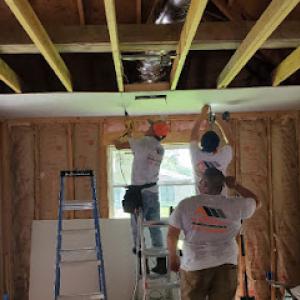
Local roofing company and general contractor. Performs residential and commercial roofing. Offers remodeling, painting, insulation, windows, fences and more. Fully insured and bonded. GAF Certified roofing contractor able to offer extended warranties.
Tres Coronas Enterprises
5725 Indian Trail, Beaumont, Texas
4.8 from 21 reviews
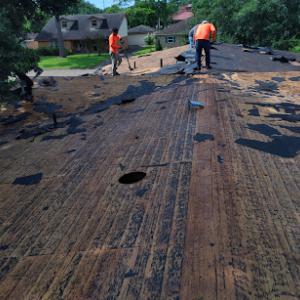
Reliable and reputable company, 15 yr experience, specialist in roofing commercial and residential,we have an expert in every construction field.reasonable prices available
ABCO Roofing & Construction
(409) 835-2226 www.abcoroofingtx.com
1515 S M L King Jr Pkwy, Beaumont, Texas
4.2 from 20 reviews
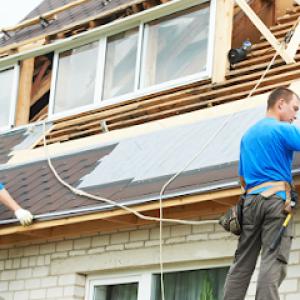
ABCO Roofing & Construction provides roofing services in the Beaumont, TX area.
Arnold Roofing & Construction
(281) 300-7579 www.arnoldroofingandconstruction.com
6120 College St #242, Beaumont, Texas
5.0 from 5 reviews
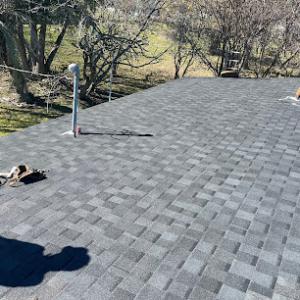
Roofing Contractor Offering Roof Repairs and Replacement Storm Damage Specialists with over 20 years Insurance Experience
The Roof Doctor
6650 Broadoak St Lot 110, Beaumont, Texas
5.0 from 5 reviews
The Roof Doctor provides residential and commercial roofing repairs, roof replacement, shingles, and chimney flashing services in Beaumont, TX.
I.H. Roofing
(409) 225-5987 ihroofingllc.com
6300 College St Suite 1, Beaumont, Texas
3.7 from 24 reviews
At I.H. Roofing, we believe in providing top-notch roofing solutions with quality workmanship and exceptional customer service. Our team is passionate about going above and beyond to meet our clients' needs, and we pride ourselves on our reliable and efficient services. We understand the importance of having a functional and secure roof, which is why we guarantee to deliver exceptional results that will protect your home or business for years to come. From repairs to installation, our skilled team of professionals utilizes the latest techniques and technologies to ensure that your roof is of the highest standard. We value honesty, integrity, and transparency in our work, and we strive to maintain a strong reputation with our customers.
Asphalt shingles and metal roofing are the dominant practical choices in this area, while tile and wood products appear less often because Gulf Coast moisture and storm exposure raise installation and maintenance demands. Asphalt shingles handle hot, humid summers reasonably well when paired with a solid ventilation plan, but metal roofs often outperform in wind resistance and deck protection during hurricane season. Wood and clay alternatives can be appealing for aesthetics, yet their moisture sensitivity and higher maintenance load make them less common on the typical Southeast Texas home. For a homeowner focused on longevity under heavy humidity, the best course is to match the chosen system to your attic's ventilation and to the deck's drainage performance.
Beaumont's long hot season, high humidity, and frequent thunderstorms make attic ventilation and underlayment performance especially important for shingle longevity and deck protection. A well-vented attic reduces heat buildup that can age underlayment and shingles prematurely and helps prevent ice- and rain-driven leaks during storm bursts. For asphalt, insist on a high-quality underlayment and consider additional radiant-heat vents or turbine vents in attic zones prone to heat pooling. Metal roofs should be paired with a breathable underlayment and a well-sealed deck to minimize condensation and pinhole leaks. In either case, ensure soffit and ridge ventilation are balanced so air moves continuously, not in stagnant pockets that trap humidity and corrode fasteners or flashings.
Material handling and installation timing matter locally because wet days and humidity can slow adhesive-related processes and summer heat can complicate staging and crew productivity. Scheduling during drier windows in late spring or early fall helps adhesives cure properly and allows shingles or metal panels to seat without wind-driven airflow compromising alignment. If a storm front pushes through, plan for extra staging space and protected storage for underlayment and starter strips. A local crew with experience detailing roof-to-wall transitions and flood-prone eaves will better protect deck edges and flashing during rapid weather shifts.
During hurricane season, having a plan to cover openings quickly minimizes interior damage and debris intrusion. Use sturdy tarps or roof-safe covers over exposed areas after wind events, prioritizing edges, valleys, and chimney flashings. Document damage thoroughly with photos from multiple angles, noting wind-driven debris impacts, nail pops, and any sagging sections. Keep a labeled file of storm-related materials, service visits, and temporary protections to simplify insurance communication and claim follow-ups. When a claim is likely, preserve the original condition photos, then capture progressive damage snapshots to support replacement timelines and required inspections.
When planning a replacement, you'll see the local ranges listed as: asphalt shingles from about 350 to 650 USD per square, metal from 700 to 1100 USD per square, clay tile from 1200 to 2100 USD per square, concrete tile from 1000 to 1800 USD per square, wood shingles or shakes from 600 to 900 USD per square, and synthetic or composite shingles from 500 to 900 USD per square. These figures reflect Beaumont's Gulf Coast exposure, where even modest bends in material quality can translate to noticeable performance differences during hurricane season. Expect higher material costs for upgrades tied to wind resistance and underlayment upgrades on older homes.
A simple tear-off and replace rarely stays simple after a major storm. In Beaumont, costs can rise when Gulf Coast demand surges for crews, dry-in materials, and disposal capacity. The price you see in the field may climb if crew availability is tight, if travel distances extend, or if local availability of specific underlayment or ventilation components is constrained. Plan for a mid-point cushion if the project coincides with peak storm-season load.
On older homes, wind-mitigation and ventilation corrections can push a Beaumont re-roof above a bare tear-off-and-replace. If your roof's age means it lacks cathedral ventilation, ridge vents, or properly sealed eave protection, you may face incremental costs for upgrades that help with humidity management and wind uplift resistance. These improvements not only support long-term performance but can also affect insurance documentation and post-storm resilience.
Start by matching your preferred material to the home's risk profile and the local climate. If you're balancing cost against performance, asphalt shingles remain the most economical entry point, with synthetic options offering better moisture tolerance and wind performance without a dramatic price jump. For higher-end aesthetics and durability, concrete or clay tiles bring substantial weight and wind benefits but require structural checks and potentially more extensive installation work.
If a storm is on the horizon, expect a surge in bid activity and shorter project windows. Tighten the schedule by coordinating debris removal, ventilation upgrades, and underlayment choices early in the planning process. With careful selection of materials and attention to wind resistance features, you can align costs with the protection demanded by the Gulf Coast's seasonal approach.
Get a clear picture of your project costs upfront - no commitment required.
Roofing On Demand
(409) 965-5555 roofingondemand.com
2050 N 11th St, Beaumont, Texas
4.9 from 39 reviews
A full roof replacement in this area typically requires a building permit rather than being treated as a no-permit maintenance item. The permitting process is designed to align with Gulf Coast conditions, where wind resistance and proper underlayment matter just as much as the visible shingles. When planning, you'll need to anticipate submitting a basic plan that shows roof coverage, fasteners, and attic ventilation strategies. The city uses a straightforward workflow: file the plan, pay the applicable fee, and await permission to proceed. This framework helps ensure that the replacement will stand up to humidity, heat, and seasonal storms.
Once the permit is issued, two inspection milestones are common in Beaumont's process. The first inspection typically occurs at rough-in for underlayment and ventilation, confirming that the deck is sound, the underlayment is properly installed, and the attic venting plan meets code requirements. The second inspection happens at final completion, verifying that the roof installation is complete, meets local wind resistance expectations, and aligns with the plan on file. Scheduling these inspections promptly helps avoid delays during the busy hurricane season. Retain documentation and make sure crews provide clear records tied to the permit number for each inspection.
Inspectors can be meticulous about installation details, and older homes may trigger additional requests. Be prepared for wind mitigation details to be reviewed or requested on older stock, which affects how contractors document the job. This can involve confirming nail patterns, attic ventilation efficiency, and the integrity of the underlayment and flashing in high-wind zones. Communication with the inspector before and during installation helps prevent rework. For homes with historic or regionally common layouts, ensure that the chosen materials and fastening methods comply with the documented expectations to streamline the process.
Coordinate early with the licensed contractor to align the plan with the latest local amendments and hurricane-focused requirements. Keep all permit-related correspondence, inspection notices, and approval stamps accessible at the job site. If any wind mitigation concerns arise on an older home, have the contractor prepare the necessary documentation or an addendum that supports the mitigation measures installed. By staying proactive, the permit and inspection phase contributes to a more durable, code-compliant roof that stands up to Beaumont's unique climate and permitting environment.
Replacement timing in Beaumont often favors fall to early winter because weather is generally more predictable than during peak summer thunderstorm periods. If you're planning around a typical cycle, aim to start teardown and teardown-related tasks after a dry spell has stretched a few days, and before the most inconsistent fronts roll in from the Gulf. That helps keep underlayment and ventilation details dry during the critical dry-in phase.
Summer heat and frequent afternoon storms in Southeast Texas can slow tear-off, dry-in, and shingle handling on active jobs. High humidity also challenges crews by shortening the workable window each day and pushing more tasks into a tighter daylight span. In practice, crews pace each phase to fit heat indices, ensuring adhesive and sealant cure times aren't compromised. If a storm comes through mid-project, expect temporary shutdowns to protect underlayment and newly installed components.
Occasional winter cold fronts and brief freezing temperatures are not the main seasonal threat here, but they can still temporarily slow installation and seal-down. Short dips in temperature can stiffen materials and complicate fastening, especially on exposed elevations. Plan for brief pauses if a sharp cold snap arrives, and coordinate with the crew to resume promptly when temperatures rise above comfortable thresholds for roofing work.
Coordinate your timeline with the forecast: target a window of dry, mild days for the heat-sensitive stages (dry-in and seal-down). Build in a buffer for late-season Gulf storms, and don't bank on a perfect weather run-be ready to shift a day or two if a front stalls over the area. If you're on an upcoming project, prioritize reduced activity during peak heat hours and conserve interior spaces during long and potentially humid days to keep attic ventilation and moisture control on track.
In this portion of the Gulf Coast, repeated heavy rain and high humidity make drainage design and ponding prevention more critical than on drier Texas roofs. Low-slope sections can hide slow-draining areas under parapets or near transitions, where water can linger and accelerate deterioration of underlayment and membrane. Pay attention to any standing water after a rain, and consider how roof pitch, scupper placement, and edge detailing channel runoff away from vulnerable seams. A small change in drainage design-like slightly increasing slope or adding a subtle, positive deck slope-can prevent long-term leaks that otherwise creep under flashing and into the attic.
Flashing around penetrations, transitions from low-slope to higher areas, and at wall interfaces demands meticulous attention. In humid environments, underlayment pores can trap moisture, and repeated exposure to rain intensifies this risk. Ensure that all transition membranes are properly lapped, sealed, and bonded to resist wind-driven rain common during hurricane season. The most vulnerable spots are at corners, step-downs, and near HVAC curb penetrations. If a roof shows signs of recurring leaks at these junctions, reflashings with compatible materials and verified adhesion are not optional-they're essential.
Beaumont's market includes flat-roof specialists, but they're not the majority. That matters mainly for additions, porches, and mixed residential-commercial properties rather than the typical primary roof. Homeowners with low-slope sections can often find crews familiar with membrane systems and transitions because many contractors also service commercial property. When engaging a crew, ask for recent work on similar low-slope configurations, especially where heavy rain and humidity stress the details most. A well-chosen crew reduces the chance of hidden moisture and prolongs the life of the membrane.
After a hurricane or strong storm, inspect for lifted edges, surface blisters, or debris in drainage paths. Debris can clog scuppers and downspouts, creating new ponding problems. Schedule a focused inspection of low-slope areas, including all seams and transitions, and address issues promptly before moisture penetrates into the structure. In this climate, timely, targeted attention saves far more than reactive repairs later.
Find specialists in TPO, EPDM, and built-up flat roofing systems for residential and commercial properties.
M&M Roofing, Siding & Windows - Beaumont
(409) 727-8327 mmroofsiding.com
5550 Eastex Fwy Suite 4, Beaumont, Texas
4.9 from 237 reviews
Monument Roofing Systems
(409) 860-9343 monumentgreenroof.com
8101 Chemical Rd, Beaumont, Texas
5.0 from 26 reviews
Beaumont's market is notably re-roofing-heavy, so homeowners are usually hiring for replacement experience rather than niche architectural installs. When a storm hits and debris piles up, the crew you pick should have a proven track record with roof tear-off, underlayment set, and fast, clean post-project site work. A quick, decisive crew that handles material staging and drives clean-up on day one reduces the storm-week headache.
In practice, the right team answers promptly, arrives with a plan, and leaves the site swept and orderly. Look for crews that provide a clear timeline for inspection, tear-off, and shingle install, plus a firm debris containment plan and weekly cleanups during the job. Schedule discussions to confirm they can start within a few days after the initial contract, and ask how they handle tarps, street debris, and generator use if nearby work is ongoing.
A meaningful share of contractors come from long-established or locally owned shops, and those firms often win on familiarity with older Southeast Texas homes, typical attic ventilation needs, and Gulf Coast wind concerns. Manufacturer-certified and formally licensed signals appear less often than responsiveness and affordability in listings, so balance those factors. Check that the crew understands old roofing textures, underlayment types, and how to secure accessories against Gulf humidity and gusts.
Ask for recent storm-rebuild references, ideally for homes similar in size and age to yours. Request a written sequence of work steps, warranty terms, and a plain expectation sheet for storm debris removal. Confirm they own or have access to the right ventilation and underlayment for Beaumont climates, plus a plan for protecting landscaping and outdoor structures throughout tear-off. Ensure you leave with a concrete start date and a straightforward finish-in-expected-days estimate.
Beaumont buyers should favor firms that demonstrate speed, reliable cleanup, and knowledge of local housing stock, even when manufacturer credentials aren't the loudest selling point.