
Last updated: Apr 19, 2026
Baytown sits on the upper Texas Gulf Coast, so roofs face the June-November hurricane season with wind-driven rain and storm-related scheduling disruptions. That means your most vulnerable moments aren't during the sunny weeks; they arrive as tropical systems roll in, bringing sudden leaks, blown soffit panels, and rapid shingle lift. Plan ahead by checking the roof after every storm and marking any seepage points the moment you notice them. If you hear a distant roar of wind or see rain pounding along the channel, expect intensified damage in the hours that follow and prepare to move valuables and tarps into place.
The city's location near Galveston Bay and the Houston Ship Channel exposes homes to humid, salt-influenced coastal air that can accelerate corrosion on metal components and flashings. That corrosion often hides in plain sight: corroded starter strips, rust on ladder hooks, and oxidized flashing along hips and valleys. After a storm, inspect for whitish or dark staining on metal drip edges, flaking sealant around vent pipes, and any loose or corroded nails. Even small-scale corrosion can compromise the seal around penetrations, inviting slow leaks that worsen with the next rain front. Prioritize inspection of metal edging, roof-to-wall transitions, and any areas where salt spray can accumulate.
Local contractor signals are heavily concentrated in storm damage, emergency repair, and insurance claims, showing that post-storm roof response is a primary homeowner need in this market. When a leak starts, respond immediately: catch water with a bucket, place a tarp or heavy plastic over the affected area, and avoid ladder work in gale conditions. Keep flashlights, a dry cloth, and a clean bucket handy for rapid cleanup once the rain subsides. If water intrudes into living spaces, document the leak with photos from multiple angles, including interior ceiling and exterior eave lines, to support an expedited claim process.
In Baytown, precise documentation saves time and reduces disputes with insurers after a storm. Create a simple, dated log of every event: when the storm began, how long the leak persisted, and what temporary measures were installed. Photograph every affected area before and after temporary repairs, focusing on penetrations, vents, and flashing seams. Save all communications with contractors and insurers in a dedicated storm folder. If access to the roof is limited by wind or debris, schedule a safer window to perform a thorough assessment, then prioritize the most critical leaks first to prevent interior damage.
Preventive maintenance becomes a force multiplier in this climate. Clean debris from valleys and gutters before hurricane onset, reseal around penetrations with durable caulk resistant to coastal humidity, and coat exposed metal flashing with corrosion-resistant sealant designed for salt exposure. Regular inspections after major storms help catch developing issues early, before they cascade into costly failures during the next round of rough weather.
In storms that push rain sideways across the Gulf Coast, leaks often show up where you'd least expect-under shingle laps, around flashing, and at roof penetrations. Water can be forced under edges that look solid from the ground, and then travel along the underlayment until it finds a hidden spot to drip from. This is not always a puncture or a visible tear; it's the consequence of wind-driven rain finding small entry points and exploiting any gap in the roof system. If your attic smells damp after a storm or you notice dark streaks along walls below a ceiling vent, investigate not just the obvious damaged shingles but the seal around penetrations and the condition of the flashing where the shingles meet walls, dormers, or chimneys. The takeaway is simple: gentle rain can become a stealthy source of interior moisture if the roof breathing and drainage paths aren't intact.
Spring and fall in this area bring rain squalls that interrupt active tear-offs and stretch the window to dry-in. When crews pause for weather, temporary protections become essential, and sequencing matters. If a roof is partially exposed to rain during a technique-driven tear-off, water can migrate along nails, fasteners, and fastener seals toward interior spaces. Temporary tarps, watertight barriers at roof edges, and prompt reseating of underlayment can reduce the risk of a day's worth of moisture seeping into the attic or ceiling. Plan for contingencies: identify a safe path for tarping and ensure that any moisture-affected decking is checked before the next work window. A delay isn't just an inconvenience; it can deepen water intrusion along vulnerable seams and penetrations, especially where the roof transitions to walls or where skylights sit.
Skylights and other penetrations form a meaningful local service category because water entry at openings recurs after storms. The area around a skylight can funnel water into a deck or cavity if flashing is compromised or if sealants have degraded from heat and humidity. In Baytown, the combination of humidity, heat cycling, and frequent wind increases the likelihood of failed sealant beds and mismatched flashing details. Proactive checks before hurricane season can save a lot of headaches: inspect curb flashings, ensure proper slope and seal of the flashing around the skylight, verify that the shingle course transitions are tight against the skylight frame, and confirm that the perimeter flashing receives a continuous bead of sealant that remains pliable in high heat. The risk isn't only a visible leak but the slow creep of moisture behind interior finishes, which often masquerades as an indoor humidity problem until a closer look reveals roof-grade issues. This is one area where quick response after a storm matters: prompt inspection and resealing can prevent long dry-in periods and secondary damage.
Find contractors experienced in skylight installation, flashing, and leak repairs to bring natural light into your home.


Stronghold Restoration & Roofing
(713) 553-9231 www.strongholdroofingllc.com
Serving
4.8 from 260 reviews
Reynas Roofing Repair
0 Market St, Baytown, Texas
5.0 from 52 reviews
#Newroof #LeakRepair #Roofrepair #Gutters #siding #FlatRoof
CG Roofing Solutions
(832) 693-9154 www.cgrsllc.com
124 W Circle Dr, Baytown, Texas
5.0 from 44 reviews
We are THE roofing specialists! Veteran owned and operated.

Complete Commercial Roofing
(281) 957-8108 www.completecommercialroofing.com
16600 Farm to Market Rd 2354, Baytown, Texas
5.0 from 28 reviews
Complete Commercial Roofing is a trusted commercial roofing contractor proudly serving Baytown, TX and the surrounding areas. We specialize exclusively in commercial roofing solutions for warehouses, office buildings, retail centers, industrial facilities, and multi-unit properties. Our services include commercial roof installation, roof replacement, roof repairs, preventative maintenance, leak detection, and storm damage restoration. We work with a wide range of commercial roofing systems including TPO, modified bitumen, metal roofing, flat roofs, and more. At Complete Commercial Roofing, we understand the importance of protecting your property, minimizing downtime, and delivering durable, long-lasting results.
Campbell Roofing & Solar
(832) 779-1150 www.campbellroofingsolar.com
Baytown, Texas
5.0 from 26 reviews
Campbell Roofing & Solar, LLC provides roofing, gutters, leaf guards, solar installation services to the Baytown, TX area.
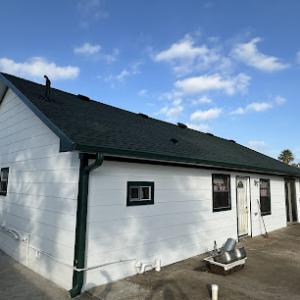
CW Roofing & Construction
(281) 925-7663 cwroofingservices.com
4819 Pineloch Byu Dr, Baytown, Texas
5.0 from 8 reviews
CW Roofing & Construction is your local roofing expert for fast, dependable, and long-lasting roofing solutions. From shingles and metal roofs to leak repairs and storm damage restoration, we do it all — and we do it right the first time. We help homeowners navigate insurance claims, maximize coverage, and get the roof they deserve. When you need a contractor, you can trust to show up, communicate, and deliver quality, choose CW Roofing & Construction. Financing Available.
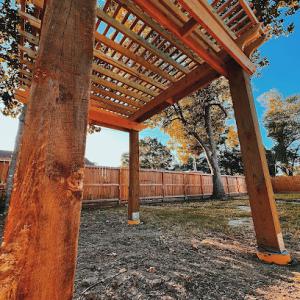
Rios Construction & Roofing
(281) 383-3388 riosroofing281.com
6117 TX-146, Baytown, Texas
4.4 from 24 reviews
For over three decades, Rios Roofing and Construction, has served the Baytown and surrounding areas. We pride ourselves in quality craftsmanship and professional services. We focus on exterior home improvements, remodeling, and repairs. With highly trained staff, competitive pricing, and a satisfaction guarantee, we are sure to fulfill all your construction needs. We not only serve residential properties but also commercial properties.
Parkway Roofing & Restoration
5706 Sapphire Lagoon Rd, Baytown, Texas
5.0 from 6 reviews
Parkway Roofing We are a family owned and operated business based out of Houston Texas. We cater to all of Houston and surrounding areas. No matter how big or small the job, just give us a call! 30+ years of experience in this industry and provide quality and satisfaction, that you can trust, guaranteed.
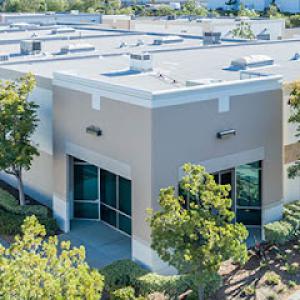
Del Con Roofing
(713) 320-3411 www.delconroofing.com
Baytown, Texas
5.0 from 5 reviews
Del Con Roofing provides professional roofing and roof consulting services for both residential and commercial properties. The company offers a full range of roofing solutions, including new roof installations, re-roofing, repairs, and inspections. Known for reliable service and expert craftsmanship, Del Con Roofing helps homeowners and businesses maintain durable, high-quality roofs.

King Tower Roofing & Construction
700 Travis St, Baytown, Texas
5.0 from 5 reviews
From new construction to skillful repairs to preventative maintenance and all your roofing problems in the Harris/Chambers Counties and surrounding communities can be resolved by King Tower Roofing. We specialize in all aspects of residential and commercial roofing. We want to serve our fellow citizens by providing them with our reputable service. Our business target is to become the most trusted and most successful roofing company in the area. We deliver all phases of roofing in a professional manner at a competitive price and in a timely manner, with a thorough cleanup. It is in our best interest to service you with honest price estimates, friendly service and quality workmanship. We will inform you honestly on the condition of your roof
Martinezroofdoctor
(832) 244-0640 www.roofdoctor.com
4922 Mill Creek Dr, Baytown, Texas
5.0 from 2 reviews
Martinez Roof Doctor is a independent company.servicing Baytown and surrounding areas. specilize on new roofs, re-roof, roof repair, flat roofs, chinmeney repairs

TCB Elite Fleet
(281) 573-1937 www.tcbelitefleet.com
Serving
5.0 from 238 reviews
From gutters to sheetrock, TCB Elite Fleet is here for your roof. Nobody can make do without a sturdy roof over their heads, which is why our roofing contractor in Baytown, TX, pays close attention to detail when we work. Our team members enjoy going the extra mile to provide quick and reliable services to each customer. You shouldn't have to wait hours for something as essential as a solid roof. Contact us today for assistance!

WeatherMaster Building & Roofing
(713) 259-9112 weathermasterroofing.com
Serving
5.0 from 26 reviews
We pride ourselves on honesty and integrity and want our customers to like our work so much that they refer us to their neighbors and friends for Roofing and Remodeling in the Houston and Beaumont area. We are here to help protect your greatest asset. Without a solid roof, a home is not secure. From new construction, home remodel's, roof repair or a full roof replacement, you can expect WeatherMaster Building & Roofing to get your home back to perfect condition. We take pride in using the best materials and do not cut any corners. Our quality and craftsmanship speak for themselves and are what has helped us grow into who we are today. We serve the greater Houston & Beaumont (Katy, Clearlake, Downtown, Memorial, Woodlands, Conroe, Baytown
Hurricane-season reality in this Gulf Coast pocket features frequent wind-driven damage and heavy rain, with salt-tinged humidity that can accelerate wear on older roofs. Storms arrive quickly and leave a trail of shingle lift, flashing gaps, and saturated underlayment. The insurance process hinges on clear documentation, timely action, and the ability to separate storm damage from age-related deterioration common on Gulf Coast stock.
After a storm, immediate, thorough documentation matters. Take wide shots of the entire roof from multiple angles, then close-ups of any lifted shingles, lifted granules, curled edges, damaged vents, and compromised flashing. Use a ruler or credit card to show relative lift or gaps, and note the date, time, and weather conditions. In Baytown, adjusters expect the sequence to be logical and chronological: storm event, initial site assessment, then follow-up photos after tarping or temporary repairs. Keeping a chronological file reduces back-and-forth and helps separate ongoing wear from storm impact, which matters on older Gulf Coast roofs.
Keep a simple written note of the roof's observable condition before any emergency patching. If a contractor is called for a temporary fix, ask for a concise condition report that highlights moisture intrusion, roof deck exposure, and any observed mold risk. Insurers commonly request roof-condition reports and contractor estimates to distinguish storm-related damage from age-related wear. In practice, that means pairing photos with a measured description of any layered shingles, the status of underlayment, and deck visibility in exposed areas.
Because Baytown sits in a high-claim environment for wind and hail, adjusters are trained to look for rapid documentation and a clear link between the event and observed damage. Be prepared to provide a list of affected areas, including the attic if visible moisture or staining is present. Prompt claim filing after storms improves the chance of faster evaluation, especially when flood and wind factors are both at play. If the roof is compromised, delaying can complicate the claim by allowing water to travel farther into the structure.
Damage assessment can change once tarping or cleanup begins, especially on roofs with complex profiles or multiple roof planes. Because storm-demand spikes after major weather events, Baytown homeowners benefit from documenting damage immediately before any emergency patching that might alter the roof's condition. Start with the exterior and work inward, then cross-check with interior signs like ceiling stains or attic odor. This careful audit helps keep the claim accurate and supports a smoother adjustment process.
Connect with contractors who help homeowners navigate the claims process from damage assessment to final approval.
CG Roofing Solutions
(832) 693-9154 www.cgrsllc.com
124 W Circle Dr, Baytown, Texas
5.0 from 44 reviews

Complete Commercial Roofing
(281) 957-8108 www.completecommercialroofing.com
16600 Farm to Market Rd 2354, Baytown, Texas
5.0 from 28 reviews

Campbell Roofing & Solar
(832) 779-1150 www.campbellroofingsolar.com
Baytown, Texas
5.0 from 26 reviews
Asphalt shingles dominate the local re-roof market because they fit the area's large replacement demand and offer a lower upfront cost. In hot, humid summers and frequent rain, these shingles can wear faster than in drier climates, so you'll want a high-quality laminated option with a good underlayment and upgraded flashing. Metal roofing is a notable local specialty that can handle Gulf Coast wind and offer longevity, but coastal-air corrosion risk makes underlayment, fastener choice, and flashing details especially important. This means choosing corrosion-resistant fasteners, sealants, and a continuous drip edge, plus a robust attic ventilation plan to minimize heat and moisture buildup. Clay tile and concrete tile have their fans here too, prized for longevity and a distinctive look, but their greater weight means framing and structural checks must be solid, and storm-season logistics for replacement can be more complex. Wood shakes bring character and decent performance when sealed against humidity, yet they demand careful maintenance to prevent rot and insect intrusion in Baytown's damp air. Synthetic or composite shingles can balance weight and durability, offering good moisture resistance and color longevity if you select products with proven coastal performance. Your decision should weigh not only appearance and initial cost but also how each system responds to humidity-driven shrinkage, fastener corrosion, and the potential for wind-driven rain during storms.
During hurricane season, roofs in this area face rapid onset leaks from wind-driven rain and hail, plus rapid rain events that stress underlayment. For emergency leaks, start with a quick temporary fix to prevent interior damage: place a tarping solution or heavy-duty plastic over the affected area, avoid stepping on weakened sections, and cover openings to deter further water entry. If you can safely reach the attic, locate the interior source above the leak and apply a temporary seal from the inside, which buys time for a more thorough assessment after the storm passes. After a storm, document any damage with clear photos from multiple angles, including the exterior roofline, gutters, and interior ceiling stains. Note wind-driven debris or missing shingles, lifted flashing, and gutter damage, since those details help with claims and adjuster inspections.
Keep a current inventory of roofing components and recent work, including material types, installation dates, and any prior repairs. Photograph the roof line before and after storms when conditions permit, and store copies of contracts, warranties, and past inspection notes in a safe, accessible location. If an adjuster arrives, provide the documented evidence and a clear account of the timeline from the storm, including any evacuation or temporary repairs you performed. Maintain a dated log of communications with your insurer and your contractor, and preserve receipts for emergency repairs or temporary coverings. Finally, request a detailed scope of work that aligns with the damage observed and, if necessary, obtain independent estimates to compare with the insurer's assessment. Staying organized now minimizes delays when response time matters most after a major storm.
Provided Baytown-area pricing ranges run about $350-$700 per square for asphalt shingles, $700-$1400 for metal, $1400-$2700 for clay tile, $1200-$2400 for concrete tile, and $450-$1000 for wood or synthetic/composite shingles. In practice, the lowest end often comes with basic warranties and faster installations, while the upper end reflects premium materials or deeper-than-average deck prep. For typical homes with standard slopes and roof lines, the square count directly drives the total price, so a 20-square roof won't simply be 20 times the per-square cost if extras are involved. A modestly pitched roof with common fasteners and drip edge usually fits these ranges, but expect add-ons for underlayment upgrades, ridge venting, and flashing around chimneys and plumbing stacks to push costs modestly higher.
Costs in Baytown can rise sharply after hurricanes and major wind events when emergency demand, material lead times, and crew availability tighten across the Houston metro. If a storm hits, you may see expedited timelines and limited supplier options, which often translates to higher material and labor quotes. In that window, securing a solid contractor with a written scope, phased payment plan, and clear weather contingency is crucial. If your roof is damaged, prioritize temporary leak control and documentation before any contractor begins work, since quick action helps minimize interior damage while you navigate the price fluctuations that follow.
Project timing matters locally: fall into winter is often preferred for replacements because Baytown's extreme summer heat can stress materials and complicate installation conditions. Cooler, drier days reduce the risk of shingles curling or working adhesives failing in kiln-hot conditions. Scheduling in late fall or early winter also aligns with typical contractor availability after the busy hurricane season and before the late-winter storms. If a leak is active, plan a temporary fix to keep interior damage down while waiting for a window with milder weather and better material stock.
When you're budgeting, price out a full reroof with a per-square rate plus a clear list of included components: underlayment type, flashing around vents and chimneys, drip edge, ridge or turbine ventilation, and the warranty length. Request itemized bids from two or three local crews who have experience with Gulf Coast conditions, including resistance to high humidity and salt exposure from coastal air. Confirm lead times for materials during hurricane season, and ask for a phased plan if a full replacement cannot be completed in a single weather window. Document all measurements and any observed damage, and keep a file of photos and correspondence to support insurance discussions if wind or hail damage is suspected.
Get a clear picture of your project costs upfront - no commitment required.

Full re-roofs in Baytown typically require a building permit issued either by the City of Baytown Building Department or by Harris County, depending on the property's jurisdiction. This split matters because the authority that issues the permit also enforces the applicable code amendments, drainage requirements, and inspection schedules. The responsible agency is determined by whether the property sits inside city limits or within the county-regulated area that surrounds it. A homeowner who assumes city permitting simply because a mailing address says Baytown can be surprised to learn the county may actually govern the project.
In most Baytown wind-prone matches, the roofing contractor handles the permit filing with the correct jurisdiction and coordinates the inspection timeline. The process begins with submittal of project details, including materials, nailing patterns, and ventilation plans, ensuring alignment with local wind and moisture provisions. Inspections are typically scheduled during key milestones: pre-rough inspection (or equivalent), mid-progress checks as the roof goes on, and a final inspection to verify code compliance. A permit is closed only after the final inspection confirms the installation meets the applicable code requirements and any local amendments.
Jurisdiction matters in Baytown because homeowners may assume a Baytown mailing address equates to city permitting. The actual authority can differ based on whether the property is inside city limits or in a county-regulated area. Misunderstanding this can lead to delays or the need for corrective work if an inspection reveals a mismatch between the project and the governing code. To reduce risk, confirm the correct jurisdiction before the project starts by checking the property's legal description with the county appraisal district or contacting the local building department. Always ensure the roofing contractor provides you with the approved permit number and a clear inspection schedule to track progress through the process.
Replacement work tends to be most reliable in the milder fall-to-winter window. In this region, crews are less exposed to scorching heat, and afternoon storm interruptions are generally less severe. Scheduling during this window reduces heat-related delays and helps keep material handling steady. If possible, align a project to start after the wildlife heat of late summer has cooled but before winter fronts arrive, so crews can step through the job with fewer weather holds and more predictable progress.
Summer installs in this area require extra attention because high roof-surface temperatures can affect handling conditions and may influence warranty compliance if manufacturer instructions are not followed. Heat can soften certain underlayment or affect sealants, so confirm the product data sheet and installer guidance specifically addresses temperature limits. Plan for midday shutdowns to avoid working in extreme heat, and ensure shade breaks and hydration are built into the crew's daily routine. A staged approach, overlapping crews with different tasks, can help maintain pace without pushing materials or tool temps beyond acceptable ranges.
Trying to replace during peak hurricane season can create delays from weather holds, emergency call volume, and regional material demand surges. In Baytown, the threat of a late-summer to fall storm can interrupt progress or demand quick resequencing of schedules. If a storm warning is issued, prioritize securing open edges and temporary protections, then resume as soon as conditions permit. Have a clear backup plan for wind-driven debris and possible temporary coverings so the project can rebound quickly after a weather event.
If a replacement is anticipated during the peak storm period, build in a short buffer for supply-chain variability and potential access issues. Local crews who understand ship-channel humidity patterns and typical afternoon convection can adjust staging to minimize delays. In practice, target a start when a few favorable weather days are forecast, with safe-access routes and clear material storage space identified ahead of time. This minimizes last-minute scramble and keeps the crew moving toward a solid, long-lasting install.
On low-slope roofs, repeated rain events and high humidity mean drainage performance deserves close attention. In Baytown, the Ship Channel corridor can push more sustained moisture onto roofs, so ensure scuppers, interior drains, and parapet scrawls are free of debris and blockages between rain events. If water pools during storms, signs of standing water or slow drainage should trigger a quick inspection of the internal drains and any accumulations at penetrations where debris collects most. Schedule seasonal checks after heavy rains to confirm gutters and downspouts are oriented to move water away from walls and footing.
Seam integrity matters more here than in drier inland markets. Baytown's humidity promotes joint aging and potential hail-related damage that can loosen seam tapes or cause micro-cracks in membrane edges. Inspect roof-to-wall transitions and around penetrations for uplift, fisheyes, or granule loss near flashings. When seams show signs of wrinkling, tearing, or fastener loosening, plan targeted care rather than full replacement unless the substrate has beyond-simulated wear. A diligent maintenance plan keeps seam integrity intact longer between major projects.
Roof coatings appear as a smaller but active specialty locally, suggesting that restoration and life-extension work is part of the conversation. Choose coatings with proven UV resistance and compatibility with the existing membrane. In Baytown, consider reflective products to cut heat gain and extend service life during humid summers. Regular cleaning and re-coating schedules help prevent premature degradation from humidity-driven moisture intrusion and salt-spray effects near industrial edges.
Hurricane-season readiness means documenting leak sources and having a quick-response plan. Identify the fastest routes to shutoffs and access points for temporary leaks. Keep a storm-surge map of roof zones and ensure ladders or access points remain secure after high winds. In an emergency, prioritize stopping active leaks, then protect interior contents with tarps or temporary membranes, followed by a professional assessment as soon as conditions allow.
For Baytown storms, maintain a portable leak log, photograph damage after events, and preserve timestamps of repairs. Create a simple folder of prior roof work, inspections, and contractor notes to streamline claims. When filing, document moisture intrusion paths, visible sagging, blistering, or fastener movement, and keep copies of all communications with insurers and contractors for reference during appraisal.
Find specialists in TPO, EPDM, and built-up flat roofing systems for residential and commercial properties.
Complete Commercial Roofing
(281) 957-8108 www.completecommercialroofing.com
16600 Farm to Market Rd 2354, Baytown, Texas
5.0 from 28 reviews
After a hurricane or severe squall, Baytown homeowners notice a market hungry for tarping, cleanup, and fast re-roofing. The contractor landscape leans toward crews that can mobilize quickly and handle debris control, which matters when roofs are exposed to Gulf humidity and frequent rain. A fast response is not the same as a full-quality roof, so balance urgency with solid workmanship and written timelines.
Long-established, family-owned and locally owned firms have a steady presence, but not every name you see is uniformly certified by manufacturers or fully insured. In this market, storm messaging can outpace verified credentials. Prioritize firms with verifiable references, a proven track record with similar roof types, and clear communication on crew size and project scope.
Drone inspections and free inspections appear in the local market, which is useful when documenting storm damage before filing claims. Take clear photos from multiple angles, note shingles lifted or flashing damage, and keep a dated record. Ask for written estimates that itemize materials and labor, and ensure the contractor will provide a lien waiver upon payment to avoid future liens.
Avoid signing until you receive a written scope of work, a start date, and an end date. Check that the crew will protect landscaping, clean up debris daily, and tarp vulnerable areas during interim work. Consider a back-up plan if weather delays push your project: a contractor with a plan for rescheduling and ongoing communication.
High-pressure tactics, vague timelines, or promises of insurance approval should raise caution. If a contractor cannot provide a written schedule, a clear material list, or references from projects damaged by storms, walk away and seek alternatives from reputable sources.