
Last updated: Apr 19, 2026
Port Arthur sits on the upper Texas Gulf Coast near Sabine Lake, placing roofs in a tropical storm and hurricane exposure zone where wind-driven rain is a primary failure trigger. When a storm rips through, the first priority is keeping water out and preventing further damage to insulation, ceilings, and interior walls. If shingles are blown loose or flashing is lifted, cover the affected area with a tarp as soon as safely possible to slow water intrusion. Do not wait for a full assessment-temporary containment now buys you time for a proper repair window after the storm.
Hurricane season runs June through October, which directly affects when homeowners can safely schedule tear-offs and when emergency tarping demand spikes. Expect delays and crowded schedules right after a major storm, and plan accordingly. Having a trusted contractor on standby, with a clear plan for emergency tarping, reduces interior damage and the risk of mold growth. Document damage with photos from multiple angles, and keep receipts for any temporary measures you implement yourself.
In this market, storm and insurance work are common enough that homeowners should expect post-storm contractor volume and adjuster activity to be part of the roofing process. Your priority after a storm is getting the claim process moving without sacrificing quality. Work with a contractor who can provide a detailed scope that aligns with the adjuster's expectations, and who can coordinate with insurance on temporary fixes that protect interior spaces while a permanent repair is scheduled. Keep all communication centralized in writing, and track dates for inspections, tarp installation, and anticipated repair milestones.
Begin with the most vulnerable areas: the highest wind exposure sections, ridge lines, and any transitions where roof planes meet walls or chimneys. In a storm-prone setting, small leaks can become large problems quickly if left unchecked. If attic condensation or noticeable dampness appears, escalate to a professional immediately, as delayed attention increases the risk of structural damage and mold. When contractors arrive, insist on a site plan that marks compromised areas and a phased repair schedule, so you know what gets secured first versus what can wait for calmer weather.
After the immediate damage is controlled, hew to a plan that enhances wind resilience for the next season. This means choosing materials and configurations that perform well in Gulf Coast windstorms and high humidity. Ask about reinforced edge details, proper nailing patterns, and flashing installations designed to resist wind-driven rain. Local crews understand how Sabine Lake's breezes and inland humidity interact with roofing systems, so prioritize solutions that balance rapid repair with durable, storm-ready performance.
Find local contractors experienced in assessing and restoring roofs after hail, wind, and severe weather events.
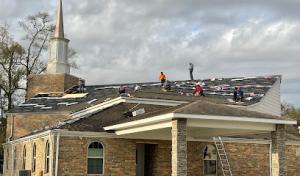
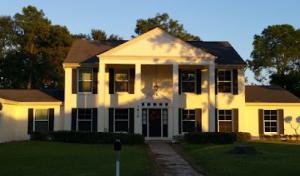
Roofing911 & Siding911
(409) 729-9111 www.roofing911.com
5875 W Port Arthur Rd, Port Arthur, Texas
4.0 from 57 reviews

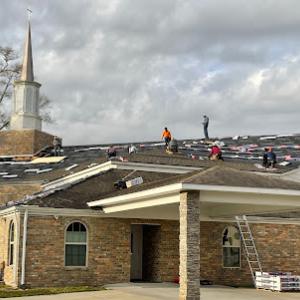
Dutchmark Roofing
(409) 239-0200 dutchmarkcontractors.com
Port Arthur, Texas
5.0 from 103 reviews
Dutchmark Roofing is a reliable, local company that specializes in roof repairs, roof replacements, window replacements and fence contracting. We are a GAF Certified Roofing Company, offering a lifetime warranty on all our new roof installations + a 15-year unlimited windspeed warranty (any wind damage will be 100% covered by manufacturer) We have a insurance specialist on staff to assist our customers with storm damage insurance claims. Whether you need a new roof, roof repair, roof inspection, windows replacement or new fencing, we've got you covered. Our team of experts is knowledgeable in all aspects of commercial roofing, residential roofing and windows replacement services. Call us today and schedule your free inspection!
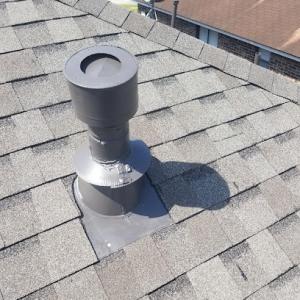
Aaa T&T Industrial
7235 Royal Meadows St, Port Arthur, Texas
5.0 from 7 reviews
we stop roof leaks, chimneys, shingles and flat repairs RESPONSABILITY AND WARRANTY!!
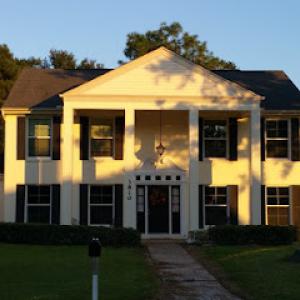
Roofing911 & Siding911
(409) 729-9111 www.roofing911.com
5875 W Port Arthur Rd, Port Arthur, Texas
4.0 from 57 reviews
We are local, family owned, BBB accredited Roofing business. We specialize in Roof replacment, repairs and Insurance Claims. Call us today. 409-729-9111
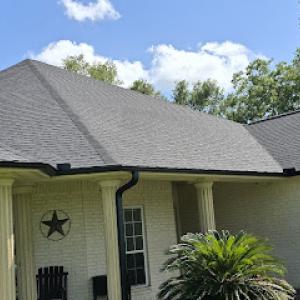
EJM Roofing & Remodeling
(409) 263-8080 www.ejmroofingtx.com
3116 Memorial Blvd, Port Arthur, Texas
5.0 from 3 reviews
EJM Roofing & Remodeling provides residential and commercial roof installation, repair, storm damage, and emergency services to Port Arthur, TX, and the surrounding areas.
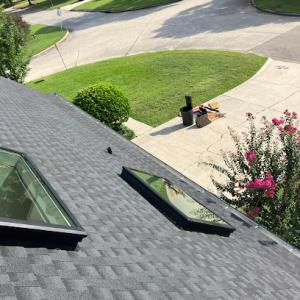
JJ Roofing & Remodeling
(409) 219-6645 www.jjroofingtx.com
Serving
5.0 from 21 reviews
JJ Roofing & Remodeling provides roofing installation and repair services to Southeast Texas.
M & M Roofing Plus
Serving
5.0 from 6 reviews
M & M Roofing Plus provides roofing, carport, and remodeling services in the Golden Triangle, TX and surrounding areas.
SI&R Roofing, Siding & Painting
10430 Dominion Ranch Dr, Port Arthur, Texas
5.0 from 1 review
Hello! We are a Growing Roofing,Siding and Painting company covering Nederland, Beaumont, Groves, Port Neches, and Port Arthur! We do full exterior and interior painting.Shingle and Metal Roofs. Entire interior, exterior repaints. Hardie Siding/Board and Batten Installs.Remodeling and New construction work. Residential and Commercial. We are fully insured. Subsidiary of Scoggins Investments & Remodeling.
5 Star Roofing & Remodeling
Serving
5.0 from 35 reviews
At 5 Star Roofing & Remodeling, your trusted roofing and remodeling specialist. Our skilled and passionate team provides top-notch services to enhance the aesthetic and functionality of your property. Get a precise assessment with our free estimates, no strings attached. We pride ourselves on using first-rate materials and expert craftsmanship to deliver the highest quality results at a price that accommodates to your needs. Our mission is simple — better homes, accessible pricing, and a commitment to exceptional service. Elevate your living space today. 5 Star Roofing and Remodeling — Quality is always our priority. !!!CALL NOW!!!
NeffCo Roofing & Restoration
Serving
5.0 from 6 reviews
Call us today! We walk with you from start to finish (i.e., insurance claims process, roofing/remodeling, Windstorm Certification), providing a turnkey experience for customers. As a locally owned small business, we aim to ensure our neighbors and their property are protected from the forces of nature. Having spent years developing a strong working relationship with insurance adjusters, local suppliers, and Texas Windstorm engineers, we strive to provide a tailored experience, allieviating that anxiety every property owner experiences during any large project. Our experienced roofers have worked 100's of projects with Texas Windstorm, providing top-notch, quality application - Let's get the ball rolling on that new roof your home deserves!
Simoneaux Roofing
(409) 300-1113 simoneauxroofing.com
Serving
4.6 from 31 reviews
20 years in business as a Nederland roofing contractor. We specialize in roofing repairs and roofing replacements. Trained adjuster on board ready to help with any roofing claim questions. Family owned and operated in the Beaumont, Nederland and Groves areas. Only the highest quality roofing materials. Our roofers are highly skilled in roofing, carpentry, roof repairs, and commercial roofing. Roof claims specialist and always hand nailed to perfection!
Mdz Roofing
(409) 659-8714 mdzroofingtx.com
Serving
5.0 from 7 reviews
Combining years of experience with a dedication to client satisfaction, Mdz Roofing has established itself as the local leader in Roofing Contractors and Roofers.
Woods Roofing
Serving
4.9 from 80 reviews
Whether you need a new residential or commercial roof, roof repairs, carpentry work, gutters, or siding, we are your guys! We can guarantee top-notch work with architectural shingles, 3-tab 20 year or 25 year shingles, high-end shingles, GTA flat roof systems, and more! We offer FREE ESTIMATES, have a licensed adjuster on staff, are bonded and fully insured, and our roofs are Texas Windstorm Insurance Association (TWIA) approved.
Asphalt shingles are a familiar sight on many Port Arthur homes, and they're a practical starting point for a quick retrofit or a first roof. The Gulf Coast heat and humidity accelerate granule loss, which leaves the underlying mat exposed sooner than you'd expect. Curling can appear along edges after a few seasons of high humidity and heavy rain, and the overall service life tends to be shorter than in drier inland markets. When you're evaluating asphalt, look for thicker granule packs, good sealing strips, and an emphasis on reflective, algae-resistant options to counter humidity-driven staining. In coastal climates, a dimensional or architectural profile can help shed wind-driven water more effectively than a basic strip shingle, provided the installation is done with meticulous nailing and edge fastener placement. If you're considering a re-roof, insist on an upgraded underlayment and proper attic ventilation to temper heat buildup, which compounds the aging of shingles here.
Metal is a compelling option in this market because there is an active metal specialty presence among local contractors, and customers frequently weigh wind performance against higher upfront costs. Metal panels tend to resist wind uplift well when properly installed, and a standing-seam system can offer a clean, low-slope-friendly solution that dries quickly after storms. In Port Arthur, the wind comes with salt exposure and intense humidity, so choose coatings that resist chalking and corrosion in saline air. A well-sealed panel system with continuous eave closures and accurate fastener placement reduces the risk of water penetration during tropical storm events. Look for credentials that emphasize coastal performance, including sealant compatibility with high humidity and proven uplift resistance across typical storm wind ranges. If you foresee rapid changes in weather or frequent re-roof cycles, metal can be a durable, low-maintenance path, though the upfront investment is higher.
Heavy materials require careful structural consideration in a storm-prone coastal city where uplift resistance and attachment details matter as much as appearance. Clay and concrete tiles add a distinctive look, but their weight means you must verify the existing structural capacity and consider reinforcement if needed. Proper fastener choices and underlayment that tolerate salt air and humidity are essential to prevent cracking from thermal expansion and wind-driven debris. Slate delivers a premium, long-lasting finish but shares the same structural caveats; its weight and brittle nature demand precise installation, especially around roof-to-wall connections and penetrations where wind pressure concentrates. In any case, the attachment system must be engineered for uplift loads typical of tropical storm exposure. If you plan to install heavy material, demand a detailed uplift calculation and confirm that counter-battens or a compatible substructure are integrated to distribute loads evenly and resist movement during gusts.
When choosing, you'll want a clear plan for quick leak response after a storm, a roof that can shed water rapidly, and an installation that prioritizes wind resistance without sacrificing drainage. Ask contractors for warranties that specify coastal exposure and salt-air performance, and request demonstrations of how each system handles heat buildup and humidity. In a climate where tropical storm damage and emergency leak control are central concerns, pairing a dependable underlayment with a thoughtful edge detailing and robust flashing becomes as important as the main material itself. Consider how your chosen system will perform after a rapid post-storm inspection, and plan for fast-access venting and easy access to potential problem areas during repairs.
Explore specialists in steel, aluminum, and standing seam metal roofs built to last 50 years or more.
SI&R Roofing, Siding & Painting
10430 Dominion Ranch Dr, Port Arthur, Texas
5.0 from 1 review
When planning a roof replacement, the dry season is the window to target for tear-off, dry-in, and shingle sealing. In Port Arthur, frequent rainfall and spring thunderstorms can interrupt progress, leaving crews stalled mid-tear-off or waiting for a dry day to lay underlayment and seal shingles. Start coordinating with the contractor to book the first full week of a forecasted dry spell, then build in a contingency for a day or two of rain. If a storm system creeps in mid-project, you may have to pause and re-sequence work, which elongates the project timeline and increases the chance of weather-related wear on exposed decking. Your goal is to wrap the critical water-control layers during consecutive dry days, so the roof can perform without repeated moisture exposure.
Summer in this area means extreme heat and humidity that slow crews and complicate asphalt shingle handling. Asphalt shingles can become brittle in very hot conditions or blister when exposed to high humidity during installation. Plan installations for mornings when temperatures are cooler and avoid peak afternoon heat. If you must schedule during the heat of the day, expect slower progress and more frequent breaks for hydration and safety checks. Humidity can also affect sealant and adhesive performance, so ask the contractor for weather-tavorable seams and allowing extra curing time on sealing courses. Consider shaded staging areas and a brief, staggered work pace to protect both materials and workers from blistering hot surfaces.
Winter fronts in Southeast Texas can interfere with underlayment and adhesive performance, making timing more important than in milder coastal periods. Even brief cold snaps can delay adhesive bonding and cause slower curing of roof sealants. If a replacement spans late fall into winter, or if a cold front is forecast during your scheduled window, build in additional curing buffers and plan for potential day-to-day variability. Short windows of cold with rapid warming can create inconsistent sealant set, so aim for stable, milder stretches whenever possible and coordinate with the crew to adjust sequencing to maintain continuous progress when weather flips.
Tropical storm exposure means the window for a complete, multi-layer installation is narrower. Have an emergency plan for temporary leak mitigation if a storm interrupts work or if a sudden downpour fills the gutters and backs water toward vulnerable flashing. In practice, this means pre-staging tarps and quick-seal products, plus ensuring the crew prioritizes securing flashing, underlayment, and starter courses as soon as dry conditions return. Communication with the contractor about expected storm patterns helps align the schedule so the most vulnerable tasks occur during longer dry spells, reducing the risk of wind-driven uplift or water intrusion during the critical transition from old to new roof.
In this Gulf Coast setting, your roof replacement bears closer scrutiny of material type and how weather patterns drive price. Compare your bid against the local pricing ranges per square: asphalt shingles 320 to 640, metal 700 to 1200, clay tile 1000 to 1600, concrete tile 900 to 1650, synthetic/composite 350 to 700, and slate 1200 to 2500. These figures reflect how a Port Arthur home sits on Sabine Lake, with humidity, wind exposure, and frequent storms shaping both material choice and the contractor's scheduling needs. When a call comes in after a tropical storm, price pressure from emergency demand and tight labor calendars can push bids upward across the board, especially for higher-end or heavier systems.
Tropical storm activity can tighten lead times on materials and push crews into longer waits for delivery, sometimes adding days or weeks to your project timeline. If a storm has recently passed, expect higher variability in both material availability and crew availability. In practice, this means you'll see more pronounced differences between bids that are otherwise similar in scope. A shopper-friendly approach is to compare not just the bottom line, but the stated delivery windows, contingencies for weather days, and the assumed start date. When a plan relies on a heavier material like clay or concrete tile, labor and detailing increase, which shows up as higher per-square pricing and longer project durations.
Your roof shape and details matter here. Low-slope sections or complex penetrations add to labor intensity and can move costs up within the range for that material type. If the roof design uses heavy or dense materials, expect more fasteners, underlayment, and flashing work-all of which translate to higher per-square costs and longer wrap-up times. In practice, you'll want to balance the wind resilience and leak resilience you need against the upfront price. Synthetic/composite shingles offer a middle ground in cost and ease of installation, particularly where rapid replacement is valued after a storm. Metal roofs bring strong resistance to wind and rain and can be cost-effective per square when installed efficiently, but expect higher variability if the roof has complex geometry.
When you're budgeting, calculate per-square costs across a few options and add a modest contingency for storm-season scheduling shifts. If emergency demand has spiked, ask for a clearly defined start window and a phased plan that prioritizes leak control while the rest of the roof is completed. For many homes with Sabine Lake exposure, the choice often comes down to wind-resilient metal or a tile option with proven impact and wind performance. Track the total by square and remember that more intricate detailing and heavier materials raise both labor hours and overall cost.
Get a clear picture of your project costs upfront - no commitment required.
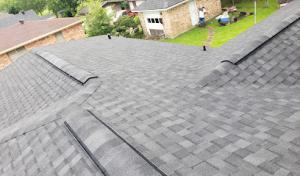
A full roof replacement in Port Arthur typically requires a permit reviewed by the Port Arthur Building Department. This isn't something to rush on the day the old shingles come off; the permit process ensures the work meets local safeguards against wind damage and flood-related concerns that are common in the Sabine Lake area. Starting the project with a permit in hand helps prevent hold-ups that could complicate an emergency leak response after a tropical storm.
Homeowners should plan for permit processing that can take about 1 to 2 weeks, with fees based on project value rather than a flat roofing fee. The neighborhood roofers you trust will be familiar with this window and can time material delivery and crew scheduling accordingly. If weather pressures or storm season collide with your timeline, coordinate with the contractor and the Building Department early to avoid delay-induced leak exposure.
The permit must be posted during work, and inspections are typically scheduled at rough underlayment and final installation stages. During rough underlayment, inspectors will verify that the roof deck is sound, vents are positioned correctly, and any necessary storm-proofing measures align with city rules. The final installation inspection confirms that the chosen roofing system is properly installed to withstand the Gulf Coast humidity, heavy rains, and occasional tropical storm gusts. Schedule these inspections promptly through the contractor to keep the project on track.
Any substantial roof replacement-especially in a storm-prone harbor area-should proceed with a permit rather than as a private repair. Common pitfalls include assuming that minor repairs can bypass review, or relying on a previous permit that might not cover the full scope of replacement. If a contractor suggests "temporary" fixes to avoid permit delays, reconsider in favor of a properly documented process that aligns with local safety standards.
Keep a clear record of the permit number, inspector contact, and scheduled inspection dates. Have the contractor present during inspections to address any questions about underlayment type, fasteners, or ventilation-details that influence wind performance and leak resistance in this climate. If an inspection identifies a deficiency, address it promptly and reschedule rather than letting the issue linger, which can complicate insurance claims and emergency leak management during a storm season. By aligning this process with Port Arthur's specific weather patterns, the roof can be resilient and compliant from the first day of installation.
Port Arthur is in a high-claim coastal Texas insurance environment where wind, hail, and tropical storm losses shape how roof damage is evaluated. The combination of humidity, frequent rain, and salt-scented air means inspectors look closely at each edge, seam, and fastener. A roof that survived last season's storms can still be treated as suspect if the context suggests accelerated wear from coastal exposure. The reality is that insurers expect a detailed narrative of what happened, when, and how it affected the roof's ability to shed water.
Homeowners here should expect insurers to request detailed photo documentation, contractor estimates, and prompt reporting after storm events. Photos should capture all affected areas-from damaged shingles and flashing to interior signs of leaks that align with the storm timeline. Time-stamped images that show both the exterior condition and interior water intrusion help the adjuster move through the file more efficiently. Having local contractor estimates on file that clearly distinguish wind-driven damage from other wear can prevent one-dimensional conclusions that complicate the claim.
Because adjuster activity increases after coastal storm events, claim outcomes often turn on whether damage is documented as wind-related functional loss rather than ordinary wear in a humid climate. Focus on the roof's ability to resist wind uplift, maintain a watertight seal, and sustain insulation integrity after wind-driven impacts. Clear notes on maintenance gaps, the age of the roof, and evidence of prior repairs can influence whether the loss is treated as storm-related or routine deterioration.
Connect with contractors who help homeowners navigate the claims process from damage assessment to final approval.
Roofing911 & Siding911
(409) 729-9111 www.roofing911.com
5875 W Port Arthur Rd, Port Arthur, Texas
4.0 from 57 reviews
On low-slope sections, drainage performance is not cosmetic-it is functional. Seasonal rain and tropical downpours leave more standing water on flat-to-slightly-sloped roofs than on steeper pitches. In this climate, ponding becomes a chronic source of leaks when seams and flashing are stressed by wind-driven rain. You should inspect low-slope areas after every major storm, looking for new standing water, softened edges, or damp insulation pockets. If water pools are visible, address the drainage path before the next front arrives by clearing gutters, tightening fasteners along edges, and confirming that scuppers or edge drains remain open.
Flat- and low-slope repair is a common trade here, with a meaningful presence of specialists who handle both residential additions and small commercial projects. That mix matters for homeowners because it opens more options for material and detail solutions, but it also means selecting a contractor who understands the specific failure modes on Gulf-rain exposure. When you talk to a contractor, ask about seam and flashing durability, wind-driven rain testing, and how they seal transitions around vents, skylights, and parapets that might be built for a taller structure.
Tie-ins where a new low-slope section meets an existing roof deserve extra attention. Wind-driven Gulf rain can exploit weak flashing details faster than in drier regions. Check that step flashing is continuous, that counter-flashing is integrated with the underlying wall, and that roof penetrations are sealed with silicone or polyurethane sealants rated for high humidity. If a transition drips during storms, consider upgrading the flashing system rather than patching with temporary mastics.
Emergency leak-control basics help buy time during a storm. Keep a plastic tarp and duct tape on hand, locate the closest interior leak path, and place temporary barriers to direct water toward a safe drain. Document the leak with photos, and contact a qualified local roofer quickly to mitigate any water intrusion that could damage insulation or ceilings.
Regular maintenance plays a big role in this climate. Schedule twice-yearly inspections of low-slope portions, especially after Gulf fronts. Clean debris from edges, check sealant lines for cracking, and monitor any recently repaired sections for signs of new movement. In homes with added flat sections, review the tie-in details annually to ensure the transition remains watertight as seasons shift.
Find specialists in TPO, EPDM, and built-up flat roofing systems for residential and commercial properties.
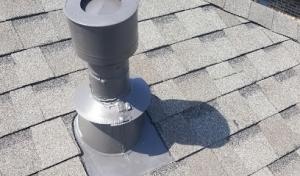
When a storm hits and an occupied home is leaking, you want a crew that can be on-site fast, has solid re-roofing experience, and leaves the yard broom-clean. In this market, those three factors-speed, proven reroof know-how, and included cleanup-often separate the reliable from the risky. Look for a contractor whose recent work demonstrates timely completion after storms and who can show you finished projects in similar housing stock to yours.
A meaningful share of local contractors market warranty coverage, but that can hide separate promises. Before signing, map out what the manufacturer covers and what the contractor guarantees in writing for workmanship, labor, and flashing. Do not rely on a single "warranty" phrase alone. Get explicit timelines, what triggers a claim, and how long a repair for installation defects is honored. Port Arthur homeowners commonly experience fast weather-driven wear, so clarity on service calls after installation matters just as much as the initial warranty.
Because both residential and commercial roofing are active locally, the contractor's recent project mix can reveal fit for your roof. A roof unfamiliar with a home's pitch, attic layout, or underlayment needs may fail to protect as intended. Ask for a portfolio or references showing projects with roofs similar in type and environment to yours, and confirm that the crew routinely handles the specific material you choose.
Storms create urgent leaks and gray-area problems that require decisive action. Your chosen roofer should provide a clear, written plan for emergency leak control, weatherproofing, and a phased repair timeline, with realistic expectations for what can be achieved before the next front moves in.