
Last updated: Apr 19, 2026
In far Southeast Texas, roofs face tropical storm rain bands, high winds, and Gulf moisture that can quietly loosen shingles and expose underlayment. When a storm hits, you need to move fast: secure valuables, check for active leaks, and get a safe upstairs or attic inspection if you hear cracking or see water marks on ceilings. High wind events can lift edges even when shingles look intact from ground level, so don't assume a dry roof just because the sky has cleared. If you have a flat or low-slope area, inspect edge seams and penetrations like vents and chimneys for uplift signs or moisture tracking.
Storm season in this area clusters around spring hail and severe storms, with fall tropical activity adding repeat inspection cycles. Insurance documentation is the hinge on getting a fair adjustment. Start with clear, dated photos: close-ups of damaged areas, roof edges, flashing, and any interior signs of water intrusion. Capture overall roof condition from multiple angles and on different days if rain returns. Weather-history reports and hail maps can support the claim, so keep notes of gusts, hail size, and the time of impact if you witnessed it. If you rent, coordinate with the property owner on the documentation you file, since adjusters will verify ownership and control of the property during the claim process.
Adjusters in this market often distinguish between storm-driven damage and aging wear. Look for sudden granule loss in valleys and along eaves, dented or missing shingles, punctures near vents, and lifted shingles along the windward side of the roof. Pay attention to attic signs: damp insulation, dark wet spots, or condensation that points to a leak you didn't have before the storm. In addition, verify exterior fixtures-siding gaps, fascia damage, and gutter separation-that can accompany wind events and influence the overall claim scope. If you see repeated dripping after a rain, suspect compromised flashing and sealants at transitions.
Provide the adjuster with a concise narrative of the storm event tied to observed damage. Keep a dated folder of correspondence, receipts for interim temporary repairs, and any prior repairs that might complicate the assessment. For hail and wind claims, insurers commonly request weather history and photos that establish a timeline between impact and visible damage. Don't delay arranging a roof professional to perform a professional inspection; an expert eye can differentiate new storm damage from era-related wear and provide written findings that align with your photo documentation.
Because fall tropical activity can trigger repeated inspection-repair cycles, set expectations with your roof contractor about staged repairs and temporary protections. In Orange, a proactive approach-addressing small leaks before they expand, resealing flashing, and re-fastening loose components-can prevent compounding damage and smooth the claim process. Maintain vigilant, ongoing monitoring after a storm, because one wind event can set up a cascade of issues that only show up after multiple sun and rain cycles.
In this area, roofing systems contend with a unique moisture-wind mix that ages materials from both sides. Long, hot, humid summers soak shingles and underlayment, accelerating granular loss, mat saturation, and subtle decking rot. At the same time, Gulf air feeds powerful wind gusts during storm events, pushing against edges, valleys, and flashing where failures often begin. The combination means that a roof that looks solid after a light inspection may harbor moisture pockets that only show up after a heavy rain or a hurricane-season squall. Edge security matters as much as the roof's center-loose rake and eave connections invite wind-driven leaks that worsen with repeated exposures. The result is a pattern of damage that may not be obvious until after a storm passes or after a particularly humid spell, when the roof reveals its vulnerabilities through condensation, dark staining, or soft spots along hips and ridges.
Because the border-market weather patterns link Southeast Texas and Southwest Louisiana, storm concerns rarely arrive as a single event. A home might endure a brief hail hit, followed by a tropical downpour within the same season, then another round of gusty winds weeks later. This sequence stresses the entire roof envelope: shingles or panels must resist impact and uplift, flashing must seal against surge rain, and ventilation must balance moisture without creating negative pressure that lifts fasteners. In practical terms, look for flashing that extends fully onto roof planes and around penetrations, plus continuous edge restraints that can handle repeated wind cycles. Damaged or corroded step flashing allows leaks to migrate along walls or into the attic, turning a small breach into a larger, costlier repair over time.
Summer heat is brutal on both crews and materials, which can shorten a project window and increase the likelihood of material warm-weather handling errors. Fall brings cooler, more predictable conditions, but tropical weather can still interrupt schedules. In this climate, a replacement strategy that aligns with spring or fall tends to yield the best long-term performance. Consider planning around these windows to minimize heat- and humidity-driven material handling issues, and to reduce the risk of residually damp substrates when the roof is resealed. Scheduling in these shoulder seasons also helps ensure proper drying and curing of sealants and underlayment before the next round of Gulf weather moves in.
Start with an exterior check of edge wrap, ridge cap integrity, and the securement of all vents and protrusions. In the attic, look for signs of prolonged moisture intrusion, such as dark staining on decking, condensation on rafters, or mold growth near penetrations. Pay attention to fastener patterns; if the roof shows signs of uplift under wind events, fasteners may be too few, too short, or poorly sealed. Hail patterns often leave pockmarks or bruising that isn't visible from ground level but manifests as soft spots or micro-cracking after a season of heat cycling. A thorough professional assessment should verify underlayment condition, roof deck integrity, and the continuity of drainage paths to prevent ponding that accelerates moisture damage.
Regular biannual inspections can catch issues before they escalate. Focus on flashing joints at chimneys, skylights, and valley intersections, where wind-driven rain is most likely to enter. Ensure gutters and downspouts are clear so water is directed away from edges rather than accumulating at the eave line and overhangs. For aging roofs, consider a proactive edge and fastener reinforcement strategy, especially around high-wind zones and corners where wind exposure is strongest. If an older roof shows widespread granule loss or curling shingles, prepare for a replacement plan that factors in a fully integrated edge seal and a robust underlayment system designed to resist both moisture infiltration and wind uplift.
Asphalt shingles are common in Orange, but the city's heat, humidity, and storm exposure make ventilation quality and shingle attachment especially important for service life. Ensure soffit vents are clear and balanced with ridge or roofline vents to reduce heat buildup under shingles. In humid cycles, proper attic insulation and a sealed vapor barrier help prevent premature curling and moisture-related failures. Use asphalt shingles with a proven nailing pattern and ensure fasteners penetrate solid deck or sheathing, not just the underlayment. A roof plan that maintains adequate attic venting and avoids closed, stagnant spaces will reduce wind-driven moisture intrusion after storms.
Metal roofing is locally relevant because it handles wind and heavy rain well, but in Orange it must be detailed carefully around fasteners, trim, and corrosion-prone coastal-humidity conditions. Choose concealed-fastener or standing-seam options with corrosion-resistant coatings and inspect exposed edges for paint or primer wear. Pay close attention to sealant joints around chimneys, skylights, and vent pipes; wind-driven rain can exploit gaps quickly. Trim pieces should be continuous and properly attached to resist uplift, especially along eaves and gables. In areas with frequent hail, ensure the first line of defense-whether metal or a metal-clad system-uses impact-resistant details and a compatible underlayment that won't trap moisture behind trim.
Tile, wood, and synthetic products appear in the market, but heavier systems can raise structural and installation complexity while wood products face added moisture stress in Orange's humid climate. If tile or heavy composite options are considered, verify the structure can support the extra load without compromising roof-to-wall connections. Wood shingles or shakes require a robust ventilation strategy to prevent rot and warping in high humidity; consider treated or naturally resistant species and ensure rapid drainage around eaves and valleys. Synthetic shingles offer lighter weight and good moisture resistance, but check for compatible underlayment and long-term UV stability in Gulf humidity. Regardless of material, ensure proper attic access for inspection and a clear drainage path to prevent water pooling in valleys during heavy rain events.
After storms, inspect eaves, valleys, and flashing for uplift signs and moisture entry. Small gaps around fasteners or degraded sealants can become major leaks in this climate. Create a simple maintenance routine: twice-yearly roof checks, plus after major weather, focusing on ventilation, fastener integrity, and flashing continuity. Consistent care helps sustain performance amid Orange's heat, humidity, and storm cycles.
Woods Roofing
1825 Essence Ln, Orange, Texas
4.9 from 80 reviews
Whether you need a new residential or commercial roof, roof repairs, carpentry work, gutters, or siding, we are your guys! We can guarantee top-notch work with architectural shingles, 3-tab 20 year or 25 year shingles, high-end shingles, GTA flat roof systems, and more! We offer FREE ESTIMATES, have a licensed adjuster on staff, are bonded and fully insured, and our roofs are Texas Windstorm Insurance Association (TWIA) approved.
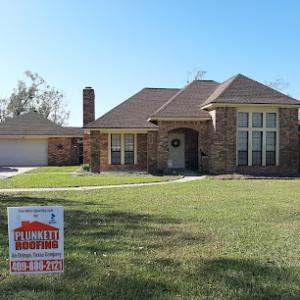
Plunkett Roofing
(409) 886-2121 www.plunkettroofing.com
3531 W Park Ave, Orange, Texas
5.0 from 6 reviews
Plunkett Roofing serves as a leading contractor in the Orange County area. In fact, we were voted Orange County's Best Roofer 2020. We’re a team of fully-certified, insured, and bonded professionals who tackle everything from large, complex projects to smaller scale jobs. Fueled by our commitment to excellence, we go the extra mile to make sure clients are completely satisfied with our work. Whether residential or commercial, we offer warranties we stand behind. We are Better Business Bureau accredited, with an A+ rating. Call us today to schedule a consultation.
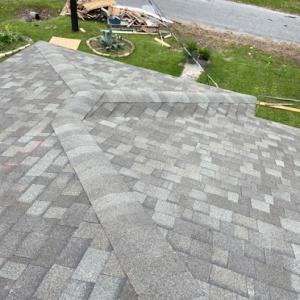
Roofing 247
9058 Kristi Ln, Orange, Texas
5.0 from 2 reviews
FULLY INSURED AND BONDED. ACCURATE WITH ALL TEXAS WIND AND STORM REQUIREMENTS. MOST COMPANIES SET YOU UP ON A BACKLIST WE ARE QUICKER BECAUSE WE ARE MORE EFFICIENT. LIFETIME WARRANTIES ON ROOFS AND HARDIE BOARD SIDING. Known for out quick response and our spotless clean ups.
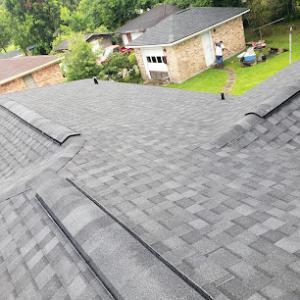
5 Star Roofing & Remodeling
Serving
5.0 from 35 reviews
At 5 Star Roofing & Remodeling, your trusted roofing and remodeling specialist. Our skilled and passionate team provides top-notch services to enhance the aesthetic and functionality of your property. Get a precise assessment with our free estimates, no strings attached. We pride ourselves on using first-rate materials and expert craftsmanship to deliver the highest quality results at a price that accommodates to your needs. Our mission is simple — better homes, accessible pricing, and a commitment to exceptional service. Elevate your living space today. 5 Star Roofing and Remodeling — Quality is always our priority. !!!CALL NOW!!!

AllPhaze Roofing & Construction
(409) 769-3516 www.allphazebuilt.com
Serving
4.6 from 24 reviews
Family owned and operated for 25 years. We serve the Southeast Texas and Southwest Louisiana areas. We are licensed and bonded. Our services include Roof replacement, roof repairs, metal roofing, siding, carports, and patios! We provide a free estimate, roof report and roof inspection reports for insurance providers.

Dutchmark Roofing Beaumont Tx
(409) 799-7663 dutchmarkcontractors.com
Serving
5.0 from 130 reviews
With over 27 years of experience, Dutchmark Roofing provides the highest quality materials and craftsmanship at competitive prices. We pride ourself on our Lifetime warranty on both labor and on GAF Shingles! We offer a 15 year unlimited windspeed warranty! We have an Insurance Specialist on staff to assist with insurance claims to help you get full compensation for wind or hail damages. We do both Commercial & Residential and work with Shingle and Metal. Call Our Office Today and lets schedule a free inspection!
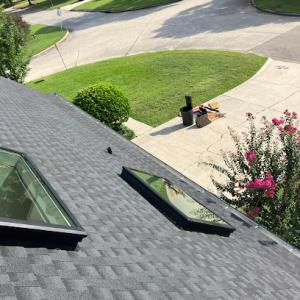
JJ Roofing & Remodeling
(409) 219-6645 www.jjroofingtx.com
Serving
5.0 from 21 reviews
JJ Roofing & Remodeling provides roofing installation and repair services to Southeast Texas.
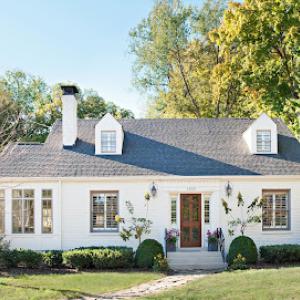
Abshire Roofing
(409) 722-1965 www.abshireroof.com
Serving
5.0 from 7 reviews
🏡 Abshire Roofing is your trusted expert roofing team for 36 years! We're proud to hold a prestigious AAA Better Business Bureau rating, reflecting our commitment to quality, reliability, and homeowner satisfaction. You're choosing a legacy of excellence in the roofing industry. Let us protect your investment and provide peace of mind through our unparalleled roofing services. Contact us today for a free consultation and experience the difference that 36 years of dedication makes!

M&M Roofing, Siding & Windows - Beaumont
(409) 727-8327 mmroofsiding.com
Serving
4.9 from 237 reviews
Trusted since 1983, M&M Roofing, Siding & Windows is the Golden Triangle's premier exterior expert. As a certified GAF Master Elite® and Owens Corning Preferred contractor, we rank in the top 2% of roofers nationwide. We specialize in hurricane-proofing homes with high-wind rated Shingle, Metal, and TPO roofing, as well as complete storm damage restoration and insurance claim assistance. Beyond roofing, we protect homes with James Hardie® siding, impact-resistant windows, and seamless gutters. We proudly serve Beaumont and the entire area—from Nederland, Port Arthur, and Groves to Vidor and Pleasanton. Family-owned and dedicated to "Peace of Mind" with lifetime labor warranties and flexible financing. Call today for a free inspection!

Fresh Era Roofing Beaumont
(346) 443-5413 fresheraroofing.com
Serving
5.0 from 38 reviews
At Fresh Era Roofing Beaumont, we deliver dependable roof repair services for homeowners and businesses throughout Beaumont, TX. A strong, well-maintained roof is essential for protecting your property, and our skilled team specializes in fast, reliable repairs that restore both safety and durability. From minor leaks to storm-related damage, missing shingles, or aging roof issues, we provide long-lasting solutions using quality materials and proven methods. Our experts carefully inspect each roof to detect hidden problems, preventing small issues. With years of local experience, we understand the challenges of Beaumont’s weather and tailor our repair services to keep your roof performing at its best year-round.
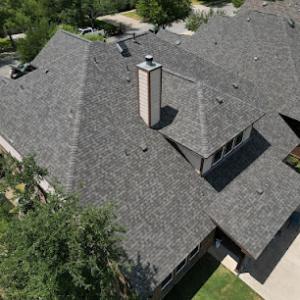
Cool Roofs - Beaumont
Serving
5.0 from 47 reviews
Welcome to Cool Roofs - Beaumont, Premier Roofing Contractor! 🏡🛠️ Specializing in residential and commercial roofing, we excel in roof installations, repairs, replacements, and emergency restorations. We're the go-to for new roofs, repairs, and replacements in Jefferson County, Orange County, and Central Texas. As the top among roofing companies in Beaumont, we offer quality services, including roof inspections and replacements. Cool Roofs proudly supports our Veterans & Military. Trust us for the best in roof installations, repairs, and replacements. Contact us for expert contractors and top-notch service!
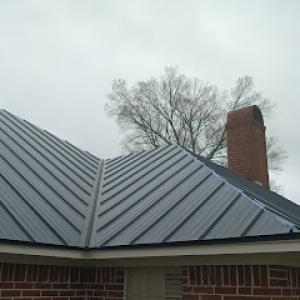
Roofing On Demand
(409) 965-5555 roofingondemand.com
Serving
4.9 from 39 reviews
We are a locally owned Storm Restoration company focused on Roofing, Siding, Gutters and Patios for Residential and Commercial customers based out of Beaumont, TX. We serve primarily the Southeast Texas and Houston areas. We take pride in the quality of work we have done and continue to do. No matter the condition of your residence or commercial property, trust us to provide a long lasting solution on a budget. We can assure you durability, affordability and quality through the roof! Financing options available.
In Orange, installed pricing trends align with the city's mix of Gulf humidity, tropical storm exposure, and a housing stock dominated by single-family homes with varied roof geometry. Average installed pricing runs about $350 to $550 per square for asphalt shingles, $600 to $1000 for metal, $700 to $1600 for clay tile, $750 to $1350 for concrete tile, $450 to $900 for wood shingles or shakes, and $500 to $850 for synthetic or composite shingles. These ranges reflect more than just material cost; labor availability and scheduling pressure swing with the storm season, so a square of shingles can move several hundred dollars depending on timing and demand.
Orange pricing can rise after hail or tropical weather because regional demand surges across Southeast Texas and nearby Louisiana at the same time, tightening labor and scheduling. That spike often shows up as faster project starts, shorter windows for crew fitting, and occasional shifts in crew availability. When a storm event drives multiple roof replacements in a tight window, contractors may adjust timelines and add a premium to cover overtime, fuel, and expedited material allocation. If your project coincides with peak demand, get a firm, written timeline and a contingency plan for weather-related delays so the numbers don't surprise you later.
Costs in this market are influenced by more than material price alone. Ventilation improvements, wind-detail upgrades, and the roof geometry common on local single-family homes all push totals higher. Even where the material itself sits in a mid-range, an upsell for improved underlayment, stronger fasteners, or a wind-rated section can add to the bottom line. Similarly, inspection corrections and minor adjustments to meet local expectations can translate into modest but real increases. Consider requesting a line-item breakdown that separates material, labor, and any upgrade or correction charges.
Before committing, compare bids with an eye on the sequence of work, not just the per-square price. Ask for a projected schedule and a copy of the warranty, including wind-uplift specifics. In practice, aligning your project with a contractor who has a track record of efficient storm-response work can save time and reduce the friction of post-storm demand. If possible, build a small contingency into the budget for sudden weather-driven price or scheduling shifts so the project proceeds smoothly once the first window opens.
A full roof replacement in Orange typically requires a building permit, and the roofing contractor usually handles the application and fee payment. That means you'll want to coordinate closely with the contractor to avoid delays. If the job is tied to storm damage or insurance work, keep a copy of the permit paperwork handy for claims and inspections, since the timing can hinge on permit status.
Inspections are commonly scheduled after tear-off and again after installation, with a sharp focus on nailing pattern, underlayment choice, ventilation, and overall code compliance. In this market, wind uplift details and attic ventilation play a big role in approval. Ask the contractor to demonstrate where the underlayment is installed, how the nails are spaced, and how roof penetrations are sealed. Being proactive can prevent second visits.
The local building department can move quickly, but may ask for updated wind and ventilation details as the project progresses. If a storm-damage job uncovers higher wind exposure or changes to attic configuration, expected adjustments may be requested before final approval. Have documentation ready that shows roof orientation, wind zone considerations, and any retrofit features used to comply with current codes.
A reinspection is not a "extra" step; it's a real requirement if the initial inspection uncovers noncompliant work. Items such as improper nailing, inadequate ventilation, or mismatched underlayment can trigger a return visit. In practice, that means a delay at closeout and potential renegotiation of scheduling with the contractor. Staying on top of Product Specifications, vent placement, and fastening details reduces the risk of a repeat inspection.
In the context of Gulf-border hail markets and insurance documentation, permit compliance becomes part of the claim package. Ensure your contractor tests and records wind-resistance features, attic airflow, and installation methods-these details often surface in insurer reviews and can influence coverage outcomes. Treat permit and inspection steps as integral to a durable, code-compliant repair rather than mere formalities.
Roofing in this river-border town sits under Gulf humidity, tropical storm exposure, and frequent hail-and-wind insurance claims that collide with Texas wind and ventilation permit scrutiny. In this market, hail events and gusty storms are not rare quirks but recurring realities that push insurance strategy into the replacement decision, not just a post-storm afterthought. The roof you replace today should reflect how a claim may be settled later, and how storms can reappear as documentation disputes years down the line.
Texas claim outcomes can be affected by endorsement language and valuation method, so homeowners should know whether a roof is settled on replacement-cost or actual-cash-value terms. In practice that choice can flip whether a repair path leaves you with full replacement or a diminished payout after depreciation. For a Gulf-border market, this distinction matters more after a severe wind event or a hail season when adjusters compare marks to normal aging. The improper labeling of aging wear as hail damage or vice versa can slow progress or reduce recovery. The responsibility for clear, defendable records rests with you.
For storm claims, preserve date-stamped photos, contractor inspection notes, and storm-timing records because adjusters may challenge whether marks came from hail, wind, or normal aging. Take exterior photos from multiple angles within 24 hours of a storm, then again after temporary repairs. Keep receipts for any temporary injuries, and collect written notes that tie observed damage to the storm window. A simple, organized file at claim time often reduces back-and-forth and helps align the settlement with the actual damage you sustained.
When choosing a roofer, ensure they document hail impact with precise photos and a stamped scope, and note the timing relative to the storm. Do not rely on visual impressions alone. If a claim is filed, review the adjuster's report for language that may hide depreciation or misattribute damage. In this area, coordinating with a knowledgeable local contractor who understands storm severity and common roof types can help build a defensible file. Prepare for possible wind uplift scenarios by verifying underlayment and fastener counts in the plan review, since insurance decisions often hinge on these details after a claim.
Even when a roof is near the end of its life, document any ongoing issues like moisture intrusion or recurring granule loss, because prolonged exposure can affect re-inspection results and settlement expectations after the next storm. Having a consistent, local approach to hail- and wind-related concerns reduces surprises when the next hurricane season or spring hail lull hits the Sabine River corridor.
In the humid Southeast Texas cycle, repeated wet-dry cycles and high humidity expose weak attic ventilation, leading to heat buildup that shortens shingle life during long Southeast Texas summers. You'll notice curling edges on shingles, accelerated granule loss, and premature aging near the top of slopes. Check soffits and ridge vents for obstructions after storms; a clogged vent set traps humidity and compounds moisture-related damage, especially where insulation sits loosely.
Wind events in this area often reveal problems first at ridge, hip, edge, and flashing areas where uplift pressure and wind-driven rain are most likely to exploit installation defects. Inspect ridge caps, vent flashings, and step flashing where roofs meet walls. Look for loose tabs, lifted shingles, missing nails, or gaps along edges after a blow. If you see shingle tab edges peeling at the ridge line, treat it as a warning sign rather than a cosmetic issue.
Post-storm debris and repeated patching are a local concern because roofs may go through multiple repair episodes before owners decide a full replacement is more practical. Note patched regions often fail earlier if underlayment or deck damage occurred beneath the surface. A recurring repair history should trigger a closer look at overall roof condition and ventilation, not just the last patch.
Humid summers accelerate wear across common roofing substrates. Asphalt shingles may show granule loss and accelerated color fading; metal roofs can develop loose panels where sealants crack; clay and concrete tiles may suffer cracked or misaligned courses from hail impacts and wind. Pay attention to broken tiles near the roof edge where exposure is highest. Regular checks after major storms help you catch failures before they cascade.