
Last updated: Apr 19, 2026
The spring and early summer thunderstorm season in this city delivers sudden bursts of wind and hail that can crack shingles, dent metal, and push water under flashing. Insurance claims often hinge on how quickly roof damage is discovered and documented, and how fast a temporary leak control is implemented. A compromised roof can lead to hidden rot, interior water damage, and mold within days, especially if fast-moving storms slam the area over a short window. The pressure to respond is real: insurers and adjusters expect swift action to prevent further loss, and homeowners risk escalating damage if leaks aren't contained promptly. Time is of the essence after each storm event, and every hour counts toward keeping attic spaces dry and interior ceilings from sagging under saturated decking.
In Memphis, wind and hail events are the main drivers of roofing insurance claims rather than coastal hurricane loss patterns. That means adjusters are looking for clear, targeted proof of pre-loss condition, the precise scope of damage, and credible estimates for replacement or repair decisions. Gather high-resolution photos of the entire roof from multiple angles-before the storm, if available, and after. Focus on loose granules, lifted shingles, blistering, dented metal, damaged flashing, and any signs of water intrusion around vents or chimneys. Next, produce a detailed scope note that spells out visible and suspected hidden damage, including deck and underlayment exposure if present. Contractor estimates should distinguish between repair options and full replacement, with a transparent rationale for each path. Present a chronology of events: when the storm occurred, when leaks were first noticed, and when a roofer was contacted. Local carriers and adjusters commonly ask for this documentation to support a replacement decision versus a repair, so accuracy and completeness are non-negotiable. The more you can demonstrate a stayed and professional approach, the better the claim will be positioned for timely approval. In addition, include any photos or notes that show tarping or temporary leak control measures already in place, as these demonstrate proactive risk mitigation.
Spring thunderstorm activity in the Memphis area can create sudden demand spikes for tarping, leak control, and post-storm inspections, delaying scheduling across Shelby County. To minimize exposure, arrange for a rapid triage: secure the most vulnerable zones first-areas around dormers, skylights, and roof penetrations-where water intrusion is most likely. A reliable tarping plan should cover those openings quickly and stay in place until permanent repairs can begin. Document the tarps with time-stamped photos, noting installation dates and any weather-related adjustments. If leaks are actively dripping, prioritize interior mitigation: place buckets and tarps under active leaks, protect ceilings with plastic sheeting, and relocate valuables away from saturated areas. Communicate openly with the claims adjuster about the status of tarping and any constraints on scheduling due to demand spikes. A clearly executed leak-control strategy reduces downstream damage, supports faster settlement, and buys critical time for proper assessment.
Coordinate scheduling with the adjuster's preferred timeline, but avoid long gaps that can expose more roof decking to moisture. When interviewing contractors, prioritize teams with Memphis-area experience who understand the local wind and hail patterns and the typical roofing materials used across Shelby County. Ensure the contractor's scope notes reflect the severity and perimeters identified by the insurer, and that estimates align with the documented condition. Keep a single, organized file of all communications, photos, and receipts to streamline the claim review. If any discrepancy arises between what is observed and what the insurer documented, request a re-inspection promptly with a clear, concise summary of findings. Quick, precise communication with both adjusters and contractors helps prevent unnecessary delays and supports a smoother transition from assessment to repair.
Once the storm response settles, review the involved materials and methods to identify any lingering vulnerabilities. Consider upgrading vulnerable flashing details, choosing materials that better withstand Memphis winds, and reinforcing attic ventilation to reduce moisture buildup after heavy rain events. Establish a small storm-prep checklist for the future: immediate tarping readiness, a preferred contractor list, and a clear photo log template to expedite future claims. Keeping these practices in place makes the next storm less chaotic and improves the odds of a fast, fair resolution.
Wells Roofing & Remodeling
(901) 482-2546 wellsroofingandremodeling.com
5118 Park Ave suite 114, Memphis, Tennessee
5.0 from 1098 reviews
At Wells Roofing and Remodeling, we take pride in offering quality roofing and remodeling services to homeowners, businesses, and churches throughout Memphis and Shelby County. Whether you need roof repairs, complete replacements, gutter installation, or water damage restoration, our team is dedicated to getting the job done right. As a roofing contractor in Memphis, we are especially passionate about providing reliable roofing solutions for churches, ensuring their buildings remain safe and protected. With over 800 five-star reviews from satisfied clients, you can trust us for dependable service and exceptional results. Call us today or schedule an appointment, we’re ready to assist!
No Limit Roofing
(901) 590-0058 www.nolimitroofingmemphis.com
6094 Apple Tree Dr Suite 6, Memphis, Tennessee
5.0 from 174 reviews
No Limit Roofing is a GAF Master Elite certified roofing company specializing in roof replacements, repairs, siding, skylights, gutter installation, fascia and soffit repairs, and chimney flashing repairs. We are also experienced in handling storm damage and insurance claims. Our team of experts provide high-quality workmanship and exceptional customer service. As a Velux Certified Installer, we offer top-of-the-line skylights to enhance the beauty and functionality of your home. With years of experience in the industry, you can trust No Limit Roofing to handle all your roofing needs with professionalism and precision. Contact us today for an estimate!
Cool Roofs - Memphis
5180 Park Ave Ste 155, Memphis, Tennessee
5.0 from 143 reviews
Cool Roofs provides residential and commercial roofing services. Whether you need a new roof, a roof repair, replacement roof or need emergency roof restorations, Cool Roofs is the best contractor to call. Serving clients all across the Memphis area and proudly supporting our Veterans & Military.

Germantown Roof Pros
(901) 295-0667 germantownroofpros.com
Memphis, Tennessee
5.0 from 93 reviews
Germantown Roof Pros is a roofing company that offers professional, modern roofing solutions. Roof repair adds value to your home and is one of the most important maintenance jobs your home will ever require. A great team of experienced professionals can help make roof repair a stress and hassle free experience. Germantown Roof Pros will help you through the entire process, including conducting an initial inspection, providing a cost estimate, and completing repairs. Contact us today!
Dry Fast Roofing & Construction
(901) 437-4283 www.dryfastroofingandconstruction.com
3689 Cherry Rd, Memphis, Tennessee
5.0 from 84 reviews
Dry Fast Roofing & Construction is your trusted roofing contractor at 3689 Cherry Rd, specializing in top-notch roofing solutions for residential and commercial properties. Our expert team excels in roof repair, roof installation, roof replacement, and storm damage restoration. We pride ourselves on using high-quality materials and offering exceptional customer service. Whether you need asphalt shingles, metal roofing, or flat roofing systems, we ensure your roof is durable and weather-resistant. Choose Dry Fast Roofing & Construction for reliable roofing services in your area. Contact us today to schedule a consultation and experience the best roofing contractor services available.
Haven Roofing & Exteriors
(901) 235-2121 www.havenroofing.com
5796 Shelby Oaks Dr Suite 17, Memphis, Tennessee
4.9 from 124 reviews
Haven Roofing is a trusted Memphis TN roofing company providing expert roof repair, roof replacement, and storm damage restoration throughout Memphis and surrounding communities. We proudly serve homeowners in Germantown, Bartlett, Collierville, Midtown, East Memphis, and nearby areas. Our team specializes in residential roofing, insurance claim assistance, emergency roof repairs, and full roof replacements designed to withstand Tennessee’s severe storms and heat. Whether your home in East Memphis needs leak repair, your property in Germantown requires a full roof replacement, or you’re dealing with hail damage in Bartlett or Collierville, Haven Roofing delivers dependable craftsmanship and responsive service.

James Russell Roofing & Restorations
(901) 582-5550 jamesrussellroofing.com
6584 Poplar Ave Floor 2, Memphis, Tennessee
4.9 from 133 reviews
We're James Russell Roofing & Restoration, LLC, and we've been a fully licensed roofing and restoration contractor in Memphis, TN, since 2018. We specialize in roofing services, roofing systems, and financing. We now also offer whole home remodeling! We take pride in our commitment to quality and strive to provide all our customers with a positive experience. As a roofing, restoration, and remodeling contractor in Memphis, we offer a variety of options, focusing on providing our customers with only the best quality materials. We'd like to personally invite you to contact us for a free quote, today!
All Well Roofing
(901) 500-6993 www.allwellroofing.com
476 Exeter Rd Suite 80, Memphis, Tennessee
5.0 from 80 reviews
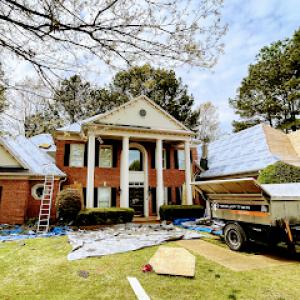
All Well Roofing is a trusted roofing contractor serving the Memphis area, providing expert solutions for both large-scale and smaller projects. Our team of fully certified professionals is dedicated to delivering top-quality workmanship, exceptional service, and complete client satisfaction. Committed to excellence, we go the extra mile to ensure every project is done right the first time. Contact us today to schedule a consultation and experience reliable, professional roofing services.
NextRoof
(901) 582-2505 www.getnextroof.com
1755 Lynnfield Rd Suite 101, Memphis, Tennessee
5.0 from 55 reviews
Hey there, Memphis! We’re NextRoof, a locally owned roofing company based right here in Germantown, TN, proudly serving homeowners across Memphis and the surrounding areas. Whether you need a brand-new roof, repairs, or just some expert advice, we’ve got you covered—literally! We install all types of roofs to fit your needs, and we specialize in helping homeowners navigate the insurance claims process. With licensed insurance adjusters on staff, we make sure you get the coverage you deserve, taking the stress out of storm damage claims. At NextRoof, we’re more than just roofers—we’re your neighbors, and we’re committed to protecting what matters most: your home. Give us a call today, and let’s talk about how we can help!

Revival Roofing Services
(901) 641-4334 revivalroofingservices.com
600 Madison Ave Suite 100, Memphis, Tennessee
5.0 from 54 reviews
Revival Roofing Services is a full-service residential and commercial roofing contractor serving Memphis and the Mid-South. As a GAF Certified™ contractor, we provide professional roof repairs, replacements, and custom roofing solutions, including copper and specialized roofing materials. Known for dependable workmanship and clear communication, Revival Roofing delivers roofing systems built for long-term performance and protection.
Erie Home
2165 Spicer Cove Suite 14, Memphis, Tennessee
4.8 from 106 reviews
Since 1976, Erie Home has manufactured, supplied, and installed the best-performing roofing on the market. By providing ironclad warranties and convenient financing, we ensure that every homeowner we work with receives top quality service and value for their homes and properties. Erie Home professionals are the roofing company of choice in the greater Memphis, TN area. Whether you need roof inspections or roof damage repair services, Erie Home has been the go-to roofing contractor for nearly 50 years because of our attention to detail and dedication to making sure our customers are satisfied with their results. Contact us today for a quote and see why we're the trusted roofing company Memphis counts on.
Rock & Roll Roofing & Renovations
(901) 660-9330 www.rockandrollroofs.com
4646 Poplar Ave S, Memphis, Tennessee
4.9 from 87 reviews
Rock and Roll Roofing & Renovations takes on any general contracting job in the Tri-State Area with the attitude and expertise of a rockstar. Their team brings a high-energy approach to transforming homes into rock-solid masterpieces, focusing on every detail to ensure that both the exterior and interior are protected and looking their best. With a passion for their craft and commitment to delivering top-notch results, Rock and Roll Roofing & Renovations is ready to elevate your home to rock star status. Serving Tennessee, Arkansas, Mississippi and more.
Spring and fall are the times that make the most sense for a roof replacement in this climate. The milder days in spring keep crews from fighting the worst heat, and the shoulder seasons tend to dodge the peak thunderstorm interruptions that can derail a project. If a storm is forecast, scheduling ahead by a few days gives the crew room to handle weather delays without leaving a roof half-dinished during a series of heavy showers. For homes with steep pitches or multiple elevations, aiming for mid-month windows in these seasons helps align daylight hours with safer, more efficient work days. In a city marked by Delta humidity, choosing these windows minimizes heat-driven fatigue and reduces the risk of moisture moving into exposed areas during long days on the roof.
Hot, humid summers complicate more than just the heat index. Materials can expand and contract differently on a dark roof, and high humidity can slow the tile or shingle installation process as crews manage dew points and moisture in the attic. Material handling becomes touchier when equipment and stock have to stay cool and dry, so planning around the sun's arc-starting earlier in the day and wrapping up before the afternoon scorch-makes a real difference. A Memphis roof project should expect a slower pace on the hottest days, with crews prioritizing shade and moisture control to protect newly installed layers and flashing from heat-induced gaps.
Autumn in West Tennessee brings rapid temperature swings, and those changes can affect how adhesives set and cure. Ventilation planning becomes a more active part of the schedule, since attic pressures and roofline ventilation influence both performance and comfort during installation. If a contractor leans toward lighter, more breathable underlayments, the team should map out ventilation strategy early and verify that attic fans or soffit vents align with the roof's overall airflow plan. On days that swing cool to warm, moisture control remains essential, and crews may adjust the sequence of steps to keep drying times consistent. Planning for these shifts helps prevent delays and ensures the new roof bonds properly, even as temperatures move through the day.
The thunderstorm season brings a practical, neighborhood-level reality: storms can strike quickly, and leak response becomes part of the maintenance conversation. When a roof is already scheduled for replacement, the plan should include a clear sequence for securing exposed edges, protecting interior spaces, and coordinating temporary coverings if a storm interrupts work. For homes that rely on insurance timing and documentation after a storm, keeping detailed notes and photos of the roof condition before, during, and after a storm helps streamline the claim process and reduces back-and-forth with adjusters. A well-timed project in this climate prioritizes rapid leak mitigation, especially for roofs with higher wind uplift risk or hail exposure, common in this part of the Delta region.
Work with a contractor who can provide step-by-step milestones aligned to spring and fall windows, with contingency days built in for late spring thundershowers or early autumn cold snaps. When planning, consider aligning the project with a stretch of several dry days in a row to push through tear-off and installation while minimizing moisture intrusion. If a storm is forecast near the planned start, ask for a guaranteed start window and a documented plan for securing tools and materials if weather turns sour. In this climate, the street-level rhythm of a project-early starts, midday shade, and a careful hand on ventilation-ultimately determines how long a roof remains exposed and how smoothly the replacement completes.
Asphalt shingles are the dominant choice in Memphis and fit the city's large stock of conventional pitched residential roofs. They strike a practical balance between cost, ease of replacement, and familiar maintenance routines. For storm-prone springs, asphalt shingles offer quick repair options and a broad network of local installers, which helps when a leak turns up after a thunderstorm. The available shingle profiles include options with higher wind resistance and improved mineral adhesion, which can help during fierce gusts and hail events typical of the region. When evaluating a roof, look for granule retention and fastener placement that supports lasting performance through seasonally active weather.
Metal roofing is a meaningful but secondary option locally, often considered by homeowners looking for better storm durability in a market shaped by wind and hail claims. Metal panels and standing-seam systems typically shed water quickly and can resist impact better than some asphalt configurations, which matters after heavy downpours. In practice, metal is most attractive on homes with modern lines, barns, or where a longer service life is prioritized. Expect installers to emphasize proper underlayment, accurate panel alignment, and secure fasteners to withstand Memphis wind systems. Availability of metal before and after storms is usually strong, but color matching and panel joining details should be weighed against the local home's exposure to sun and hail history.
Tile and wood systems exist in the Memphis market but are far less common than asphalt, which affects specialist availability and can narrow contractor choice for those materials. Clay and concrete tiles perform well with proper underlayment and a pitched roof, but their weight requires structural checks and potentially additional framing. Wood shingles or shakes bring a distinctive look but demand careful maintenance to prevent moisture-related deterioration in humidity-heavy seasons. When choosing these materials, coordinate with local crews who understand how to manage debris from storms and ensure proper sealing around chimneys, valleys, and skylights to minimize fast-leak risk after a thunderstorm.
Your home style and neighborhood context shape material viability. Traditional two-story colonials or brick divisions may pair naturally with asphalt or metal, while newer or craftsman-style homes can accommodate metal for a low-profile, storm-ready look. In areas with mature tree coverage, consider how debris load and wind exposure influence material choice-valleys and ridge lines collect more force during downbursts, so detailing matters most after the season's fiercest moments. For any roof style, prioritize proven underlayment, adequate attic ventilation, and reliable warranty coverage to support resilience through Memphis' spring-to-summer thunderstorm cycle.
Given the frequency of wind and hail claims, a fast leak response after a storm is essential. Maintain a simple post-storm inspection habit: photo-documented damage, note any torn shingles or lifted edges, and a quick temporary patch plan to mitigate interior water intrusion until a professional can assess. When recording damage for an insurance claim, keep a dated log and preserve torn shingle sections if possible. Contractors who appreciate the local insurance workflow can help streamline documentation, assemble a repair-ready scope, and coordinate repairs that minimize disruption to your daily life during the hot, humid months.
Typical Memphis-area pricing runs about $350 to $550 per square for asphalt shingles, $650 to $1000 for metal, $800 to $1400 for clay tile, $700 to $1300 for concrete tile, $500 to $1000 for wood shingles or shakes, and $450 to $800 for synthetic or composite shingles. After a thunderstorm season, those numbers can shift as demand spikes and crews are booked out weeks. You'll often see a widening of the low-to-high spread as suppliers and installers juggle material availability and labor. In practice, a larger share of jobs end up moving into the higher end of the range when multiple roofs in Shelby County are competing for the same week.
Costs in Memphis can rise after major storm periods when many homeowners are booking re-roofing at once and contractor schedules tighten across Shelby County. The result is longer lead times for starting and coordinating crews, plus potential price bumps if your preferred contractor runs a tight crew schedule. If a leak appears during or right after a storm, expect expedited response to come with higher labor flags or weekend/after-hours calls, which can tilt the final bill upward.
Memphis roofs contend with Mississippi Delta humidity, frequent spring-to-summer thunderstorms, and wind-driven hail risks. Metal roofing remains appealing for its durability and quick installation, though cost climbs toward the higher end of the range. Asphalt shingles stay the most common and budget-friendly option, but higher wind events push some homeowners toward composites or synthetic shingles that strike a balance between resilience and price. Clay and concrete tiles bring long life and strong resistance to wind but can be heavy and more expensive, with installation timing sensitive to existing structure and attic ventilation. Wood shingles or shakes offer a classic look but can be more maintenance-prone in humid heat and require careful installation to prevent moisture issues. When documenting storm damage for insurance-related decisions, accurate measurement of square footage and a clear, photo-backed record of affected areas help keep the project moving through the scheduling bottlenecks that often accompany a busy storm season.
Get a clear picture of your project costs upfront - no commitment required.
James Russell Roofing & Restorations
(901) 582-5550 jamesrussellroofing.com
6584 Poplar Ave Floor 2, Memphis, Tennessee
4.9 from 133 reviews

Excellent Roofing
(901) 484-1800 www.excellentroofing.com
5770 Shelby Oaks Dr, Memphis, Tennessee
4.8 from 293 reviews
Home Restoration Contractors
(901) 406-1720 homerestorationmemphis.com
Memphis, Tennessee
5.0 from 32 reviews
Permits and inspections are not optional chores for a full roof replacement in the area. A full roof replacement in Memphis and Shelby County generally requires a building permit rather than being treated as a no-paperwork job. Skipping this step can invite trouble later, especially when storm seasons bring increased scrutiny from insurers and code officials. The process is real, and it affects how quickly a new roof goes on, how you document work, and how you protect your home during and after the project.
Before any nails go in, a permit pull is the prudent play. The city and county will want to see a plan for underlayment, ventilation, flashing details, and the chosen roofing system to ensure the installation meets current code. Local inspectors focus on proper attic ventilation, correct roof deck condition, and secure edge flashing-elements that matter a lot in Mississippi Delta humidity and the heavy, gusty storms that roll through spring into summer. A permit check also helps align your contractor's timelines with the seasonal weather swings that Memphis experiences, reducing the chance of weather-driven delays becoming costly hold-ups.
After the project wraps, an inspection is typically performed to verify underlayment, flashing, ventilation, and overall code-compliant installation. This is not a formality; it is the final assurance that the roof you're counting on will perform in the next wave of storms and wind. If anything isn't up to code during the inspection, you'll face follow-up work to correct deficiencies, which can extend timelines and create friction with insurers who rely on documentation of proper installation when processing claims after hail or wind events.
Turnaround times can vary with department workload in the Memphis/Shelby County system, so permit approval and inspection scheduling should be built into the project timeline. Expect some variability depending on the season and the number of projects underway in your zip code. Start the permit process early, and coordinate with your contractor to align the inspection date with your installation milestones. In a neighborhood with frequent storm damage, this coordination can prevent the project from stalling mid-install and help ensure that the new roof is secured before the next thunderstorm season gets underway. Keeping documentation organized-permit numbers, inspection approvals, and any addenda-smooths the path if insurers request proof of compliant work in the wake of a storm.
Because the wind-and-hail claim market is active here, you benefit from keeping date-stamped photos, prior repair records, and written notes on when leaks first appeared. Photograph from multiple angles, close-ups of shingles, flashing, and gutters, and include surroundings that show storm timing or nearby property damage. Store images in a time-ordered folder and label each with the date, weather notes, and the area shown. This is not just for the claim; it helps a contractor reconstruct disturbances when the weather clears and you're working with adjusters.
Adjusters serving the area often compare contractor scopes and photo sets closely when deciding whether damage supports full replacement or localized repair. If your contractor drafts two versions of a scope, the second should align with the photos and the observed condition on the roof and attic. Inconsistent terminology or mismatched photos can slow a claim or invite coverage questions. Ensure every repair item, material, and sequence matches what is shown in the image set and notes.
Regional claim history can influence how carriers review roof losses, making documentation quality especially important before interior water damage complicates the file. Record when leaks were first noticed, any temporary fixes, and the progression of water intrusion inside walls or ceilings. Save correspondence with the insurer and contractor dates, so the timeline remains clear if a dispute arises after a storm season.
Treat each Memphis storm event as a data point, not a one-off incident. Maintain a bound log of dates, observed conditions, and actionable next steps. The better the documentation, the more likely the claim will reflect the true extent of damage without prolonged back-and-forth as storms seasonally roll through.
Repeated thunderstorm exposure in Memphis makes flashing, ridge areas, and other wind-stressed transitions common trouble spots after severe weather. These spots take the brunt of sideways rain and hail-driven wind, so damaged step-flashing, loose sealant joints, and poorly fastened ridge caps show up quickly. The result is more active leaks after a storm than a typical flat-ruled roof section would expect. Inspect after every big thunder event, focusing on intersections where roof planes meet walls, chimneys, and vents. If you notice curling metal, loose nails, or granule loss near these transitions, treat them as urgent, not cosmetic. Proper repair here is about restoring a continuous barrier, not just patching a single hole.
The city's hot, humid conditions make attic ventilation performance especially important because trapped heat and moisture can shorten shingle life and worsen deck conditions. If soffit vents choke with insulation or siding gaps, attic temps surge and dew forms on underside of shingles. Look for signs of moisture staining at the deck, darkened shingles, or warped boards once the attic is opened. A balanced intake-exhaust strategy, plus a vapor-permeable underlayment where appropriate, helps the roof last longer and reduces speed of deterioration after storms and humidity.
Heavy rain events in the area can turn small installation defects around penetrations and wall intersections into active leaks quickly. Loose boot or flashing clamps, improper flashing at vent stacks, or corner joints near chimneys can become leak paths within minutes of a downpour. Maintain a quick-response plan: inspect penetrations after storms and seal gaps with materials rated for exterior use. Quick temporary measures can buy time until a professional repair. Also check wall intersections where siding meets flashing, since wind-driven rain finds those seams first. Keep a roll of exterior sealant handy for fixes.
Find contractors experienced in skylight installation, flashing, and leak repairs to bring natural light into your home.
No Limit Roofing
(901) 590-0058 www.nolimitroofingmemphis.com
6094 Apple Tree Dr Suite 6, Memphis, Tennessee
5.0 from 174 reviews
James Russell Roofing & Restorations
(901) 582-5550 jamesrussellroofing.com
6584 Poplar Ave Floor 2, Memphis, Tennessee
4.9 from 133 reviews
After a storm, the first priority is getting a quick roof assessment, tarp, and claim-ready paperwork. Look for a contractor who promises rapid on-site inspection and clear, written damage notes you can share with your insurer. Ask for a mutually agreed timeline: when they'll be at your home, how long the tarp stays in place, and when the claim packet will be ready. In a market where response time matters, a roofer's ability to document hail or wind damage, current and missing shingles, and attic moisture is more valuable than generic assurances.
Cleanup drives the job quality in this town. A reputable storm-focused crew will outline debris removal as part of the re-roofing service, not as a separate afterthought. Confirm that their scope includes haul-off, yard and driveway protection, and disposal of damaged material. If debris piles linger, the project can drag on and attract pests or create hazards for your family. A clean site should be a baseline expectation, with a plan for daily tidying and final cleanup.
The local mix of long-established firms and storm-focused roofers means you'll encounter different workflows. Verify upfront who handles permits coordination, inspection scheduling, and the final punch list. Some crews manage the entire process, while others hand you off to a separate coordinator. You want a single point of contact who can update you on progress, coordinate with your insurer, and return for a thorough final inspection to confirm all issues are resolved and all punch items completed.
Ask for recent customer references and look for a portfolio of storm repairs in your area, especially jobs with similar roofing materials to yours. Check that the contractor has a local address, a valid phone number, and a dedicated claims liaison. Trustworthiness shows in the ability to provide precise damage notes, deliver a tarp promptly, and keep you informed during the coordination between insurer, adjuster, and crew. In a storm-heavy market, the best choice blends responsiveness, thorough debris removal, and a streamlined claims process.