
Last updated: Apr 19, 2026
Cordova sits in the Memphis metro insurance environment, where wind and hail claim activity is common enough that detailed photo documentation and adjuster involvement are routine parts of roof replacement. When a severe thunderstorm rolls through, the risk isn't just a dented ridge cap or a few blown shingles-it's the start of a process that can stretch from the first hail-dented night to a completed install weeks later. The moment you suspect roof damage, you are part of a local pattern: photos, precise notes, and a collaborative eye with the adjuster. If the storm line is strong, expect the insurance conversation to feel procedural, meticulous, and at times slower than you'd hope. Your goal is to move from damage recognition to a clear, documented case file that stands up to scrutiny, and that means capturing the right images, dates, and scene context so the adjuster can see every affected area without guesswork.
Spring is the most disruptive roofing season locally because heavy rain and hail can both damage roofs and delay tear-off and installation schedules across Cordova. The combination of wet weather and high demand means crews aren't just picking the best days to work; they're juggling back-to-back inspections, storm debri removal, and safety considerations after each shower. If a storm hits during peak season, crews may have to sequence work around weather windows, shifting tear-off days and delaying material deliveries. You should plan for contingency windows in your project timeline and be prepared for staggered start dates if a large storm event hits the metro. In practical terms, you may see longer waits for tarp-off work, faster mobilization requests, and more frequent weather-related pauses in the installation schedule. Keep the calendar flexible and communicate early with your chosen contractor about potential weather-induced delays so you aren't caught off guard when rain returns.
Because Cordova demand spikes after metro-wide storm events, homeowners often face longer wait times for inspections, estimates, and replacement scheduling immediately after severe weather. A proactive stance helps: once you have damage, contact your roofer or restoration team promptly to initiate the inspection chain. The typical sequence is storm damage evaluation, high-quality photo logs, a formal estimate, and then the insurance adjuster's on-site review. The photos should be comprehensive: the entire roof plane, close-ups of dented panels or missing shingles, interior evidence at ceilings or attic spaces, and any signs of moisture intrusion in ceilings or walls. Ensure dates and locations are labeled in the photos and that the images are timestamped. If the first adjuster visit is delayed, keep your notes organized and maintain a running log of weather events that affected the roof so you can reference it during the claim. When the adjuster arrives, walk them through your photo log and point out every suspect area. Your goal is to minimize back-and-forth and keep the project moving toward a replacement rather than a prolonged patch job.
During the weeks after a severe wind or hail event, you should take immediate protective steps. If possible, temporarily tarp damaged areas to prevent water intrusion, but avoid fresh penetrations or risky climbs on a damaged roof. Move valuables away from potential leak zones and make sure attic spaces are prepared to allow quick moisture assessment. If your area experiences more storms while the claim is pending, secure a reliable contractor early in the process so you're not scrambling after the fact. Finally, maintain a steady, clear line of communication with your insurer and contractor. In high-claim seasons, staying organized and proactive is the difference between a rushed, incomplete replacement and a properly executed, code-compliant roof that stands up to the next Memphis-area storm.
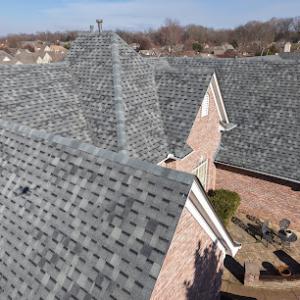
K&M Roofing & Exteriors
(901) 501-5949 kmroofingexteriors.com
764 Walnut Knoll Ln #102, Cordova, Tennessee
5.0 from 454 reviews
K&M Roofing & Exteriors is a trusted local roofing contractor serving Cordova, Germantown, DeSoto County, and the surrounding Memphis area. We specialize in roof replacement, roof repair, and free roof inspections for homeowners in and around Cordova, TN, including areas near Shelby Farms, Cordova High School, and the Sanga Point neighborhood. K&M is owned by two local Cordova residents, including a Cordova High School graduate, and our licensed and insured team is known for quality craftsmanship, honest assessments, and reliable service. As a local company, we are committed to providing long-lasting roofing solutions for Cordova homeowners and delivering an exceptional customer experience from start to finish.
ContractingPRO
(901) 425-1151 www.mycontractingpro.com
9277 Cordova Park Rd, Cordova, Tennessee
5.0 from 502 reviews
ContractingPRO is dedicated to the relentless pursuit of providing peace of mind to all of our clients. We value our clients' trust and are committed to keeping it by offering only quality products, installed by trained professionals, at a fair price. We believe in treating others the way we would want to be treated, period. Our service offerings cover roofing, siding, gutters, and repairs.
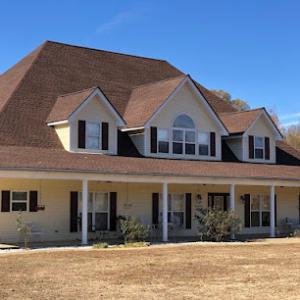
Ultra Classic Roofing
(901) 219-6996 www.ultraclassicroofing.com
8715 Carrollwood Ln #4625, Cordova, Tennessee
5.0 from 15 reviews
Residential and Commercial Roofing in Memphis and surrounding areas.
BOSS Roofing & Renovations
(901) 468-9596 www.901boss.com
Serving
5.0 from 41 reviews
We are a roofing and renovation company. We are located in Collierville, TN and serve the Memphis area.
Roof Pro
(901) 465-5558 www.roofpromemphis.com
Serving
4.9 from 40 reviews
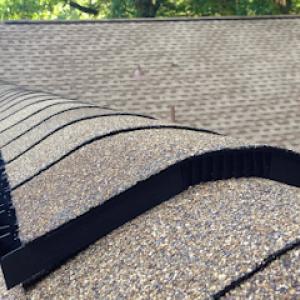
At Roof Pro, LLC, we specialize in providing top-quality roofing solutions for your home and commercial property Our services include: -Expert residential and commercial roof repairs and replacements -Comprehensive roof leak detection and fixes -Installation of durable and energy-efficient new roofs -Professional roof inspections for roof health and safety -Emergency roofing services for urgent repairs -Preventative roof maintenance that will extend roof life -Weather-related roof damage We solve common roofing problems such as leaks, wear and tear, storm damage, and inefficient roofing, ensuring the safety and longevity of your home. Trust us for reliable, professional roofing services that keep your home protected all year round.
Jolly Roofing & Repairs
(901) 293-7434 www.jollyroofingandrepairs.com
Serving
5.0 from 56 reviews
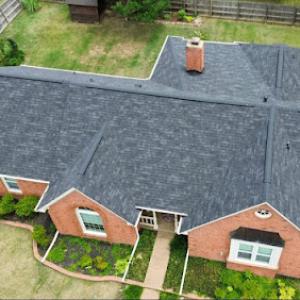
Jolly Roofing & Repairs delivers top notch roofing services with a commitment to quality and craftsmanship. Our team specializes in both new roof installations and repairs, using only top shelf materials for lasting durability. We'll help you through every step of the process, especially through insurance claims. No roof is too big or too small. If your roof isn't Jolly, Give us a call!
Sam's Construction
(901) 849-1847 samsconstruction901.com
Serving
5.0 from 72 reviews
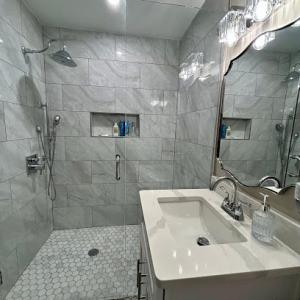
Sam's Roofing and Remodeling is a fully licensed and insured roofing contractor and construction company based in Memphis, TN, USA. They specialize in both residential and small commercial projects, including bathroom remodels. With a team of experienced and skilled professionals, Sam's Construction is committed to providing high-quality workmanship and customer satisfaction.
Metro Builders Memphis
(901) 375-1717 www.metrobuildersmemphis.com
Serving
4.9 from 39 reviews
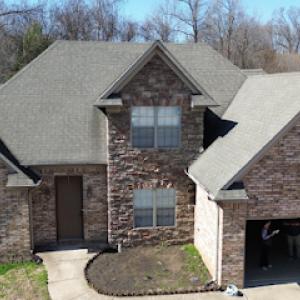
Metro Builders, Inc is a high quality provider of commercial and residential roofs, additions and insurance restoration projects. Nearly 30 years after opening its doors, Metro Builders serves in and around Memphis. Whether it’s asphalt shingles, metal roofing, or flat roof systems, we use only premium materials and industry-best practices to ensure long-lasting durability and performance. We are fully licensed and insured, committed to customer satisfaction, and proud to offer transparent pricing, prompt service, and expert craftsmanship on every project. From storm damage assessments to full roof replacements, Metro Builders Memphis is the trusted name homeowners and businesses rely on for reliable, honest roofing services.
Roof Maxx of Collierville, TN
Serving
5.0 from 41 reviews
Roof Maxx® is a scientifically formulated, and 100% safe, plant-based roof rejuvenating spray treatment that was developed by the world’s largest private research and development company.
All Well Roofing
(901) 500-6993 www.allwellroofing.com
Serving
5.0 from 80 reviews
All Well Roofing is a trusted roofing contractor serving the Memphis area, providing expert solutions for both large-scale and smaller projects. Our team of fully certified professionals is dedicated to delivering top-quality workmanship, exceptional service, and complete client satisfaction. Committed to excellence, we go the extra mile to ensure every project is done right the first time. Contact us today to schedule a consultation and experience reliable, professional roofing services.

Home Restoration Contractors
(901) 406-1720 homerestorationmemphis.com
Serving
5.0 from 32 reviews
Established in 2004, Home Restoration Contractors is a Memphis-based roofing company specializing in repairs, inspections, gutter services, and storm damage restoration. Free written estimates available!
Roof MD
Serving
4.6 from 114 reviews
Germantown's top-rated roofing contractor, proudly serving the entire Memphis area. Roof MD specializes in expert roof replacement, repair, and storm damage assessment. From our home base in Germantown, we bring trusted local service to every job. Whether you have an active leak in Memphis or missing shingles in Germantown, our licensed and insured team delivers reliable, long-lasting solutions. As certified installers for GAF and Owens Corning, we are committed to quality craftsmanship. Call today for a FREE roof inspection and see why we are the trusted experts for homes across both Germantown and Memphis.
A full roof replacement in this area requires a permit through the local building department serving this Shelby County community. The process is not optional in practice, given the area's inspection standards and the frequent insurance-claim reroof activity after spring hail or wind events. Before any tear-off starts, the contractor or property owner should initiate the permit application and secure the approval. In Cordova, plan for the permit to encompass the entire roof system, not just the visible surface; the plan review will expect details on ventilation, underlayment, and fastener schedules, with notes that align to the chosen roofing material.
Typically, the contractor handles the initial permit submission, but the property owner is equally responsible for ensuring the permit is properly opened in their name if the contractor cannot or will not. The responsible party should confirm that the permit listing includes the work address, the scope of work, and the required inspections. A permit receipt or confirmation number should be obtained before any tear-off begins. This receipt serves as proof to the building department and to the insurer that work is authorized and that the project complies with local codes.
Expect to supply, and to keep readily accessible, copies of the project plans, material specifications, and the contractor's confirmation of weather-related scheduling windows. The local department often requests diagrams showing roof vent placement, attic insulation details, and underlayment type. An inspection trail will be created, with inspections tied to milestones such as the stripping of old materials, underlayment installation, and final roof finish. Maintain a file that pairs the permit number with the job site and the contractor's license number. Misplaced paperwork is a frequent source of delays in Shelby County projects.
The final inspection in this market concentrates on three key areas: ventilation, underlayment, and installation details. Ventilation oversight ensures attic spaces have adequate intake and exhaust to avert moisture buildup and ice-dam risk during variable spring temperatures. Underlayment checks verify that the correct layer, overlaps, and fastener patterns are used for the chosen roofing system, with attention to edge venting and penetration sealing around chimneys, vents, and flashing. Installation details emphasize proper alignment, nail placement, and secure attachment against wind events common to the Memphis metro area. Reroof projects are not treated as paperwork-light; inspectors look for thorough adherence to approved plans and building code requirements.
In Cordova, it helps to keep a clear line of communication with the inspector as the project advances. If a variance or modification becomes necessary-whether due to attic geometry, vent routing, or flashing detail-update the permit application promptly and secure any required amendments. Delays often arise when the final installation deviates from the permitted scope or when documentation is incomplete at the time of inspection. Schedule the final inspection promptly after the last nail is driven and the surface is cleaned, to prevent staged re-inspections that can stretch the timeline and complicate insurance workflows.
Timing around Memphis-area storm season matters. Coordinate the permit window with anticipated weather to minimize the risk of during-closure hold-ups from rain, wind, or hail threats. The process often moves faster when the project has a clearly defined material choice, a solid ventilation plan, and a complete underlayment strategy that aligns with the department's expectations. Having the permit receipt in hand before tear-off begins helps keep the project on track and reduces the chance of a halt in work due to administrative gaps.
Cordova pricing is heavily influenced by post-storm demand surges in the Memphis metro, when many homes seek reroofing at the same time after hail and wind events. That surge tends to push prices upward for materials and labor, and it can compress negotiating leverage for homeowners who wait too long. The practical effect is that a roof replaced in the weeks immediately following a major hail event often threads the needle between available crews and material stock. Planning ahead, scheduling early in the window when demand first spikes, and having a visible project timeline can help keep costs from spiraling as crews get booked.
Asphalt shingles remain the dominant value choice locally, especially for steep-slope homes with traditional curb appeal and familiar installation practices. In Cordova, this option offers predictable performance against summer heat and occasional hail, with a wide range of warranties to match budget. Metal roofing is a common upgrade path for homeowners seeking greater durability against recurring weather exposure; it can extend the life of a roof and may help with long-term insurance considerations, though it arrives with a higher upfront cost. For those prioritizing maximal hail resistance or a modern aesthetic, metal often becomes a practical mid- to long-term investment, particularly on homes with the structural support typical of Cordova neighborhoods.
Other styles like clay tile or concrete tile provide distinctive looks but require stronger roof framing and higher installation costs, which may not align with every home's resale value or existing attic ventilation. Wood shingles and shakes offer a traditional texture but can be more vulnerable to humidity and wind-driven debris in the Memphis area, which translates to higher maintenance over time. Synthetic or composite shingles sit between asphalt and more premium options, delivering some durability gains without the premium price tag of metal or tile. In most Cordova projects, asphalt remains the baseline, with metal or composites chosen when durability or a specific aesthetic is prioritized.
Storm season timing matters because pricing tends to rise as spring weather events hit and crews become scarce. If a roof needs replacing after a hail event, expect a tighter window for material selection and color matching, especially when neighboring homes are also updating. A practical approach is to lock in a preferred material type and color early, then monitor forecasted storm activity to avoid excessive delays. Budget allowances should include a cushion for midseason price shifts, as the Memphis metro market can swing quickly when demand spikes. For budgeting purposes, use the given typical ranges, aware that post-storm demand may push quotes toward the upper end of those bands during peak weeks.
Get a clear picture of your project costs upfront - no commitment required.
James Russell Roofing & Restorations
(901) 582-5550 jamesrussellroofing.com
Serving
4.9 from 133 reviews

You have to think differently about roof materials in Cordova because the local mix of homes and weather places a premium on durability and performance. Asphalt shingles and metal dominate the residential scene, with tile, wood, and synthetic systems present but less common among the local contractor pool. The heat of long summers and the frequent spring wind gusts push attic ventilation and heat management to the top of the decision list.
When choosing between asphalt and metal, consider how heat moves through the attic and how your ceiling space breathes. Asphalt shingles tolerate heat well when ventilation is adequate, but they rely on attic soffits and ridge vents to shed moisture and keep the attic cooler during peak afternoons. Metal roofs shed heat more efficiently and can reduce attic temperatures, yet a well-sealed underlayment and proper insulation remain essential to prevent condensation and ice-dam risks in shoulder seasons.
Premium options like tile, slate, or heavier synthetic systems show up less often in the local contractor lineup, but they offer strong impact resistance and longevity when matched to the climate. Tile and concrete can handle sun and wind, yet their weight demands a solid structural assessment and careful attic ventilation to prevent overheating. If you lean toward premium materials, plan for a ventilation strategy that keeps the attic space within a comfortable temperature envelope.
Hail events in this area matter for replacement strategy because impact resistance and repairability influence how you approach shingle selection and attachment details. Asphalt and metal both perform well against hail when installed with wind-rated underlayment and appropriate fasteners, but metal can dent in higher-velocity hail, and some asphalt products offer impact-resistant options. In any case, a professional inspection after a hail storm will guide you toward a practical, timely replacement plan.
Ultimately, your best choice starts with how you plan to manage heat, moisture, and storm risk. Cordova's housing stock generally supports a fast, well-ventilated attic approach with asphalt or metal as the most reliable foundation. If you expect more frequent hail, you may favor systems with stronger impact resistance and easier repair pathways, while still prioritizing ventilation and insulation so that the roof system performs reliably across the many hot, humid days that arrive each year. A local pro can tailor the exact balance of material, underlayment, and venting for your lot too.
In the Memphis-area insurance market serving Cordova, carriers may request detailed roof-condition photos, contractor estimates, and adjuster review before approving major roof work. The combination of spring hail, wind events, and a high claim volume means insurers scrutinize every detail, and a clear record can influence how smoothly a claim moves from first contact to replacement. Market adjustments affecting premiums and coverage have made homeowners more sensitive to how roof age, storm history, and documentation quality affect claims outcomes. Being prepared helps avoid surprises when an adjuster comes to review.
Because weather-related claims are common locally, documenting elevations, slopes, interior leaks, and date-stamped storm damage as soon as issues appear is essential. Start with an overall photo of the roof from ground level, then close-ups of damaged shingles, flashing, boot sections, and any visible granule loss. Capture attic or ceiling spots where water shows through, with the date of observation written on a large, visible note in each shot. If possible, photograph interior damage from multiple rooms and angles, noting the exact room and ceiling location. Keep a simple log that pairs each photo with a corresponding date, weather event, and a short description of what changed since the previous image.
Gather independent contractor estimates that reflect the scope of work the insurer will typically consider for a roof in this area. Ensure estimates include material types, estimated removal, installation details, and any associated structural work if damage is suspected. When you submit the file set, include a short narrative explaining observable storm effects and any temporary mitigation you've applied, such as tarping or water-watch routines. If there is any hesitation from the insurer, request a brief adjuster consultation to review the photos and notes together before authorizing major work.
Delays in presenting timely documentation can complicate approvals and lead to protracted repair timelines. If new damage appears after the initial submission, update the file set promptly with fresh dates and photos. A well-organized portfolio of elevations, slopes, leaks, and storm timestamps helps ensure a clearer path to coverage decisions and reduces the risk of misinterpretation during the adjustment process.
Connect with contractors who help homeowners navigate the claims process from damage assessment to final approval.
K&M Roofing & Exteriors
(901) 501-5949 kmroofingexteriors.com
764 Walnut Knoll Ln #102, Cordova, Tennessee
5.0 from 454 reviews
ContractingPRO
(901) 425-1151 www.mycontractingpro.com
9277 Cordova Park Rd, Cordova, Tennessee
5.0 from 502 reviews
Cordova's spring storm pattern means emergency leak calls often cluster around heavy rain events when damaged roofs are exposed before full replacement can be scheduled. You may see a surge in urgent calls after a quartering line of storms rolls through, with hail and gusty winds opening spots that previously looked sound. In those moments, every hour counts to prevent interior damage.
Temporary protection matters locally because repeated rain bands in the Memphis area can turn a small storm opening into interior ceiling and insulation damage before adjusters arrive. If you notice water intrusion, place a sturdy tarp or roofing underlayment over the affected area and secure it to shed water away from interior rooms. Move valuables, towels, and containment bins under the drip line to catch leaks and minimize mold risk while you arrange help.
Quick-response service is a major local hiring priority in Cordova, reflecting how often homeowners need immediate tarping or short-notice repairs after severe weather. Call a roofing contractor who can deploy a crew quickly for protective steps, then schedule a comprehensive assessment. Take photos from multiple angles, note the rain timing, and keep a simple log of leaks and stains to streamline the claims and repair process.
Stay in close contact with your contractor and insurer during the storm window. If a ceiling area shows active dripping, request an interim repair to stop ongoing damage, even if a full replace cannot be completed immediately. Clear, timely communication helps ensure the right repairs are staged as soon as weather allows.
When you can't wait, these contractors offer fast response times to stop leaks and prevent further damage.
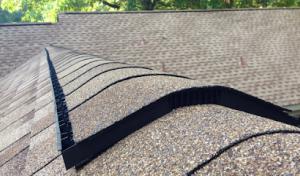
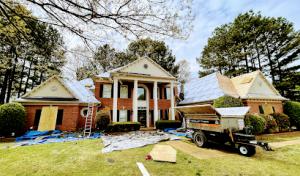
In this market, the steep-slope norm dominates, but signals from local contractors show meaningful demand for low-slope roof work on additions, porches, and mixed-use structures. If you're adding a sunroom, garage expansion, or covered outdoor space, expect installers to propose a low-slope section that ties into the main roof. Plan for transitions that minimize ponding and ensure compatibility with existing gutters and downspouts. Start with a detailed survey of the edge details where the new low-slope meets existing roofing, and document any differences in sheathing thickness, fastener patterns, or underlayment type.
The area's heavy rain events make drainage details on low-slope sections more consequential here than in drier Tennessee markets. Focus on proper slope, which may be shallow but should meet the roof system's requirements. Ensure the underlayment includes a continuous, UV-resistant membrane that resists punctures from foot traffic during maintenance. Check for adequate roof-to-wall flashing at expansion joints and transitions, and confirm that the drainage plane directs water toward the primary gutters rather than toward interior walls or window openings. If a low-slope area drains toward a valley or seam, verify that a secure sealant and cover strip are in place to prevent water ingress during downpours.
Skylight-related leak work appears often enough in the local contractor mix to warrant separate attention when storm-driven water intrusion is being diagnosed. For any suspected skylight issue, inspect the flashing apron and curb for nicks, loose fasteners, or degraded sealant. Test from the interior with a controlled rain or hose spray to pinpoint whether the leak originates at the curb, around the flashing, or from a failed seal between glass and frame. In storm seasons, carry spare flashing materials and a compatible sealant to address quick-dix fixes that can slow active intrusion while scheduling a full replacement if needed.
When a hail or wind event hits, prioritize inspections of low-slope transitions first, then move to skylights. Document all observed discrepancies with photos and measurements. If movement or pooling is detected, flag the area for professional evaluation before proceeding with any temporary patches. Use this targeted approach to minimize further damage and shorten the timeline to a durable fix, especially on additions and porches where a low-slope section is newly connected to the main roof.
Find specialists in TPO, EPDM, and built-up flat roofing systems for residential and commercial properties.
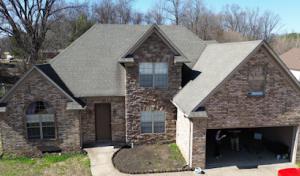
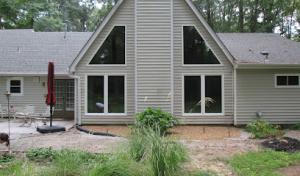
Storm events bring scramble and crowded contractor lots. When Memphis-area hail and wind push claims, the market rewards responders who can move quickly, handle cleanup, and shepherd insurance paperwork as smoothly as possible. In Cordova, that means the most trusted choice often isn't the flashiest name but the one with a proven track record handling storm damage, coordinating debris removal, and staying on schedule through a tight reroof window.
Although licensed, insured, and manufacturer-certified signals appear in the local market, they aren't universal. Do not assume these credentials are in place. Ask for current license numbers, proof of general liability and workers' comp, and confirmation of factory-trained installation status for your chosen product. Contact the manufacturers to confirm that the contractor's status is active and in good standing. Keep a written record of certifications and cross-check them before signing.
Speed without quality is costly in the long run. A reliable storm roofer balances rapid mobilization with meticulous cleanup and proper installation. Look for crews that bring in organized dumpsters, tarping, and a cleanup plan that leaves your yard and driveway free of nails and debris. If a crew promises next-day everything, probe how they will protect your landscaping, gutters, and any nearby structures during heavy work days.
Cordova has long-established, family-owned firms that know how local homes respond to heat, humidity, and storm impacts. These firms often excel at coordinating with neighbors, managing multiple homeowners on a block, and communicating clearly about what happens after the first rainstorm-before, during, and after the job.
Be wary of contractors who push aggressive start dates without a written scope, vague cleanup promises, or unclear insurance details. If the proposal relies on subcontractors with unverified credentials or refuses to provide references from recent storm jobs, reconsider. A cautious approach now saves frustration later.