
Last updated: Apr 19, 2026
Spring thunderstorms and the occasional hailstorm are the real weather influencers for roofs in this neighborhood. The pattern is predictable: a quick spin-up storm rolls through East Shelby County, beauty shingles take a beating, and the next day you're weighing a roof decision that could swing your claims outcome. In this market, the moment hail is reported or wind gusts spike, claims activity surges. The best approach is to treat each storm as a potential trigger for inspection-worthy damage, not as a minor nuisance you can push off.
Insurers in this corner of the county expect solid, dated evidence before green-lighting hail or wind work. Start with clear, date-stamped photos from multiple angles-shingles, flashing, edge metal, and any visible interior staining from leaks. If possible, photograph the attic where you can see daylight through compromised decking or moisture marks. Create a line-item estimate that mirrors how a contractor would break down the work: shingles or panels, underlayment, flashing, vents, and any deck replacement if rot is suspected. The goal is to present a professional, professional-looking package that matches the scope you're hoping the adjuster will approve. In Germantown, that level of detail isn't optional; it's often the difference between a partial payout and a full replacement.
Adjusters may come to town and inspect on-site, especially after major storms when underwriting tightens. The timing between emergency protection, inspection, and full replacement can directly affect coverage outcomes. If you've already wrapped an emergency tarp or board-up, photograph those measures in place and note when they were installed. Have your contractor's estimate ready to accompany any emergency protection actions, and be prepared to update it if the adjuster's findings shift the scope. The aim is seamless communication: you want the adjuster to see a coherent story that aligns with the damage indicators you've documented.
Because the local market has grown more selective, it's critical to align your claim steps with the insurer's expectations. Start with a formal notice of loss early, then deliver your photo timeline and the line-item estimate promptly. If the first adjuster visit seems to understate the damage, request a second review or a supplemental estimate that reflects observed hail impact, wind uplift, or damaged components that aren't immediately obvious from the exterior. Keep a log of every interaction, including dates, the names of adjusters, and any confirmations or rejections you receive. In close-knit communities where roofs are a common conversation, presenting a well-documented claim often reduces back-and-forth and speeds toward a complete repair plan.
After the initial assessment, expect staged inspections as repairs plan and material deliveries align with weather windows. If a full replacement is the outcome, the timeline will hinge on material availability and the contractor's scheduling, but the path to authorization hinges on the clarity of your documentation. Don't let a rushed first response lock you into an incomplete scope. Revisit the line-item estimate in light of the adjuster's findings, and insist on adjustments that reflect actual damage rather than perception. You're protecting your home now to avoid bigger problems later, and that vigilance pays off when the storm season returns.
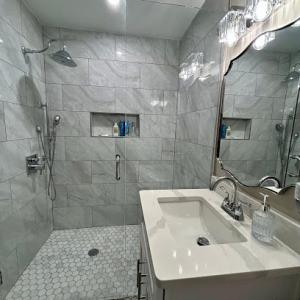
Sam's Construction
(901) 849-1847 samsconstruction901.com
1930 Exeter Rd, Germantown, Tennessee
5.0 from 72 reviews
Sam's Roofing and Remodeling is a fully licensed and insured roofing contractor and construction company based in Memphis, TN, USA. They specialize in both residential and small commercial projects, including bathroom remodels. With a team of experienced and skilled professionals, Sam's Construction is committed to providing high-quality workmanship and customer satisfaction.
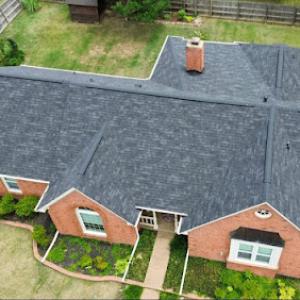
Jolly Roofing & Repairs
(901) 293-7434 www.jollyroofingandrepairs.com
1509 Riverain Cove, Germantown, Tennessee
5.0 from 56 reviews
Jolly Roofing & Repairs delivers top notch roofing services with a commitment to quality and craftsmanship. Our team specializes in both new roof installations and repairs, using only top shelf materials for lasting durability. We'll help you through every step of the process, especially through insurance claims. No roof is too big or too small. If your roof isn't Jolly, Give us a call!
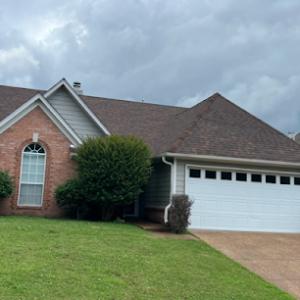
Roof MD
7574 Old Mill Cove, Germantown, Tennessee
4.6 from 114 reviews
Germantown's top-rated roofing contractor, proudly serving the entire Memphis area. Roof MD specializes in expert roof replacement, repair, and storm damage assessment. From our home base in Germantown, we bring trusted local service to every job. Whether you have an active leak in Memphis or missing shingles in Germantown, our licensed and insured team delivers reliable, long-lasting solutions. As certified installers for GAF and Owens Corning, we are committed to quality craftsmanship. Call today for a FREE roof inspection and see why we are the trusted experts for homes across both Germantown and Memphis.
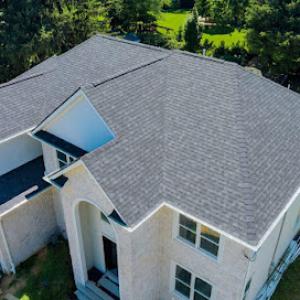
Storm Team Roofing
7343 Deep Valley Dr, Germantown, Tennessee
5.0 from 20 reviews
Storm Team Roofing is your go-to for top-notch roofing solutions in the Midsouth. From installations to repairs, inspections to maintenance, we’ve got you covered. Our experienced team takes pride in our craftsmanship and commitment to customer satisfaction. Contact us now for a free estimate!
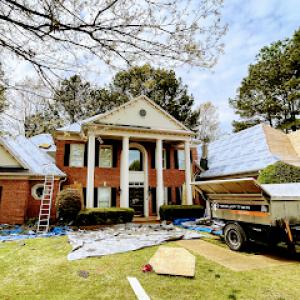
All Well Roofing
(901) 500-6993 www.allwellroofing.com
Serving
5.0 from 80 reviews
All Well Roofing is a trusted roofing contractor serving the Memphis area, providing expert solutions for both large-scale and smaller projects. Our team of fully certified professionals is dedicated to delivering top-quality workmanship, exceptional service, and complete client satisfaction. Committed to excellence, we go the extra mile to ensure every project is done right the first time. Contact us today to schedule a consultation and experience reliable, professional roofing services.
Roof Maxx of Collierville, TN
Serving
5.0 from 41 reviews
Roof Maxx® is a scientifically formulated, and 100% safe, plant-based roof rejuvenating spray treatment that was developed by the world’s largest private research and development company.
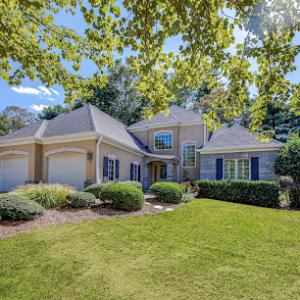
Republic Roofing & Restoration
(901) 617-7670 republicexteriors.com
Serving
4.9 from 262 reviews
Republic Roofing & Restoration, LLC is a licensed commercial and residential general contractor located in Collierville, TN. We are an Owens Corning Platinum Roofing contractor, GAF Authorized roofing contractor, CertainTeed Master Roofing Applicator and Carlisle Authorized Applicator. Our firm can handle anything from a small repair to flat and low slope roofing to steep slope roofing. Republic Roofing & Restoration, LLC backs our products by industry-leading warranties, so we guarantee your roof will exceed your expectations. Contact us today for a free consultation and estimate!
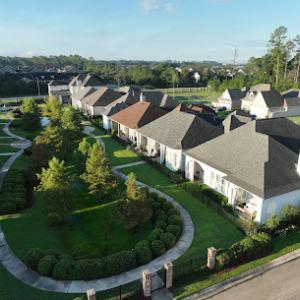
James Russell Roofing & Restorations
(901) 582-5550 jamesrussellroofing.com
Serving
4.9 from 133 reviews
We're James Russell Roofing & Restoration, LLC, and we've been a fully licensed roofing and restoration contractor in Memphis, TN, since 2018. We specialize in roofing services, roofing systems, and financing. We now also offer whole home remodeling! We take pride in our commitment to quality and strive to provide all our customers with a positive experience. As a roofing, restoration, and remodeling contractor in Memphis, we offer a variety of options, focusing on providing our customers with only the best quality materials. We'd like to personally invite you to contact us for a free quote, today!
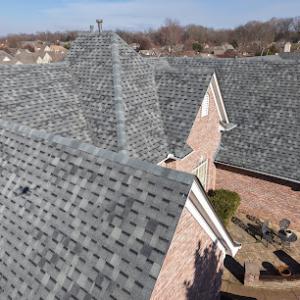
K&M Roofing & Exteriors
(901) 501-5949 kmroofingexteriors.com
Serving
5.0 from 454 reviews
K&M Roofing & Exteriors is a trusted local roofing contractor serving Cordova, Germantown, DeSoto County, and the surrounding Memphis area. We specialize in roof replacement, roof repair, and free roof inspections for homeowners in and around Cordova, TN, including areas near Shelby Farms, Cordova High School, and the Sanga Point neighborhood. K&M is owned by two local Cordova residents, including a Cordova High School graduate, and our licensed and insured team is known for quality craftsmanship, honest assessments, and reliable service. As a local company, we are committed to providing long-lasting roofing solutions for Cordova homeowners and delivering an exceptional customer experience from start to finish.
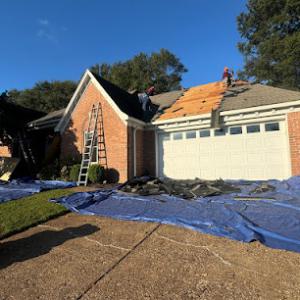
No Limit Roofing
(901) 590-0058 www.nolimitroofingmemphis.com
Serving
5.0 from 174 reviews
No Limit Roofing is a GAF Master Elite certified roofing company specializing in roof replacements, repairs, siding, skylights, gutter installation, fascia and soffit repairs, and chimney flashing repairs. We are also experienced in handling storm damage and insurance claims. Our team of experts provide high-quality workmanship and exceptional customer service. As a Velux Certified Installer, we offer top-of-the-line skylights to enhance the beauty and functionality of your home. With years of experience in the industry, you can trust No Limit Roofing to handle all your roofing needs with professionalism and precision. Contact us today for an estimate!
ContractingPRO
(901) 425-1151 www.mycontractingpro.com
Serving
5.0 from 502 reviews
ContractingPRO is dedicated to the relentless pursuit of providing peace of mind to all of our clients. We value our clients' trust and are committed to keeping it by offering only quality products, installed by trained professionals, at a fair price. We believe in treating others the way we would want to be treated, period. Our service offerings cover roofing, siding, gutters, and repairs.
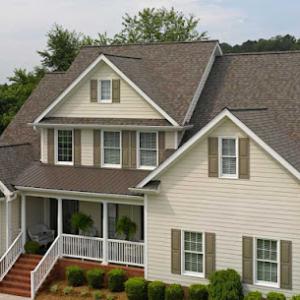
NextRoof
(901) 582-2505 www.getnextroof.com
Serving
5.0 from 55 reviews
Hey there, Memphis! We’re NextRoof, a locally owned roofing company based right here in Germantown, TN, proudly serving homeowners across Memphis and the surrounding areas. Whether you need a brand-new roof, repairs, or just some expert advice, we’ve got you covered—literally! We install all types of roofs to fit your needs, and we specialize in helping homeowners navigate the insurance claims process. With licensed insurance adjusters on staff, we make sure you get the coverage you deserve, taking the stress out of storm damage claims. At NextRoof, we’re more than just roofers—we’re your neighbors, and we’re committed to protecting what matters most: your home. Give us a call today, and let’s talk about how we can help!
A permit is required in Germantown for a full roof replacement through the City of Germantown Building Department. This isn't a formality to speed through; the permit ties directly to how the reroof is designed and installed, and it anchors the city's storm-damage response and wind-uplift review. Before work begins, a permit must be issued, and the project needs to proceed with city-approved documentation. Do not start tearing off any shingles until the permit is in hand and clearly posted on site.
Contractors must apply with the reroof scope, roofing material type, and wind-uplift details. In practice, that means product selection is part of the city review, not just a personal preference or a scope note. Wind-uplift calculations, fastening patterns, and attachment methods are scrutinized because Germantown's exposure to storm-driven wind and hail makes these details critical for long-term performance. If your contractor is proposing a change from the original plan due to on-site conditions (for example, a different underlayment or a higher uplift rating), that change should be reflected in the permit package and re-reviewed if needed. Expect questions about attic ventilation, ridge and hip configurations, and any existing roof-to-wall connections that influence wind pressures.
Begin with the roofing plan package that includes the reroof scope, material type, and uplift design. Your contractor should coordinate the submittal, but you as the homeowner hold the final responsibility to ensure all elements are correctly represented. The submission typically goes through the Building Department with permit applications, plan sheets, and any required engineering details. Once the permit is issued, request the exact posting location and the permit number to place on-site; this facilitates city-liaison inspections and helps neighbors recognize that work is under formal review. Be prepared for a short lead time between submission and permit issuance, especially during busy storm seasons or after hail events when the department processes a spike in applications.
In Germantown, inspections occur after tear-off and again upon completion. The tear-off inspection verifies that the roof has been safely opened and that the deck or sheathing is exposed in a manner suitable for final re-roofing. The final inspection confirms that the reroof is fully installed per code, the chosen material and fasteners meet uplift requirements, and all penetrations (vents, chimneys, skylights) are properly flashed. Because the permit must be posted on site, city lead times can influence when inspections are scheduled. If a delay occurs between tear-off and reinstallation due to weather, material delivery, or some other hold-up, communicate promptly with the Building Department and your contractor to avoid a failed inspection window.
Coordinate with your contractor to align the reroof timeline with permit issuance and posting. If weather windows or material availability create a postponement, keep the permit holder information current so the city can track the project status and reschedule inspections without unnecessary delay. During the process, maintain clear access around the work area for inspectors; secure any outdoor items that could obstruct a view of flashing details, vent work, or edging. Finally, document all steps, especially any deviations from the original uplift calculations or material substitutions, and ensure amendments are submitted to the permit file if required.
Asphalt shingles are the dominant reroof option in Germantown, and for good reason. They pair well with the area's traditional rooflines and offer solid performance for the typical storm sequence-brief hail events followed by heavy rain. In this climate, hot humid summers and frequent thunderstorm cycles accelerate granule loss and can shorten service life compared with milder regions. When choosing asphalt, look for architectural or dimensional shingles with higher granule density and better impact resistance ratings. A local neighbor's roof often ends up with multiple layers stripped down to the deck after a serious storm, so selecting a shingle with good adhesion and warranted wind uplift is essential. If hail is known to have torn up your neighborhood, document the extent of granule loss and any bruising or darkened areas on the shingles-this helps with timely communication to insurance adjusters and a smoother claim process.
Metal roofing is a meaningful local option for homeowners aiming to improve wind and hail resilience during storm season. In Germantown's market, metal can perform exceptionally well when installed with attention to edge details, fastener patterns, and proper underlayment. The key here is installation quality and detailing in a permit-reviewed market-nails or screws must be placed correctly to resist uplift, and flashing around walls, chimneys, and vents must be sealed to prevent wind-driven leaks. If choosing metal, consider panel profiles that shed hail impacts and minimize denting, and verify that fasteners are corrosion-resistant for the long term. Remember that a metal roof may require different maintenance checks than asphalt, such as inspecting for loose fasteners after severe storms and ensuring roof penetrations remain watertight.
Tile and synthetic products appear in the local mix, which fits higher-end residential architecture in this market. Tile brings durability and a distinctive profile, but weight is a critical factor; the structure must support the load, and installation can be more complex. Clay and concrete tiles offer substantial life when installed correctly, yet broken tiles from hail can create multiple replacement points and may require more careful matching of colors and textures during repair. Synthetic shingles and composites approximate the look of tile with lighter weight and easier handling, though they still demand attention to flashing detail and roof slope. If opting for these, plan for the longer lead times that can accompany specialty materials and ensure the contractor has experience managing weight distribution and underlayment compatibility in storm-prone conditions.
After a thunderstorm, you'll want to photograph both the exposed roof and any interior signs of leakage. Capture close-ups of damaged shingles, granule loss, and dented metal edges as soon as it's safe to access the roof. Keep dated records and compare them to your prior roof photos to illustrate changes over time. When you engage an insurer, present a clear timeline of storm events, the observed damage, and the steps you've taken to mitigate further loss. A prompt, well-documented claim can influence the scheduling of inspections and the approval path for reconstruction, especially when a full reroof is warranted. For any material beyond asphalt, confirm that the installer's product data, warranty terms, and uplift calculations align with your home's exposure to Germantown's storm cycles.
In this market, the price ladder for a roof replacement follows the common material choices, with Asphalt Shingles priced around $360 to $600 per square. Metal roofs typically run from $550 to $1100 per square, while clay and concrete tile sit higher, at roughly $850 to $1500 and $700 to $1200 per square, respectively. Wood shingles or shakes tend to fall in the $800 to $1300 per square range, and synthetic or composite shingles land between $600 and $1000 per square. These ranges reflect the newer, storm-resistant options that homeowners in Germantown often prefer due to the area's exposure to hail and wind. When budgeting, plan for the midpoint of your chosen material's range and add a contingency for underlayment, flashing, and accessory products.
Costs in Germantown can rise after spring storm events when reroof demand spikes across the Memphis-area market and scheduling pressure affects labor availability. If a storm-damaged roof is identified, the clock on replacement starts ticking more quickly as neighbors pursue similar timelines. This pressure can push material lead times and crew availability, occasionally narrowing window options for a staged or phased project. The result is not just a higher upfront price, but a tighter timetable to secure the right crew and materials.
After a hail or high-wind event, homeowners often navigate documentation and insurer communications to support a claim. Gather photos of hail impact patterns, close-ups of damaged shingles, and a clear record of event timing. Insurers typically want a thorough, dated narrative of what occurred and when. From a budgeting perspective, you may encounter a need to align appraisal steps with contractor scheduling, which can influence total replacement timing and, indirectly, the project's total cost. Plan for a realistic window from assessment to completion, allowing for material substitutions if preferred textures or colors run out locally.
Get a clear picture of your project costs upfront - no commitment required.
Storm Team Roofing
7343 Deep Valley Dr, Germantown, Tennessee
5.0 from 20 reviews
James Russell Roofing & Restorations
(901) 582-5550 jamesrussellroofing.com
Serving
4.9 from 133 reviews
Spring and fall are the preferred reroof windows for this area, chosen to dodge the brutal heat of summer and the most disruptive storm periods. In practice, that means aiming for a project start between March and May or between September and early November. Those shoulder seasons tend to yield more predictable crew schedules, steadier material handling, and fewer weather-induced delays on long tear-off days.
Summer brings heat and humidity that can slow work and affect the way materials perform, especially on peak tear-off days. If a replacement runs into a stretch of 90-degree afternoons or sustained humidity, plan for shorter work blocks, more frequent shade breaks, and extra crew hydration. Fall wind and rain can disrupt timelines, so buffer days should be built into the schedule. Winter cold and occasional ice can slow installation and impact sealant or adhesive performance, so consider early-season starts that avoid the coldest weeks.
After a thunderstorm event, weather and wind can cause hidden damage to shingles, underlayment, and flashing. Start with a careful inspection of visible damage: dented, cracked, or missing shingles, lifted edges, and granule loss in gutters. Document damage with dated photos from multiple angles, and note any signs of moisture intrusion inside the attic or ceiling. For hail, capture close-ups of dents on metal components, and record surrounding hail patterns on neighboring surfaces for context. Detailed documentation helps with insurance conversations and sets expectations for scope.
When storms trigger a potential claim, coordinate promptly with the insurer to align timelines for inspection and approval. If a claim is filed, keep a log of all communications, adjuster appointments, and any withheld or approved work orders. Timely documentation and consistent communication reduce delays and help ensure that work proceeds with a clear path to completion.
Assess the roof from ground level and, if safe, from a ladder to identify obvious damage. Schedule a professional inspection after major hail events or high-wind days, especially in spring and fall. When choosing a window, factor in the typical weather patterns described above and allow a buffer for late-season rain. Keep the house and driveway clear for equipment access, and confirm that the contractor can stage materials without disrupting nearby homes or landscaping.
In this thunderstorm climate, you'll notice leak calls most often at penetrations-vent stacks, exhausts, and where roof planes meet a wall. Repeated wind-driven rain finds seams that seem tight in calm moments and exposes them to failure when the rain arrives with a punch. Pay close attention to any flashing that looks flexible or puckered, and track how transitions between materials behave after a storm. A single compromised seal at a vent or chimney can cascade into interior staining and hidden rot if left unaddressed after the next round of storms.
Skylights and curb-mounted daylight features are a meaningful local service category among contractors, and for good reason. Flashing around a curb and the ridge edge of a skylight is a frequent stress point when wind gusts press rain sideways. During inspections, verify that curb flashing isn't split, that sealant joints remain continuous, and that the flashing follows the slope of the roof without sharp creases. If you notice misting inside near a skylight after a storm, the issue is often at the flashing base or the transition to the curb rather than the glazing itself.
Although the city remains steep-slope oriented for primary homes, local activity shows a notable need for flat and low-slope expertise on select additions and mixed-use structures. Pay attention to transitions where an original roof meets a new addition, especially at parapets and edge flashing. These zones collect wind-driven rain, and failed waterproofing here can undermine both the old and new sections. A focused inspection of these interfaces after storms can prevent longer-term interior leaks.
Storms in Germantown tend to expose weaknesses after a few quick passes of rain rather than a heavy, prolonged snow load. Leaks often reveal themselves at-or just after-wind-driven downpours, so plan targeted inspections after thunderstorms and before a long stretch of dry weather. Keeping an eye on known vulnerable points and documenting any new staining helps you coordinate timely repairs and avoid escalating damage.
Find contractors experienced in skylight installation, flashing, and leak repairs to bring natural light into your home.
Jolly Roofing & Repairs
(901) 293-7434 www.jollyroofingandrepairs.com
1509 Riverain Cove, Germantown, Tennessee
5.0 from 56 reviews
James Russell Roofing & Restorations
(901) 582-5550 jamesrussellroofing.com
Serving
4.9 from 133 reviews
Because many reroofs follow hail or wind events, homeowners need to separate manufacturer coverage from workmanship promises when comparing storm-restoration proposals. A solid answer hinges on understanding what the shingle or metal system itself covers versus what the contractor will stand behind for installation or technique. Manufacturer warranties are typically tied to the product's performance under weather exposure, while workmanship promises are contingent on proper fastening, alignment, and flashing. In practice, you want both, but you must read the fine print to ensure each piece remains valid after a high-wind afternoon or hailstorm.
The local market includes a meaningful share of contractors advertising warranties, which matters where emergency repairs can transition quickly into full insurance-funded replacements. A quick fix may carry a limited workmanship period, yet a full replacement driven by an insurance claim could reset or void certain promises. Look for clarity about whether the warranty travels with the home or stays with the contractor, and how long coverage lasts after installation is complete and the job is signed off.
In Germantown, warranty value is tied to whether the installed system matches the material and wind-uplift details submitted during permitting and verified at final inspection. If the product or uplift specification changes after installation, some warranties may be compromised. Confirm that the exact material, gauge, underlayment, and uplift ratings used in the final inspection are the same as what the contract specifies, and that the labeling on the warranty documents reflects those details.
Ask for a written side-by-side diagram of the installed system showing shingle type, attachment method, and uplift rating. Request the manufacturer's registration documentation and a copy of the final inspection notes that confirm material match. When scheduling follow-up, verify what constitutes an eligible claim, how claims are processed, and whether there are any exclusions tied to storm events or temporary repairs. This diligence helps ensure that a warranty truly protects the home long after the thunderclap has faded.