
Last updated: Apr 19, 2026
Repeated spring thunderstorm cycles hammer roofs here, with hail and high winds that routinely expose weak spots and accelerate shingle blow-off. When a severe event sweeps through the Memphis-area corridor, replacement decisions surge as homeowners confront visible damage and hidden leaks alike. The urgency isn't just cosmetic-undetected damage can invite interior mold, attic rot, and accelerated soffit wear. This is why storm-related roof failure becomes a leading trigger for replacement decisions, and why timing matters more than ever after each outbreak.
Mississippi's roof insurance environment leans heavily on documentation. Carriers commonly want recent roof photos, contractor estimates, and notes reviewed by an adjuster before approving a replacement. In practice, that means you should be prepared with a concise damage narrative, timestamped images that show wind-driven impact patterns, and clear, line-item estimates that align with actual board- or shingle-level conditions. Delays often come from missing or mismatched information, so gather evidence promptly and organize it for quick review.
Because this area sits in the Memphis-area severe weather corridor, inspection scheduling can spike immediately after a regional storm outbreak. That surge can push timelines from days to weeks unless you're ready. Plan ahead by identifying a responsive roofing contractor who can be on-site within 24 to 48 hours after a claim is filed, weather permitting. Once the root damage is verified, push for a phased, transparent replacement plan with your insurer, so you don't lose days to backlogs or weather gaps. Rapid start reduces the risk of secondary damage from lingering roof vulnerabilities.
You need a rock-solid, paper-trail-ready package: time-stamped photos of every affected area, a clear contractor estimate that matches observed conditions, and a pre-existing-condition note from an experienced roofer if possible. Photograph attic decking, roof edge damage, hail impact marks, and any interior staining or leaks located near ventilation or chimney areas. Keep a detailed log of when events happened, who inspected the roof, and what recommendations were made. Share this dossier with your adjuster and contractor to minimize back-and-forth and avoid costly misunderstandings.
After the initial claim, expect a period of inspection, review, and potential supplemental requests. Stay proactive by coordinating a single point of contact between your adjuster and contractor, confirming appointment windows, and tracking every communication in writing. If an adjuster flags gaps in damage documentation, respond quickly with updated photos and revised estimates. In a storm-prone region with surge demand, the key is moving from documentation to decisive action-without letting a single delay stall a necessary roof replacement.
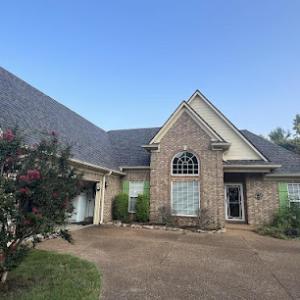
Ultimate Roofing
(662) 331-3000 ultimate-roofing.com
8344 Airways Blvd, Southaven, Mississippi
4.9 from 52 reviews
With 1,000’s of roofs installed, an A+ BBB, and 5 star reviews, Ultimate Roofing is a great choice. We are locally owned and operated in DeSoto County by families born and raised in DeSoto County and the Mid-South area. This is our home. Ultimate Roofing is a dedicated roofing company that covers the West Tennessee and North Mississippi area.

Abes Construction
(901) 921-3729 abesconstructionco.net
1794 Main St, Southaven, Mississippi
5.0 from 16 reviews
Abe's Construction, located at 1794 main st Southaven Ms , is your top choice for expert roofing services in Memphis. As a family-owned business with over 30 years of excellence, we specialize in commercial roofing, flat roof repair, emergency roofing, roof maintenance, and residential roofing. Our team of experienced roofing contractors is committed to quality workmanship, offering reliable roof replacement and inspection services. Trust Abe's Construction for premium roof repairs and installations. Contact us for a free quote and experience superior roofing services tailored to your needs.
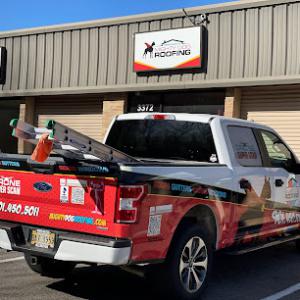
Mighty Dog Roofing of Southeast Memphis
(901) 668-5761 www.mightydogroofing.com
3372 Goodman Rd E, Southaven, Mississippi
4.8 from 21 reviews
When it comes to your home’s exterior, Mighty Dog Roofing delivers top-of-the-line services matched with the neighborly customer care our clients have come to love. Our team of skilled experts will conduct a free, detailed inspection of your home, treating it as our own. Whether your home needs a simple repair or a full roof replacement, expect to receive the transparent guidance you deserve. Whatever the case, our team will work to meet your safety and budget needs. We take pride in operating with quality materials, hiring skilled roofers, and providing our customers with a high-quality experience. See for yourself; our reviews say it all. Schedule your free, home inspection today!

Pro Shingle Roofing
366 Stateline Rd W, Southaven, Mississippi
4.5 from 52 reviews
Pro Shingle is a professional roofing company licensed and insured in Tennessee, Mississippi & Arkansas. With an A+ with the BBB, call Pro Shingle or visit our website for more information- it's the simple choice!
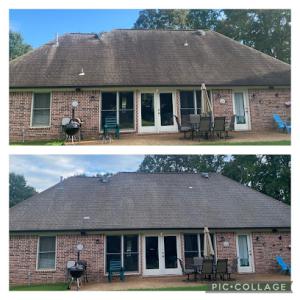
Roof Renew
2119 Nottaway Dr, Southaven, Mississippi
5.0 from 6 reviews
A veteran owned and operated roof cleaning business. Our goal is to provide the best rates and service in the midsouth. We would like the opportunity to renew and prolong the life of your roof by providing our roof cleaning service that will remove algae, moss, and stains. Getting on your roof is not required in most cases and we guarantee our work.
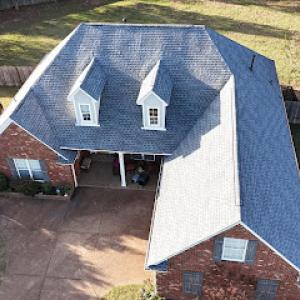
Elite Construction & Roofing
(662) 470-4170 eliteconstructionroofing.com
Serving
5.0 from 15 reviews
At Elite Construction & Roofing, we help homeowners with insurance claims to secure full roof replacements, roofing repairs, and accurate estimates. We offer free drone inspections to assess your roof’s condition. Trust our experienced team for quality craftsmanship and expert solutions to handle your roofing needs and insurance claims. Contact us for a free estimate today!
Kreunen Construction & Restoration
(901) 245-6266 insuranceroofs.com
Serving
4.7 from 108 reviews
Kreunen Construction is a licensed roofing contractor in Olive Branch, MS since 1984, providing expert roof repair, replacement, and maintenance for both residential and commercial properties. We help property owners address leaks, storm damage, and aging roofs, ensuring long-lasting protection and curb appeal. Serving Olive Branch, Memphis, and the surrounding Mid-South areas, our team delivers high-quality workmanship and professional service, helping clients safeguard their homes and businesses year-round.
Chase Roof Inspections
(901) 907-3666 www.chaseroofinspections.com
Serving
4.9 from 66 reviews
Chase Roof Inspections is the business to turn to when searching for a “local roofing company near me”. We provide top-quality services to residential clients in Olive Branch, Memphis, and the entire Mid-South! With thousands of successful projects under our belt, our NATIONALLY CERTIFIED ROOF INSPECTORS and FACTORY CERTIFIED technicians offer exceptional craftsmanship and expertise in roof repairs, replacements, and emergency services. We pride ourselves on delivering long-lasting benefits to our customers by focusing on safety, value preservation, and convenience. Our team is licensed in Tennessee, Mississippi, and Arkansas and fully insured—so clients can rest easy with every project we do. Contact us now for your free quote!
Dry Fast Roofing & Construction
(901) 437-4283 www.dryfastroofingandconstruction.com
Serving
5.0 from 84 reviews
Dry Fast Roofing & Construction is your trusted roofing contractor at 3689 Cherry Rd, specializing in top-notch roofing solutions for residential and commercial properties. Our expert team excels in roof repair, roof installation, roof replacement, and storm damage restoration. We pride ourselves on using high-quality materials and offering exceptional customer service. Whether you need asphalt shingles, metal roofing, or flat roofing systems, we ensure your roof is durable and weather-resistant. Choose Dry Fast Roofing & Construction for reliable roofing services in your area. Contact us today to schedule a consultation and experience the best roofing contractor services available.
RL Quality Roofing
(662) 367-3247 rlqualityroofing.wixsite.com
Serving
5.0 from 79 reviews
RL Quality Roofing is a full-service roofing company specializing in reliable, high‑quality roof installation, repair, and maintenance for residential and commercial properties. We combine skilled craftsmanship with durable materials to deliver long‑lasting results that protect your home or business. Our team is committed to safety, clear communication, and exceptional customer service from the first inspection to project completion. Whether it’s fixing storm damage, replacing an aging roof, or completing a new construction project, we provide honest recommendations, fair pricing, and workmanship you can trust.
Hernandez Services
Serving
4.9 from 40 reviews
Affordable Roofing, House Painting Services, Interior and Exterior Wood Repairs, Gutter Installation and Repairs, Fencing, Pressure Washing.
CJ The Roof Guy
(662) 469-5285 www.facebook.com
Serving
5.0 from 8 reviews
Providing roofing inspections, damage assessments, repairs, ventilation adjustments, and roof replacement services. Insurance claims, customer pay, etc.
Asphalt shingles dominate practical residential reroofing in Southaven, but prolonged summer heat, humidity, and repeated storm exposure can accelerate granule loss, seal-strip failure, and algae staining. When you're evaluating shingles, look for higher-end asphalt options with better impact resistance and algae-resistant granules. Consider a graphite or dual-tone color if you want to help hide staining and keep the roof cooler during the hottest part of the day. In humid Delta-influenced weather, a well-sealed edge and a robust attic ventilation plan become almost as important as the shingle itself.
Metal roofing is a strong fit for Southaven's heavy rain and storm cycles, but installer quality around fasteners, flashing, and ventilation matters because inspections commonly focus on those details after reroofs. If you're leaning metal, ask for a detailed venting plan and a continuous ridge vent strategy, plus an explanation of how fasteners penetrate roofing decks to prevent future leaks. Verify that flashing around chimneys, vents, and skylights is continuous and properly sealed, since even small gaps can invite water intrusion after a sudden storm.
Tile and slate options exist in the market but are less common in this part of north Mississippi, so homeowners considering clay, concrete, synthetic, or slate should account for installer availability and structural suitability. Clay and concrete tiles demand a stronger roof structure and precise underlayment to handle our humidity-driven dew cycles and occasional hail. Synthetic options can offer a more lightweight alternative, but installation quality still determines long-term performance; ask for references from projects in nearby neighborhoods with similar exposure. If you pursue slate, be prepared for a specialized crew and a carefully evaluated roof deck, since weight and carrier compatibility are critical.
Beyond material choice, storm readiness should shape your decision. In a climate like this, a roof that layers well with a durable underlayment and robust ventilation reduces moisture buildup that fuels algae and mold. Choose systems that provide reliable drainage and guard against wind-driven debris, because spring hail and gusts can test seams and fastener patterns. For any option, prioritize a contractor who understands the way humidity, heat, and rapid weather shifts interact with your roof-especially during the re-roof window after a severe event in this area.
After a severe storm in this area, you'll notice a quick shift in contractor availability and crew scheduling. Southaven reroof pricing is influenced not just by material choice but by post-storm demand surges, which can tighten labor availability across the broader DeSoto County and Memphis-area market. That uptick often shows up as shorter lead times for bids and a premium on quick-start timelines. If your project lands in the immediate aftermath of hail or strong winds, expect bids to come with a higher-than-average urgency fee and a tighter window for crews to arrive, inspect, and begin. Planning for a few flexible start dates can help you avoid paying a premium for last-minute scheduling.
Material selection continues to drive the bulk of your upfront cost, but in this market you'll also feel how fast things move after a storm. Asphalt shingles remain the baseline, but when storms spill into your schedule, the availability of different profiles can shift pricing. Metal roofing and synthetic/composite shingles offer longer-term resilience against the Delta-influenced humidity and erratic spring wind events, but their immediate cost can rise with demand surges. Referencing typical per-square ranges helps anchor expectations: asphalt shingles in the lower tiers, with metal and higher-end synthetics carrying higher sticker prices. Clay or concrete tiles, while durable, often test the budget more aggressively in surge periods, as supply lines adapt to regional demand.
Homes under repair during thunderstorm season face more than just material pricing questions. Humid installation windows can affect curing times, adhesive performance, and crew productivity, changing the pace of work even when material costs stay relatively stable. In practice, that means you may see crew rotation, extended days, or staged work across several weeks to keep quality high while avoiding heat and moisture stress on materials. If you own multiple structures or a steeply pitched roof, expect scheduling friction to creep in during peak storm months, which can nudge overall project duration and labor pricing.
A solid replacement plan assumes more than a sticker price for shingles. Expect labor costs to track closely with demand in the Memphis metro corridor, and allow a buffer for weather-driven delays. Even with the same material package, the timing of your project can swing the bottom line due to crew availability and accelerated scheduling needs after a storm. Build a budget that accommodates a realistic commissioning window, potential expedited labor charges, and a conservative contingency for timeline shifts caused by humid installation conditions.
Get a clear picture of your project costs upfront - no commitment required.
Abes Construction
(901) 921-3729 abesconstructionco.net
1794 Main St, Southaven, Mississippi
5.0 from 16 reviews
Elite Construction & Roofing
(662) 470-4170 eliteconstructionroofing.com
Serving
5.0 from 15 reviews
A full reroof in Southaven typically requires a permit issued by the City of Southaven Building Department. The permit process ensures that the roof replacement meets local code requirements and that venting, attic access, and deck integrity are all addressed. Before any tear-off begins, confirm current permit needs and any specific submittal documents the city requests, such as slope calculations, roof plan, and disclosures related to storm damage if applicable.
Southaven inspections are commonly scheduled during tear-off and again after completion, rather than only at final sign-off. That means the first inspection targets framing, underlayment, ventilation, and flashing readiness as the old roof is removed. The second inspection focuses on the finished roof assembly, penetrations, and overall workmanship. Coordinating these inspections with your contractor helps avoid delays and ensures proper documentation for insurance or permitting records.
Local inspection attention includes ventilation, flashing, and overall roof construction, so workmanship details that might be overlooked elsewhere are part of the city review process. Expect the inspector to verify attic vent sizing, ridge and soffit balance, and the adequacy of attic insulation and moisture barriers. Flashing around chimneys, skylights, vents, and transitions must show proper integration with the new materials. Decking integrity, nail patterns, and fastener exposure are checked to prevent future leaks.
Before tear-off, assemble a project folder with the chosen roofing system specifications, warranty information, and a clear scope of work. Have a dated, labeled roof plan on hand for the inspector, including attic ventilation strategy and any retrofits needed for existing soffits. On the jobsite, maintain easy access to the permit card, inspection notices, and contact information for the contractor and the building department. If storm damage is involved, keep photos and notes organized to facilitate any insurance review that may intersect with the permit process.
Once inspections pass, finalize closeout with the Building Department per city procedures. Keep the final inspection approval and any stamped drawings for your records, as future permits or re-roof considerations may reference them. If any protective work or temporary measures were required during construction, document those as well for a smooth upcoming storm season and for future inspections.
The hot, humid summers here can turn an attic into a furnace, trapping heat above living space and accelerating the aging of asphalt-based products. Heat buildup makes shingles work harder, increases the risk of asphalt granule loss, and can soften roof decking if ventilation isn't doing its job. If attic vents or soffit baffles are blocked or mis sized, the extra heat compounds existing weaknesses and shortens the roof's practical life.
Moisture in the attic isn't just a seasonal nuisance-it speeds degradation of fasteners, underlayment, and laminated shingles. In high humidity, condensation can migrate, showing up as small leaks around penetrations or along eave lines after a heavy afternoon storm. With Delta-influenced moisture in the mix, even minor installation gaps or aging flashing can turn into visible leaks after a series of summer downpours. Regular inspection of flashing at chimneys, vents, and transitions is essential.
During heavy rainfall, drainage details matter more than ever. Clogged gutters, mis pitched valleys, or sagging sections can back up water and force it under shingle edges. Leak tracing becomes a practical skill: track the path of dampness from ceiling stains to the most recent rain event, then verify that flashings seal properly around vents, skylights, and dormers. Small installation defects tend to show up quickly when storms arrive in force.
Winter brings milder temperatures than farther north, but recurring rain and occasional freezes interrupt repairs and can leave existing storm damage exposed to new moisture intrusion. When repairs stall, thaw cycles reopen old breaches and push moisture deeper into decking and insulation. Have a plan to cover vulnerable areas during wet spells and schedule targeted repairs as soon as weather allows to prevent unseen damage from escalating.
You can start with a quick attic heat check: ensure vents aren't obstructed, insulation isn't compacted near soffit lines, and the attic temperature feels balanced rather than oven-like. On the roof, look for loose granules, curling edges, or lifted flashing. If a storm just passed, a careful, methodical inspection focused on transitions and seams can prevent small issues from becoming costly repairs.
Although steep-slope residential reroofing dominates, the local contractor mix shows meaningful demand for flat or low-slope work, especially where additions, porches, and mixed rooflines create drainage transitions. Look for sections where a new half-story or sunroom ties into an old roof, or where a patio cover sits flush against the main roof. These zones tend to accumulate ponding water and can hide deck screws or sealant gaps beneath flashing. When assessing, map all transitions and plan targeted flashing and proper slope compensation at each connection rather than treating them as afterthoughts.
Southaven's frequent heavy rain makes low-slope sections and roof penetrations more vulnerable to recurring leaks than simple gable runs. Focus inspection on any flat plane that holds water after a storm, and on seams where two planes meet. Pay special attention to valleys and edge drip details that often get overlooked during quick repairs. A fast-drying diagnosis is critical: note where water shows up around penetrations, joints, or along the eave line after a downpour, and track whether leaks align with thunderstorm timing.
Skylights are a smaller but active specialty in this market, which matters in Southaven because flashing failures around penetrations tend to show up during repeated thunderstorm events. Inspect skylight flashing, curb seal, and surrounding shingles for uplift or aging sealant. If a skylight is a retrofit, verify proper integration with the existing low-slope plane. Replace cracked or blistered flashing early, and consider staggered flashing transitions to minimize pooled water at the curb.
Low-slope trouble spots benefit from a proactive plan. After heavy storms, do a focused walk-around within 48 hours to confirm patch integrity around penetrations and transitions. Keep a simple inspection log with photos and dates, and reserve priority status for any area showing signs of moisture, even if the leak seems localized. This approach helps with storm response and supports timely documentation for any necessary insurance discussions.
Find specialists in TPO, EPDM, and built-up flat roofing systems for residential and commercial properties.
Abes Construction
(901) 921-3729 abesconstructionco.net
1794 Main St, Southaven, Mississippi
5.0 from 16 reviews
Dry Fast Roofing & Construction
(901) 437-4283 www.dryfastroofingandconstruction.com
Serving
5.0 from 84 reviews
Southaven homeowners often hire under time pressure after storms, so quick response and cleanup are unusually visible competitive factors in the local market. That pressure can push crews to skip steps or gloss over details. Before any shingle lace is put down, verify that a crew's claim of speed isn't trading off thorough debris removal, mattress-sized vent checks, or a careful inspection of attic ventilation and roof-to-wall flashing. A fast tarp is not the same as a lasting repair.
Because permit inspections in this area check ventilation and flashing, homeowners should favor contractors who can clearly explain how their reroof scope will satisfy city review. Look for a written plan that names attic venting, eave protection, underlayment, starter courses, and flashing around chimneys and walls. If a contractor cannot articulate how each element ties into the review checklist, you may be left chasing a last-minute correction after the crew has moved on. In practice, that means asking for a drawn outline or itemized sequence, not just a generic assurance of "insurance-grade workmanship."
The local market includes many insurance-focused reroof crews, so homeowners should separate true damage documentation help from pressure to sign before adjuster review is complete. A responsible contractor will offer to document hail impact, wind-stripped granules, and moisture intrusion with photos, diagrams, and a written summary that you can share with your adjuster. If a crew pushes you to sign a waiver or contract before inspecting all attic spaces or before the adjuster has seen the roof, pause and request a formal inspection visit. Delay can save you from paying for avoidable repairs.
Be wary of crews who only hand you a brochure and a promise of "instant coverage." If a contractor cannot present a transparent schedule, a clear breakdown of replaced components, and a method to verify flashing and ventilation integration, you may want to keep searching. Rely on local references or a recent project in a nearby neighborhood with similar rooflines and delta winds to gauge what successful, storm-ready work looks like in practice.