
Last updated: Apr 19, 2026
Spring in this area brings sudden hail and severe thunderstorms that can punch through shingles or loosen flashing in a heartbeat. If you notice granules in gutters, dented shingles, peeled sealant, or leaks inside after a storm, treat it as an emergency. In Collierville, the pattern is predictable: after a hail burst, the demand for inspections spikes overnight as neighbors realize their roofs may be compromised. Don't delay a professional roof inspection because you're worried about minor cosmetic issues-hidden damage can undermine structural integrity and lead to costly downstream leaks. The moment you see evidence, book a certified roofer for a rules-based assessment and document everything with clear photos from multiple angles.
The local insurance environment is shaped by frequent hail and wind claims, so carriers expect prompt adjuster inspections plus photo documentation, contractor quotes, and prior roof records. When that storm hits, your timeline matters: insurers can move quickly, and delays can complicate coverage decisions. Prepare in advance by gathering recent roof records, prior invoices, and any previous claim notes. As soon as damage is suspected, request an inspection slot with your insurer and a licensed contractor the same week, if possible. Take high-resolution photos of every angle before any tarp or temporary repair, then photograph the interior as evidence of potential water intrusion. Keep a simple log of storm date, surface conditions, and manageable repair steps. Your goal is to present a concise, organized package that supports a timely, accurate appraisal. In practice, this means coordinating the adjuster's visit, the contractor's quote, and the documentation so none of the moving parts lag.
Spring and fall are the most favorable replacement windows in this market because summer heat and humidity stress crews and materials, while winter rain and temperature swings can delay work. In the weeks following a damaging event, crews can work longer hours, but heat can still push project timelines. If you wait until summer storms and humidity are at their peak, you risk paint blistering, faster shingle aging, and accelerated wear on underlayment. In winter, freezing mornings and damp conditions slow installation and may complicate material handling. For a homeowner, the best plan is to align with the spring or fall blackout windows when crews are most available and material management is optimized. This strategy reduces the odds of weather-driven setbacks and keeps your home protected during peak storm seasons.
Start with a rapid roof inspection after a storm and insist on a detailed, written damage assessment. Request a same-week adjuster visit and a contractor's written estimate within a few days of that inspection, not weeks later. Keep communication clear and centralized between you, the insurer, and the contractor to prevent misaligned expectations. If you're navigating a claim, ask for an itemized quotes breakdown and a clear scope of work that includes roof decking, flashing, underlayment, and material choices. Because roof replacements are high-stakes projects in this climate, choose a contractor with a proven track record in hail-prone neighborhoods and a robust warranty. The rhythm of recovery here hinges on moving promptly, documenting thoroughly, and locking in a solid plan during the spring or fall window before the next batch of storms rolls in.
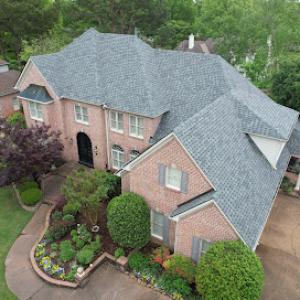
Miller Roofing & Renovations
(901) 457-9405 millercompanyroofing.com
242 E Poplar Ave, Collierville, Tennessee
5.0 from 208 reviews
Voted Memphis Most 2021, 2022, and 2023 Best Roofer by the Commercial Appeal! Locally owned and operated, Miller Roofing & Renovations has over 35 years of roofing and renovation experience to put you at ease. Our business serves the Mid-South area, completing a wide range of projects, large and small. We work hard to meet our customers’ needs by offering everything from roofing repair and replacement to home renovations. You can count on us to complete your project on time and on budget. We help great people like you maintain your home and realize your renovation dreams. Reach out today for a free detailed quote to get started!
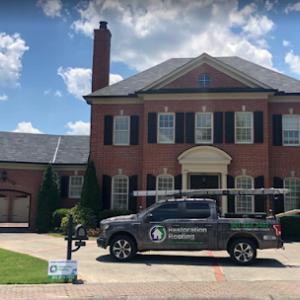
Restoration Roofing
(901) 854-3402 www.restorationroofing.com
452 Distribution Pkwy, Collierville, Tennessee
4.9 from 613 reviews
Restoration Roofing is the top Midsouth roofing company located in Collierville, TN. Our team provides services to all of Memphis, TN, and its surrounding suburbs. Our Collierville roofers specialize in residential and commercial roofing, gutters, and skylights. Our team of fully licensed and insured contractors tackle projects ranging from roof repairs and replacement to new installation and roof storm damage. As a family-owned and operated business, we believe in treating every property as if it were our own, with utmost care and dedication. Contact us today for your free inspection! We look forward to being your go-to Collierville roofer!
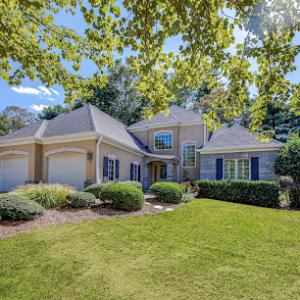
Republic Roofing & Restoration
(901) 617-7670 republicexteriors.com
9798, 91 Peyton Pkwy #101, Collierville, Tennessee
4.9 from 262 reviews
Republic Roofing & Restoration, LLC is a licensed commercial and residential general contractor located in Collierville, TN. We are an Owens Corning Platinum Roofing contractor, GAF Authorized roofing contractor, CertainTeed Master Roofing Applicator and Carlisle Authorized Applicator. Our firm can handle anything from a small repair to flat and low slope roofing to steep slope roofing. Republic Roofing & Restoration, LLC backs our products by industry-leading warranties, so we guarantee your roof will exceed your expectations. Contact us today for a free consultation and estimate!
Reborn Roofing
(901) 300-3939 www.rebornroofing.com
761 Chaney Dr, Collierville, Tennessee
5.0 from 66 reviews
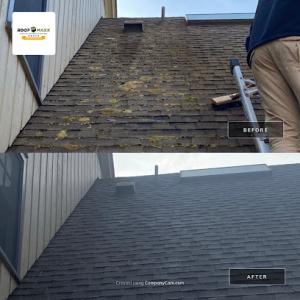
Reborn Roofing – Roofing Experts & Roof Maxx Dealers in Tennessee & Mississippi Reborn Roofing is a trusted roofing contractor serving Tennessee and Mississippi with high-quality residential and commercial roofing services. From roof repairs and full replacements to metal roofing, asphalt shingles, TPO, and storm damage restoration, we provide reliable solutions tailored to your needs. As certified Roof Maxx dealers, we offer an innovative, eco-friendly option to extend the life of your existing asphalt shingles—at a fraction of the cost of a full roof replacement. Our Roof Maxx treatment restores flexibility and waterproofing to aging shingles, adding up to 5 more years of life per treatment. Our licensed and insured team is com...
Roof Maxx of Collierville, TN
Collierville, Tennessee
5.0 from 41 reviews
Roof Maxx® is a scientifically formulated, and 100% safe, plant-based roof rejuvenating spray treatment that was developed by the world’s largest private research and development company.
River City Pros
(901) 707-0355 rivercitypros.com
107 Collierville Arlington Rd, Collierville, Tennessee
5.0 from 39 reviews
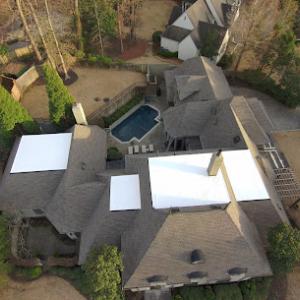
We offer residential roof repairs and replacements, as well as siding, gutters, fencing repairs, and painting services. We hold many certifications, such as Master Elite Contractors with GAF, and we are Gold Star certified with Atlas.
RidgeLine Roofing - Restoration
(901) 471-2121 www.goridgelineroofing.com
964 Heather Lake Dr, Collierville, Tennessee
4.9 from 34 reviews
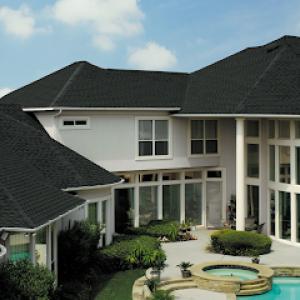
RidgeLine Roofing - Restoration is a locally owned and operated company located in Collierville. We have an A+ rating with the BBB. We are proudly able to state that we are GAF Master Elite contractors. At RidgeLine, we strive to make sure we go above and beyond to make sure all of our customers are completely satisfied.
CentiMark Corporation
(901) 786-6880 www.centimark.com
671 S Rowlett St, Collierville, Tennessee
4.8 from 30 reviews
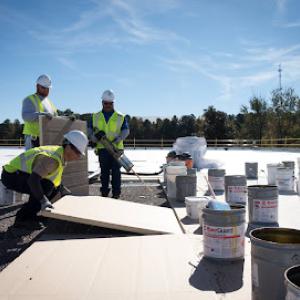
CentiMark is a leading provider of commercial roofing solutions, serving Memphis and surrounding areas in Tennessee, Mississippi and Arkansas. We are dedicated to addressing unique regional challenges such as harsh weather conditions, which can cause leaks, storm damage or premature roof aging. Our services include commercial roofing, industrial roofing, roof repairs, emergency services and preventative maintenance customized to the specific needs of each area we serve. From flat roof replacement to metal roof restoration, CentiMark's team of experienced professionals is committed to delivering high-quality workmanship and exceptional customer service. Trust CentiMark for all your roofing needs in the Mid-South region.
Roofing The 901
(901) 568-3387 www.roofingthe901.com
Collierville, Tennessee
5.0 from 10 reviews
Roofing The 901 is the leading roofing contractor in the Greater Memphis area, catering to all roofing needs. With years of expertise, our highly skilled team is dedicated to quality craftsmanship and exceptional customer service. From minor roof repairs to complex installations, we ensure cost-effective solutions and a hassle-free experience, backed by top-of-the-line materials and technologies. Trust Roofing The 901 to enhance the integrity and elegance of your property's most vital asset.
Roofworks
(901) 503-3040 roofworksmidsouth.com
628 Chaney Dr B, Collierville, Tennessee
4.5 from 24 reviews
Welcome to Roofworks, LLC – Your Roofing Solution! Discover unparalleled roofing solutions, where expertise, reliability, and excellence converge. As a trusted partner for over 14 years, we take pride in offering peace of mind to our communities through competitive pricing, flexible financing, and a commitment to quality craftsmanship. Whether you're a commercial entity or a homeowner, Roofworks, LLC is your one-stop destination for all roofing needs. Our skilled professionals are dedicated to delivering top-tier service, ensuring the longevity and resilience of your roof. As a locally-owned and operated business, we are more than just a roofing company; we are your neighbors, committed to the well-being of the areas we proudly serve.
Simon Roofing
(901) 794-2502 www.simonroofing.com
2010 W Poplar Ave, Collierville, Tennessee
5.0 from 1 review
Simon Roofing is a leading roofing contractor in Memphis, Fayette, Shelby, Tipton and surrounding areas. We offer commercial roofing repairs, restorations, replacements and inspections to a wide variety of facilities. We are fully accountable for your roof's performance and back our work with a true labor and materials warranty. We also understand that when it comes to roof leaks, you need them fixed ASAP so we are available 24/7 to handle your repair requests.
Sam's Construction
(901) 849-1847 samsconstruction901.com
Serving
5.0 from 72 reviews
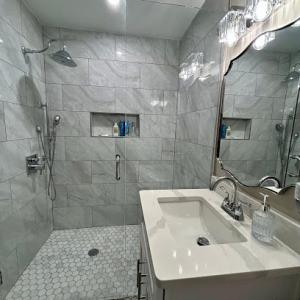
Sam's Roofing and Remodeling is a fully licensed and insured roofing contractor and construction company based in Memphis, TN, USA. They specialize in both residential and small commercial projects, including bathroom remodels. With a team of experienced and skilled professionals, Sam's Construction is committed to providing high-quality workmanship and customer satisfaction.
Asphalt shingles are the dominant practical choice in this market, and for good reason: they pair well with the typical home stock around town, are easy to repair, and install quickly after a claim. The Memphis-area heat and humidity can shorten shingles' life if ventilation and underlayment are weak, so this option shines when paired with solid attic ventilation and a high-quality underlayment. Architectural shingles with dimensional layering tend to hold up better under the repeated sun and storm cycles than basic 3-tab varieties. When selecting asphalt, look for a good warranty, a wind-resistant nailing pattern, and compatibility with a ridge-vent or continuous soffit-to-ridge ventilation plan. In practice, you'll want a contractor who emphasizes proper attic intake and exhaust to prevent heat buildup that can blister edges or curl corners after a heavy storm.
Metal is a meaningful local specialty for homeowners aiming to boost wind performance and durability during recurring storm cycles. Metal panels resist wind-driven debris better than most shingles when installed with proper seams and concealed fasteners. In a hail-prone climate, the concern shifts to denting and visible damage, so ask about panel thickness, coating, and repair options that don't compromise water management. A metal roof also benefits from a well-designed ventilation plan to manage heat transfer into the attic. If you anticipate frequent hail events or want quicker storm repair, metal can offer faster replacement cycles, but ensure the deck and supports are rated for the added weight where applicable and that flashing transitions are designed to handle seasonal humidity changes.
Clay tile, slate, wood shakes, and fiber cement appear in the market but require careful structural and installation planning. These systems age differently under storm debris, humidity, and seasonal weather swings. Clay tile and slate are heavy; a retrofit may demand a reinforced deck and precise fastener schedules to resist uplifting during strong winds. Wood shakes bring a natural look but can warp or rot with high humidity if ventilation is lacking and if attic moisture isn't controlled. Fiber cement offers a middle ground with better resistance to moisture than wood but still demands a solid underlayment and careful fastening to avoid cracking after hail impacts. In every case, a professional assessment of roof framing, attic ventilation, and moisture management is essential before committing to one of these options.
When choosing among these options, consider the balance between wind resistance, hail survivability, and humidity management. A well-ventilated attic and a robust underlayment are as important as the shingle or panel itself. For homeowners facing frequent spring and fall storm activity, prioritize systems that allow rapid inspection and straightforward repair after hail events, and lean toward materials with established performance in the local storm belt. Debris and humidity will influence aging, so ensure the installation plan accommodates seasonal swings and ongoing maintenance checks after major storms. If unsure, consult with a local contractor who can evaluate structural readiness, ventilation quality, and weather history to guide a durable, storm-friendly choice.
In this area, the Memphis storm belt drives insurance-heavy reroofing cycles after hail and thunderstorm events. Spring and fall become the operating seasons when crews are most available, schedules loosen less and pricing becomes steadier-yet post-storm surges can tighten calendars quickly. After a damaging event, expect authorized crews to be in high demand and lead times to lengthen, which can push both scheduling and material costs upward for a short window. Planning around the peak windows-without delaying necessary replacement-helps avoid the worst of the rush pricing.
Material choice matters sharply here. Asphalt shingles run about 350 to 700 USD per square, metal between 600 and 1100, clay tile from 900 to 1600, wood shingles or shakes 600 to 1100, slate 1200 to 2000, and fiber cement shingles 450 to 900. In practice, a homeowner will see the most cost-effective replacement with asphalt if the roof structure is typical and the desire is a balance of durability and value. For homes with stronger wind exposure or where a longer service life is a priority, metal or tile options can be worth the premium, but they also bring premium installation considerations. A slate or clay tile choice profoundly shifts project logistics and weight on the roof deck, which can influence preparation and replacement requirements.
Spring and fall are the preferred install seasons in Collierville, so homeowners often see the strongest competition for calendar space during those windows. When a storm event hits nearby, scheduling can tighten within days and the resulting demand can nudge up bids from multiple crews. If a claim is involved, material selection and roof preparation timelines will intertwine with insurance adjuster coordination, which can further affect pricing and scheduling. Because post-storm demand can spike, it's wise to secure a trusted contractor early after a claim is approved and avoid the height of the rush period if possible.
Begin with a conservative budget that accounts for the variability in post-storm pricing, especially in the weeks immediately following a hail event. If the roof is aging or compromised, consider the benefit of replacing under a well-established crew with a track record of handling insurance claims smoothly, rather than chasing the lowest upfront bid. For common asphalt projects, think in terms of a per-square cost within the outlined range, then add a contingency for potential deck reinforcement, underlayment upgrades, or additional venting that sometimes becomes necessary under heavy inspection regimes. When choosing materials, weigh the trade-off between initial cost, expected lifespan, and monthly energy or maintenance implications, especially in humid summers and variability in Memphis-area storms.
Get a clear picture of your project costs upfront - no commitment required.
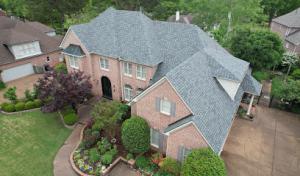
Miller Roofing & Renovations
(901) 457-9405 millercompanyroofing.com
242 E Poplar Ave, Collierville, Tennessee
5.0 from 208 reviews
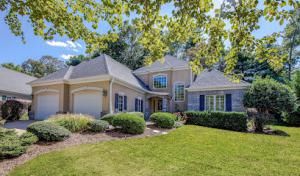
Republic Roofing & Restoration
(901) 617-7670 republicexteriors.com
9798, 91 Peyton Pkwy #101, Collierville, Tennessee
4.9 from 262 reviews
A full roof replacement in this area typically requires a building permit through the Town of Collierville Building Department. The permit process helps ensure the installation meets local codes, wind uplift requirements, and drainage standards that are especially important after severe spring storms. The permit application may be submitted by either the contractor or the homeowner, which affects who is responsible for paperwork and coordination. If the homeowner handles the permit, you'll be the primary point of contact for the Building Department, scheduling inspections, and providing documentation. If the contractor submits the permit, confirm who will keep track of all forms, notices, and any changes to the scope as the project progresses. Regardless of who submits, keep copies of the permit, plan set (if required), and inspection notices in a folder you can reference during the project.
Before work starts, verify the contractor has a valid license, proper insurance, and the necessary local approvals. In Collierville, a typical reroof will require material specifications, installation details, and a site plan or roof layout if the project is large or involves attic or ventilation changes. Have a clear contract that outlines who buys and stores the materials, how waste is disposed of, and how changes to the plan are approved. Prepare for a potential inspection schedule by locating your attic access, flashing details, and vent terminations, as these are commonly checked items during the process. If there is an HOA, confirm any additional approval requirements or restrictions before the permit is pulled.
Inspections are scheduled during the project and after the work is completed to verify installation quality and code compliance. Expect at least a rough-in inspection while the deck is opened or underlayment is installed, followed by a final inspection after shingles or other roofing materials are fully installed. A weather-constrained spring and fall window often influences inspection timing, so coordinate with the Building Department and the contractor to avoid delays caused by rain or high winds. The inspector will review ventilation, attic insulation compatibility, and proper sealing at flashings, valleys, and penetrations to ensure the roof can perform through Memphis-area hail and storms.
Track all permit-related communications in one place, including submission receipts, inspection appointment dates, and any required corrections. If the contractor handles the permit, request a written checklist of what is needed for each inspection and who will be present. On completion, secure the final inspection clearance and keep the document for home records and insurance needs. A well-documented permit path helps minimize surprises when storm-related claims or future maintenance arise.
In the Memphis-area climate, hot humid summers accelerate underlayment aging, making hidden moisture-related deterioration a bigger concern in Collierville than in drier markets. The combination of humidity, dew point swings, and daily temperature highs can push roof underlayments toward accelerated breakdown long before a visible leak develops. That means what you don't see from the ground-condensation in the layers beneath shingles, micro-tears from heat cycling, and compromised seals around vents and penetrations-can quietly worsen over a single season. If the attic feels damp after a rain or you notice skin-deep moisture staining on interior sheathing, it's a sign to pause and investigate before pursuing a full replacement.
High summer heat can complicate installation conditions locally, which is one reason many Collierville projects are pushed into spring or fall. Shingle crews will encounter adhesive and nail-hold challenges when heat softens membrane underlayment or roofing felt, and long, humid days can affect ventilation on the rooftop and in the attic. When the roof deck has aged beyond its prime, installers may discover softened plywood or edge fasteners that don't seat cleanly in hot weather, inviting wind-driven leakage later on. Scheduling work for cooler mornings or shoulder seasons reduces these risks and helps ensure the new underlayment lays flat and seals properly.
Winter rain and temperature swings in this region can expose roofs already weakened by summer aging, especially after storm seasons. A sequence of hot, humid months followed by cold snaps and heavy rains can stress compromised underlayment joints, seams, and drip edges. In practice, that means a roof that seemed fine in spring might reveal hidden damage after a mid-winter thaw or a series of cold fronts. Pay attention to attic condensation, moldy smells, or wet patches near roof penetrations after a precip-heavy period. These indicators suggest that underlying wear is more extensive than it appears from the eaves.
After hail or thunderstorm activity, perform a careful interior and exterior check for signs of moisture intrusion around vents, chimneys, and skylight flanges. If you notice damp insulation or warped attic boards, address it promptly; delaying can couple with summer wear to accelerate decay. Plan reroofing during the cooler shoulder seasons when heat and humidity are lower, and ensure your contractor prioritizes proper underlayment installation and ventilation as part of the project. Regular attic ventilation and a swift response to any roof area that shows moisture intrusion help mitigate the long-term consequences of humid summers.
Emergency response is a real local need because storm-driven roof damage in this area can be severe enough that many contractors actively market rapid leak and tarping service. If you notice active leaks, water streaming or dripping into living spaces, prioritize safety first: avoid electrical contact with water and move people and valuables away from pooled water. Time matters because spring thunderstorms and fall wind events can leave roofs exposed long enough for secondary damage to attic spaces, ceilings, and insulation. Call a contractor who offers 24/7 emergency tarping and roof stabilization, then clearly describe the leak's location and roof surface conditions. If you can safely access the attic, locate the source of the seep and place a temporary barrier-anything waterproof and sturdy-to slow further intrusion until a professional can assess.
Fast temporary protection matters here because spring thunderstorms and fall wind events can leave roofs exposed before full replacement crews are available. If tarping isn't immediately possible, use heavy-duty plastic sheeting or tarp secured with battens or plywood to cover the most vulnerable areas, especially around flashing, valleys, and skylights. Avoid freestanding ladders and unanchored tarps in windy weather; have a second pair of hands assist with securing materials. Document damage with photos from multiple angles, noting nearby trees that may have fallen or shifted debris. If you must wait for a crew, keep interiors ventilated and monitor any new signs of leaking after each storm.
Scheduling bottlenecks are common after regional storm outbreaks, so homeowners often need temporary stabilization before permanent repairs begin. Contact your insurer promptly to report the incident, and keep a detailed log of dates, weather events, and attempted temporary fixes. When a crew arrives, have them prioritize the most at-risk areas first-roof intersections, vents, and damaged shingles-to minimize further intrusion while planning a full replacement window. Stay proactive about follow-up inspections and confirm the expected timeline for full restoration so the home remains dry during peak seasonal activity.
When you can't wait, these contractors offer fast response times to stop leaks and prevent further damage.
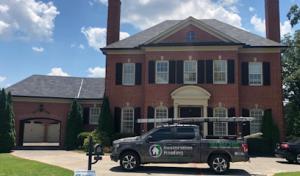
Restoration Roofing
(901) 854-3402 www.restorationroofing.com
452 Distribution Pkwy, Collierville, Tennessee
4.9 from 613 reviews
Skylights are a common leak source after storms in this area, and a repair signal tends to show up quickly after hail or windy events. Look for dark stains along the skylight curb, moisture along framing, or peeling interior paint near the skylight shaft. Sealant blistering or gap widening at the flashing is a sure clue that immediate attention is needed. Prioritize inspections after major rain bursts or windstorms, since hail can micro-denter edges and force leaks to travel along the flashing plane.
Every roof transition or penetration deserves careful scrutiny because humidity and frequent thunderstorms push these spots to the top of the priority list. Start at the chimney, vent pipes, and skylight housings, then move along dormers, vent stacks, and eaves where roof-to-wall transitions occur. Check for lift in flashing, loose fasteners, or discoloration indicating past water intrusion. In humid, stormy environments, you'll often find that sealant degrades faster than the surrounding roofing material, so plan for early resealing or flashing replacement rather than waiting for a full roof tear-off.
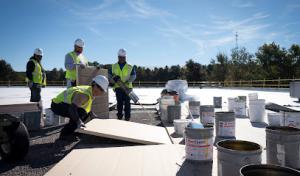
Flat and low-slope roofs appear often enough among local contractors to warrant separate attention. Drainage must be unblocked, and flashing details around edges, penetrations, and terminations with drain outlets must be robust. After heavy seasonal rain, pay attention to ponding water that persists near flashings or at transitions where the deck meets vertical walls. Confirm that internal gutters and scuppers are clear, and test edge flashing for resiliency. If water sits near the parapet, inspect the membrane seam for separation or nicked details that invite slow leaks.
After a significant storm, walk the roof with a flashlight at dusk to highlight moisture staining and hairline leaks. Keep a close eye on high-risk areas-skylights, vents, and transitions-throughout the spring and fall when hail and microbursts are most likely. If any doubt exists, call a roofer who specializes in penetrations and low-slope systems to perform a targeted diagnostic before more extensive damage develops.
Find specialists in TPO, EPDM, and built-up flat roofing systems for residential and commercial properties.
Republic Roofing & Restoration
(901) 617-7670 republicexteriors.com
9798, 91 Peyton Pkwy #101, Collierville, Tennessee
4.9 from 262 reviews
Reborn Roofing
(901) 300-3939 www.rebornroofing.com
761 Chaney Dr, Collierville, Tennessee
5.0 from 66 reviews
CentiMark Corporation
(901) 786-6880 www.centimark.com
671 S Rowlett St, Collierville, Tennessee
4.8 from 30 reviews
In a market crowded with quick-response reroofing crews, homeowners often notice who shows up fastest and who leaves the mess behind. Look for a contractor who demonstrates storm responsiveness not just in a single phone call, but in a timely, organized process from initial intake through to final clean-up. A reliable team won't rush the job, but they will schedule the work promptly after hail or severe thunderstorm events and keep neighbors posted about progress. Pay attention to how they handle debris, fallen gutters, and shingle fragments-cleanliness after a job is as telling as the roof itself.
Licensed, insured, long-established, and manufacturer-certified firms are present in this market but are not universal, making credential checks especially important after major storm events. Verify current licenses and request proof of general liability and workers' comp coverage. Check if the contractor maintains a stable address and a track record with local references. Manufacturer certification matters too; it often ties to proper installation practices and access to warranty protections. If a business changes hands or pivots quickly after a storm, that is a red flag you don't want to overlook.
Because insurance-related work is so common in the Memphis area, homeowners should confirm whether a contractor can document damage clearly and coordinate effectively with adjusters. A competent roofer will provide written assessments, photos, and a scope of work that aligns with the adjuster's needs. They should be able to attend adjusted meetings or meetings conducted remotely, translating roofing terms into plain language for the homeowner. If the contractor struggles to communicate damage or to align with the insurer's process, consider alternatives. The right partner makes the insurance path smoother, not more puzzling.