
Last updated: Apr 19, 2026
Spring storm lines slam West Tennessee with hail and strong wind, and Jackson homeowners commonly face roof issues right after these events. Hail can leave pockmarks, granule loss, and hidden core damage that accelerates with the hot humid summer ahead. Wind-driven uplift can peel shingles, loosen flashing, or lift edges where gutters and vents meet the roofline. When a storm passes, inspect with a flashlight at dawn or dusk, looking for lifted tabs, dark lines indicating moisture intrusion, and granules rattling in gutters. If you see active leaking or ceiling staining, treat it as urgent and plan a swift assessment.
In the hours after a storm, you need to create a triage plan. Start by clearing debris from the roof and gutters only if it's safe to do so; otherwise, wait for a pro. Document damage with photos from ground level and, if possible, a drone or ladder-safe angle that captures the ridge, valleys, and edges. If shingles are torn or edges are curled, you likely have faster moisture intrusion risk. Cover exposed areas with a lightweight waterproof tarp or heavy-duty plastic secured with battens or non-penetrating weights until a contractor can evaluate. In hot, humid summers, moisture under a damaged roof can quickly lead to attic humidity, mold risk, and accelerated rot, so plan for a professional response without delays.
The local contractor signal mix leans heavily toward storm damage, emergency repair, and insurance-claims services. That means you'll find many crew calls driven by immediacy rather than long-term upgrades. When choosing help, prioritize firms that pair rapid response with a clear assessment approach: a roof inspection that identifies hail impact (shiny or dull spots on metal, bruised shingles, fractured tabs) and wind-related failures (lifted shingles, flashing gaps). Ask for a written checklist of what will be inspected, how moisture testing will be conducted, and a transparent plan for temporary protection if rain is forecast before work begins. This focus ensures you aren't rushed into unnecessary replacements or undocumented repairs.
Storm-damaged roofs that are left exposed can worsen quickly through moisture intrusion and attic humidity. To minimize interior damage, seal attic penetrations temporarily with weatherproof coverings, especially near vents, chimneys, and skylights. If the attic has a humidifier or ventilation issues, ensure ventilation remains balanced to prevent condensation that could corrode framing or insulation. A contractor who coordinates with your insurer can help you understand what to document for claims and how moisture mitigation steps fit into the repair timeline.
With hot humid summers ahead, plan repairs promptly while ensuring you have a durable, weather-appropriate solution. Early-season planning helps avoid secondary damage from sudden afternoon storms. When you schedule, confirm material compatibility with expected summer heat and humidity, as some roof systems tolerate temperature swings better than others. Prioritize a weather-safe installation window and a replacement approach that guards against moisture infiltration as soon as possible after assessment.
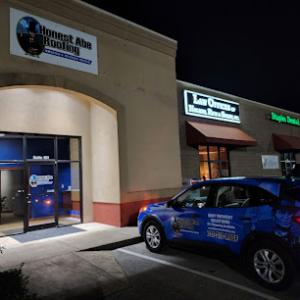
Honest Abe Roofing Jackson, TN
(901) 673-9394 www.honestaberoofing.com
3021 US-45 BYP, Jackson, Tennessee
5.0 from 110 reviews
Honest Abe Roofing has been installing, repairing, and maintaining residential roofs since 2007. It is our goal to bring a customer service focus to the roofing industry. We are aware that we are providing a very important and necessary service to many homes, so we work incredibly hard to provide the best possible roofing at the most competitive pricing. All of our customers are very important to us, and we want to give them a perfect roof to protect their home and keep them comfortable. Each of our professionals is fully certified and has passed extensive background checks and drug tests, so you can rest easy knowing you have a completely reliable team of experts working on your home.

Southern Roofing & Renovations
(731) 426-5349 southernrnr.com
1006 S Highland Ave, Jackson, Tennessee
4.8 from 132 reviews
At Southern Roofing and Renovations, we are dedicated to delivering top-quality roofing and renovation services. We are committed to excellence and 100% customer satisfaction. With years of experience serving the southern and southeast areas of the United States, our team prides itself on craftsmanship, reliability, and attention to detail. Whether you’re in need of a new roof, repairs, or a full renovation, we provide personalized solutions that meet your unique needs. We’re passionate about turning your vision into reality while ensuring a guided experience from start to finish. Trust Southern Roofing and Renovations to protect and enhance your home with the care it deserves.
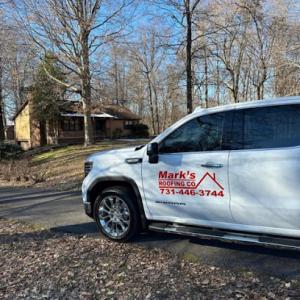
Mark’s Roofing Company
(731) 446-3744 www.marksroofingcompanytn.com
38 Old Hickory Cove B-135, Jackson, Tennessee
4.8 from 59 reviews
Mark's Roofing is a trusted Roofing Contractor serving Jackson, TN, and surrounding areas since 2009. Specializing in both residential and commercial roofing needs, we offer expert services in metal and shingle roofing, maintenance, inspections, and emergency repairs. With a commitment to quality craftsmanship and customer satisfaction, our team delivers reliable solutions for all your roofing requirements. Contact us today for a free estimate and ensure your property is protected with Mark's Roofing
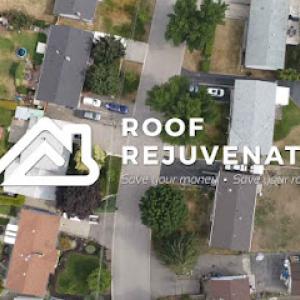
Roof Rejuvenate of West TN
(731) 616-0178 go.roofrejuven8.com
97 Directors Row, Jackson, Tennessee
4.9 from 36 reviews
Roof Rejuvenate of West TN helps homeowners extend the life of their asphalt shingle roofs through professional roof rejuvenation and maintenance services. As shingles age, they naturally lose the oils that keep them flexible and waterproof. Our rejuvenation process is designed to restore flexibility, slow cracking, and help roofs age more gradually — often delaying the need for full replacement. We start every project with a free roof inspection to evaluate condition and determine if rejuvenation is a good fit. Our eco-friendly treatment is safe for people, plants, and pets. 📍 Proudly serving West Tennessee ✅ Free roof inspections available
Elite Contractors
(731) 300-3510 elitecontractorsus.com
110 Directors Row, Jackson, Tennessee
4.7 from 102 reviews
We are Elite Contractors, LLC. Your one stop for all of your commercial, residential, & insurance restoration construction needs. Elite Contractors, LLC is a Tennessee unlimited licensed, bonded, and insured General Contractor located in Jackson, TN. For over 20 years, the staff at Elite has strived to deliver the highest quality customer service, skilled tradesman, and building products in the industry. Our experienced team is dedicated to exceeding your expectations in the hope of serving all of your construction needs now and into the future. We are grateful for the opportunity to earn your business.
Titan Roofing & Construction
2192 Express Dr, Jackson, Tennessee
4.7 from 88 reviews
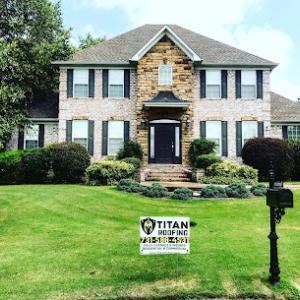
Titan Roofing & Construction is one of the best roofing companies in Jackson, TN, that offers high-quality residential and commercial roofing services. Titan Roofing & Construction is a locally owned, family-run, and nationally recognized roofing contractor who you can contact if you need residential roof repair, replacement services, and hailstorm damage repair. Besides residential roofing services, business owners can get in touch with Titan Roofing & Construction when they need commercial roof repairs, replacements, installations, and metal roofing for their business properties. Therefore, don’t hesitate to call Titan Roofing & Construction anytime and request a free inspection or an estimate!
Best Choice Roofing
(731) 224-4195 bestchoiceroofing.com
367B North Pkwy # 3, Jackson, Tennessee
4.5 from 64 reviews
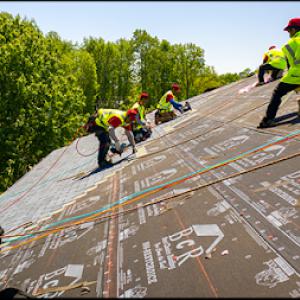
Best Choice Roofing is your trusted roofing expert and the Best Choice when it comes to choosing a roofing company with a commitment to impeccable customer service. In business since 2009, Best Choice Roofing’s industry-leading contributions to the roofing industry include a customer-first mentality, a dedication to top-quality products and a leadership team focused on the growth of its people. Because of this framework, we have created a loyal base of customers all over the United States.
Admiral Custom Roofing
(901) 461-0740 admiralcustomroofing.com
250 North Pkwy #29, Jackson, Tennessee
4.9 from 7 reviews
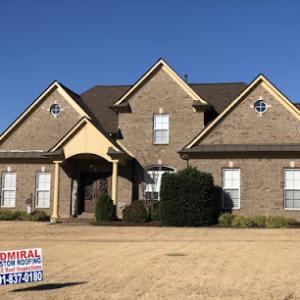
Admiral Custom Roofing was founded in 2016 by Roger McMullen. With many years in the roofing industry, Roger just thought there was a little something missing that he wanted to make better. The client experience, Roger feels the experience you have with your roofing company should be special and this is why he opened Admiral Roofing. Roger’s father was a homebuilder, so home construction was in Roger’s blood as a young kid. Growing up around home building and roofing Roger saw the need for the client experience to be improved and to be excellent. The Admiral Custom Roofing team is dedicated to every client.
L&L Construction & Renovations
(731) 968-7706 llrenovations.com
484 Henderson Rd, Jackson, Tennessee
4.4 from 7 reviews
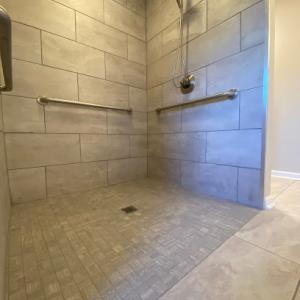
Construction and Renovations company located in Jackson TN and serving all of West TN.
Strickland Roofing
(731) 424-7496 www.stricklandroofingcompany.com
729 Browns Church Rd, Jackson, Tennessee
4.4 from 7 reviews
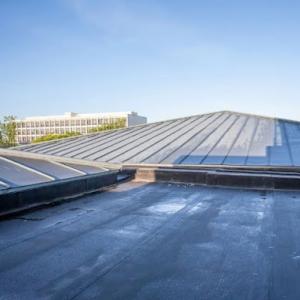
Strickland Roofing Company is an award winning contractor. We have been the recipient of the Carlisle's Perfection Award. This award is given to the top Carlisle Authorized Applicators based on quality, low warranty claim incidents, and continuous product application. In addition to Strickland Roofing Company's long standing relationship with Carlisle, we are also Authorized Installers of Firestone, FiberTite and Siplast products. Originated in Mississippi in 1979 and later expanding to West Tennessee area, Strickland Roofing Company is your trusted choice for commercial roofing installations, replacements and consultations.

Jackson Commercial & Residential Roofing
323 W University Pkwy, Jackson, Tennessee
4.3 from 8 reviews
Jackson Commercial and Residential Roofing has been serving the Jackson, Tn area for over 10 years. Our services are wide-ranging and include: roof installation, roof repairs, and roof inspections. Our team is able to work on all types of repairs, reguardless if you need shingles replaced or if you have problems after a storm has affected your neighborhood. We can work on homes as well as commercial buildings. If you need solutions for your business, this isn't a problem for us. We have experience with some of the most common types of flat roof coatings, as well as single ply roofs, so we should be able to accommodate you. Call now to see how we can help you. 731-609-1026 or vusit our website.
We Do That & More
26 Brentshire Square Ste. A, Jackson, Tennessee
4.7 from 3 reviews
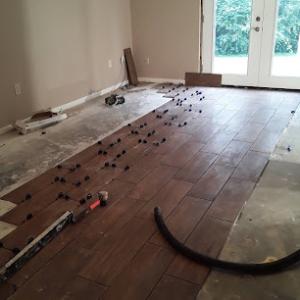
We Do That and More Llc is a full home repair service provider dedicated to serving our customers , with all there home repair needs. "From the roof to the floor " "We Do That and More"
Replacement windows in this area respond to Jackson's distinct seasonal pattern. Spring hail and wind events can elevate the need for upgraded or resealed units, while hot, humid summers stress seals and energy efficiency. Scheduling is influenced by the milder shoulder seasons-spring and fall-when temperatures are comfortable for installation and interior acclimation. In practical terms, plan window projects to avoid peak summer heat when crews are at higher risk of heat exhaustion and material handling becomes more challenging, and to steer clear of the wettest parts of winter when crews contend with moisture and condensation risks inside homes.
Spring is a high-demand window for replacements after storms, when homeowners notice drafts, condensation between panes, or reduced performance of current units. If a hail event has caused cosmetic or functional damage to sashes, frames, or mullions, addressing it in early spring helps prevent further interior moisture intrusion. Fall also presents a reliable window for upgrades, as temperatures begin to cool and the risk of ice damming is lower than in the thick of winter. Completing installations in fall supports proper interior acclimation before winter and helps ensure weather-tightness ahead of freezing conditions.
For steady comfort through hot summers and humid conditions, look for windows with high-performance glazing and low-emissivity coatings. Energy efficiency matters here: triple-pane options can offer improved insulating value for attic and upper-floor rooms, while double-pane designs with gas fills and sealed edges provide strong resistance to condensation and wind-driven leaks. Mortised frames and weatherstripping that resists elongation in heat help maintain a tight seal over many seasons. In storm-prone periods, choose impact-resistant glass or laminated panes where applicable, and ensure the hardware and locking mechanisms operate smoothly after exposure to humidity.
Selecting a contractor with local storm-season experience pays dividends. Ask for references from projects completed in spring or fall and verify that crews use water management practices that protect soffits, fascia, and edge details. For homes with historic or architectural features, verify that replacement units preserve curb appeal while meeting modern performance standards. Prioritize proper flashing around rough openings and transitions to exterior siding, as Jackson's climate can expose edges to driving rain and wind shortcuts if these details are not addressed. If a sunroom or southeastern exposure exists, consider glazing choices that minimize heat gain while preserving daylight.
Post-installation maintenance should align with Jackson's seasonal rhythms. Schedule periodic inspections after spring storms to confirm seal integrity and check for wind-driven gaps or debris accumulation. Clean tracks and hardware to maintain smooth operation, and address any misalignment promptly to prevent drafts. A well-timed replacement window project, chosen for performance and climate resilience, helps maintain comfort and curb appeal through Jackson's variable spring and fall conditions.
In Jackson, asphalt shingles sit at the lower end of the provided cost range and align with the city's dominant reroofing market, while tile systems are far more expensive and less common for standard replacement projects. When budgeting after a spring hail event, expect typical asphalt projects to land toward the lower-mid part of the range, roughly a few hundred dollars per square above the bare installation price if quick-only leak repairs are needed. If a full roof replacement follows a storm, the price can creep higher as demand tightens and crews compete for limited slots. Tile systems, whether clay or concrete, push toward the upper end of the spectrum and are chosen selectively, often when a property's structure and long-term performance plan justify the extra cost and heavier installation footprint.
Material choice in Jackson is tied to climate performance: metal is often considered for durability in hail and wind exposure, while humidity and heat can affect installation pace and labor conditions in summer. Metal roofs tend to hold up better under spring hail bursts and high-wind gusts, but installation can be slower during the hottest weeks, which can translate to higher labor costs in peak season. Asphalt keeps a steady pace and is familiar to most local crews and homeowners, making scheduling more predictable even after a weather event. Tile options-both clay and concrete-deliver long-term durability but bring added weight and specialized install requirements that can complicate quick-turn plans after storms.
Storm-driven demand spikes in Jackson can push pricing pressure higher after major spring weather events, especially for fast-turn leak response and full reroofs. If hail damage is widespread in a neighborhood, materials may temporarily become scarce and crews may prioritize emergency leaks, driving up labor rates and material markups. For a homeowner facing a sudden need following a storm, it's practical to obtain multiple quotes quickly and ask about crew availability, anticipated lead times, and the possibility of staged work when safe to do so. In these windows, asphalt projects-given their commonality-often remain the most time-efficient path, but the choice should still reflect long-term performance expectations.
Labor conditions in summer can affect project pacing. Humidity and heat can slow crews, particularly on heavier systems like concrete or clay tile, where handling and placement require careful sequencing. If a reroof is required, plan for potential longer project durations in the hot months, and discuss with the contractor whether staging is feasible to reduce heat exposure for occupants and crew. For metal roofs, anticipate precise fastening and seam work; the faster you can complete weatherproofing, the sooner the home regains full protection, but ensure that speed does not sacrifice installation quality.
When selecting a material, weigh the cost difference against expected life, maintenance, and the local storm history. Asphalt is a practical default for many homes and aligns with Jackson's dominant reroofing market, offering predictable scheduling and cost. For homes with higher exposure to hail or wind, metal can provide resilience that may justify a higher upfront price and potentially steadier protection through multiple spring seasons. Tile remains a premium path, best suited to roofs with the structural support to handle weight and where long-term durability and aesthetic preference align with the higher lifecycle cost. Regardless of choice, plan for spring and early summer windows to coordinate with weather forecasts and the city's typical repair cadence.
A full reroof in this area generally requires a permit through the local Building Department, with the application tied to the project scope. In practice, that means you should have your contractor present a clear plan that outlines shingles type, underlayment, venting changes, and any decking or structural work if needed. The Building Department will use the scope to determine what code provisions apply and to ensure proper drainage and ventilation meet local standards. It is common for the permit to be issued in the name of the property owner, with the contractor acting as the permit holder or agent. Expect to provide a site plan or layout showing roof dimensions, attic access, and vent locations, along with a description of the proposed materials. Because Jackson's climate brings spring hail and wind, the permit review may flag upgrades to underlayment or intake/exhaust venting to better handle storms and humidity. If the project includes added attic ventilation or a revised ridge line, have those details documented up front.
Reroof work may be inspected during installation and again at final completion. During installation, inspectors commonly review underlayment installation for proper overlaps, nailing patterns, and weather protection around openings. Venting and attic access provisions are another frequent focus, since inadequate venting can create moisture issues in our hot, humid summers. Final inspections typically verify that the roof surface matches the approved plan, that fasteners are correctly placed, and that all penetrations-such as vents, chimneys, and skylights-are properly flashed. In Jackson, weather windows can influence inspection timing, so coordinate with your contractor to align the work pace with inspection slots. If the home sits within an historic district or has features tied to historic properties, expect added attention at final review. The inspector may request documentation of material substitutions or adjustments to flashing details to ensure compatibility with local building codes and historical preservation guidelines.
Projects involving structural changes, such as deck or truss upgrades, or work affecting historic properties can trigger added review beyond a straightforward shingle replacement. In these cases, the Building Department might require structural calculations, framing inspections, or reviews by a historic preservation officer. Planning ahead for these reviews helps avoid delays that could push storm-season scheduling into peak wind risk periods. If your home sits in a historic zone-compare the proposed roof profile, color, and materials with any local guidelines-have the contractor prepare a plan that demonstrates compliance and aesthetic alignment with surrounding structures. Coordination between the contractor, the building official, and, if applicable, a historic commission, will smooth the process and reduce the chance of rework after the initial verdict.
In this hail- and wind-active environment, insurers commonly scrutinize roof age and condition during underwriting and after storm claims. The emphasis is practical: a roof that has already shown wear or partial failure is more likely to trigger denials or reduced coverage on future claims. Understand that the moment a claim is filed, the insurer will review whether the roof's current state matches the documented condition before the damage occurred. Clear, consistent records help you stand up to that review.
Homeowners should expect requests for pre-loss or post-storm photos, contractor inspection notes, and documentation showing the roof's condition before repairs begin. These materials should illustrate visible damage, banner conditions like curling shingles, and any prior repairs. Keep a dated, organized archive: photos staged by season, notes from a trusted local roofer, and any previous inspection reports. When an adjuster arrives, you want to be able to show a coherent timeline from before the event to the present state.
Some carriers serving Tennessee may require ventilation or underlayment updates during replacement before issuing or renewing coverage on an older roof. This is not a universal rule, but it does occur in the wake of heavy hail and strong winds. If your roof is older or shows signs of aging, consider coordinating with a trusted contractor to document recommended upgrades that align with the insurer's possible expectations. The goal is to avoid delays or disputes when a claim is processed or a renewal is set.
Establish a routine for photographing your roof from multiple angles each spring and after significant storms. Have a licensed contractor's inspection report ready, noting shingle condition, flashing integrity, and overall roof deck readiness. Keep a concise timeline of weather events, repair work, and communications with the insurer. When you participate in the claims process, present your documentation calmly and consistently to support a fair evaluation.
Connect with contractors who help homeowners navigate the claims process from damage assessment to final approval.
Honest Abe Roofing Jackson, TN
(901) 673-9394 www.honestaberoofing.com
3021 US-45 BYP, Jackson, Tennessee
5.0 from 110 reviews
Southern Roofing & Renovations
(731) 426-5349 southernrnr.com
1006 S Highland Ave, Jackson, Tennessee
4.8 from 132 reviews
Mark’s Roofing Company
(731) 446-3744 www.marksroofingcompanytn.com
38 Old Hickory Cove B-135, Jackson, Tennessee
4.8 from 59 reviews
Jackson's dominant roofing mix includes asphalt shingles and metal first, with clay tile, concrete tile, wood, and synthetic products present but less typical for mainstream reroofing. In spring, when hail and wind are most active, asphalt shingles remain a practical fit because the replacement market and local contractor base are most comfortable with them. The key is selecting a product with improved granule adhesion and a stout membrane underlayment to resist hail bruising and wind uplift. Look for shingles that boast strong wind ratings and a proven track record in storm-prone settings, and discuss with a local installer how to maximize attic ventilation and flashing details to protect against driving rain.
Metal roofing draws interest for storm resilience and heat shedding, while heavier tile systems require closer attention to structural suitability before replacement. In this climate, metal can offer superior wind uplift resistance and quicker, cleaner installations. If choosing metal, consider panels with reinforced seams and a robust underlayment system. A properly conditioned roof deck and appropriate fasteners help ensure performance through sudden spring squalls and hail. Metal can also reflect the summer sun, which helps reduce attic heat, but ensure color and coating selections are rated for the region's temperature swings and UV exposure.
Clay tile and concrete tile present durable, long-lasting options, yet they demand careful structural review before installation in this area. Heavier tile systems require stronger roof framing and an accurate assessment of load paths to avoid Sagging and fastener failures during high-wind events. Wood shingles and shakes offer a distinctive look but bring their own maintenance needs and fire considerations. Synthetic or composite shingles provide a middle ground, blending lighter weight with good impact resistance, though performance varies by formulation. When evaluating alternatives, a Jackson-focused contractor will weigh wind uplift, hail history, and seasonal heat factors to determine which material meets both the home's aesthetic and the town's storm realities.
The most popular roofing material in the US. Find pros who install, repair, and replace asphalt shingles.
Honest Abe Roofing Jackson, TN
(901) 673-9394 www.honestaberoofing.com
3021 US-45 BYP, Jackson, Tennessee
5.0 from 110 reviews
Mark’s Roofing Company
(731) 446-3744 www.marksroofingcompanytn.com
38 Old Hickory Cove B-135, Jackson, Tennessee
4.8 from 59 reviews
Roof Rejuvenate of West TN
(731) 616-0178 go.roofrejuven8.com
97 Directors Row, Jackson, Tennessee
4.9 from 36 reviews
Attic moisture moves differently in this climate. The humid air of July and August can condense quickly if attic venting isn't up to the task after a reroof. In a typical home, intake vents near the soffit and exhaust vents at the ridge must coordinate with the new roof deck to keep moisture from warping sheathing or trapping heat above the attic. Before any shingle work starts, verify that soffit vents are clear, attic baffles are in place, and there is a clear path for air to reach the ridge. Doing this step pays dividends when weather turns sticky and storms roll through spring.
Jackson's hot, humid summers can slow the pace of material handling and sealing. Heat can affect roofing adhesives, sealants, and underlayment performance, so crews may adjust their schedule to cooler parts of the day and shorten daily roof exposure. Expect longer stays on steeper pitches, and plan for midday shade breaks for workers. In homes with limited attic access, crews may need temporary ventilation outriggers or extra fans to maintain workable temperatures. Proper ventilation keeps the porch, garage, and interior living spaces from pulling heat and moisture back through ceiling assemblies during the work.
Poor ventilation in the aftermath of storms can become more noticeable if intake and exhaust details aren't corrected during replacement. If soffit intake was damaged or ridge vents were capped for a quick fix, moisture can condense in the attic and cause lingering humidity, musty odors, or insulation inefficiency. Ensure that any storm repairs address both sides of the attic ventilation equation and verify a balanced, continuous path for air to move from intake to exhaust after the new roof is installed. This prevents heat buildup and moisture pockets once the humidity spikes again.
Although Jackson is primarily a pitched-roof reroof market, some homes and commercial buildings still need specialized low-slope repair attention after storms. When hail and wind gusts push rain against vent flashing, seams, and parapet edges, even a seemingly solid low-slope area can show hidden damage. In practice, that means a fast assessment after a spring hail event is critical; delayed repairs let water migrate and weaken the underlying roof deck. If a contractor spots failed seam tape, lifted flashing, or compromised field seams, plan for targeted repairs rather than a full-scale retrofit. Expect that low-slope work in this area often hinges on accurate pinpointing of water intrusion paths, which can require interior inspection to verify attic staining or mold risk before shingling or coating decisions.
Skylight penetrations in Jackson can become leak points when hail, wind-driven rain, or aging flashing coincide with deferred maintenance. A common hazard is flashing that has dried out or pulled away from the curb, allowing water to bypass the gasket and seep into the curb area. Over time, cracked glazing or failed flashings compound the problem, especially if a storm sequence hits before a seasonal check. If your skylight shows condensation, staining near the curb, or seasonally recurring damp spots on ceilings, treat it as a red flag rather than a nuisance. The fix often starts with thoroughly resealing or replacing flashing and ensuring the skylight curb is properly flashed and insulated to resist temperature-driven expansion.
Because local contractor signals show only limited flat-roof, roof-coating, and skylight specialization, homeowners with these details may need to screen more carefully for relevant experience. Ask for targeted examples: flat or low-slope repairs, proper flashing details around skylights, and evidence of reliable membrane or coating performance under Mid-South weather cycles. In practice, expect candid discussions about whether a contractor can diagnose moisture ingress beyond surface staining and whether they can coordinate between pitched-roof crews and any low-slope specialists if both areas need work. A careful witness test or written warranty on workmanship can help protect against recurring leaks after storm season.
Find specialists in TPO, EPDM, and built-up flat roofing systems for residential and commercial properties.

Jackson Commercial & Residential Roofing
323 W University Pkwy, Jackson, Tennessee
4.3 from 8 reviews