
Last updated: Apr 19, 2026
Spring in this part of the Ozarks brings a pattern you can set your watch by: sudden hail and gusty wind events that hammer roofs, then clear stretches that leave homeowners reassessing unseen damage. These swings push inspections, repairs, and even replacements into tight windows, especially after a cluster of storms. When a round of hail comes through, that clock starts ticking on the clock you have to mobilize quickly, because weather-driven demand will spike and contractors will juggle multiple jobs at once. Understanding this cadence helps you plan around inspections and avoid a long standstill when the next wave hits.
Missouri's hail- and wind-driven claim environment is not forgiving of ambiguity. Insurers frequently require photo documentation of damage, precise weather-date support, and a contractor's scope of work before approving any roof-related portion of a claim. That means you need clear, dated evidence of what was hit and how severe it looks from up close and from the ground. The photo set should cover shingles, flashing, vents, and any granule loss, with notes that tie each image to a specific date of the storm. Weather data should be sourced from a reliable local record for the day of impact-wind speed, hail size, and rain duration matter when the adjuster reviews your claim. A concise contractor scope helps the insurer see not just what happened, but what needs to be done to restore performance and water-tightness. Without this alignment, approvals stall, and the clock on repairs keeps ticking in unfavorable weather.
In a smaller market like West Plains, storm clusters can create sudden contractor backlogs after regional hail events. That backlog translates into longer waits for inspections and longer scheduling for full replacements, even when the damage is evident. If a hail event hits your street, don't wait for the last minute to initiate contact with your preferred roofing contractor and your insurer. The window for timely inspection shrinks as crews shift to high-demand areas, and delays here can cascade into inconveniences during the next thaw or rain period. Have a plan to secure a qualified local contractor who understands the terrain, the typical roof types in your neighborhood, and the seasonal timing that keeps projects moving.
Start by documenting your roof with recent, clearly dated photos from multiple angles-up close to illustrate granule loss and edge damage, and wider shots to show overall condition. Track the dates of any hail events and note wind speeds if you can access weather reports. Contact a trusted local roofing professional who has experience with Missouri claim requirements and who can provide a detailed scope of work that aligns with insurer expectations. When you file, present the contractor's scope alongside your photo set and the storm-date data so the adjuster can quickly understand the damage, the urgency, and the path to restoration. If your area experiences a fast-moving storm cluster, expect the possibility of staggered scheduling and prepare accordingly with a phased plan that prioritizes critical leaks and water intrusion.
As the claim advances, you'll likely coordinate through your adjuster to verify damage boundaries and ensure the scope matches what's visible on the roof and in the attic. Be ready to provide additional photos if requested and to supply any documentation that clarifies the storm's impact on attic ventilation, deck integrity, and flashing around chimneys or skylights. The goal is a repair or replacement that restores your roof to pre-storm performance and resists recurrence during the next round of Missouri weather swings. In short, immediate, precise documentation paired with a proactive contractor-backed plan keeps you from getting tangled in back-and-forth delays during West Plains' spring storm season.
Replacement work in this area is shaped by hot summers, cold winters, and regular precipitation. The high summer heat and humidity can push crews to work early or late in the day, and the risk of heat-related delays increases when materials sit in the sun. In winter, freezing temperatures and frequent freeze-thaw cycles slow labor and affect the handling of shingles, underlayment, and fasteners. The window for steady, quality installation tends to tighten when the most severe weather months arrive, so timing decisions should align with a stretch of temperate days rather than trying to push through a peak storm period. If a project is planned for late spring or early fall, it's often more practical to avoid the peak heat and the peak cold, while still allowing time for inspections and any necessary adjustments.
Spring in the Ozarks can bring sudden hail storms and sharp wind gusts that expose roofs to immediate damage. Planning a replacement or major repair ahead of or just after such events helps prevent back-to-back scheduling chaos. If hail damage is suspected after a storm, a swift but thorough assessment is wise, because moisture intrusion around flashing and penetrations can worsen with rapid temperature swings. Consider laying out a practical sequence: initial assessment, any temporary measures to seal exposed areas, then a targeted order of operations once conditions stabilize. In West Plains, a late-spring window with mild days and low precipitation reduces the chance that weather-related interruptions will derail progress. Maintain flex with the crew's schedule by allowing a short buffer for unexpected storm days, but avoid leaving exposed decking or flashing for extended periods as temperatures drop and moisture lingers.
During the colder months, moisture intrusion around flashing, penetrations, and vulnerable shingle edges becomes a primary concern. Freeze-thaw cycles can push and pull at sealants and fasteners, so approvals and material handling should anticipate some extra attention to sealant performance and edge integrity. If winter work is unavoidable, emphasize heat-masting and quality-control checks on every rough-in and sealant application. Post-winter maintenance should address any suspected micro-leaks or lift caused by repeated freezing, with a focus on re-sealing vulnerable edges before the first spring thaw gains momentum.
In the hottest part of summer, high humidity and heat reduce crew productivity and complicate material handling. Plan for the round-the-day rhythm: cooler morning starts, scheduled mid-day breaks, and a careful plan for material staging to minimize sun exposure. Afternoon heat can cause shingles to get brittle and sealants to cure unevenly, so QA checks should be stepped up during or immediately after hotter shifts. If materials must be stored on-site, provide shaded storage and ventilation to prevent premature degradation or warping, which could complicate installation later in the day.
A practical pace is built around realistic timelines that reflect West Plains' seasonal swings. Favor a window after winter, when temperatures are moderate, and before the peak heat of summer, to maximize both quality and schedule reliability. If a storm line is anticipated, coordinate with the crew to secure a block of clear days for a focused, sequential installation rather than piecemeal work. Communication with neighbors about noise, driveway access, and staging can smooth the process when the weather cooperates.
Asphalt shingles and metal roofing are the dominant practical choices for the roofs most homes in this area rely on, because they align with frequent exposure to hail, wind, humidity, and the winter freeze-thaw cycle. Asphalt shingles offer straightforward replacement in a market where storm-driven demand can tighten labor, and they pair well with a wide range of house styles common to the Ozarks. Metal roofing, with its durability and faster installation window during busy spring seasons, can be a strong match for roofs facing repeated weather swings between hot sun and winter moisture. Both options keep maintenance reachable for typical West Plains properties and fit commonly found attic and underlayment arrangements on local homes.
Clay tile and wood shakes exist in the market but face added scrutiny in West Plains because freeze-thaw cycling, moisture, and storm exposure can magnify maintenance or breakage concerns. Clay tile is heavy and can crack under hail impact or during rapid temperature shifts, and it can complicate flashing details on older structures. Wood shakes bring a rustic look but tend to absorb moisture and can warp or deteriorate faster after frost cycles if not properly treated and vented. If considering these materials, plan for a robust inspection routine after severe weather events and match installation quality to the roof slope, exposure, and attic ventilation to extend life and limit costly repairs.
Synthetic or composite shingles are relevant in this area as a middle-ground option for homeowners seeking impact resistance or a specialty look without the weight and fragility concerns of tile. These products often blend durability with a familiar shingle profile, reducing the risk of cracking in hail while keeping installation relatively straightforward. For homes that want a more distinctive appearance without stepping into tile or shakes, composites can provide a practical compromise that holds up under spring gusts and occasional moisture intrusion when properly installed with a watertight underlayment and reliable flashing.
Spring weather in this region can bring sudden hail and high winds, so roof system selection should prioritize impact resistance, edge protection, and a conservative approach to fastener patterns and wind uplift ratings. Think about choosing fasteners and sealants that hold up under repeated freeze-thaw cycles, and verify that the chosen system has a proven track record for the typical severe but short-lived storms that sweep through the Ozarks. A well-balanced mix of material properties-ease of repair, resistance to moisture penetration, and compatibility with existing roof geometry-helps ensure that a home remains protected during dramatic spring swings and can be brought back to full service quickly after a storm.
In West Plains, material costs sit in practical ranges that homeowners often see on local bids. Asphalt shingles run about $350 to $650 per square, which covers the bulk of modest repairs and full replacements on typical homes. Metal roofing sits higher, generally $600 to $1,100 per square, reflecting durability and the faster installation some storm-ridden homes prefer after hail. Clay tile is on the high end, $900 to $1,800 per square, a choice that's common for long-term durability and specific architectural styles, but it comes with heavier roofing demands. Wood shingles or shakes hover around $700 to $1,200 per square, and synthetic or composite shingles fit the mid-to-upper range, roughly $650 to $1,100 per square. These ranges align with the mix of homes in the Ozarks plateau region-steeper pitches, sometimes older roof decks, and varied venting needs, all of which factor into final bids.
Spring hail and wind can push costs higher quickly in this market. When a major storm sweeps through, demand for crews and materials spikes in a smaller labor pool, and scheduling can tighten noticeably. If a hailstorm appears imminent or has just hit, expect price pressure to tilt upward as suppliers and contractors allocate limited crews to the most urgent jobs. In practical terms, a bid that seems reasonable in late winter may rise during the immediate post-storm window, especially for full roof replacements rather than simple repairs. It's common to see a few weeks of compressed availability, with faster timelines requiring a premium for quick mobilization.
Project pricing in this area is influenced by more than just the roof material. The typical West Plains budget must account for permit requirements and the coordination of inspections, which tend to shape scheduling and labor needs. The complexity of venting and flashing needed to pass local review also affects price, sometimes adding to the upfront material and labor totals. If a homeowner is balancing a mid-sized ranch or a two-story with more complex ridge lines, the bid will reflect extra flashing work, attic venting optimization, and careful deck-to-rafter considerations. In volatile spring markets, lock in a clear scope and a phased work plan to preserve budget control while still aiming for a weather-ready roof as soon as practical.
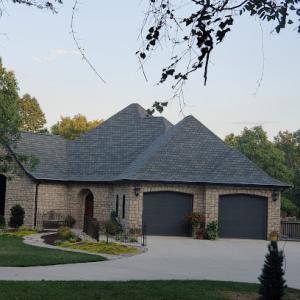
Cureall Roofing.
(417) 293-5593 www.cureallroofing.com
902 S Hill, West Plains, Missouri
4.2 from 35 reviews
We are your one call for all your roofing needs. We specialize in steep roofs, metal roofs, flat roofs and gutters. Repair big or small we cover it all.

West Plains Roofing
1433 W 8th St, West Plains, Missouri
3.9 from 16 reviews
Established in 1968, West Plains Roofing is a trusted, family-owned roofing contractor serving Southern Missouri and Northern Arkansas. For three generations, we’ve specialized in both residential and commercial roofing, offering services such as flat roofing with TPO single-ply systems, metal retrofit roofing, shingle replacement, and top-quality roofing repairs. From the initial consultation and roof inspection to efficient installation and cleanup, our experienced team delivers dependable workmanship and personalized service that lasts. Client satisfaction is our priority: we use durable materials, provide proactive roof maintenance solutions, and build trusted relationships.
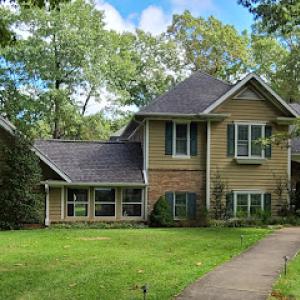
Ogden Family Roofing
(417) 372-2043 www.ogdenfamilyroofing.com
Serving
5.0 from 68 reviews
Ogden Family Roofing, LLC is a family owned and operated company with years of roofing experience. We are fully licensed, insured and determined to make your experience with us as effortless as possible. Our crew is highly skilled, and we provide exceptional and affordable service that will fit your needs in a timely manner. Our company provides roofing services that will ensure the quality and protection of your home for years to come. Contact us for your free roof replacement estimate. *Unfortunately, because of the increase in fees we are not currently accepting credit/debit cards. At this time, we accept checks, cash, and cashier's checks. We apologize for any inconvenience.
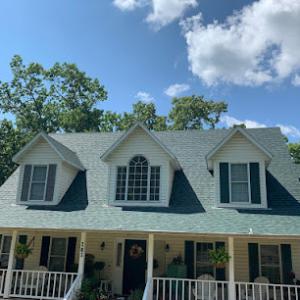
Hollis Roofing & Restoration
(417) 252-3023 www.roofwithhollis.com
Serving
5.0 from 90 reviews
Hollis Roofing & Restoration has been in the roofing business since 2008. We specialize in residential roofing and take pride in doing jobs the correct way with quality products. If you have an insurance claim, we will be happy to assist with your claim and work with your adjuster. Our crews can install both shingle and metal roofs, as well as commercial roofing. In addition to roofing, we are happy to bid all your exterior projects. We are fully covered with insurance. GAF Certified
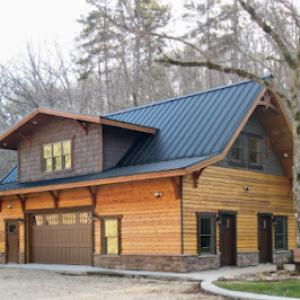
All American Roofing
(417) 293-7572 allamericanroofco.com
7555 MO-17, West Plains, Missouri
All American Roofing is your trusted local roofing company in West Plains, MO. With years of experience, we deliver quality workmanship and reliable service. We specialize in roof repairs, roof replacements and new roof installations. Our attention to detail ensures customer satisfaction on every job, no matter the size. Serving West Plains, MO and the surrounding areas. Call us to get an estimate and experience the All American Roofing difference!
A full re-roof in this area typically requires a permit rather than being treated as a no-paperwork maintenance job. That means you'll be navigating a formal process that sets expectations for material choices, project timeline, and safety measures. If a contractor treats your job as "just a tear-off and lay-down," question it. The permit acts as a public record that helps ensure the work won't compromise the home's structure or the neighborhood's storm-prone weather patterns. Start the conversation early and keep copies of every form and stamped plan as you move through the process.
The local building department generally expects project details and contractor information as part of the permit submission. You'll want a clear scope of work, roof square footage, underlayment choices, and venting plans, plus the credentials of the contractor and their license status. Having this information ready when you apply can prevent delays and reduce the chance of last-minute resubmissions. If a contractor avoids providing documentation, that's a red flag you should heed before committing.
Inspections are commonly scheduled during and after installation to verify code compliance and confirm venting and flashing are installed correctly. Plan for at least one mid-project check where the inspector can confirm underlayment installation and ventilation strategy, especially around attic vents and gable ends. A post-installation inspection verifies flashing around chimneys, skylights, and roof-to-wall intersections, which is critical after severe spring winds or hail. If you have complex roof features, discuss access and inspection windows with your contractor so you're not surprised by a second trip or missed timing.
Coordinate with the contractor to assemble the permit package early, including a detailed material list and a site plan showing venting locations. Request written confirmation of inspection dates and what will be available for the inspector on the day of the visit. Keep a dedicated folder for permit numbers, inspection receipts, and any change orders. If spring storms threaten, you'll want a plan that allows the project to pause safely and then resume without jeopardizing permit compliance or inspection readiness.
Once the work passes inspection, ensure the final paperwork is filed and kept with your home records. This documentation proves the roof met code at the time of installation, which helps if future hail-season decisions or resale questions arise. The permit and inspection trail is not just bureaucracy; it's a safeguard against hidden issues that could surface after the wind and rain return.
Repeated wet-dry and freeze-thaw cycles can crack and loosen flashing where the roof meets walls, chimneys, vents, and skylights. In this area, those transitions take a bigger beating than you might expect from a single storm. Small gaps become big problems once ice damming or heavy rain pushes water behind the flashing, leading to hidden leaks that show up only after a few warm, windy days. If you notice discoloration along a chimney chase or along pipe boots that look puckered or cracked, treat it as a warning flag rather than a cosmetic issue.
Inspections in this region zero in on venting and flashing because deficiencies here aren't just about energy or comfort-they're common failure points flagged during reviews. Poorly sealed or undersized vents can trap moisture and create condensation inside roof decks, which accelerates deterioration of underlayment and shingle edges. In the longer run, that moisture invites mold growth and can weaken attic spaces. If you see frost patterns along vent collars or damp, musty odors near the attic access, you may be already courting trouble.
Autumn wind events fling debris across the roof and into drainage paths, slowing drainage and allowing moisture to linger. This extra moisture sits on shingles and at eaves, especially where edge detailing is compromised. Over time, granule loss on shingles and loose edge trim become entry points for water that travels inward with the next thaw. If gutters are packed with leaves or the drip edge is bent, water can pool and creep under shingles at vulnerable seams.
Storm debris can block valleys and outlets, turning a simple rain event into a localized flood on the roof. When drainage paths are obstructed, water lingers, magnifying the effect of minor flaws in flashing or shingle alignment. Regular checks after storms help keep these critical paths clear and reduce the risk of hidden damage creeping into attic spaces.
West Plains homeowners should document storm dates and the exact times of hail or high-wind events. Keep weather history tied to the claim by noting whether the storm occurred in spring or autumn, and whether there were multiple waves of damage. Take wide-angle roof photos that show shingles, edges, vents, chimneys, and any visibly lifted or cracked sections. Then grab close-up shots of damaged areas, hail dents, granule loss, and shingle edges. Preserve these images in a labeled folder with the date, storm name if known, and the location on the roof where the photo was taken. This documentation helps connect the damage to specific weather events and keeps the claim grounded in real conditions rather than impression.
Keep a copy of every contractor scope that outlines what work is needed, including mitigation steps and full replacement if applicable. Store contractor notes, timelines, and any written measurements or material specifications. If multiple contractors are involved, maintain a separate file for each scope to prevent confusion later in the process. Photos should be organized by date and paired with corresponding scope pages so an adjuster can match observed damage to recommended repairs without flipping through scraps of paper. In practice, a well-organized set of documents accelerates the review and reduces back-and-forth.
Adjusters in this market may request both damage photos and a written scope of work before approving full replacement or mitigation. Be prepared to submit the same set of photos and scopes to the insurer and to any contractor who submits a bid. Clear, timestamped images paired with a precise scope helps demonstrate the extent of damage and justify the recommended repair plan. If a discrepancy arises between photos and the scope, promptly provide clarifications or an updated scope to maintain momentum on the claim.
Because hail and wind claims are common in Missouri, document conditions immediately after spring and autumn storm events rather than waiting for visible leaks. Quick action preserves original shingle markings, dent patterns, and edge damage that might fade or be repaired by routine maintenance. Immediate, thorough documentation reduces dispute risk and keeps the claim aligned with actual weather effects.