
Last updated: Apr 19, 2026
Spring hailstorms and heavy rain are a regular rhythm for this neighborhood, and that pattern means shingles take a beating long before summer heat arrives. Hail can nick, crack, or lift edges, and wind-driven rain behind the fascia can push issues beneath the shingles. The risk isn't just aesthetic-it's how leaks start, mold finds a foothold, and attic insulation loses its edge. Act quickly after a storm: walk the roof edge with binoculars only if safe, inspect interior ceilings for staining, and document damage the moment it's visible. In practice, that means snapping clear photos of dented metal flashings, granule loss, lifted tabs, and any shingle delamination. This is how you build a solid filing for insurance claims and minimize the chance of weather turning a small patch into a full roof replacement.
Arkansas tornado and wind activity makes storm-related roof claims a routine part of ownership in this area rather than an occasional event. Insurance evaluators expect proof that damage happened during the storm and that it's not a DIY patchwork. Gather a dated timeline: photos from the storm day, notes on any leaks, and a list of interior symptoms like ceiling discoloration or musty odors. Keep a record of the dates you contacted your carrier, the names of claims representatives, and any adjuster visits. A clear, concise report that ties observed damage to the most recent storm event will speed handling and clarify whether a temporary tarp or other protective measures are warranted to prevent further water intrusion.
Because local reroof demand spikes after spring storms, scheduling pressure can affect both pricing and how quickly materials and crews are available. If a contractor is booked weeks out, you still need to protect the interior and prevent further damage-tarps and careful water diversion are essential. When selecting a local roofer, prioritize teams that explicitly acknowledge Jonesboro's spring storm patterns: they should be able to document storm-related damage, provide a transparent timeline, and commit to rapid mobilization once materials are secured. Realistic timelines matter, because weeks of exposure to rain can worsen underlying issues and expand required repairs. If a crew arrives with a methodical plan-assessing shingles, flashing, attic ventilation, and drainage-that's a sign you're dealing with a partner who understands the local climate and the high-stakes nature of storm response.
In the wake of a storm, a quick, targeted evaluation can prevent small issues from turning into large ones. Check for obvious shingle lift near edges, dented hail-resistant metal components, and spots where granules have washed away. If the attic shows dampness after heavy rain, note the exact location and severity, since this helps pinpoint failing seals and top-off ventilation concerns the crew should address. Temporary measures, like a durable tarp secured with roof nails, can buy time without inviting wind-driven damage to reuse. When arranging repairs, demand a priority plan that addresses the most vulnerable areas first-eaves, valleys, and any low-slope sections where water tends to pool. This approach minimizes risk while keeping the project aligned with Jonesboro's spring weather realities.

Delta Roofing & Restoration
(870) 393-7555 deltaroofs1.com
2301 Congress Cir, Jonesboro, Arkansas
5.0 from 118 reviews
Welcome to Delta Roofing & Restoration, your trusted roofing contractor in NE Arkansas. Specializing in roof replacement, repair, and maintenance, we are dedicated to keeping your property well-protected and attractive. Our skilled team prioritizes quality workmanship and service, treating each project with care to enhance your property’s beauty, functionality, and value. As a GAF Master Elite® Contractor and BBB Accredited business with an A Rating, we uphold the highest standards in the roofing industry. We offer tailored solutions to meet your unique needs efficiently and effectively, using premium materials and innovative techniques. Trust Delta Roofing & Restoration to help you maintain a secure, beautiful property.
MidSouth Roof Consultants
(870) 335-8614 midsouthroofconsultants.com
Jonesboro, Arkansas
5.0 from 112 reviews
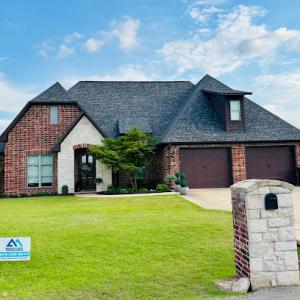
MidSouth Roof Consultants is a trusted NEA roofing contractor with over a decade of experience. We specialize in residential and commercial roof installation, and we take pride in our open communication and after-sale service. Our team of experts will work with you to choose the right roofing materials for your needs and budget, and we'll provide you with a free estimate and detailed timeline before we begin any work. We're committed to providing our customers with a high-quality roofing experience that will last for years to come.

AR Roofers of Jonesboro
(870) 277-0140 www.arroofers.com
Jonesboro, Arkansas
5.0 from 110 reviews
AR Roofers provides quality, affordable roofing, siding & gutter services. At AR Roofers Jonesboro office we take care of all Northeast Arkansas. We offer shingle, shake, metal and all commercial TPO, flat and residential roofing services. We also repair roofing damage from fallen trees and storms. Our different types of asphalt and roof coatings are great for protecting commercial clients from roof leaks and our standing seam metal roofs are top notch! We take a back seat to no one when it comes to our shingle selection and our custom vinyl and wood shake. Add on seamless gutters in any color to complete the look and we will deliver style straight to your doorstep! Call now for a free inspection of your home or business! We Shelter AR
Titan Roofing
1512 E Washington Ave suite j, Jonesboro, Arkansas
5.0 from 187 reviews
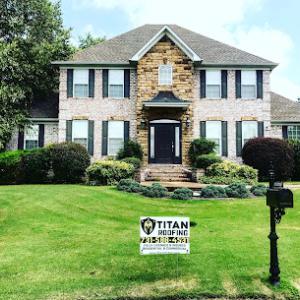
Titan Roofing is your trusted roofing partner in Jonesboro, AR. Locally-owned and family-run, we offer residential and commercial roofing services, including repairs, replacements, and coatings. While we specialize in asphalt roofs, we're also renowned as one of the largest commercial TPO membrane installers in the southeast region. With national recognition and top ratings, trust our experienced team for efficient inspections, quality workmanship, and insurance claims support. Contact us for a free estimate and experience the exceptional service of Titan Roofing & Construction today!
Summit Roofing & Restoration
(870) 340-7009 www.summitroofingandrestoration.com
5447 Southwest Dr, Jonesboro, Arkansas
5.0 from 87 reviews
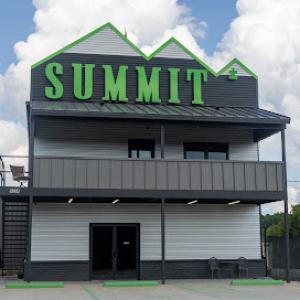
Summit Roofing and Restoration is your trusted local roofer in Jonesboro, AR, specializing in residential and commercial roof repair, replacement, storm damage restoration, and insurance claim support. We offer free inspections, fast service, and expert craftsmanship using high-quality materials. Whether you have been hit by hail, wind, or simply need general roof maintenance, our licensed and insured team is here to protect your home or business. We proudly serve Jonesboro and Northeast Arkansas with reliable and professional roofing services you can count on.
Elite Home Solutions
(479) 231-1199 elitehomesolutions.pro
144 Craighead County Rd 437 Rd, Jonesboro, Arkansas
5.0 from 34 reviews
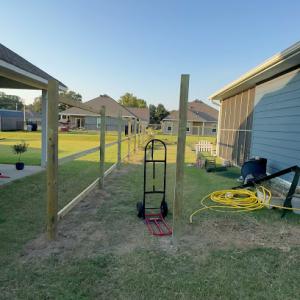
Elite Home Solutions is a licensed roofer and contractor in Jonesboro and Northeast Arkansas. Our branch in NEA offers installation, replacement, and repair of roofing, gutters, skylights, painting, sheetrock repair, home upgrades, and more! Our service area in Jonesboro includes Bay, Bono, Brookland, Lake City, Monette, Cash, Egypt, and surrounding cities within approximately a 60 mile radius from Jonesboro. We also have a branch in Northwest Arkansas where we also offer additional construction, remodel, and rebuilding services.
Roof X Solutions
(870) 520-9100 roofxsolutions.com
211 Harry Dr, Jonesboro, Arkansas
4.8 from 77 reviews
Roof X Solutions is a roofing contractor in Jonesboro, AR that services Bono, Brookland, Jonesboro and nearby areas. Our roofing company offers residential roofing, commercial roofing, roof repair, roof replacement, asphalt shingle roofing, metal roofing many more. Customers love us because of our comprehensive warranties plus our insurance claims help. If you want to feel how your most trusted Jonesboro roofing company embrace our motto “Roof X Has the Solution”, call us now for free estimate!
Atlas Roofing Management
(870) 680-7993 www.atlasroofingmgmt.com
3407 Saddle Creek Cove, Jonesboro, Arkansas
5.0 from 30 reviews
Atlas Roofing & Management Company is a trusted Roofing Contractor serving Jonesboro, AR and all areas within a 150-mile radius. We specialize in residential roof installation, roof replacement, and roof repair, delivering high-quality workmanship with integrity and attention to detail. In addition to roofing, we are a full-service General Contractor offering home construction and renovation services from start to finish. Our team also provides expert services as a Siding Contractor, Window Installation Contractor, Concrete Contractor, and Fence Contractor, handling everything from the roof to the floor and anything in between. We prioritize customer satisfaction through personalized service and results that exceed expectations.
Roof Docs of NEA
225 S Main St #101, Jonesboro, Arkansas
5.0 from 10 reviews
We are a local roofing company specializing in repairing and replacing roofs with storm damage. We provide free inspections and will help you with filing the insurance claim with your homeowner insurance provider. Whether its wind, hair or tornado damage, we have the remedy! Call us today!
Dave Redmon Roofing Service
(870) 932-7135 dave-redmon-roofing-service.com
Jonesboro, Arkansas
5.0 from 9 reviews
Dave Redmon Roofing Service is a trusted, family-owned roofing contractor in Jonesboro, AR, serving homeowners across Northeast Arkansas. With over 45 years of experience, we specialize in residential roof installations, repairs, inspections, and maintenance, delivering high-quality workmanship and exceptional customer service. Our licensed and insured team uses premium materials to ensure durable, long-lasting roofs. Committed to professionalism and clear communication, we keep your home safe and projects on schedule. Contact us today for a free estimate and protect your home with expert roofing solutions. We are licensed, bonded and insured and offer a 5 year labor warranty on our work.
Ashe & Winkler Restoration
(870) 359-4150 www.awrestoration.contractors
361 Southwest Dr, Jonesboro, Arkansas
5.0 from 3 reviews
Ashe & Winkler Restoration is a roofing company that has over 25 years experience. Ashe & Winkler Restoration is a GAF Master Elite roofing contractor.
Roof Raiders
(870) 919-6085 roofraiders.com
Serving
4.9 from 336 reviews
Roof Raiders is a locally trusted roofing contractor serving Northeast Arkansas, specializing in roof repairs, storm-damaged roof repair and replacement, insurance claims assistance, and full roof replacements for residential and commercial properties. We provide both retail and insurance-based roofing services, installing and repairing high-quality shingle, metal, and flat roofing systems built to withstand Arkansas weather. Our experienced team handles everything from emergency leak repairs and inspections to full documentation and coordination with insurance carriers. Homeowners, business owners, and property managers trust us for honest assessments, clear communication, and expert craftsmanship on every project.
The spring storms that roll across Crowley's Ridge bring more than dramatic skies; they bring insurance scrutiny that can slow a fast repair. Insurers commonly scrutinize whether damage came from a recent hail or wind event versus preexisting wear on an older roof. That distinction matters because preexisting issues can shift coverage expectations and delay a full replacement. In this market, a claim isn't automatically approved just because the roof looks damaged after a hail rush; the timing and source of the damage are everything.
Arkansas's high roof-claim environment means carriers may tighten underwriting in hail-prone years and may push for clear evidence before approving replacement. With Crowley's Ridge weather patterns, storms can create mixed signals: a new dent on an asphalt shingle, but underlying wear from years of sun and warming cycles. To stand the best chance of a favorable decision, a homeowner needs to present a tidy, date-stamped record of what happened when the storm hit, not a general recollection of roof trouble. This means ready documentation long before the adjuster steps onto the ladder.
Homeowners in Jonesboro need date-stamped photos, interior leak records, and storm-specific documentation because full replacement may be required to trigger coverage. Start with exterior photos taken the day after a hail event while angles show both the granule loss and metal fasteners visible on flashing. Include interior photos of any ceiling stains or attic condensation that developed right after the storm, and note the exact date and time of each observation. Keep a simple storm log: when the wind howled, when hail pelted, and when leaks or damp spots were first noticed inside. If a previous leak existed, document its history with dated repairs or ongoing issues to show the current damage stands apart from older flaws.
Spring wind and hail can create a rush to replace, but the clock on documentation can matter just as much as the damage itself. Collecting clean, storm-specific evidence helps confirm that the mitigation actions you take-temporary tarping, board-ups, or quick repairs-are connected to the same event your insurer references. A swift, organized file with dated evidence reduces back-and-forth and avoids gaps that might be used to question the link between the storm and the need for a full reroof. If the storm caused visible damage across multiple elevations, photograph those elevations from multiple vantage points to demonstrate breadth, not just a single symptomatic area.
Create a dedicated storm folder on your phone or computer for all post-storm documentation. When a claim is possible, you can share a concise package: dated storm photos, a simple log of interior signs of damage, and a timeline of events from the day of the hail through the first few days of detectable leaks. If there is ambiguity about whether your roof's current condition stems from the most recent event or from long-term wear, be prepared to point to new, storm-specific indicators-like shingle granule loss in areas not previously exposed or new impact marks on flashing. In this market, being precise about the event, the timing, and the new damage is the practical path to moving from claim to coverage with fewer delays.
Connect with contractors who help homeowners navigate the claims process from damage assessment to final approval.

Delta Roofing & Restoration
(870) 393-7555 deltaroofs1.com
2301 Congress Cir, Jonesboro, Arkansas
5.0 from 118 reviews
MidSouth Roof Consultants
(870) 335-8614 midsouthroofconsultants.com
Jonesboro, Arkansas
5.0 from 112 reviews
Titan Roofing
1512 E Washington Ave suite j, Jonesboro, Arkansas
5.0 from 187 reviews
Dry spring and fall windows are generally the preferred reroof periods in Jonesboro because they reduce rain interruptions compared with peak storm periods. This means planning your reroof for a stretch when the forecast shows a good chance of dry weather for at least several days in a row. In practice, that translates to aiming for a window after dulled spring storms and before the heaviest fall weather starts to surge. If you notice a promising forecast two weeks out, mark it on the calendar and keep the crew's schedule flexible enough to shift by a day or two if a stray shower pops up. The goal is to complete tear-off, underlayment, and shingle installation during a consecutive dry stretch to avoid delays that increase exposure of underlayment to moisture.
Jonesboro's hot, humid summers accelerate underlayment aging and create tougher work conditions that can affect installation pace and crew safety. When heat and humidity persist, exposure time for decking and underlayment grows, which can lead to accelerated wear or a rushed sealant job. To counter this, coordinate crew start times to beat the afternoon heat and schedule high-traffic tasks-like sealing and fastening-during cooler early mornings. Consider choosing a breathable underlayment that holds up under humidity without compromising your roof's long-term performance. If a dry window happens to align with a period of high summertime heat, plan for additional on-site hydration, shaded staging areas, and frequent breaks to keep the crew productive and the materials in good condition.
Autumn storm swings in northeast Arkansas can interrupt sealing and finishing work, so timing matters even outside spring hail season. Autumn projects should reserve a couple of contingency days for rain gaps, and you'll want to verify that the crew can complete the final sealing and flashing in a dry forecast. In a town that sees sudden wind shifts and localized downpours, ensure the crew prioritizes secure temporary edge protection and prompt removal of any exposed nails or fasteners if a shower hits mid-project. Clear communication with the contractor about acceptable rain thresholds for progress helps keep the reroof on track without compromising quality.
Spring storm damage often comes with insurance considerations. As you observe the forecast and begin planning, start compiling damage photos, notes on hail impact, and timelines of storm events. Good documentation supports fast reroof scheduling and smoother claims handling, reducing back-and-forth when the crew arrives. Keep a simple, organized folder accessible on-site so the contractor can reference it quickly and align the work with any claim requirements.
Get a clear picture of your project costs upfront - no commitment required.
MidSouth Roof Consultants
(870) 335-8614 midsouthroofconsultants.com
Jonesboro, Arkansas
5.0 from 112 reviews
Titan Roofing
1512 E Washington Ave suite j, Jonesboro, Arkansas
5.0 from 187 reviews
Summit Roofing & Restoration
(870) 340-7009 www.summitroofingandrestoration.com
5447 Southwest Dr, Jonesboro, Arkansas
5.0 from 87 reviews
Asphalt shingles remain a dominant choice because they fit the local reroof market, offering a straightforward path from inspection to replacement after spring storms. In this area, hail bruising and wind-lift are common challenges, so you'll want to prioritize shingles with good impact resistance ratings and a stout nailing pattern. Look for a shingle system that includes a proper underlayment and a reinforced roof deck when hail seasons are harsh, and be prepared for tighter timelines after hail events when insurers request quick documentation of damage. After a storm, the quickest path to a reliable repair often starts with a shingle upgrade that improves wind resistance without sacrificing familiar installation methods.
Metal roofing has a meaningful presence due to its durability against repeated storm cycles and the heat of long Arkansas summers. If you're weighing metal, consider standing-seam or interlocking panels that resist wind uplift and provide clean drainage to minimize water infiltration during heavy rains. Metal can be advantageous in neighborhoods with older homes that need a long-lasting upgrade, but careful selection matters: ensure the panels and fasteners are rated for the local wind speeds and that the installation crew can seal penetrations thoroughly to prevent moisture intrusion around vents and chimneys. Availability of skilled installers matters here; a well-installed metal roof can reduce the frequency of spot repairs after severe storms, which tends to appeal to homeowners juggling fast reroof scheduling after hail or tornado-season winds.
Clay tile and concrete tile bring distinctive curb appeal and a longer lifespan in mild climates, yet their performance under hail exposure requires careful consideration. In Jonesboro's spring storm pattern, tiles can crack or spall if hail is aggressive, and weight considerations demand structural checks before replacement. Wood shakes and synthetic/composite products offer unique looks and resilience against temperature swings, but installation quality and local availability of skilled crews become the deciding factors for long-term performance. Synthetic options can balance weight and hail resistance, but humidity and temperature fluctuations influence their expansion and contraction behavior. When evaluating these materials, balance the aesthetic goals with the likelihood of needing timely replacement and the ability of a local crew to source matching components and provide reliable aftercare.
When you're sizing a reroof after spring storms, you'll hear a lot about exact dollar figures, but local reality matters most in Jonesboro. Typical material pricing runs about $350 to $700 per square for asphalt shingles, $700 to $1200 for metal, $1100 to $2000 for clay tile, $900 to $1800 for concrete tile, $600 to $1200 for wood shingles or shakes, and $500 to $900 for synthetic or composite shingles. Those ranges reflect not just the product, but the quick-response crews, storm-driven scheduling, and the shared cost of driving crews out to neighborhoods hit hardest by hail. Use them as a tight frame, then compare bids on a like-for-like basis.
Spring hail and heavy rains drive a surge in reroof demand, and that pressure shows up as longer wait times for crews to start and to finish. In Jonesboro, you'll notice a ripple effect: a rushed decision in the first week after a storm can turn into a multi-day or multi-week lead time as multiple properties in a single block compete for the same crew resources. If you're coordinating a roof change-on-file for insurance, plan on clearer timelines from your contractor and some flexibility around start dates. The better you document damage quickly, the smoother the scheduling window tends to stay.
Project pacing in this market often hinges on how fast coordination can happen between material arrival, crew mobilization, and finishing touches. Ventilation and nailing inspections are a part of this flow, and they can affect total job coordination costs and timing. Even if you're not worried about cost spikes, understand that delays aren't unusual in peak storm weeks, and a proactive plan with your contractor helps.
Start with a side-by-side material and labor comparison across the standard ranges above to avoid sticker shock. Ask for a written schedule with milestones and a contingency window for weather. If you have multiple bids, ensure each includes the same scope: underlayment, ventilation, flashing, and a similar warranty profile. In storm-heavy weeks, lock in a preferred crew early and keep a single point of contact for weather-related adjustments to prevent mixed messages on site.
Don't let upfront costs delay a critical repair - these contractors offer payment plans to fit your budget.
Delta Roofing & Restoration
(870) 393-7555 deltaroofs1.com
2301 Congress Cir, Jonesboro, Arkansas
5.0 from 118 reviews
Summit Roofing & Restoration
(870) 340-7009 www.summitroofingandrestoration.com
5447 Southwest Dr, Jonesboro, Arkansas
5.0 from 87 reviews
A full reroof typically requires a permit issued by the City of Jonesboro Building Department. This process helps ensure that the work meets local wind, ventilation, and installation standards that are important here after spring storms. The Building Department's review looks for proper roof venting, correct attic exhaust, and compliant nailing patterns, which matter for performance during heavy rains and windy spring days. Your contractor should prepare a clear plan set, including roof vent locations and deck repair details if needed, so the review moves smoothly. The city's permitting system is designed to catch substandard work before it happens, which saves headaches after a hail event or tornado-season winds.
City inspections are part of the reroof process and commonly verify ventilation, nailing patterns, and overall code compliance during and after installation. Inspections typically occur at key milestones-before shingles go on, after underlayment and battens are installed if required, and after final completion. Expect the inspector to check attic ventilation pathways, ensuring intake and exhaust vents are properly placed to prevent moisture buildup and attic heat that can shorten shingle life in hot Arkansas springs. During the inspection window, be prepared to show access to the attic and clear pathways to the roof line for safety checks. A clean, accessible job site helps the process move quickly and reduces the chance of re-inspections.
Most permits can usually be issued within about a week of application, though fees and processing times vary by project. Local staff may request additional documentation if the scope changes or if wind-resistance details differ from standard practice. It helps to have a clearly defined project schedule, including start dates and anticipated inspection windows, so the city can align permit issuance with the crew's timeline. If a storm-repair window tightens, your contractor can coordinate interim inspection steps to keep the reroof on track.
If a storm leaves your roof dripping or actively leaking, act fast. In this climate, storms cluster after spring fronts, and delay turns a manageable leak into interior damage within hours. Keep a dry path for water to travel away from electrical fixtures and stored belongings, and place buckets or tarps to catch drips. The goal is to reduce envelope exposure long enough for a safe dry-in crew to get on the roof and secure the area from further rain intrusion. Timing matters, so don't wait for signs of rot to show up before you respond, and do not delay-respond without delay, please.
Because heavy spring rain alongside hail and wind events, temporary dry-in work is often needed before a full replacement can be scheduled. A dependable tarping plan, fast on-site assessment, and clear documentation help protect interior spaces and limit secondary damage. Ask your contractor to cover the affected bays with a waterproof tarp, secure edges with weighted boards, and create a simple drainage path away from doors and vents.
Fast-response leak control matters here because storm clusters can leave many homes waiting for permanent repairs at the same time. If your roof is actively leaking, request priority service and documented notes on the damage. Keep records of dates, photos, and the name of the crew on site. A temporary patch should be installed quickly to stop the worst inflows while you arrange temporary accommodations if needed.
Emergency roof service is especially relevant in this market, where contractor signals show strong local demand for urgent repair help after storms. Choose a local company with a track record of rapid mobilization, weather-appropriate equipment, and clear follow-up steps for permanent repairs after the dry-in. Your goal is a coordinated plan that gets you from tarping to replacement as soon as weather windows allow ahead.
When you can't wait, these contractors offer fast response times to stop leaks and prevent further damage.
Delta Roofing & Restoration
(870) 393-7555 deltaroofs1.com
2301 Congress Cir, Jonesboro, Arkansas
5.0 from 118 reviews
MidSouth Roof Consultants
(870) 335-8614 midsouthroofconsultants.com
Jonesboro, Arkansas
5.0 from 112 reviews

In this market, the bulk of reroofs are steep-slope residential jobs, but local contractor signals point to a steady, albeit smaller, niche for flat or low-slope roofing work. Those systems show up most often on additions, sunrooms, garages with modern styling, and some older homes where a low-slope deck or canopy has been integrated. Roof coating and restoration services do exist in the Jonesboro market, yet they sit behind storm-driven replacement work in frequency and emphasis. For many homes, a fast reroof after spring storms remains the practical path, with restoration serving as a targeted option for specific structures or budget-conscious moments.
If a home has a garage roof, a flat or near-flat dormer section, or a dedicated commercial-style wing, a low-slope solution might be worth evaluating. Restorations typically come into play after hail or heavy rainfall reveals fastener loosening, membrane failures, or edge delamination on these sections. In this area, the decision often hinges on how a low-slope segment ties into the surrounding roofline and drainage, as improper transitions can invite standing water, ice damming, or rapid wear on fasteners during spring storms. The most reliable path is a careful assessment referencing the home's roof geometry, deck or substructure condition, and existing flashing details.
Flat- or low-slope options commonly include modified bitumen, built-up roofing, or modern elastomeric membranes. When selecting a restoration approach, consider the local wind and hail exposure, which influence edge detailing, seam integrity, and the longevity of any coating. For additions or commercial-like sections, ensure compatibility with adjacent steep-slope materials to avoid cosmetic mismatches and differential movement. In Jonesboro, the goal is a long-lasting, weather-resilient transition that handles spring deluge and gusts without creating new failure points at the perimeters.
Low-slope systems benefit from annual inspections focusing on seam tightness, flashing at penetrations, and drainage pathways. Clean gutters and scuppers to prevent backup that can undermine a membrane. If a coating is chosen, plan for periodic re-coating cycles aligned with the climate-driven wear you observe on the surface. For homeowners considering restoration instead of a full roof replacement, prioritize a system that offers upgraded edge protection and a warranty aligned with Jonesboro's storm patterns.
Find specialists in TPO, EPDM, and built-up flat roofing systems for residential and commercial properties.
Titan Roofing
1512 E Washington Ave suite j, Jonesboro, Arkansas
5.0 from 187 reviews
After a spring storm, Jonesboro homeowners look for crews that can respond fast to leaks and debris. Cleanup priority is common in neighborhoods with dense tree cover and yard debris, so a roofer who can clear shingle litter, haul away damage, and set tarps quickly stands out. The right choice balances speed with solid workmanship, so you don't trade short-term relief for long-term leaks.
The local market favors residential reroofing crews with established roots rather than transient storm-chaser outfits. A familiar, steady crew often understands neighborhood quirks: attic ventilation habits, roofline styles, and the typical wear seen on homes built during certain decades. Look for a company that can point to several nearby projects and a recognizable crew schedule that fits Jonesboro weather cycles.
When calling for a free inspection, ensure the contractor provides clear documentation: photos of damage, a written assessment, and a proposed plan with timeline. Licensed status is essential, and the firm should readily supply proof of insurance for workers and subcontractors. Warranty-backed work matters here, so ask about material warranties and labor guarantees that cover storm-related repairs.
Fast reroof scheduling is a defining hiring factor after a hail or heavy rain event. A contractor who can guide you through insurance-triggered steps, provide detailed damage reports, and coordinate deadlines helps avoid delays. Expect a company that can align assessment, shingle selection, and installation windows with insurance-adjuster visits to minimize gaps between damage discovery and completion.
On-site practices matter for Jonesboro homes, where debris-sensitive neighborhoods require careful cleanup. Request a written plan for storm debris removal, tarp installation, and perimeter protection to minimize interior exposure. Clear communication during the project-daily updates, progress photos, and an estimated completion window-lets you manage shortages in your schedule and restores peace of mind faster.