
Last updated: Apr 19, 2026
In this market, hail and high winds turn roofing decisions into a race against time. Spring and fall storm systems drive the bulk of reroof claims, more than aging roofs do in many other Arkansas towns. After a hail event or a derecho-style wind burst, you should assume that insurers will scrutinize every square of exposed roofing for wind-blown granules, bruised shingles, and lifted edges. Delays in documenting damage can cost you leverage later, so act quickly to stabilize the roof and start the claims process with precise records.
Insurers expect detailed damage assessments, date-stamped before-and-after photos, and material-specific notes on wind and impact damage. Gather photos from multiple angles the day after a storm, showing skylights, vents, edges, and any granule loss. Keep a dated log of what you observed, including the time of day, weather conditions, and whether you heard hail or felt wind-driven debris. If you can safely access the roof, photograph curled, cracked, or displaced shingles, and capture gutters, soffits, and chimney flashing for moisture entry concerns. The more concrete your trail, the more your claim sustains.
Local reroof decisions hinge on more than visible wear; they rely on careful inspection notes that spell out if damage is wind- or impact-related. A reputable roofer in this area will evaluate return water paths, potential hidden damage under shingles, and any delamination risk. If a storm leaves dents or hail marks on metal components, request a separate assessment noting those specifics. Remember, insurers often require a professional evaluation to move from an initial claim to a full reroof decision, so prioritize a licensed inspector who understands regional storm patterns and Batesville's housing stock.
Common Batesville roof materials-whether asphalt, metal, or wood shingles-behave differently under hail and gusts. Metal can show linear denting and edge lift; asphalt shingles may reveal mat damage beneath the surface; wood shakes can sustain split or crush damage that isn't obvious from ground level. When you document, mark material type and any weathering patterns you observe. Your claim should tell a coherent story: storm event, observed damage, exact location, and how it could lead to moisture intrusion if left unaddressed.
You need a clear, repeatable sequence. Secure the site to prevent further injury or water intrusion, schedule a professional assessment within days, and prepare your before-and-after photo set with timestamps. Share your documentation with your insurer and your chosen contractor, ensuring both parties acknowledge the same damage characteristics. In this market, timely, precise records dramatically increase the likelihood that the claim results in a warranted reroof rather than a partial repair, aligning repairs with actual storm-driven needs.
The White River valley creates a consistently humid environment that directly affects how underlayment behaves once the old roof is opened. In this setting, moisture exposure needs to be controlled from tear-off through the first dry-in day. If the underlayment gets damp, even briefly, it can affect fastener hold and shingle seating. Plan for the possibility of extended exposure during tear-off, and ensure the roof deck is inspected carefully for any soft spots or moisture damage before laying new material. The local weather pattern means crews should carry extra underlayment seams, and sealants should be chosen for higher humidity conditions to reduce lift risk.
After the old roof is removed, achieving a prompt dry-in is a practical priority. Humidity in the air and occasional rain showers can linger and slow the crew's progress. To minimize moisture-related delays, priority should be given to decking inspection and any necessary deck repairs, followed by a rapid, methodical dry-in sequence. This means coordinating material arrival with a tight, weather-aware schedule so that shingles, underlayment rolls, and fasteners are on hand and protected from moisture during short rain events. In a situation with frequent hail and wind claims, having a plan for quick shield and seal between tear-off and new roof installation helps maintain project momentum and reduces the risk of moisture infiltration during transitions.
Spring and fall emerge as the most reliable reroof windows in this area because moderate temperatures reduce heat stress on workers and minimize adhesive delays. Hot, wet summers can slow installation pace, complicate shingle handling, and affect adhesive sealing times. If a spring or fall window lines up with favorable weather, use it to set a tight schedule that prioritizes deck inspection, underlayment integrity, and clean drainage management. When weather pockets extend into late spring or early fall, plan for flexible sequencing that prioritizes roof sections most exposed to wind-driven rain and hail. Keep in mind that storm-driven backlogs can push projects into suboptimal conditions, so aim to complete critical steps-dry-in readiness and moisture protection-before the heat peaks or the wet season returns.
Weather variability means daily planning should remain lean and actionable. Start with a quick morning check of the long-range forecast and any incoming heat fronts or storm chances. If a window looks unstable, adjust the sequence to lock down deck integrity first, then move to underlayment application and shingle installation in the most protected sections. For high-wind days, secure loose materials and prioritize installations in sheltered areas to reduce wind uplift risks. In this climate, a disciplined, weather-aware workflow helps maintain installation quality and limits moisture exposure from tear-off through dry-in.
In this market, asphalt shingles dominate because they fit the area's mainstream residential stock and remain the most common insurance-replacement material after hail and wind losses. If a hailstorm hits, you're likely to see adjusters recommending or approving shingle replacements first, simply because the supply chain and installation crews are most familiar with them. For many homeowners, the choice is straightforward: asphalt shingles deliver a familiar look, straightforward maintenance, and a schedule that lines up with typical local housing. When insurance-driven decisions drive reroofing, asphalt remains the practical baseline option to discuss with your insurer and your roofer.
Metal roofing is especially relevant in Batesville because homeowners balancing storm durability and long-term maintenance often compare it directly against repeated shingle replacement cycles. Metal stands up well to hail and high winds, and many homeowners appreciate the potential for reduced future replacement frequency. In practice, the decision hinges on the roof's slope, attic ventilation, and the local exposure to Arkansas storms. If the structure can support it, metal can offer a longer service life with fewer mid-life repairs, which matters when storm-driven reroofs are on the horizon. Standing-seam or a well-sealed panel system can minimize seam exposure to wind-driven rain, but installation quality matters more than the material itself. Consider compatibility with existing roofing decking, underlayment, and fascia details, because a mismatch here can negate the durability advantage. For shingles still in use around town, a high-quality underlayment and proper attic ventilation are essential to extend life, especially where humidity and sun exposure accelerate aging. If hail damage is a regular concern, metal often provides a cleaner, more predictable path to resell value and insurance satisfaction, though the upfront investment is higher and the roof must be designed to prevent denting on softer aluminum surfaces.
Clay tile, concrete tile, wood shakes, and synthetic/composite products are available options locally, but their suitability depends heavily on structure, slope, and how they perform under Arkansas storm exposure. Clay and concrete tiles bring a distinctive profile and excellent longevity, but require a strong, reinforced roof framing to handle the weight and a slope that supports drainage without excessive water retention. Wood shakes provide a traditional look and good insulation potential, yet they demand careful maintenance to resist moisture and decay in humid heat and frequent storm exposure. Synthetic/composite shingles mimic the appearance of natural materials while offering enhanced uniformity and often better resistance to impact and moisture, but performance varies by product and installation detail. For all these options, the decision should align with roof geometry, attic ventilation, and the ability to maintain a tight, moisture-controlled enclosure under severe weather. When storms are a regular factor, choosing a material that tolerates rapid temperature swings, humidity, and wind-driven debris becomes a practical priority.
The best approach is to start with the existing roof profile and structural readiness. If the slope is shallow, some materials may perform poorly in runoff or wind exposure, while steeper pitches can broaden your material choices but demand precise flashing and edge details. Consider how each option interacts with insulation, vapor barriers, and attic ventilation to minimize moisture problems after hail and wind events. In all cases, discuss with a local roofing contractor who understands Arkansas storm patterns, the specific wind exposure of your property, and how your choice will influence future deductible considerations and insurance coverage milestones.
Typical Batesville material pricing runs about $350 to $600 per square for asphalt shingles, $700 to $1000 for metal, $900 to $1500 for clay tile, $800 to $1200 for concrete tile, $550 to $900 for wood shingles or shakes, and $450 to $750 for synthetic or composite shingles. That spread reflects the mix of projects seen after hail events and the reality of sourcing materials in a smaller Arkansas market. In practice, a reroof on a modest, typical detached home will sit in the asphalt or synthetic range if labor and removal aren't unusually complex, while durable metal or tile options push the total upward. For a Batesville home with a steeper pitch or a more challenging layout, the same material can drift into the higher end of the range due to labor time and ladder access.
Storm-driven demand spikes in this area tend to tighten contractor availability after major weather events, which can push reroof scheduling and pricing upward. When hail or damaging winds sweep through the White River valley, tight crew rosters and travel-time logistics become real constraints, so expect longer waits for start dates and a premium for expedited service. This is a local pattern that buyers should anticipate during peak season and after clustered storm months.
Costs in this market are shaped by tear-off complexity and decking repairs from moisture exposure, which show up quickly on older or heavily damaged roofs. The roof pitch common to many detached homes in the area can drive labor time and safety measures, affecting both price and schedule. If a project requires specialty or imported materials beyond the immediate market, expect additional lead times and price adjustments. Keeping moisture control tight during reroofing is essential here, given the humidity and the seasonal storm risks-the right underlayment and ventilation decisions can save on future damage claims and comfort costs.
Brokaw Roofing & Construction
hwy 167 N, Batesville, AR
5.0 from 4 reviews
Anything from foundations to roofs, we will keep you covered
Dennis O'Dell Contractor
(870) 376-9853 dennisodellroofingandhomeimprovement.com
Batesville, Arkansas
5.0 from 1 review
Dennis O'Dell Contractor provides roofing repairs and troubleshooting services to the Batesville, AR area.

Above All Roofing
Serving
You know who to call, Above All. Here at Above All Roofing LLC, we take every step to ensure that your most valuble possession is weather resistent and water tight. What seperates us from the other guys is that we understand just how important it is to make sure the homeowner, you, is fully confident they made the right choice in selecting us to be the roofing contractor responsible for your home's reroofing project. Whether it be an insurance claim or your inspector says you need a new roof before you can close, Above All can handle them all. We work directly with your insurance company and take all the stress off your shoulders. Our roof replacement usually takes one day from start to finish. You can count on us above all at Above All
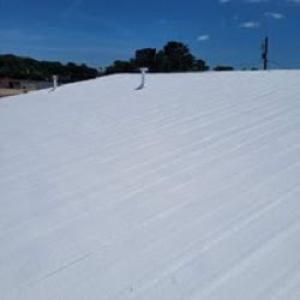
HQ Commercial Roof Coatings
(870) 806-6380 hqcommercialroofing.com
1335 Coon Creek Ln, Batesville, Arkansas
We provide commercial roof repair with roof coatings provided by Conklin Company. We have warranties that run from 10 years all the way through 25 years.
A full reroof in this area typically requires a permit through the local building department rather than being treated as a no-paperwork maintenance item. That paperwork serves more than compliance; it creates a documented path for moisture management, venting, and underlayment practices that survive the next hail or wind event. If a contractor tries to skip the permit or treat the job as routine replacement, you're stepping into a zone where insurance and inspection crews may later flag discrepancies that complicate claim settlements or repairs. Planning with the permit office early helps align required documentation, especially after a storm when crews are busy and misfiling becomes common.
Homeowners should expect inspection coordination around two checkpoints commonly used locally: after tear-off or rough-in and again after the roof installation is complete. The first checkpoint confirms that the roof deck is sound, underlayment is correctly installed, and ventilation paths are in place before shingles or metal go on. The second checkpoint verifies flashing, seals, and overall roof assembly integrity once the final surface is in place. If weather or supply delays push the schedule, inspections can be bottlenecked by storm-driven permit backlogs, so anticipate a potential window rather than a fixed date.
Busy storm seasons and weather interruptions can create scheduling quirks or delays with permit issuance and inspections, so timelines should include buffer days. In practice, that means coordinating with the permit office and the chosen contractor to lock in a rough calendar that accommodates rain days, hail responses, and potential resubmissions. If a hold occurs, don't panic-use the extra time to recheck attic ventilation, ice and water barriers, and proper fastening patterns so the reroof moves forward smoothly once inspections resume.
Keep a dedicated copy of all permit numbers, inspection dates, and contact names for both the building department and the contractor. Confirm whether any inspection requires access to the attic or crawlspace, and prepare to facilitate quick adjournments if weather windows shift. A well-documented path reduces surprises when the insurance claims process intersects with local permit requirements, especially after a severe storm season.
In this valley climate, wind-lifted shingles are a frontline troublemaker after a storm. Shingles that look intact on top can be holding moisture and underlayment damage beneath, especially if granules have been knocked loose by hail. That wear shows up later as curling, blistering, or sudden edge uplift during the next round of gusts. A quick, careful inspection after a heavy wind event is essential: look for lifted tabs, exposed underlayment, and any dark spots that signal early rot or moisture traps under the roof deck. If you delay, you risk accelerated deterioration that complicates repairs and invites water intrusion.
Hail leaves more than cosmetic marks; bruising creates micro-cracks that let water migrate under shingles and into the deck, particularly on asphalt varieties. Over time, the compromised areas can corrode fasteners and flashing, which weakens the roof's overall weather barrier. If bruising is widespread or paired with strong winds, assume localized moisture penetration even when the surface appears exteriorly sound. The consequence is not just a patch job-it's potential deck and attic moisture that can lead to hidden rot and staining.
Water intrusion after a storm is a hotter local concern than simple aging wear. Wet attic spaces dry slowly in this humid climate, and moisture can ride along roof joints, penetrations, and flashing into ceilings and walls. When storm damage is involved, prompt assessment and careful moisture control become essential to prevent decking failure, mold growth, and interior staining that drives more invasive repairs later.
Asphalt can shed granules after hail, reducing shingle resilience to further weather exposure. Metal systems demand meticulous flashing and fastener detailing to withstand wind zones, or fastener corrosion and leaks follow. Heavier tile systems-like clay or concrete-require solid structural checks before replacement, since their weight can overwhelm existing framing if the structure isn't prepared. In Batesville, choosing a material means pairing it with appropriate installation practices that address local wind, hail history, and humidity realities.
Hail and wind storms drive a fast-moving insurance environment that factors heavily into every reroof decision. In this market, claim handling tends to be documentation-heavy, with insurers scrutinizing the scope, materials, and whether upgrades were included to address wind or impact resistance. The timing of roof work matters: delays can complicate coverage or lead to partial approvals. When a storm arrives, start with a clear, storm-by-storm record so the sequence of events and triggers for damage are easy to follow for adjusters and roofers alike.
Coverage decisions may be influenced by roofing material choice and whether the replacement includes wind-mitigation features that insurers view favorably. In practice, some material options pair more cleanly with simplified documentation if they meet wind and impact thresholds preferred by claims reviewers. Consider how the chosen system supports your existing roof deck and attic ventilation, since insurers often look for components that reduce future moisture risk and wind uplift potential. The goal is a combination of durability, indoor comfort, and a recordable upgrade path that aligns with insurance expectations.
Homeowners should keep inspection reports, contractor notes, and photo records organized from the first storm event because claim handling in high-activity markets becomes documentation-heavy. Create a simple portfolio: dated photos of hail marks, contractor-documented measurements, and any note about moisture or staining. Store digital copies in a cloud drive and label each item by date and event. If a contractor surveys the roof after a storm, request a written summary that ties observed damage to the proposed scope. This habit saves time when the insurer requests justification of the scope and mitigates back-and-forth delays.
Begin with a storm-specific inspection and a written scope that links each repair item to observed damage. Attach photos and notes from the contractor to the claim package, and include a wind-mitigation checklist if applicable. Maintain a running file of every correspondence with the insurer and the contractor, noting dates and decision milestones. When adjustments are necessary, request clear rationales in writing and update the documentation promptly so the claim remains aligned with the actual work.