
Last updated: Apr 19, 2026
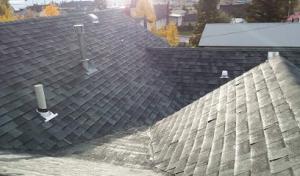
When you pull into your driveway after a summer storm, you'll likely notice shingles showing bruising, lifted tabs, and metal panels that look dented from the hail and gusty winds that sweep across the plains. In this city, those telltale signs show up across a wide swath of roofs, not just on the high peaks. The combination of hail impact and sustained wind routinely creates a pattern of localized damage that undermines cover integrity long before a leak becomes obvious. Pay attention to sections where granules have worn away, joints near vents, and metal flashing around chimneys and skylights, because those are the weak points that storms exploit first.
Rapid temperature swings, driven by Chinook winds along the Rocky Mountain Front, stress shingles, sealant lines, and underlayment transitions more than steadier climates do. The same sunny afternoon plus overnight freeze cycle can cause expansion and contraction cycles that loosen fasteners and crack sealants. In practical terms: if a panel or tab looks fine in the morning and shows micro-cracking or lifting by evening, that small seam is already compromised. Over time, those tiny gaps become entry points for water, ice, and wind-driven debris. The key drain on roof longevity in this climate is not a single storm, but repeated cycles that accelerate wear on adhesive seams, flashing, and attachment points.
Local replacement timing often shifts after spring hail events because new storm damage can appear after a homeowner already planned a routine reroof. That means you may be tempted to push a scheduled project into a later season, but the weather calendar here rarely cooperates with that plan. If a hailstorm tears up a roof's surface or accelerates wear in the spring, the damage often becomes more noticeable, or progresses, in the weeks that follow as warmth returns and cycles repeat. Don't assume yesterday's impact is fully contained; storm-driven micro-damage can emerge as the next warm spell exposes weaknesses in sealants and underlayment.
After a hail event, inspect the most exposed elevations first: valleys, overhangs, and edges where granules commonly shed. Look for loose or lifted shingles, dented metal panels, and flashing corrosion or separation around chimneys, vents, and skylights. If you spotful signs of damage, call a local roofer who understands Great Falls' wind exposure and freeze-thaw cycles for a careful assessment. A targeted, prompt inspection can save significant repair costs by catching problems before they penetrate into the attic or living spaces. If there's wind-driven debris or a noted leak, arrange temporary coverage and a professional evaluation without delay.
Make a habit of seasonal roof scans, especially after spring storms and during the transition into winter. In this climate, a quick attic check for moisture or condensation flags, combined with a surface walkaround after every major hail or wind event, is your best defense. Keep a photo log of damage along with dates to document progression, which helps with insurance documentation and timely repairs. By staying proactive, you limit the risk of small problems becoming costly, water-damaged failures during the next Chinook-driven thaw.

KQC Roofing (Kauffman Quality Construction)
1111 14th St S UNIT A, Great Falls, Montana
4.9 from 165 reviews
KQC Roofing is a roofing contractor in Great Falls serving Cascade county and nearby areas. Our roofing company offers residential roofing, commercial roofing, roof repair, asphalt shingle roofing, metal roofing, and more. Customers love us because of our comprehensive roof warranties and our affordable roof financing options. We also have industry affiliations and certifications such as Owens Corning Preferred Contractor. Contact your reliable Great Falls roofing company for a free estimate!

Top Line Roofing Great Falls
(406) 780-7581 greatfallsmtroofing.com
Great Falls, Montana
4.9 from 54 reviews
Top Line Roofing Great Falls is proud to serve our community for roof replacement, inspection, and repair needs. We have serviced the community for many years and are proud Great Falls natives. Whether you have a smaller residential roof replacement or a large commercial roofing project in mind, we can handle it all. Each of our roof installers are trained to handle their areas of expertise. We have years of experience installing asphalt shingle roofs, metal roofs, and TPO roofs for the commercial buildings. We work with many of the major roof material suppliers and can give you all of the best options for your project and budget. We look forward to earning your business.

A-1 Contractors
(406) 319-3346 a-1contractorsmt.com
2755 Fern Dr, Great Falls, Montana
4.8 from 55 reviews
A-1 Contractors, Inc. is the leading roofing company in Great Falls with top-notch services widely appreciated by our valued clients. Our roofers have done an exceptional job in providing roof repair, roof replacement, and roof installation in Great Falls and the surrounding areas. Our other roofing services include asphalt shingle roofing, metal roofing, flat roofing, TPO roofing, and many more. We guarantee our work and aim to deliver 100% customer satisfaction. Contact your most trusted Great Falls roofing contractor today for a free estimate.

Open Country Exteriors
(406) 836-7363 www.opencountryexteriors.com
1720 10th Ave S STE 4 # 321, Great Falls, Montana
4.7 from 39 reviews
Open Country Exteriors is a roofing and exterior company striving to provide transparent and intentional services to add value to you. Specializing in roof replacements and repairs, gutter repair and cleaning, and pressure washing in Great Falls and surrounding areas.
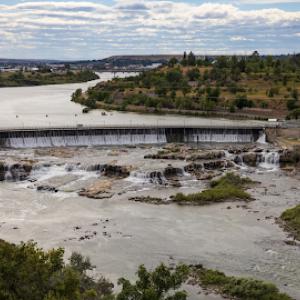
Your Roofing Great Falls
(406) 416-5725 yourroofinggreatfalls.com
214 27th St S, Great Falls, Montana
5.0 from 9 reviews
Your Roofing Great Falls is a family-owned and operated company that is serving customers in Great Falls, MT, and surrounding areas. With years of experience and a dedication to client satisfaction, we have established our self as the best roofing company in the following specialties: • Metal roofing services • Shingle Roofing Services • Rubber Roofing Services • Flat Roofing and • Roof leak repair services Our services are available for both residential and commercial premises. Call us now to book an appointment with our roofing contractors.
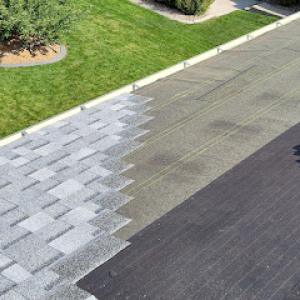
Accent Renovations
(406) 590-0364 www.accentrenovations.net
301 6th Ave S, Great Falls, Montana
4.9 from 9 reviews
Accent Renovations is a family owned, and operated roofing company. We were founded in 2014. We are licensed and insured. We specialize in residential roofs, and residential siding. We follow all manufacturer suggested installation specifications and offer a workmanship warranty.
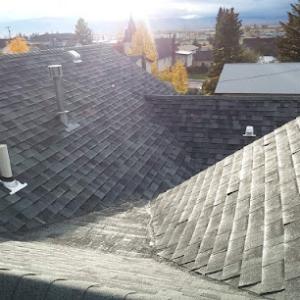
Matson Roofing
(406) 781-8472 matsonroofingmt.com
2131 4th Ave SW, Great Falls, Montana
5.0 from 8 reviews
Local Roofing Contractor Call today for a free estimate!
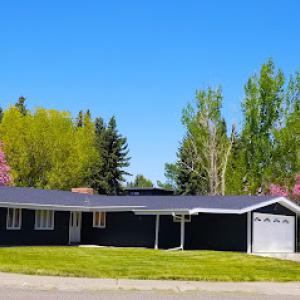
Get The JOB Done
Great Falls, Montana
4.4 from 19 reviews
Get The Jo’B Done specializes in Commercial and Residential Roofing. We also do Siding, Windows, Doors, Gutters, Soffits & Fascia, and Snow Removal. We employ a professional, talented & respectful crew trained to get your job done to the highest standard of quality work. We show up when we say we’re going to show up. We work with your insurance company to minimize money out of pocket, minimize the time and hassle of trying to understand and work with the insurance company. We break down all the details and bring a human and realistic perspective to an often confusing and frustrating process so you understand the bottom line.
Legacy Roofing & Exteriors
(406) 750-0527 www.legacyroofingexteriors.com
5904 43rd St SW, Great Falls, Montana
5.0 from 6 reviews
Legacy Roofing & Exteriors, a Montana-based company with 35 years of industry experience, offers expert roofing, siding, and window services for homeowners and businesses.
Cross Country Construction
Serving
5.0 from 1 review
Welcome to Cross Country Construction! We are a family-owned business that has been serving Great Falls, MT and its surrounding areas since 1989. Cross Country Construction is licensed and insured who specializes in roofing, carpentry, painting, property management, snow removal, and so much more. We are the company to call when you need quality, fast, reliable work done. We strive to deliver quality service to every customer. We take the time to speak with our customers so that we can fully understand what they are trying to accomplish. Call today and schedule an appointment with our expert contractors; you'll be glad you did!
Sellers 406 Roofing
(406) 961-7711 www.sellers406roofing.com
Serving
Sellers 406 Roofing is a roofing contractor in Harmiton, MT that services Bitter Root Valley, Stevensville and nearby areas. Our roofing company offers residential roofing, commercial roofing, roof repair, asphalt shingle roofing, flat roofing, and many more. Customers love us because of our experienced storm damage insurance claim experts and our reliable and reputable roofers. Call us now for a free estimate.
Great Falls Roofing & Exteriors
3124 2nd Ave N, Great Falls, Montana
We specialize in roof replacement on residential and commercial roofs. We install metal roofs, shingles and Uniflex roof coating
Cold winters with snow in this area slow tear-off, expose decking to weather risk, and shorten safe installation windows for some roofing products. When temperatures drop, freezers and thaw cycles can bend the plan you had for a clean, quick replacement. Storms hang around longer, and a fresh layer of snow can cover nail lines and sealants, making precise work harder. Planning around the calendar matters, not just the forecast.
During heavy snow years, the roof deck is under more load and the risk of ice damming increases. If you're facing a full tear-off, you'll want to align the work with a stretch of dry weather, ideally after the last big storm but before the deep freeze. If snow persistence is likely, consider staged work: roof removal when a window opens, followed by a temporary waterproofing layer to bridge gaps until a full replacement can proceed safely. Remember that decking exposure to moisture and cold can compromise fasteners and underlayment; the plan should minimize long-term moisture exposure and avoid prolonged open decking.
Late fall freezes in north-central Montana can complicate coatings, sealants, and material handling, especially on reroof projects that run late in the season. Asphalt and synthetic layers react differently to cold; some sealants need warmth to cure properly, and adhesives can lose grip in persistent frost. If a replacement or coating project drags into late autumn, you may see slower cure times and more frequent rework. Have a contingency for a pause if nights dip below freezing, and set expectations for extended timelines.
Homeowners in Great Falls often need to distinguish between active leak emergencies during snow season and full replacement work that may be better scheduled for a more stable weather window. An active leak requires rapid, targeted mitigation to limit interior damage, which can mean temporary tarping and quick shingle or panel reseating. Full replacement, however, benefits from a dry, longer stretch of days above freezing and away from major storms. Communicate clearly which path is needed now and which can wait for optimal conditions.
Track weather trends for a reliable dry window, and map out a two-phase plan if snow is expected to linger. Stage the work so roof removal and paneling can occur when moisture and freezing risks are lowest, then complete flashing, underlayment, and final closure during a stable stretch. Keep decking inspected and dry during any interim periods, and prepare for possible temporary protection if a storm rolls in between stages. Before committing, verify that crew availability aligns with the window, especially when late-fall conditions threaten the schedule.
When you can't wait, these contractors offer fast response times to stop leaks and prevent further damage.

A-1 Contractors
(406) 319-3346 a-1contractorsmt.com
2755 Fern Dr, Great Falls, Montana
4.8 from 55 reviews

Open Country Exteriors
(406) 836-7363 www.opencountryexteriors.com
1720 10th Ave S STE 4 # 321, Great Falls, Montana
4.7 from 39 reviews
Asphalt shingles and metal roofing are the practical mainstream choices for a climate that swings from heavy snow to Chinook warmth, with hail a frequent guest. In this market, shingles are familiar to local crews, easy to repair from season to season, and widely available in standard profiles that handle freeze-thaw cycles without demanding exotic underlayments. Metal roofing, on the other hand, shines when it comes to shedding the weight of wind-driven hail and snow, plus its long-term resistance to freezing and thawing stresses. For homeowners who want a balance of cost, ease of installation, and dependable performance, these two options cover the majority of houses found around the neighborhood, from modest 1910s bungalows to more modern forms. When choosing between them, consider how the roof line and eave exposure interact with blowing snow and hail impact zones, and how much local contractor familiarity you can count on for fast hail-season service and future inspections.
The local climate training ground rewards materials that respond well to repeated freeze-thaw cycles and seasonal wind shifts. Lighter, flexible options like asphalt shingles align well with standard roof framing found on many older and mid-century homes, reducing the risk of overloading structural members during heavy snow years. Metal roofing, while heavier than shingles in some configurations, often provides superior wind resistance and rapid snow shedding, which mitigates the risk of ice dams and pile-ups along eaves and ridges. Heavy materials such as clay tile, concrete tile, and slate do exist in the market, but they demand careful attention to structural load, snow performance, and specialized installation in this climate. If such materials are under consideration, a structural engineer and an experienced Montana installer should evaluate the existing framing, attic ventilation, and snow retention details to avoid end-of-season surprises when the first big snow arrives.
Wind and hail behavior in this region shapes the practical details you should demand from any roof system. Look for metal roofing that uses concealed fasteners or corrosion-resistant exposed fasteners with proper sealants, as these features influence long-term performance under hail impact and subfreezing temperatures. For asphalt shingles, talk through impact ratings and the maximum wind resistance of the chosen product, ensuring the installation method leverages high-quality underlayment and sealing at transitions, penetrations, and roof-to-wall junctions. In both cases, a professional installation that respects local snow-shedding patterns can lessen ice buildup along eaves and around penetrations. Ask for vented soffits and a well-sealed attic-both components help maintain temperature consistency and reduce the chances of ice dams forming during late-winter thaws.
Choosing between asphalt shingles and metal often comes down to roof geometry, desired longevity, and maintenance mindset. If the plan is to stay in the home for a decade or two and want a familiar service footprint, asphalt shingles provide a straightforward path with broad contractor familiarity and quick repairs after hail events. If the priority is superior wind resistance, lower ice dam risk, and a longer service life in a climate with harsh winters, metal roofing stands out as a compelling option. For roofs with complex detailing, such as tall peaks, abrupt transitions, or multiple roof faces, metal can offer cleaner lines and easier snow shedding, while high-quality asphalt with upgraded underlayment can deliver reliable performance at a more accessible budget. In all cases, ensure the chosen system is paired with a solid ice barrier, ridge venting, and a thorough inspection plan that activates after hail storms and major temperature swings.
In this market, reroof work tends to move at the pace of the next hail storm. Great Falls reroof pricing is heavily affected by storm-driven demand spikes after hail and wind events, which can tighten scheduling and labor availability. When a major hail event hits, crews quickly shift from routine replacements to emergency assignments, and material suppliers can run short on popular options. If you're aiming for a window of dry weather after a storm, expect prices to reflect both urgency and limited contractor crews. Planning ahead for potential delays and booking early after a hail event can prevent a bigger spike in costs later.
Costs can rise on homes where winter timing, steep pitches, snow-related tear-off complications, or damaged decking discovered during removal add labor and staging time. If the roof is buried under heavy snow for longer than hoped, crews may need to arrange specialized equipment or extended site access, which adds to disposal and safety procedures. Steep pitches increase the time spent on the roof, require additional safety measures, and can push small jobs into peak-season pricing bands. If decking is compromised, the extra days of labor for temporary supports, damaged board replacement, and moisture management will show up as higher totals. Being proactive about winter maintenance and addressing visible damage during an inspection can reduce surprise costs later.
Material choice matters sharply in this market, with asphalt shingles at 350 to 600 USD per square, metal at 700 to 1200, clay tile at 900 to 1800, concrete tile at 1000 to 1800, synthetic/composite at 400 to 800, and slate at 1500 to 3200. As a homeowner, you'll feel the price spread most on larger homes or roofs with complex geometry where installation time and waste handling scale up quickly. Asphalt delivers the most budget-friendly entry point, but it can be slower to recover in hail-prone cycles if you've got a lot of granule loss or edge damage. Metal tends to hold up better under wind and hail pressure, but it costs more up front. Tile options carry premium pricing but can offer distinct performance in freeze-thaw conditions if properly installed with underlayment and ventilation. Synthetic shingles strike a middle ground, balancing cost and resilience. Slate, while durable, brings a premium that shows up in both material and labor costs due to weight and handling complexity.
Take a proactive approach by pre-arranging a trusted roofer who can respond quickly after a hail event. Ask for a detailed remediation plan that includes staging, safe access, and debris containment to minimize snow-relation delays. When you receive quotes, request itemized line items for tear-off, disposal, and decking repair so you can compare apples to apples across materials. If you expect winter work, discuss temporary heat, snow removal, and forward scheduling to keep the project on track. Finally, keep in mind that higher-cost materials may offer longer-term resilience against the next Chinook-driven temperature swing and the next round of hail.
Get a clear picture of your project costs upfront - no commitment required.

KQC Roofing (Kauffman Quality Construction)
1111 14th St S UNIT A, Great Falls, Montana
4.9 from 165 reviews
A-1 Contractors
(406) 319-3346 a-1contractorsmt.com
2755 Fern Dr, Great Falls, Montana
4.8 from 55 reviews
Matson Roofing
(406) 781-8472 matsonroofingmt.com
2131 4th Ave SW, Great Falls, Montana
5.0 from 8 reviews
A full reroof in Great Falls typically requires a permit through the City of Great Falls Building Department. Before any removal of existing roofing material or installation of new components begins, you should verify with your contractor that the permit has been filed and approved. The permit process is not just a formality for the paper trail; it helps ensure that the work meets local wind, snow load, and drainage requirements that matter in our climate. Expect the permit to cover plan review, material specifications, and temporary safety measures. If your house has a multistory or complex roof geometry, the permit packet may include additional notes about access points and staging.
Great Falls commonly coordinates an initial inspection during tear-off or underlayment and a final inspection after the roofing work is completed. The initial site review focuses on how the old material was removed, whether the roof deck is sound, and whether underlayment and flashing are installed in a way that withstands Chinook-driven temperature swings and hail exposure. The final inspection confirms that the completed roof meets code requirements for ventilation, flashing, fastener pattern, and roof edge details. Because inspections are tied to project stages, local homeowners should confirm scheduling with the contractor before tear-off so weather delays do not create avoidable downtime. Coordinating the timing helps avoid double-handling materials and keeps your project aligned with favorable late-spring or early-fall weather windows common to our springs and thaws.
Work with your contractor to lock in inspection dates soon after permit approval. In Great Falls, weather can flip quickly, and a delay between tear-off and underlayment can stall inspection readiness. Ask for a pre-teardown conference where the contractor flags critical inspection items and ensures that all required accessories-vents, drip edge, and ice/w water shield where applicable-will be in place before the first inspection window. If there's a recent hail event or strong winds, document roof condition with photos for the inspector so staged repairs or additional requirements are clearly understood. On the day before each inspection, verify with the contractor that access points are safe, the driveway and sidewalks are clear for the inspector, and any temporary power or lighting needs are arranged. This practicality helps keep the project moving and reduces the risk of a weather-induced standstill.
In a hail- and wind-claim market, insurers commonly expect detailed roof condition records and storm-specific damage documentation. Your roof faces frequent impact from hail and rapid temperature swings that stress the materials, so having a clear history helps both you and the adjuster separate wear from storm loss. The right documentation can influence how quickly a claim is processed and how the claim is evaluated under write-ups that assume a newer, better-sealed roof.
Adjusters in this market may ask for before-and-after photos, close-ups of impact areas, and evidence separating old wear from recent hail or wind loss. Take multiple angles: a general shot of the entire roof, close-ups of common impact spots, and ground-level views showing gutter and fascia conditions. If your roof has exposed fasteners or transitional flashing, capture those details too. Keep a dated photo log that ties each image to a visible feature on the roof and any observable attic or ceiling signs.
Because some carriers have tightened underwriting in certain rural Montana markets, Great Falls homeowners benefit from documenting roof age, installation quality, and maintenance history before a claim arises. Gather product information from the shingles or panels, installation method notes, and any previous repairs or inspections. A simple spreadsheet or binder with key dates, contractor names, and what was done can save time when a claim comes in during a long winter or after a sudden hail event.
Before a storm or during the off-season, establish a routine for ongoing documentation. Check for wind-driven shingles, lifted edges, granule loss, and shingle curling after freeze-thaw cycles. Store digital copies in the cloud and label them by date and weather event. If a claim is filed, present a concise timeline of events and repairs that helps an adjuster distinguish ongoing wear from a recent hail or wind loss, reducing back-and-forth and smoothing the path to an accurate settlement.
Connect with contractors who help homeowners navigate the claims process from damage assessment to final approval.
KQC Roofing (Kauffman Quality Construction)
1111 14th St S UNIT A, Great Falls, Montana
4.9 from 165 reviews
A-1 Contractors
(406) 319-3346 a-1contractorsmt.com
2755 Fern Dr, Great Falls, Montana
4.8 from 55 reviews
Open Country Exteriors
(406) 836-7363 www.opencountryexteriors.com
1720 10th Ave S STE 4 # 321, Great Falls, Montana
4.7 from 39 reviews
Flat and low-slope roofing has meaningful local relevance in Great Falls, especially on garages, additions, and commercial-style sections that handle snow and drainage differently from steep-slope roofs. These surfaces often hide under snow piles that linger through the thaw, stressing membranes and edge details in ways not seen on steeper house roofs. A thoughtful approach to low-slope design can reduce ice dam risk at transitions and keep drainage paths clear for longer stretches of winter.
In winters, low-slope sections are more vulnerable to standing water, slow drainage, and membrane stress when snowmelt refreezes. The combination of Chinook swings and persistent cold snaps can create a cycle where meltwater sits on the surface, then refreezes at the edge or along flashing. Over time, that freeze-thaw action can loosen fasteners, crease membrane seams, or push water toward penetrations. Regular attention to drainage outlets, scupper details, and edge metal helps prevent leaks that would otherwise sneak in during the high-pressure, dry-warm spells that follow heavy snows.
Mixed-roof homes in Great Falls often need separate replacement planning for the main pitched roof and attached low-slope areas because material systems and failure points differ. The main roof may favor asphalt, metal, or tiles, while low-slope sections frequently rely on membrane systems that demand precise flashing and Walter-style transitions at all interfaces. When planning replacements, map out each area's drainage, flashing details, and insulation strategy separately. Address transitions between slope types with robust terminations and tested seam techniques to minimize wind-driven leaks and freeze-thaw damage at seams.
During inspections, pay close attention to edge details, flashings around penetrations, and the condition of drains and scuppers. Snow retention devices should be assessed for proper placement and less-than-ideal wind loading. In the shoulder seasons, verify that meltwater can move freely off low-slope surfaces without pooling, and recheck any signs of softened membrane, punctures, or lifted edges after storms. Clear access paths for snow removal and document any vulnerable zones that could require targeted reinforcement or resealing before the next winter.
Find specialists in TPO, EPDM, and built-up flat roofing systems for residential and commercial properties.

Top Line Roofing Great Falls
(406) 780-7581 greatfallsmtroofing.com
Great Falls, Montana
4.9 from 54 reviews
A-1 Contractors
(406) 319-3346 a-1contractorsmt.com
2755 Fern Dr, Great Falls, Montana
4.8 from 55 reviews
Your Roofing Great Falls
(406) 416-5725 yourroofinggreatfalls.com
214 27th St S, Great Falls, Montana
5.0 from 9 reviews