Last updated: Apr 19, 2026
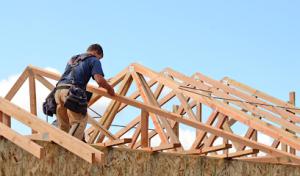
The replacement window in this high-elevation setting is narrow and deliberately timed. Winter snow and freezing temperatures stall tear-off, sealing, and dry-in work, so the most workable period typically runs from late spring through early fall. When the sun finally warms the roof enough to dry and seal properly, crews can finish with fewer weather-induced delays. If you push into late fall or early winter, you'll face a higher risk of unfinished projects that leave your structure exposed to wind-driven moisture and sudden freeze-thaw cycles. Plan ahead for a spring-start target and lock in a schedule that gives your crew enough time for safe tear-off and thorough dry-in before the first winter storms.
Helena homeowners face both hail exposure and repeated freeze-thaw cycling, a combination that can bruise shingles and then worsen cracking or water entry as temperatures swing around freezing. A hail hit this season may not show immediate leaks, but it can create microcracks and bruising that weaken the outer layer. When the next cold snap hits, those damaged spots can propagate into more serious cracks, especially under foot traffic, roofing nail heads, or movement of accumulated snow. In short, a roof that looks solid after a hail event can deteriorate quickly under successive freeze-thaw cycles, stealthily inviting moisture intrusion along edges, around penetrations, or at the ridge.
Spring in Helena can stack hail, rain, and high winds into the same scheduling period, making temporary moisture protection and rapid post-storm inspections especially important. A single week of mild, windy weather can give way to a late-season hail event or a cold snap that freezes moisture trapped under loose shingles. That confluence creates two high-priority tasks: first, protect exposed roofing areas with rapid tarp or roof-only barriers if a storm hits before a full replacement can begin; second, arrange for a quick post-storm inspection to catch small leaks before they expand. If a storm arrives during this window, there's little time to react, so a pre-season plan with a trusted contractor and a ready moisture-protection kit becomes essential.
A proactive homeowner approach is to schedule a mid-season verification of the roof's integrity, especially after any hail event or after a series of freeze-thaw cycles. Quick, targeted checks of flashing, valley intersections, and vent penetrations can flag early cracks or damp spots. Invest in high-quality temporary moisture protection if a storm is forecast during your replacement window. Keep gutters clear of shingle debris, since backed-up water can accelerate ice dam formation during thaw periods. Remember that even a small section of compromised roof deck can lead to widespread problems if left unattended across multiple freeze-thaw cycles.
Coordinate with a local roofing professional who understands Helena's unique mix of hail exposure and freeze-thaw behavior. Secure a firm start date within late spring when workable conditions align, and insist on a dry-in strategy that includes a robust tarp plan and rapid post-storm inspections. If hail damage is suspected, request a thorough, staged assessment that prioritizes vulnerable areas such as valleys, flashings, and edges. Plan for a contingency in your schedule to accommodate weather-induced delays without sacrificing critical sealing work. In this climate, decisive actions during the short installation window determine long-term performance-act quickly when a storm passes and maintain a vigilant inspection routine through the spring and early summer.
Ellingson Roofing
(406) 916-6423 www.ellingsonroofing.com
2406 Sunlight Cir, Helena, Montana
5.0 from 29 reviews
Ellingson Roofing is a full-service exterior remodeling and roofing company based in Helena, Montana, serving residential and commercial clients statewide. We specialize in roofing, solar energy, seamless gutters, and siding—offering repairs, replacements, and new installations. Our roofing services include custom solutions with metal roofing, CeDUR, DaVinci, and more. We install seamless gutter systems built for Montana's climate and offer siding options like Hardie and metal siding for both repairs and upgrades.
Christofferson Construction
(406) 422-5085 www.montanaroofing.com
2207 Airport Rd, Helena, Montana
4.8 from 67 reviews
With decades of experience in roofing and siding, Christofferson Construction is a name you can trust. We are a GAF Certified roofing contractor serving homeowners and businesses in Helena Valley and surrounding areas. As specialists in storm damage, we work with insurance companies to help our customers receive coverage for our roofing services. Request a free quote today!
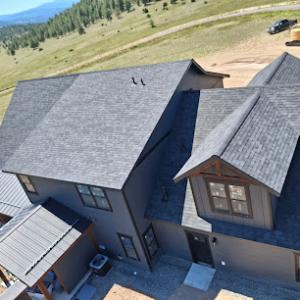
Top Notch Exteriors, LLC- Roofing & Siding Contractor Helena, MT
(406) 475-1263 topnotchexteriorsco.com
Helena, Montana
5.0 from 15 reviews
Discover unparalleled craftsmanship with Top Notch Exteriors, Helena's premier roofing, siding, and exterior remodeling experts. Our dedicated team transforms homes with innovative designs and quality materials, ensuring lasting protection and stunning curb appeal. Trust us to enhance your home's beauty and value—experience top-notch service today!
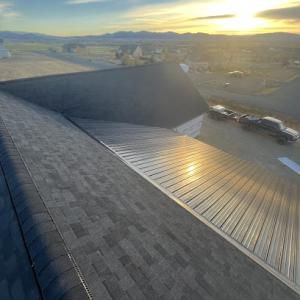
Pure Peak Roofing
5260 Jay Bird Dr, Helena, Montana
4.6 from 21 reviews
As specialists in residential roofing services, we are dedicated to providing customer service that is second to none. Whether you have a new construction project or it is time for repairs, we offer the roofing services you need.

Light Roofing
(406) 213-9654 lightroofinglimited.com
Helena, Montana
4.9 from 7 reviews
Light Roofing is a roofing contractor in Helena, MT area. Don't hesitate to contact us right now if you have any questions about our roofing services. We will be happy to help you.

Helena Roofing Company
(406) 412-6944 www.helenaroofingpros.com
Helena, Montana
4.7 from 14 reviews
Helena, Montana is undoubtedly beautiful, but the dynamic weather will easily take a toll on the longevity and structural integrity of your roof. That’s why the knowledgeable professionals at Helena Roofing Company are committed to reliable and affordable roofing services for homes and buildings of all shapes and sizes. As our state's capital city we do our best to keep a very strong impression of good looking homes and businesses. One of the core pieces to that puzzle is a roof that looks strong and will withstand the Helena elements. Whether you need a new sheet metal roof or traditional asphalt shingle roof, we are your go to contractor for residential and commercial jobs alike.
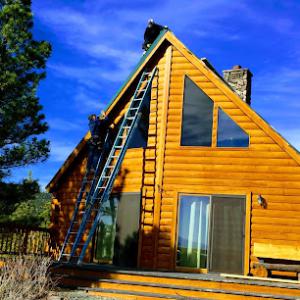
North Ridge Roofing
(406) 437-8954 northridgeroofing.org
7965 Garrick Ln, Helena, Montana
4.1 from 15 reviews
Roofing Contractor Siding Contractor
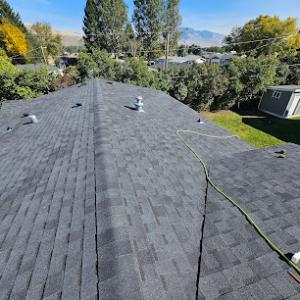
The Works
Helena, Montana
3.8 from 18 reviews
The Works has a full team of experts to ensure your roof is water tight and ready to last through Montana’s harsh Winters. We expertise in insurance claims to get you covered and make the process easy.
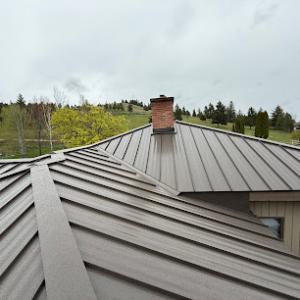
TopLine Exteriors
(406) 439-0325 www.toplineexteriors.com
8406 Hillview Dr, Helena, Montana
5.0 from 2 reviews
Elevate the look and functionality of your home with our top-notch roofing and siding installation services. Share your project details with us today, and let's work together to bring your vision to life. Accredited by the Better Business Bureau.
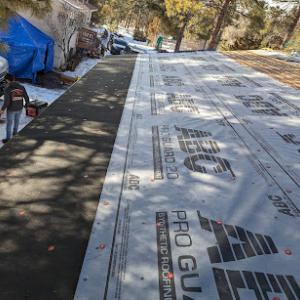
T & J Xteriors & Roofing
(406) 202-8163 exteriorrepaircontractor.com
Serving
5.0 from 66 reviews
T & J Xteriors and Roofing is a trusted roofing contractor based in Helena, MT. We understand how Montana’s weather can damage your roof, and we’re here to help. Our licensed roofers offer residential and commercial roof replacements, roof repairs, roof installation, metal and asphalt roofing, storm damage restoration, and more. We also install seamless gutters, siding, skylights, and windows. With over 30 years of experience, we serve Helena, East Helena, Montana City, Avon, & surrounding areas. We’re known for professional results, free roof inspections, & fast service. If you're searching for reliable roofers, roof replacement in Helena MT, or Helena roofing experts, call T & J Xteriors today for affordable & dependable roofing solutions
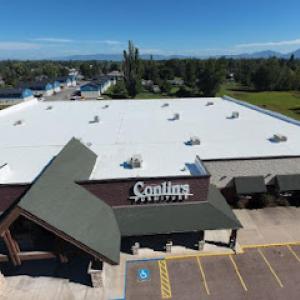
(406) 502-8113 www.cbcommercialroofs.com
Serving
5.0 from 1 review
Montana's trusted provider of exceptional commercial and industrial roofing since 2013. At CB Commercial Roofing, we ensure your roof's longevity. Secure your investment today

JCT Roofing
345 Griffin Rd, Helena, Montana
We specialize in residential roofing, full replacements, repairs, emergency services
In this mountain-climate setting, asphalt shingles and metal roofing are the two workhorses for most homes. You get a reliable blend of snow shedding, hail resistance, and install windows that line up with Helena's short warm-season window. Asphalt shingles keep a familiar profile, install quickly, and repair well if a hail dent appears in a modest patch. Metal roofing, on the other hand, shines when snow needs to move off the roof efficiently and when you want a long-lived layer that can resist impact without suffering from heavy tiles. If you're weighing the two side by side, think about a typical Helena winter: you'll benefit from the low weight of asphalt and the high impact resistance of metal, with metal offering a longer service life in exchange for a higher upfront fit. The goal is to pick a system that behaves predictably under freeze-thaw cycles and frequent hail events, while still fitting the home's overall look and your maintenance tolerance.
Clay tile and concrete tile exist in the Helena market, but their drawbacks are more pronounced here than in milder climates. The roof structure often wasn't designed for tile loads, and the heft can push you toward structural upgrades or selective installation. If the home's framing and existing deck show any signs of weakness or age, tile could be paired only with careful design and reinforcement-and that adds complexity and cost. In practice, tile tends to be a selective fit: it can deliver a distinct aesthetic and excellent durability, but only when the roof is already prepared to handle the additional weight and when the budget can absorb the higher installation and long-term maintenance needs. If your priority is keeping weight within reason and maintaining straightforward service, asphalt or metal usually remains the safer default, with tile reserved for specific architectural visions or new build projects designed around it from the ground up. In Helena, the balance often tilts away from tile for most single-family homes unless the structural assessment confirms ample capacity and the climate-friendly benefits are highly valued.
Wood shakes bring a natural look that many homeowners love, but the dry summer sun, winter moisture cycling, and storm exposure in this region demand careful evaluation. Wood can perform beautifully when sealed and maintained, yet it is more sensitive to cracking or warping from rapid freeze-thaw swings and hail impact. If you lean toward wood, plan for regular inspections, timely treatments, and potential replacements or repairs after hail seasons. Synthetic or composite shingles layer in a more predictable performance line: they resist some of the weathering that wood experiences and often mimic the look without as much ongoing maintenance. Still, the climate's sun exposure and cold snaps will test any synthetic's resilience over time, so choose products with proven high-temperature stability and hail resistance. The decision should hinge on whether the roof's framing and attic ventilation are ready to support the chosen material's needs, and whether the anticipated storm load and sun exposure align with the product's tested performance. In a typical Helena home, these options are best approached as a deliberate match-up between aesthetic goals, long-term upkeep, and how the material handles the local freeze-thaw cycle and hail frequency.
Cold winters with heavy snow accumulation mean attic heat loss and uneven roof temperatures become a major concern. When heat leaks into the attic, portions of the roof warm while others stay cold, creating melt-refreeze cycles at the eaves. Over time, that back-and-forth can push water up under shingles or underlayment, leading to hidden ice dams that trap moisture against the roof deck. The result is warped sheathing, accelerated shingle wear, and the potential for interior condensation that shows up as stained ceiling or painted trim. The key is to reduce heat loss up there so the roof stays closer to a uniform temperature through repeated winter cold snaps.
Roofs that hold snow longer tend to face more prolonged moisture exposure during Helena's frigid periods than during a dry summer. A ridge-height or long overhang design can slow natural shedding, leaving snow sitting on the roof where it can melt and refreeze at the eaves. Ice dams form when meltwater cannot freely drain to the gutters, backing up under the shingles and along the edges. This is not a one-time problem-each heavy snow event can compound existing damage. Consider how roof pitch, edge detailing, and the presence of enhanced drip edges influence how quickly snow comes off and how long that damming cycle lasts.
Replacement planning should consider how snow retention, ventilation, and underlayment choices perform through repeated winter freeze events. Proper attic ventilation helps maintain cooler roof temperatures in the winter, reducing the intensity of melt-refreeze cycles. An effective underlayment remains essential-look for products that hold up under freezing moisture and provide a robust barrier against ice dam leakage. Roof designs that minimize soffit-to-ridge temperature differentials, combined with well-sealed eaves and continuous ventilation, reduce the chance of ice dams forming and re-forming with every big snowfall.
You can protect a roof by performing timely, practical steps each season. Clear gutters and downspouts before the heaviest snows, but avoid blasting ice from gutters without a plan-focused attention to the eaves matters most. Inspect flashing around chimneys and dormers for gaps that can invite meltwater ingress during freeze-thaw cycles. If you notice recurring ice dam buildup or interior signs of moisture after storms, address the root causes-insufficient venting, inadequate insulation, or aging underlayment-before the next L-winter arrives. Small, proactive fixes now save larger, costlier repairs later.
Typical Helena pricing runs about $350 to $700 per square for asphalt shingles, $700 to $1200 for metal, $900 to $1800 for clay tile, $800 to $1500 for concrete tile, and $500 to $900 for wood shakes or synthetic/composite roofing. In the dead of winter the option to install may disappear for weeks, but once the short thawing window opens, crews surge. When hail or wind events hit, prices can spike as contractors shift to meet the urgent demand, even though the season is already compact. If you're budgeting, plan for the lower end of the range in quiet years and the upper end when a storm pushes many roofs at once into replacement or repair. For asphalt and metal, the spread is narrowest; tile costs swing more with labor intensity and roof pitch. Here in Helena, that distinction matters because many houses balance mid-size to steep pitches that complicate access and safety during late-season work.
Helena's work season runs short in late spring to early fall, and weather belts the schedule hard with snow in the shoulder months. Hail events can create a rush of re-roof demand that tightens availability even when crews are already busy. If a hail storm hits in May or September, you'll find crews booking two to four weeks out for material ordering, permitting if applicable, and stacked labor. The practical effect: a storm-impacted roof may cost more due to expedited scheduling, higher crew utilization, and possible carrier delays on material deliveries. To avoid month-to-month spikes, consider planning ahead after a predictive weather window opens, and be prepared for possible price adjustments if a high-activity storm cycle begins.
Metal is commonly favored here for snow shedding and durability, which can translate into better long-term performance with freeze-thaw cycles. Tile systems-clay or concrete-tarry into higher installation complexity and structural considerations, and they tend to be more sensitive to roof geometry in Helena's housing stock. Shingle roofs remain the most common, offering a balance of cost and install speed, but during hail-prone seasons, the choice of impact-resistant shingles can influence both upfront price and post-storm durability. Synthetic/composite shingles offer a middle ground in weight and cost, with practical resilience to Helena's freeze-thaw swings. If snow load and shedding are priorities, lean toward metal or impact-rated asphalt; if architectural detail and tile aesthetics matter, prepare for higher installation effort and a bigger total bill.
In Helena, a building permit is typically required for a full roof replacement rather than being treated as a no-permit maintenance item. That means when you plan to replace the entire roof, you should anticipate a permit as part of the project scope rather than waiting to see if one is needed. Knowing this early helps prevent delays when the crew arrives and begins work. The process hinges on aligning with local codes that address Icelandic-style freeze-thaw cycles, hail resistance, and the integrity of attic ventilation, flashing, and drainage. Start by confirming whether your project qualifies as a full replacement with the local building department so there are no surprises as you move from contract to construction.
The local building department handles permit issuance and inspection scheduling for roofing work in Helena. Your contractor should be familiar with the required forms, but you are ultimately responsible for ensuring that the permit is opened and that documentation reflects the exact roof type, underlayment, and venting plan you intend to install. Because Helena faces long snowy winters and rapid freeze-thaw swings, code requirements often emphasize weatherproofing details that resist ice dam formation and wind uplift. Have your chosen roofing system vetted for these conditions in the permit submittal, including any required NDS or local amendments. Plan to provide roof plans, a scope of work, and product specifications to the department-these help keep the project on track and reduce back-and-forth during review.
Inspection timing is driven by the permit, so stay in close contact with the building department to lock in dates for framing, underlayment, and final roofing inspections. In practice, inspections are typically scheduled after major milestones to verify compliance with approved plans and local code requirements. If the weather window is short, coordinate with your contractor to prevent weather-related hold-ups, especially during the narrow late-spring to early-summer period when the installation may need to wrap up before fall snow. Any deviations from the approved plans should be communicated quickly and documented with addenda through the permit records.
A final inspection is usually conducted after completion to verify the roof matches approved plans and local code requirements. Expect the inspector to check sheath integrity, eave and ridge ventilation, flashing details around chimneys and skylights, and proper installation of underlayment and ventilation. If issues are found, schedule timely corrections with your contractor and the building department. Once the final inspection passes, you'll receive final approval, which clears the project for occupancy and ensures the work meets Helena's structural and weather-resistance expectations.
Keep all permits, approvals, and inspection records organized together with your project timeline and contractor contact information. Proactively communicate any weather-driven delays to avoid missing inspection windows. If you're unsure about any step, contact the building department early in the project to confirm requirements, especially around underlayment choices and ventilation, which tie directly to Helena's freeze-thaw and hail exposure.
Montana is a weather-active claim environment, and Helena homeowners commonly need strong photo documentation after hail and wind events because carriers review both storm damage and pre-existing wear. You should expect to gather clear photos of shingles, flashing, vents, and any interior signs of water intrusion, dated right after a storm and periodically during the following weeks. Good images help you tell a complete story of what happened and what existed before the event.
Adjusters in this market may closely examine roof age and material type when evaluating Helena claims, especially after repeated seasonal storms. If your roof is toward the end of its typical life or has unusual wear patterns, expect questions about maintenance history and previous repairs. Having documentation from local roofing professionals about the roof's condition prior to the latest hail event can smooth the process and reduce post-storm disputes.
Montana has seen underwriting shifts rather than a full statewide insurer withdrawal, so Helena homeowners should expect policy terms and claim scrutiny to matter when deciding between repair and replacement. Insurers may review whether prior patches, shingle granule loss, or flashing failures contributed to the damage. Clarify what your policy covers for hail versus wind alone, and be prepared for adjustments in stated deductibles or replacement considerations after a severe season.
After a hail or wind event, contact your insurer promptly and document both new damage and ongoing wear. Coordinate with a local roofer to obtain a professional assessment that distinguishes between hail-caused harm and pre-existing conditions. This nuanced view supports a fair, faster path to resolution and helps protect your home against lingering exposure during Helena's variable spring and early summer.
Connect with contractors who help homeowners navigate the claims process from damage assessment to final approval.
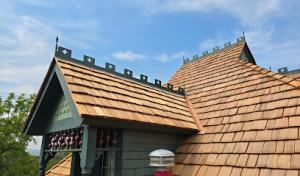
Christofferson Construction
(406) 422-5085 www.montanaroofing.com
2207 Airport Rd, Helena, Montana
4.8 from 67 reviews
The town's housing stock and weather patterns push re-roofing into a steady, weather-driven need more than flashy new-construction work. Metal roofing has a meaningful contractor presence, and many homeowners gravitate toward its durability and snow-shedding benefits. Asphalt shingles remain a core option for those prioritizing affordability and straightforward replacement.
You'll find metal is popular for its long-term resilience in long, snowy winters and for shedding heavy snow more efficiently. If your roof gets repeatedly hit by hail, metal can mitigate denting and potential interior damage, especially on exposed slopes. Asphalt shingles stay a practical, reliable choice when you need a simpler, cost-conscious replacement that can be installed quickly in Helena's relatively short warm-weather window.
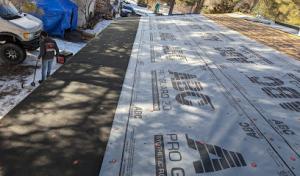
Begin with a careful inspection after winter events: look for curled edges, missing granules, and dented panels or shingles. Freeze-thaw cycles can amplify existing weaknesses, so address damaged sections early to prevent leaks. Plan re-roofing for a period with minimal snow and a reliable two to three week stretch of dry, mild weather. If a hail storm just passed, don't delay: hail-damaged underlayment and deck wood can deteriorate quickly in sun following a cold snap.
For metal roofs, choose a profile that balances snow shedding with wind resistance, and confirm proper underlayment compatibility to prevent condensation issues. For shingles, ensure a solid underlayment and ventilation; Helena's dry summers don't negate the need to manage attic temperatures, which affect shingle life. Contractors with local experience will tailor nail patterns and sealing to withstand Helena's freeze-thaw cycles and gusty days.
Ask about their experience with both metal and asphalt in this climate, and request examples from nearby homes that faced similar weather conditions. A reliable crew will map out a phased work plan that respects the narrow install window and minimizes exposure of your home to the elements.
Explore specialists in steel, aluminum, and standing seam metal roofs built to last 50 years or more.
Ellingson Roofing
(406) 916-6423 www.ellingsonroofing.com
2406 Sunlight Cir, Helena, Montana
5.0 from 29 reviews
Christofferson Construction
(406) 422-5085 www.montanaroofing.com
2207 Airport Rd, Helena, Montana
4.8 from 67 reviews

Skylights and low-slope roofing appear in Helena's contractor mix but at much lower prevalence than storm repair, metal, and asphalt work, so they are secondary local concerns rather than the city's defining roofing issue. In the freeze-thaw cycle, standing moisture around skylight domes and edge penetrations can seep into seams and flashing. Low-slope sections accumulate meltwater when snow and ice shove their way toward the eaves, and refreezing at night can push against sealants. It helps to keep the skylight curb tight and verify that the surrounding roof plane sheds water toward the gutters rather than pooling near the flashing.
In Helena's climate, roof penetrations and low-slope transitions deserve extra scrutiny because standing moisture and refreezing can expose flashing weaknesses. Pay particular attention to the transition where the skylight flange meets the deck, and where any adjacent vent or plumbing vent terminates near a low-slope plane. If flashing is relying on mastic sealant alone, consider upgrading to a metal counter-flashing or a continuous nailing strip with compatible sealant to resist cracking through repeated freeze-thaw cycles. During shoulder seasons, small gaps can widen quickly as daytime warming and overnight cooling alternate; inspect after longer stretches of rain or rapid temperature swings.
These details become more sensitive during spring rain and shoulder-season temperature swings in Helena than during the city's drier summer stretch. Plan inspections to follow the wettest months and after any hail events, when moisture around penetrations is most likely to reveal hidden weaknesses. If a skylight or low-slope area shows even minor flashing movement or persistent condensation beneath the curb, address it promptly rather than waiting for a full re-roof. A well-sealed, properly flashed skylight junction reduces ice dam risk and keeps interior spaces drier during Helena's transitional weather.
Find contractors experienced in skylight installation, flashing, and leak repairs to bring natural light into your home.