
Last updated: Apr 19, 2026
Kalispell's cold, snowy winters followed by freeze-thaw swings create a perfect setup for ice dams and moisture intrusion. When daytime melts snow on the roof and nighttime freezing re-freezes at the eave, a dam forms. Meltwater backs up under shingles or roofing membranes, seeping into attic spaces and along ceilings. In this valley, the combination of heavy snowfall, prolonged cold spells, and rapid temperature swings means roofs endure repeated stress. The result is more frequent moisture issues that can progress to structural rot, compromised insulation, and accelerated roof deck deterioration if not addressed promptly. This isn't a hypothetical risk-it's a recurrent reality for many homes that weather the winter wind, sun, and snow in the Flathead Valley.
During replacement work, inspectors verify venting and underlayment conditions with a critical eye. If attic ventilation is inadequate, heat rises into the roof plane, warming the underside of the roof deck and driving more melt water toward the eaves. That extra meltwater, re-freezing at the edge, feeds ice dam buildup even if the exterior shingles are in good shape. Continuity of underlayment is non-negotiable in this climate; gaps or laps in the underlayment near the eave allow water to bypass shingles and leak into the attic or wall cavities. Eave-edge detailing deserves meticulous attention: improper drip edge, flashing, or siding-to-roof intersections invite water intrusion where it is hardest to dry. In Kalispell, where big temperature swings are the rule rather than the exception, these details become the line between a watertight roof and a costly interior repair.
Winter snow and cold conditions regularly limit access and scheduling in Kalispell, so homeowners often need to plan replacements before deep winter rather than wait for active leaks. The clock runs differently here: you don't want to be negotiating a roof project in the peak of a blizzard or after a storm when crews can't safely work. That means proactive assessment and timely replacement, especially for roofs with aging underlayment or prior signs of moisture issues. If a leak is already present, don't delay small repairs; moisture moves quickly through wood and insulation in this climate and can surprise you with hidden rot behind walls. Even when a roof looks intact from the ground, unseen damage in the attic or along the eave line is common after a winter with heavy snow and repeated freeze-thaw cycles.
Start with an honest attic inspection before winter intensifies. Look for signs of moisture, staining, mold growth, or musty odors near the storage areas and along the fascia. Check attic vents, soffit openings, and ridge vents for signs of blockage or reduced airflow. If the attic feels warm or if you notice uneven insulation thickness, call a local roofer to evaluate ventilation balance and insulation levels. For any replacement or major repair planned in the near term, insist on continuous underlayment across the eave-to-ridge run and a detailing plan that includes weatherproof flashing at all roof-to-wall transitions, penetrations, and around chimneys or vents. Ask for a roof plan that highlights eave-edge drip edge installation, proper flashing metal, and careful handling of deck joints near the eaves. If a storm has just passed, do a quick interior check for new stains or damp spots around ceilings that could signal ice dam-related intrusion, then address the source rather than chasing symptoms.
When replacing a roof in this climate, demand a schedule that aligns with the season's milder windows, and insist on a full drill-down of ventilation strategy, underlayment continuity, and eave detailing. The goal is to finish with a roof system that resists meltwater pooling and blocks moisture from entering the attic during the most punishing freeze-thaw cycles. This is not optional maintenance-it's critical protection against rapid indoor moisture buildup, damaged insulation, and the expensive cascade of interior repairs that follows when ice dams take hold. In Kalispell, the right approach is proactive, precise, and it starts at the attic.
Montana's periodic hail and wind events drive roof claim activity in Kalispell, making storm documentation and prompt inspections especially important after spring and summer weather. When a dry spell gives way to a thunderstorm, shingles can shed granules, gutters clog, and flashing misalign. The result is a creeping risk of moisture intrusion that shows up weeks later as stains, peeled edges, or attic mustiness. Treat every significant storm as a potential turning point for your roof's health: document what you see, and don't wait for the next downpour to verify what's happened. A clear after-action record helps you separate pre-existing wear from new damage and strengthens any claim narrative.
Spring hail and heavy rainfall can delay roofing schedules in Kalispell just as damage reports increase, creating contractor backlogs during peak claim periods. If you notice dented shingles, lifted edges, or brittle granules after a hail event, plan for a rapid bite of action: call a local roofing pro for an urgent inspection, but be prepared for potential scheduling bottlenecks as weather clears. In practice, aim to have documentation ready within days of a storm: dated photos from multiple angles, measurements if possible, and a concise note describing the affected zones. Understand that crews may be juggling back-to-back appointments when the calendar is crowded, and short-notice work could be impacted by lingering moisture. Having a prioritized inspection list - focusing first on valleys, eaves, and penetration points around vents and skylights - helps avoid delayed moisture intrusion when weather improves but the backlog remains.
Adjuster site visits are common for new replacements in this market, and insurers often want roof measurements and photo documentation to verify the extent of damage. That reality makes meticulous, consistent documentation essential. If an adjuster is coming, coordinate your hail and wind evidence so nothing important slips through the cracks: collect straight-on photos of all elevations, show the surrounding roof materials, flashings, and any sagging or deflection, and note the age and maintenance history of the roof. For homeowners, this means preparing a simple damage log: dates of storms, observable changes, and any interior signs of leakage. When the adjuster arrives, have a prepared list of high-priority concerns to ensure the assessment captures the true scope. If measurements are requested, confirm the method and deliver clear, legible figures. The goal is to minimize surprises and avoid gaps between what exists and what the insurer can corroborate with photos and dimensions.
After a significant hail or wind event, a temporary fix can be a wise choice in Kalispell's freeze-thaw climate. Use tarps properly to cover vulnerable valleys and dormers, but avoid creating further damage by improper placement or weight. Schedule a prompt, professional inspection as soon as weather allows; faster responses reduce the chance of hidden moisture seeping into decking or insulation. If a claim is filed, establish a steady line of communication with the insurer and the contractor, documenting every interaction. In spring and summer, anticipate possible delays and keep a flexible plan, adjusting for weather and backlog without sacrificing thoroughness. The path to minimizing storm-related moisture intrusion hinges on fast, accurate documentation, timely inspections, and decisive action aligned with the insurer's claim workflow.
Find local contractors experienced in assessing and restoring roofs after hail, wind, and severe weather events.
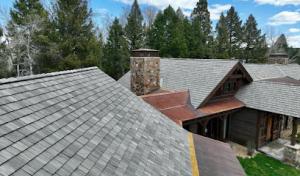
Montana Roofing Solutions
(406) 609-4189 montanaroofingsolutions.com
125 Alden Loop, Kalispell, Montana
4.9 from 156 reviews
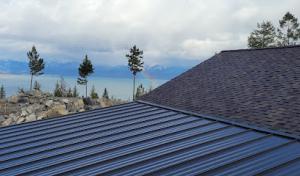
Brix Systems Roofing
(406) 333-1977 www.brix-systems.com
42 Trails End Dr, Kalispell, Montana
5.0 from 57 reviews
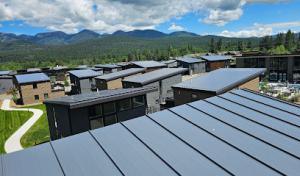
Northwest Roofing Specialists
(406) 871-5840 northwestroofingspecialists.com
300 Pheasant Dr, Kalispell, Montana
5.0 from 48 reviews
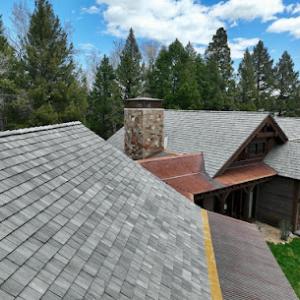
Montana Roofing Solutions
(406) 609-4189 montanaroofingsolutions.com
125 Alden Loop, Kalispell, Montana
4.9 from 156 reviews
Montana Roofing Solutions is one of Kalispell’s top-rated roofing companies, proudly serving the Flathead Valley with expert roofing contractors specializing in roof replacement, repairs, and installations built to handle Montana’s tough weather. Locally owned and trusted, we’re known for honest communication, quality craftsmanship, and 5-star service that protects homes year after year. Our team uses durable, high-performance materials for lasting results and partners with leading solar companies to deliver solar-ready, energy-efficient roofing options. When you choose Montana Roofing Solutions, you’re choosing integrity, reliability, and roofs built to stand strong in every Montana season.
Brix Systems Roofing
(406) 333-1977 www.brix-systems.com
42 Trails End Dr, Kalispell, Montana
5.0 from 57 reviews
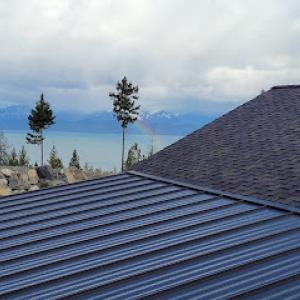
Brix Systems Roofing is a family-owned roofing contractor in Kalispell, Montana, with 15+ years of industry experience serving homeowners and contractors throughout the Flathead Valley. We provide residential and commercial roofing services, including metal roofing, standing seam, shingle roof replacement, and storm damage repairs. Our team is highly experienced with insurance-related roof replacements, wind and hail damage, and Montana-specific roofing challenges. We focus on proper installation and long-term durability by using premium roofing materials built for the rugged Flathead Valley climate. At Brix Systems Roofing, we are committed to quality workmanship and transparency to ultimately leave you with a reliable roof over your head!
Northwest Roofing Specialists
(406) 871-5840 northwestroofingspecialists.com
300 Pheasant Dr, Kalispell, Montana
5.0 from 48 reviews
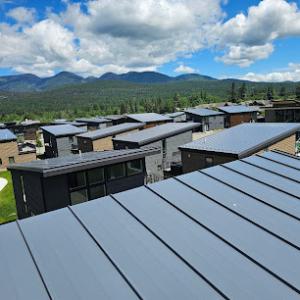
When it comes to roof repairs and replacements, you don't have to sacrifice speed for quality. Northwest Roofing Specialists can do the job right while sticking to your schedule. We pride ourselves on being reliable and efficient, treating your home as if it was our own. Since 2016, we've been serving residential and commercial clients throughout the Flathead and surrounding areas. Call 406-871-5840.
Artisan Roofing
(406) 890-7663 artisanroofingusa.com
6 Sunset Plaza Suite E, Kalispell, Montana
4.9 from 108 reviews
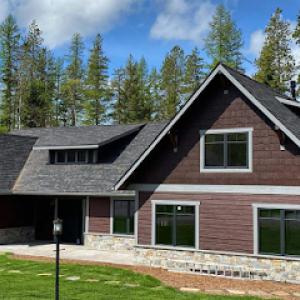
Artisan Roofing, your local and trusted Kalispell roofing advisor, is a family-owned business providing comprehensive roof services, including Ice Dam removal, for residential and commercial customers in the Flathead Valley and surrounding areas, including roofing contractors Kalispell MT. With over 30 years of professional experience, we are a licensed roofing contractor specializing in roof repair, roof replacement, and roofing maintenance. At Artisan Roofing, we believe in excellence as a choice and uphold honesty as the best policy. Our commitment to quality service makes us the preferred choice for all your roofing needs in Montana. Choose Artisan Roofing for reliable and expert solutions, especially after the storm hits.
Titan Roofing
(406) 471-8950 www.titanroofingusa.com
860 N Meridian Rd A16, Kalispell, Montana
4.9 from 93 reviews
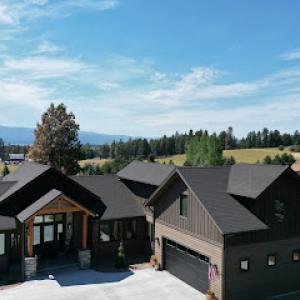
Premier Roofing Services TITAN ROOFING SERVING KALISPELL, MT AND THE SURROUNDING AREA At Titan Roofing our roofing contractors have the experience and expertise needed to handle any type of roof repair, new roof installation, or re-roofing project. We have been providing premier residential roofing services to Kalispell, MT and the surrounding area for over 10 years. Since the day we began our first job, we have taken pride in ensuring that we provide nothing but the highest quality work. Through our timeliness, constant communication, and top notch customer service, we have made a name for ourselves as a trusted roofing resource in our community.

Infinity Roofing & Siding
(406) 309-6495 www.infinityroofer.com
1001 S Main St Suite 170, Kalispell, Montana
4.9 from 73 reviews
Since 2004, Infinity Roofing & Siding has been a friendly, family-owned roofing company serving homeowners and business owners across the country. We know that the only thing worse than a leaky roof is unqualified, unprofessional, and uncaring roofers—and we’ve worked hard to build our reputation as the industry experts nationwide!
Roof Ops
(406) 491-8408 www.roofopsmt.com
1867 Trumble Creek Rd, Kalispell, Montana
4.9 from 29 reviews
Roof Ops in Kalispell MT offers top-notch roofing services to protect what matters most to you. Our team of experienced professionals is dedicated to providing high-quality installations and repairs. Trust us to keep your roof in top shape for years to co
Glacier Roofing & Exteriors
(406) 303-3563 myglacierhome.com
220 S Complex Dr Ste #101, Kalispell, Montana
5.0 from 14 reviews
Glacier Roofing & Exteriors is a trusted roofing and exterior contractor serving homeowners throughout Missoula, Kalispell, and the greater Western Montana region. We specialize in insurance roofing, storm damage inspections, and exterior repairs, including roof replacement, roof repair, and emergency services. Our experienced team works closely with homeowners through wind damage, hail damage, and insurance claims, providing clear documentation and guidance throughout the restoration process. Known for honest inspections, skilled craftsmanship, and reliable solutions, we help protect Western Montana homes with work built to withstand Montana’s demanding weather conditions.
CBX Roofs
1204 1st Ave E, Kalispell, Montana
5.0 from 10 reviews
CBX Roofs is your premier roofing contractor. With over 20 years and 5000+ roofs installed, we have a wealth of knowledge over construction and roofing processes. We take pride in our work, and it is reflected in our construction of your new roof! We've been specializing in all types of roof repairs and replacements. Our highly trained project managers can not only provide free personable advice, but they can also help educate you on product details, and storm damage, and produce competitive estimates. You can trust the professionals at CBX Roofing to handle your home. We’ve got the pro experience under the belt and are ready for any situation to come about!
Nailed It Roofing & Construction
(801) 709-3765 naileditroofingco.com
1001 S Main St Suite #6823, Kalispell, Montana
5.0 from 7 reviews
At Nailed It Roofing, we specialize in roof inspections for hail and wind damage and work directly with your insurance company to ensure your home is fully restored. Our experienced team provides professional roof replacements and repairs, gutter installation and repair, and siding installation. With a commitment to quality craftsmanship, reliable service, and customer satisfaction, we help homeowners protect their property, enhance curb appeal, and maintain the value of their home.
Neu Tech Roofing
(406) 752-3242 www.neutechroofing.com
125 Fenn Way, Kalispell, Montana
4.6 from 10 reviews
We are a quality driven roofing company who's goal is to create a referral based business by putting on the best roofs in the market. We have been serving the Flathead Valley for over 45 years.
Advanced Roofing
(406) 752-6728 advancedroofing.info
2741 U.S. 93 S, Kalispell, Montana
5.0 from 5 reviews
We offer a wide range of roofing services, including roof repair/service, roof replacement, and roof installation. Based in Kalispell, MT, we proudly serve communities throughout Idaho, Montana, and Washington. Our team of experts uses only the highest quality materials to ensure that our clients receive the best possible results.
Late summer and early fall are the preferred installation window in Kalispell because conditions are typically drier and more stable than spring storm season or winter snow season. Plan around a window when daytime temps aren't extreme and there's minimal likelihood of rapid weather shifts. This helps ensure underlayment and ventilation components settle properly before winter freeze-thaw cycles begin. If you're aiming to prevent ice dams and moisture intrusion, aligning tear-off and replacement with this stable period reduces the risk of venting and membrane punctures caused by sudden hail or heavy rain.
Summer thunderstorms and high winds can interrupt active tear-offs in Kalispell even during otherwise favorable months. That means prep work-like securing loose shingles, protecting landscaping, and staging materials-needs a contingency plan. A pragmatic approach is to schedule the bulk of removal for days with a calm forecast, and keep the crew equipped to cover exposed roof edges quickly if a storm forms. Understanding that interruptions happen helps you avoid rushed re-application, which is critical for controlling moisture paths and sealing penetrations properly.
Because winter access is limited and spring weather can be wet and hail-prone, homeowners in Kalispell often get better scheduling and installation conditions by booking before late-season demand spikes. Early in the shoulder season, you can lock in crews before the backlog builds, reducing the chance of performing work during harsher weather. If a project drifts into late fall, verify that the installation plan includes temporary weather protection and a clear route for debris removal, since winter conditions can intensify moisture intrusion risks if the roof isn't fully sealed.
Choose a roofing system that complements Kalispell's freeze-thaw cycle and moisture concerns. A well-sealed underlayment paired with a ventilated ridge and properly sealed penetrations helps minimize ice dam formation and heat loss in attic spaces. When selecting materials, prioritize products with robust wind resistance and effective rain shedding, knowing that summer bursts of wind and hail can stress the weakest points. A thoughtful combination of insulation, attic ventilation, and correctly placed eave channels creates a more forgiving roof deck during sudden temp swings.
Coordinate with a contractor who can stage the tear-off quickly on dry days and cover exposed areas during brief storm windows. Confirm that drip edges, gutter apron details, and valley intersections are addressed with the exacting sealant and flashing technique needed for our valley's moisture profile. Finally, establish a weather contingency plan for the crew, so the work can resume promptly after a weather break without compromising the installation's long-term resistance to ice and moisture intrusion.
In a Valley climate shaped by heavy snow, freeze-thaw cycles, and storm activity, the most practical roof materials balance snow-load resilience, moisture control, and repairability. Asphalt shingles and metal roofing are the go-to choices for many homes, because they align with the market options homeowners already encounter and perform well when winter moisture cycles through. The goal is to reduce ice dam formation and minimize wind-driven moisture intrusion after long snowy stretches. When selecting materials, consider how the roof will shed snow efficiently in high-precipitation months and how fast any ice that forms near eaves can be addressed by proper ventilation and insulation.
Asphalt shingles offer familiar installation, good energy performance, and straightforward repairs after winter storms. They pair well with standard soffit and attic ventilation to keep the underside of the roof dry, which helps prevent moisture buildup that can contribute to ice dams. Metal roofing, on the other hand, stands out for snow-shedding and durability in the Flathead Valley climate. A metal roof can reduce snow accumulation on critical roof areas, decreasing the chance of ice dam formation during melt cycles. Both options benefit from a well-sealed eave detail, continuous attic baffles, and proper underlayment designed for freeze-thaw conditions. In Kalispell, the right combination of underlayment, ventilation, and drainage is essential to keep moisture from migrating into the attic or interior spaces.
Clay tile, concrete tile, and slate exist in the local market, but heavier materials demand careful structural review during replacement projects. In a snowy climate, these roofs carry more load and may require a structural upgrade to handle winter snow banks and freeze-thaw cycles. If a heavier roof is feasible, ensure that roof framing, anchors, and fasteners are evaluated for the expected snow load and that installer details address potential ice dam risk at eave lines. Inspectors will look at overall structural compliance during replacement, so plan for a structural assessment as part of the project to avoid surprises if winter conditions demand rapid repairs after storms.
Regardless of material, prioritize a continuous drainage plane, proper sealing at joints, and robust attic moisture management. Ice dams form where warm attic air melts snow near the eaves, which then refreezes at the overhang. Ensure insulation is adequate, ventilation is continuous, and roof penetrations are sealed well. For Kalispell's winters, a material choice paired with meticulous installation-especially at eaves, chimneys, and vent stacks-helps maintain a dry attic and reduces the risk of moisture intrusion after heavy snow events.
Explore specialists in steel, aluminum, and standing seam metal roofs built to last 50 years or more.
Montana Roofing Solutions
(406) 609-4189 montanaroofingsolutions.com
125 Alden Loop, Kalispell, Montana
4.9 from 156 reviews
Brix Systems Roofing
(406) 333-1977 www.brix-systems.com
42 Trails End Dr, Kalispell, Montana
5.0 from 57 reviews
Northwest Roofing Specialists
(406) 871-5840 northwestroofingspecialists.com
300 Pheasant Dr, Kalispell, Montana
5.0 from 48 reviews
In Kalispell, understanding local pricing helps you plan without sticker shock. Typical material pricing runs about $350-$700 per square for asphalt shingles, $600-$1400 for metal, $800-$1800 for clay tile, $750-$1500 for concrete tile, $420-$900 for synthetic/composite shingles, and $1800-$4000 for slate. Those ranges reflect the valley's mix of snow load, wind exposure, and occasional hail, plus the realities of transporting and staging materials through winter and shoulder seasons. When you're budgeting, the exact price will hinge on roof pitch, roof complexity, and the long-term performance you expect from each system.
Costs in Kalispell can rise when storm seasons create demand surges, especially after hail and wind events that increase claim-driven replacement volume. If a neighborhood gets hit hard, you'll see longer lead times and higher material and labor availability costs. Planning ahead, even by a few weeks, can help you lock in material, avoid rush-season surcharges, and coordinate with crews who know how to manage snow-related scheduling constraints. If an insurer is involved, anticipate documentation needs and potential adjustments to the project timeline that ripple into temporary housing or worksite logistics.
Project pricing is also affected by permit and inspection coordination with the city, winter scheduling constraints, and the need for snow-climate details such as robust underlayment and ventilation work. In practice, a Kalispell roof replacement benefits from a highly weather-tolerant underlayment and a ventilation strategy that minimizes heat loss and reduces ice dam risk. Expect higher upfront costs if the crew must upgrade or modify attic ventilation, add insulation, or implement temporary heat management to keep adhesives and sealants performing properly in colder months. Conversely, a well-timed late-spring or early-summer project can keep labor costs steady and minimize winter standby fees.
Preventing ice dams and moisture intrusion is not cosmetic here-it's essential. When replacing in late fall or early winter, insist on a reroof plan that emphasizes a continuous vapor barrier, proper nailing patterns for underlayment, and an upgraded ridge/soffit venting strategy. You'll want products and details that tolerate freeze-thaw cycles and deliver reliable runoff. If a proposed system relies heavily on standard shingles, verify that the installer complements it with enhanced attic sealing and insulation so snow melts uniformly rather than pooling at the eave line. In Kalispell, a practical approach is to pair a suitable roof profile with robust ventilation and an underlayment rated for winter performance, even if the upfront cost rises modestly.
Kalispell typically requires a building permit for a full roof replacement rather than treating it as permit-free maintenance. That means the project paperwork, not just the crew on your roof, is part of the job from day one. The city issues the permit and requires inspections during and after installation, so contractors need to coordinate timing instead of simply completing the reroof in one uninterrupted step. If the plan slips, inspections can stall or trigger rework, especially on winter projects where snow and ice complicate access.
Inspectors in this area scrutinize nailing patterns, underlayment, venting, and overall structural compliance. In Kalispell, flathead valley snow loads and freeze-thaw cycles make these details non-negotiable. A missing or shallow nailing pattern can lead to leaks during spring thaws, while inadequate underlayment invites moisture intrusion behind the new shingles. Venting is also checked to prevent attic condensation buildup, which translates to ice dam risk once the snow returns.
Because inspections are spread through installation, you should expect the scheduling to hinge on coordinated visits rather than a single roof finish date. Communicate with the contractor about expected inspection windows and weather contingencies. If a snow event or winter closure interrupts work, plan for a re-entry inspection before covering the roof with finish materials.
Avoid assuming the permit process is a formality. Delays can cascade into moisture issues and warranty complications. Make sure the contractor submits required documentation promptly and that the crew adheres to the approved method and materials. In Kalispell, a misstep on ventilation or underlayment during replacement can amplify ice dam risk and moisture intrusion after a snowy cycle.
Once the project completes, insist on a final inspection to confirm all systems meet the city's standards. Keep the inspection record with your maintenance notes, since future storm or hail repairs may reference compliant nailing, underlayment, and ventilation as proof of proper installation.
Kalispell sits in a Montana insurance environment with recurring hail and wind claim activity, so roof condition records matter before and after storms. When a storm rolls through, insurers will often want a clear picture of the roof's health prior to any damage claim. This means having organized records you can share quickly, including dates of last inspection, known preexisting issues, and any historical hail or wind events that affected your property. The goal is to minimize back-and-forth and keep the process moving rather than letting questions stall a resolution.
Homeowners here should expect insurers to request measurements, photos, and adjuster access when a replacement is tied to storm damage. In practice, that means keeping a current, high-quality record of your roof from multiple angles, both exterior and interior attic views showing signs of moisture or insulation damage, and any prior repairs. Measurements of roof dimensions, vent placements, and chimney flashings help the adjuster verify scope quickly. You should also organize a calendar of storm dates tied to observed changes in your roof, so you can correlate events with claims if needed.
Because claim volume can spike after regional weather events, documenting damage immediately can affect both approval timing and contractor availability in Kalispell. Start records as soon as you notice anything new-cracked shingles, lifted edges, granule loss, or interior moisture signs. Take timestamped photos from ground level and from ladders where safe, and note the exact location on the roof. Allow the adjuster ready access to the attic and any installed moisture barriers, and prepare a simple list of questions about coverage, depreciation, and replacement options. If a contractor is needed for a rapid assessment, have a trusted local pro lined up who can provide a quick, objective report to the insurer.
Maintain a current photo library organized by year and storm date, with clear images of problem areas such as valleys, penetrations, and flashings. Keep a copy of the most recent roof plan, including vent stacks and chimney locations. After a storm, perform a rapid rooftop and attic check, document any new signs of damage, and share promptly with your insurer and chosen contractor to keep the process streamlined and reduce the chance of delays.
Connect with contractors who help homeowners navigate the claims process from damage assessment to final approval.
Montana Roofing Solutions
(406) 609-4189 montanaroofingsolutions.com
125 Alden Loop, Kalispell, Montana
4.9 from 156 reviews
Brix Systems Roofing
(406) 333-1977 www.brix-systems.com
42 Trails End Dr, Kalispell, Montana
5.0 from 57 reviews
Northwest Roofing Specialists
(406) 871-5840 northwestroofingspecialists.com
300 Pheasant Dr, Kalispell, Montana
5.0 from 48 reviews
In this area, the contractor market skews toward re-roofing rather than niche specialty work, so you're typically comparing replacement experience and reliability more than design variety. Look for crews that have completed multiple complete roof replacements in similar housing stock and weather patterns. Prioritize those who can demonstrate a solid plan for storm-driven demand, rapid mobilization, and dependable cleanup between big melt and storm days.
Quick response matters, especially after a storm when the phone rings off the hook and short weather windows can stall projects. Ask for specific timelines: how soon can they start after you sign, what's their typical crew size for a fast tear-off, and how do they handle weather holds without leaving the roof exposed? Cleanup should be a non-negotiable metric: daily debris removal, waste containment, and a final sweep to ensure you aren't carrying shingle fragments into meltwater or your gutters.
Long-established and family- or locally-owned crews are well represented here and matter to homeowners who want crews familiar with city inspections and Flathead Valley weather patterns. Verify that the company has a stable local address, a history of working with local supply houses, and references from neighbors with similar homes. Ask how they coordinate with the city's inspection process and what documentation they provide for permits, warranties, and aftercare.
Ice dam risk and moisture intrusion take on a different significance after a snowy freeze-thaw cycle. Confirm that the crew understands attic ventilation, underlayment choices suitable for cold snaps, and proper insulation interface checks. Request a short walkthrough plan for moisture control, including how they'll seal eaves, address potential ice dam hotspots, and protect interior spaces during tear-off and installation.
Ask who will be on-site daily, how they manage weather interruptions, and what their site-cleanup routine looks like. Confirm the project manager's role, how often you'll receive updates, and who handles warranty questions after the job is done. A reliable Kalispell crew delivers steady leadership through the entire replacement, not just the installation day.