
Last updated: Apr 19, 2026
Missoula's cold snowy winters and warm dry summers create repeated freeze-thaw cycling that accelerates wear at shingle edges, flashing transitions, and vulnerable penetrations. When the surface temperature swings from above freezing to well below, moisture that has infiltrated tiny gaps expands and contracts, nudging apart sealants and lifting shingle edges. In homes with older roofs, this can show up as shingle cupping, micro-cracks, or granule loss that quietly undermines long-term performance. The most exposed spots are near chimneys, skylights, vent stacks, and rake edges, where edges and transitions bear the brunt of cycling moisture. A rapid watch for tells-thin lines of lift along the eaves, dark-stained streaks, or sudden granule accumulation in gutters-can mean trouble has moved from minor to urgent.
Most full replacements are pushed into spring through fall because late autumn and winter snow and freezing conditions reduce safe installation windows in Missoula. The window narrowing means any project started late in the season faces schedule pressure and compromised workmanship risk during sudden cold snaps. Early planning buys two critical advantages: a warmer, more predictable work day for crews and the ability to complete weatherproofing before the first serious freeze of the season. If a roof shows chronic leak symptoms, or if a hail event left widespread damage, accelerating the schedule into the shoulder seasons-while weather permits-can prevent additional freeze-thaw damage from piling on. Do not wait for a visible collapse; subtle leaks and edge deterioration often precede dramatic failures each spring.
Rapid shoulder-season temperature swings in Missoula affect seal-down, underlayment handling, and day-to-day crew scheduling more than in milder Montana markets. The transition days between warm days and chilly nights keep crews juggling material handling and adhesive cure times. Underlayment products require consistent conditions for proper lay-down and bond, and sealants need temperature windows to achieve reliable adhesion. Frost heaves and ground moisture can also complicate ladder and scaffold setup, delaying progress and inflaming disruption to nearby neighbors. Planning for these fluctuations means choosing materials with forgiving installation tolerances and coordinating crew logistics to avoid mid-day heat surges or post-snow cold snaps.
Start with a frontier assessment: note all flashing transitions, penetrations, and valley intersections that look weathered or are showing signs of stress after winter. If a roof is nearing the end of its design life, prioritize a replacement plan that aligns with the mild, extended window of late spring through early fall when days are longer and hazards are lower. Ensure the contractor pins down a weather-safe sequence: staging, waterproofing, and then final roof cover, with contingency buffers for sudden squalls. Ask for a pre-season inspection to identify any vulnerable penetrations or flashing that could fail during early-spring freeze-thaw cycles. If a leak is active, protect the interior with temporary measures and communicate an expedited repair or replacement plan to prevent further interior damage during the shoulder season. Finally, insist on clear, written sequencing from the crew-underlayment, drip edge, flashing, and then shingles-so every stage can tolerate Missoula's sharp weather changes without sacrificing durability.
Summer hailstorms and severe winds in this valley bring rapid, sharp damage to roofs, often catching homeowners off guard during the brief window of peak activity. A single hail event can deliver dozens of impact points across a roof surface, blistering and loosening shingles, denting metal panels, and pushing underlayment issues to the surface. The aftermath collapses into a tight timeline: storms stop, and a flood of local crews hits the streets, each racing to secure insurance work before weather or debris worsens the problem. When a hail rush hits, expect a noticeable spike in contractor availability, but also a risk of rushed assessments or lower initial estimates. Move quickly, but stay disciplined about documentation and choosing a contractor with a track record in the area.
Montana claim activity is driven in part by hail and wind years, so pre-work and post-work photo documentation becomes not just helpful but essential. Before any shingle removal or nail insertion, snap clear wide and close-up photos of every roof face, flashing, and vent, plus any exterior damage on siding or gutters. After work, repeat the process, focusing on the same angles and any new penetrations, fasteners, or material changes. Insurers and adjusters expect this trail, and it can dramatically influence the scope of work, replacement timelines, and settlement accuracy. Digital timelines that pair photos with dates and weather notes strengthen the claim package and reduce back-and-forth during review.
Local projects routinely begin with contractor estimates and a damage assessment before any replacement decision is made. Adjusters may request evidence both before and after work, so the plan is to have a documented baseline of existing conditions and a transparent record of all steps taken during the project. If you receive an estimate that seems out of line, request a second opinion from another contractor who can provide a written assessment that aligns pre- and post-storm damage with the observed conditions on your roof. The goal is to build a defensible file that makes the scope of work clear and minimizes delays caused by ambiguous damage statements.
When storm claims are in play, communication with the insurer matters more than ever. Share your pre-work photos promptly, and keep a log of all conversations, dates, and decisions. If an adjuster requests a re-inspection, respond with the updated photos and notes quickly. The timing of replacement is influenced by the severity of hail and wind in the year and by the short roofing season. Don't let a pending weather window derail the plan; align your contractor's schedule with insurer approvals so that the project proceeds efficiently and avoids weather-induced setbacks.
Keep a dedicated photo diary around storm season and appoint a primary contact with your chosen contractor for rapid coordination. Store all documentation in a single, shareable folder labeled with your claim number and dates. After a storm, secure temporary protection if your roof shows exposed damage, and request a written scope of work that the insurer can review. When selecting a contractor, prioritize those who demonstrate clear pre- and post-work documentation, transparency about the damage findings, and a track record of working smoothly with adjusters on hail- or wind-related replacements.
Find local contractors experienced in assessing and restoring roofs after hail, wind, and severe weather events.
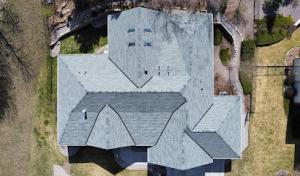
Western Montana Roofing
(406) 616-7663 www.westernmontanaroofing.com
1440 W Broadway St, Missoula, Montana
5.0 from 136 reviews

Rhino Roofing
(406) 552-3089 rhinoroofingmt.com
2002 S Reserve St Suite A, Missoula, Montana
4.9 from 136 reviews
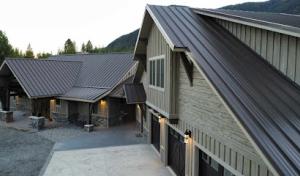
Mighty Dog Roofing of Western Montana
(406) 371-9926 www.mightydogroofing.com
1715 S Reserve St suite a, Missoula, Montana
4.9 from 79 reviews
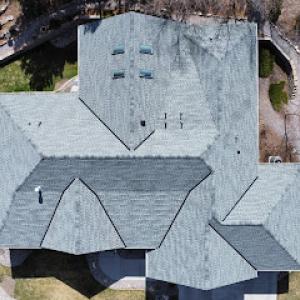
Western Montana Roofing
(406) 616-7663 www.westernmontanaroofing.com
1440 W Broadway St, Missoula, Montana
5.0 from 136 reviews
Western Montana Roofing is a leading roofing company in Western Montana. We offer new installation, repair and maintenance for both residential and commercial properties.
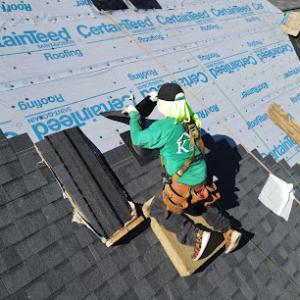
Top Line Roofing Missoula
(406) 369-6055 www.toplineroofingmissoula.com
Missoula, Montana
5.0 from 45 reviews
Your roof is one of the most critical elements of a home or building, and if they aren't up to standard, it can cause multiple problems for you, such as water damage. We at Top Line Roofing Missoula can help with roof repairs, roofing installation, roof replacement, and many more services in Missoula, Montana. We use quality materials to provide roofing services to you, whether you have aluminum roofing, metal roofing, shingle roof, or a flat roof. Leaving your roof can cause severe damage, so let our skilled roofing contractors help you fix your commercial or residential roofs. We pride ourselves in giving our customers the best service, so rely on us to provide your roof the tender loving care it needs at an affordable price.
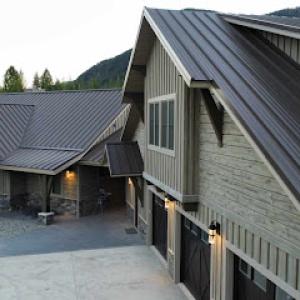
Mighty Dog Roofing of Western Montana
(406) 371-9926 www.mightydogroofing.com
1715 S Reserve St suite a, Missoula, Montana
4.9 from 79 reviews
Mighty Dog Roofing specializes in Roofing, Storm Damage Repair, Siding and Windows. A locally owned and operated company is your choice for servicing Montana. Mighty Dog Roofing is the most trusted name in the roofing industry, offering state-of-the-art 25 point inspections using our GoLive and Drone Superscan technology. This technology, matched with the highest quality products and superior workmanship, allows you to have peace of mind on the most important investment you have - your home. Do you keep your roof “top of mind”? Our Mighty Watchdog Maintenance Program keeps an eye out for any issues today to avoid big repairs or replacements tomorrow. The Customer Vault is customized to keep all your important exterior documents safe.
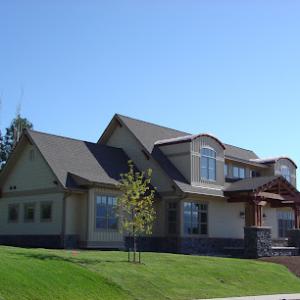
Jared Langley Enterprises
(406) 251-6363 jaredlangley.com
2425 W Central Ave Suite 201, Missoula, Montana
4.8 from 119 reviews
Call us for remodels, repairs and restoration services! Jared Langley Enterprises, Inc is a full-service home construction, home improvement and remediation company, serving individuals in the Missoula, Montana area. Since 1986, our specialists have helped thousands of homeowners build, rebuild and remodel different areas of the home. From roofing and painting to remodeling and restoration, Jared Langley Enterprises can handle a wide range of construction services. Rebuilding home damage one step at a time At Jared Langley Enterprises, fire and water loss restoration is our specialty. Many Missoula homeowners see structural damage due to fires, water leaks, flooding and other occurrences.
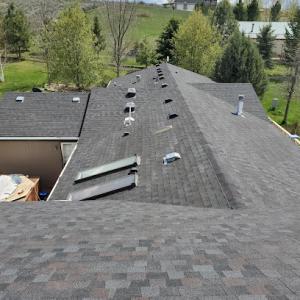
Ridgeline Roofing
33 Willowbrook Ln, Missoula, Montana
5.0 from 21 reviews
Ridgeline a full service residential roofing contractor. With over 20 years of experience, there is no job too big or too small. Fully licensed and insured. Always great rates! Get a free quote today!
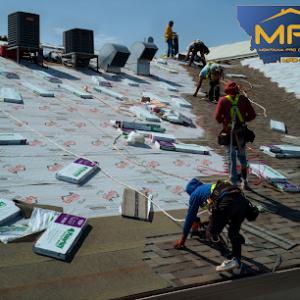
Montana Pro Contractors
(406) 880-2511 www.mpc-roofing.com
2200 S Grant St suite 11, Missoula, Montana
5.0 from 18 reviews
A strong exterior protects your home from the elements, and Montana Pro Contractors delivers roofing and siding work built for Montana?s demanding weather. We provide roof installation, roof replacement, roofing repair, siding installation, gutter installation, gutter repair, roof inspections, and full residential or commercial roofing services. By combining durable materials with proven craftsmanship, we create exterior systems that stand up to wind, snow, and seasonal temperature changes while improving curb appeal and long-term performance.
Evergreen Exteriors, LLC Roofing, Siding
(406) 642-4854 www.evergreenexteriorsidaho.com
3010 Santa Fe Ct STE 110, Missoula, Montana
5.0 from 17 reviews
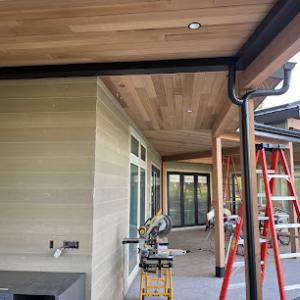
Introducing Evergreen Exteriors: Your go-to roofing and siding experts in Missoula and the surrounding areas. We're all about elevating your home's curb appeal and protection with our top-notch residential services. From roof installations and repairs to a variety of siding options, we've got you covered! Our skilled team crafts durable and stylish roofs, including shingle, metal, flat, and many more. When it comes to siding, we offer high-quality materials like fiber cement & engineered wood. With our personalized approach, attention to detail, and exceptional results, we transform your home into a true masterpiece. Trust us for all your roofing and siding needs in Missoula & Missoula county.
Quality Seamless Gutters of MT
(406) 728-4002 www.qualityseamlessguttersofmt.com
8877 Indreland Rd, Missoula, Montana
4.6 from 72 reviews
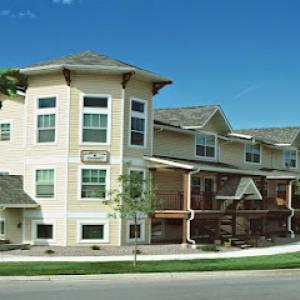
We provide residential and commercial gutter installation. We also do repairs, cleanings, and maintenance. Fascia and soffit. Snow Stop and ice removal.
Phoenix Roofing & Coatings
(406) 200-8272 www.phoenixdoesroofing.com
5500 Aviation Way Suite #106, Missoula, Montana
5.0 from 13 reviews
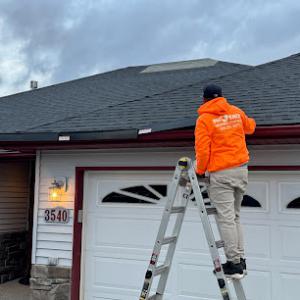
Local family owned Montana Roofing and Siding Contractors with a combined 30+ years of residential and commercial roofing & siding experience, we do it all, and are experts in storm and hail damage restoration. The staff at Phoenix Roofing & Coatings are also Insurance Claim specialists with decades of experience dealing with residential and commercial insurance loss claims involving roofing and siding. As the name implies, we also install rubber and silicone roof coatings for residential / commercial metal and flat roofing systems, with typically the same longevity and warranties as a new roofing system, at a fraction of the cost. We are a registered MT contractor, fully insured, so call us today for a free, no obligation inspection.
Boyce Roofing & Construction
321 S 5th St E, Missoula, Montana
5.0 from 7 reviews
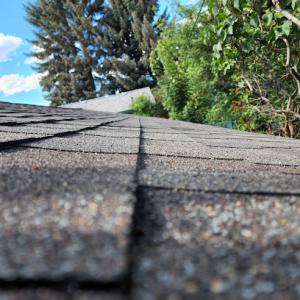
Locally owned. Specializing in all metal, tile, asphalt, roofing systems. Will also fill any of your general construction needs.
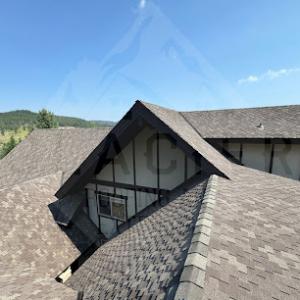
Glacier Roofing & Exteriors
(406) 303-3563 myglacierhome.com
5500 Aviation Way Ste 109, Missoula, Montana
4.3 from 19 reviews
Glacier Roofing & Exteriors is a trusted roofing and exterior contractor serving homeowners throughout Missoula, Kalispell, and the greater Western Montana region. We specialize in insurance roofing, storm damage inspections, and exterior repairs, including roof replacement, roof repair, and emergency services. Our experienced team works closely with homeowners through wind damage, hail damage, and insurance claims, providing clear documentation and guidance throughout the restoration process. Known for honest inspections, skilled craftsmanship, and reliable solutions, we help protect Western Montana homes with work built to withstand Montana’s demanding weather conditions.
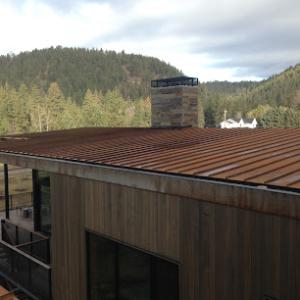
Max-Tite Metal Specialties
(406) 728-7567 www.maxtitemetal.com
1805 Maurice Ave, Missoula, Montana
5.0 from 3 reviews
We are western Montana’s premier roofing contractor, building metal, green and flat roofs for more than 30 years. Owned and operated by Stan Howard, we specialize in commercial and residential projects, offering design services and custom-fabrication and installation of the highest quality roofing materials that easily outlast the typical asphalt or prefabricated metal roof. We save clients’ money using materials direct from the manufacturer and custom fitting steel, zinc and copper roofs to ensure durability. As a Firestone-certified flat membrane roofing installer, we have built and maintain the roofs of many of Missoula’s commercial and modern residential buildings. Our green or living roofs are at the forefront of sustainable building.
Asphalt shingles are a dominant Missoula choice because they fit the city's large re-roof market and broad range of residential homes. When a roof hits freeze-thaw cycles, you want a product that can handle rapid temperature swings and provide reasonable rebound after snow loads. Asphalt shingles are familiar to local crews, easy to inspect after winter storms, and readily paired with standard underlayment and flashing details typical on Missoula homes. For many standard pitched roofs, this option remains a practical, well-understood path to reliable protection. In practice, you'll see a broad spectrum of profiles and colors that work with older neighborhoods and newer builds alike, making maintenance and color-matching straightforward after a hail event or winter damage.
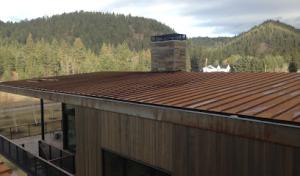
Metal roofing has strong local traction, reflecting homeowner interest in durability under snow load, temperature swings, and hail-prone weather. The material's high resistance to impact and its fast shedding of snow can reduce the risk of ice damming and standing water on steeper pitches. A metal roof also stands up well to repeated freeze-thaw cycles typical of a short Missoula work season, where every good-weather window matters. If you're upgrading or replacing on a home with taller eaves, architectural features, or a design that benefits from a clean, modern look, metal can deliver both performance and curb appeal. Expect careful attention to fastener spacing, lifting protection in high-wind zones, and solid sealant choices around valleys and penetrations to maximize long-term performance.
Cedar shakes, synthetic or composite shingles, and EPDM on low-slope sections all appear in Missoula's material mix, so material selection often depends on whether the home is a standard pitched roof, a design-focused residence, or a low-slope addition or porch. Cedar provides a traditional look that complements mountain valley aesthetics, but it requires maintenance to manage weathering, shrinkage, and potential moisture intrusion, especially in shaded, cooler areas. Synthetic or composite shingles offer color stability and decay resistance with more uniform performance under freeze-thaw cycles. EPDM on low-slope areas can deliver reliable waterproofing where standard shingles aren't practical, such as on porches or attached sunrooms. For design-focused homes, these options let the roof read as a statement piece while still protecting interior spaces during wet springs and heavy snowfall.
In practice, the choice often hinges on how a home is used and when a replacement can be completed within a narrow window of good weather. A pitched roof with asphalt or metal can be planned to take advantage of the spring dry spell and late-summer lull before winter hits. For a low-slope addition or porch, EPDM or synthetic shingles can offer dependable performance with a longer seasonal window for installation, helping you avoid the most challenging freeze-thaw periods. The best approach is to align material selection with the home's design language, existing roof geometry, and the local crews' familiarity, ensuring the system you choose holds up through Missoula's typical winter storms, spring melt, and the occasional hail event.
In this mountain-valley climate, you'll see clear price bands for common roof systems. Asphalt shingles run about 420 to 700 USD per square, which keeps initial replacement affordable when your calendar allows a full, clear tear-off and re-sheathing. Metal roofing sits higher, roughly 700 to 1200 USD per square, and synthetic or composite shingles typically come in at 500 to 900 USD per square. If you're considering cedar shakes, expect 750 to 1100 USD per square. For flat or low-slope areas, EPDM rubber roofing is priced at about 4.5 to 7.5 USD per square foot. These ranges reflect Missoula's local labor market, material transport, and the typical density of roofs in older neighborhoods and newer builds alike.
Spring and fall in Missoula are short windows where crews can work consistently, and those windows are frequently crowded after hail or wind events. When a hailstorm or a windy event compresses the schedule, demand for tear-offs, inspections, and full inspections climbs, and labor and material logistics tighten. That pressure tends to push both scheduling and unit costs higher, even if the same material is chosen. If your project can ride out a normal window without weather delays, you'll often see steadier pricing and smoother teardown-to-sheathing work in the middle of summer.
Selecting material isn't only about upfront price. Asphalt shingles are cost-efficient and familiar to many Missoula homes, performing well with typical freeze-thaw cycles when installed with proper attic ventilation and underlayment. Metal roofs offer excellent hail resistance and durability but carry higher upfront costs and logistics for long panels. Synthetic or composite shingles blend durability with a lighter footprint and sound insulation; they can be a good middle-ground choice in windy, freeze-thaw conditions. Cedar shakes give authentic look and strong wind resistance when properly installed, but they demand attention to maintenance and potential algae or moss in shaded spots. EPDM is a solid choice for flat areas or additions, delivering durability at a lower per-square-foot price in bulk.
In this mountain-valley climate, a full roof replacement requires a building permit issued through the City of Missoula Planning and Building Department. The permit process helps ensure proper venting, ice-and-water shield placement, and proper fastening for snow loads and wind events. Before work begins, your contractor should pull the permit and verify the project scope matches the permit plans. If weather windows are tight, confirm that the permit review timeline aligns with the planned start date, especially during the busy spring-to-fall season when storm activity and freeze-thaw cycles can collide with scheduling.
Missoula uses a two-stage inspection approach for reroof projects. The first inspection typically occurs after underlayment and any required cold-weather or ice barrier systems are installed. This check helps verify that flashing details, ventilation pathways, and underlayment laps meet code expectations before the roof sheathing is covered. The second inspection takes place after project completion, ensuring the final roofing material is installed to specification, that all penetrations are properly flashed, and that the overall roof assembly complies with local code requirements for wind, snow load, and drainage.
The city relies on a permit portal for submittals and inspection requests, so keep an eye on the portal for status updates and any additional information the inspector may need. Scheduling can vary with department workload, which matters during busy replacement months when storms and late-wall temperature shifts compress the window for doing roof work. Plan ahead by coordinating with the contractor to set up the first inspection as soon as underlayment is ready, and lock in the final inspection date once the project nears completion. If a winter lull or a heavy snowfall week interrupts the sequence, check the portal or call the building office to understand any pushback or rescheduling rules.
Keep a clear line of communication with the contractor about permit numbers, inspection dates, and any changes to the scope that could affect the plan. Have an easily accessible copy of the permit documentation on site in case the inspector asks for it. During the waiting periods, protect the exposed roof edges with temporary covers if there's a forecast of snow or ice to minimize risk of water intrusion or wind-driven debris causing damage. Finally, verify that the contractor's schedule accounts for potential delays caused by weather or backlog, so the permit inspections remain on track and compliant with Missoula's building code expectations.
EPDM rubber roofing is part of Missoula's active material mix, signaling that low-slope sections are a real maintenance category rather than a niche edge case. When new sections go in or existing areas are expanded, the rubberized membrane can reward careful detailing with longer life, but it also invites trouble if the edge details aren't solid from day one. In a climate where winter moisture and sun exposure collide, a small seam or misalignment on a low-slope run can become a steady leak source.
Freeze-thaw cycling makes transitions at low-slope tie-ins, roof penetrations, and skylight flashing especially important to monitor for leaks. Water can work into the smallest crack, freeze, expand, and widen that opening through a couple of cycles. On Missoula homes, noticeable signs include damp spots along parapet lines, moisture staining near plumbing vents, and condensation around flashing collars after a thaw. Regular visual checks after heavy snow events, followed by a careful firsthand inspection when days stay above freezing, can catch problems before they spread.
Skylight flashing is not a luxury detail in this climate. The combination of wind-driven snow and spring sun makes the flashing at every skylight a frequent fault line. Even minor cracks, lifted corners, or unsettled boot flashings can turn into slow leaks that are hard to trace from inside the attic. When you notice a new watermark on ceilings or damp insulation near a skylight, treat it as a warning signal and re-seal promptly with compatible, durable materials designed for the local exposure.
Rapid seasonal temperature changes in Missoula can expose weaknesses sooner on additions, porches, and mixed-slope roof sections than on simple gable roofs. The interface where a new addition meets an existing roof often contains unfamiliar tolerances. That junction may require extra attention to flashing, membranes, and proper slope matching to keep water out while the structure settles. A cautious eye during the first winter after a renovation can prevent long-term headaches.
Find specialists in TPO, EPDM, and built-up flat roofing systems for residential and commercial properties.
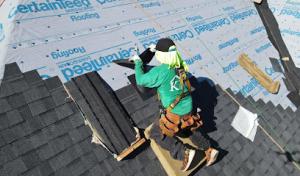
Top Line Roofing Missoula
(406) 369-6055 www.toplineroofingmissoula.com
Missoula, Montana
5.0 from 45 reviews
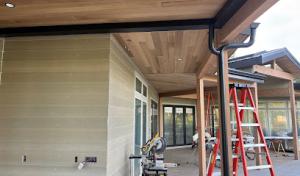
Evergreen Exteriors, LLC Roofing, Siding
(406) 642-4854 www.evergreenexteriorsidaho.com
3010 Santa Fe Ct STE 110, Missoula, Montana
5.0 from 17 reviews
Max-Tite Metal Specialties
(406) 728-7567 www.maxtitemetal.com
1805 Maurice Ave, Missoula, Montana
5.0 from 3 reviews
In Missoula, insurers commonly expect contractor estimates plus photo documentation when hail or wind damage is involved. The mountain-valley climate means storms can leave scattered dents, lifted shingles, and exposed flashing that isn't always obvious from the ground. Thorough records help insurers see the full scope and support timely decisions on replacement.
Adjusters may request damage assessments before and after replacement, so Missoula homeowners benefit from preserving dated images of shingles, metal panels, flashing, and interior leak evidence. Start gathering evidence as soon as safe after a storm, and maintain a consistent timeline. If a roof shows new granule loss or moisture staining, document it promptly rather than waiting for a later inspection window.
Take wide shots of the entire roof and close-ups of each affected area. Capture upstream and downstream views to illustrate undisturbed sections next to damaged zones. Include roof penetrations, flashing joints, and any hail hits on seams. Photograph interior leaks from the attic or ceiling, with daylight visible through any staining. Date every image and label shots by location (e.g., north slope shingle edge, valley flashing, garage roof seam).
Alongside photos, prepare a simple damage narrative: where the damage is, when it was first noticed, and any changes since the prior storm. Log weather conditions on the storm day, and note any prior repairs that could affect coverage decisions. If a contractor identifies potential underlying issues (like plywood exposure or decking moisture), document those findings and request a written assessment.
Keep digital copies organized by date and area, and store originals in a folder separate from daily household items. If possible, maintain a printed binder with stamped dates and a clear index. In years with elevated storm claims, the quality and organization of these records can influence how quickly a claim moves and how coverage decisions are framed.
Connect with contractors who help homeowners navigate the claims process from damage assessment to final approval.
Western Montana Roofing
(406) 616-7663 www.westernmontanaroofing.com
1440 W Broadway St, Missoula, Montana
5.0 from 136 reviews
Rhino Roofing
(406) 552-3089 rhinoroofingmt.com
2002 S Reserve St Suite A, Missoula, Montana
4.9 from 136 reviews
Mighty Dog Roofing of Western Montana
(406) 371-9926 www.mightydogroofing.com
1715 S Reserve St suite a, Missoula, Montana
4.9 from 79 reviews