
Last updated: Apr 19, 2026
Oswego sits directly on Lake Ontario and is one of upstate New York's best-known lake-effect snow zones, making roof snow load and ice dam performance a primary homeowner concern. When lake-effect flakes pile up, the weight on shallow, low-slope sections of roofs can overwhelm aging decking and fasteners, especially on homes that haven't seen a full replacement in decades. The combination of heavy, persistent snow and brisk shoreline winds means that your roof endures repeated cycles of accumulation, settling, and sudden shifts in load. That pattern translates into accelerated wear at eaves, valleys, and along gutter lines, where ice dams are most likely to form and where leaks often begin.
Cold shoreline winters followed by brief thaws create repeated melt-refreeze cycles at eaves, valleys, and gutters, which is where Oswego-area roofs commonly start leaking. When warm daytime temperatures meet a rapid drop after sunset, water that has concentrated near the roof edge freezes into thick ice dams. Those dams push meltwater back under shingles or tile, especially where flashing or underlayment has aged. The consequence is not only active leaks but potential infiltration into insulation, ceiling cavities, and interior finishes. In practical terms, a small ice dam today can write a bigger repair bill tomorrow if the underlying roof structure has absorbed multiple freeze-thaw cycles without a comprehensive corrective plan.
Replacement timing in Oswego is heavily shaped by winter conditions because tear-offs, decking exposure, and inspection scheduling become riskier once snow and freezing temperatures set in. If a roof reaches the point where shingles or tiles lose their seal or where deck boards show signs of moisture damage, delaying work can invite cascading problems: compromised ventilation, accelerated rot, and more fragile sheathing that complicates every subsequent repair. Planning a project around clear winter-access windows-avoiding storm days and ensuring crews can safely work on a dry surface-must be part of the decision. When you do replace, think continuity: matching the new roof's capacity to shed heavy snow and resist wind-driven moisture is critical for Oswego winters, not just the current season.
First, audit your eaves, rake lines, and gutter hardware for ice-damming readiness. Ensure that gutter channels are clear of debris, with guards or tipping that encourages meltwater to flow away from the fascia rather than toward the interior. Check attic insulation and the attic-to-roof mouth for air leaks; a well-sealed attic reduces heat loss that feeds meltwater at the roofline. If you notice persistent ice buildup along rake edges or at valley intersections after a thaw, address it promptly rather than letting it accumulate into a dam that can backflow under shingles. Consider upgrading underlayment and flashing where ice movement has been observed, especially at transitions between roof sections and along dormers or chimneys, which are common weak points in older stock.
In Oswego, a roof that regularly faces lake-effect snow must be designed for sustained performance through multiple winters. This means prioritizing systems that shed heavy loads without sacrificing ventilation and moisture management. Look for underlayment with strong ice resistance, robust attic insulation, and effective ventilation to maintain a cold roof when temperatures plunge, reducing the chances of moisture condensing within the roof assembly. Materials should offer proven resistance to freeze-thaw cycles and wind-driven moisture, particularly at eaves, valleys, and along transitions where ice dams tend to originate. In practice, this translates into a strategy that treats snow load and ice dam risk as a year-round planning concern, not a seasonal afterthought.
Open exposure along the Lake Ontario shoreline increases wind-driven snow and moisture intrusion risk compared with more sheltered inland neighborhoods. In this climate, blowing snow can saturate the roof edge and drive moisture under shingles, especially during nor'easters and blast-furnace cold snaps. When evaluating a roof, prioritize stout edge protection and continuous drip edge that engages the fascia and soffit for a seamless barrier against wind-borne moisture. If the house sits on a bluff or dune, plan for higher eave overhangs or snow guards that help control drifting at the edge rather than letting snow pile and slide off unpredictably.
Details that manage drifting snow matter more here than in many inland markets. Start with the eaves: ensure a robust overhang with proper fascia ventilation to prevent heat from the attic from meeting the cold roof and causing premature melt-back or ice dams at the edge. Valleys and dormers are common gathering points for wind-driven snow; they require carefully flashed intersections and continuous support to resist freeze-thaw cycles. Transitions from roof into walls or into chimneys should use stepped flashings and compatible sealants that stay flexible through repeated freezes. On older homes, where roof planes meet at unusual angles, consider additional snow stops or short-crest ridges to break up drifting bands and give meltwater a defined path to the gutters. The goal is to reduce hot spots that promote ice dam formation while giving the system a predictable drainage pattern.
Ventilation and attic air sealing are especially important locally because warm interior air escaping into the roof system accelerates ice dam formation during long cold spells. Ensure soffit vents run uninterrupted along the eave line and tie into a balanced ridge or soffit-to-ridge venting strategy that keeps the attic near outdoor temperatures. Seal attic bypasses around penetrations and baffles to prevent warm air from sneaking into the roof deck. When a roof is inspected or refreshed, perform targeted sealing around attic hatches, kneewalls, and plumbing or electrical penetrations to minimize heat loss into the roof cavity. A well-sealed attic reduces the likelihood of warm roof surfaces that melt accumulated snow, producing heavy ice dams at critical joints and eave lines.
Choose materials and installation details that tolerate repeated freeze-thaw cycles and control moisture ingress. In exposed locales, synthetic underlayment beneath shingles or metal panels provides an extra layer of protection where ice dam formation is most aggressive. For older homes with complex geometry, a roof plan that favors fewer abrupt transitions and consistent pitch helps shedding snow more predictably. Ensure flashing around dormer sides, chimney bases, and roof-to-wall junctions remains continuous and corrosion-resistant to resist wind-driven spray and salt exposure from lake effects. Regular maintenance checks after heavy snow seasons help catch early signs of moisture intrusion or damming before damage propagates.
Oscar Roofing
(315) 529-1538 oscarroofinginc.com
1586 Rathburn Rd, Oswego, New York
5.0 from 23 reviews
Oscar Roofing, Inc. strives to be your roofer of choice by providing superior quality roofing solutions & unmatched customer service. Our process is simple from start to finish. See why many New Yorkers choose Oscar Roofing, Inc. over the rest. Servicing Oswego County, New York.
J. Lindsley Roofing
(315) 453-7663 www.cnyroofs.com
Serving
4.7 from 123 reviews
J. Lindsley Roofing is proud to serve Central New York including Syracuse, Clay, Cicero, Liverpool, Baldwinsville and all of Onondaga County. Oswego, Fulton, Hannibal, Cato, Mexico, Phoenix, Bayberry, Radisson, Penneville, Sterling, Fair Haven and Oswego County.
Lifetime Roofing by Vail Construction
(315) 297-4589 lifetimeroofingcny.com
Serving
5.0 from 88 reviews
Hiring an inexperienced roofer can be a gamble. Look to Lifetime Roofing by Vail Construction for first-rate roofing services, including roof maintenance, repair and installation. We're the roofing experts in Fulton, NY because we're licensed and insured, we service many residential, commercial and industrial roofs, and we use high-quality EPDM roofing materials, seamless gutters and architectural shingles. Although our roofing company is based in Fulton, our crew can travel up to 40 miles to serve you. Contact us today to take advantage of our affordable and efficient roofing services.

American Home Solutions
7275 NY 104, Oswego, New York
2.1 from 9 reviews
American Home Solutions builds the American dream home as one of New York’s premier roofing contractors. We specialize in home improvement services for over 20 years for residential and commercial properties in Oswego and surrounding areas. Our vast services vary and as a construction company, we also provide free estimates to orient you with our process. Our team of professionals, and insured workers, are always dedicated to serve you better - whether we deal with roofing services, provide you with siding options, and install house gutters or shingles, we get the job done right.
Over the Top Roofing
(315) 297-4084 www.ottrcny.com
Serving
4.4 from 67 reviews
Over the Top Roofing was established in 1998. We have an A+ Star rating with the BBB, fully insured, and offer financing options. Here at Over The Top Roofing we provide clients with a wide range of services to cover all their needs. No matter what the project might entail, our contracting professionals work to bring our customer's dreams to reality. Call us today for a free quote on residential or commercial work regarding roofs, home improvements, windows, doors, gutters, siding, decks, insulation. We also do repairs call our office for more details. We got you covered - siding, gutters, and more since 1998
Dynasty Roofing
(315) 532-9967 dynastyroofingcny.com
Serving
5.0 from 170 reviews
Dynasty Roofing is a family-owned and operated roofing company built on the strong foundation of delivering exceptional customer service to homeowners and businesses in Liverpool, NY, and surrounding areas for over 20 years.
The Roofing Medic
(315) 760-7902 theroofingmedic.com
Serving
5.0 from 19 reviews
The Roofing Medic provides professional roof repair, roof inspections, and storm damage roofing services in Fulton, Syracuse, and throughout Central New York. We handle roof leaks, shingle replacement, emergency roof repairs, and insurance-related storm damage. As a locally owned roofing contractor, we focus on honest evaluations, clear communication, and high-quality workmanship for every project.

Syracuse Roof Pros
(315) 605-7005 www.syracuseroofpros.com
Serving
5.0 from 3 reviews
As a roofing contractor in the Syracuse area, our goal is to deliver great value, high-quality workmanship, and exceptional customer service on every project we undertake. We specialize in: Roof Replacement, Roof Repair, Skylight Replacement, and Seamless Gutters.
J.Strong Contracting
Serving
5.0 from 3 reviews
Veteran owned with over 15 years experience. Specialize in roofing, siding,Windows, doors, building decks, gutter installation, roof repairs and more
De Wald Roofing
(315) 676-2744 www.dewaldroofing.com
Serving
3.0 from 4 reviews
Commercial / Industrial low slope roofing. We do not install residential shingles.
Saves Home Improvement
Serving
3.0 from 1 review
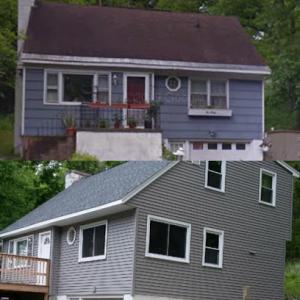
Your leading roofing and siding experts in Syracuse, New York and the surrounding areas. Free Estimates. Save on all your home improvement needs. Fully Insured. Reliable, Reasonable, and Ready!
Blue Chip Construction & Remodeling
(315) 751-3292 www.bluechipconstructionny.com
Serving
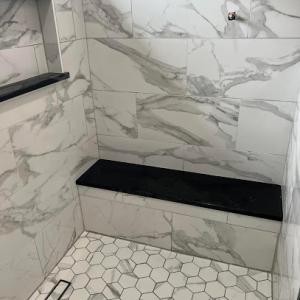
You don't have to move to a newly built home or commercial building in the Baldwinsville, NY area to live or work in a modern space. Blue Chip Construction and Remodeling can update your bathrooms, kitchen and other high-traffic spaces without issue. We have over a decade of experience, so you can depend on us for professional remodeling services.
Asphalt shingles remain a practical backbone for Oswego's older single-family stock. They fit the character of many early- to mid-20th-century houses and can be a budget-friendly upgrade that still yields solid performance. The critical point here is ventilation and underlayment: during freeze-thaw cycles, water can work its way into weak seams or insufficient attic ventilation, accelerating shingle deterioration. If an older roof is in place, ensure the attic is properly vented and that a quality underlayment is installed or upgraded. Proper insulation beneath the roof line helps keep snow from melting too aggressively at the eaves, where ice dams tend to form. Shingle granules can also be a telltale sign of aging during the spring thaw, so routine inspections after heavy snows are a good habit.
Metal roofing stands out for Oswego's snow regime because it sheds snow effectively, reducing the weight load and the risk of ice buildup on sloped sections. For homes near entries and walkways, however, shedding snow can create hazards if paths or doors are blocked by drifting snow. Plan snow retention measures such as strategically placed guards or away-from-entry overhangs, and consider smooth-surface panels that minimize ice retention along low-slope sections. When selecting metal, pay attention to panel profile, fastener type, and flashing details at chimneys and vents. A properly installed metal roof tends to resist wind-driven moisture well, but independent entries require dedicated snow guards and a clear drainage plan to keep walkways safe during the heaviest storms.
Slate appears on some older and more historic properties in the region, where preserving original roof character can complicate repairs, flashing work, and contractor selection. Slate's longevity is real, but its natural variance and paneling patterns demand a roofer with experience in matching slate types and recognizing when a full replacement is the better option to maintain historic look and performance. Repairs must be done with compatible slates and appropriate flashing around dormers and chimneys. Because slate can be heavy, ensuring the underlying roof deck and supports are adequate is essential to prevent subtle sagging or future tile failures. For historic homes, choosing a contractor who can reproduce the original profile and blend new materials with existing sections helps maintain curb appeal and value.
In Oswego, the best choice balances the lake-effect snow load, frequent freeze-thaw cycles, and the area's mix of older homes with limited space for extensive structural upgrades. Regardless of material, the emphasis should be on robust underlayment, continuous ventilation, and accurate attic moisture control. Ice dam prevention hinges on keeping roof decks warm and dry, which starts with insulation and proper attic venting. When snow piles up along eaves, enhanced drainage details and thoughtful weather sealing around eaves and skylights reduce meltwater backing up under shingles or tiles. For historic districts, material selection should align with the property's character while ensuring modern performance through compatible flashing and retrofit details.
For asphalt shingles, budget roughly $360 to $700 per square, while metal roofs run $700 to $1,400 per square. If clay tile is on the radar, expect $900 to $1,800 per square, and concrete tile $800 to $1,500 per square. Wood shingles or shakes sit around $550 to $1,100 per square, with slate the highest at $1,200 to $2,400 per square. These ranges reflect Oswego's housing stock, where many homes use asphalt or metal, and a few with more premium surfaces. When the clock is ticking toward lake-effect season, prices can climb quickly as crews compress schedules to beat winter.
Pricing can rise when contractors try to finish before winter because the lake-effect season compresses the practical replacement calendar. That pressure often means higher mobilization costs, quicker material ordering, and tighter project windows. If a contractor has to push through edges of November or early December, you'll see a premium reflect the urgency and the risk of weather delays. In practical terms, aim to plan a dry-season window, but prepare for a bit of premium if a tight fall schedule is unavoidable.
Older homes near the lakeshore frequently reveal moisture-damaged decking, multiple roof layers, or complex rooflines with dormers and steep sections. Each surprise raises the project's cost and timeline. A tear-off may uncover rot or damaged sheathing, triggering additional material and labor needs. Dormers and steep pitches complicate access and ventilation, often moving a project from a basic install to a more involved rebuild. In those cases, expect the per-square price to rise and the overall project to demand more attention to detail to avoid ice-dam risk.
You'll pay more if replacement aligns with winter or if moisture issues surface during tear-off. Conversely, a well-timed project with a dry spring window can hold costs closer to the lower ends of the ranges. Consider coordinating material choices that balance heat retention, wind resistance, and shedding capability to handle heavy winter loads and ice dam risks typical for Oswego winters.
For a full re-roof in the Oswego area, permits are typically required through the City of Oswego Building Department or the applicable local town or county building office depending on jurisdiction. That means you may interact with more than one agency if the project spans municipal lines or if the structure sits in a jurisdiction with its own permit process. Before any shingle tear-off or new underlayment goes down, verify which office handles the permit and what forms are needed. In many cases, the authority having jurisdiction can outline whether a standard re-roof permit suffices or if a more detailed plan review is requested due to roof slope, load path, or insulation considerations.
Homeowners or contractors generally submit a permit application describing project scope, and inspections are commonly scheduled during and after the roof replacement. The description should be precise: roof area, vent replacements, underlayment type, and any structural work or attic vent upgrades. In Oswego's climate, the review may look closely at the ventilation plan and moisture control measures to handle winter conditions. Ensure the plan references adequate attic ventilation, ice-damming mitigation, and proper flashing details around eaves and chimneys. If the project includes a vented gable or ridge intake, specify how attic insulation and airflow will support energy performance and moisture management.
Inspections are typically arranged to align with the critical stages of a re-roof, with at least one inspection during installation and a final inspection after completion. Expect the mounting of underlayment, drip edge, and flashing to be visible to the inspector, along with confirmation that roof sheathing is sound and fastened properly. In this area, weather or seasonal backlog can delay inspection timing, especially after heavy lake-effect snow events or during peak winter thaw periods when crews are busy with snow removal and other storm-related work. Plan ahead for potential delays and keep the inspector informed if weather pushes work windows.
Oswego-area permit review may include attention to local energy-code and ventilation compliance. The inspector may request documentation or a simple design note showing that the attic space will remain ventilated and dry, especially given lake-effect snow loads that repeatedly stress the roof system. If the home uses an attic or roof vent near the sagging eaves, confirm that soffit and ridge ventilation will stay unobstructed after the new roof is installed. Weatherproofing details, including ice dam mitigation methods and proper insulation backing for the eaves, should be addressed to minimize future moisture intrusion.
Oswego homeowners often document damage tied to winter snow and ice events, lake-effect wind exposure, and summer thunderstorm impacts rather than hurricane-related losses. When a storm hits, expect the claim to hinge on how the damage can be linked to specific events and how well the roof performed under those conditions. In Oswego, the combination of heavy lake-effect snow, freeze-thaw cycles, and wind-driven moisture complicates damage narratives, so collecting clear, event-specific evidence matters.
In upstate New York, carriers commonly ask for photos and a contractor estimate, and claim timing can be affected when winter conditions delay safe roof access. Take high-resolution images of any ice dams, missing shingles, compromised flashing, and interior signs of moisture intrusion, while noting the date of the storm and observed wind directions. If the roof is still under snow or ice, document the conditions with a timestamped photo from ground level and plan for a safe access window when weather allows.
Insurers in this market may weigh roof age and pre-existing condition when deciding whether damage qualifies for full replacement, which matters on older Oswego homes. When the roof shows multiple seasons of wear or prior repairs, expect a more scrutinized claim review. A clear, professional assessment of current structural and decking integrity, alongside fault claims tied to specific events, can influence the outcome more than single-event damage alone.
After a storm, prioritize safety and temporary protection to prevent further moisture intrusion. Avoid ladder work on icy surfaces and engage a local, reputable contractor experienced with lake-effect conditions and wind exposure. A thoughtful photo log, paired with a detailed contractor report, strengthens your claim and helps illustrate how the roof handled repeated freeze-thaw cycles.
If a claim is limited or denied, request a written rationale and obtain a second opinion from a contractor who understands Oswego's lake-facing exposures. Compile before-and-after condition notes and any independent assessments to support an appeal or negotiation for a more accurate repair scope.
When the lake-effect snows pile up and the thaws arrive, the roof edge often sees ice backups that refreeze into barriers. Those ice dams push meltwater under shingles and into the attic or walls, especially on roofs with limited eave overhangs or mismatched flashing. In homes with long cold stretches followed by brief warm spells, the contrast creates repeated freeze-thaw stress at the edge, loosening shingles and driving leaks along rake edges and gutters. You will notice stained ceilings near exterior walls and patches of damp insulation where heat escapes and snow melts unevenly.
Older joints between brick or stonework and the roof line are common failure points as mortar and flashing age. Leaks tend to show first around chimneys, where metal flashing can corrode or lift, and where masonry intersections invite moisture intrusion. Repeated winter expansion and contraction widens gaps, even if the roof seems sound elsewhere. If you see peeling paint at the chimney chase or dark spots along the chimney base inside, those are clues to likely trouble zones requiring careful flashing checks.
Moisture problems ride on warm-air losses from under-insulated attics. Heat leaking upward creates uneven roof temperatures, which shortens the distance snow can sit before it starts melting. When meltwater refreezes at eaves, you compound ice dam risk and invite interior condensation. In older homes with limited attic ventilation, consider targeted insulation and sealing around penetrations to slow heat loss and balance roof temperatures during the winter cycle.
Even if the roof looks sound after a heavy snowfall, aging shingles or worn flashing can fail under repeated freeze-thaw cycles. Small gaps let water creep in behind the veneer, where it freezes and expands, loosening fasteners and inviting more leaks. Regular checks around penetrations, valleys, and along the eave line help catch trouble before interior damage develops.