Last updated: Apr 19, 2026
The roof landscape in this valley takes a pounding from heavy snowfall and persistent ice damming each winter. Ice damming is not a distant threat here; it piles up along eaves and shoulders roof edges, pushing meltwater inward and creating slow leaks you'll notice around soffits or along ceiling lines. Freeze-thaw cycles, common after the last deep snowpack thaws and refreezes, loosen shingles at their edges, shift flashing, and stress fasteners. This is not a general winter worry-it is the defining local risk in this area, with crews reporting edge wear and flashing movement as frequent post-winter issues.
After the snowpack sits and refreezes, leaks tend to show up where roof edges meet the sky: along eaves, in valleys, and at roof-to-chimney transitions. You might see dark staining on ceilings beneath these areas, damp spots near exterior walls, or icicles that persist well into spring. If interior moisture or cold drafts coincide with above-average winter snow, the roof likely has hidden damming or edge-area wear. Don't wait for a full collapse to investigate-early signs point to the need for targeted edge repair, enhanced drainage, and seasonal protection before the next melt cycle.
Act now by prioritizing management of edge heat and drainage. Ensure snow guards or ice barriers are installed where the roof line meets the highest snow loads, and inspect edge fasteners for any looseness after the last thaw. Improve attic insulation and seal air leaks around penetrations to minimize warm air that can melt snow near the eaves. Check flashing around chimneys, valleys, and stack penetrations for movement or gaps; when you see gaps, seal them promptly with compatible materials and, if needed, re-flash to provide a continuous line of defense against meltwater intrusion. Consider temporary snow removal on roof sections that accumulate aggressively, but avoid aggressive harpoon techniques that can damage shingles and flashing. Finally, ensure proper attic ventilation so cold roof temperatures reduce ice dam formation rather than feeding it.
When winter storms abate and refreezing cycles begin, perform a focused inspection of the eaves, fascia, and roof-to-chimney joints. Look for lifted shingles, misaligned flashing, or displaced sealant. If you find ice buildup along the eave line during a thaw, address it with careful, safe removal and reinforce the affected edge area to prevent recurring damming. If leaks appear in interior spaces after melt cycles, prioritize inspecting valleys and transitions first, then reign in any flashing or sealant gaps that would allow water to travel inward.
This climate rewards consistent, targeted maintenance that aligns with the progression of winter and early spring thaw cycles. Plan proactive edge and flashing checks at the end of each major storm season, and schedule a professional evaluation before temperatures swing back to freezing. By focusing on edge integrity, flashing security, and drainage pathways, you reduce the likelihood of repeated ice dam damage and the costly follow-up failures that snow and refreeze cycles tend to trigger.
In Rome, the main in-season roof damage periods are spring wind-and-rain storms and autumn wind events rather than tropical systems. Those spring gales can snap loose shingles, lift flashing at chimney or vent breaches, and drive rain under edges where ice has already strained the seal. Fall winds pile up leaves and wet debris that sit on the roof, clog valleys, and hold moisture at shingle edges just as the freeze-thaw cycle is preparing to start. Knowing these windows helps you plan proactive checks when the weather first turns mild and again when the first autumn gusts billow through the valley.
As temperatures rise and snowmelt begins, inspect the roof for signs of damage spotted during the late-winter freeze. Missing shingles often become visible only after the snow recedes and the sun exposes soft or curled edges. Lifted flashing around chimneys, vents, and skylights is a telltale risk; a single wind-driven gust can lift a corner and create a path for moisture to enter attic space. Go up with a sturdy ladder in dry conditions and look for gaps, as well as granule loss that leaves bare asphalt showing. If you see shingles curled at the edges or flashing pulling away, address those issues promptly to minimize active leaks during the spring rain events.
Leaf buildup in fall is a local maintenance issue because clogged drainage and wet debris can hold moisture at shingle edges before winter sets in. Clean gutters and downspouts thoroughly, paying special attention to roofline valleys and any spots where debris tends to accumulate. In Rome, a few gathered leaves at the edge can trap moisture against the shingle surface and the underlayment, which accelerates wear as the first freeze approaches. Check drip edge and eave flashing for securement; loose pieces can allow wind-driven rain to seep behind the shingles before snow arrives. If you see wet debris or pooling near eaves after a windy day, remove it and reseal any fragile flashing promptly.
Because winter damage often becomes visible during spring thaw, many homeowners discover missing shingles, lifted flashing, and active leaks in early spring. The thaw can reveal vulnerable patches where granules have shed, or where ice dams previously formed and strained the roof's edge. Start a focused inspection from the top of the roof down: note any shingles that no longer lie flat, look for gaps at roof-to-wall intersections, and check attic spaces for signs of moisture or staining around penetrations. Addressing these areas quickly reduces the chance of larger leaks that would complicate spring storms.
Create a simple seasonal routine: after the snow melts, do a daylight inspection of the visible roof line and attic penetrations; before leaf drop, clean gutters and inspect flashing; after the leaves come down, reassess the roof edge and valleys for debris buildup and moisture retention. For homes with multi-story or challenging access, consider professional help to perform a thorough inspection and targeted edge sealing after the harshest wind events. Keeping up with these steps helps protect against the paired threats of spring wind damage and fall debris-related moisture intrusion.
Find local contractors experienced in assessing and restoring roofs after hail, wind, and severe weather events.
Top Notch Roofing Pros
(315) 220-0049 www.topnotchroofing.biz
8329 E Floyd Rd, Rome, New York
4.9 from 32 reviews
Able Construction
(315) 807-2176 ableroofingspecialist.com
8801 Walnut Dr, Rome, New York
4.6 from 24 reviews
Top Notch Roofing Pros
(315) 220-0049 www.topnotchroofing.biz
8329 E Floyd Rd, Rome, New York
4.9 from 32 reviews
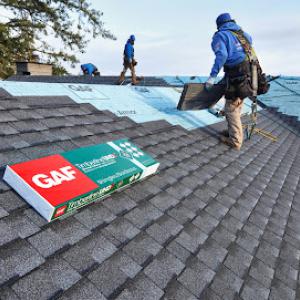
Top Notch Roofing Pros: Committed to Quality and Customer Care. At Top Notch Roofing Pros, we're passionate about providing exceptional roofing services with a strong emphasis on quality craftsmanship and customer satisfaction. We understand that your roof is one of the most critical parts of your home, and we're dedicated to ensuring it protects your family and investment for years to come.
Able Construction
(315) 807-2176 ableroofingspecialist.com
8801 Walnut Dr, Rome, New York
4.6 from 24 reviews
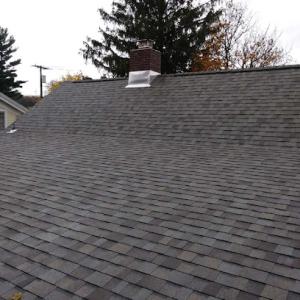
Combining years of experience with a dedication to client satisfaction, Able Construction has established itself as the local leader in the following categories: Roofing Contractors, Roof Repairs and Siding Services.
Taylor Construction & General Contracting
(315) 337-4752 taylorconstructionny.com
6863 S James St, Rome, New York
4.4 from 7 reviews
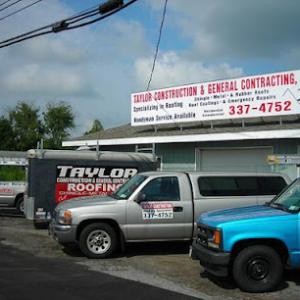
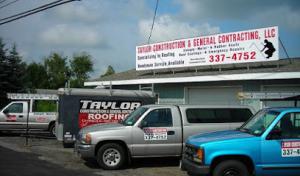
Taylor Construction And General Contracting Is A Full Service Roofing Company Located In Rome, N.Y. We Install Shingle Roofs On Residential Homes. We Are Fully Insured And Have Been Serving The Oneida County And Surrounding Area For Over 23 Years. For Your Next Roofing Project, Give Us A Call For A Free Estimate.
Best Quality Roofing
(315) 832-0239 bestqualityroof.com
Serving
5.0 from 31 reviews
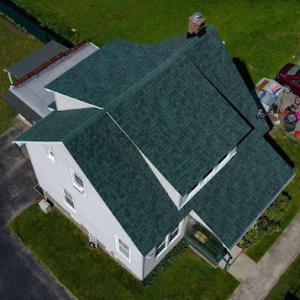
Best Quality Roofing specializes in providing top-notch roofing services. With expertise in asphalt shingles, rubber roof, and EPDM roof installations, we have earned a reputation for delivering high-quality results. Not only do we offer exceptional roofing solutions, but we also provide comprehensive gutter services such as cleaning, replacement, installation, and installing gutter guards. Additionally, our expertise extends to siding work, including vinyl, cedar, LP Smart Siding, and Hardie Plank installations. We pride ourselves on delivering reliable and durable solutions that enhance the aesthetics and functionality of your property. Trust Best Quality Roofing for all your roofing, gutter, and siding needs.

Lewis Seamless Gutter
(315) 732-9577 www.lewisseamlessgutter.com
Serving
4.7 from 14 reviews
Welcome to Lewis Seamless Gutter. When it comes to gutters, our mind is in the gutter We use only the best material that is on the market. Our gutters are made from Alcoa .032 gauge aluminum, which comes in many colors
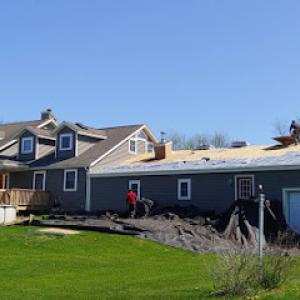
Wilson Roofing & Contracting
(315) 269-6955 www.wilsonroofingny.com
Serving
5.0 from 19 reviews
Lasting Solutions to Your Roofing Problems
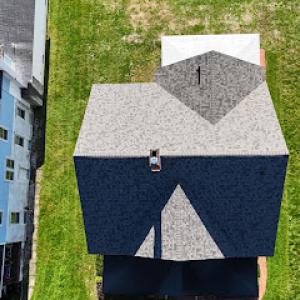
The Roofing Standard
(315) 989-5544 www.theroofingstandard.com
Serving
5.0 from 80 reviews
At The Roofing Standard, we deliver high-quality roofing, siding, gutter, and window services backed by expert craftsmanship and a 10-year labor warranty. Proudly serving homeowners within a 100-mile radius of Utica, NY, our local, family-owned business is built on integrity, trust, and guaranteed satisfaction. Whether you need a full roof replacement, storm damage repair, or energy-efficient windows, we’re here to protect your home and elevate its value—because "Quality Comes Standard."

Utica Roof Pros
(315) 639-7663 uticaroofpros.com
Serving
5.0 from 445 reviews
As the Utica, Rome, and Herkimer area’s top residential roofing contractor, our goal is to deliver great value, high-quality workmanship, and exceptional customer service on every project we undertake. Specializing in: Roof Replacement, Roof Repair, Skylight Replacement, Seamless Gutters, and Attic Insulation.

Home Evolution Roofing
(315) 765-7777 www.homeevolution.net
Serving
5.0 from 89 reviews
Home Evolution Roofing. Your Trusted Roofers serving Upstate NY customers within Utica, New York, and the surrounding Region. Specializing in everything from new roof installations and roof replacements to expert roof repairs and chimney repair, our team is ready to tackle any challenge, including hail and wind damage. As a top roofing company and contractors in Utica, NY, we're committed to providing high-quality craftsmanship and durable solutions for residential and commercial properties alike. Benefit from our free estimate offer and ensure your property is protected by the best in the business. With Home Evolution Roofing, excellence in roofing services is just a phone call away.
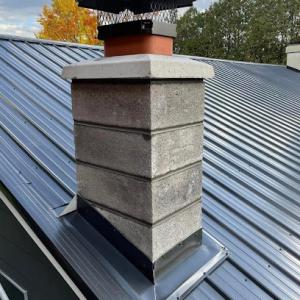
Joe's Contracting & Restoration
Serving
4.4 from 43 reviews
Joe's Contracting & Restoration services central NY offering Roofing, Siding, Seamless gutters, exterior remodeling. Call today for an estimate!
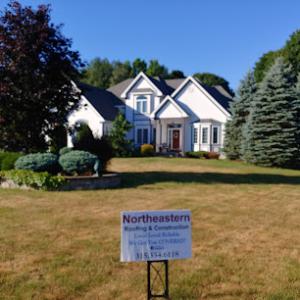
Northeastern Roofing & Construction
(315) 534-6118 northeasternroofs.com
Serving
4.7 from 71 reviews
Thank you for considering Northeastern for your project. We service both the public and private sector for all commercial and residential Roofing and Construction needs. Founded and based in Utica NY Check us out on facebook
315 Roofing
(315) 368-7970 315-roofing.com
Serving
4.9 from 37 reviews
315 Roofing provides expert roofing services, delivering high-quality installations, repairs, and maintenance for residential properties. Locally Owned.With a focus on durability, reliability, and customer satisfaction, we use premium materials and skilled craftsmanship. Whether it's a small repair or a complete roof replacement, trust 315 Roofing for fast, professional service at competitive prices. Call and get your free estimate today!
After a long Mohawk Valley winter, the roof bears the load of snow, ice, and freeze-thaw cycles that can push shingles, underlayment, and flashings to the limit. The practical window for full replacement is narrow: late spring through early fall, when temperatures stay above freezing long enough for sealants to set and for roofers to work without the extra risks of ice and heavy snow. The local climate shortens the usable roofing season compared with warmer regions, so the schedule tends to compress quickly after severe winters. Delays aren't just inconvenient-they can mean exposed decking, lingering ice dams, and a longer turnover period once crews are on site.
When thaw conditions first appear, it is tempting to move fast, but the window still hinges on consistent warmth and dry days. Your best bet is to target a start date as soon as the danger of repeated freeze-thaw cycles diminishes and forecasts show a stretch of several days with stable temperatures above freezing. Because warm-season installations rely on dry, moderate weather, plan a few potential start dates and lock in the one that aligns with a solid forecast, not just the earliest available slot. In Rome, the transition from winter to spring can bring quick shifts, so keep a buffer in your schedule for sudden weather changes.
In practice, the most effective approach is to secure the earliest feasible start window in spring, then build a concrete project plan around that block. Expect weather-related weathering of the schedule-rain, late-spring cold snaps, or sudden thaws can push a day or two. Communicate a clear preferred window to the contractor: a midweek start with a defined daily end helps protect your interior rhythms and keeps the job on track. If winter damage is evident, arrange for a preliminary assessment while the snow has melted but before crews are fully mobilized; this helps ensure materials and permits are aligned with the actual scope and reduces the risk of back-and-forth delays.
As soon as the snow clears, perform a quick, practical evaluation of the roof and drip edge, attic insulation, and ventilation. Note any suspect decking, PPE needs, or flashing failures that could complicate the replacement. Share these findings with the contractor when booking, so the team can inventory materials and confirm crew availability for a tight timetable. In Rome, this step helps avoid gaps between uncovering winter damage and starting the replacement, which can save a crucial stretch of the short season.
Demand can rise quickly once thaw reveals winter damage, so booking windows tend to tighten sooner than homeowners expect. When a favorable forecast appears, move decisively to secure a preferred date range-spring is brief, and late spring openings can fill fast. Keep a back-up plan ready, including alternative start dates or a smaller, staged replacement if weather windows shift unexpectedly. That flexibility helps ensure the project stays on track without extending into fall, when conditions become less forgiving.
Get a clear picture of your project costs upfront - no commitment required.
Taylor Construction & General Contracting
(315) 337-4752 taylorconstructionny.com
6863 S James St, Rome, New York
4.4 from 7 reviews

In a city with long Mohawk Valley winters, roofs carry heavy snow loads and endure harsh freeze-thaw cycles. Ice dams, water intrusion, and shingles that fail prematurely are common risks if winter conditions aren't accounted for in both design and installation. The local market leans toward materials that perform reliably under snow, ice, and broad temperature swings, with attention to proper ventilation and underlayment. You're balancing durability with ease of maintenance as seasons shift from deep winter to thawing spring.
Asphalt shingles remain a practical, widely installed option because they respond well to rapid temperature fluctuations and provide solid performance with proper attic ventilation and ice dam prevention. In this climate, a well-sealed attic, continuous insulation, and a robust underlayment help keep shingles from lifting during heavy snowfall or repeated freeze-thaw cycles. Metal roofing is another strong fit, offering excellent snow-shedding characteristics and longevity. When installed, attention to roof-to-wall gaps, accurate condensation control, and sealed fasteners reduces ice dam risk and wind-driven leaks. In both cases, a competent roof wrap, proper nailing patterns, and manufacturer-recommended slopes are essential to handle snow load and moisture transitions.
Clay and concrete tile can be found locally, but they demand careful structural and installation planning in a setting where snow load and freeze-thaw exposure matter. Tile weights are substantial, and supporting decks or roof framing must be evaluated to carry winter loads without deformation. Installation should emphasize underlayment quality, proper pitch, and climate-appropriate fasteners to resist wind uplift and freeze-thaw cracking. If considering tile, ensure the roof structure is verified for snow load ratings and that flashing details are designed to handle winter moisture infiltration without creating pathways for ice dam development.
Wood shingles and shakes bring a natural look, but in this climate they require keen attention to moisture cycling. Prolonged snow cover and spring wet periods can accelerate cupping, splitting, and weathering. Choose products treated for durability in cold, wet conditions and coordinate with a ventilation-plan that keeps roof decks dry during snowmelt. Regular inspection for centerline cupping, moss, or rot helps prevent brittle sections from deteriorating and leaking once spring rains arrive. Proper maintenance, including timely resealing and re-fastening, extends performance under freeze-thaw stress.
Across all options, thoughtful ventilation, attic sealing, and ice-dam mitigation measures are the backbone of a resilient roof. Pay close attention to edge details, drip edge flashing, and heat-traced eaves where ice build-up is a recurring concern. Seasonal inspections after heavy snow and during spring thaw help catch cracks, slipped shingles, or flashing failures before small issues become costly repairs. Selecting a material that aligns with the home's structure and local winter patterns-paired with precise installation-drives longer roof life through Rome's demanding climate.
Asphalt shingles run about $350-$700 per square in this area, a practical baseline for budgeting a standard asphalt re-roof on a typical Rome home. Metal roofs sit higher, at roughly $800-$1,400 per square, reflecting their longer lifespan and better performance in freeze-thaw cycles. Clay tile commands $1,200-$2,400 per square, and concrete tile is $900-$1,800 per square, both of which are less common but chosen for long-term durability on certain rooflines. Wood shingles or shakes come in around $500-$1,100 per square, while synthetic or composite shingles are generally $550-$1,000 per square. These ranges align with local material availability and the demanding climate, where winter loads and spring thaw create unique stresses.
Harsh winters and spring storm spikes can push costs higher in Rome, since re-roofing demand tightens during the shorter warm-weather window. If a project starts in late spring or early summer, scheduling becomes tighter and crews may have limited availability. In practice, this means higher labor costs or premium for expedited timelines if timing clashes with the peak window. A delayed start to avoid the busiest weeks can save money, but moisture and thaw cycles also push the urgency of replacement, especially when snow damage lingers into early spring.
Steeper older residential rooflines, common in many Rome neighborhoods, increase ladder time, safety measures, and roof-access complexity, which elevates the per-square price. Chimney flashing work adds material and labor, typically necessary to ensure a watertight seal around protrusions after decades of freeze-thaw cycles. Tear-off of winter-damaged layers further increases labor hours and disposal costs. Permit-related scheduling can introduce additional delays, though the costs here are often wrapped into contractor scheduling rather than a separate line item. All of these elements tend to compound when planning in the Mohawk Valley, where sustained cold and sudden thaws test roofing systems year after year.
When budgeting, consider the long-term value of a roof that resists ice dams and freeze-thaw damage. Materials with superior wind and water resistance, plus a properly installed underlayment and flashing detail, pay off over multiple Rome winters. If the existing roof shows advanced blistering, granular loss, or uneven substrate after a harsh season, plan for a comprehensive tear-off rather than a layered patch, to avoid repeated costs.
Confirm current roof size in squares, choose a material with winter resilience in mind, and anticipate steeper pitches or flashing work that commonly add to price. Expect local cost fluctuations after severe winters or spring storms, and build a contingency for scheduling around the shorter warm-season window to prevent delays that raise overall project cost.
A full re-roof in Rome requires a building permit from the City of Rome Building Department. Before any nail goes into the deck, you need to file an application, have a plan review, and secure approval for the scope of work. Missing the permit window can stall your project, trigger rework, and complicate insurance claims after a harsh Mohawk Valley winter. Start the process early, especially if you're coordinating with weather windows, because delays during late winter or early spring can push the project into tight freeze-thaw cycles that stress a new roof.
Rome requires a final inspection after roofing work is completed to verify installation and local code compliance. The inspector will look for proper underlayment, flashing details around chimneys and vents, and verified alignment with the permit scope. If the project doesn't line up with the approved plans or code expectations, additional work may be required, which can extend timelines and add risk to early snow or spring melt. The goal is to confirm that the roof installation will perform through another Rome winter, not just look right on the surface.
Inspections may require contractor documentation showing the materials used and proof that the work complies with local requirements. Have the contractor provide product specifications, installation manuals, and a summary of how the system handles ice dam risk and freeze-thaw cycles. Keep receipts for underlayment, fasteners, and any venting or insulation components. The city may request photos of staged work, test cuts, or moisture barriers, so organize a simple folder ahead of the final touch-up.
Coordinate with a licensed contractor who understands Rome's winters and the importance of a properly sealed perimeter, valley, and eave details. Schedule the permit review with ample lead time, and set a tentative inspection date that leaves a buffer for weather-related holdowns. On the day of inspection, ensure access to the attic and roof lines, and have the documentation ready to present. Failing to pass the final inspection can stall occupancy or trigger an after-the-fact permit process, increasing exposure to winter damage risk.
In the Rome market, insurance generally supports wind and hail claims when visible damage is documented, even though winter ice and wear issues may be more common homeowner concerns. When a storm or thawWeekend reveals a hidden problem, that claim path is more straightforward if the roof shows clear impact or wind damage. Knowledge of your policy's deductible and exclusions helps you prepare a focused case rather than guessing what qualifies.
Photos taken after a storm or during spring thaw are essential, especially when damage seems to have started under layers of ice or heavy snow. Take wide shots of the entire roof and close-ups of damaged shingles, gutters, vents, and flashings. Keep a dated diary of weather events and any large melt cycles that could have stressed the system. Collect invoices and estimates from a licensed contractor for the repairs you consider, since these documents form the backbone of the claim.
Adjusters in this region evaluate the roof's material type, age, and scope of damage, which matters in Rome because older asphalt systems are common in snow-belt conditions. Be prepared to confirm the roof's age, confirm any prior repairs, and verify the exact material installed. If the claim involves multiple issues-ice dam-related leaks plus wind damage-present separate, clearly labeled items so the adjuster sees the full picture.
If an adjuster approves a claim, you'll want a written scope of work and a contractor's estimate aligned to that scope. Keep all communications in writing and maintain copies of every document. If the outcome isn't satisfactory, you can request a re-inspection with additional photos or third-party opinions to support a fuller view of winter-induced damage.
Chimneys in this market are often the first to reveal winter movement and freeze-thaw damage. Masonry joints crack, flashing settles, and step flashing can separate where brick and mortar have absorbed repeated freeze-thaw cycles. You'll notice small dark stains along the chimney line, or dampness that tracks down a brick face after a thaw. The takeaway is simple: routine inspection of the chimney crown, flue cap, and flashing is not optional in a region with heavy snows. If you see fresh hardened white efflorescence on brick or pooling water near the chimney base after a thaw, consider it a warning sign that hot roof temperatures and wind-driven snow are infiltrating the seal.
Skylight installations create two common pressure points during brutal winters: curb joints and flashing lines. In practice, the curb can shift or settle, and the flashing can crack where it meets the roof surface. Freeze-thaw cycles magnify even small gaps, allowing ice and meltwater to back up and find its way under shingles. Because skylights are essentially a window in a roof, any deterioration there feels more urgent than aging field shingles. If you notice condensation between panes, a damp ceiling around the skylight, or ice dams forming directly along the skylight perimeter, treat it as a leak in progress rather than a cosmetic issue.
In this climate, tracing leaks begins with penetrations and transitions rather than sun-exposed roof areas. Valley, drip edge, and step-flashing junctions adjacent to chimneys and skylights are prime suspects after winter sea son shifts. Look for cracked sealant, loose nails, or sealant that has turned brittle. A proactive approach-addressing these joints promptly-can stop a small problem from becoming a costly interior repair.
Find contractors experienced in skylight installation, flashing, and leak repairs to bring natural light into your home.
Top Notch Roofing Pros
(315) 220-0049 www.topnotchroofing.biz
8329 E Floyd Rd, Rome, New York
4.9 from 32 reviews
Able Construction
(315) 807-2176 ableroofingspecialist.com
8801 Walnut Dr, Rome, New York
4.6 from 24 reviews