
Last updated: Apr 19, 2026
In the Finger Lakes climate, the weather around the lake is never forgiving to a roof that isn't prepared for winter. Snow tends to pile up and linger on hillside homes, and the melt-freeze cycles roll in with the neighborhood's long, cold stretches. When ice forms at the eaves or backs up in valleys, water seeks a path back under shingles, gutters, or flashing. If the roof isn't performing as a unified, well-sealed system, that water can refreeze in joints, joints, and seams, widening gaps with every freeze and thaw. The result is a creeping deterioration that wears shingles, underlayment, and structure at a rate that feels sharper than the calendar suggests.
The city's cold-season roof problems are driven less by coastal-style wind events and more by snow retention, ice dam formation, and water backup at eaves and valleys. You'll notice this most on homes with longer, flatter eaves or valleys that collect drifting snow. When the sun returns and temperatures hover near freezing, thawing snow runs back toward the house, refreezing at the colder roof edges. Over multiple cycles, that process can push moisture past the underlayment and into attic ventilation or ceiling spaces, creating staining, damp odors, and warped decking. On older neighborhoods with historic-style roofs, those effects can feel particularly unfair-stain marks and soft spots creeping in where memory and character demand a sturdy, leak-free roof.
Re-roof timing in Canandaigua is pushed toward late spring through early fall because winter snow cover and spring thaw conditions complicate tear-offs and dry-in. If a roof is compromised by ice dam damage, the urge to delay drastic work until the ground thaws is strong, but the risk grows with each thaw-refreeze cycle. A torn and inadequately dried deck that is left uncovered over winter might absorb moisture, freeze, and push further into the attic before crews can fully seal it. The winter window is not a time for half-measures: shingle overlays or poor flashing can trap moisture inside, and that moisture can corrode fast under salty street residue and lake-effect snow deposits. The goal is a plan that aligns with Canandaigua's slim window for a proper dry-in, without exposing a compromised roof to another brutal season.
Signs of trouble that demand attention include unusual attic warmth or condensation on rafters after short heating cycles, dark staining along eaves, and a consistent streak of ice buildup that doesn't abate with normal weather. If you notice granular loss from shingles, curling edges, or sporadic damp spots on ceilings below the attic, take those as urgent indicators. Valleys and flashing are often quiet culprits; crowded intersections of vent pipes, chimney transitions, and roof-to-wall joints can fail quietly and worsen with every thaw. A single season of aggressive freeze-thaw cycles can turn minor wear into visible, costly damage if left unchecked.
Practical mitigations for lake-effect winters start with targeted maintenance before the snow returns. Ensure attic insulation is adequate and that ventilation remains strong around hips, ridges, and eave lines to promote even drying. Clean gutters so meltwater moves freely rather than pooling at the eaves, and inspect valley flashing for gaps or loose fasteners. Consider upgrading flashing with corrosion-resistant materials in the high-risk eave-and-valley zones, and examine the roof deck for signs of water intrusion after the season's first thaw. Reducing snow load near critical edges-while adhering to local roof geometry-can slow the backward wicking of moisture and give underlayment a fighting chance during the freeze-thaw cycle. If ice dam formation has occurred, address the damage promptly and with a coordinated plan to restore a continuous barrier across the roofline, including any compromised soffits or ventilation channels.
When trouble is suspected, treat it as urgent. Do not wait for a leak to worsen or for attic temperature swings to grow more pronounced. Contact a local roofer who understands lake-influenced winter patterns, focusing on those who can furnish a comprehensive assessment of ice dam potential, valley integrity, and eave performance. A proactive approach now can prevent a cascade of interior damage when the next polar front sweeps across the lake.
In Canandaigua, older in-city housing stock and traditional neighborhood architecture commonly use steeper rooflines that affect tear-off complexity, staging, and material selection. The combination of lake-influenced snow, freeze-thaw cycles, and hillside siting means framing, sheathing, and underlayment must tolerate more winter movement than in milder districts. When planning a replacement, expect steeper pitches to demand careful staging and safer access, especially around multi-story homes and tight alleyways. A roof chosen for these conditions should prioritize reliable shed and melt performance without overburdening aging framing.
The local material mix includes asphalt shingles, metal roofing, wood shingles or shakes, clay tile, concrete tile, and synthetic or composite shingles, which means homeowners are often balancing snow-shedding performance against structural load and historic appearance. Asphalt remains a practical all-around choice for most steeps, offering good snow release and ease of repair. Metal can excel at shedding heavy snows on mid-century bungalows or porches but may clash with the visual rhythm of early 20th-century massing. Wood shingles or shakes deliver a traditional texture but require vigilant maintenance to resist moisture and freeze-thaw cycling. Clay and concrete tiles bring strong durability and a historic look, yet their high weight and sensitivity to winter movement place tighter constraints on existing framing and underlayment details. Synthetic or composite shingles can blend modern performance with a look that fits older streetscapes while often providing improved impact resistance and lower weight.
Snow loading near the lake and the freeze-thaw rhythm create particular wear patterns. Steep roofs help with snow shedding, but repetitive cycles of freezing and thawing can stress joints, shingles, and fasteners. On a historic roof, this means ensuring the replacement or upgrade keeps your attic ventilation and underlayment in harmony with the new surface to prevent ice dam growth. Consider a roof system that enhances edge melting and Z-pattern runoff along eaves, while preserving the character-defining ridgelines and profiles of older homes.
Heavier systems such as clay and concrete tile are less typical for broad replacement work in a snowy upstate market because dead load, underlayment detailing, and winter movement matter more on older framing. If preservation of a historic silhouette matters, light-weight options that imitate traditional looks-synthetic shingles or metal standing-seam with a low-profile profile-offer a practical compromise. For visible street facades, ensure color and texture selections respect the neighborhood's architectural cadence, so the roof reads as part of the historic fabric rather than a conspicuous update.
With steep pitches and older framing, a staged approach to tear-off, deck preparation, and underlayment helps manage risk during winter months. Prioritize high-quality underlayment compatible with your chosen material, meticulous edge detailing, and secure fastening that accounts for potential movement. Regular maintenance after installation-clearing debris, inspecting for ice dam indicators, and monitoring flashing around chimneys and skylights-extends life in a climate where freeze-thaw cycles dominate wear.

3 Seasons Construction
80 Clark St Suite 2, Canandaigua, New York
4.4 from 13 reviews
3 Seasons Construction is owned and operated by Rhuel “Butch” Hibbard III, who has more than 30 years of experience in the construction industry with multiple applicator certifications, and a bachelor’s degree in Business Administration. Our Management Team and Technicians have in depth experience and superlative expertise in the home improvement industry today, as well as a firm grasp of traditional business operations. Our goal is to provide the most reliable service for our customers in a positive manner. Reputation, quality and exceptional customer service are our priorities. We are Shingle Master Certified Roofing and Siding Specialists in the Home Improvement Industry in the Greater Rochester region.
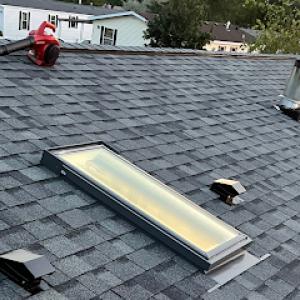
Buffalo Rooftop Services
Serving
4.8 from 25 reviews
Buffalo Rooftop services, we taker pride in what we do and put quality first! We treat every home just as we would treat our very own with the utmost respect amplying all products to the manufacture specifications. Buffalo Rooftop services uses only top of the line products and materials to assure you that you get the most out of your investment to protecting your investments. Rain, sleet, shine or snow We got you covered! Buffalo RoofTop is one of the leading roofing company in WNY. With options available to pick a roofing system that can give you a lifetime coverage let’s make it a good one! Call to book your free estimate and get the job done right the first time around! Discounts for all military, service man and seniors!
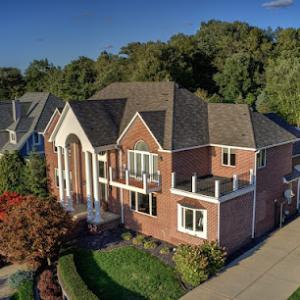
The Roof Rangers
(585) 296-4050 roofingfarmingtonny.com
Serving
5.0 from 70 reviews
We are the best roofing contractors Farmington NY area that specialize in residential and commercial roofing, gutters, gutter guards, metal, and solar. Many roofing companies Canandaigua NY do roof repairs and replacements around Farmington NY. The Roof Rangers are trained roofing companies rochester ny.. We also are highly searched for roof repair near me. Ask us on how your insurance may be able to cover the cost of your new roof if you are missing shingles. Need financing? The Roof Rangers offer financing options. Contact us if you are looking for a “Roofer near me”! Roofing Farmington. Roofing Rochester NY. Besroi roofing Farmington NY and Cameron roofing Farmington NY are our competitors for Farmington roofing NY. Owens Corning, GAF, a
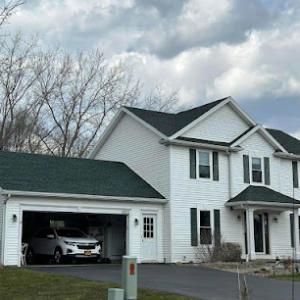
Up Top Exteriors
(585) 485-4290 uptopexteriorsny.com
Serving
5.0 from 16 reviews
Up Top Exteriors Roofing offers a comprehensive suite of exterior home improvement services in Canandaigua, NY and surrounding areas. From roof repair and installation to siding, gutters, windows, and insulation. Our team of exterior experts ensures your home's exterior is protected and looks its best.
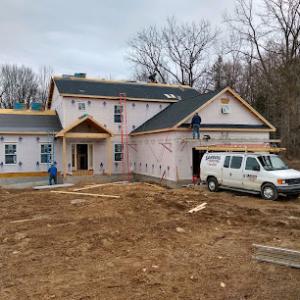
Sanders Contracting
(585) 396-2524 www.sanderscontractinginc.com
Serving
4.8 from 15 reviews
Family Owned and Operated Roofing, Remodeling, and Renovation Company founded in 1982
Voyage Roofing
(585) 708-7877 voyageroofing.com
Serving
5.0 from 6 reviews
At Voyage Roofing, we specialize in Roofing, Siding, Windows & Doors, and Gutters—providing expert craftsmanship and durable solutions that stand the test of time. Whether you need a full replacement or a quick repair, we’ve got you covered!
F&M Contracting
(585) 732-8701 www.fandmcontractingcorp.com
Serving
5.0 from 19 reviews
F&M Contracting is a highly dedicated roofing service dedicated to providing exceptional care and professionalism to every client. Their services range from straightforward repairs to intricate remodeling, ensuring that every customer's needs are met with diligence and integrity.

Mr. Fix It
(585) 266-7663 mrfixofrochester.com
Serving
4.9 from 131 reviews
When you need roofing and roof repairs or any other exterior repairs completed on your home, you want to work with a contractor who’s committed to ensuring your property will stand against wind, rain, and other natural elements. With more than 20 years of experience, Mr. Fix It in Rochester, NY, has the tools, expertise, and services you need. No matter the size of your project, when you need a new roof,roof repairs, soffit and fascia, or any exterior repairs, there’s no one better than the team at Mr fix it. They will make sure all your homes needs will be taken care of. We at Mr fix it are dedicated to quality.and performance. Mr fix it proudly serves all of Monroe County and surrounding counties.
Empire Contracting Group
(585) 248-4949 empirecontractinggrp.com
Serving
4.8 from 26 reviews
Empire Contracting Group is a family owned company providing quality service with premium products at a fair price. Established in 1947 as Wayne Roofing and Siding serving Monroe and Wayne Counties. As time passed we have evolved into a statewide company, and in 2010 Empire Contracting Group was born. After 70 years in business our dedication to our customers remains the core principal of our company and as always all workmanship is guaranteed for the life of the product.
Skyways Contracting
Serving
5.0 from 59 reviews
At Skyways Contracting, based in Rochester, NY, we’ve been delivering high-quality roofing and exterior renovation services since 2019. Fully insured and locally operated, we treat every project like it’s our own home. We specialize in residential and commercial roof replacements, storm damage repairs, and preventative maintenance. Our team offers free inspections, drone assessments, and strong warranties for your peace of mind, you work directly with us from start to finish. We take pride in honest communication, hands-on service, and results that last.
Ontario Exteriors
Serving
4.8 from 41 reviews
Ontario Exteriors is a trusted roofing and exterior services company based in Fairport, NY, proudly serving Penfield, NY and surrounding areas. As Rochester’s premier exterior contractor since 1995, we provide dependable residential roofing for Perinton, NY and durable commercial roofing for Penfield, NY. Our team specializes in roof installation and complete roofing systems, along with siding installation, gutters, windows and doors, and skylights. We focus on quality materials, skilled workmanship, and clear communication from start to finish. Whether you’re planning an upgrade or addressing exterior concerns, our experienced team is ready to help. Contact us to learn more or schedule a consultation at your convenience.
High View Roofing
(585) 727-2729 highviewroofingny.com
Serving
5.0 from 40 reviews
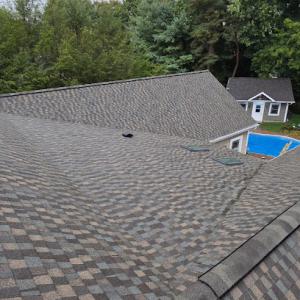
Do you want expert local roofers to protect the roof of your property? Check out your friendly neighborhood roofers! High View Roofing is a top-tier roofing company based in Walworth, NY. You can rely on us for quality and affordable roofing services, at High View Roofing, we've got you covered!
When budgeting a re-roof here, you'll find asphalt shingles running about $400 to $800 per square, metal anywhere from $700 to $1300 per square, clay tile $1100 to $2100, concrete tile $900 to $1700, wood shingles or shakes $750 to $1500, and synthetic or composite shingles $650 to $1200 per square. These figures track with Canandaigua's mix of lake-influenced weather and historic housing stock, where roof ages and materials vary widely from modest bungalows to hillside Victorians.
Prices in this area are often pushed up by steep pitches on older homes and by multi-layer tear-offs, which are common as roofs age and previous layers accumulate over time. Access challenges are another factor on lots that rise toward the lake or slope away from the street, making equipment, material handling, and waste removal more time-consuming. In practice, you may see longer crews on site and higher disposal fees, especially when heavy, multi-layer projects come into play. Expect the cost ladder to bend upward a bit if your roof sits at a steep angle or if the crew has to navigate tight driveways or limited staging space.
Seasonal demand tightens pricing after winter damage is discovered in the spring or after summer storm events. Most full replacements cluster into late spring through early fall, so you may encounter a bit more competition for schedules and materials during that window. If a severe spring thaw or a series of late-summer storms hits your neighborhood, keep in mind that crews may have busier-than-usual timelines, which can shift both price and availability.
If you own an older, multi-story home with a steep pitch, factor in potential extra costs for safety gear, scaffolding, and additional labor. For homes with previous roof layers, plan for a tear-off premium and possible disposal surcharges. On hillside or lake-adjacent properties, you'll want to discuss staging options with the contractor early to minimize material handling hurdles and avoid surprises on the bill. Compare two or three bids that reflect the same scope, and ask about crew composition, warranty terms, and disposal methods to avoid sticker shock when the project is underway.
Re-roof projects in this city typically require a permit through the local building department rather than being treated as a no-paperwork maintenance item. That means you should expect to submit project details, plan notes, and basic structural information before any shingle delivery or tear-off begins. The city reviews project information before issuing the permit, ensuring that the chosen materials and installation methods meet local codes and weather considerations common to the Finger Lakes region. If a permit is not secured, you risk delays, fines, or required remediation work that can complicate timelines and financing. The process is designed to prevent problems from snow, ice damming, and freeze-thaw wear that are prevalent near the lake.
Inspections happen during and after the work, with a final inspection generally needed to close the permit. This means your project should be scheduled with a clear sequence: framing or roof deck integrity, underlayment and ventilation checks, then the finished roofing material installation, followed by a final walk-through for sign-off. Inspections help verify that installation practices address Canandaigua's freeze-thaw cycles and snow load realities, which directly affect long-term performance. If an issue is found, the contractor may need to revisit sections of the roof or attic to correct ventilation, flashing, or fastener adherence before the final approval is granted. Plan for weather-driven scheduling shifts and ensure access paths to the roof are kept clear for inspectors.
Because insurers may later ask for permit and inspection records after hail or wind claims, Canandaigua homeowners benefit from keeping the permit file, approval documents, and final sign-off together with roof photos. A centralized folder-physical or digital-reduces the risk of missing documentation during a claim review. Store the final inspection notice, any wear-and-tear reports, and contractor communications in the same place as your pull permits and project drawings. If you relocate or refinance, these records can prove compliance with local requirements and help defend the project's legitimacy with an adjuster.
In the Canandaigua area, hail and wind claims do occur after storms, but the insurance environment is not defined by a statewide uniform insurer pullback pattern in upstate New York. That means your claim handling can vary by carrier, local adjuster, and the specific storm window. Understanding how Ontario County weather affects roofs helps set realistic expectations when a claim is filed after a summer storm or a sequence of freeze-thaw cycles.
Adjusters commonly want roof measurements, date-stamped photos, and evidence of pre-loss condition. Documentation is especially important when damage follows summer storms rather than a single catastrophic regional event. Start with a clear, dated record of the roof before any temporary repairs, so the scope of the loss is easy to compare to the roof's typical wear in this part of the Finger Lakes. If shingles are curling, granules have washed into the gutters, or there are ice dam indicators near eaves, note the locations precisely and photograph from multiple angles.
A history of freeze-thaw wear can be difficult for a carrier to separate from recent storm damage. Prior wear near Canandaigua Lake often shows up as hairline cracks or slightly lifted edges, especially on hillside homes with older roofing. When damage is reported, adjusters may request longitudinal measurements along hips and valleys to validate a claim against the roof's known condition. Having a clean, dated chain of photos that demonstrates both post-storm impact and the roof's stability before the event helps the claim move forward more smoothly.
Before contacting the insurer, assemble a simple file: notes on storm timing, a rough diagram of roof sections affected, and a log of any temporary repairs or leak events. If you can, secure a professional evaluation that compares current conditions to a documented pre-loss state. For coastal-adjacent or lake-influenced areas, wind-driven debris can cause localized damage that isn't uniform across the entire roof; photos should capture both affected and adjacent, undamaged sections to illustrate the extent of loss. Keep all correspondence organized and dated, including any requests for measurements or additional photos.
Prior permit and inspection records can matter in claim handling, particularly when the carrier is trying to distinguish recent storm damage from older freeze-thaw wear or deferred maintenance. If available, attach or reference prior inspection notes, last repair dates, and any documented changes to the roof system. This helps establish the line between long-term wear and new storm-related impact, aiding a clearer settlement path.
The eaves and roof valleys see the first hits from lake-effect snow and periodic melt cycles. In hillside neighborhoods, icicles and ice dams form where warm attic air meets a cooler roof, pushing water toward vulnerable edge details. Over years, ice dam pressure can lift shingles at the eave, loosen sealants, and push water under flashing. If gutters are clogged or sagging, meltwater backs up and wets the underlayment, accelerating wear along the eave line. Regular inspection after heavy snows or thaws helps catch curling shingles or degraded sealant before leaks appear in living spaces.
Chimney intersections are classic trouble spots around the Finger Lakes. Siding transitions and flashing must resist freeze-thaw cycles, which can push seams apart and expose the underlying decking. Valleys adjacent to chimneys collect more moisture, intensifying wear on seam tape and step flashing. Look for loose or cracked masonry, rusted vent boots, or flashing that has pulled away from the brick or siding. In Canandaigua's climate, a small crack can become a leak after a spring melt cycles through freezing nights.
There are roofs that stay shaded on north-facing slopes or between tall trees where snow lingers. Refreezing in these pockets happens repeatedly, causing granular distress on asphalt shingles and accelerated granule loss in marked patches. The repetitive expansion and contraction in these microclimates shortens shingle life and can lead to mismatched color patches or exposed underlayment.
Metal roofs shed snow well, but the advantage depends on precise detailing around fasteners and penetrations. Ice can work up under laps where fasteners or screws aren't sealed properly, and snow-management accessories-such as snow guards-require careful integration with the roof plane on steeper homes or over entryways to prevent ice blockages and panel damage. Regularly check seams where panels meet and around chimney or vent penetrations for any signs of loosening or corrosion.
Winter conditions and snow load can delay installations in Canandaigua and make emergency repairs more common than planned replacements during the coldest months. Plan for shorter windows where crews can access roofs safely, and expect weather to push timelines by days or weeks. If a project is underway, keep clear paths for snow removal and ensure materials are stored to withstand low temperatures. Have a backup plan for temporary tarps or coverings to protect exposed areas during sudden storms.
Spring thaw and rain create damp roof decks and scheduling bottlenecks, so homeowners who wait until leaks appear after snowmelt may face a crowded local calendar. Build in a buffer right after the snow clears, and tighten coordination with a trusted roofing contractor to avoid overlaps with neighboring jobs. Early-season inspections can identify hidden moisture and ready the deck for shingles or underlayment once warmer weather stabilizes. If rain rainstorms stretch, prepare for a staged approach rather than a single, rushed replacement.
Summer storms, including hail, can interrupt active jobs and create short-term demand spikes for tarping, inspections, and insurance documentation across the market. Schedule critical tasks on the calmer days when possible and arrange temporary protection for exposed areas after a hail event. Keep communication clear with neighbors about expected noise and access needs, especially on hillside lots where debris and wind can complicate safety. Have a plan for rapid-response repairs to prevent minor leaks from turning into larger issues during storm season.
Track long-range forecasts and set milestone goals around typical Finger Lakes weather cycles. Coordinate staggered schedules with weather windows and prioritize urgent repairs before heavy storms. Maintain a ready-to-deploy tarp kit and ensure crews are prepared for frost, mud, and slick roof surfaces so responses stay timely even when conditions shift.