Last updated: Apr 19, 2026
Snow load and freeze-thaw cycling are not abstract concepts for your roof here. Utica's position in the Mohawk Valley brings cold winters with significant snowfall, making snow load and ice buildup a primary roof stressor. Every heavy storm adds weight to the sheathing, shingles, and flashing, while repeated freeze-thaw cycles crack and push at the edges, especially on older homes with aging underlayment. When you look at a roof after a week of sun followed by a cold snap, those tiny cracks become leak paths fast. This is not theoretical-it's the pattern homeowners contend with year after year, and it escalates quickly when ice dams form at eaves and project inward.
In winter, the most telling signs are not distant noises but water trails and damp spots that appear on ceilings after a thaw or a fresh snowfall. Look for ice buildup along gutters and roof edges, especially where gutters sag or downspouts connect. Meltwater backing up behind ice creates a slow, persistent leak that can travel along a rafter line and drip from the underside of the roof deck. Inside, you may notice staining, musty air, or discolored patches on walls and ceilings near the roofline. In older housing stock, weak flashing around chimneys, skylights, and vent pipes is a frequent failure point-these joints crack or detach from shifting cold masonry and warped sheathing. Freeze-thaw cycling after snow events commonly exposes weak flashing, underlayment, and roof-edge details during winter and early spring. If you see unusual frost debris on the attic side or icicles that form rapidly after a warm spell, treat it as a red flag.
When a leak appears or you detect suspected ice dams, the first move is to protect interior spaces. Place containers under drips and use towels along the ceiling to catch ongoing water. Move furniture away from affected walls to prevent saturation and mold growth. If snow accumulation is heavy on the roof, carefully remove it from the edge using a roof rake with a long handle, standing back from the snow line and avoiding the eave where ice can break loose. Do not chisel ice from the roof or strike it with sharp tools; this can damage flashing and shingles and worsen the leak. Temporary insulation and ventilation can calm attic temperatures, reducing new ice dam formation, but this is a stopgap unless a qualified contractor seals the flashing and reworks underlayment.
Local contractor signals show unusually strong demand for emergency repair and quick-response service, matching the city's winter leak pattern. In practice, that means you should keep a trusted roofer on speed dial before a heavy snow event, not after a leak starts. When you call, be ready to describe visible leaks, the location of any staining, and recent weather patterns. A skilled crew will prioritize the attic inspection to assess insulation, venting, and the roof's edge details-areas most vulnerable to freeze-thaw damage. Expect a rapid on-site assessment, a prioritized repair plan, and a temporary measure to halt further water intrusion if permanent fixes require a few days.
Pre-winter inspections with a focus on flashing, underlayment, and edge detailing are essential. If the roof is aging, consider reinforcing or replacing edge flashing and ensuring the underlayment fully covers the deck with no gaps near eaves and valleys. Improve attic ventilation and ceiling insulation to minimize warm-roof pockets that accelerate ice dam formation. For roofs with known vulnerabilities-around chimneys, skylights, or complex intersections-invest in targeted flashing upgrades and higher-quality sealants. Finally, clear gutters and downspouts and ensure proper slope in roof-to-drain transitions so meltwater has a clean exit path away from the foundation. In Utica winters, preparation paired with rapid response to early warning signs keeps small issues from becoming big, costly failures.
In Utica, the most reliable replacement timing is typically late spring through early fall because winter snow and spring thaw can interrupt tear-off and dry-in work. Plan to target a dry, moderately warm stretch rather than chasing a perfect week of weather. If the calendar is tight, you'll still want to avoid peak winter conditions, but recognize that early spring can stall due to lingering snowmelt and mud. The goal is to complete tear-off, dry-in, and close-in work before the first hard freeze returns.
Spring rains and thaw cycles in Central New York can delay deck drying and extend project timelines after tear-off. When you schedule, build in a buffer for damp days that keep decking surface moisture high and slow the curing of sealants and underlayment. If a delayed start pushes you into late spring, adjust expectations for early-week progress and plan for a longer finish window. Summer heat is a factor too; very warm afternoons can accelerate asphalt and sealant aging, so it matters more here than in milder markets to coordinate a steady pace that avoids overheating materials or rushed inspections.
Snow load is not just a winter concern; it shapes your replacement plan. The Mohawk Valley freeze-thaw cycle can create fragile shingles at the eave line and push snow melt under flashing if the roof isn't sealed properly. Prioritize completing ice-dam resistant details before the first real cold snaps set in, and ensure proper attic ventilation and insulation to reduce meltwater production. If a winter interruption is unavoidable, you may still stage critical components-underlayment, flashing, and drip edges-so the project can resume promptly when conditions permit.
With older housing stock, minor underlying issues often surface during tear-off. Schedule a mid-project inspection to confirm roof deck integrity, venting, and flashing are ready for the new roof system. In Utica's climate, it makes sense to verify attic insulation, chimney flashing, and skylight interfaces as part of the plan, since frost cycles and freezing moisture can amplify hidden defects. Document any affected areas so you can address them in the dry-in phase before sealing.
As you approach the end of the season, tie off loose ends while temperatures stay comfortable. Finalize sealant cures during a moderate spell rather than a scorching week, and confirm drainage paths are clear for the next winter. A short, targeted follow-up after the first thaw can catch any minor leaks or flashing shifts that emerged during the first freeze cycles, keeping the roof performing through the next winter load.
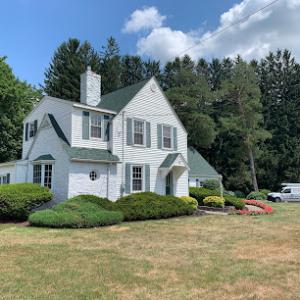
Utica Roof Pros
(315) 639-7663 uticaroofpros.com
522 Willow Dr, Utica, New York
5.0 from 445 reviews
As the Utica, Rome, and Herkimer area’s top residential roofing contractor, our goal is to deliver great value, high-quality workmanship, and exceptional customer service on every project we undertake. Specializing in: Roof Replacement, Roof Repair, Skylight Replacement, Seamless Gutters, and Attic Insulation.

Home Evolution Roofing
(315) 765-7777 www.homeevolution.net
852 Bleecker St suite 1, Utica, New York
5.0 from 89 reviews
Home Evolution Roofing. Your Trusted Roofers serving Upstate NY customers within Utica, New York, and the surrounding Region. Specializing in everything from new roof installations and roof replacements to expert roof repairs and chimney repair, our team is ready to tackle any challenge, including hail and wind damage. As a top roofing company and contractors in Utica, NY, we're committed to providing high-quality craftsmanship and durable solutions for residential and commercial properties alike. Benefit from our free estimate offer and ensure your property is protected by the best in the business. With Home Evolution Roofing, excellence in roofing services is just a phone call away.
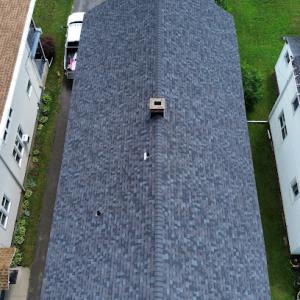
315 Roofing
(315) 368-7970 315-roofing.com
415 Homestead Dr, Utica, New York
4.9 from 37 reviews
315 Roofing provides expert roofing services, delivering high-quality installations, repairs, and maintenance for residential properties. Locally Owned.With a focus on durability, reliability, and customer satisfaction, we use premium materials and skilled craftsmanship. Whether it's a small repair or a complete roof replacement, trust 315 Roofing for fast, professional service at competitive prices. Call and get your free estimate today!
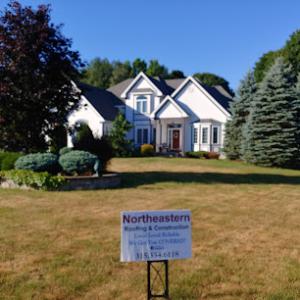
Northeastern Roofing & Construction
(315) 534-6118 northeasternroofs.com
1140 Webster Ave, Utica, New York
4.7 from 71 reviews
Thank you for considering Northeastern for your project. We service both the public and private sector for all commercial and residential Roofing and Construction needs. Founded and based in Utica NY Check us out on facebook

Jewett Roofing company
(315) 796-9120 www.jewettroofingco.com
171 Melrose Ave, Utica, New York
4.6 from 18 reviews
Commercial and residential roofing contractor. We specialize in all phases of roof replacement including shingle,single ply rubber and metal roofing systems
Valley View Roofing
(315) 717-3780 www.valleyviewroofingny.com
2104 Ottillia St, Utica, New York
5.0 from 6 reviews
At Valley View Roofing we pride ourselves in affordable roofing, starting the job quickly, and finishing it quickly. Workmanship and material warranties are provided with every job. If you are looking to get a quote, or ask questions don't hesitate to contact us. We are a no pressure company that is just there to help. Roofing company Utica, NY. Roofer Utica, NY. Best roofing company. Best roofer. Roofing. Roofer. Roofing contractor Utica, NY. Residential roofing. Roof replacement.
Padula Roofing
(315) 733-1564 www.padularoofing.com
1557 Steuben St Suite 2, Utica, New York
4.0 from 22 reviews
Dennis Padula & Sons Roofing & Sheet Metal has over 45 years of experience in the industry. Since 1979, we have been proudly serving Utica, and other areas in New York State with quality roofing and sheet metal services. Originally, Dennis Padula & Sons Roofing & Sheet Metal was run by our parents, Dennis and Lynda Padula of Utica, NY. After the passing of our father, Dennis Padula, our company is now managed by Lynda, Joseph, and Peter Padula. Dennis Padula & Sons Roofing & Sheet Metal employees are trained and have experience for all roofing systems and are OSHA certified.
Sjbs Construction
1159 Kossuth Ave, Utica, New York
4.0 from 20 reviews
At SJBS Construction, we pride ourselves on delivering top-quality roofing services with a commitment to excellence and customer satisfaction. With over 30 years of experience in the industry, our team of skilled professionals specializes in residential and commercial roofing projects, including installations, repairs, maintenance, and inspections. Whether you're dealing with a minor leak or need a complete roof replacement, we use only the highest-grade materials and the latest techniques to ensure your roof is durable, reliable, and aesthetically pleasing. Trust SJBS Construction to protect your home or business with a roof that stands the test of time. Your satisfaction is our top priority!

Summit Roofing Contractor
(315) 737-7663 summitroofingny.com
Serving
4.3 from 10 reviews
UPGRADE YOUR BUILDING WITH GENERAL CONTRACTOR SERVICES IN OR NEAR UTICA, NY Does your property's exterior need work? Summit Roofing Contractors offers home improvement services throughout the entire 315 area. Choose us for the highest-quality roofing, siding and window installations available. With over a decade of experience under our belts, we have the expertise to complete work on any home, business or new construction project.
The Roofing Standard
(315) 989-5544 www.theroofingstandard.com
Serving
5.0 from 80 reviews
At The Roofing Standard, we deliver high-quality roofing, siding, gutter, and window services backed by expert craftsmanship and a 10-year labor warranty. Proudly serving homeowners within a 100-mile radius of Utica, NY, our local, family-owned business is built on integrity, trust, and guaranteed satisfaction. Whether you need a full roof replacement, storm damage repair, or energy-efficient windows, we’re here to protect your home and elevate its value—because "Quality Comes Standard."
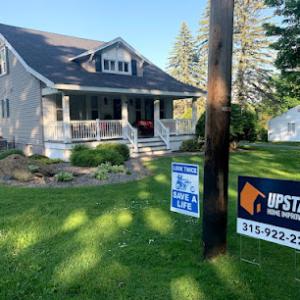
UPstate Home Improvements
(315) 922-2212 upstatehomeimprovements.com
Serving
5.0 from 162 reviews
Upstate Home Improvements is your trusted home renovations contractor serving Utica, NY, specializing in siding contractor services, chimney repair, roof installation, and roofing replacement. We deliver top-quality roof repair, decking, and skylight installations tailored to enhance your home’s value and durability. Our team prioritizes using high-quality materials and skilled workmanship to create structures that are not only beautiful but also built to last. Whether you need a roof upgrade or siding replacement, we ensure every project meets the highest standards. Contact Upstate Home Improvements today to schedule a consultation and transform your home with lasting quality.
Dunwell roofing
(518) 670-7663 dunwell-roofing.com
Serving
5.0 from 6 reviews
We are a Roofing team that serve with honesty, integrity, respect and 100% customer satisfaction. Our Goal is to touch the hearts of those we serve.
Asphalt shingles dominate locally because they fit the city's large stock of older residential homes and the lower end of replacement budgets. For many Utica houses, replacement projects line up with the spring and fall shoulder seasons, so asphalt can be a predictable, straightforward option that installers know well. When choosing this material, prioritize fiberglass or polymer-modified variants that resist cracking from freeze-thaw cycles. Look for granule retention and adequate underlayment to help shed meltwater during thaws, reducing the risk of ice dam-related leaks along overhangs and valleys.
Metal roofing is relevant in Utica but remains a smaller specialty segment locally despite its appeal for shedding snow. If you live in a high-snow area or have limited attic insulation, metal can reduce the chance of ice buildup on the roof edge and minimize corrosion concerns where freeze-thaw stress is common. Choose panels or standing-seam systems with a robust ice and water shield at transitions, and consider a thicker gauge for longevity. Availability matters: a tight local network of installers that understands how metal interacts with existing roof deck and chimney flashing is key to a durable finish that won't trap moisture in winter.
Clay and concrete tile are available in the market but are less typical for Utica's housing mix, so structural fit and installer availability matter more than in tile-heavy regions. These tiles bring durability and a distinct look, but they add weight and require careful structural evaluation, especially on older homes not originally built to support heavy roofing. In winter conditions, tile can be more susceptible to cracking from freeze-thaw cycles if the substrate isn't sound or if installation details around penetrations aren't meticulously planned. If tile is considered, ensure a qualified installer reviews attic ventilation, roof slope, and the potential for tile replacement during slippery months.
Wood shingles or shakes bring a classic texture but generally require diligent maintenance to combat moisture retention and decay. In the Utica climate, synthetic or composite shingle options can offer better freeze-thaw resilience while keeping a similar aesthetic. When evaluating these choices, inspect the underlayment setup and venting strategy to support dry indoor spaces during long winters. A local installer familiar with snow load patterns can help tally the practical benefits versus upkeep needs.
In this market, the interplay between snow load, ice dams, and freeze-thaw cycles dictates material choice as much as curb appeal. Prioritize systems with strong underlayment, effective drainage, and reliable flashing details around hips, valleys, and chimneys. The best fit balances a realistic replacement window with the local realities of Utica's older homes, ensuring a roof that holds up through heavy snows and spring thaws without frequent repairs.
Asphalt shingles in this area run about $400-$700 per square, which is a common starting point for homes built in the mid-20th century with modest roof decks. Metal roofing sits higher, typically $600-$1200 per square, reflecting the demand for longer lifespans in snow-heavy seasons. Clay tile can be steep on the budget at $900-$2000 per square, while concrete tile runs $800-$1800 per square. Wood shingles or shakes tend to land around $500-$900 per square, and synthetic or composite shingles mirror that range at $500-$900 per square. These are the practical, local ballparks you'll use when planning replacements in older neighborhoods where a full tear-off is often part of the project.
Costs in Utica can rise when winter damage forces urgent scheduling or when spring moisture delays labor and extends dry-in protection needs. If freeze-thaw cycles create sudden leaks or ice dam pressure, crews may need to mobilize quickly, which can push the case for expedited removal, extra de-icing measures, or temporary protection. Delays in dry weather after winter can stretch the project timeline, increasing labor days and sometimes requiring additional material stock to cover longer-than-expected work windows.
Older homes common in Utica can add cost through tear-off complexity, deck repairs, chimney flashing work, and ventilation corrections identified during inspection. When a roof is peeled back on a vintage structure, expeditious access to hidden damage becomes important, and sometimes deck reinforcement or flashing around chimneys and skylights must be upgraded to match modern weather seals. Expect a premium if the existing deck or framing shows soft spots, or if retrofit ventilation requires adding soffit or ridge vents to handle the winter moisture and summer heat load effectively.
Get three local bids that explicitly itemize tear-off, disposal, and any necessary deck or flashing repairs. If you have a history of heavy snow buildup, prioritize systems with reinforced flashing and better underlayment for ice dam resistance. In many Utica projects, a phased approach-tear-off in one season, completion with venting and waterproof underlayment the next-can mitigate environmental delays while keeping the project within a predictable cost range.
In Utica, a building permit is typically required for a full roof replacement rather than being treated as permit-free maintenance. The city's code department reviews plans and issues permits before work begins on full replacement projects. That means your contractor should have a clear approval before any tear-off starts, and you should keep the permit card visible at the job site in case inspectors stop by.
During the project, inspections are a normal and necessary part of the process. Utica inspections are commonly scheduled during and after the job to verify tear-off, deck condition, flashing, and venting work. If the deck shows signs of water exposure, warped boards, or lingering moisture, the inspector will want to see repairs or a clear plan to address them. Venting must be adequate to prevent ice dam formation and to move attic moisture out of the living space. Flashing around chimneys, pipes, and transitions to walls has to be watertight and properly integrated with the new covering.
Preparing for the inspection means coordinating timelines with the permitting office and the contractor. Have a copy of the approved plan on site, plus any addenda if conditions change due to snow loads or freeze-thaw cycles that affect how the roof is fastened or how the underlayment is installed. If work stalls because of weather, ask about scheduling adjustments rather than letting permit validity lapse. A clean edge around the tear-off area helps inspectors verify a complete and proper removal and replacement.
Common issues to watch for include mismatched flashing detail at eaves and hips, improper venting in the attic, and insufficient deck repair where rot or settlement is evident. In this climate, the goal isn't just a new surface; it's a system that resists ice damming and seasonal thaw. If the inspector flags a concern, address it promptly to avoid delays that can extend exposure to winter moisture and future repairs.
Utica's winter weather tests roofs in ways that local carriers remember. In the wake of heavy snow, wind-driven hail, and rapid freeze-thaw cycles, claims often hinge on solid documentation. When a storm hits, you should expect adjusters to request detailed before-and-after photos, records of prior roof conditions, and warranty paperwork after any replacement work. Keeping a clear file on the roof's condition before a project begins helps avoid delays and pricing questions during a claim.
The choice of roof material can affect how a claim is treated, so documentation matters beyond the visible beauty of new shingles or panels. Photos should capture matching edge details, fasteners, and attic signs of moisture, and notes from a trusted roofer about installation quality can matter to adjusters. If you replace sections, be consistent in documenting matching materials and fastening patterns, because inconsistency invites questions and may shift coverage decisions.
When a storm has passed, coordinate rapid inspections to document damage while snow is still on the roof only if safe. Waiting can let hidden issues worsen with melt and re-freeze, opening the door to ice dam damage that complicates claims. Have a trusted contractor mark all vulnerable areas and provide written assessment noting snow load effects, gutter stress, and flashing wear. Clear, organized records support smoother claim processing and a quicker path to adequate repairs.
In this market, conversations with insurers often shift after a severe winter, so keep your files current year to year. If a claim starts, communicate promptly and provide an organized envelope of photos, invoices, and warranty documents that clearly show the roof's condition before and after work. A cautious approach reduces the risk of coverage gaps that could linger as snow returns and the next freeze-thaw cycle begins. Stay proactive, stay protected through seasons every year.
Connect with contractors who help homeowners navigate the claims process from damage assessment to final approval.
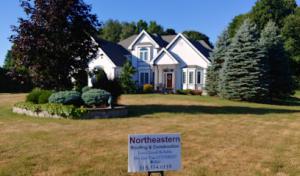
Northeastern Roofing & Construction
(315) 534-6118 northeasternroofs.com
1140 Webster Ave, Utica, New York
4.7 from 71 reviews
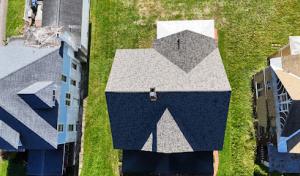
Chimneys in this market show up frequently in local contractor notes, and that pattern isn't surprising given how often snow sits on roof edges and freezes around brick and metal angles. Chimney flashing tends to fail where step and base flanges meet the roof deck, or where counter-flashing pulls away from masonry due to thaw cycles. When inspecting, look for stained or wet roof decking near the chimney, loose or missing mortar, and any gaps where roofing material rides up against the chimney chase. Have a pro check the valley intersections around the chimney and confirm that ice-and-water shield extends a few feet up the sides to manage meltwater during thaw periods. In practice, plan for targeted resealing and flashing replacement rather than a full chimney rebuild unless brickwork shows larger damage.
Skylight service is a meaningful specialty in this market, with leaks often traced to curbs and flashing that lift or compress during freeze-thaw cycles. Examine the perimeter of the skylight for hairline cracks in the curb, caulk failure, or membrane sag where runoff concentrates. Pay particular attention to the flashing where the curb meets the roof, and to the condition of the sealant around interior skylight trim, which can degrade after repeated cold snaps. When addressing leaks, prioritize resealing or replacing the curb flashing, and ensure the downstream waterproofing under the skylight integrates with the main roof ventilation and drainage plan. If a repair is needed, consider reinforcing with an additional drip edge and a continuous layer of ice-and-water shield around the skylight.
Inspection attention to flashing is especially important because winter snow and thaw cycles tend to expose weak transitions first. Examine all flashing lines where roofing material meets vents, dormers, and edges, especially on older homes with worn starter strips or compromised sealants. Look for rusted step-flashing, loose copper, or torn bend tabs. Addressing small gaps promptly prevents larger failures when the next snowpack sits high and heavy. In Utica's climate, the goal is to maintain tight, continuous flashing that resists movement from wind-driven snow and concentrated meltwater, with attention paid to transitions at valleys and hips where ice dams commonly start.
Find contractors experienced in skylight installation, flashing, and leak repairs to bring natural light into your home.
Utica Roof Pros
(315) 639-7663 uticaroofpros.com
522 Willow Dr, Utica, New York
5.0 from 445 reviews

Home Evolution Roofing
(315) 765-7777 www.homeevolution.net
852 Bleecker St suite 1, Utica, New York
5.0 from 89 reviews