
Last updated: Apr 19, 2026
Snow, ice, and repeated freeze-thaw cycles push Binghamton roofs to the limit. The combination of winter warmth from attic leakage and cold roof surfaces creates a recipe for shingle seal failures, flashing stress, and small leaks that widen over time. As meltwater runs toward the eaves, it refreezes and builds ice bands that block drainage. When a cycle repeats, those tiny openings become conspicuous leaks that only show up after a dry stretch or in late winter and early spring. The risk is highest on older homes whose roofs and attic assemblies weren't built for modern snow loads and long-season freeze-thaw turmoil.
In mid-winter, watch for unusual attic heat loss patterns that heat up the roof near the peak while the eaves stay icy. That temperature split invites meltwater to travel uphill and refreeze at the eaves, forming ice dams that back up water under shingles. Interior ceiling stains in late winter or early spring are a common delayed symptom, even when the winter never seemed dramatic from the ground. If gutters are clogged or sagging, meltwater has fewer routes to escape, which amplifies dam formation. The moment any icicles grow dense at the edges, that's a red flag you're already in a high-risk phase.
Older houses in this valley frequently suffer from attic heat loss and uneven roof temperatures that foster meltwater refreezing at the eaves. A practical first step is to improve attic insulation and seal air leaks between living spaces and the attic. The goal is to keep the attic closer to exterior temperatures, so snow on the roof both melts more uniformly and doesn't run down to the eaves with excess heat driving it into the dam zone. Consider sealing gaps around chimneys, vents, and light fixtures, and address any loose or missing insulation along eave lines. Upgrading attic ventilation-ensuring a balance of intake at the soffits and exhaust at the ridge-helps maintain a cooler roof deck, reducing the likelihood of ice dam formation from warm roof areas.
Clear gutters and downspouts of debris before heavy snows arrive and again as you start to see meltwater moving toward the edges. Ensure downspouts discharge away from the foundation so water isn't driven back toward the roof edge by shifting piles of snow. For roof edges, remove loose debris, and inspect the edges of the flashing around chimneys and stacks; small gaps can become channels for water that eventually leaks inward. If ice buildup forms along the eaves, carefully break the ice with a plastic tool from the ground rather than climbing onto the roof, to avoid shingle damage or personal injury. Avoid using direct heat on the roof from inside the attic unless a professional confirms it won't cause further damage to ice barriers.
If persistent leaks appear after mid-winter thaws, or if attic seals, flashing, or soffit vents show signs of deterioration, professional assessment is essential. A local roofer will verify roof slope compatibility with existing ice barriers and confirm that ventilation and insulation improvements align with the specific winter patterns of the Susquehanna-Chenango valley. Early intervention prevents small cracks from turning into widespread water intrusion and reduces the risk of long-term damage to ceilings, walls, and structural components.
In this city, a large stock of older homes means that full re-roofing often reveals aged decking, legacy flashing details, and ventilation shortcomings that are not obvious from the ground. When the old shingles come off, you may find warped boards, dry-rot spots, or sections where the roof structure was never updated to modern ventilation standards. Expect that what you can't see from the curb becomes the real work driver once the roof comes apart. This is not a simple replace-and-go project; it often uncovers substrate issues that require targeted repairs or a decisive upgrade to the roof assembly.
The local contractor market reflects a steady demand for re-roofing rather than new-construction roofing. As a result, many projects hinge on tear-off decisions and the condition of the substrate beneath. Plan for the possibility that some decking will need replacement or reinforcement, especially in steeper sections where damage tends to accumulate over years of weather exposure. Hidden flashing details, particularly around chimneys, valleys, and dormers, can require careful dismantling and reconfiguration to prevent future leaks. If moisture intrusion has occurred under older flashing, you may also encounter staining or soft spots that signal more extensive repairs than a typical shingle swap would imply.
Steeper rooflines are common on older neighborhood housing, and that changes the math on labor, staging, and cleanup. The fall risk and the need for temporary safety systems increase the complexity of a re-roofing project. Access points, ladder placement, and material handling must be planned with careful consideration of the home's terrain and surrounding yards. Contractors often need longer days and more crew coordination to keep the site tidy and safe while minimizing disruption to neighboring properties. Expect more time spent on edge protection, waste containment, and ensuring that debris does not impact driveways, sidewalks, or plantings.
The region's freeze-thaw cycles and Susquehanna-Chenango Valley weather patterns make ventilation a non-optional component of a roof refresh. In older homes, venting was frequently undersized or misdirected, contributing to condensation in the attic and higher moisture load against the attic floor and roof deck. During a re-roof, verify that the attic ventilation plan aligns with the new roof type, insulation level, and decking condition. A thoughtful approach to soffit intake, ridge ventilation, and proper sealing around penetrations reduces the risk of ice dams and freeze-thaw leak cycles, which are particularly costly when they recur year after year.
Because issues are often more complex than a straightforward shingle replacement, establish a clear sequence with your contractor. Start with a thorough inspection of decking, flashing, and attic ventilation, then address any decking repairs or flashing upgrades before installing the new roofing system. If you have dormers, chimneys, or a steeply pitched front porch, coordinate the scheduling of repairs to minimize repeated climbs for the crew. A well-planned tear-off and deck remediation reduces call-backs and helps the installation proceed smoothly, even when weather windows narrow.
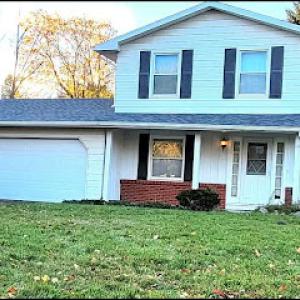
Reliance Roofing
(607) 204-1100 relianceroofing.llc
1605 NY-12, Binghamton, New York
5.0 from 122 reviews
At Reliance Roofing, LLC in Binghamton, NY, we take pride in ensuring that your home is protected with a roof built to last. Every homeowner deserves peace of mind, and our dedicated team is committed to delivering roofing solutions that go beyond what our customers believe is possible. We understand the importance of trust in choosing a roofing contractor. That's why we are fully insured, giving you an added layer of security and peace of mind. Our slogan, "Roofing You Can Rely On," is a promise to each of our customers that we stand behind our work, ensuring that your investment in your home is safe with us. What sets us apart is our commitment to friendly service coupled with high-quality, professional work.
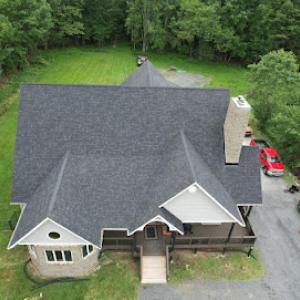
Guaillas Roofing
(607) 727-7555 guaillasroofingincny.com
242 Main St, Binghamton, New York
5.0 from 27 reviews
Guailas Roofing is a company specializing in repair, replacement and installation of all types of roofs now also based in Binghamton, NY. Our solid reputation for quality work, honesty and customer service has allowed Guailas Roofing to become one of the most trusted choices for homeowners and business owners in the region. Our team has extensive experience, whether residential or commercial, and we work with top-quality materials for long-lasting and aesthetically flawless results. We specialize in identifying damage, offering customized solutions, and executing each project with efficiency and professionalism.
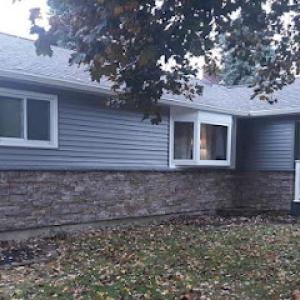
Jimmy DiFulvio Construction
422 Old State Rd, Binghamton, New York
4.7 from 46 reviews
Family Owned and Operated, Top Notch Craftsmanship for over 20 years, Taking care of the great homes in the southern tier and broome county. Call the Pro that Knows! Second to none, never outbid, and who actually does your job!
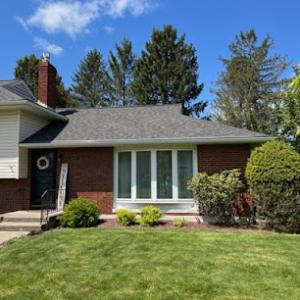
Dave Wagner Roofing
(607) 725-5242 davewagnerroofingllc.com
1058 Front St, Binghamton, New York
4.8 from 24 reviews
Dave Wagner Roofing has 38 years of experience in the Greater Binghamton area. Beautiful roofing installs that are constructed to last.
Bsr
120 Eldredge St, Binghamton, New York
4.4 from 79 reviews
Providing Expert Roof Replacement & Repair Services Since 1913.BSR is proud to say that we’re a roofing company with staying power. For over five generations, we have continued to uphold the standards put in place by our founder. We remain a trusted name in roofing and other home improvement services, in part because of our commitment to quality work and exceeding customer expectations during and after the project.
Couple of Repairs
Serving
4.3 from 6 reviews
Give Your Home a Much-Needed Makeover Team up with an experienced local handyman in Binghamton, NY Your home is a massive investment that requires regular care and attention. If you're looking to give your home some TLC, Couple of Repairs can see that your project runs smoothly.
JKS Home Improvement
(607) 743-9021 jkshomeimprovement.com
Serving
4.7 from 355 reviews
A trusted home renovation and roofing company based in Endwell, NY, JKS Home Improvement has been serving the Southern Tier and Central New York for over 68 years. Specializing in expert roofing, siding, window, and gutter installation and repair, the company is known for its craftsmanship, responsive customer service, and durable exterior solutions. With over 300 verified reviews and a multi-generational legacy, JKS combines high-quality materials with personalized project planning to protect and enhance homes year-round.
AJ Pro Construction
(845) 570-0000 ajproconstructioninc.com
Serving
5.0 from 48 reviews
AJ Pro Construction is the top choice in Spring Valley, NY, if you are looking for roofing contractors. We understand the importance of sticking to a budget while still providing high-quality craftsmanship. Our team will work closely with you throughout the project to ensure that the results exceed your expectations while staying within your budget constraints. We specialize in flat roof installations and residential roofing, as well as commercial roofing. Our team has worked on countless projects, ranging from roofing installations to roofing repairs. No matter what roofing project you have in mind, we guarantee that our team will bring it to fruition with precision and skill.
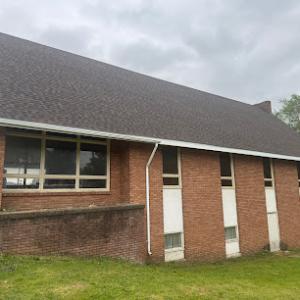
Edify Contracting LLC Roofing & Siding
(607) 444-2759 edifycontracting.com
Serving
5.0 from 9 reviews
Edify Contracting is a trusted, full-service contractor specializing in roof installation and high-quality siding solutions. With a commitment to craftsmanship and customer satisfaction, we offer a wide range of services to enhance and protect your home or business. Whether you're looking for a roof upgrade, siding replacement, or other exterior improvements, Edify Contracting delivers expert solutions designed to stand the test of time. Our team is dedicated to using premium materials and providing exceptional service, ensuring your property looks great and stays protected from the elements.
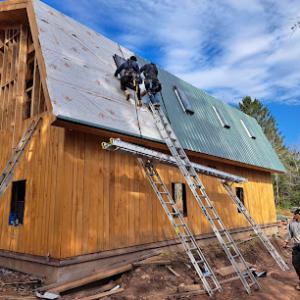
Prime Roofing Pro
Serving
5.0 from 5 reviews
Prime Roofing Pro – Local contractor in Broome County, NY and surrounding areas, specializing in roofing, siding, and exterior remodeling. With 7 years of experience, we provide complete solutions for both insurance-covered projects (hail or wind damage) and direct-pay homeowners looking to improve or renovate their homes. Our commitment is to deliver top-quality work, always meeting local building codes and manufacturer warranty requirements. We also offer free inspections, insurance claim assistance, and professional, honest service you can trust. ✅ Fast & Professional ✅ Quality Materials ✅ Free Inspections & Estimates ✅ 100% Customer Satisfaction Protect your home with Prime Roofing pro—where quality meets trust.
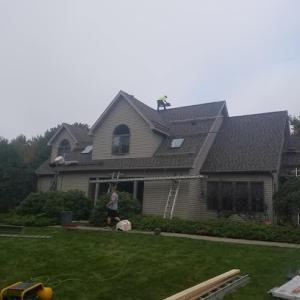
Augustine Construction
(607) 341-5662 augustineconstructionny.com
Serving
4.0 from 47 reviews
Augustine Construction is your local, insured and experienced contracting solution in the Endicott, NY area. We were founded in 2009 as a roofing company and have since expanded into other home improvement areas. Our services include: Roofing Deck installation Gutter installation Siding installation Kitchen remodeling Window installation Basement remodeling Bathroom remodeling Improve the style, functionality and value of your home with help from our remodeling contractor serving Endicott, NY and beyond. Call 607-341-5662 today to schedule a free estimate for any of our services.
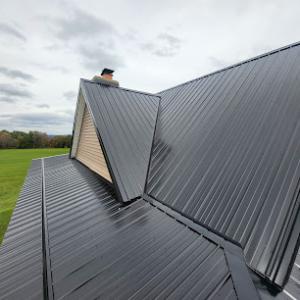
Alpha Roofing
Serving
5.0 from 2 reviews
Alpha Roofing has the knowledge and the man power to get your job done on time and under budget, with high quality materials and high level experienced roofing mechanics, call us today for your free quote!
Asphalt shingles remain the practical fit for much of the housing stock in this area because they match the typical roof lines found on many early- to mid-century homes and sit at the lowest local cost range. In Binghamton, the freeze-thaw cycle and winter snow load make shingle performance depend on a solid underlayment, proper attic ventilation, and generous drip edge details. For homeowners charting a repair or replacement, a high-quality asphalt shingle with good granule adhesion and a reflective surface can help reduce heat buildup in attic spaces, which in turn limits rapid ice dam formation along eaves. When choosing asphalt, pay attention to the nailing strip and wind resistance, and ensure the installation includes a continuous ice-and-water shield up to the roof peak in areas where ice dam risk is highest. The goal is to keep water moving off the roof efficiently while protecting vulnerable eaves and valleys during long, cold snaps.
Metal and aluminum roofing are especially relevant in this market because local contractor signals show meaningful metal specialization and homeowners often look for better snow shedding and lower maintenance. Metal systems excel at shedding snow quickly, which can reduce the weight and duration of ice dam risk on late-season storms. Aluminum, a lighter option, can offer similar performance with corrosion resistance that suits exposed roof lines and coastal-influenced elements from winter melt. In cold climates, metal roofs paired with well-sealed gutters and snow guards can help manage snow slides without abrupt ice formation at eave junctions. For a Binghamton home facing frequent freeze-thaw cycles, metal choices should emphasize durable coatings, proper panel overlap, and secure fasteners to withstand freezing temperatures without seam leaks. Installation quality matters as much as material selection; improper flashing or valley detailing can undermine the intended benefits.
Slate appears in the local material mix and aligns with the region's older housing character, but replacement or repair can become structurally and financially significant compared with asphalt systems. Slate offers exceptional longevity and a traditional look that suits century-old homes perched along hilly streets and historic districts. However, slate requires a roof structure capable of bearing its weight, and repairs or partial replacements can be costly and labor-intensive. In addition, finding skilled slate installers who can match existing profiles and install proper underlayment is crucial for a weather pattern marked by heavy snows and cold snaps. For homes with slate, proactive maintenance-inspecting for cracked or missing slates after winter storms, and ensuring proper ventilation to counteract freeze-thaw damage-helps preserve the roof's integrity without premature replacement.
In this market, the overarching strategy is to minimize ice dam formation by improving water management, insulation, and ventilation rather than relying solely on the roof covering. Across materials, ensure the attic is adequately vented to prevent warm attic air from melting snow along the roof line, which subsequently refreezes at the eaves. Install a robust ice barrier where snow and ice accumulate most, typically along eaves, valleys, and around chimneys. For steep-slope homes with older construction, pay particular attention to flashing details at rakes, step-flashings at intersections, and throat closures around vent pipes. If choosing metal or slate, budget both the material and the specialized installation that these options demand, as proper integration with existing gutters and downspouts is essential to keep water moving during thaw cycles. In all cases, select a system that balances local climate demands with the character of the home, aiming for a durable solution that reduces maintenance while protecting interior spaces from winter melt and wind-driven rain.
Late spring through early fall is the most workable replacement window locally because winter snow and ice, spring thaw, and fall wind all create scheduling and dry-in challenges. Choosing a steady stretch without freezing nights helps the roofer install underlayment and shingles without the risk of early dew or frost, and gives you a predictable timeline before winter. If you have a steep-slope roof common on many older homes, this window also minimizes the chance of ice dam surprises during the process.
Spring replacements in this city carry elevated leak risk during tear-off because thaw conditions and moderate precipitation can interrupt open-roof work. If you're planning a spring project, coordinate with the crew for weather windows wide enough to keep tarps and temporary coverings in place, and be prepared for short delays. A proactive plan for rapid tear-off and re-seal can reduce days of exposed decking, which helps protect interior spaces during cool or damp spells.
Summer thunderstorms and heat can affect shingle handling and adhesive performance, while heat can also make roofers move more slowly to avoid heat-related hazards. Plan for early start times and secure access routes to reduce heat buildup on hot days. If you're replacing during this season, ask about asphalt shingle technology that tolerates higher temperatures and verify that fasteners and adhesives are appropriate for the forecasted summer conditions to maintain a solid seal.
Fall debris and wind can accelerate wear and complicate final cleanup before winter. If you push replacement into late fall, ensure the schedule includes a careful dry-in and a thorough final inspection to catch any last-minute gaps. Consider coordinating a mid-season walkthrough to confirm ridge and drip-edge fixtures are secure, and a touch-up window before the first frost to avoid late-season leaks.
In the months leading up to a project, align with the contractor on a sequence that minimizes exposure time of bare decking. A well-timed tear-off, quick dry-in, and disciplined cleanup leave you with a secure roof before winter's freeze-thaw cycles begin again. This approach is especially practical for traditional steep-slope homes and those with older underlayments common in the area.
When planning a reroof, local pricing is framed around the material mix common to Steep-slope early-1900s and mid-century homes that dominate the area. Asphalt shingles sit at the low end of the spectrum, while slate sits at the high end. In this market, expect the per-square (100 square feet) cost to reflect that spread: about 400 to 650 USD for asphalt shingles, and 1800 to 4200 USD for slate. Metal, clay tile, concrete tile, and aluminum roofing fall in between, with metal typically around 700 to 1300 USD per square and concrete tile from about 900 to 1700 USD per square. Clay tile and aluminum offer mid-to-upper ranges, with clay generally ranging from 1300 to 2500 USD per square and aluminum from 600 to 1100 USD per square. These figures assume standard installation on typical Binghamton homes and should be adjusted upward if specialty detailing is required.
Costs in this market often rise when a tear-off reveals deteriorated decking or ventilation corrections on older homes, a common scenario in a re-roofing-heavy market. If the existing roof deck is soft, warped, or damaged, plan for decking replacement or repair in addition to the new shingles, which can add significantly to the total. Likewise, older homes with marginal attic ventilation may require upgrades to eave vents, soffit intake, or ridge ventilation to properly manage ice dam risks and freeze-thaw cycles. These corrections can add to both material and labor expenses and are a frequent driver of price variation in this city.
Steep roof geometry, winter damage backlogs, and seasonal demand surges after snow or wind events can push labor scheduling and total project cost higher. In practice, tight windows after a heavy snow season or a wind event can create premium labor windows. If an experienced crew is scarce, or if weather creates compressed schedules, you may see higher mobilization or overtime costs. Planning ahead and booking during the shoulder seasons can help stabilize cost and ensure proper scheduling to avoid weather-driven delays.
A full roof replacement in Binghamton typically requires a permit, with the local building department reviewing the project for compliance before work proceeds. This city's permit process is not a formality, and rushing through paperwork can create delays that stall a project during a season when weather windows are tight. Waiting for approval helps ensure that the project aligns with local codes and avoids later complications that could trigger fines or rework. If the contractor suggests skipping steps to save time, you should pause and verify the permit status and what documents are missing before any shingle removal begins.
Local review centers on ventilation, decking, and flashing, which matters because older homes and repeated re-roofing can hide deficiencies in all three areas. Proper attic ventilation matters for reducing ice dam risk and controlling moisture during freeze-thaw cycles. Decking must be sound and adequately supported, especially on steeper slopes common in the area, to prevent leaks down the line. Flashing around chimneys, skylights, and wall transitions needs to be continuous and securely sealed to resist winter moisture intrusion. If deficiencies are found, the inspector will require corrections before final approval.
Inspections are generally scheduled during and after completion to verify the work and close the permit. The on-site checks give a real-time view of how ventilation, decking, and flashing were installed and whether the installation matches the approved plan. Expect multiple touchpoints: an initial inspection during installation and a final walkthrough after roofing is complete. If field changes were made, a follow-up review may occur to confirm those changes meet code and safety standards.
If the project scope changes due to unforeseen conditions, contact the building department promptly to document the modifications and obtain any necessary amended approvals. Delays or unapproved changes can trigger re-inspections and potential permit hold-ups. Maintaining clear records helps keep the project moving and reduces the chance of post-work disputes or warranty questions.
In upstate New York, standard residential roof replacement coverage generally remains available, with claims patterns influenced more by snow and wind than by coastal catastrophe exposure. For homeowners in the area, insurers will look closely at roof age, maintenance history, and evidence that distinguishes sudden storm damage from long-term wear or pre-existing leakage. If a pull-back is needed, a clear timeline showing when leaks began versus when a storm event occurred can make a meaningful difference in how a claim is handled. Keep in mind that a well-documented condition before the latest freeze-thaw cycle can prevent disputes later on.
Winters in this region hit roofs with repeated freeze-thaw stress, heavy snow loads, and volatile winds. The result is not just a single incident but a pattern of potential failures: ice damming, sagging sections, and micro-leaks that creep along fasteners and joints. When you review a claim or even a major repair, expect adjusters to connect damage to recent storms and to separate that from aging shingles, deck rot, or pre-existing leakage. Photos taken during winter and spring events, plus contractor documentation, are especially useful locally because adjusters often evaluate damage tied to snow load, wind, and freeze-thaw-related failures. Addressing weak flashings, vent boot failures, and attic insulation gaps now can prevent a cascade of small leaks becoming bigger headaches.
If a heavy snow event or windstorm hits, capture the scene promptly: roof edges, driven ice, and any visible gaps or sagging. Gather contractor notes that pinpoint the specific components affected and the likely cause, whether it's a failed seam, shingle curl, or a compromised ridge vent. When you communicate with your insurer, present a cohesive picture: a dated timeline, corroborating photos, and your maintenance history. This approach helps anchor the claim to a plausible sequence of events rather than ambiguous wear, reducing the chance of back-and-forth or delays.
Connect with contractors who help homeowners navigate the claims process from damage assessment to final approval.
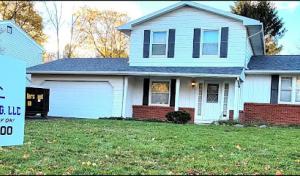
Reliance Roofing
(607) 204-1100 relianceroofing.llc
1605 NY-12, Binghamton, New York
5.0 from 122 reviews
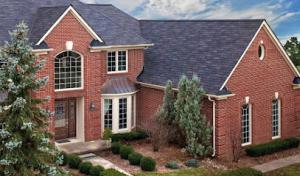
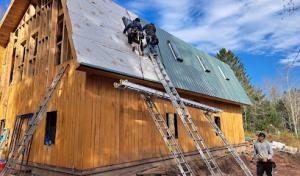
Even though steep-slope re-roofing dominates, some homes and additions include low-slope sections that are more vulnerable during spring rain and snowmelt transitions. In older neighborhoods, mixed-roof configurations-porches, additions, or dormer transitions-often behave differently from the main plane. Pay attention to those transitions as temperatures swing above and below freezing.
Skylight leak troubleshooting matters locally because freeze-thaw movement and flashing stress can make penetrations fail before the main field of the roof does. Start with the skylight flashing: look for lifted seams, corroded nails, or worn putty. Check surrounding shingles or roofing material for scuffs, and verify that the low-slope transitions have proper toe-in and positive drainage.
When a skylight leaks, the source might be a drip edge or flashing that has shifted from ice pressure. Inspect the curb flashing where the skylight meets the deck, and test for wind-driven water by running a careful green-lamp test during a thaw. In Binghamton's climate, a small trace of water near the curb can indicate a larger flashing issue that needs resealing or re-flashing with compatible material.
Mixed-roof homes in older neighborhoods may need different repair strategies on porches, additions, or dormer transitions than on the main roof plane. Focus on ensuring proper step flashing where planes meet, and consider extending ice and water shield up and over transition zones. Use sealants compatible with metal and shingle interfaces to reduce future stress from freeze-thaw cycles.
Treat low-slope sections and skylight penetrations as ongoing maintenance hotspots. Regularly clear debris, inspect after heavy thaw events, and monitor for condensation that signals a hidden leak path. Quick checks after storms can prevent small issues from becoming costly moisture problems. In the long winter-to-spring cycle, proactive resealing and flashing maintenance pays off.
Find specialists in TPO, EPDM, and built-up flat roofing systems for residential and commercial properties.
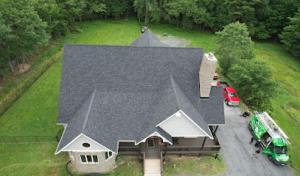
Guaillas Roofing
(607) 727-7555 guaillasroofingincny.com
242 Main St, Binghamton, New York
5.0 from 27 reviews
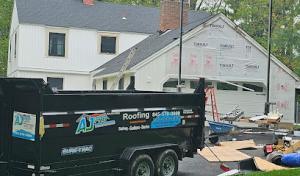
In this area, leak events can escalate quickly during thaw-freeze cycles, and tear-offs on older homes often trigger disruption that lasts beyond a single day. Homeowners look for local crews who answer promptly, arrive prepared, and wrap up neatly after work. A contractor with a clearly communicated arrival window, on-site safety measures, and immediate containment of any debris signals reliability. Cleanliness after a job matters just as much as the fix itself, because lingering nails, shingles, or tarps can create hazards for families and pets during long winters. Expect practical plans for protecting a roof edge during work and prompt post-project haul-away.
The typical local stock includes steep-slope, aging structures where ice dams and freeze-thaw cycles repeatedly stress the roof and gutters. Homeowners favor crews that have proven re-roofing experience on similar homes and a track record of addressing ice dam risks-such as proper ventilation, insulation checks, and effective water shedding strategies. When discussing options, ask about asphalt shingle replacements or metal solutions that stand up to snow loads and freeze cycles. A contractor who speaks plainly about snow weights, eave protection, and flashing transitions demonstrates practical know-how tailored to this climate.
Manufacturer certification and formal warranties appear, but they are less prevalent than you might expect when measured against responsiveness, re-roofing experience, and post-job cleanup. Local homeowners tend to value a firm that can back work with solid assurances and a transferable warranty, yet they place heavier emphasis on the crew's ability to manage a project without leaving a mess or causing secondary leaks. Ask for references from similar homes and for clear explanations of what is covered if a leak develops in early spring.
Locally rooted teams often signal reliability through consistent communication, a straightforward scope of work, and a readiness to address winter-specific concerns. Look for a contractor who offers a transparent plan for preventing ice dams, demonstrates ongoing attention to older roof lines, and provides clear post-installation follow-up. A neighborly approach-where crews respect driveways, landscaping, and neighborhood routines-tends to reflect long-standing service and steady post-project support.