
Last updated: Apr 19, 2026
Syracuse is nationally known for heavy lake-effect snowfall, which means roofs routinely carry long periods of snow cover. That combination creates a persistent threat: ice dams forming at the eaves as attic heat escapes and melts the lowest snow layer, only to refreeze at the edge. When winter lingers, those dam formations can last weeks, threatening gutters, soffits, and flashing, and raising the odds of sudden leaks after a thaw or warm spell. This isn't a one-day issue caused by a single heavy rain; it's a chronic pattern tied to how the snow sits on steep-slope roofs and how heat leaks into the attic over extended cold snaps.
During Syracuse winters, attic heat loss is a quiet but relentless driver. Heat moves upward through attic insulation gaps, vent openings, or through electrical and plumbing penetrations, warming the roof sheathing from the inside. The sun-softened snow near the center of the roof can shed and slide, while the colder eave edges don't warm as quickly. The result is a melt that refreezes at the eaves, building a dam that traps more meltwater behind it. With repeated freeze-thaw cycles, water can back up under shingles, into fascia boards, and eventually into ceilings and walls. The pattern is especially dangerous on roofs that lack a robust ridge and soffit ventilation strategy, or where insulation stops short of the attic floor. This is not a hypothetical risk-the calls after a thaw following a long cold snap are a common winter story here.
In this climate, winter leak calls often follow thaw periods after extended cold snaps rather than a single heavy rain event. If you notice damp spots appearing on ceilings or walls after a warm day, or if you see icicles growing aggressively along the eaves, you could be facing a developing dam. Even small warm-up days can trigger sudden water intrusion if a dam already blocks the natural drainage path. Proactive detection is essential: monitor attic temperatures and look for warmth rising through attic hatches, plus inspect for frost on roof decks after cold nights. If you have skylights or roof penetrations, these are frequent leak entry points once a dam forms. Do not assume a single dry spell will "fix" a dam-the situation tends to worsen with every thaw cycle.
Begin with a rapid, noninvasive attic check: confirm that insulation thickness is adequate and that there are no obvious gaps around culprit penetrations (vents, electrical, plumbing). Seal obvious air leaks at the attic level to minimize heat leakage into the roof cavity. Improve ventilation to promote cold roof conditions: ensure soffit vents are clear and that ridge or dormer vents are functioning to pull air from beneath the roof deck. If you're able to access the attic safely, look for warm spots on the roof deck or dark staining that indicates moisture presence. Consider adding or upgrading insulation so the attic remains closer to a sealed, cold roof profile during extreme cold spells. For properties with significant snow load, a professional evaluation of the roof's ability to shed snow can identify areas where snow retention may exacerbate dam formation. Finally, keep eaves clear of heavy snow accumulation when safe to do so, and schedule a targeted inspection after major thaws to confirm that the roof's edge, flashing, and gutters have not sustained damage or warping from ice buildup.
After a cold stretch ends, pay attention to attic and ceiling indications of moisture, including damp smell, staining, or peeling paint. Any new warmth emanating from the attic during a thaw should prompt a closer look at insulation gaps and ventilation paths. If you notice active ice dam formation along the eaves, or you hear dripping noises behind ceilings, treat it as an urgent warning sign and contact a roofing professional to assess for immediate management and long-term improvements. In this climate, a proactive stance-rooted in heat control, ventilation, and insulation-reduces the risk of snow-load-driven roof failure and the costly leaks that follow typical Syracuse thaw patterns.
Asphalt shingles remain the dominant practical choice in Syracuse because they fit the city's large stock of older single-family homes and typical replacement budgets. When winters bring long stretches of heavy lake-effect snow, your roof needs to shed that weight without prompting rapid deterioration of underlayment or attic insulation. Modern mineral-surfaced asphalt shingles with higher wind resistance and good granule retention perform reliably on steep profiles common around town, and they're easier to repair from the ground after a heavy snowstorm. For many homeowners, a standard asphalt system paired with solid attic ventilation and a dependable drip edge delivers predictable performance through repeated freeze-thaw cycles.
In snow-heavy winters, keep an eye on shingle alignment and nail securement. Asphalt feels the bite of ice damming mainly where heat loss from the attic creates melted channels that refreeze at the eave, lifting shingles or exposing underlayment. A careful combination of proper attic insulation, air-sealing, and a ridge or soffit vent strategy helps maintain a cold roof plane to minimize dam formation. If a steep, older roof is nearing its replacement window, a high-quality three-tab or architectural asphalt can still be a practical choice, provided the roof deck is sound and the installation aligns with local snow loading realities.
Metal roofing has strong local relevance because snow shedding and ice management are major performance considerations in this climate. When a heavy snowpack sits on a steep roof, metal's smooth surface and panel design promote faster snow release, reducing the chances of ice dam buildup along the eaves. In Syracuse, many homes with old or mid-century geometry benefit from metal that's light, durable, and capable of withstanding repeated freeze-thaw stress without cracking or warping. A standing-seam system, in particular, offers reliable wind performance and robust integration with snow guards, which helps keep ice from sliding abruptly into gutters or walks.
Durability matters because harsh winter cycles can stress fasteners and seams over decades. Look for panels with corrosion-resistant coatings suitable for our road salt exposure, and confirm that flashing around chimneys and skylights is high-quality and properly sealed. For roofs with limited headroom or existing skylight configurations, metal can be adapted to preserve interior space and maintain a clean, low-profile appearance. In practice, a well-installed metal roof often becomes the easiest-to-maintain option once the initial installation is complete, especially when paired with careful snow-management accessories.
Slate remains especially relevant in Central New York because many older homes in the region were built with steep rooflines that can still support premium traditional materials. A slate roof handles freeze-thaw cycles with exceptional longevity and a natural resistance to ice-dam-related damage when the substrate is sound and the underlayment is appropriate. If the roof is pitched steeply enough, you gain the benefit of long intervals between major replacements, and the weight of slate, while substantial, is well-supported by century-old framing on many local houses. Slate's natural properties also help with snow shedding, reducing the likelihood of large ice dams forming in the most exposed eave zones.
However, slate requires a competent, experienced installer because the material is brittle and sensitive to improper nailing patterns. The roof deck must be able to carry the additional load, and valley and hip details demand precise craftsmanship to prevent moisture intrusion. For homeowners who value a traditional look and a long service life in a climate with heavy snowfall, slate offers a compelling blend of aesthetics and resilience, provided that the house structure can bear the weight and the installation is executed to address the region's typical freeze-thaw challenges.
Winter weather in Syracuse can compress the prime roofing season, which tightens scheduling and labor availability from late spring through early fall. When harsh weather repeats, crews may push parts of a replacement into shoulder months, increasing the risk of weather-induced delays or a compressed timeline that drives overtime costs. Expect higher variability in crew arrival windows and potential surge pricing during peak demand weeks after heavy snowfalls. Budget with a contingency for short-notice rescheduling and occasional weather holds that can shift completion by a few days to a couple of weeks.
Snow-related tear-off complications in Syracuse are common. Multiple old layers with trapped moisture or ice-dam damage at eaves can significantly expand the scope of work. If an ice dam has created roof edge leakage, you may see expanded decking damage or warped boards beneath the shingles, which demands more material and labor. A replacement often reveals hidden moisture pockets that must be dried out and treated before new underlayment is laid. The result is not just more square footage to remove, but a higher likelihood of needing to replace sections of decking or repair marginal framing near the eaves and valleys.
Older Syracuse housing stock often brings added line items for decking repairs, chimney flashing work, and ventilation corrections during full replacement. Decking damage from repeated freeze-thaw cycles can produce soft spots or stiffness in planks that must be replaced before the new roof goes on. Chimney flashing tends to require meticulous sealing with the higher tolerance for around-protrusion water that winter winds produce. Ventilation corrections-such as upgraded ridge or soffit venting, or adding a dedicated soffit intake-help the new roof perform better in cold months and reduce the risk of future ice dam formation.
Here are realistic expectations for common material options, keeping Syracuse winter realities in mind. Asphalt shingles tend to be the most economical choice, with typical replacement costs starting around 350 to 700 USD per square for basic installations when no major decking or flashing issues are found. Metal roofing offers strong performance against snow and ice but can come with higher upfront costs, roughly 650 to 1,200 USD per square, depending on profile and system. If you're weighing premium options, clay or concrete tile, wood shingles, or slate bring specialized considerations: tile and slate can be heavier and require structural assessments, while wood and natural materials may need more frequent maintenance in cold, moist climates.
To reduce surprises, request a detailed phased plan from your contractor: initial removal, decking assessment, flashing and chimney work, underlayment and ventilation upgrades, and the final roof installation. Clarify how weather contingencies will impact the schedule and payments, and ask for a clear breakdown of potential ancillary items tied to moisture damage. A thoughtful plan will help you track progress, manage cash flow, and keep the project moving when winter remnants linger into late spring.
Get a clear picture of your project costs upfront - no commitment required.
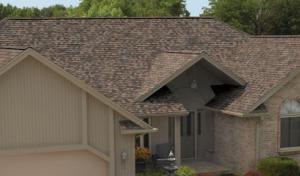
Forte Roofing
(315) 849-4496 www.forteroofingny.com
1821 Lemoyne Ave, Syracuse, New York
4.9 from 372 reviews
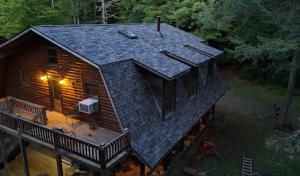
Mike Home Improvements
(315) 641-5591 mikehomeimprovements.com
106 Arterial Rd, Syracuse, New York
4.9 from 126 reviews
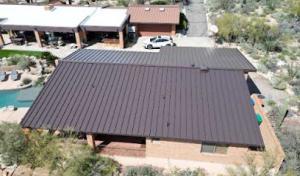
Intrepid Roofing
(315) 961-8806 metalroofingsyracuse.com
2541 James St, Syracuse, New York
5.0 from 43 reviews
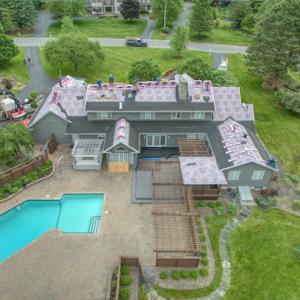
TopTier Roofing
(315) 877-3760 www.toptierroofingcny.com
113 Kimber Ave, Syracuse, New York
5.0 from 251 reviews
Welcome to TopTier Roofing, your trusted roofing contractor servicing Syracuse, NY and beyond. We offer a wide range of roofing services, including new roof installation, roof repair, skylight installation, and more. We are committed to providing top-quality workmanship and customer service. Our team of experienced roofers has been serving Syracuse, NY, and the surrounding areas for years with over 50 years of combined experience. We use only the highest quality materials to ensure your roof is built to last. We offer competitive pricing, and our team is available to answer any questions you may have.
Blue Collar Roofers
(315) 720-6665 www.bluecollarroofers.net
120 Ormsby Dr, Syracuse, New York
5.0 from 203 reviews
Blue Collar Roofers serves as a top quality roofing and siding contractor in Syracuse and surrounding areas. We are a team of fully insured and certified professionals who tackle everything from large projects to smaller scale jobs. We understand the stress involved with roofing and siding projects so we ensure customers are comfortable with the process and completely satisfied with our work. We provide full roof installations and siding installations. Call us today to schedule a consultation.
Forte Roofing
(315) 849-4496 www.forteroofingny.com
1821 Lemoyne Ave, Syracuse, New York
4.9 from 372 reviews
Forte Roofing is a local roofing contractor in Syracuse New York, offering professional roofing services at competitive prices from roof repair to new roof installation. An A+ rating from the BBB and hundreds of satisfied customers are what sets us apart from the competition in Central New York. Our goal is to provide 100% customer satisfaction. Contact us Today for a Free Roofing Estimate.

Michael C. Graham & Son
(315) 825-6313 michaelcgrahamandson.com
3479 Stiles Rd, Syracuse, New York
5.0 from 113 reviews
Michael C. Graham & Son Construction is Syracuse, NY's top roofing contractor. We specialize in residential and commercial roofing services and are your go-to source for roof repair, gutter installation and window replacement. Need a reliable roofing contractor? Look no further. Our expertise goes beyond the roof to ensure the safety and curb appeal of your home. Schedule a free roof inspection with our skilled team and experience our commitment to excellence
Hometown Exteriors - Roofing & Gutters
(315) 234-4775 www.htexteriors.com
105 Baker St Suite 102, Syracuse, New York
5.0 from 59 reviews
Hometown Exteriors, a trusted roofing contractor based in Syracuse, New York, is your one-stop shop for all exterior home improvement needs. From roof repairs and replacements to gutter installations and window upgrades, their team of experienced professionals delivers exceptional service and quality craftsmanship. Whether you're looking for a minor fix or a complete overhaul, Hometown Exteriors can help you achieve the look and functionality you desire for your home's exterior.
Mike Home Improvements
(315) 641-5591 mikehomeimprovements.com
106 Arterial Rd, Syracuse, New York
4.9 from 126 reviews
At Mike home improvements , we pride ourselves on being your trusted partner in transforming your residential or commercial property. With our expertise and unwavering commitment to excellence, we've earned a well-deserved reputation as the best in the industry. Contact us today to discuss your project, and let us bring your dreams to life.
Van Derhoof Roofing
(315) 475-9541 www.vanderhoofroofing.com
145 Ainsley Dr, Syracuse, New York
4.8 from 313 reviews
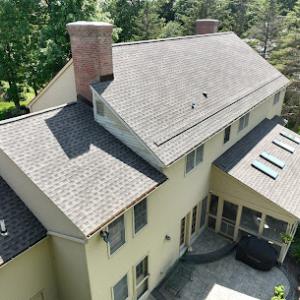
Roof replacement, repairs, custom metal roof installation, flat roofing, gutters, siding.
Roofing Quality Plus Construction
(315) 775-9205 roofingqualityplusconstructioncorp.com
229 Meadowbrook Dr, Syracuse, New York
5.0 from 40 reviews
At Roofing Quality Plus Construction, we provide top-tier roofing services across Syracuse, NY, ensuring your home or business stays protected year-round. With years of experience, our skilled team specializes in roof installation, repair, replacement, inspection, and maintenance—using only the highest-quality materials for long-lasting results. Whether you’re dealing with a leak, storm damage, or need a complete roof replacement, we’re available 24/7 for emergency roofing services. Our commitment to quality craftsmanship, honesty, and customer satisfaction sets us apart. Call today to schedule your FREE roof inspection! Protect your property with Roofing Quality Plus Construction — Quality Roofing, Guaranteed Protection.
Graves Brothers Home Improvement
3200 Court St, Syracuse, New York
4.7 from 285 reviews
Graves Brothers Home Improvement has been locally-owned and operated in Upstate N.Y. since 1977. As one of the fastest growing businesses in the region, they offer their residential and commercial clients Roofing, Siding, Windows, and other Home Improvement services. Graves is a nationally-recognized contractor that has been repeatedly named a Top 100 company in the region as well as one of the top 500 home improvement companies in the United States, annual Angie’s List certification holder, countless product certifications, and more. Graves Brothers services Upstate and Western New York, the Finger Lakes Region and the Capital District from their facilities in Rochester, Buffalo, Albany and Syracuse.
Chimney Bros
(315) 472-1085 www.chimneybrosyr.com
224 Harrison St, Syracuse, New York
4.8 from 39 reviews
For over 40 years Chimney Bros, LLC has provided excellent general contracting services to Syracuse, NY, and the greater Central NY area.
Top Notch Roofing
(315) 920-7949 topnotchroofingcny.com
1970 W Fayette St, Syracuse, New York
5.0 from 17 reviews
If you are looking for a roofing quote and insist on quality work at a fair price, put Top Notch on the list. Welcome to Top Notch Roofing, your trusted source for TOP-NOTCH roofing solutions. We specialize in installations for residential properties for asphalt and metal roofing. Please feel free to contact us today for a free estimate.

Allstate Roofing & More
605 Genesee St Suite 101, Syracuse, New York
4.7 from 34 reviews
Allstate Roofing & More is Syracuse’s trusted roofing company, serving homeowners and businesses with quality roof replacement, roof restoration, siding, windows, doors, gutters, and guards. Since 2007, we’ve built our reputation on dependable service, affordable pricing, and long-lasting results. We are GAF Master Elite® Certified with President’s Club Distinction, offering Syracuse and Central New York customers the industry’s strongest warranties. Our team provides free estimates, quick turnaround times, and 24/7 emergency roofing service to protect your home year-round. A+ BBB rated, we’re committed to delivering exceptional craftsmanship and customer care. Call 400-ROOF today for your free consultation.
A full roof replacement in this area typically requires a permit through the City of Syracuse Building Department. Before any hammer hits, confirm with the permit office that the project scope matches the permit application, and whether drawings or specifications from the installer are needed. The city's permitting process helps ensure that the structure can handle the winter loads and that materials meet local wind, fire, and setback requirements. Expect the review to cover basic framing integrity, shingle or panel choice, and compliance with snow-load considerations typical of lake-effect winters. If you have an older house with unusual roof geometry, the reviewer may ask for additional details, so gather plans or photos that show ridge lines, valleys, and any existing ice-dam mitigation measures.
Syracuse roofing inspections are commonly scheduled during the project and again after completion to verify code-compliant installation details. The inspectors focus on connections between the roof, walls, and attic space, as well as the underlayment and flashing, to prevent winter moisture intrusion. You should expect at least one interim inspection when the roof deck is exposed and another final inspection after shingles or panels are installed. The goal is to verify that nailing patterns, fastener types, and spacing meet code, that attic access and ventilation pathways are preserved, and that drainage terms-such as proper drip edge and gutter interfacing-are properly installed. If you've added attic vents or modified soffits, the inspector will want to confirm that intake and exhaust balance is preserved.
Local review places particular emphasis on ventilation and underlayment because those details directly affect winter moisture performance. In a climate with frequent freeze-thaw cycles and heavy snow, proper ventilation helps manage condensation that can form under snow packs and inside the attic space, reducing ice dam risk and deck deterioration. Underlayment quality and installation method matter for the long stretches of cold, dry air and the occasional rapid melt. Ensure that the chosen underlayment type is suitable for your roof pitch and that any ventilation upgrades-like additional soffit intake or ridge vents-are installed by a contractor who understands how these systems perform under sustainable snow loads and repeated freeze-thaw events. The permit and inspection process reinforces that these critical details are not overlooked, which helps protect the roof assembly through the cold months.
In Syracuse, spring and late fall storms are the main non-winter periods that interrupt roofing schedules and expose existing weak spots. Those windows tend to come with wet winds, sudden temperature swings, and debris loading that tests gutters and ridges you might not routinely inspect. You'll notice more leaks and faster wear during these shoulder seasons when crews are racing to finish before the next freeze, which means that small problems can quickly grow into costly repairs if left unaddressed. A practical approach is to schedule a targeted inspection after the first warm spell and again after the last freeze, focusing on areas around penetrations, drip edges, and the uppermost shingles.
Wind-driven rain in Syracuse can reveal flashing failures around chimneys and roof penetrations on older homes before shingles fully fail. That means a careful eye on joints, step flashing, and crown flashing is more valuable than chasing cosmetic concerns. If you notice damp spots along walls or attic condensation that doesn't square with attic ventilation, there is a good chance water is sneaking in at the flashing then tracking under shingles during storms. On steep slopes, ice dams can mask these issues in winter, but after a thaw the hidden weaknesses become active. Expect to find more exposed nails, loose sealant, and mismatched flashing where different roof materials meet in the field or at transitions.
Snow-load-driven roof failure timing in Syracuse winters is a real constraint. Heavy, persistent snow can push underlayment and sag rafters when rafter tails and supports have aged. The ordering of events is often predictable: snow accumulates, ice forms at eaves, meltwater backs up, and a storm surge can drive water inward through the most vulnerable seams. Older homes with flatter pitches or compromised soffit ventilation are especially prone to accelerated wear during this cycle. Knowing this helps you coordinate snow care-keeping roof loads as light as possible and clearing critical zones when safe.
Hail is less defining than snow in Syracuse, but storm-related shingle and flashing damage still matters for insurance documentation and timing. When a midwinter or spring storm hits, photograph the roof edge, penetrations, and any discolored patches. Keep a chronological record of repairs and contractor notes. Clear before-and-after images make a solid case for coverage if a claim is needed later, especially when damage evolves under freeze-thaw cycles.
You'll gain the most resilience by pairing proactive inspections with targeted maintenance during the non-winter windows and again after major storms. Focus on vulnerable features: chimneys, skylights, transitions, and eaves where ice dams form. Early detection of hidden leaks reduces the risk of structural compromise and helps keep normal repair timelines intact when weather begins to shift again.
Find local contractors experienced in assessing and restoring roofs after hail, wind, and severe weather events.
Blue Collar Roofers
(315) 720-6665 www.bluecollarroofers.net
120 Ormsby Dr, Syracuse, New York
5.0 from 203 reviews
Hometown Exteriors - Roofing & Gutters
(315) 234-4775 www.htexteriors.com
105 Baker St Suite 102, Syracuse, New York
5.0 from 59 reviews
Mike Home Improvements
(315) 641-5591 mikehomeimprovements.com
106 Arterial Rd, Syracuse, New York
4.9 from 126 reviews
You need a clear snapshot of your roof when winter hits. In this market, insurers commonly want homeowners to document roof age and condition before and after winter damage events. Gather a recent roof inspection, photos showing shingle condition, flashing, and any prior winter-related issues, plus notes on hail, wind, or leaks. Keep a running record of what you've repaired or replaced in the last several winters. A simple, dated photo log with concise captions helps a lot when the weather finally boxes you in with heavy snow and ice.
When a claim comes in after a heavy snow or a thaw, adjusters often want a concise history of prior leaks or storm damage. Repeated winter deterioration can complicate causation, so expect questions about whether damage started with a specific event or was part of ongoing wear. Have your timeline ready: when leaks first appeared, when ice dams formed, and what temporary fixes were used. If there are mechanical signs like sagging or unusual ice dam patterns, note those too. Your documentation should connect the latest event to visible aging, if applicable.
In this climate, the decision to repair versus replace hinges on visible age-related wear in addition to a recent snow or storm event. If the roof shows widespread granule loss, curling shingles, or fractured flashing beyond the storm's impact, owners may be leaning toward replacement, especially on steep-slope roofs common across the city. Conversely, a newer roof with isolated damage from a single event may justify a focused repair. Consider how long the roof has endured freeze-thaw cycles and whether the current structure supports future reliability through another Syracuse winter.
Connect with contractors who help homeowners navigate the claims process from damage assessment to final approval.
Blue Collar Roofers
(315) 720-6665 www.bluecollarroofers.net
120 Ormsby Dr, Syracuse, New York
5.0 from 203 reviews
Mike Home Improvements
(315) 641-5591 mikehomeimprovements.com
106 Arterial Rd, Syracuse, New York
4.9 from 126 reviews
Van Derhoof Roofing
(315) 475-9541 www.vanderhoofroofing.com
145 Ainsley Dr, Syracuse, New York
4.8 from 313 reviews
In Syracuse, long winters bring heavy lake-effect snow that tests older masonry chimneys and the flashing that ties them into the roof. These chimneys are a common source of recurring leaks when ice and melt freeze again, pushing against flashing joints and the surrounding shingles. When freeze-thaw cycles run through a steep-slope roof, small gaps in flashing can widen, letting sneaky water find its way inside. Regularly inspecting the crown, stepped flashing, and any mortar cracks around the chimney is essential, especially after heavy snowstorms or rapid warm spells.
Skylights on Syracuse roofs need close attention because snow buildup and ice at curbs can expose weak sealing details. Ice dam pressure tends to exploit the corners and seams where the skylight curb meets the deck, amplifying leakage risk during thaw cycles. If condensation appears around the skylight interior or you notice water staining along the interior framing, treat it as a warning sign. Keep snow cleared from the skylight perimeter when safe, and consider resealing or upgrading curb flashings if winter patterns repeat.
Re-roofing older Syracuse homes often uncovers moisture damage near valleys, chimneys, and eaves rather than only in open field shingle areas. Valleys act like drainage funnels, channeling meltwater toward vulnerable joints; older valley flashings can corrode or lift under repeated freeze-thaw action. Eaves facing prevailing snows are prone to ice dam formation, which can back up into overhangs and soffits. Expect to find concealed rot or mineral fibers damp from years of dampness when the old roof is opened, and plan for targeted repairs that address these hidden trouble spots rather than focusing only on visible shingles.
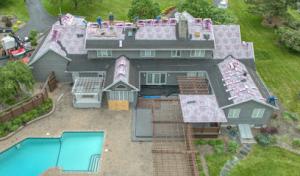
Find contractors experienced in skylight installation, flashing, and leak repairs to bring natural light into your home.
TopTier Roofing
(315) 877-3760 www.toptierroofingcny.com
113 Kimber Ave, Syracuse, New York
5.0 from 251 reviews
Mike Home Improvements
(315) 641-5591 mikehomeimprovements.com
106 Arterial Rd, Syracuse, New York
4.9 from 126 reviews
Van Derhoof Roofing
(315) 475-9541 www.vanderhoofroofing.com
145 Ainsley Dr, Syracuse, New York
4.8 from 313 reviews
Flat and low-slope roofs are a meaningful Syracuse niche because mixed residential and small commercial buildings in the city often include them. These roofs sit at the edge of typical attic warmth and exterior cold, so moisture behaves differently than on steep pitches. In this climate, you're balancing snow, ice, and frequent freeze-thaw cycles that bite at membranes and flashing.
On Syracuse low-slope roofs, snow accumulation and slow drainage can extend moisture exposure well beyond a single storm. You may see soft spots, damp patches, or edge icicles even days after a snowfall. Look for standing water after a thaw and plan for a resilient membrane with proper slope and clear outlets. In practice, keep drainage paths clear, and ensure perimeters are kept free of debris that can trap meltwater.
Freeze-thaw cycling in Syracuse can turn minor membrane or flashing defects on low-slope roofs into recurring interior leak problems. Small pinholes or loose flashing can deteriorate quickly when ice expands or when water re-freezes at joints. Inspect regularly after heavy snows or rapid warming, focusing on seams, penetrations, and transitions from roof to parapet or wall.
Monitor the area near vents, skylights, and edges for dampness and frost buildup after storms. Use a quality sealant or flashing repair where you see it delaminate or lift, ideally in dry intervals. Maintain clear roof-to-wall terminations and ensure ridge, drip-edge, and valley details remain intact. Schedule seasonal inspections before the heaviest snows, and address any minor defects promptly to minimize interior intrusion when the weather cycles through freeze and thaw.
Find specialists in TPO, EPDM, and built-up flat roofing systems for residential and commercial properties.
Mike Home Improvements
(315) 641-5591 mikehomeimprovements.com
106 Arterial Rd, Syracuse, New York
4.9 from 126 reviews
Van Derhoof Roofing
(315) 475-9541 www.vanderhoofroofing.com
145 Ainsley Dr, Syracuse, New York
4.8 from 313 reviews
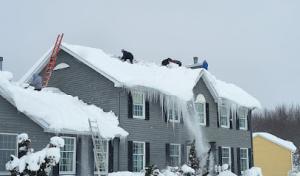
Syracuse winter conditions can sharply limit safe tear-off windows, especially after heavy snow events or prolonged freezing weather. When ice dams form and snow piles up on steep-slope roofs, crews stall for safety, and many days simply aren't workable. If an active storm cycle or a deep cold snap hits, a traditional two-week tear-off plan can stretch into a month or more. Planning around forecasted snow and thaws helps keep the project on track and reduces the risk of shoveling-related delays. In practice, mid-winter work is rare and permission to access the roof may hinge on clear gutters, warm daytime temps, and dry interior conditions.
Late spring through early fall is the most workable replacement period in Syracuse, but peak-season demand can lengthen lead times. The calendar dries out enough for safe tarping, setup, and material handling, while daylight hours are ample for a thorough job. If a winter leak is present, the urgency and weather-driven constraints can compress the schedule, so aiming for the spring shoulder season is usually prudent. Waiting until after winter leak season may lead to heightened urgency and reduced contractor availability, so securing a reputable crew well before the sunbelt months begin is a practical move.
Start by surveying the roof once the ground is thawed and gutters are clearing, noting any sagging decking, unusual ice buildup, or compromised flashing. Call at least two local roofers for written timelines and a detached, weather-safe plan that prioritizes tarp coverage and safe access. Schedule a tentative teardown date with a built-in rain or thaw buffer, then lock in a concrete start window as soon as a reliable forecast shows a stretch of clear days. Keep a short list of backup dates in case storms push the project.
Get a clear picture of your project costs upfront - no commitment required.
Forte Roofing
(315) 849-4496 www.forteroofingny.com
1821 Lemoyne Ave, Syracuse, New York
4.9 from 372 reviews
Mike Home Improvements
(315) 641-5591 mikehomeimprovements.com
106 Arterial Rd, Syracuse, New York
4.9 from 126 reviews
Intrepid Roofing
(315) 961-8806 metalroofingsyracuse.com
2541 James St, Syracuse, New York
5.0 from 43 reviews