
Last updated: Apr 19, 2026
Auburn's cold snowy winters followed by shoulder-season thawing make repeated freeze-thaw cycling a primary roof-aging force. When moisture from snowmelt refreezes against eaves, flashing lines, and drainage paths, it acts like sandpaper for shingles, underlayment, and roof decking. This is not a distant risk; every late-winter melt and unpredictable early-spring warm spell can push ice deeper into roof edges and around penetrations. The Finger Lakes region's winter loads and melt-refreeze conditions routinely stress steep-slope roofs, especially on older homes that carry decades of weathered flashing. If your home already shows a sagging gutter, lifted shingles, or granule loss on the lower sections, expect those symptoms to intensify as temps swing around freezing again.
The city sits in the Finger Lakes region, so snow loads and melt-refreeze cycles are part of the daily conversation for homeowners. Eaves, in particular, become ice avalanche zones when warm afternoons melt snow that refreezes at night, forming ice dams that trap water behind them. In older Auburn houses with steep rooflines, those dams often sit right at the edge, where venting retrofits may be incomplete or where old flashing around chimneys and vents has aged. The result is slow drainage, ponding on upper sections, and hidden moisture migrating under shingles. If the attic is inadequately vented or insulated, the snow melt will surge through the roof deck faster, amplifying damage across rafters and sheathing. The danger isn't just cosmetic: persistent ice backup can rot eaves, compromise ventilation pathways, and create costly interior leaks that show up as stained ceilings and warped trim.
Look for dark streaks along the underside of eaves, damp or musty odors in the attic during warm days, and frost on interior rafters when the outside is chilly. Wet patches near penetrations-vent pipes, chimneys, or skylines-signal that meltwater is freezing where it shouldn't. Shingle lifting, curling, or granule loss near the lower edge is a warning that the roof's edge drainage and protective coatings are under strain. If there are multiple freeze-thaw cycles, those early warning signs can cascade into larger, more expensive issues: roof deck decay, degraded underlayment, and compromised ventilation that invites mold. In Auburn, the problem compounds in homes with retrofitted vents where old mastic and flashing sealants have lost elasticity or failed to maintain a continuous barrier.
Start with a targeted inspection of the eaves, gutters, and downspouts. Ensure gutters are clear of debris so meltwater can flow freely and isn't forced to back up against the fascia. Install or repair boot flashing around all penetrations to create a continuous water path that redirects meltwater away from the roof edge. If the attic shows signs of poor ventilation, upgrade soffit vents or ridge vents to create a consistent air pathway that keeps the roof deck closer to ambient temperature, reducing ice dam formation. Consider adding insulation in the attic floor to minimize heat loss into the roof cavity, which fuels meltwater at the eaves. For steep roofs, a professional who understands Auburn's conditions can assess whether additional eave protection or metal drip edges are warranted to guide water into gutter systems rather than behind flashing.
If observed ice buildup near eaves occurs recurrently through late winter and early spring, plan a proactive edge treatment before the next season's melt. Ice barriers or heat-traced cables should be considered for high-risk edges and around penetrations where freezing is most persistent. For older homes with significant wear, a dedicated assessment of flashing integrity, venting, and decking resistance should be scheduled on a seasonal basis-preferably ahead of sustained freezes. Ice dam risk has a compounding effect: addressing edge detail now reduces the likelihood of interior leaks during the next thaw cycle and helps preserve the roof's long-term structural integrity.
Auburn's roofing scene is a mosaic: asphalt shingles, metal, slate, wood shingles or shakes, clay tile, and concrete tile. That mix isn't just about aesthetics; it reflects decades of architectural habits and snow-driven wear. When you replace or retrofit, the goal isn't to pick a single "best" material but to choose something that respects the house's age, roof pitch, and the way the neighborhood has weathered Finger Lakes winters. If a roof helps shed the spring thaw efficiently while preserving curb appeal, you'll likely avoid costly late-life repairs.
Slate remains locally relevant because many older homes feature it or used to feature it, and partial repairs are common before a full replacement. If your roof has slate or a slate-on-slate patchwork, consider the advantages of preserving that historic look. A partial repair with matched slates can extend the roof's life without altering the character of your home. When slate needs attention, you'll often find that fixing a handful of damaged pieces is simpler and less disruptive than a full tear-off, especially on steeper slopes where the risk of ice dams grows during freeze-thaw cycles. If replacement becomes necessary, slate offers durability, but the weight and framing implications should be assessed by a qualified contractor who respects the original structure.
Clay tile, concrete tile, and heavy roof assemblies bring a different set of checks for older Auburn houses. These materials can demand closer scrutiny of decking, joists, and roof framing, particularly after decades of snow loading and freeze-thaw stress. If your roof has or is considering any of these heavy options, plan for a careful structural assessment before a teardown. In many cases, partial tile repairs or a mixed-assembly approach allow you to maintain the historic silhouette while upgrading only where necessary. For steep-slope roofs, ensure the supporting structure can handle the weight during mid-winter hail and snow accumulation without compromising decking integrity.
Replacement decisions often involve balancing period-appropriate styling with modern performance. Asphalt shingles remain a common choice because they mimic traditional appearances on a wide range of house styles while offering reliable protection against ice dams when installed with quality underlayment and proper ventilation. Metal roofing can deliver long life and ice-shedding benefits that help mitigate freeze-thaw damage on steeper pitches. When choosing between clay or concrete tile, consider not just the tile's look but its weight, underlayment needs, and how the roof's deck is prepared to support such mass. For wood shingles or shakes, the warmer, textured look pairs well with historic streetscapes, but they require diligent maintenance against moisture and moss buildup.
If you're planning a roof refresh, start with a per-sq survey of the existing framing and deck condition, especially on older, steeper roofs. Bring in a contractor who can evaluate whether you're better off preserving slate or transitioning to a compatible, lighter option that mirrors the historic lines. For a roof that already blends several materials, aim for replacement detail that preserves the existing silhouette while updating flashing, underlayment, and ridge venting to address typical Auburn winter conditions. In the end, the best choice respects the house's face and scales to the local climate, minimizing future ice-dam risk and extending decades of dependable service.
Hometown Roofing Auburn
(315) 234-4492 hometownroofingauburn.com
201 Genesee St, Auburn, New York
5.0 from 8 reviews
Situated in the heart of Auburn, New York, Hometown Roofing Auburn proudly serves its community's roofing needs. As a trusted roofing contractor, homeowners in the city can find solace knowing they can rely on their dependable roofing service that has been meeting local requirements with skill and commitment. With a wealth of experience, the team at Hometown Roofing Auburn strives to ensure reliable and top-quality outcomes. With a dedication to delivering exceptional customer service, they are proud to provide the highest level of artistry and professionalism each step of the way.
Synergy Contracting
Auburn, New York
4.5 from 8 reviews
From exteriors to full additions and remodels Synergy Contracting has you covered!

Scott Sweeney Contracting
(315) 246-3763 www.scottsweeney.net
3538 E Genesee St, Auburn, New York
3.0 from 7 reviews
Specialize in Commercial and Residential Roofing & Siding Installation and Repairs.
Upstate KC Builders
(518) 306-1056 upstatekcbuilders.com
Serving
5.0 from 32 reviews
hello everyone! We are a family owned and operated General Contracting Company that has been in business 7 years we specialize in quality exterior work such as Metal & Slate Roofing and Professional Painting (Exterior & Interior) We are true carpenters at heart and strive to provide quality craftsmanship on interior finish work as well. With our in home electrician and plumber we are able to provide every service needed to build or remodel your entire home or business. Join our family and have a contractor for life. Not The Biggest But The Best!
New Pro Home Renovations
(315) 323-9772 dashroofingexperts.com
Serving
5.0 from 13 reviews
DASH ROOFING, a local, family-owned and operated company, specializes in roof repairs, replacements and emergency services for your home. Offering services with fast inspections, affordable costs and high quality materials and workmanship guaranteed to last. Covering the areas of Rochester, Nunda, Liverpool, Tully, Rome and other nearby cities in NY.

Custom Quality Roofing Contractors
(315) 472-2282 syracusecustomqualityroofers.com
Serving
4.9 from 149 reviews
Custom Quality Roofing is a professional roofing contractor in Syracuse, NY, serving homeowners and businesses throughout the surrounding areas for over 50 years. We specialize in roof installation, roof replacement, and roof repair, including emergency roofing services. Our experienced roofers provide durable, high-quality residential and commercial roofing solutions using trusted materials and proven techniques. Whether you need roofing services for your home or business in Syracuse, NY, we are committed to protecting your property with reliable workmanship and exceptional customer service.
Blue Collar Roofers
(315) 720-6665 www.bluecollarroofers.net
Serving
5.0 from 203 reviews
Blue Collar Roofers serves as a top quality roofing and siding contractor in Syracuse and surrounding areas. We are a team of fully insured and certified professionals who tackle everything from large projects to smaller scale jobs. We understand the stress involved with roofing and siding projects so we ensure customers are comfortable with the process and completely satisfied with our work. We provide full roof installations and siding installations. Call us today to schedule a consultation.

Michael C. Graham & Son
(315) 825-6313 michaelcgrahamandson.com
Serving
5.0 from 113 reviews
Michael C. Graham & Son Construction is Syracuse, NY's top roofing contractor. We specialize in residential and commercial roofing services and are your go-to source for roof repair, gutter installation and window replacement. Need a reliable roofing contractor? Look no further. Our expertise goes beyond the roof to ensure the safety and curb appeal of your home. Schedule a free roof inspection with our skilled team and experience our commitment to excellence
TopTier Roofing
(315) 877-3760 www.toptierroofingcny.com
Serving
5.0 from 251 reviews
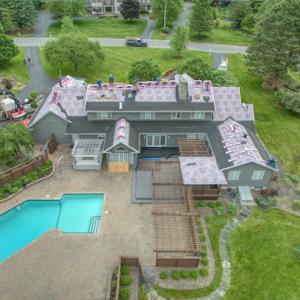
Welcome to TopTier Roofing, your trusted roofing contractor servicing Syracuse, NY and beyond. We offer a wide range of roofing services, including new roof installation, roof repair, skylight installation, and more. We are committed to providing top-quality workmanship and customer service. Our team of experienced roofers has been serving Syracuse, NY, and the surrounding areas for years with over 50 years of combined experience. We use only the highest quality materials to ensure your roof is built to last. We offer competitive pricing, and our team is available to answer any questions you may have.
Dynasty Roofing
(315) 532-9967 dynastyroofingcny.com
Serving
5.0 from 170 reviews
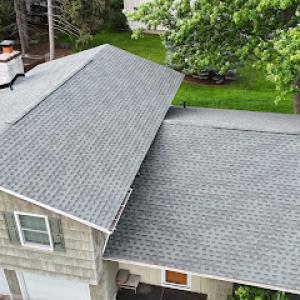
Dynasty Roofing is a family-owned and operated roofing company built on the strong foundation of delivering exceptional customer service to homeowners and businesses in Liverpool, NY, and surrounding areas for over 20 years.
Van Derhoof Roofing
(315) 475-9541 www.vanderhoofroofing.com
Serving
4.8 from 313 reviews
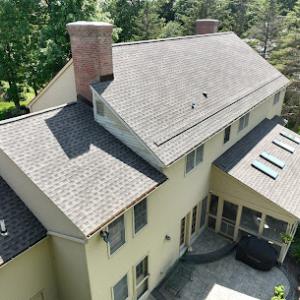
Roof replacement, repairs, custom metal roof installation, flat roofing, gutters, siding.
Forte Roofing
(315) 849-4496 www.forteroofingny.com
Serving
4.9 from 372 reviews
Forte Roofing is a local roofing contractor in Syracuse New York, offering professional roofing services at competitive prices from roof repair to new roof installation. An A+ rating from the BBB and hundreds of satisfied customers are what sets us apart from the competition in Central New York. Our goal is to provide 100% customer satisfaction. Contact us Today for a Free Roofing Estimate.
Late spring through early fall is typically the best reroofing window in Auburn because winter snow, ice, and shoulder-season freeze-thaw conditions can delay tear-off and installation. Planning for this period means you'll usually avoid the deepest freezes and give crews a solid block of days for complete tear-off, decking checks, and resealing. If your home sits on a steep slope, that window also minimizes the risk of work being paused by storm activity common in late winter or early spring.
Spring rains in Auburn raise the risk of exposed decking taking on moisture during active reroof work. If rain is forecast, consider staggered scheduling so the roof can be fast-tracked through the most vulnerable stages-tear-off and installation of new underlayment-before a significant rain event. Have a plan for tarping and temporary shelter for exposed areas if a late-season shower rolls in. On older homes with visible decking or historical materials, ensure the crew has a method for vigilant water protection and rapid dry-out time if moisture does show up.
Summer conditions are generally workable, but heat can still affect crew pace and material handling during peak-season scheduling. Early mornings or late afternoons tend to be the most comfortable work periods, especially on steep-slope roofs where heat can hamper traction and safety. If the roof remains off for several days, arrange for shade and hydration on site, and coordinate with neighbors about noise and material deliveries to keep the project moving smoothly without overheating crew members or compromising shingle seals.
Typical Auburn material pricing runs about $350-$700 per square for asphalt shingles, $600-$1100 for metal, $1000-$1800 for clay tile, $900-$1500 for concrete tile, $650-$1100 for wood shingles/shakes, and $1200-$3000 for slate. This section translates those numbers into practical planning for your roof.
Costs in Auburn can rise on older homes that need decking replacement, flashing rebuilds, ventilation corrections, or structural review before heavy materials are installed. If your attic gets undersized or the deck shows wear after a snowy season, expect extra steps and added square footage for installation, which pushes price per square up.
Seasonal demand can affect pricing and lead times because Auburn's practical replacement season is narrower than in warmer markets and winter work is often limited by snow and ice. Start planning to avoid peak cold snaps, and build a contingency for delays if a cold snap stretches into later March.
On steep slopes with Finger Lakes exposure, asphalt shingles perform reliably if they're not stone-heavy, but longer-term freeze-thaw damage risk can push you toward more durable options like metal or slate, when budget allows. Clay and concrete tiles handle cold cycles but require solid decking and attic ventilation to prevent ice dams.
If you're balancing budget and risk, asphalt stays the most economical path, then metal, then tile options, with slate as a premium choice. In Auburn, you'll want to factor in the possibility of roof-wide ice dam prevention measures during the first winter after reroof.
Maintenance routines matter in this climate. Regular snow removal from gutters and valleys helps limit ice dam risks on steep slopes. Before reroof season, you may want a deck inspection and ventilation check to avoid surprises that drive costs into the tens of thousands. This is especially true on older homes where decking and attic setup can influence material selection and long-term performance.
Choosing a contractor and timeline requires considering the shorter window for seasonal work in Auburn. Ask for three estimates, verify that old decking and ventilation upgrades are addressed in the scope, and plan for lead times that reflect winter-related delays. This practical approach helps align your chosen material with both budget and the local climate realities.
A full reroof in this city typically requires a permit through the City of Auburn building department. The city handles permit issuance and plan review, and inspections are generally scheduled after installation to verify flashing, ventilation, and overall code compliance. Because the winter months can stretch timelines and snow can complicate inspections, it is wise to start the permit process early in the project window and to build a realistic schedule that accommodates potential delays. When submitting plans, expect a straightforward check for fire separation, roof penetrations, and how the replacement interacts with existing drainage and snow load considerations. If the project involves changes to the roof line or significant venting alterations, documentation may need to be more detailed to satisfy local expectations.
Inspections are typically scheduled after the new roof is installed to verify that flashing is properly integrated around chimneys, vents, and valleys, that attic ventilation remains adequate, and that the overall installation meets current code requirements. The inspectors won't just glance at the top surface; they review penetrations, valley protection, underlayment, fastener patterns, and the way the roof meets the eaves and drip edge. In a climate with pronounced freeze-thaw cycles, these checks help prevent future nail pops, ice dam leaks, and deck deterioration. If any discrepancies are found, the contractor will need to address them prior to final approval, which can add time to the project and potentially re-inspection fees.
Additional inspections may be required in Auburn when the project includes structural work or modifications to roof vents. Reworking rafters, decking, or supporting elements can trigger structural review, and plans may need to be stamped by a licensed engineer. Modifications to roof vents-especially in older homes with historically configured attic spaces-should be coordinated with the permits office to ensure that intake and exhaust balance remains compliant under local energy codes. Expect potential follow-up visits if the city seeks confirmation that load-bearing adjustments align with original design intent and snow load expectations.
Coordinate your start date with the weather and the permit office, because long winter reviews can slow progress. Prepare clear, up-to-date drawings or descriptions of any vent changes or structural work to smooth the review process. Communicate with the contractor about anticipated inspection days, and ensure access to the attic and roof edge for the inspectors. Remember: timely compliance helps prevent costly delays and protects the home from ice-dam risk and moisture intrusion after reroofing.
In Auburn, claim activity tends to follow New York wind and hail patterns rather than a single coastal or wildfire peril. Heavy snows and thaw cycles can exaggerate damage, and that shift shows up after storms when roofs reveal accelerated wear. When a loss is reported, carriers look for clear links between wind, hail, or freeze-thaw cycles and the roof's condition. This means preparation matters, especially on older steep-slope roofs common in town.
Carriers commonly ask area homeowners for documentation of roof age, material type, and prior damage, and adjuster site visits are common after reported losses. Having a concise file speeds the process. A photo log of existing conditions, dates of prior repairs, and any known impact events helps prevent misinterpretation during a visit. For premium or atypical materials, the file can be decisive.
Coverage questions can be more complicated for atypical or premium materials used on older homes, so installation records and material specifications matter. If the roof uses rare shakes, slate, or metal with special fasteners, provide product data, warranty terms, and installation details. Clear records reduce back-and-forth and help avoid gaps in coverage after a claim.
Practical steps for local winters include compiling a quick-reference roof file before storms hit, noting roof age, visible wear, known leaks, and nearby wind damage from seasons. After a hail event, document street conditions, debris, and icicle formation that could signal ice dam risk. When a loss is reported, contact your insurer promptly, provide the file, and request an adjuster who understands steep-slope roofs and the impact of freeze-thaw on flared eaves and valleys. Keep contractor notes separate from insurer records to preserve history.
Auburn's older housing stock often means reroof projects uncover multiple past roof layers, aging decking, and outdated ventilation details. When you lift the first shingles, you may find several previous coverings stacked over time, plus soft or cupped decking in places where snow and ice have lingered through long winters. Plan for careful inspection of both the structural deck and any underlayment remnants. A knowledgeable contractor will assess whether sections of sheathing need replacement, how to address hidden dry rot, and where ventilation has decayed or become blocked by surrounding insulation. Proper ventilation remains crucial to slow ice dam formation and manage interior humidity during thaw cycles.
Architecturally older homes in Auburn are more likely to involve slate, wood, or complex flashing transitions that require repair strategies different from standard suburban shingle replacements. Slate and wood bring distinctive aesthetics but demand precise detailing at chimneys, skylights, and dormers. Flashing around steep intersections, valley intersections, and corner trim must be tailored to the roof's historical silhouette. Even when opting for modern overlays, the transition details should preserve the roof's original character while providing modern water shedding. For many properties, a single-ply approach won't harmonize with the ridge lines or fascia profiles; you'll want a system that respects the architectural rhythm without compromising performance.
Balance durability with appearance and compatibility with historic-style rooflines rather than simply choosing the cheapest modern system. If slate or wood is still present, consider options that minimize weight and preserve the character, such as re-slating with compatible materials or installing a high-performance underlayment beneath a new, lighter outer layer. For steep slopes, ensure flashing transitions at valleys, dormers, and chimney bases are reinforced with lead or stainless components where appropriate, and that ventilation paths are restored or enhanced to avoid condensation-driven damage during freeze-thaw cycles. In all cases, prioritize a solution that respects the home's original framing geometry and roofline, while addressing ice dam risk and moisture management across the winter months.