
Last updated: Apr 19, 2026
This area sits in the Lake Ontario snowbelt, so your roof sees heavier snow loading and more persistent ice dam conditions than inland markets. Those winter layers don't just pile up; they melt in fits, refreeze, and push against edges where flashing and shingles meet the eaves. When ice builds along the roof edge, melt water can back up under shingles and over time soak decking, leading to unseen moisture damage behind walls and ceilings. The Oswego River corridor magnifies this effect, making timing and materials decisions more critical. After a heavy snowfall or a rapid thaw, the risk spikes, and a small lapse in protection becomes a costly upgrade later.
Late winter and early spring converge in Fulton as roof-edge ice forms a dam while interior spaces stay damp from lingering meltwater. The combination of cold nights and warmer afternoons guides repeated freeze-thaw cycles, stressing flashing, eaves, and decking. Ice can lift shingles, shift edge flashing, and create micro-leaks that sneak into attic spaces first. If attic insulation isn't continuous up to the roof plane or ventilation is restricted, warm attic air accelerates melt at the top of the roof while the lower edge remains frozen, increasing the likelihood of interior moisture damage once the dam fails to shed water properly.
Inspect for vulnerable edge details where ice dams start: missing or undersized drip edges, compromised flashing around chimneys or skylights, and gaps at vent stacks. Improve attic insulation and ensure the ceiling is sealed to keep warm air from drifting into the attic space, which fuels melt. Ventilation matters too: a continuous ridge vent paired with evenly spaced soffit vents reduces heat buildup that drives edge melt. If you already see ice buildups, address them with safe, professional removal methods that avoid hammering through shingles or tearing at flashing. Remember, even a modest increase in under-eave protection can slow dam formation dramatically.
Look for telltale moisture stains in the attic after snowmelt events, moldy or musty odors near eaves, and soft or warped decking along the roof perimeter. If you notice ice forming along the roof edge that persists after a melt, plan for a preventative retrofit soon rather than waiting for a leak to appear. In this climate, prevention isn't just about a single fix-it's about a coordinated, season-spanning approach that keeps heat where it belongs and water where it should be.
If ice dam formation is a recurring problem or if you're planning a re-roof, bring in a local contractor who understands Lake Ontario snowbelt dynamics. A professional can assess insulation continuity, venting strategy, flashing integrity, and edge protection to tailor a solution that minimizes edge damage and interior moisture risk, especially after heavy snows or rapid thaws. Don't delay: the longer moisture sits behind a dam, the more extensive the damage becomes, and Fulton winters won't wait for a convenient weekend to strike.
In Fulton, summer thunderstorms and fall wind events can damage shingle edges, ridge components, and flashing before winter snow arrives. The turbulence from Lake Ontario and the Oswego River corridor means wind gusts can peel loose edges, lift tabs, and shove water toward vulnerable transitions. If you notice new gaps along the eaves, exposed fasteners, or wind-driven lift on ridge caps, treat it as an urgent warning that a quick fix now can save a larger repair later. Inspect after any high-wind event and before the first frost.
Spring snowmelt combined with storm-driven rain creates a local pattern of leak complaints tied to vulnerable penetrations and roof transitions. Pay close attention to valleys around vent pipes, skylights, chimneys, and any roof-to-wall transitions. If a leak appears during thaw or after a heavy rain, mark the spot, take photos, and compare with prior years to see if the issue is recurring or recent. Weak flashing, insufficient sealant at step and counter-flashing, or deteriorated roof boot collars are common culprits that invite water during freeze-thaw cycles.
Upstate New York insurers commonly scrutinize wind, hail, and ice-dam claims, making photo documentation especially important after Fulton storm events. Ice dams form when warm attic air melts a thin edge layer, which refreezes at the colder eaves and backs up under shingles. In these conditions, even small gaps at roof penetrations or near skylights can channel meltwater into ceilings and gutters. If ice damting appears, document painted ice lines, stained ceiling areas, and any gutter ice buildup. Quick, targeted repairs to flashing and insulation can blunt recurring damage through winter.
After a storm, walk the roof only if safe, and check shingle edges for lifted tabs, cracked seals, and exposed underlayment along hips and ridges. Inspect flashing around chimneys and vents for wrinkles, gaps, or corrosion. In the attic, look for uneven insulation, stained wood, or warm spots that signal air leaks. If there is visible damage or recurring leaks, arrange a temporary tarp and containment to limit water intrusion, and schedule a professional assessment promptly to prevent freeze-thaw escalation. Maintain a simple storm-damage photo log so you can show patterns to an adjuster if a claim is needed. High-wind period follow-ups are critical to keep the winter from turning small issues into costly, pervasive leaks.
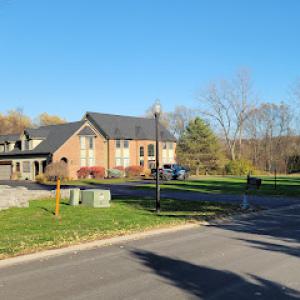
Lifetime Roofing by Vail Construction
(315) 297-4589 lifetimeroofingcny.com
941 S 1st St, Fulton, New York
5.0 from 88 reviews
Hiring an inexperienced roofer can be a gamble. Look to Lifetime Roofing by Vail Construction for first-rate roofing services, including roof maintenance, repair and installation. We're the roofing experts in Fulton, NY because we're licensed and insured, we service many residential, commercial and industrial roofs, and we use high-quality EPDM roofing materials, seamless gutters and architectural shingles. Although our roofing company is based in Fulton, our crew can travel up to 40 miles to serve you. Contact us today to take advantage of our affordable and efficient roofing services.
J. Lindsley Roofing
(315) 453-7663 www.cnyroofs.com
211 N 2nd St, Fulton, New York
4.7 from 123 reviews
J. Lindsley Roofing is proud to serve Central New York including Syracuse, Clay, Cicero, Liverpool, Baldwinsville and all of Onondaga County. Oswego, Fulton, Hannibal, Cato, Mexico, Phoenix, Bayberry, Radisson, Penneville, Sterling, Fair Haven and Oswego County.
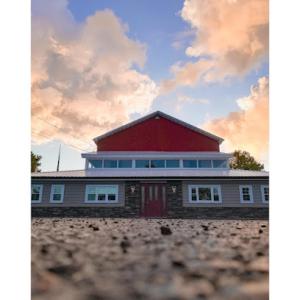
Over the Top Roofing
(315) 297-4084 www.ottrcny.com
1024 NY-48, Fulton, New York
4.4 from 67 reviews
Over the Top Roofing was established in 1998. We have an A+ Star rating with the BBB, fully insured, and offer financing options. Here at Over The Top Roofing we provide clients with a wide range of services to cover all their needs. No matter what the project might entail, our contracting professionals work to bring our customer's dreams to reality. Call us today for a free quote on residential or commercial work regarding roofs, home improvements, windows, doors, gutters, siding, decks, insulation. We also do repairs call our office for more details. We got you covered - siding, gutters, and more since 1998
Oscar Roofing
(315) 529-1538 oscarroofinginc.com
Serving
5.0 from 23 reviews
Oscar Roofing, Inc. strives to be your roofer of choice by providing superior quality roofing solutions & unmatched customer service. Our process is simple from start to finish. See why many New Yorkers choose Oscar Roofing, Inc. over the rest. Servicing Oswego County, New York.
The Roofing Medic
(315) 760-7902 theroofingmedic.com
Serving
5.0 from 19 reviews
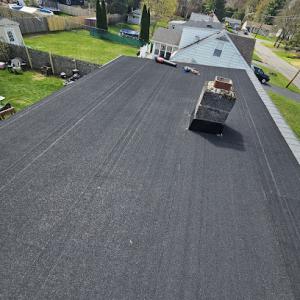
The Roofing Medic provides professional roof repair, roof inspections, and storm damage roofing services in Fulton, Syracuse, and throughout Central New York. We handle roof leaks, shingle replacement, emergency roof repairs, and insurance-related storm damage. As a locally owned roofing contractor, we focus on honest evaluations, clear communication, and high-quality workmanship for every project.
Dynasty Roofing
(315) 532-9967 dynastyroofingcny.com
Serving
5.0 from 170 reviews
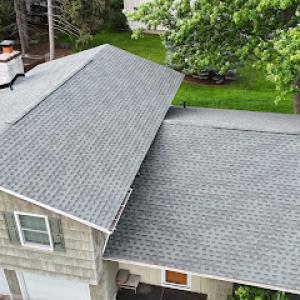
Dynasty Roofing is a family-owned and operated roofing company built on the strong foundation of delivering exceptional customer service to homeowners and businesses in Liverpool, NY, and surrounding areas for over 20 years.

Michael C. Graham & Son
(315) 825-6313 michaelcgrahamandson.com
Serving
5.0 from 113 reviews
Michael C. Graham & Son Construction is Syracuse, NY's top roofing contractor. We specialize in residential and commercial roofing services and are your go-to source for roof repair, gutter installation and window replacement. Need a reliable roofing contractor? Look no further. Our expertise goes beyond the roof to ensure the safety and curb appeal of your home. Schedule a free roof inspection with our skilled team and experience our commitment to excellence

Custom Quality Roofing Contractors
(315) 472-2282 syracusecustomqualityroofers.com
Serving
4.9 from 149 reviews
Custom Quality Roofing is a professional roofing contractor in Syracuse, NY, serving homeowners and businesses throughout the surrounding areas for over 50 years. We specialize in roof installation, roof replacement, and roof repair, including emergency roofing services. Our experienced roofers provide durable, high-quality residential and commercial roofing solutions using trusted materials and proven techniques. Whether you need roofing services for your home or business in Syracuse, NY, we are committed to protecting your property with reliable workmanship and exceptional customer service.
Grand Homes Construction #13
(315) 415-6639 www.grandhomesconstruction.com
Serving
4.9 from 27 reviews
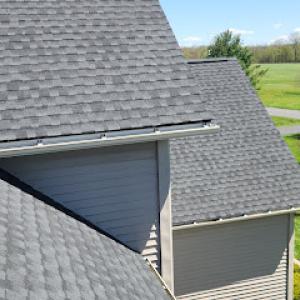
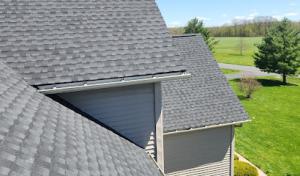
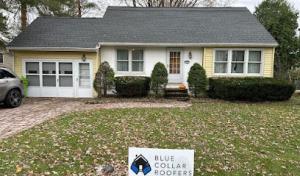
With over 24 years of experience, we know how to take on all kinds of roofing services, from minor repairs to full roofing installations. Our family-owned and -operated company can carry out any roofing job you need. Homeowners and home builders alike can count on us for roofing services. We're available 24/7 to provide emergency support.
Forte Roofing
(315) 849-4496 www.forteroofingny.com
Serving
4.9 from 372 reviews
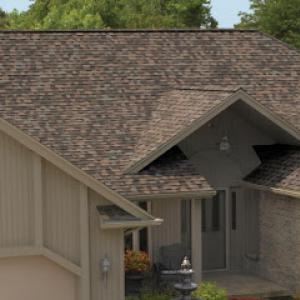
Forte Roofing is a local roofing contractor in Syracuse New York, offering professional roofing services at competitive prices from roof repair to new roof installation. An A+ rating from the BBB and hundreds of satisfied customers are what sets us apart from the competition in Central New York. Our goal is to provide 100% customer satisfaction. Contact us Today for a Free Roofing Estimate.
Stellar Roofing
(315) 888-7663 stellarroofing.com
Serving
4.8 from 79 reviews
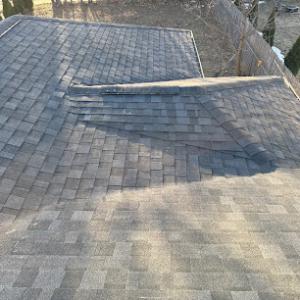
Stellar Roofing, serving the Syracuse, New York area, is your trusted partner for all things roofing. More than just a roofing contractor, we are your home's exterior experts! From durable siding and seamless gutter solutions to efficient insulation and window installation, our experienced team delivers quality craftsmanship you can depend on. We are locally owned and dedicated to providing reliable solutions, ensuring your home is protected and beautiful for years to come.
Blue Collar Roofers
(315) 720-6665 www.bluecollarroofers.net
Serving
5.0 from 203 reviews
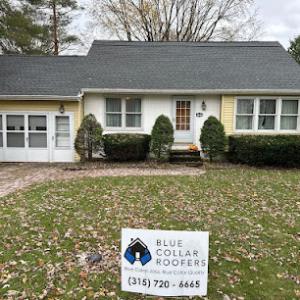
Blue Collar Roofers serves as a top quality roofing and siding contractor in Syracuse and surrounding areas. We are a team of fully insured and certified professionals who tackle everything from large projects to smaller scale jobs. We understand the stress involved with roofing and siding projects so we ensure customers are comfortable with the process and completely satisfied with our work. We provide full roof installations and siding installations. Call us today to schedule a consultation.
In this climate, replacing a roof is most reliable when the snow is gone and the next freeze-thaw cycle hasn't started yet. Late spring through summer gives crews solid access, steady daylight, and less risk of winter ice delays. Asphalt shingles and metal roofs go down more predictably when temperatures are consistently above freezing, and there's less push-pull from interior moisture as attic spaces vent and dry out after winter. If you've just finished the snow season, this window offers the best chance to complete a full, proper installation without weather-driven setbacks.
Winter roofing in this part of upstate New York tends to be about damage control. Expect temporary repairs, tarping, and short windows to handle isolated leaks or wind-driven debris rather than a full re-roof. Temperature swings and rapid icing can complicate shingle sealant and underlayment performance, so scheduling a major replacement during a thawing or above-freezing spell is rarely ideal. If a roof failure occurs in deep winter, prepare for a temporary fix that buys you time until a spring window opens.
Autumn projects are feasible but require careful timing. The window narrows as leaves accumulate and winds pick up. If a roof needs to be done before cold, wet weather returns, aim for early to mid-fall. Strong winds and leaf debris can complicate installation, so crews often intensify site cleanup and overlap protection. The goal is to finish ahead of the first real cold snap and before snowfall starts dusting the ridge line. If a fall window is missed, the project risk shifts toward delays into winter.
When planning, look for multi-day stretches of dry, moderate weather with daytime highs above freezing and nighttime temps not plunging below freezing for several days. Schedule a site visit with the roofing crew to confirm flashing details, attic ventilation, and ice dam protection strategies for the season. If a rain or heat wave interrupts, have a contingency plan with a backup date that keeps the job on track without exposing newly installed underlayment to harsh conditions.
Clear the driveway and create safe access for equipment before the replacement week. Move vehicles, store exterior items, and trim overhanging branches that could drop debris or snag materials during installation. Communicate expected arrival and finish times with neighbors who may hear hammering or see scaffold work, and plan for cleanup each day so streets and driveways stay clear as the project progresses.
When you can't wait, these contractors offer fast response times to stop leaks and prevent further damage.

Custom Quality Roofing Contractors
(315) 472-2282 syracusecustomqualityroofers.com
Serving
4.9 from 149 reviews
Grand Homes Construction #13
(315) 415-6639 www.grandhomesconstruction.com
Serving
4.9 from 27 reviews
Asphalt shingles remain a common fit in Fulton, but ice-dam exposure and freeze-thaw cycling make underlayment, flashing quality, and attic ventilation especially important here. The most durable approach uses a high-quality synthetic underlayment, properly integrated with a frozen-proof edge and valley detail. In practice, ensure breathable attic ventilation that keeps the deck closer to outdoor temperatures, reducing condensation and ice dam risk. When replacing asphalt, you'll want shingles with good granule retention and a design that sheds snow efficiently while still maintaining warmth at the eaves to limit melt-down on late-season cycles. Pay particular attention to the drip edge and step flashing at roof-to-wall intersections, where repeated freeze-thaw can pry seams loose if these pieces aren't solidly installed.
Metal roofing has strong local relevance in Fulton because snow-shedding performance and durability appeal to homeowners dealing with repeated winter accumulation. A standing-seam system or metal panels with concealed fasteners are both viable, but precision flashing around chimneys, vents, and skylights remains essential. For the Lake Ontario snowbelt, metal roofs should be paired with a robust underlayment, or a snow stop at the eaves, to manage meltwater that can refreeze along the fascia line. Consider color and finish that reflect solar heat in shoulder-season sun while resisting ice adherence. Proper annealing and equalized fastener patterns help avoid oil-canning and panel movement after heavy snows. If a homeowner anticipates heavy ice loads, a professional assessment of the roof's slope and support structure can prevent unexpected failures during severe winters.
Heavier materials such as clay and concrete tile are available in the market, but Fulton homeowners need to weigh structural load, snow performance, and installation complexity in a heavy-winter region. Tile and similar systems require a robust, properly engineered roof deck with solid load paths and appropriate rafter spacing. Snow can accumulate between tiles, so ensuring an adequate slope and clear, well-maintained drainage is key to minimizing freeze-thaw damage. Installation expertise matters here: misaligned battens, improper mortar or fastener placement, or underlayment gaps become failure points under repeated freezes. If choosing tile, plan for enhanced ventilation across the attic to keep interior temperatures steady and reduce interior condensation that can compound moisture-related issues at freeze-thaw interfaces.
Regardless of material, the climate in this area makes attic ventilation a central element. Balanced intake and exhaust vents help prevent warm attic air from melting snow near the eaves and refreezing at the roofline, which is a common trigger for ice dams. A well-sealed, insulated attic reduces cold bridging and keeps the roof system operating as intended through fluctuating temperatures. When evaluating options, include a look at how each system's flashing, underlayment, and ventilation strategy will work together to address Fulton's unique mix of lake-effect snow and rapid freeze-thaw cycles.
If you're planning a re-roof, you'll want to start with the local material ranges and a realistic sense of what winter moisture can do. In Fulton, tear-off needs after winter moisture damage and any decking replacement found during re-roofing can shift the bottom line quickly. Asphalt shingles, a common choice here, run roughly 360 to 560 USD per square, while metal roofing runs 700 to 1100 USD per square. More premium options like clay tile or concrete tile push higher, and wood shingles/shakes or synthetic options land in between. Use these ranges as a guide, then build in room for the extra costs that winter can introduce.
Snowbelt wear shows up in places you can't see until the old roof is off. Expect to uncover rot near eaves, flashing failures, or ventilation deficiencies that ice dam conditions have stressed year after year. When decking needs replacement, that's often added on top of the new roof with the same per-square pricing structure, so plan for a bigger project if attic access is poor or if fascia and soffit work is required to restore proper ventilation. In Fulton, that repair work tends to add to the material subtotal but is essential for long-term performance in freeze-thaw cycles.
Spring storm damage plus post-winter replacements can create a surge in local roofing work. Because crews are busier, you may see slight price shifts and tighter scheduling windows during those peak periods. If you can time the project for a lull between late winter and early spring, you may secure a more favorable window and avoid the rush. Keep in mind the high end of your chosen material range as you align your expectations with the likely scheduling window, especially if you're balancing multiple roof areas or an upgraded underlayment and ventilation package.
Don't let upfront costs delay a critical repair - these contractors offer payment plans to fit your budget.
Over the Top Roofing
(315) 297-4084 www.ottrcny.com
1024 NY-48, Fulton, New York
4.4 from 67 reviews
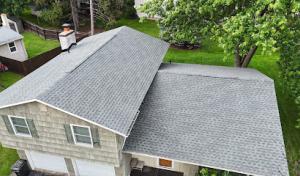
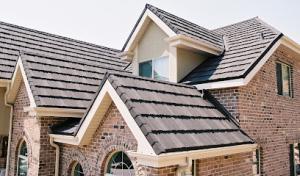
When undertaking a full roof replacement, a building permit is typically required and is generally filed with the City by the contractor. Getting this step right upfront helps ensure the project complies with local requirements and avoids delays that can extend a winter schedule. The permit process in this area is designed to line up with Fulton's snowbelt realities, where proper drainage and ventilation decisions can influence moisture control once the snow starts to melt.
Fulton inspections are commonly scheduled during the project and again at final completion rather than handled as a one-step signoff. This two-step approach means you should plan for a mid-project check to verify ongoing work meets the approved methods, along with a final walk-through to confirm everything is completed to code and as specified. Delays can occur if weather, material deliveries, or crew changes shift the inspection calendar, so build some flexibility into your timeline.
Local inspectors commonly focus on flashing, ventilation, and compliance with local wind and energy code requirements. In this climate, flashing must be integrated with eaves, dormers, and valleys to resist wind-driven rain and freezing cycles, while ventilation needs to satisfy seasonal needs to prevent ice dam risk. Expect questions about attic ventilation rates, insulation continuity, and any ice dam mitigation measures included in the plan. Scheduling can be affected by department workload, so communicate early if your timeline hinges on a specific inspection window.
Coordinate with your contractor to ensure all required documents and test results are ready for each visit. If a weather lull buys you time, use it to tidy up the site and address any small items that could delay the final signoff. A smooth permit and inspection path reduces the chance of project hold-ups during Fulton's variable winter and spring conditions.
In Fulton and the broader upstate New York market, insurers frequently see claims tied to wind, hail, and ice-dam-related roof damage. The Lake Ontario snowbelt pushes moisture into attic spaces and eaves, and claims often hinge on clear documentation of where water entered, the condition of flashing, and the extent of frost-related stress on decking. This local pattern means timing and evidence matter as storms arrive and recede.
When a claim is filed, adjusters typically request thorough photo documentation, contractor estimates, and warranty information before a decision is finalized. Photos should capture roof surface condition, interior stains, attic moisture, venting, and any ice-damming indicators along gutters and eaves. Obtain written estimates from reputable local contractors and keep copies of shingle brands, underlayment, and frost-related wear notes. Warranty details can influence whether repairs are treated as temporary fixes or a full replacement.
Coverage tightening in some storm-prone New York counties can affect claim timelines and whether Fulton homeowners repair or fully replace a damaged roof. Insurance companies may reassess long-term durability, impact of repeated freeze-thaw cycles, and the cost-effectiveness of patching versus replacing. The results can shift based on policy language, roof age, and local weather history, underscoring the need to understand what your plan covers for ice dam remediation and structural repair.
Practical steps help align expectations with insurer processes. Photograph storm aftermath promptly and maintain a running file of communications. Gather contractor estimates early and confirm that workmanship warranties align with the insurer's requirements. If ice dams recur, document seasonal patterns in addition to each incident, as patterns can influence whether repair strategies or a full roof replacement is pursued. Working with a trusted local contractor who understands Fulton's climate can streamline the path from assessment to resolution.
Connect with contractors who help homeowners navigate the claims process from damage assessment to final approval.
J. Lindsley Roofing
(315) 453-7663 www.cnyroofs.com
211 N 2nd St, Fulton, New York
4.7 from 123 reviews
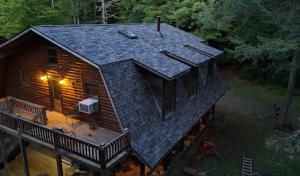
In this climate, repeated expansion and contraction during freeze-thaw cycles makes skylight perimeters and chimney flashing common weak points. Moisture can seep where metal step flashing meets the curb, or where the skylight curb sits against shingles. Start with a careful inspection after a heavy melt or thaw: look for dark staining, tarry streaks, or damp cardboard in the attic near those zones. If condensation shows up on a clear, sunny day, that's a signal the seal around the skylight or the flashing has begun to fail. Address small gaps promptly with compatible sealant or flashing repair, and consider replacing aging flashing with a flexible, UV-rated product designed for reactivation after cold snaps. When resealing, clean the surface, dry thoroughly, and apply a continuous bead around the perimeter, not just patches.
Low-slope areas on porches, additions, or mixed-roof homes are more vulnerable during snowmelt and spring rain if drainage is slow. Ice dams form where warm attic air creates melted water that refreezes at the eaves. Keep gutters clear of debris and ensure downspouts discharge away from the foundation. For low-slope transitions, verify that the membrane underlayment is intact and that any ridge or edge metal is properly secured. If meltwater pools on a porch roof, install or upgrade a lightweight, continuous roof-to-wall transition seal to divert water toward drainage paths. Prioritize prompt snow removal from these zones during heavy storms, but avoid exposing the roof surface to sharp tools that can cut through the membrane.
Roof penetrations and transition areas are often the first places winter moisture intrusion shows up inside the home. Chimney, vent stacks, and skylights are high-risk points where ice can creep behind flashing, and water can find micro-gaps. Inspect annually for loose boots, cracked mastic, or worn step flashing. Pay close attention to caulk lines where different materials meet, and re-bed or reseal as needed with products rated for cold climates. In winter, use a simple, staged approach: observe how water travels on the interior ceiling after storms, then trace to the most likely external penetration. Regular, targeted maintenance in these zones pays off when spring rain rolls in.
Find contractors experienced in skylight installation, flashing, and leak repairs to bring natural light into your home.
Lifetime Roofing by Vail Construction
(315) 297-4589 lifetimeroofingcny.com
941 S 1st St, Fulton, New York
5.0 from 88 reviews
Custom Quality Roofing Contractors
(315) 472-2282 syracusecustomqualityroofers.com
Serving
4.9 from 149 reviews