
Last updated: Apr 19, 2026
This village-on-the-Seneca-River sits squarely in the Syracuse lake-effect snow zone, where winters dump heavier snow than many nearby communities. That extra weight isn't just a nuisance; it drives higher ice dam pressure against your roof deck and pushes moisture inward if the roofing system isn't prepared. With repeated freeze-thaw cycles, eave backup, gutter-edge icing, and shingle lifting become the primary failure patterns you'll see in aging roofs. The combination of heavy snowfall, persistent wetness at the eaves, and fluctuating temperatures means a single-year fix rarely lasts; you need a roofing strategy that lasts through multiple harsh seasons.
In homes near the river and in older village stock, winter moisture exposure meets aging or undersized ventilation details. When attic air leaks or insufficient intake and exhaust ventilation exist, warm attic air condenses on the roof deck and in the attic spaces, feeding mold growth and accelerating deck rot. On re-roofs, that risk compounds if the project doesn't address the attic-to-roof assembly from the outset. The result is a failure cascade: poor venting creates warm, moist roof conditions that intensify ice dam formation, while new shingles struggle to seal against a compromised deck.
During any re-roof, it is not enough to swap out shingles. The attic needs a clearly defined path for dry, cool air to enter and for moist air to escape. Jersey-like foam or sealants won't substitute for proper soffit and ridge or turbine/vortex ventilation that matches the home's size and chimney/fresh-air needs. In this climate, ventilation also helps mitigate uplift risk from heavy snow loads and freeze-thaw expansion. The goal is to maintain a consistently cool attic temperature so that asphalt, fiber cement, or metal roofing can perform as designed, rather than acting as a heat trap that fuels ice dam formation at the eave.
First, evaluate the existing attic ventilation and moisture barriers before any tear-off. If soffit vents are blocked or ridge lines are compromised, address those issues first, because even premium shingles will struggle to prevent damming without airflow. Second, choose decking and underlayment that handle prolonged moisture exposure; a trusted underlayment with a thermal break and a solid moisture barrier helps maintain deck integrity under freeze-thaw stress. Third, plan for ice-dam prevention on the eaves with proper overhang and insulation strategies at the attic interface, plus attention to gutter integrity so meltwater doesn't back up against the roof edge. Finally, discuss with the roofer how the chosen material performs in cold, snow-burden environments and how it integrates with an aging ventilation plan. A roof that ignores moisture and airflow will fail sooner in this snowbelt climate, no matter the material.
If a home has a history of ice damming, look for insufficient attic ventilation, compromised deck, or gutter edge ice buildup. Re-roofing should pair high-performance decking and underlayment with a ventilation plan that meets the home's size and structure. Prioritize a moisture-aware attic assembly and a roof covering that stands up to freeze-thaw stress while maintaining a clear path for moisture to escape. In this setting, proactive moisture control isn't optional-it's the cornerstone of a durable, dam-resistant roof.

Michael C. Graham & Son
(315) 825-6313 michaelcgrahamandson.com
Serving
5.0 from 113 reviews
Michael C. Graham & Son Construction is Syracuse, NY's top roofing contractor. We specialize in residential and commercial roofing services and are your go-to source for roof repair, gutter installation and window replacement. Need a reliable roofing contractor? Look no further. Our expertise goes beyond the roof to ensure the safety and curb appeal of your home. Schedule a free roof inspection with our skilled team and experience our commitment to excellence
Dynasty Roofing
(315) 532-9967 dynastyroofingcny.com
Serving
5.0 from 170 reviews
Dynasty Roofing is a family-owned and operated roofing company built on the strong foundation of delivering exceptional customer service to homeowners and businesses in Liverpool, NY, and surrounding areas for over 20 years.

Custom Quality Roofing Contractors
(315) 472-2282 syracusecustomqualityroofers.com
Serving
4.9 from 149 reviews
Custom Quality Roofing is a professional roofing contractor in Syracuse, NY, serving homeowners and businesses throughout the surrounding areas for over 50 years. We specialize in roof installation, roof replacement, and roof repair, including emergency roofing services. Our experienced roofers provide durable, high-quality residential and commercial roofing solutions using trusted materials and proven techniques. Whether you need roofing services for your home or business in Syracuse, NY, we are committed to protecting your property with reliable workmanship and exceptional customer service.
Grand Homes Construction #13
(315) 415-6639 www.grandhomesconstruction.com
Serving
4.9 from 27 reviews
With over 24 years of experience, we know how to take on all kinds of roofing services, from minor repairs to full roofing installations. Our family-owned and -operated company can carry out any roofing job you need. Homeowners and home builders alike can count on us for roofing services. We're available 24/7 to provide emergency support.

The Roofing Guys
(315) 558-9511 www.theroofingguyscny.com
Serving
3.8 from 154 reviews
Roofing and Siding Specialists serving CNY since 2006, locally owned and operated. We are fully insured and offer free estimates. All installers are OSHA certified and CertainTeed SHINGLEMASTER applicators. CNY’s Readers Choice for #1 Roofing Company, committed to giving back to our community and host a free roof giveaway for a family in need every year.
J.Strong Contracting
Serving
5.0 from 3 reviews
Veteran owned with over 15 years experience. Specialize in roofing, siding,Windows, doors, building decks, gutter installation, roof repairs and more
Blue Collar Roofers
(315) 720-6665 www.bluecollarroofers.net
Serving
5.0 from 203 reviews
Blue Collar Roofers serves as a top quality roofing and siding contractor in Syracuse and surrounding areas. We are a team of fully insured and certified professionals who tackle everything from large projects to smaller scale jobs. We understand the stress involved with roofing and siding projects so we ensure customers are comfortable with the process and completely satisfied with our work. We provide full roof installations and siding installations. Call us today to schedule a consultation.
Forte Roofing
(315) 849-4496 www.forteroofingny.com
Serving
4.9 from 372 reviews
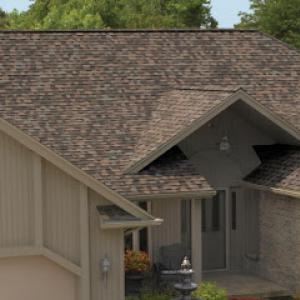
Forte Roofing is a local roofing contractor in Syracuse New York, offering professional roofing services at competitive prices from roof repair to new roof installation. An A+ rating from the BBB and hundreds of satisfied customers are what sets us apart from the competition in Central New York. Our goal is to provide 100% customer satisfaction. Contact us Today for a Free Roofing Estimate.
The Roofing Medic
(315) 760-7902 theroofingmedic.com
Serving
5.0 from 19 reviews
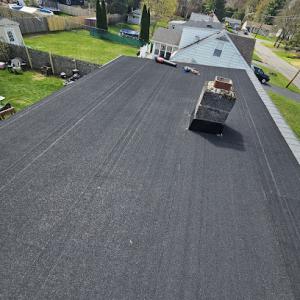
The Roofing Medic provides professional roof repair, roof inspections, and storm damage roofing services in Fulton, Syracuse, and throughout Central New York. We handle roof leaks, shingle replacement, emergency roof repairs, and insurance-related storm damage. As a locally owned roofing contractor, we focus on honest evaluations, clear communication, and high-quality workmanship for every project.
Lifetime Roofing by Vail Construction
(315) 297-4589 lifetimeroofingcny.com
Serving
5.0 from 88 reviews
Hiring an inexperienced roofer can be a gamble. Look to Lifetime Roofing by Vail Construction for first-rate roofing services, including roof maintenance, repair and installation. We're the roofing experts in Fulton, NY because we're licensed and insured, we service many residential, commercial and industrial roofs, and we use high-quality EPDM roofing materials, seamless gutters and architectural shingles. Although our roofing company is based in Fulton, our crew can travel up to 40 miles to serve you. Contact us today to take advantage of our affordable and efficient roofing services.
Top Notch Roofing
(315) 920-7949 topnotchroofingcny.com
Serving
5.0 from 17 reviews
If you are looking for a roofing quote and insist on quality work at a fair price, put Top Notch on the list. Welcome to Top Notch Roofing, your trusted source for TOP-NOTCH roofing solutions. We specialize in installations for residential properties for asphalt and metal roofing. Please feel free to contact us today for a free estimate.
Mike Home Improvements
(315) 641-5591 mikehomeimprovements.com
Serving
4.9 from 126 reviews
At Mike home improvements , we pride ourselves on being your trusted partner in transforming your residential or commercial property. With our expertise and unwavering commitment to excellence, we've earned a well-deserved reputation as the best in the industry. Contact us today to discuss your project, and let us bring your dreams to life.
In this stormy upstate market, wind, hail, and ice-related claims are a regular part of home maintenance. Documentation quality directly affects claim handling, so keep a running record of every issue you notice after a storm: dates, photos from different angles, and notes on any visible ice dam remnants, lifted shingles, or flashing damage. When you file, submit the strongest evidence you have-clear images of impact marks, granular loss on shingles, and any interior signs of moisture intrusion. A well-organized file reduces back-and-forth with adjusters and speeds up the process.
Spring storms can interrupt projects in Baldwinsville, creating a local need for temporary dry-in planning and fast post-storm inspections. If a project timeline is already tight, prioritize securing roof edges and vulnerable valleys immediately after a storm passes and before rain returns. Have a plan for temporary weather protection that you can enact quickly with tarps or a lightweight cover, especially if your crew encounters an interlude before full re-roofing or repairs begin. Document any temporary measures you install and their removal once permanent work resumes, as insurers may review these steps to gauge intended moisture control.
Insurers in this region commonly review prior damage, installation quality, and whether replacement details match current code expectations for venting and moisture protection. Expect questions about existing attic insulation, ventilation balance, and whether existing ice and water shield coverage aligns with the latest guidance for freeze-thaw resilience. If you have had previous claims or repairs, make sure the file shows how later work addressed those issues and whether new damage could be connected to aging components, improper venting, or inadequate underlayment. When hiring, choose contractors who can demonstrate a coherent sequence from weatherproofing to interior moisture protection, and who can explain how their approach meets the expectations insurers use to assess storm and hail damage.
A practical approach during the claim process is to prepare a clear path from exterior signs to interior consequences. Start with a high-resolution photo log of deformations on the roof surface, then capture attic signs of condensation, staining, or mold that may indicate slow leaks. Note any ice dam indicators, such as protruding icicles, ice buildup along eaves, or melted channels that reveal roofing joints. Share this trajectory with your adjuster so they understand the progression from surface damage to potential interior risk. Finally, have a plan for temporary repairs that maintains shelter and minimizes further moisture intrusion while the claim is evaluated, so weather disruption does not compound the damage.
Find local contractors experienced in assessing and restoring roofs after hail, wind, and severe weather events.
Grand Homes Construction #13
(315) 415-6639 www.grandhomesconstruction.com
Serving
4.9 from 27 reviews
Asphalt shingles dominate locally because they balance winter performance and cost in a market with frequent full re-roofs. In a village-on-the-Seneca River setting with lake-effect snow and harsh freeze-thaw cycles, a well-installed, high-quality asphalt system provides reliable moisture control when paired with a solid underlayment and proper attic ventilation. Look for progetture that includes reinforced facings and a durable nailing pattern to minimize loss during ice-dam events and heavy snow loads. In practice, this means ensuring a continuous ridge and eave venting strategy, plus careful shingle selection rated for freeze-thaw resistance. A properly installed asphalt roof can shed wind-driven snow efficiently and resist moisture infiltration during thaw cycles, translating to fewer winter headaches on older structures and modest maintenance needs for newer homes.
Standing seam metal is a meaningful local specialty option, especially for homeowners prioritizing snow shedding and long-term resistance to freeze-thaw wear. Metal roofs excel when snow slides off rather than accumulating at the eaves, which helps reduce ice dam risk in a climate with frequent temperature swings. The hidden fasteners and traditional profiles tend to hold up well under repeated cycles, assuming the roof is correctly flashed around chimneys, skylights, and ridges. For homes with steeper pitches or overhangs that collect drifting snow, metal can minimize water intrusion and ice dam buildup. The key is choosing a panel profile and insulation approach that maintain a solid barrier against moisture while integrating with existing soffits and gutters to manage meltwater effectively.
Cedar shakes, fiber cement shingles, synthetic/composite options, and occasional concrete tile appear in the market, but their suitability depends heavily on how they handle snow retention, moisture cycling, and structural load. Cedar can offer aesthetic appeal, yet its performance hinges on proper sealing and maintenance to prevent moisture intrusion during freeze-thaw episodes. Fiber cement and synthetic composites provide robust moisture resistance and dimensional stability, which helps with freeze-thaw cycles, but installation quality and underlayment choices remain critical to reduce ice dam risk. Concrete tile delivers excellent longevity and load tolerance, yet heavier weights require structural verification and careful snow-retention detailing to keep gutters clear and meltwater flowing. For homes with shallow pitches or limited attic ventilation, these materials can be advantageous only when paired with an aggressive moisture-management strategy and appropriate snow guards or retention systems to prevent rapid slide-off or moisture ingress.
In this market, the best roof choice aligns with how a system handles winter moisture, repeated thaw cycles, and the seasonal loading from snow. A roofing plan should combine a robust underlayment, proper attic ventilation, and effective snow-retention measures wherever appropriate. Regardless of material, prioritize flashing details around penetrations and transitions, ensure gutters and downspouts are sized to manage rapid melt, and verify that the roof deck is sound enough to carry anticipated snow loads. When choosing among options, weigh how each material behaves under moisture cycling and how well it integrates with insulation and venting strategies designed for the lake-effect snow belt.
Late spring through early fall is the practical replacement window for Baldwinsville homes, because winter cold limits installation conditions and spring storms can disrupt schedules. If you aim to minimize delays, target late April through early October and plan around forecasted warm spells that extend dry days. This local pattern helps crews work steadily without the extra slowdowns caused by freeze-thaw cycles that repeatedly stress new seals.
Summer heat and humidity affect material handling and crew pace. In practical terms, avoid scheduling during the dog days when asphalt shingles and asphalt underlayment become soft and more susceptible to handling damage. Align deliveries for cooler mornings, and set aside midafternoon breaks to protect adhesives, sealants, and fasteners. If a project runs long, consider timing lighter tasks on the hottest days and reserving roof penetration work for cooler mornings to maintain progress without compromising installation quality.
Autumn leaf drop and early snowfall can narrow the final installation window. Plan for a two- to three-week fall buffer to accommodate late-season weather and busy schedules around school holidays. Keep gutters clear before the crew arrives so excess debris doesn't trap moisture behind new underlayment. A clear slate at the transition from summer into fall reduces the risk of moisture trapped under shingles as the season shifts.
Winter emergency work is often possible, but full replacement scheduling is strongly shaped by snow cover, freezing temperatures, and short weather openings. If a full replacement is needed during winter, coordinate with the crew to maximize a window of dry, above-freezing days. Expect shorter workdays and potential pauses for temperature-sensitive materials. For essential repairs that must occur in winter, prioritize sealing and temporary fixes that protect the interior from ice dam risk while a full replacement is planned for a safer season.
To stay on track, map out a rough weekly calendar with target dates for material delivery, roof access, and potential weather delays. Maintain open communication with the contractor about frost risk forecasts and snow totals so that the schedule remains realistic and responsive to Baldwinsville's winter patterns.
Get a clear picture of your project costs upfront - no commitment required.
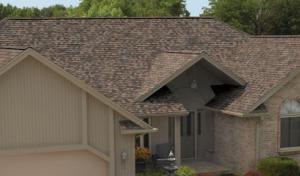
Across this village-on-the-Seneca River, the pricing reality is driven by asphalt shingles still dominating home projects, but the math shifts quickly when upgrading to metal, cedar, synthetic, fiber cement, or concrete tile for longer-term weather performance. Asphalt remains the most economical path, but when a homeowner aims for extended durability against lake-effect snow, the up-front cost bump for alternatives is real. In Baldwinsville, a roof replacement that includes a material upgrade should be weighed against expected life, maintenance needs, and the probability of needing fewer repairs after a harsh winter cycle. Tear-off and disposal costs can push the total higher, especially if multiple freeze-thaw seasons have already stressed the deck and underlayment.
Winter damage surges and storm-driven demand tighten contractor availability during busy periods. When a heavy late-season storm hits the Syracuse snowbelt, local crews may be stretched thin, and lead times can extend several weeks. Scheduling a re-roof in late fall or early spring requires a cushion for potential delays, especially if snowpack lingers or crews must address prior damage on nearby homes. If a repair-only plan gives way to a full replacement, expect a tighter window for permits, material deliveries, and on-site coordination. Budget for occasional price fluctuations that accompany high-demand spells, and consider securing a firm start date when the first melt frees up crews.
Steeper residential rooflines are more common in older Central New York housing, and that geometry compounds labor and disposal costs. A steeper pitch demands safer access, more scaffolding, and longer installation times, which translates to higher labor charges. After several freeze-thaw cycles, tear-off becomes more likely, with additional disposal fees for saturated or damaged underlayment and decking. When choosing materials, note that metal and cedar typically command higher per-square costs but may offer better resistance to ice dam formation and wind uplift, which matters in melt-and-freeze cycles. Fibers, synthetics, and concrete tile can push total cost up as well, yet they often deliver longer-term resilience in moisture handling. Consider phased approaches or high-performance underlayment upgrades to mitigate risk without overextending the budget.
Don't let upfront costs delay a critical repair - these contractors offer payment plans to fit your budget.
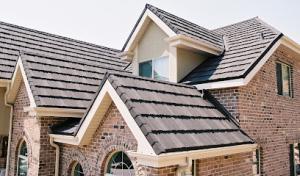
A full re-roof in this jurisdiction typically requires a permit rather than being treated as minor maintenance. Before any underlayment or shingles come off, you should contact the local building department to start the permit process. The permit is more than a rubber-stamp; it signals that the project scope, venting, and moisture barrier strategies are being evaluated against the harsh winter realities that this area routinely faces. Don't assume you can skip paperwork or rush the paperwork; a half-step here can lead to delays, fines, or a non-compliant roof that fails in a freeze-thaw cycle.
The building department reviews project scope along with venting and moisture barrier details before issuing approval. Be prepared to document attic ventilation plans, ridge and soffit intake details, and a credible moisture-control strategy compatible with lake-effect snow and ice dam risk. Inadequate venting or a mismatched moisture barrier can create trapped moisture, leading to faster deterioration under repeated freeze-thaw cycles. Ensure your contractor provides product data showing the selected underlayment, membrane, and fasteners meet the specification that the inspector will expect for this climate.
Inspections are scheduled during and after installation to verify code compliance and that approved materials and assembly details were actually used. The inspector will verify that the venting arrangement matches the permit, that moisture barriers are continuous, and that the chosen roofing system can withstand the seasonal moisture loads and snow pressures typical here. Expect questions about attic insulation depth and airflow, as well as the integrity of hips, valleys, and penetrations. If issues are found, corrections must be made before final approval, so plan for adequate scheduling time and a contingency window to address any noted deficiencies.
When the sun returns after a heavy snow event, you'll notice that skylight perimeters, chimney saddles, and other penetrations become the most vulnerable spots. Freeze-thaw cycling in this area makes flashing details at those penetrations more failure-prone than in milder climates. Practically, that means small workmanship gaps or worn seals can snowball into stubborn leaks once meltwater backs up around the edges.
Local contractor demand shows recurring homeowner concern around skylights and chimney-related roof transitions rather than roofing alone. Around skylights, pay attention to the curb, flashing bends, and the joint where the curb meets the roof plane. At chimneys, the saddle and side flashing should be examined for improper seals or deteriorated mortar flashing. A careful seal and properly integrated flashings save you from slow leaks that creep under shingles during thaw cycles.
Leak tracing after snow and ice events often centers on valleys, chimney saddles, and skylight perimeters where meltwater can back up. If you notice damp insulation, staining on interior ceilings below a roof seam, or a small drip that appears only after a warm spell, investigate these trace points first. The meltwater pattern tends to follow the path of melt along the roof and down the corresponding deck.
Inspect the perimeter sealants around skylights and the exterior around the chimney cap for cracks or missing sealant. Clean out debris from valleys and ensure snow guards aren't diverting moisture toward vulnerable joints. If a recent freeze-thaw cycle has passed, a professional inspection of penetrations is wise-small problems now prevent bigger, costlier damage later.
Choose flashing materials and flashing detail approaches that accommodate severe winter swings, rather than relying on standard milder-climate solutions. A well-designed transition around skylights and chimneys, installed with attention to cold-season movement, pays off in fewer leaks when the next storm arrives.
Find contractors experienced in skylight installation, flashing, and leak repairs to bring natural light into your home.

Custom Quality Roofing Contractors
(315) 472-2282 syracusecustomqualityroofers.com
Serving
4.9 from 149 reviews
Lifetime Roofing by Vail Construction
(315) 297-4589 lifetimeroofingcny.com
Serving
5.0 from 88 reviews
Because this is a weather-claim-active upstate New York market, you benefit from compiling dated photos, material specs, and detailed invoices before and after work. Assemble records that show the original roof, any prior repairs, and the sequence of storm-related damage. Keep copies of supplier labels, shingle types, and warranty information. A clear file with names, dates, and contact details for installers helps if questions arise during settlement.
Take high-resolution photos from ground level and from the attic when possible, capturing every affected area and any signs of moisture intrusion. Include close-ups of damaged fasteners, ice dam markings, and roof-to-wall transitions. Photo dates matter, so organize images chronologically and label each with a short note describing what is visible. If there is helper work or temporary tarping, document that as well to show mitigation steps taken promptly after the event.
Adjusters in this region commonly compare visible storm damage with signs of older wear. Maintenance history and prior repair records are especially useful in distinguishing new damage from preexisting conditions. Provide a concise summary of prior problems, maintenance visits, and any repairs done by licensed professionals. Keeping this history handy helps the adjuster assess the scope of covered damage more accurately.
Code-related upgrades tied to venting and moisture protection can matter during claim settlement when a roof is being replaced after covered damage. Gather documentation of any venting improvements, attic insulation adjustments, and moisture barriers that were installed or upgraded during or after previous repairs. This helps demonstrate the level of protection already in place and can support reasonable expectations for a replacement.
Store all correspondence with the insurer in one place, including claim numbers, adjuster names, and written assessments. Maintain a running log of call dates and outcomes. If additional damage becomes evident during replacement, update the file promptly with new photos and invoices from the contractor. Consistency and clarity in records smooth the claim process through the winter-facing stresses typical of this market.