
Last updated: Apr 19, 2026
Albemarle sits in North Carolina's Piedmont, where hot humid summers and frequent thunderstorms create repeated wet-dry cycling that ages asphalt shingles faster than in drier inland climates. The mixture of humidity, wind, and sudden deluges pushes moisture into vulnerable seams, penetrations, and edge systems. Because this is inland rather than coastal, the dominant roof threat is not salt exposure or storm surge but wind-driven rain, humidity, and seasonal thunderstorm damage. That combination accelerates the aging process, weakens underlayment performance, and reduces the effective life span of common shingle systems. If a roof looks fine on a calm day but sits under regular storm punches, the risk of unseen moisture intrusion multiplies during every rain event.
Storm-driven moisture intrusion tends to show up first around vulnerable edges and transitions. Valleys, chimneys, plumbing stacks, vent boots, and roof-to-wall connections deserve heightened scrutiny. In this climate, tear-offs and underlayment install windows are frequently interrupted by spring and summer weather, which means leaks can begin during active replacement if dry-in is rushed or incomplete. The goal is to maintain a continuous moisture barrier even as work crews chase a weather window. A single delayed dry-in can become a latent leak that worsens with the next storm, compromising decking and interior finishes long after the shingle lift has ended.
Watch for hairline gaps around vent flashings, cracked sealant joints, and worn step and kick-out flashing at rake edges. Look for damp spots or staining on interior ceilings near transitions after a heavy thunderstorm. If granule loss shows up on shingles or if shingles appear cupped or curled along the eave lines, aging is accelerating and the risk of blow-off or wind-driven uplift grows. Inhumid cycles, moss or algae growth can hold moisture against the surface, hiding true shingle damage. A quick field check after each major storm can catch trouble early and prevent widespread infiltration.
First, ensure chimney and vent penetrations are properly flashed with flexible sealants designed for repeated wet-dry cycling. Replace worn or missing step flashing along transitions where water often migrates inward. Confirm that underlayment is properly overlapped and protected during any tear-off by using weather breaks and temporary tarping when dry-in windows are limited. For the contractor, insist on a stringent dry-in plan that prioritizes a complete water barrier, even if it means delaying a portion of tear-off to align with a dry day. Consider expediting higher wind-rated shingle options where feasible to improve performance against gusts that follow afternoon storms.
Seasonal inspections should occur twice a year, with a mid-season check after peak thunderstorm activity. Reinforce gutters and downspouts to reduce water pooling near eaves and at roof edges, since water accumulation increases edge uplift risk during storm events. Ensure attic ventilation remains balanced; high humidity in the attic compounds condensation risk and accelerates wood rot behind damaged shingles. If a roof shows signs of accelerated aging, address it sooner rather than later, because delayed replacements under active severe weather can magnify interior damage and complicate repairs. In Albemarle's Piedmont conditions, staying ahead of moisture intrusion requires discipline in maintenance, careful sequencing during replacements, and a plan that prioritizes a continuous moisture barrier over speed.
Thunderstorm and wind events are the regular culprits for roof damage in this Piedmont stretch. Coastal hurricane landfalls don't typically shape claims here, so the emphasis sits on lifted shingles, ridge damage, flashing failures, and interior staining from moisture intrusion. Those patterns show up after the storm rather than floods from a distant surge, and insurers expect this practical evidence trail to be clear and organized.
After a storm, head outside with a careful eye and a camera. Take wide shots of the roof from multiple angles to show the overall condition, then zoom in on any lifted or missing shingles, damaged ridge caps, and any signs of flashing separation at vents, chimneys, and edges. Interior staining along ceilings or attic rafter bays can reveal slow leaks or wind-driven intrusion that isn't obvious from the exterior alone. Keep a dated log of when you first noticed concerns and how moisture progression became apparent. In Stanly County, adjusters will weigh both what you can see on the roof and what shows up inside the attic, so thorough documentation matters.
Carriers serving this region expect photos, a permit trail, and a detailed scope after storm losses. Photos should illustrate the condition before temporary fixes, the extent of damage caused by the event, and any previous repairs that might influence the claim. The permit trail helps the adjuster verify scope alignment with recovery work already underway or planned. A clear, itemized scope that lists each affected area-shingles, flashing, ridge vents, underlayment, and interior staining-facilitates a smoother review. The adjuster's determination whether to repair or replace hinges on the evidence you present and how convincingly it ties to the storm event.
Because claim volume can spike after regional storms across Stanly County and nearby Piedmont markets, homeowners in Albemarle can face contractor scheduling pressure. Work with a reputable local roofer who can schedule promptly without rushing the inspection process. Before any temporary patching, photograph the area so the evidence remains intact for the adjuster's review. If a contractor suggests making early repairs, ensure those actions won't obscure or alter key damage indicators that the insurer will rely on to determine the scope of loss.
Begin by documenting exterior damage and interior signs of moisture as soon as it's safe. Contact the insurer to open the claim and request a field inspection. Prepare a detailed scope that enumerates roof components affected by the storm and notes any ancillary damage to interior spaces caused by moisture intrusion. When the adjuster arrives, walk them through the site systematically, pointing to lifted shingles, flashing gaps, and any ridge or vent damage, while providing the photos and the documented timeline you've built. After the visit, review the adjuster's report carefully for any gaps between observed damage and the scope you provided. If something was missed, request a written supplement with photographs, diagrams, and a precise description of the impact on building envelope performance.
Maintain ongoing vigilance after storms, especially in tree-heavy neighborhoods common to this area. Fallen branches or wind-driven debris can gouge or lift components that might not be obvious at first glance. Regular checks of the roof, attic, and soffits help catch moisture intrusion early and keep the claim trajectory straightforward should a future event trigger coverage.

King Roofing Pros
(704) 991-6324 www.kingroofingpros.com
318 Brooks St, Albemarle, North Carolina
4.8 from 153 reviews
SERVICING THE CAROLINA'S FOR MANY YEARS! A FREE inspection may lead to a NEW ROOF! Please call your local contractor today that's licensed and insured and that has been servicing your community for decades. Any contractor can install a roof, but only King Roofing Pros will give you impeccable service and a worry free guarantee that stands behind our workmanship labor and all our materials. We only use the best materials in the industry from metal roofing products to asphalt shingles top-of-the-line of the line lifetime warranty! Our worry-free guarantee no money down until you're 100% satisfied! TEAMWORK makes the DREAMWORK!" From King Roofing Pros family to yours!
Uwharrie Roofing
(704) 991-7663 www.uwharrieroofing.com
598 NC-24, Albemarle, North Carolina
5.0 from 19 reviews
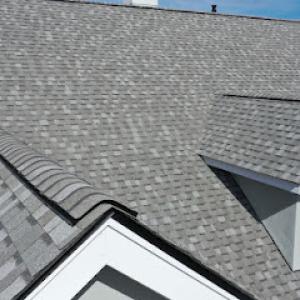
Uwharrie Roofing provides roof replacement, roof repair, roof installation, metal roofing, storm damage repair, gutter installation, window replacement, and siding services to Uwharrie, North Carolina, and the surrounding areas.

Trurelief Roofing & Crawlspaces
Serving
5.0 from 10 reviews
Since 2012, Trurelief has been the trusted name for home exterior solutions in North Carolina. This dedicated team of professionals offers expert roofing installations and comprehensive crawlspace services, ensuring your home is protected from top to bottom. Their commitment to high-quality craftsmanship and lasting solutions ensures every project is completed with care and precision, offering you peace of mind and enhanced curb appeal. Trust Trurelief to deliver reliable results that stand the test of time.
Forte Roofing & Remodeling
(704) 991-5194 forteroofingllc.com
Serving
4.8 from 33 reviews
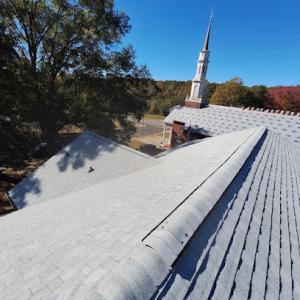
Forte Roofing was founded in the 80's passed down to 2nd generation roofer family owned! Over 40 years of experience in the greater Charlotte area. Based in Stanly County, NC.
Tru Restoration
(704) 747-4273 www.trurestorationllp.com
Serving
4.8 from 71 reviews
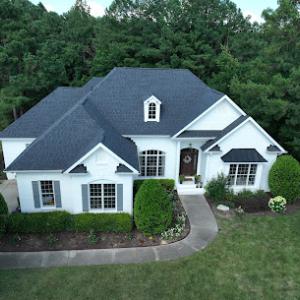
Tru Restoration specializes in ROOFING, SIDING, GUTTERS and insurance restoration, including hail and wind damage. The peace of mind and satisfaction of our customers in the aftermath of a devastating storm is our top priority. As a trusted and experienced contractor, we help ease our clients' burdens with high quality insurance and roofing expertise.
Professional Grade Roofing
(704) 741-4764 www.professionalgraderoofing.com
Serving
5.0 from 35 reviews
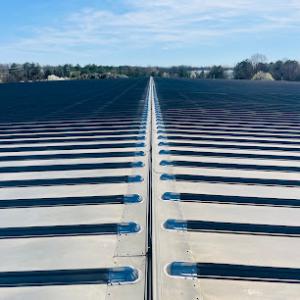
Professional Grade Roofing is your top quality contractor in and around the Salisbury and Rowan County area for any and all premium roofing solutions.

Riera Moon Contractors
Serving
4.9 from 88 reviews
Rierra Moon Contractors is a trusted name in Roof Repair,Roof Replacement & Roof Installation, known for delivering high-quality workmanship and exceptional customer service.We specialize in replacing old, inefficient roofs with durable, energy-efficient options that provide lasting protection and peace of mind.

McLains Perfect Touch (MPT Exterior Restoration Specialists)
Serving
5.0 from 63 reviews
MPT Exterior Restoration is a Family owned business serving the Kannapolis/Concord and surrounding area for 10+ years! We specialize in roof replacements/repairs, siding , windows , gutter installation/repairs. Also we offer ANY and all pressure washing and house soft washing

Tier One Roofing Solutions
(980) 409-4826 tier1roofingsolutions.com
Serving
5.0 from 68 reviews
Tier One Roofing Solutions in Concord, NC, provides expert roof replacement and repair services tailored to the needs of local homeowners. Concord’s hot summers and seasonal storms can lead to roof wear, leaks, and shingle damage, making timely replacement essential for protecting your home. Our team handles every project with precision and care, ensuring durable, weather-resistant results. From inspections to full roof installations, we deliver quality craftsmanship and lasting value. Choose Tier One Roofing Solutions, trusted roofing contractors in Concord known for professionalism, reliability, and commitment to customer satisfaction.
MCI Roofing
(704) 941-5815 www.mciroofing.com
Serving
4.9 from 44 reviews
As a homeowner, you want a roof that will keep you and your family safe from the elements. In order to have that, you need a high-quality roof that you can rely on but finding a trustworthy roofing company for the job can be stressful. At MCI Roofing, we understand the importance of selecting a roofing company that provides an honest approach. With over 20 years of roofing experience in Charlotte, we've built lasting relationships with material suppliers and our crews. We will provide you with a high-quality roof so you can have the peace of mind you and your family are protected. Schedule Your Roof Evaluation Today!
David's Roofing & Gutters
(704) 754-2796 www.davidsroofingandgutter.com
Serving
4.9 from 187 reviews
David's Roofing & Gutters provides roofing, storm damage insurance work, and gutters and leaf guard services in Salisbury, NC, and surrounding areas.
Wallace Roofing & Construction
Serving
5.0 from 7 reviews
Family owned since 1997. We will treat you like part of the family!! Let us give you a free estimate for a new roof installation today!!We install new roofs, roof inspections, roof repairs, and we also can take care of all your construction or projects. We build decks, porches and do additions and any other projects. I have been a home builder/roofer for over 20 years.
For Albemarle homeowners, spring offers a reliable balance between moderate humidity and manageable heat. The late-April to early-June window typically avoids the peak summer heat-humidity spike while still giving new shingles ample time to seal before the hottest days arrive. Plan work after a dry spell but before heavy tree cover accelerates moisture exposure from spring storms. A practical approach is to schedule inspections and material deliveries early in the season, then align crews to begin when soils are dry and days are consistently above freezing but not oppressively warm. Spring's longer daylight hours help crews finish before the next round of rain systems, reducing the chance of moisture intrusion during the dry-in phase.
Summer thunderstorms in the Albemarle area can stop installation mid-project, which raises the importance of same-day dry-in planning and weather-aware crew scheduling. When heat and humidity rise, it becomes harder for crews to maintain seal integrity on new shingles, especially on east- and south-facing slopes that catch the afternoon sun. The practical workflow is to lay out a tight daily plan that prioritizes critical flashing and edge details early, with exterior exposure minimized on storm-prone days. If a sudden storm hits, portable tarps and temporary closures should be ready to prevent water intrusion. Consider staggering high-wumidity days to minimize adhesive curing issues and ensure proper ventilation under the deck and attic spaces during the afternoon heat wave.
Fall typically provides cooler, drier air and steadier work conditions. This season supports efficient dry-in and faster sealing of shingles, which is especially helpful for keeping the roof watertight before winter. Plan for potential late-season wind events by sequencing flashing installation earlier in the day and verifying ridge vent integrity as soon as possible. Fall also reduces the risk of heat-related worker fatigue, helping crews stay precise on sealing penetrations and edges. If a storm system moves through, the shorter days require a tighter daily target to complete the critical sections before temperatures drop.
Winter work in this part of the Piedmont can proceed, but exposed areas and shingle sealing can be slower when temperatures drop, especially on shaded roof planes. Cooler mornings can delay adhesive curing, so scheduling attention to sun exposure and shade patterns becomes practical planning. Crews often prioritize sunlit elevations first, then move to shaded sections as temperatures rise. Expect shorter daily progress on colder days, and ensure de-icing and moisture control measures are in place for any early-season freezes. Proper drying and careful sealing still lead to a solid installation, just with a steadier, more deliberate pace.
Asphalt shingles are the dominant choice for Albemarle, fitting the common detached housing stock and providing the most accessible entry point for homeowners. In a climate with humid summers and periodic storm activity, this option offers practical performance with straightforward replacements when quick repairs are needed after storm events. If you own a typical Piedmont-style home, asphalt shingles align with the roof geometry you're most likely to encounter and simplify maintenance routines around seasonal moisture.
Metal roofing stands out in this inland Piedmont area for its rapid water shedding during heavy rain and wind. When considering metal, your attention should turn to the details: ensuring proper installation at penetrations, edges, and transitions is essential to prevent leaks during thunderstorm bursts. A well-sealed standing seam or quality ribbed panel system can deliver lasting performance, but the outcome hinges on careful flashing, proper fastener choice, and meticulous sealing around vents and chimneys. If you're evaluating metal, plan for a contractor who treats this roof as a comprehensive system rather than a collection of panels.
Clay tile and concrete tile appear less often and demand closer attention to structural load and moisture behavior. Their added weight can influence framing, deck design, and attic ventilation, so structural assessment is a prerequisite before installation. Wood shingles and shakes carry a distinct aesthetic and moisture sensitivity; they require precise attic drying, maintenance of neighboring trees, and regular inspections for surface wear, cupping, or faster aging after heavy storms. Synthetic or composite shingles offer a modern alternative with varied performance profiles, but compatibility with existing roof decks and local climate nuances deserves careful review.
In this climate, moisture intrusion and storm-driven aging are central concerns. Choose a material that matches your roof's exposure, slope, and backing structure, then prioritize a reliable installation team with local experience. Regular inspections after storm seasons help catch minor penetrations, edge wear, or moisture intrusion before they escalate. If you're weighing options, start with a system that reliably manages wind-driven moisture at joints and transitions, especially in neighborhoods with mature tree cover where occasional debris can complicate drainage.
In this humid Piedmont climate, asphalt shingles take a beating from heat and rapid cooling after summer storms. Granule loss shows up first on sun-exposed slopes, leaving the underlying mat vulnerable to UV damage and accelerated aging. When shingles shed granules, the surface loses its protective coating, leading to faster drying and brittleness. If your attic ventilation isn't moving enough air, heat builds up under the deck and speeds this process, so you'll notice curling edges, dark staining, and more brittle shingles sooner than expected. This isn't a coastal exposure issue; it's the inland heat cycle paired with storm-driven moisture that ages shingles from the top down.
Storm-driven moisture intrusion compounds the risk, and shingles near peak wind exposure can lift after thunderstorms, especially on exposed ridges or lean-to wind corridors. When lift edges curl or gaps appear at the eaves, rain can infiltrate beneath the shingles during heavy downpours. Over time, repeated wind-driven cycles push moisture toward the roof deck, inviting hidden rot and mold in attic spaces if soffit vents and ridge vents aren't effectively balanced. In practice, you'll often see the early signs around roof transitions-where the roof meets chimneys, vent stacks, or skylights-where small gaps become larger with each storm cycle.
Tree-heavy residential areas common in the Piedmont contribute to debris buildup, branch impact, and shaded roof sections that stay damp longer after rain. Debris retains moisture, inviting microbial growth and moss that slowly lifts shingle tabs. Branchsabre strokes during storms can crack or gouge the surface, accelerating wear. Shaded sections stay moist and cool, which slows drying and promotes a perpetually damp microclimate along the shingles' surface. This mixed moisture regime amplifies granule loss and mat deterioration in those pockets, creating localized failure before other areas show wear.
Leak points in this market often show up first around flashing, valleys, and roof penetrations after repeated storm cycles rather than from extreme snow load or coastal corrosion. Poorly sealed step flashing at transitions to walls, or mismatched valley metal, can trap water and push it under shingles when wind-driven rain is forced under the cap. After successive thunderstorm sequences, you'll notice staining along vaulted seams, soft deck spots, or mildew in attic corners. Regular inspection after spring and summer storm seasons helps catch these failures early, before they progress to visible interior damage.
Typical Albemarle material pricing runs about 350 to 550 USD per square for asphalt shingles, 700 to 1000 for metal, 1500 to 2300 for clay tile, 1000 to 1800 for concrete tile, 500 to 900 for wood shingles or shakes, and 450 to 750 for synthetic or composite shingles. These ranges reflect the inland Piedmont climate, where moisture management and wind resistance are common design concerns. When budgeting, think in terms of a square (100 square feet) rather than just a single roof plane, and expect a few percent variance based on local supplier pricing.
Costs in Albemarle can rise after regional storm events when demand surges across Stanly County and nearby Piedmont communities, tightening labor availability and extending schedules. If a storm creates widespread damage, subcontractor crews may show longer lead times, and material orders can slip, affecting both price and project duration. Plan for a tighter window between contract signing and start date during these periods.
Project pricing is also affected locally by the need for wind-rated components during plan review and the added labor of steeper residential rooflines common on detached homes rather than large flat-roof commercial structures. More complex geometries, additional penetrations for vents and skylights, and older roof decks may add to overall cost. In Albemarle, these factors often push the per-square price toward the higher end of the listed ranges, especially for metal, clay, or concrete tile systems.
To price-build a replacement, start with the chosen material type, apply the per-square range, and factor in the extra weight and higher labor time for steeper sections. If a higher-end system is selected, budget for longer install windows and potential staggered deliveries. In gray-weather months, anticipate weather-related delays may extend timelines and slightly inflate labor charges.
The City of Albemarle typically requires a permit for full roof replacements, so homeowners should expect the job to be tied to a local permit record rather than handled informally. The building department views a roof replacement as a structural and moisture-management update, especially given humid Piedmont summers and storm cycles that can accelerate wear. Before any shingle removal starts, you should have a clear picture of the permit status and the associated address in the system. This step helps ensure that your project aligns with city-maintained standards for wind performance and flashing details around chimneys, vents, and skylights. If a contractor suggests skipping the permit, press pause and confirm with the permit desk; it's not a sensible shortcut for a weather-conscious neighborhood with tree-dense streets that influence roof performance.
Applications are submitted through the local permit office and go through plan review focused on roof type and wind-rated components before work proceeds. Expect reviewers to check the selected roofing material, underlayment, and fastener schedule to ensure compatibility with Albemarle's typical wind gusts and moisture exposure. Have your contractor provide a roof plan that clearly notes the roof slope, any venting strategy, and the presence of moment connections or seismic considerations if applicable. The plan review may require details on attic ventilation and moisture-control measures, since proper circulation helps prevent accelerated aging under the humid Piedmont climate. Keep copies of submitted plans and any addenda, as these documents become part of the public record tied to the property.
Inspections in Albemarle are generally scheduled during and after installation, with a final inspection required to close the permit. A rough-in or mid-construction check ensures that underlayment, flashing, and starter courses meet code expectations before shingles go on. The inspector will verify that wind-rated components are installed correctly and that attic ventilation meets local standards. After roofing is completed, a final inspection confirms that all work aligns with the permit and that moisture barriers and flashing around penetrations perform as intended. Maintaining open communication with the building department and your contractor during the inspection window helps prevent delays and keeps the project on track.