
Last updated: Apr 19, 2026
Spring thunderstorms and wind events reshape roofs quickly, and the rhythm here is different from coastal hurricane landfalls. In this market, losses show up as sudden leaks, blown shingles, and vent stacks misaligned from fast gusts. The window to stabilize damage is narrow, because once water intrudes, interior damage accelerates and can complicate insurance reviews. A prompt response protects structure, interior contents, and the long-term roof system, especially on older in-town homes that carry different tear-off and flashing considerations than newer suburban roofs.
North Carolina insurers frequently scrutinize weather history, photo documentation, and signs of pre-existing wear before approving a roof replacement. That makes same-day documentation crucial. Right after a storm, walk the roof only as far as safe access allows, capture clear daylight photos of each damaged area, flashing gaps, and any wet insulation from attic views. Keep a dated log of wind directions, hail size impressions, and the exact time you first noticed leaks indoors. When you speak to the adjuster, present the sequence: storm impact, immediate stabilization, then leakage progression. Consistency in reporting helps prevent delays caused by ambiguous timelines or missing evidence.
The local contractor market shows unusually strong concentration in emergency repair, storm damage, and insurance-claims work, indicating that fast leak stabilization is a central homeowner concern. In practice, arrange for temporary tarping or quick-seal repairs the same day you notice active leaks, especially in attic spaces with vented soffits or vulnerable flashing at chimneys. Use a temporary fix to buy critical time until the full diagnostic is performed. Document those temporary measures with photos and receipts, and share them with both the insurer and your chosen local roofer to establish a clear continuity of repair.
Clear, objective communication with the insurer speeds up the claim. Stick to observed damage, measurable symptoms, and the storm's impact timeline rather than estimates or guarantees. If an adjuster schedules a follow-up visit, offer the best-access points for them to inspect: a dry attic, a visible interior leak strike zone, and exterior flashings with any visible gaps. If the first adjuster minimizes damage, request a second opinion or a field adjuster with storm-damage experience. Your goal is to align expectations early so the replacement scope reflects actual needs rather than retrospective repair patchwork.
Given the concentrated focus on emergency repair and claims work, the choice of contractor matters more than ever. Seek a local pro who can commit to rapid stabilization, thorough documentation, and clear liaison with insurers. Ask for before-and-after photo timelines, a transparent inspection report, and a staged approach that prioritizes watertight attic and interior protection first. In this climate, the right team reduces weeks of uncertainty and helps you recover with confidence after a spring storm event.
The Roof Mentors
(336) 920-7245 theroofmentors.com
Serving
4.8 from 86 reviews
The Roof Mentors is a trusted roofing contractor proudly serving Winston-Salem, NC and the surrounding areas. We specialize in roof repair, roof replacement, storm damage restoration, and new roof installation for residential and commercial properties. Our team is known for high standards, honest communication, and dependable workmanship. Whether you’re dealing with storm damage, an aging roof, or a sudden leak, we approach every project with the same level of care, professionalism, and attention to detail. From small repairs to full roof replacements, The Roof Mentors delivers reliable roofing solutions backed by experience and exceptional customer service. Contact us today to schedule your free roof inspection.
Elite Roof & Solar - Winston-Salem
(336) 365-1261 eliteroofandsolar.com
Serving
4.9 from 103 reviews
We are the best in Winston-Salem roofing, driven by a singular purpose: to put a smile on our neighbors’ faces by protecting their families & homes with a safe, beautiful and innovative roof over their heads. We focus heavily on high-quality workmanship, professionalism and exceptional customer service while performing Roof Repairs in Winston-Salem, Roof Installations in Winston-Salem and Gutter Replacements in Winston-Salem. We are a Master Elite GAF contractor & 3-Star President's Club Award Winner (1 of only 2 in NC). We offer free inspections, multiple financing options and the most innovative products such as GAF Timberline Solar Shingles, HDZ shingles and more. Elite Roof & Solar is ready to ensure you are secure in your home.
Skywalker Roofing Company
(336) 717-0947 skywalkerroofingnc.com
Serving
4.9 from 306 reviews
Skywalker Roofing has been the trusted name in exterior home improvements providing exceptional service in Winston-Salem, North Carolina for more than 25 years. As a local and experienced contractor, they provide residential and commercial customers with services for roof repair and replacement, siding and window installation, gutters, insulation, and soffit and fascia work. They are the best, most-awarded home exterior company in the area, having served over 30,000 homes and businesses. Read their hundreds of 5-star reviews to see why they are the #1 local roofing contractor. With locations throughout the Triad area of North Carolina, Skywalker Roofing team of pros have the skills and experience to handle the requirements of any job.
Old Timers Roofing
(336) 937-7663 oldtimersroofing.com
Serving
4.6 from 17 reviews
🏠 Old Timers Roofing - Your Trusted Roofing Contractor in Winston-Salem, NC 🏠 We specialize in storm damage restoration, hail damage roof repair, wind damage roof replacement, and full roof installations. Our experienced team provides FREE roof inspections and works directly with your insurance company to ensure a hassle-free claims process. As a top-rated roofing contractor in Winston-Salem, NC, we proudly serve homeowners and businesses across Winston-Salem, Greensboro, High Point, Kernersville, and surrounding areas. Whether you need emergency roof repairs, a full roof replacement, or an insurance claim evaluation, we're here to help! ✅ Storm Damage Roof Repair ✅ Hail Damage Roof Replacement ✅ Wind Damage Roofing Services
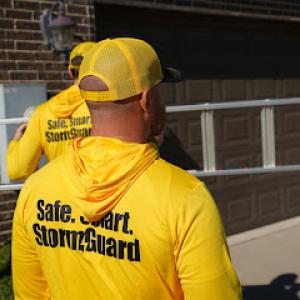
Storm Guard Roofing & Construction of the Piedmont Triad
(336) 283-0234 www.stormguardrc.com
Serving
4.8 from 164 reviews
Storm Guard Roofing & Construction of the Piedmont Triad is your premium roofing contractor offering a wide range of services to enhance your property. Specializing in expert roof repair and replacement, they also excel in window installation, siding, painting, and remodeling, promising a complete home renovation experience. As a locally owned and operated business, they pride themselves on the highest quality construction services at affordable prices, making them a trusted choice for residential and commercial projects
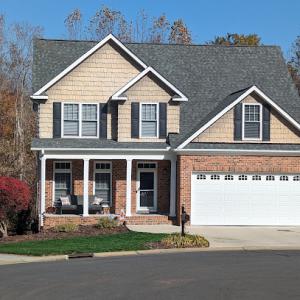
Jacob's Ladder Construction & Roofing
(336) 234-4184 www.jacobsladderroofers.com
Serving
4.6 from 51 reviews
Jacob's Ladder Construction & Roofing offers roofing and gutter replacement and repairs in the Winston-Salem, NC, area.
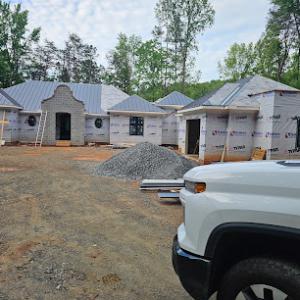
Barringer Roofing
(336) 345-3068 www.barringerroofing.com
Serving
4.8 from 65 reviews
Roofing contractor
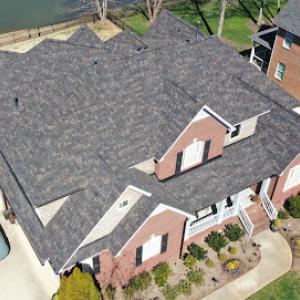
Carolina Professional Roof Systems
(336) 546-6292 carolinaprofessionalroofsystems.com
Serving
5.0 from 109 reviews
Carolina Professional Roof Systems delivers trusted residential and commercial roofing solutions in Winston‑Salem and throughout North Carolina. We specialize in expert roof replacement, storm and hail damage repair, roof installation, metal roof services, flat roof systems, silicone coatings and comprehensive roof restoration. As an Owens Corning® Preferred Contractor with an A+ BBB rating and consistent 5‑star reviews, we handle your project with top‑tier workmanship and insurance claim support. Count on us for dependable roofing, quality materials, and customer‑focused service that protects your home or business. Contact us today for a free estimate.
Statewide Roofing Specialist
(336) 936-5692 statewideroofingspecialist.com
Serving
4.7 from 92 reviews
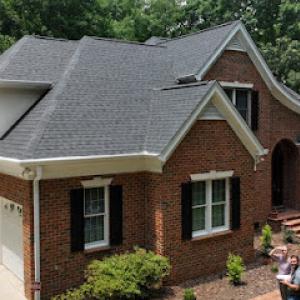
Statewide Roofing Specialist is a trusted roofing contractor in Winston Salem, NC, offering expert roof repair, roof replacement, gutter installation, and storm damage restoration. Since 2012, owner Mr. Terry Cribb and his certified team have proudly served Winston Salem and nearby Triad areas with high-quality residential and commercial roofing solutions. We provide 24/7 emergency service, free roof inspections, and support with insurance claims. Our installers are GAF Certified and Haag Certified Inspectors, and we've earned the Angie’s List Super Service Award for our commitment to excellence. Whether you need minor repairs or a full roof replacement, we offer financing options and long-term warranties to protect your investment.
Singleton Enterprise Roofing
Serving
4.5 from 15 reviews
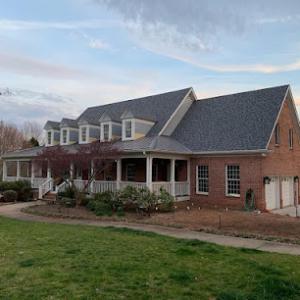
Singleton Enterprise is a roofing company in Lewisville, NC that aims to delight their residential roof repair and replacement customers. The company leaders have 60 years of combined shingle and metal roofing experience that will bring superior quality and craftsmanship to your project. If you're in Winston Salem, Greensboro, High Point, Statesville, Mount Airy, Kernersville, Mocksville, and anywhere within 50-60 miles of us, Give us a call. 📞
Candor Roofing
(336) 726-3400 candorroofingllc.com
Serving
5.0 from 15 reviews
At Candor Roofing, we take pride in providing top-notch services for all your roof and home exterior needs. Whether you’re dealing with storm-damaged roofs or simply in need of repairs, we’ve got you covered. Our team of experienced professionals is here to ensure your home remains safe, secure, and aesthetically pleasing. Visit our website for an instant quote!
Camel City Roofing
(336) 815-4480 camelcityroofing.com
Serving
4.9 from 121 reviews
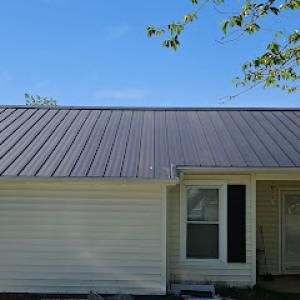
Looking for the best roofing company in Winston-Salem? Camel City Roofing is your trusted choice for reliable, high-quality roofing services in the Piedmont Triad. Whether you need a roof replacement, repair, or expert guidance, we deliver durable solutions with top-tier craftsmanship and customer care. At Camel City Roofing, we prioritize your peace of mind with transparent pricing, flexible financing options, and our innovative roofing cost calculator, giving you an instant estimate in no time. From residential to commercial roofing, our experienced team is committed to excellence, ensuring every project is completed on time and to the highest standards. When it comes to Winston-Salem roofing, you can always count on Camel City Roofing
A full roof replacement in Winston-Salem typically requires a building permit through the City of Winston-Salem Permits & Inspections Department. Before any shingle tear-off begins, check that the project is properly registered with the city, and identify which forms and submittals are required for a standard replacement versus any specialty roofing, such as metal or clay. It helps to have the project scope, roof size, and a brief plan ready when you call or visit the permit office, so the review process moves smoothly.
Plan review in this city may scrutinize flashing and ventilation details in addition to the basic replacement scope, reflecting local enforcement of wind-resistance and code-compliance requirements. Expect reviewers to look closely at valley and eave flashing, roof-to-wall interface, attic ventilation strategy, and the compatibility of underlayment with the chosen roofing material. If the home has a history of wind-related leaks or an older ventilation system, document improvements or upgrades to meet current codes. Having clear, dimensioned sketches of the roof layout and attic vents can speed the review.
Local inspections are commonly performed at tear-off or underlayment stage and again at final completion, so scheduling matters if crews are trying to dry-in a roof between spring rain events. Coordinate with the contractor to align the tear-off, underlayment, and first-surface installation with the city's inspection windows. If a storm disrupts the sequence, request an inspection extension rather than letting work proceed past a critical checkpoint. Timely inspections reduce the risk of rework caused by backtracking to meet code and permit conditions.
During the tear-off stage, expect an inspector to verify that a proper barrier is in place and that the structure is sound for the next phase. Underlayment installation is another key check, ensuring the system can shed moisture and resist wind uplift as the roof is prepared for your chosen material. The final inspection confirms that all components meet code requirements, including proper ventilation, flashing at penetrations, and overall wind resistance. Have a clear list of any manufacturer-required venting or fastener patterns on hand to demonstrate compliance.
Prepare a thorough set of documentation to accompany the permit submittal: roof dimensions, types of materials, venting strategy, and a brief notes section on weather-protection measures during the project. Include cross-sections showing the roof-to-wall interface and any special flashing details around chimneys or skylights. If a previous hail or storm event is relevant, assemble photos and any related reports that show the condition prior to work. Clear, organized files make it easier for inspectors to verify compliance and for you to stay on schedule.
In this market, asphalt shingles are the workhorse choice for a broad range of homes and price points. Their balance of cost, ease of installation, and available warranties makes them a practical fit for the mid- to upper-south neighborhoods that characterize the city's older streets and newer crescents alike. When you're evaluating a spring repair or a full replacement after a wind-driven storm, you'll commonly see asphalt stacks used to match or upgrade nearby roofs, ensuring consistent looks across a block. If a shingle system is chosen, pay particular attention to the impact of the humid season on sealant and installation accuracy-profits for a tight, wind-resistant seal hinge on precise setup during the heat of late spring and into early summer.
Hot, humid summers here accelerate shingle aging, and that reality ripples through every step of a project. Storage in the heat, rapid pace on installation days, and careful sealing around penetrations all matter more when the air sits humid and thick. For a replacement, scheduling matters: aim for dry windows, because moisture on the deck can complicate nailing patterns and adhesive performance. If you're dealing with a leak mid-season, the weather can push a quick tarp-and-repair plan into a longer, more involved fix. A local pro will stage underlayment and flashing with attention to venting and wind-resistance details that the area typically requires, especially on homes that sit at the edge of urban wood lines or near taller, neighboring structures that redirect gusts.
Metal roofing has a meaningful local specialist presence in Winston-Salem, offering a durable option that stands up well to the Piedmont's storm cycles when properly installed. It's often chosen for homes needing a longer service life or a distinct architectural statement, and installers here are attuned to the city's wind patterns and insulation needs. Tile options-clay, concrete, and to a lesser extent slate-appear as niche choices tied to specific architectural styles and higher-cost projects. Clay and concrete tiles bring a commanding curb appeal but demand a solid roof deck and careful flashing, especially around valleys and chimneys in storm-prone zones. Cedar and slate are even less common, reserved for restitched or historically sensitive homes where authenticity or heritage value justifies the premium and maintenance discipline required.
Spring storms can strike with short notice and high rainfall, testing any roof system. If a leak appears, prioritize safety and containment: cover the affected area from the inside, minimize water intrusion, and note the exact location. Photograph the damage at multiple angles, time-stamped if possible, and keep a simple diary of weather events and any temporary fixes you apply. When you contact your insurer, provide the documentation promptly and clearly-photos, a concise description of when the leak started, what you've observed, and any temporary repairs you've performed. Work with a locally familiar contractor who can inspect for wind-driven damage, flashing gaps, and improper venting, and who can advise on the best sequence for a repair that won't compromise the roof's performance during the humid season. These practices speed up the claim process and help ensure the repair or replacement is aligned with the city's expectations for wind resistance and proper sealing around penetrations.
Typical local pricing runs about $350 to $650 per square for asphalt shingles. In theTriad area, this remains the most common choice for older in-town homes and newer suburbs alike, offering a predictable path from tear-off to a weather-ready roof. When spring storm clusters roll through, crews can get booked for shingle replacements, tarps, and quick fixes, which may push out scheduling and temporarily raise material handling costs. If you're balancing budget with speed, asphalt remains your fastest route to a solid, wind-resistant layer, but plan for possible short-term price bumps during peak storm weeks.
Metal roofs in this market typically run from $600 to $1200 per square. Metal shines in Winston-Salem's thunderstorm rhythm, especially on modern or recently updated homes where curb appeal and long-term durability matter. During storm surges, metal crews can be in high demand for rapid tear-off, precise flashing, and wind-rated detailing, which can nudge the final price upward beyond the base material rate. If you're weighing metal, you're looking at strong performance in driving rain and hail, with a longer service life that can offset higher upfront costs over time.
Clay tile costs generally sit between $1200 and $2600 per square. This option suits certain architectural styles and heat tolerance, though it requires careful handling on older structures with mixed framing. Spring storms can tighten schedules as specialty crews are tied up with tile replacements and broken-tile repairs after hail events. The result is often a higher likelihood of project delays and incremental pricing adjustments for broken tile, set-out compliance, and careful roof restoration to preserve ventilation balance.
Concrete tile runs roughly from $900 to $1800 per square. It gives a robust look and solid weather resistance, which appeals to both historic neighborhoods and newer homes focused on long life. In peak storm periods, concrete tile jobs can see moderate price increases tied to crew demand and the extra care required to re-seat tiles, address flashing, and restore overall wind resistance.
Wood shingles or shakes come in about $700 to $1300 per square. This material brings a distinct appearance and good insulation when properly installed, but it can respond more sensitively to severe spring weather. Storm-driven demand can tighten scheduling, sometimes affecting both availability of skilled installers and the pacing of inspections after a replacement.
Slate is priced from $1800 to $4000 per square. It remains a premium option with exceptional longevity and a characteristic aesthetic. In busy spring months, slate projects often experience longer lead times, higher mobilization costs, and precise workmanship requirements for flashing, ventilation, and underlayment to preserve performance in the region's humidity and storms.
Across all materials, expect costs to rise after spring storm clusters as emergency demand surges and crews are booked for tarping, inspections, and insurance-related replacements. Build in a buffer for scheduling delays and potential incremental charges tied to rapid response work, interior protection, and ensuring proper ventilation and flashing corrections. When bidding, ask for a transparent line item breakdown that highlights material, tear-off, disposal, and any storm-specific adjustments so you're comparing apples to apples in Winston-Salem's dynamic market.
Don't let upfront costs delay a critical repair - these contractors offer payment plans to fit your budget.
Elite Roof & Solar - Winston-Salem
(336) 365-1261 eliteroofandsolar.com
Serving
4.9 from 103 reviews
Statewide Roofing Specialist
(336) 936-5692 statewideroofingspecialist.com
Serving
4.7 from 92 reviews
In this market, the field shingles often get most of the attention, but aging flashing and the way penetrations interact with roof planes are the quiet culprits behind many leaks. You'll see older homes with metal step and counterflashing that have lost their bite, or with sealant lines that have dried out and cracked after years of sun and storms. Ventilation details-intakes, exhausts, and ridge vents-are not just about a cooler attic; they're about keeping the transition points dry where the roof meets walls, chimneys, and dormers. If a roof overhangs a brick veneer or a shallowly pitched section, those transitions are where water tends to find a path, especially after the kind of spring storms this area often endures. The consequence is not always a dramatic waterfall, but a slow seep that silently rots decking and invites mold.
This town's established neighborhoods create a steady re-roofing market, and that isn't just about shingles aging. When shingles fail or lift, the immediate temptation is to patch, but the hidden risks lie at the transitions. A misaligned step flashing, an inadequately sealed valley, or a poorly flashed chimney cricket can let water sidle into attic spaces and interior walls long after the visible shingles look fine. A careful eye on the perimeter of the chimney, along sidewalls, and where roof planes meet parapets matters just as much as checking for missing granules on the field. After a storm, look for damp spots along ceilings near exterior walls, and don't assume a small leak can be treated with a quick tar patch-it often signals a broader failing in flashing detail or ventilation balance that will recur without correction.
Chimney-related roof intersections matter in this market because chimney work appears often enough among local contractor offerings to signal recurring homeowner need. Chimneys act like water funnels; if the flashing has sagged, the counterflashing has peeled, or the crown is cracked, water finds its way down along mortar joints and into attic spaces. Even when the shingles seem sound, a compromised chimney stack interface can become a persistent leak source. When evaluating or repairing, prioritize stripping back to sound flashing at the chimney line, ensuring proper sealants, and confirming that any chase or flashing extension is integrated with correct slope and drainage. This attention to chimney intersections isn't dramatic, but neglect here can translate into repeated drips that erode framing and insulation over time, especially under the pressure of spring storms.
Find contractors experienced in skylight installation, flashing, and leak repairs to bring natural light into your home.
Storm Guard Roofing & Construction of the Piedmont Triad
(336) 283-0234 www.stormguardrc.com
Serving
4.8 from 164 reviews
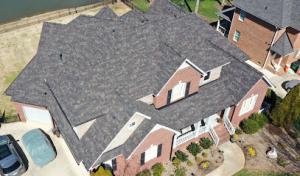
Carolina Professional Roof Systems
(336) 546-6292 carolinaprofessionalroofsystems.com
Serving
5.0 from 109 reviews
Spring in this area brings frequent thunderstorms and gusty winds that can interrupt tear-off, dry-in, and inspections. Plan ahead for intermittent work pauses and inspection delays after each storm cell. If a roof is already ripped back, storms can drive moisture into exposed underlayment, so aim to complete critical wet-weather steps promptly. A practical approach is to stage materials for quick tarp-down and to schedule wind-sensitive tasks for mid-to-late afternoon windows when winds are a bit more predictable. Communicate with the crew about weather-start thresholds and have a plan to secure loose debris if a shower circles back. Document any storm-related damage promptly for insurance notes and keep a simple log of dates when work paused and resumed.
Summer heat and humidity slow crew pace and influence on-site material handling, especially for asphalt products left stacked in the open. On lingering hot days, plan for more frequent breaks and ample hydration to maintain endurance and accuracy. Ensure shaded or reflective covers are used for exposed shingles and rolled underlayment, reducing heat damage during staging. Keep tarps and fasteners organized so wind doesn't fling loose pieces mid-afternoon. If a rain shower rolls through, have a quick tarp plan ready and a sheltered area to move sensitive materials. Clear communication with the homeowner about potential delay windows due to heat or humidity helps prevent surprises.
Fall offers the steadiest installation window locally, but late-season storms can still disrupt schedules before winter freezes or freezing rain. Target uninterrupted dry days for final inspections, flashing checks, and ventilation confirmation. Maintain a fall-back plan for rapid securement if a late storm interrupts work. As temperatures drop, check for proper adhesive set and wind-resistance details to avoid backsliding on progress. Coordinate post-storm leak checks with the homeowner so any residual weepage is noted and addressed quickly.
Winston-Salem's replacement-focused market means you'll see strong emphasis on workmanship promises and cleanup standards alongside material brands. A solid warranty can protect the replacement choice when spring thunderstorms show up with debris, wind scour, or attic ventilation shifts. The right warranty helps translate a contractor's confidence into a documented guarantee that covers both performance and post-installation care.
When reviewing the contract, confirm that the scope clearly lists what is covered after tear-off and installation. Look for coverage of workmanship mistakes related to ventilation and flashing corrections, since code-compliant replacements in this area often hinge on proper attic venting and weather-resistant details. Ensure the warranty specifies duration, what triggers a claim, and whether there is a requirement for annual inspections or maintenance. In a market where cleanup-included messaging is common, verify exactly how debris handling and property protection are reflected in the warranty and the scope. A robust document should spell out who is responsible for cleanup, what constitutes acceptable debris containment, and how protected surfaces are shielded during and after work.
The local presence of manufacturer-certified contractors is meaningful for a Winston-Salem project. If a contractor is aligned with a manufacturer that offers warranties tied to ventilation or flashing performance, that linkage can translate into more predictable resolution if issues arise after a storm. Confirm that the contractor's coverage extends to ventilation components and flashing corrections needed to meet the expected performance in your home's specific roof assembly. The warranty should also tie to the type of roofing material chosen and the corresponding installation standards, ensuring the protection aligns with the product's designed life.
Because cleanup messaging is prevalent here, insist on a clearly defined debris removal protocol. The warranty should include protection for landscaping, driveways, and siding during the tear-off, along with post-installation cleanup. Ask how debris bags, tarps, or enclosure methods are used on windy days to limit damage to nearby structures. Finally, verify that claim procedures are straightforward: who to call, required documentation, and typical turnaround times for repairs or replacements covered under the warranty.
Flat and low-slope roofing remains a secondary but real segment in this area, reflecting mixed residential and commercial demand rather than a city dominated by flat roofs. In neighborhoods with older in-town homes and newer suburban blocks, you'll encounter built-up roofs, modified bitumen, and single-ply membranes that perform well when properly installed and vented. Pay close attention to drainage patterns, edge detailing, and the condition of parapets and drip edges, since ponded water and wind-driven spray are common after spring storms.
Humidity and those spring storms test low-slope roofs differently than steep-slope homes. You should plan for regular inspections after heavy rainfall, with emphasis on flashings around penetrations, skylights, and where new flat additions meet shingles. Given the mix of housing stock, every edge and transition deserves a careful eye: defective seals, blistering, and algae growth can pretend to be minor issues but may signal moisture tracking into attic spaces. Prioritize quick resealing and reseating of membranes before heat and wind season arrives.
Specialty materials such as tile, cedar shake, and slate exist, but they represent a much smaller share of the market than asphalt and metal. When these materials appear on a low-slope layout or a retrofit, expect careful flashing details and precise slope calculations to avoid ponding and water intrusion. For cedar and slate, ensure ventilation and substrate compatibility, especially where older homes have limited attic space or irregular roof lines. Remember that tile and slate demand experienced installers due to weight and expansion considerations, which makes quality workmanship especially critical.
Solar-integrated roofing and roof-coating services appear only minimally in local contractor signals, so they are niche options rather than mainstream decisions. If considering solar on a low-slope roof, verify compatibility with existing electrical backfed systems and confirm a robust, weather-tight membrane is preserved beneath any integration. For coatings, choose reflective, weather-tested products and ensure surface preparation and adhesion are appropriate for the substrate and local humidity cycles.
When assessing low-slope or specialty roofs after a storm, start with a thorough exterior inspection, focusing on transitions between flat sections and steeper areas, as well as around rooftop penetrations. Move to attic ventilation checks if condensation or unusual warmth is detected on hot days. Because multiple roof types may exist on neighboring properties, a careful, site-specific plan helps keep edge detailing, ventilation, and substrate health aligned with long-term performance in this climate.
Find specialists in TPO, EPDM, and built-up flat roofing systems for residential and commercial properties.
Elite Roof & Solar - Winston-Salem
(336) 365-1261 eliteroofandsolar.com
Serving
4.9 from 103 reviews
Storm Guard Roofing & Construction of the Piedmont Triad
(336) 283-0234 www.stormguardrc.com
Serving
4.8 from 164 reviews
Carolina Professional Roof Systems
(336) 546-6292 carolinaprofessionalroofsystems.com
Serving
5.0 from 109 reviews