
Last updated: Apr 19, 2026
The Pee Dee heat hits hard and sticks around, and that makes reroof timing in this area uniquely sensitive. High afternoon heat doesn't just slow crews - it also accelerates drying challenges for underlayment and fasteners, increasing the risk of moisture seeping into decking if the roof isn't dried in properly. Humidity lingers, so what looks dry at the start of the day can trap moisture beneath shingles if rain or mist rolls in mid-afternoon. Because of this, scheduling must prioritize cooler morning hours and solid daytime dry spells. If a roof replacement is planned during peak heat, insist on extended dry-in periods and deliberate ventilation strategy to push moisture out of the attic and roof deck before sealing. In practical terms, you want calm mornings, no sudden downpours, and a plan to pause if humidity spikes or moisture reads above a safe threshold.
Florence's summer thunderstorms and hurricane season can instantly derail tear-off, dry-in, and shingle sealing. A sudden pop-up storm can flood the crawlspace, soak exposed decking, or wash away freshly set sealant before it cures. Dry-in windows-when the deck and underlayment must stay dry to prevent rot and adhesion issues-become narrow. Expect delays if a tropical system tracks close or if a sequence of afternoon storms rolls through. The risk isn't just rain; it's wind-driven debris and pressure changes that can lift exposed underlayment or loosen fasteners mid-work. This is why many local crews won't push a full tear-off during volatile weeks and instead resequence work to wait for a prolonged stretch of dry, calm days. If a storm is expected, having a contingency plan for securing exposed decking and temporarily covering openings can save days in the schedule.
Winter and early spring rains in this area persist enough to stretch project timelines. Cold, wet days slow adhesive cures and can compromise synthetic underlayments or ice-dam prevention strategies. Even if temperatures rise, persistent drizzle or overcast skies can keep decking damp for longer than anticipated. Plan for a longer-than-average stretch of wet cool-season days and align carpentry, decking inspection, and interior moisture-control measures accordingly. Slow, steady progress becomes the safety baseline, with clear checkpoints to re-check attic ventilation and humidity levels before moving to a full sealing pass.
Coordinate closely with the roofing crew to lock in a sequence that prioritizes a solid, dry-in window. Use weather trackers that provide 48-hour forecasts and push back tear-off if rain chances exceed a practical threshold. Build in buffer days after a storm or heavy rain to verify decking dryness and attic ventilation performance before you apply the final sealant. Ensure ventilation planning accounts for hot, humid days and any sudden storm-driven pressure changes. Emphasize moisture management from the start: inspect decking for soft spots, install cross-ventilation in the attic, and verify that soffit and ridge vents are clear so moisture can vent efficiently during and after tear-off. With Florence's stormy rhythm, decisive scheduling and vigilant moisture control aren't luxuries-they're the only reliable path to a long-lasting reroof.
In Florence, high humidity and repeated moisture cycles directly affect shingle adhesion and make ventilation performance a core installation issue rather than a secondary upgrade. When the roof deck and underlayment stay damp, asphalt shingles or other varieties can curl or lift sooner, and organic materials in shakes or wood shingles can start to deteriorate faster. The practical takeaway is to treat moisture behavior as part of the sealing strategy, not a separate step. During removal, inspect the felt or synthetic underlayment for translucence, mold, or squishy spots, and verify the new layer dries quickly after rain events. Use fast-drying underlayments or moisture-shedding membranes in areas prone to lingering dampness, and ensure any existing decking that shows signs of rot is replaced before new shingles go on. The goal is a dry, stable surface that allows sealant and starter strips to grip uniformly.
Local reroof inspections specifically verify underlayment and ventilation, reflecting how important moisture control is in Florence installations. A poorly balanced intake and exhaust can trap warm, humid air in the attic, speeding asphalt aging and accelerating corrosion on metal components. Ensure the soffit vents provide sufficient intake without being blocked by insulation or attic baffles, and pair them with ridge or attic exhaust vents sized to handle the peak moisture load in midsummer thunderstorms. If the attic feels warm or smells damp after a rain, revisit the venting plan before shingles go down. In practice, you want consistent airflow that reduces attic humidity by daylight and keeps the deck surface closer to ambient outdoor humidity, not a stagnant pocket of wet air.
Humidity drives the need for a robust moisture-control strategy in the Florence climate. Choose underlayment with laminated or breathable properties that still offer a rain barrier. This helps prevent moisture from wicking up into the shingles and triggering adhesive failure, especially on hot days when the sun bakes the roof and expands the shingle tabs. Before installation, dry-fit sections to test nail line depth and sealing at hip and rafter intersections, then recheck after a few warm, humid days to confirm there are no damp spots along the eaves. If attic moisture readings stay high, consider upgrading to a higher-permeance, water-shedding layer and reseal all penetrations thoroughly.
Frequent rain and humid attic conditions in the Florence area can accelerate roof wear when intake and exhaust ventilation are poorly balanced. Plan reroofing around the seasonal storm pattern, ensuring ventilation changes are coordinated with deck exposure and attic sealing. After a heavy rain, recheck that ridge vents remain clear and that soffit intakes are not blocked by debris or insulation buildup. If a storm arrives mid-install, protect the underlayment from driving moisture and keep a close eye on any exposed fasteners and sealants.
During installation, keep the roof area clean and dry for as long as possible, especially around the eaves where moisture tends to accumulate. Dry-in the roof with careful sealing of all penetrations, and confirm that any turbine or powered vents are wired for continuous operation under humid conditions. Finally, test a small section after completion by simulating a heavy shower to confirm the shingles seal properly and that there is no notable moisture transfer from underlayment to the outer layer.
The most popular roofing material in the US. Find pros who install, repair, and replace asphalt shingles.
RoofMasters Roofing Solutions
(843) 409-2056 scroofmasters.com
901 2nd Loop Rd, Florence, South Carolina
5.0 from 25 reviews
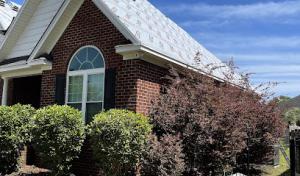
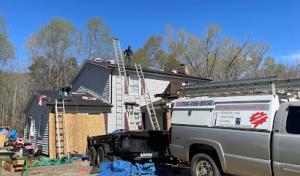
Thunderstorms with wind and hail are a regular stress test for roofs in this area. When the storm passes, move quickly to safety and begin a cautious roof check from the ground only if it's safe. Look for missing shingles, visible granule loss, dented metal flashing, and exposed underlayment around vents and chimneys. Water spots on ceilings or attic signs of moisture can signal unseen damage that needs professional eyes sooner rather than later. Rapid triage helps prevent small issues from becoming big, costly claims later in the season.
South Carolina's thunderstorm and wind/hail claim environment is highly relevant in this region, where storm-related roof damage is a recurring homeowner concern. Insurers serving this market typically expect thorough documentation, including before-and-after photos and contractor warranty records. Take clear photos from ground level, then close-ups of damaged areas. Photograph attic insulation and roof deck if accessible and safe. Keep dated, professional notes on what was observed, the date of the storm, and weather conditions. Gather any prior maintenance records and proof of previous roof work, since roof age and installation quality may receive added scrutiny in storm-prone claims. Store everything in a dedicated, organized folder you can share with adjusters or your contractor.
In a storm claim, adjusters expect a straightforward narrative: what happened, when it happened, and how the damage is connected to a reported storm event. For a visually compromised roof, documented evidence matters more than estimates alone. Warranty coverage and workmanship records help establish baseline condition and responsible oversight. Insurers will scrutinize the roof's age, installation quality, and whether prior work aligns with current damage. Be prepared to explain any maintenance gaps or previous repairs and how they relate to present conditions. Having a cohesive story with explicit time stamps, photos, and receipts can reduce back-and-forth and speed up the process.
Tile and shingle patterns with heat and humidity exposure can accelerate wear in a storm-prone climate. In the attic, look for moisture staining, condensed vapor, or compromised ventilation that can amplify wind and hail damage. If a contractor notes elevated moisture or compromised decking, address it promptly-wet materials invite faster deterioration and raise questions during claim reviews. Ensure the claim packet includes a clear, itemized list of affected areas, from attic to gutter line, with corresponding photos and dates. A well-documented, targeted claim reduces ambiguity and supports a faster, fair assessment.
Before calling your insurer, assemble a concise damage timeline, a current inventory of visible issues, and a list of professional warranties and inspections. Have a trusted local contractor prepare a written assessment and a stamped, dated estimate for repairs that ties to the photos and notes. If in doubt, schedule a no-surprise, storm-season safety check with a contractor who understands how Florence moisture and thunderstorm patterns impact roof components. Prompt, precise documentation paired with credible professional input helps ensure a smoother claim experience.
Connect with contractors who help homeowners navigate the claims process from damage assessment to final approval.
RoofMasters Roofing Solutions
(843) 409-2056 scroofmasters.com
901 2nd Loop Rd, Florence, South Carolina
5.0 from 25 reviews
Need a local, roofing contractor? You're in luck, RoofMasters Roofing is here to save you. Stay dry and keep your home in great shape with our roof repair and replacement services. Whether residential or commercial, shingles or metal, we can do it all. Being a homeowner requires attention to detail. When the rain pours and storms roll through town, you want the peace of mind that your roof will withstand the weather. We serve all of Florence and the surrounding areas, and we always give free estimates. So whether you need a few small repairs done, or you want to re-roof your home, our prices are fair and affordable!
Homewood Metalworks
(843) 407-7077 homewoodmetalworks.com
2539 W Lucas St, Florence, South Carolina
4.7 from 22 reviews
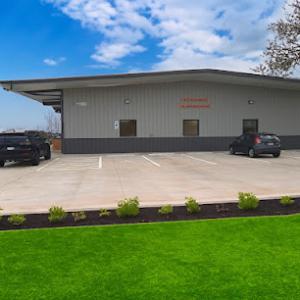
With over 35 years of experience in the construction business, and as an Unlimited Licensed General Contractor, Homewood Metalworks locally manufactures custom metal roofing and wall panels, as well as all accessories out of our 68,000 square foot warehouse in Conway, SC. We provide an extremely experienced crew, our own fleet of construction vehicles and heavy equipment – all of which are ready for utility installation and construction projects. Homewood Metalworks has sales offices in Conway, Florence, Moncks Corner SC, and Laurinburg, NC. We can handle any metal roofing, trim, or metal building needs. Stop by and meet with one of our sales consultants or receive a free quote by phone or website. We're open to the public!
Florence Roofing
(843) 942-9226 www.florenceroofingsc.com
700 S Parker Dr Suite 3, Florence, South Carolina
5.0 from 11 reviews
Florence Roofing, we offer roofing services that we take pride in holding to the absolute highest standards. From the very first day we opened our doors, we have always prioritized offering customer service that is unmatched and craftsmanship that exceeds industry standards in every way. We believe in delivering value to our customers and earning the privilege of being the name they turn to for all of their roofing needs. The next time you need a simple inspection, a general repair, or some major work including a full replacement, call us and give us the opportunity to earn your trust for today and for the future.
Corrow Construction
(843) 536-4738 roofingflorence.com
Florence, SC
4.5 from 31 reviews
At Corrow Construction, we keep up to date on zoning laws, building permit requirements, and homeowners association guidelines, so you can be sure that we'll install your new roof the right way the first time - on time and within your budget. We pride ourselves on solid workmanship and excellent customer service, and when you hire us for your roof installation project, you'll get a dedicated team of professionals every step of the way.

Southern Remodelers
1827 Trade St, Florence, South Carolina
5.0 from 8 reviews
Roofing Florence Sc commercial and residential
Moore & Moore Roofing
(843) 319-5846 www.mooreandmooreroofing.com
720 Turnpike Rd, Florence, South Carolina
5.0 from 7 reviews
We have been in the roofing industry since 1995. We are licensed, bonded and insured. Free estimates. With a great reputation for quality and integrity, we look forward to meeting you.
Mahaua Roofing & Construction
(843) 932-2828 mahauaroofingconstruction.com
Serving
5.0 from 36 reviews
Mahaua Roofing & Construction provides professional residential and commercial roofing services in Florence, SC. Call our experts now!
Mendoza Roofing Florence
Serving
4.8 from 27 reviews
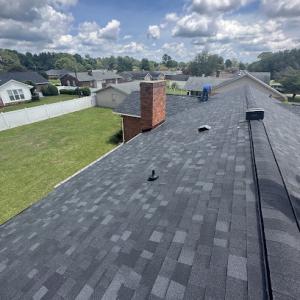
At Mendoza Roofing, our goal is to provide all our customers with outstanding roofing service. We are constantly participating in new training to improve our skills and techniques to best serve our customers. Mendoza roofing believes in delivering a great experience and treating everyone's home like our own. We treat your homes roof with the top care that it deserves and only use the most premium roofing products.
Rosser Construction
(843) 874-6680 rosserconstructionsc.com
Serving
5.0 from 16 reviews
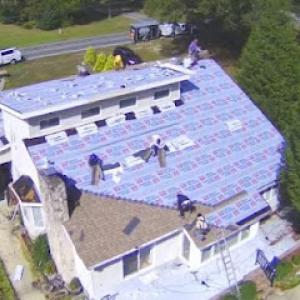
Rosser Roofing proudly serves residential and commercial clients across South Carolina and Southeastern North Carolina with dependable, high-quality roofing services rooted in craftsmanship, honesty, and dedication. Based in Bennettsville, SC, and led by Tony Rosser, we bring over 50 years of family roofing experience to every job. From new roofs and full replacements to leak repairs and inspections, we serve areas like Florence, Conway, Sumter, Myrtle Beach, and Laurinburg. Our team is known for clear communication, timely service, and durable roofing systems built to last.
JMT Home Improvements
(704) 706-8458 www.facebook.com
Serving
5.0 from 89 reviews
Emergency leaks? Call us anytime!
Roofing Florence SC
(843) 256-3070 roofingflorencesc.com
Serving
4.1 from 13 reviews
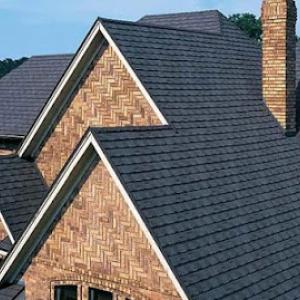
At Roofing Florence SC, we are your trusted roofing experts serving the Florence area. We specialize in roof replacement, roof installation, and roof repair for both homes and businesses. Our team of experienced professionals is dedicated to providing top-quality service, using the best materials to ensure your roof is built to last. Whether you need a new roof or want to explore the benefits of metal roofing, we’ve got you covered. Proudly serving the Florence community, we’re here to help keep your property safe and looking great. Call us today for reliable roofing solutions!
America's Southern Roofing
Serving
4.9 from 154 reviews
America's Southern Roofing, located in Albemarle NC, is a full service roofing company fully insured and ready to take on even the largest roofing jobs. We do residential roofing, commercial roofing, and give you a FREE inspection and meet with your insurance adjusters. Whether you have storm damage or just want a new look we can handle your job and home with care. Our asphalt, metal, wood, membrane, and rolled roofing products are high quality and warrantied for your peace of mind. Choose America's Southern Roofing to repair or replace the largest asset on your home!
Asphalt shingles and metal roofing are the dominant options in this market, striking a balance between affordability, storm resilience, and reroof demand. In a climate marked by Pee Dee heat and heavy summer storms, these two materials often meet the practical needs of homeowners: quick installation windows, solid wind resistance, and good compatibility with common Florence housing stock. Asphalt keeps upfront work practical for rapid reroofs after a storm, while metal provides long-term durability where storm interruptions and hail risk are higher.
Clay and concrete tiles arrive with strong longevity and a distinct look, but they behave differently under relentless heat, humidity, and sudden downpours. Clay and concrete can respond to moisture swings with expansion and potential cracking if attic ventilation and underlayment aren't well planned. Wood shingles or shakes bring a traditional aesthetic that many neighborhoods prize, yet they demand meticulous moisture management and reliable termite and rot protection in this humid climate. Fiber cement shingles offer a compromise-more resistant to moisture than wood, but still benefiting from robust ventilation and proper attic conditioning to prevent accelerated wear during hot, wet seasons.
Material selection should account for moisture handling and storm interruption risk, not just upfront price, because the local climate accelerates wear. High humidity and frequent summer storms mean roofs spend more time near dew point and under driving rain. The best choices pair a weather-appropriate skin with a thoughtful ventilation plan and a durable underlayment. Metal roofs, for example, handle rain and heat well, but consistent attic ventilation remains essential to prevent condensation and thermal stress at joints. Asphalt shingles pair well with a modern synthetic underlayment and continuous ventilation to reduce moisture-related blistering and edge damage during storm cycles.
Ventilation planning matters as much as the roofing material itself. In Florence, a well-sealed attic with balanced intake and exhaust vents, plus ridge and soffit ventilation, helps manage heat buildup and moisture migration during long dry spells followed by sudden rains. A reroof should align the chosen material with a ventilation strategy that minimizes trapped humidity and supports a longer roof life through Florence's storm season. This combination-material suited to heat and rain, plus a robust ventilation plan-offers the most resilient performance in this market.
Explore specialists in steel, aluminum, and standing seam metal roofs built to last 50 years or more.
RoofMasters Roofing Solutions
(843) 409-2056 scroofmasters.com
901 2nd Loop Rd, Florence, South Carolina
5.0 from 25 reviews
Homewood Metalworks
(843) 407-7077 homewoodmetalworks.com
2539 W Lucas St, Florence, South Carolina
4.7 from 22 reviews
Typical Florence pricing ranges from 350 to 700 USD per square for asphalt shingles, 600 to 1000 for metal, 800 to 1800 for clay tile, 600 to 1000 for concrete tile, 700 to 1200 for wood shingles or shakes, and 450 to 850 for fiber cement shingles. Those bands reflect what crews in this market face when suppliers adjust for demand after a big storm or a heat wave that stresses inventory. Asphalt remains the most common on mid-housing stock, but when a storm passes through and crews are scarce, you may see premium scheduling and crew rates that push prices higher than the baseline. The material choice itself shifts the bulk of your upfront cost, but the local weather rhythm can tilt the final tally by a noticeable margin.
Storm-driven demand spikes are a real factor here. After a thunderstorm or high-wind event, the phone rings for days as homeowners try to lock in a reroof before the next round of heat and humidity return. That surge in demand can compress scheduling windows and tighten labor availability, which often translates into higher labor costs and limited contractor options. If your roof needs quick work to prevent moisture intrusion during a humid spell, you'll likely pay a premium for expedited or weekend work, and delays can rack up carrying costs tied to weather-driven windows.
Florence's heat and humidity accelerate moisture movement through roof assemblies, so proper ventilation and moisture control become cost drivers in both material selection and installation technique. If a retrofit requires upgrading soffit vents, ridge vents, or an upgraded decking underlayment to handle moisture more effectively, expect the per-square price to trend toward the higher end for the chosen material. Conversely, a straightforward on-rafters replacement with adequate existing ventilation can keep costs closer to the lower end of the material range, but you should plan for contingencies if moisture intrusion has compromised decking.
Weather windows drive timing more than you might expect. The hiring cycle tightens when storms are ahead in the forecast, so coordinating with a contractor who can extend bids across several weeks helps prevent last-minute price jumps. In practice, aligning your roof replacement with a calmer stretch in late summer or early fall can flatten some of the surge related to storm season, keeping the project closer to the lower end of the price bands while still protecting the home from moisture.
Get a clear picture of your project costs upfront - no commitment required.
RoofMasters Roofing Solutions
(843) 409-2056 scroofmasters.com
901 2nd Loop Rd, Florence, South Carolina
5.0 from 25 reviews
Homewood Metalworks
(843) 407-7077 homewoodmetalworks.com
2539 W Lucas St, Florence, South Carolina
4.7 from 22 reviews
Moore & Moore Roofing
(843) 319-5846 www.mooreandmooreroofing.com
720 Turnpike Rd, Florence, South Carolina
5.0 from 7 reviews
In this city, reroofs require a building permit rather than treating replacement as exempt maintenance. That means you cannot just proceed after a visual estimate; you must have the permit lined up before framing starts. The roofing contractor typically takes care of filing the permit with the local building department. You should expect to provide project details, material selections, and a proposed timeline when the permit is submitted. This keeps the project moving and helps align with the storm season rhythms that affect timing.
Reroofs are reviewed in two key checkpoints: rough-in and final. The rough-in inspection focuses on underlayment installation, venting layout, and the basic heft of roof deck repairs if touched. In a humid climate like Pee Dee heat, make sure underlayment choices and vent placement meet code intent and local interpretations. The final inspection confirms that the installation complies with current standards, that ventilation is functional, and that all penetrations and flashing are properly sealed to resist upcoming thunderstorms and lingering moisture.
Processing can take anywhere from a few days to a couple of weeks, depending on department workload and any minor deferrals. Plan for possible weather-driven delays during peak storm season, and coordinate a window when the roof can be opened for ventilation checks and sheathing assessment without introducing prolonged moisture exposure to the interior. On inspection day, have all documentation ready: permit card, contractor notes, and a clear recap of underlayment type, venting arrangement, and a summary of installation steps.
Keep communication open with the contractor about inspection targets and any weather windows. After rough-in, walk the roof with the inspector companion to verify vent paths and underlayment alignment. After final, confirm that any punch-list items are resolved promptly to avoid rechecks that stretch the timeline. In Florence, timely inspections help minimize moisture-related wear and keep the reroof process on track through the summer storm cycle.
In this climate, insurance carriers watch for how a roof weathers the frequent thunderstorm season and the risk of wind and hail damage. While statewide pullbacks are not the norm, some carriers tighten coverage in storm-prone pockets and will scrutinize roof age and workmanship before renewing or issuing a policy. That means a roof that looks old or improperly installed can influence premiums, denials, or post-loss decisions even if a repair seems minor.
For a homeowner, contractor warranties and complete photo documentation are essential because insurers commonly request proof of condition and all repairs. Take clear after pictures of every roof surface, flashings, and vents, plus a written summary of what was done and who performed it. Include moisture-related details from attic spaces and ventilation work, since that evidence often tips the balance when a claim is filed after a summer storm.
Plan reroofs with the storm calendar in mind, aiming to complete major work before the worst of the season if possible. Choose a contractor who offers solid workmanship guarantees and can provide a detailed impairment-free warranty. Ensure a thorough moisture management plan and proper ventilation are part of the scope, not an afterthought, because that affects performance under humid summers and heavy rain.
Maintain open records, keep receipts and inspection reports, and share a concise repair narrative with your insurer when questions arise. Local carriers respect a straightforward, well-documented file, and timely communication can prevent misunderstandings after a claim. That readiness can mean faster claim decisions and fewer surprises when a storm hits later for you.