
Last updated: Apr 19, 2026
In Charlotte, the most disruptive roofing season arrives with booming spring storms, hail, and wind-driven rain. Those conditions can create sudden leaks and trigger surges in repair demand fast. A small opening today can become a soaking problem tomorrow, especially as warm, humid air settles in after a storm. The clock is ticking when a storm passes: moisture moves quickly from attic to living space, and mold can take hold in a matter of days if water is left unchecked. Stay alert for fresh leaks after each storm and treat even minor indicators as potential red flags.
If you notice damp ceilings, interior staining, or shingles that look visibly disturbed, take fast action. The first move is tarping to protect the interior and any valuables. A sturdy, weatherproof tarp over the affected area buys you time while you arrange a professional assessment and a proper repair plan. Do not delay-warm, humid conditions accelerate moisture intrusion, and a temporary cover reduces the risk of additional damage from the next round of storms. Keep a flashlight handy to inspect the attic access and look for actively dripping water, warped decking, or soft spots in the ceiling.
Hail bruising is a signature in this area. Look for dimples or hits on shingles, exposed underlayment, and dented flashing. Lifted shingles create vulnerable seams that invite water intrusion, especially along ridge lines and roof-to-wall transitions. Flashing around chimneys, vents, and skylights often suffers from wind shear, allowing water to seep where it shouldn't. Debris from branches can punch holes, bend metal components, and wedge under shingles, pushing gaps that invite leaks. Knowing these patterns helps you prioritize what to document and where to inspect first.
Take clear, date-stamped photos from multiple angles after a storm: the roof crest, transitions, and any interior signs of moisture. Include close-ups of damaged flashing, lifted edges, and broken or missing shingles. Capture attic spaces if you have access-look for dark staining, damp insulation, or mold growth. Maintain a log of storm dates, observed leaks, and any temporary repairs you perform. This documentation speeds up insurance assessment and helps contractors target the right repairs without unnecessary delays.
If you can access the attic safely, remove standing water and ventilate the space to limit mold risk. Do not power up electronics near damp areas, and avoid attempting full roof repairs yourself unless you have proper experience and equipment. When selecting a contractor, prioritize those with a track record of storm damage response and tarping services, because timely stabilization can prevent secondary damage that compounds costs and complexity. Ask for a written proposal outlining a staged repair approach: immediate tarping and water stoppage, temporary fixes for critical leaks, and a recommended long-term roof restoration plan.
After a storm, expect a surge of repair calls. A reliable local roofer will schedule a rapid site visit to confirm damage, provide a documented assessment, and outline a clear sequence of temporary measures followed by permanent restoration. In a season where the weather can turn on a dime, the ability to mobilize quickly, secure the site, and communicate openly about priorities is the difference between a manageable leak and a lingering headache. Keep your lines of communication open, share your documentation promptly, and insist on a step-by-step plan that prioritizes interior protection and timely restoration.
Carolina Roof Consultants
(704) 277-4582 www.carolinaroofconsultants.com
1237 Tyvola Rd B, Charlotte, North Carolina
5.0 from 851 reviews
We are North and South Carolina's roofing experts. We specialize in residential and all types of commercial roofing. North Carolina General Contractor License #86505, South Carolina General Contractor License #CLG.125221.
Five Star Restoration
Charlotte, North Carolina
5.0 from 269 reviews
Five Star Restoration specializes in expertly repairing and restoring roofs damaged by water, providing top-notch solutions to safeguard your home from leaks and structural deterioration. With a proven track record of excellence, we're your trusted partners in ensuring a dry and secure living space.
Signature Exteriors
(704) 941-6961 signatureexteriorsinc.com
210 N Church St, Charlotte, North Carolina
5.0 from 601 reviews
Signature Exteriors is a roofing contractor located in Charlotte, NC offering residential and commercial roofing services. We offer roof inspections, roof leak repairs, roof replacements, and insurance claim assistance! We are an industry leader in providing high-quality roofing and gutter services to Charlotte and the surrounding areas like Waxhaw, Mooresville, Concord, Fort Mill, and more! As one of the highest-rated roofing companies in North Carolina and South Carolina, our dedication to craftsmanship, quality materials, and customer service allows us to stand out. With over 40 years of roofing experience in Charlotte, our company will get your roof done right, at a reasonable cost, and with excellent service!
TruROOF
(803) 878-7663 www.truroof.com
3540 Toringdon Way Suite 200, Charlotte, North Carolina
5.0 from 370 reviews
Here at TruROOF we are trusted because we work in responsible ways to fulfill what we understand to be each customer’s desire for their home or business. TRUSTED, RESPONSIBLE & UNDERSTANDING are more than words, they are values we demonstrate every day.
Triumph Roofing
(704) 559-9667 triumphroofingcharlotte.com
8350 Arrowridge Blvd a, Charlotte, North Carolina
5.0 from 142 reviews
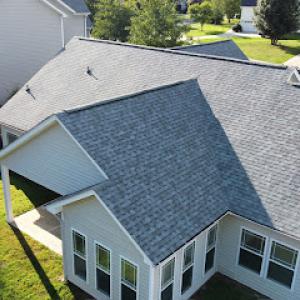
Triumph Roofing is a licensed and insured roofing contractor in Charlotte NC, delivering expert residential roofing services to homeowners across the greater Charlotte metro. Our certified roofers specialize in roof replacement, roof repair, storm damage restoration, emergency roof repair, metal roofing, asphalt shingle roofing, attic fan installation, chimney cap replacement, siding installation, gutter installation and gutter repair. Proudly serving South Charlotte, North Charlotte, Ballantyne, Steele Creek, University Area, Huntersville, Matthews, Pineville, Mint Hill, Indian Trail and Concord. Free roof inspections, insurance claim assistance and competitive pricing. Quality materials, skilled craftsmanship, 5-star rated service.
Blue Fox Roofing & Renovations
(704) 992-7750 www.bluefoxroofing.com
Charlotte, North Carolina
4.9 from 371 reviews
Are you considering a new roof installation or roof replacement in Charlotte, Mecklenburg, or Union County, NC? Or, perhaps your home is located in York or Lancaster County, SC. Either way, Blue Fox Roofing & Renovations is ready to help you achieve the leak-free roof system you want.Your search for a professional “roofing company near me” ends now. Call Blue Fox Roofing today at (704) 992-7750 to chat with our friendly staff about your roof inspection, roof repair, roof restoration, and roof installation services.Put the 25 years of industry experience of our family-owned residential roofing company to work for you. Roof Leaks: We find 'em. We fix 'em. We promise.
21 Roofing Group (Serving The Carolinas)
(980) 277-4421 21roofinggroup.com
9600 Southern Pine Blvd # F, Charlotte, North Carolina
4.9 from 319 reviews
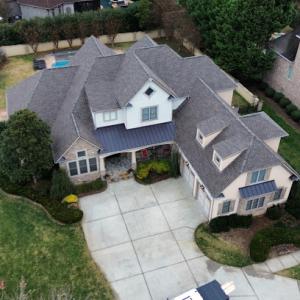
Entrust Our Team of Professionals As your local Charlotte roofing service provider, we take pride in integrity and relationships first. We want you to feel comfortable in the uncomfortable circumstances that roofing headaches can cause. Apart from working in the roofing industry, we are also homeowners and clearly understand the stresses with unexpected home issues. We are available and we come to assess your roof with an understanding of the headaches this may be causing you. We are affordable. As homeowners, we understand the financial implications of home maintenance and repairs. We are here to provide for our families, however we are here for the long haul and want to become your go to call for all your roofing, gutter & siding needs.
Southern Star Roofing Charlotte
(704) 937-7663 southernstarroofing.com
6132 Brookshire Blvd Suite I, Charlotte, North Carolina
4.9 from 353 reviews
Since 2010, Southern Star Roofing has been a trusted leader in residential and commercial roofing throughout the Charlotte metropolitan area. As an experienced roofer with decades of combined roofing experience, we specialize in high-quality roof replacements and professional repairs and offer roof financing for large roof replacement projects. We offer a complete range of roof inspection, replacement, repair and installation services delivered by a team of highly-trained local specialists. Committed to using only premium materials and providing exceptional value, Southern Star Roofing ensures every project is handled with precision and care, leaving you with a durable and beautiful result for your home or business.
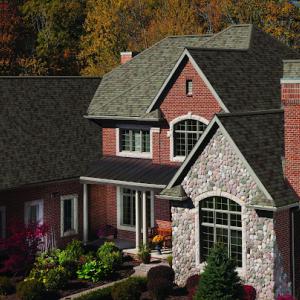
Merritt Roofing
(704) 303-4774 www.merrittroofing.com
126 N McDowell St Suite 201, Charlotte, North Carolina
5.0 from 100 reviews
You can search far and wide for a professional roofing contractor, but nothing can come close to the professionalism and high-quality services of Merritt Roofing. Serving homeowners since 2009, the company offers a full range of roofing services including roof replacements, new installations, repairs, inspections, gutter services, and even storm damage restoration. With a team of licensed and experienced contractors including a HAAG certified roof inspector, Merritt Roofing gets the job done right the first time, every time. If something went wrong, however, the company will take full accountability and do everything to make it right. Call now or visit their website to schedule an appointment. Free estimates are available.
Charlotte Roofing Specialists
(704) 610-6616 www.charlotteroofing.com
3605-B Latrobe Dr, Charlotte, North Carolina
4.9 from 231 reviews
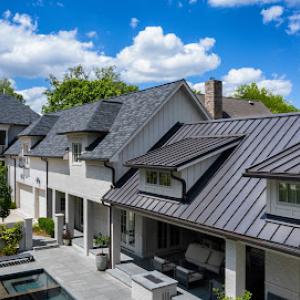
Since 2010, Charlotte Roofing Specialists has been the trusted choice for roofing services in Charlotte, North Carolina. As a locally owned and operated business, we take pride in providing exceptional Roofing Contractor Services and Roofing Insulation Services. What sets us apart is our Roofing Specialty designation on our General Contractor's Licenses, demonstrating our expertise in roofing. We hold General Contractor's Licenses for both North Carolina and South Carolina. Whether you need a new roof for a new build or an existing structure, we are the licensed roofing contractor you can rely on. Contact us today for all your roofing needs in Charlotte, NC.
Masters Roofing
(704) 659-1290 www.mastersroofinginc.com
10801 Johnston Rd STE 210D, Charlotte, North Carolina
4.9 from 246 reviews
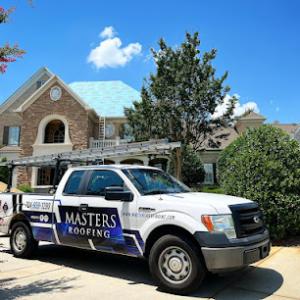
Masters Roofing is a locally owned and operated residential roofing contractor established in 2012 proudly serving Charlotte and the surrounding areas. We offer full roof replacement services as well as roof repair services. With over 25 years of experience, you benefit from a quality-focused roofer with exceptional customer service and an attention to detail that only a local roofing contractor can deliver. Our goal is to provide our clients with a stress-free experience and a trusting relationship that can continue to build for years to come.
Iron Sharp Precision Contracting
11220 Elm Ln Ste 202, Charlotte, North Carolina
5.0 from 133 reviews
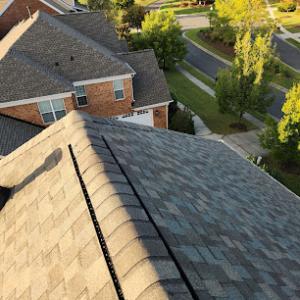
Iron Sharp Precision Contracting promises to deliver the ultimate roofing experience for every client. Using their in-depth industry knowledge, they provide a tailored roofing solution to each home to maintain the beauty and integrity of the property. Combining artistry and cutting-edge techniques, they guarantee a high-quality result delivered by their highly trained and skilled team. Iron Sharp Precision Contracting is the trusted choice for homeowners who demand excellence and precision in their roofing needs.
When you're budgeting after spring storms, use these Charlotte ranges per square: asphalt shingles 320 to 680, metal 500 to 900, clay tile 700 to 1400, concrete tile 650 to 1300, synthetic/composite 350 to 700, and slate 900 to 1800. These figures reflect real local pricing patterns for homes across the metro, from suburban split-levels to higher-end, tile- or slate-loaded roofs. Material choice drives most of the cost variance, but labor accessibility and scheduling gaps can widen the spread during storm-driven peaks.
Charlotte experiences frequent spring thunderstorm damage, and labor and material demand spikes can tighten scheduling across the metro. When a storm hits, you'll often see a temporary rise in both materials and crew availability costs. That means prompt triage and clear communication with contractors matters more here than in milder markets. If a claim is involved, understand that inspectors and adjusters may be busier than normal, which can extend timelines and influence price quotes. Plan for possible short-term price shifts, and secure written estimates that lock in scope and warranty terms once the weather eases.
The area's mix of suburban steep-slope homes and upscale neighborhoods with tile, slate, and specialty profiles means access and handling can vary widely. Tile roofs (clay or concrete) often require heavier equipment, more specialized crews, and longer installation windows, pushing per-square costs higher than simple asphalt. Slate, being the premium option, commands the widest range and the longest install time, especially on complex rooflines or older structures where deck corrections or underlayment updates are needed. Synthetic/composite shingles can offer a cost-efficient, durable alternative for storm-ravaged or lower-slope sections, but still require careful matching to existing profiles for a seamless repair or replacement. Metal roofs tend to be quicker to install and can be favorable in severe-weather zones, yet larger panels and attic ventilation considerations can influence overall pricing.
For a typical Charlotte home with asphalt shingles, expect straightforward replacement costs near the low-to-mid end of the range when the roof is simple and readily accessible. In neighborhoods with multiple angles, dormers, or vent chases, labor time climbs and cost can push toward the higher end. If tile or slate is involved, anticipate longer lead times for material availability and a more precise sequencing of trades, especially in hot, humid months when crews are in demand. For synthetic or composite options, a mid-range price often aligns with a good balance of durability and installation speed, making it a practical choice for storm-recovery projects. Concrete and clay tile roofs in particular benefit from experienced crews accustomed to handling heavier loads and careful weatherproofing during repair work.
Before signing a contract, compare quotes from reputable local roofers who clearly itemize labor, disposal, and material costs, and check on crew experience with Charlotte's climate and common roof profiles. In high-demand periods after severe weather, prioritize contractors who can provide a realistic schedule, verification of previous storm work, and solid warranty terms. If a portion of the roof is being replaced due to storm damage, discuss whether a full roof evaluation is warranted, since complex multi-peak roofs can hide hidden damage behind washouts or compromised decking. Always document pre- and post-storm conditions with photos to support insurance documentation and ensure alignment with the chosen material profile and the final square-foot pricing.
A full roof replacement commonly requires a building permit in Charlotte. This is not optional paperwork; it's the framework that protects your roof, your home, and your neighborhood from weather-related risks and code violations. Before any tear-off or new installation begins, verify you have a valid permit in hand and that all work is aligned with the applicable code requirements. Rushing past the permit step can lead to delays, fines, or problems with insurance claims after a spring storm.
Permits are handled by the City of Charlotte Building Standards for properties inside city limits, while Mecklenburg County processes apply for addresses outside the city. The distinction matters: the agency that signs off on plans, inspects the work, and issues the final approval depends on where the house sits. It's essential to confirm your address falls under the correct jurisdiction before submitting plans. If unsure, call the relevant office and provide the property address; they can confirm which path to follow and what documentation is expected.
Charlotte-area reroof jobs commonly involve an inspection after tear-off and another at final completion, and the permit number must be posted on site. The tear-off inspection verifies that the existing roof has been safely removed and disposed of, that the deck and structural components are sound, and that underlayment, flashing, and ventilation meet current standards. The final inspection confirms all work is completed according to the approved plans and applicable codes, including any required attic ventilation and water barrier details. Keeping the permit number visible on a permanent on-site placard eliminates delays in the inspection process and helps field inspectors verify that the project is authorized and progressing properly.
A practical, step-by-step approach helps keep the process smooth. First, confirm whether the permit must be issued by the City of Charlotte or Mecklenburg County based on the property address. Second, gather the required documents, which typically include proof of ownership, a recent site plan, framing and roofing diagrams, and any necessary energy or wind-resistance details. Third, submit the permit application with the project scope clearly defined: roof size, materials, venting strategy, and any structural changes. Fourth, schedule the tear-off and framing inspections in alignment with the permit timeline; plan for weather delays, especially during spring thunderstorm season. Fifth, post the permit number prominently on the site as soon as it's issued, and coordinate with the building department for any required re-inspections or corrections.
If a contractor proposes delaying permit retrieval to save time, don't buy in. A valid permit is a condition for lawful work and a critical reference point for insurance documentation after a storm event. If weather forces a pause, maintain compliance by protecting the open roof with temporary coverings and securing any permits that are in process. When the job is finished and the final inspection passes, keep the approval notice with the contract, along with the permit documentation, for your files and for any future hail or wind-related claims.
In North Carolina, insurers commonly evaluate roof age and construction type when handling claims, which is especially relevant in Charlotte's large re-roofing market. A roof that shows its true age or uses dated materials can influence how coverage is applied after a storm event. If shingles or underlayment have seen years of sun exposure, a claim may be scrutinized more closely for wear that predates a storm. That reality means homeowners should be mindful of the roof's construction details-material type, deck condition, and layering-because these factors often affect how losses are evaluated and how quickly decisions arrive.
Even though Charlotte is not a coastal hurricane hotspot, carriers still pay close attention to local wind and hail exposure when reviewing roof losses. Spring thunderstorms can deliver sharp hail and gusty winds that stress different roof systems in distinct ways. A metal roof, clay tile, or composite shingle reacts to hail and wind differently, and insurers will look at whether the roof design matches the home's exposure and age. If the roof has weak spots from prior impacts or a nonstandard installation, the claim may hinge on how well those issues align with current weather damage, not merely the most recent storm.
Charlotte homeowners should keep date-stamped photos, contractor findings, and material details because some carriers may limit coverage on older roofs and prefer documentation tied to newer installations. Before a claim is filed, gather recent contractor notes that describe pink flags like curling shingles, missing granules, or damaged flashing. Photos showing the roof's condition right after a storm, along with a dated calendar trail, can help an adjuster understand whether the loss stems from the weather event or from ongoing aging. Clear records reduce ambiguity and support a more straightforward claim review.
Connect with contractors who help homeowners navigate the claims process from damage assessment to final approval.
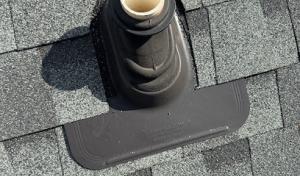
Carolina Roof Consultants
(704) 277-4582 www.carolinaroofconsultants.com
1237 Tyvola Rd B, Charlotte, North Carolina
5.0 from 851 reviews
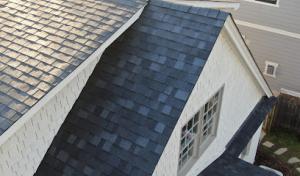
Signature Exteriors
(704) 941-6961 signatureexteriorsinc.com
210 N Church St, Charlotte, North Carolina
5.0 from 601 reviews
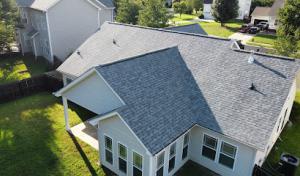
Triumph Roofing
(704) 559-9667 triumphroofingcharlotte.com
8350 Arrowridge Blvd a, Charlotte, North Carolina
5.0 from 142 reviews
In this climate, hot, humid summers shorten the service life of lower-grade roofing systems, making attic ventilation and heat management more important than in cooler inland markets. A roof that can handle intense sun, high humidity, and regular downpours will stay durable longer and protect the home's interior with fewer wake-up calls from leaks or condensation issues. The balance between material performance, durability, and long-term maintenance matters more here than chasing the latest trend.
Asphalt shingles remain the backbone of many homes, offering straightforward installation and a broad selection of profiles. The key in this market is choosing a higher-quality shingle with good granule adhesion, algae resistance, and a robust underlayment. Because spring storms bring gripping downpours and hail in some years, ensure the flashing around penetration points and chimneys is upgraded to a durable, Weather Resistant Barrier system. Proper attic ventilation reduces heat buildup that can accelerate shingle aging and moisture problems in the attic space.
Metal roofs provide excellent longevity and strong water-shedding performance, which is especially helpful during heavy spring rains. They pair well with radiant barriers and venting plans that reduce attic heat. If choosing metal, look for coatings that resist chalking and fading, and confirm that fasteners are corrosion-resistant and sealed to prevent ice-damming concerns in transitional seasons. A metal roof can also add a modern curb appeal to suburban and upscale homes.
Clay and concrete tiles deliver distinctive curb appeal and solid water-shedding ability, assuming proper underlayment and substrate support. Clay tiles tend to perform well in hot weather but require a robust attic and eave detail to handle expansion and contraction. Concrete tiles strike a balance between weight and durability, though structural support should be evaluated by a pro to avoid cracking under shifting.
Synthetic or composite shingles offer versatility in color and impact resistance, with the advantage of lighter weight and good algae resistance for humid environments. Slate, while premium, brings exceptional durability and a classic look, but requires precise installation and a strong roof deck to prevent sagging in the climate's heat-humidity cycle. Wherever you lean, prioritize ventilation, water-shedding detailing, and durable flashing to keep storms from finding a way in.
The most popular roofing material in the US. Find pros who install, repair, and replace asphalt shingles.
Triumph Roofing
(704) 559-9667 triumphroofingcharlotte.com
8350 Arrowridge Blvd a, Charlotte, North Carolina
5.0 from 142 reviews
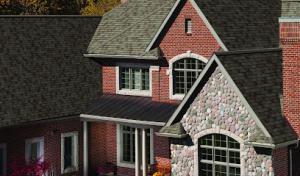
Merritt Roofing
(704) 303-4774 www.merrittroofing.com
126 N McDowell St Suite 201, Charlotte, North Carolina
5.0 from 100 reviews
Milder spring periods are typically the best installation windows this area offers, because crews avoid the worst summer heat and winter moisture delays. Start planning as soon as storms thin out in late March or early April, and aim to have weather checks completed before the peak tree pollen kicks in. Schedule a drainage and attic vent review early, since spring storms can expose preexisting gaps once leaves start to accumulate. If you're coordinating around a hail event, document any impact promptly and align the crew to inspect roof edges and fasteners first, then move toward shingles and flashing once surfaces are dry.
Summer roofing in this climate can be slowed by extreme roof-surface temperatures that affect material handling and cure times. Plan work for cooler morning starts or late afternoons when asphalt and metal materials are less prone to warping or sheen loss, and consider shorter daily work windows on attic or interior tasks to avoid heat risk. Sun exposure can also accelerate felt and underlayment drying, so expect more frequent humidity-driven pauses after a mid-afternoon shower. Have a clear plan for tarping and debris control, since intense thunderstorms can interrupt progress and require rapid reseal or re-securement of temporary barriers.
Fall offers another reliable window, with milder days and dwindling humidity. Use this period to finalize flashing sealants and edge details before the first hard freeze, and verify attic insulation adjustments after summer heat has peaked. Fall scheduling helps align with optimal curing conditions for sealants while avoiding the pummeling back-and-forth of late spring storms.
Winter work is possible in this relatively mild climate, but moisture and occasional freezing conditions can delay flashing and seal-related tasks. If temperatures dip, shift heavy exterior tasks to hours when surfaces are above freezing, and keep moisture-prone steps on a tight, dry window to reduce the risk of ice dam concerns. In a wet spell, prioritize interior or pre-attached components that won't be compromised by damp air, and plan rechecks for any wind-driven damage once skies clear.
In this climate, wind-driven rain from spring thundershowers frequently tests the flashing around skylights and chimneys. The combination of heat, humidity, and sudden gusts can lift or loosen seals, allowing water to track along rafters and settle at joints you don't routinely inspect. Skylight flashing that starts to fail often hides behind the curb or the skylight's base, dripping laterally before you notice a stain. Chimneys present a similar risk: the masonry mortar and the metal flashing where the chimney meets the roof can deteriorate quietly, especially on older homes with decades of patching. When a storm rolls in, those small gaps become direct pathways for leaks, and a seemingly minor wind-driven leak can escalate quickly if left unaddressed.
The market shows meaningful demand for skylight- and chimney-related roof work, not as a niche add-on but as a steady service category. Homeowners who treat these penetrations as routine maintenance-especially after heavy rain or hail-tend to avoid bigger, more invasive repairs later. You'll find seasoned crews who specialize in flashing upgrades, skylight curb rejuvenation, and chimney.weatherproofing, but the best work comes from teams that treat these details as critical, not optional.
On older houses, repeated patching around masonry chimneys and roof penetrations can mask underlying deck or flashing problems until a major storm exposes them. The deck boards, underlayment, and step-flashing may have aged beyond simple sealant fixes, so a single leak after a storm could signify broader water intrusion. Consider scheduling a targeted inspection after volatile weather seasons, focusing on skylight seals, flashing continuity around chimneys, and any signs of moisture intrusion behind interior walls. Acting early saves longer-term damage and dries up the risk area before it spreads.
Find contractors experienced in skylight installation, flashing, and leak repairs to bring natural light into your home.
Masters Roofing
(704) 659-1290 www.mastersroofinginc.com
10801 Johnston Rd STE 210D, Charlotte, North Carolina
4.9 from 246 reviews
Summit Renovations
(704) 222-4555 summit-renovation.com
Charlotte, North Carolina
4.9 from 77 reviews
Kaiser Siding & Roofing
2923 S Tryon St STE 230, Charlotte, North Carolina
4.8 from 321 reviews
Although steep-slope residential reroofing dominates the area, there is still an active local market for flat or low-slope roof work on certain home additions and mixed residential-commercial properties. That means you may encounter retrofit projects on sunrooms, porches, or additions that lean toward low-slope designs. When evaluating bids, look for evidence of recent low-slope work, including proper edge detailing, appropriate drainage design, and compatibility with existing roofing layers. In neighborhoods with tight lot lines and older structures, it's common to see a blend of materials, so the contractor should be comfortable coordinating with existing roof systems without compromising the surrounding envelope.
Charlotte's strong summer sun makes solar-related roof planning relevant, but penetrations and attachment details still need to be balanced against the area's thunderstorm and leak risks. If you're considering rooftop solar, prioritize installers who integrate weatherproof flashing around mounting hardware and use sealants compatible with your roof type. For low-slope sections, verify that the chosen mounting system includes a robust waterproofing approach, including backer plates, properly sized fasteners, and tested barrier solutions that resist wind-driven rain. Remember that a well-planned solar job is as much about preventing leaks as it is about maximizing energy capture.
Because low-slope and solar work are secondary rather than dominant specialties in this market, homeowners usually need contractors with specific experience rather than assuming every roofer handles them well. Seek out companies with documented projects similar in slope and scale, and ask for references who can speak to long-term performance after severe weather. Confirm that the crew has experience with flashing transitions between the flat section and any adjoining steeper roof, plus a clear plan for interior water management if a panel retrofit affects attic space. A careful handoff between the roof and any attached structures matters for staying ahead of spring and summer storm cycles.
In practice, annual inspections should pay special attention to edge details, penetrations, and drainage points on low-slope areas. Even small gaps can become leak pathways after heavy rainfall or hail events. If a repair involves both a flat section and an adjoining steep roof, ensure the repair plan preserves the overall waterproofing integrity and avoids creating new seams that could trap moisture. Regular checkups after severe storms help catch issues before they progress, especially around solar mounting points and any retrofitted sections.
Find specialists in TPO, EPDM, and built-up flat roofing systems for residential and commercial properties.
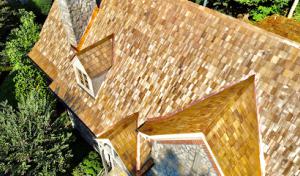
Total Roofing Solutions
(704) 751-7566 totalroofingsolution.com
6201 Fairview Rd Suite 200, Charlotte, North Carolina
4.9 from 136 reviews
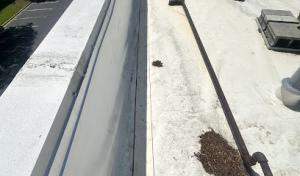
MS roofing
(704) 964-4495 msroofingclt.com
110 N Gregg St, Charlotte, North Carolina
5.0 from 28 reviews
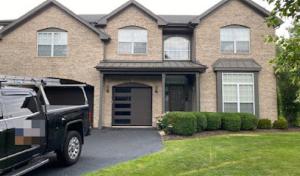
Metal Roofing Charlotte
(704) 741-8321 www.metalroofingcharlotte.net
12706 Wetherburn Ln, Charlotte, North Carolina
4.9 from 30 reviews