
Last updated: Apr 19, 2026
Greensboro homeowners face a recurring spring pattern of hail and strong wind events that can create sudden shingle loss and impact damage. The Piedmont storm corridor brings quick starts and brutal gusts that stress roofs already aged from winter cycles. After hail rattles siding and knocks granules loose, wind can peel back edges, lift tabs, and expose underlayment. When a storm hits, time becomes your most valuable asset: delays compound damage, void potential claim windows, and can complicate the adjuster's assessment. Stay alert through March, April, and early May, especially after long, dramatic squalls that travel through the area. If hail or wind rips? plan for a fast, documented response and keep a steady timeline for assessment, tarp or temporary cover, and a professional roof evaluation.
In the minutes after a hail event, your priority is to prevent further damage while you collect evidence. Take clear photos of all affected areas-shingles with bruising or breaks, lifted tabs, granule loss in gutters, and any interior water intrusion visible on ceilings. Photograph the roof edge from ground level with a wide shot and close-ups, and capture the surrounding property to show wind-driven debris patterns. Keep dated copies of weather alerts and any service interruptions that hint at wind speeds or hail size. When a contractor is called, request a comprehensive report that notes missing shingles, damaged flashing, and compromised ventilation or vents. This documentation is the backbone of an insurance claim and can help you resist a lowball settlement or a denied claim due to insufficient evidence.
Summer thunderstorms in this area can interrupt drying time, tear-off schedules, and temporary dry-in plans during active reroof projects. If rain interrupts work, you should have a documented contingency plan that includes water intrusion checks, tarps, and a clear next-steps schedule with your contractor. The best strategy is to coordinate with the roofer on a realistic timeline that respects forecasted storm windows. When a storm is forecast, confirm that temporary protection remains in place, and review the plan for minimizing exposure of underlayment and decking. Expect potential delays if a thunderstorm line arrives during the planned tear-off, and insist on daily progress notes so you and the insurer can track what is happening on site. If you see new leaks between scheduled visits, contact the contractor immediately and document the path of water intrusion from the attic or ceiling.
North Carolina insurers in this market closely track roof age, wind exposure, and hail history, so Greensboro homeowners often need strong photo documentation before and after work. A thorough before-and-after photo log is essential: wide exterior shots of the roof and surrounding trees, close-ups of damaged shingles and flashing, and interior photos showing any water damage or staining. A narrative that connects specific storm events to visible damage helps the adjuster understand cause and scope. Make sure the contractor's scope matches the insurer's expectations: a clear list of repaired components, including shingles, underlayment, flashing, and ventilation if affected. Ask the insurer for a preferred vendor list or guidance on acceptable documentation formats, and keep copies of every email, claim number, and adjuster contact. In this market, a meticulous, dated record can be the difference between a smooth claim and a prolonged dispute.
Because Greensboro's storm season is unpredictable, align your response to the weather. Start by checking forecasts for the next two weeks after a hail event and set a hard window for an initial roof evaluation. If a claim is expected, schedule a professional inspection promptly to capture a detailed assessment while the roof is in its most vulnerable state. Time your damage documentation to reflect the immediate impact and the subsequent condition of the roof after any temporary fixes. When you see a storm line approaching, prepare a rapid-response plan with your roofer: secure tarps, protect interior spaces, and be ready to commence tear-off as soon as weather permits. Being decisive and well-documented minimizes risk and keeps your project moving through Greensboro's spring and summer storm cycles.
Asphalt shingles dominate the local market, and for good reason. In the Piedmont storm corridor, a roof faces spring hail, summer downpours, and winter freeze-thaw cycles, all of which test seal strips and granule retention. When choosing asphalt, look for higher granule density and a warranty that emphasizes wind resistance and impact resistance. Pay attention to seal strip adhesion and the shingle profile; in hot summers, heat can soften the asphalt and stress edges, so a stout installation with proper nailing patterns matters. A locally familiar contractor will know to inspect for hail dents on the lower slopes after big storms and to assess fastener coverage along drip edges and ridge caps. In practice, you'll want shingles with a reinforced nailing area and a good mid-range impact rating, installed with stepped, continuous underlayment to reduce edge curl. Regular inspections after severe weather help catch loose or damaged shingles before interior damage develops.
Metal roofing has a meaningful presence in Greensboro and is often considered by homeowners looking for better performance through summer heat and thunderstorm seasons. Metal panels shed rain more efficiently and resist wind uplift differently than shingles, which can matter in higher wind spells. If you lean toward metal, evaluate panel profiles that minimize the risk of wind-driven water entry at seams, and choose coatings designed to resist hail scuffing and color fading from intense sun. A regional installer should confirm compatibility with existing roof geometry, especially on hips and valleys common to the local housing stock. Real-world adjustments, such as ensuring proper venting and ensuring panel overlap is sufficient to handle summer convection, make a tangible difference. Expect to pay attention to fastener systems and sealant longevity, as exposed fasteners can be a weak link if not properly seated and maintained.
Tile, wood shake, and synthetic products exist in the Greensboro market but are less common, so homeowners may face a smaller pool of installers for those systems. Clay and concrete tiles offer long life and a distinct look, but weight and attic clearance matter; many homes here require structural consideration and sometimes retrofits. Wood shakes provide visual appeal but demand regular maintenance to prevent weathering and rot, particularly where rainfall is frequent and shading is uneven. Synthetic composites broaden the appeal with reduced maintenance, yet installation quality controls still hinge on substrate preparation and correct fastener placement. If you're evaluating these options, interview installers about long-term performance under Piedmont sun and storm exposure, and ask for examples of local projects with similar exposure.
The best approach is to match system performance to your roof's exposure and the house's construction. In a market with varied housing stock, confirm that the selected roof type integrates well with existing ventilation, attic insulation, and drainage paths. Your local contractor should lay out a clear plan for seasonal inspections, focusing on hail impact and wind-driven debris, and provide a targeted maintenance routine to preserve sealants, coatings, and fasteners in Greensboro's unique climate.
For asphalt shingles, expect pricing in Greensboro from about $350 to $650 per square, while metal roofs run roughly $700 to $1100 per square. If clay tile is part of the consider-list, budget $900 to $1500 per square; concrete tile typically falls $700 to $1200 per square, and wood shingles or shakes run $600 to $1000 per square. Synthetic or composite shingles land in the $400 to $800 per square range. These ranges reflect local labor, material transport, and typical deck sizes in Greensboro homes, and serve as a practical starting point when comparing bids after a hail event or strong wind.
Greensboro reroof demand can spike after spring hail and wind events, which can tighten scheduling and push pricing upward during storm-recovery periods. If a hail storm sweeps through Piedmont neighborhoods, crews may be booked weeks to months out, and material lead times can stretch. In those windows, you'll often see higher mobilization charges, expedited delivery fees, and longer project durations. If your roof shows widespread hail impact, anticipate price movements that reflect both contractor availability and the urgency of replacement before weather creates new wear.
Most Greensboro homeowners schedule full replacements during milder, drier parts of the year because summer thunderstorm frequency and winter freeze events can complicate production. Aiming for a window in late spring or early fall typically aligns better with favorable conditions and steadier crews. If your roof must be replaced after a storm, plan for a sequence: initial assessment and insurance documentation, confirm material availability for your chosen system, then set an installation slot that avoids peak heat and heavy rain days. Weather patterns in the Piedmont can surprise you, so building a small contingency into the schedule helps keep the project on track.
Start with three written bids after a reputable local inspection, and compare each against the local pricing baselines above. Ask each contractor to itemize deck preparation, underlayment, and ventilation work, plus any disposal or tear-off fees, so you're not surprised by add-ons. If you're balancing storm recovery needs with long-term performance, consider asphalt for cost-effective replacement, or metal if wind resistance and longer service life align with your budget. For tile options, verify compatibility with existing roof geometry and attic ventilation, since heavy profiles can influence both cost and install time in Greensboro homes.
After a hail or wind event, tight documentation matters. Photograph all affected areas, note missing shingles, dented metal, and granule loss, and keep copies of all bids and contracts. In Piedmont weather, quick documentation can streamline insurance claims and help prioritize a timely replacement, reducing the risk of wind-driven damage during a prolonged storm season.
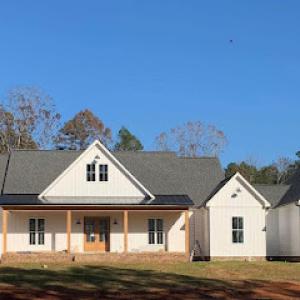
Arthur's Roofing
(336) 223-5516 www.arthursconstructionnc.com
Greensboro, North Carolina
5.0 from 748 reviews
Arthur's Roofing is fully insured and is family-owned and operated. We are the best roof repairmen in Greensboro, NC, and the surrounding areas. We are the team to call if you are trying to get more value out of your roof. We also specialize in metal roofs, flat roofs, total roof replacement, and gutter guards. If it concerns the top of your house or building, we have you covered. Call us to receive a free estimate today! Arthur's Roofing offers roof repairs, installation, and maintenance for residential and commercial customers, including gutter installation and cleaning. Our CertainTeed Pro-certification and range of warranties show our commitment to quality. Check out our service pages on our website.
Pine Rock Roofing
205 Creek Ridge Rd suite e, Greensboro, North Carolina
5.0 from 155 reviews
Pine Rock Roofing in Greensboro, NC, is your trusted partner for all your construction needs, specializing in roofing, gutters, and siding. From repairs and full-scale roof installations to remodels, renovations, new builds, and more, we bring unmatched expertise and precision to every project. Our skilled team is committed to delivering durable, reliable results that protect and enhance the value of your home or business. With a heavy emphasis on roofing and siding, we ensure your property stands strong and looks its best for years to come. At Pine Rock Roofing, we prioritize safety, craftsmanship, and customer satisfaction, exceeding expectations every step of the way.
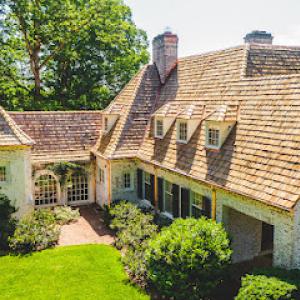
Baker Home Exteriors
(336) 968-8313 bakerhomeexteriors.com
7922 Industrial Village Rd, Greensboro, North Carolina
5.0 from 223 reviews
Baker Home Exteriors is the residential division of Baker Roofing Company, proudly serving Carolina homeowners with over a century of trusted craftsmanship. Our licensed contractors specialize in roofing repair and replacement, siding installation and repair, window installation, gutter installation, skylights, exterior door remodels, and more. We’re certified installers for leading brands, HAAG certified, and BBB accredited. What sets us apart is our heritage of service, precision, and accountability—backed by the resources of one of the nation’s most respected roofing companies. We stand behind every project with unmatched experience, quality, and care. Always Good Work since 1915. Call for a free quote or in-home consultation today.
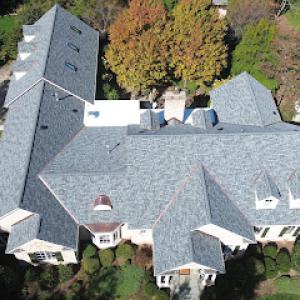
Escalade Roofing
(336) 420-4498 www.escaladeroofing.com
325 W J J Dr, Greensboro, North Carolina
5.0 from 184 reviews
Escalade Roofing is a top-rated roofing contractor in Greensboro, High Point, Kernersville, and the entire NC Triad, specializing in insurance-approved roof replacements, storm and hail damage inspections, architectural shingles, metal roofing, and commercial flat roofing systems. We provide free roof inspections, fast emergency response, detailed photo reports, and expert help navigating the insurance claims process. Homeowners choose Escalade Roofing for our 5-star reputation, premium materials, certified crews, and industry-leading warranties. As a locally owned company built on faith, family, integrity, excellence, and service, we deliver reliable craftsmanship and clear communication on every project. Roof Repair and Roof Replacement
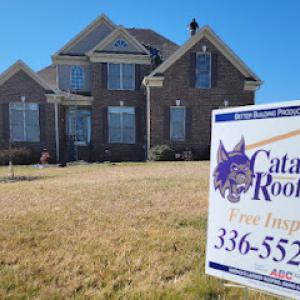
Catamount Roofing
(336) 552-9663 www.catamountroofing.com
Greensboro, North Carolina
5.0 from 86 reviews
Catamount Roofing was established to provide our customers with a new roof at the highest quality installation, a reasonable cost and most importantly stand behind our work. We specialize in hail and wind damaged roof replacement. We help you through the process from initial inspection, claim process, installation and post installation. Customer service is our priority. Let us earn your business!
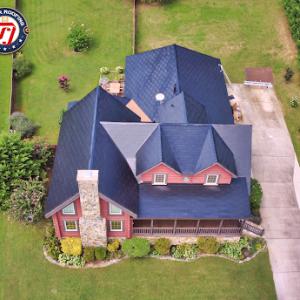
5 Star Roofing & Restoration
(336) 810-8801 5starroofingusa.com
115 Pomona Dr, Greensboro, North Carolina
4.9 from 458 reviews
5 Star Roofing & Restoration, LLC in Greensboro has served the community since 2019 as a local, family-owned roofing company specializing in roof replacement for both residential and commercial properties. Our team handles storm-related wear, humidity-driven aging, and other common North Carolina roofing challenges with reliable repair, replacement, and new roof installation services. We also provide gutter installation and siding replacement to protect your property from the elements. Homeowners and businesses count on us for quality workmanship, clear communication, and experienced roofing contractors.
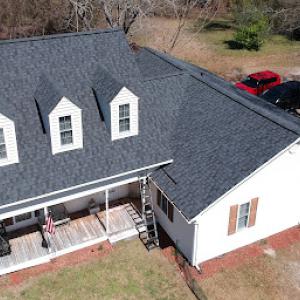
Redeem Roofing & Construction
(336) 350-1450 www.redeemnc.com
Greensboro, North Carolina
4.9 from 174 reviews
Redeem Roofing and Construction, located conveniently in Gibsonville and established in 2016 but built on 15 years of general contracting experience. Specializing in Asphalt Roofing, Metal Roofing, Flat Rubber Roofs, Window Replacement, Siding and Gutter Installation. Personal service: this is what sets Redeem Roofing and Construction apart from the rest. Trust us for your next roofing, siding or window replacement project in Burlington, Greensboro NC and surrounding areas. We use top quality products to ensure long-life on each of our exterior projects; Our specialty is Roof repairs, vinyl and cement board siding and vinyl windows. We offer emergency repairs due to storms in the Triad NC area. We work with insurance companies.
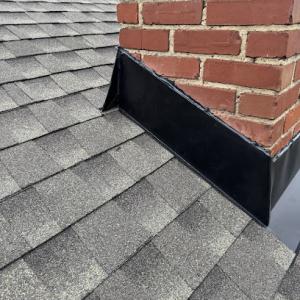
Maen Roofing
(336) 285-6200 www.maenroofing.com
1710 E Bessemer Ave, Greensboro, North Carolina
4.9 from 152 reviews
We are a locally owned North Carolina company providing professional roofing installation, repair, and maintenance for both residential and commercial properties. Our team also specializes in gutters, siding, carpentry, and remodeling. With top-quality materials, competitive pricing, and exceptional service, we are dedicated to protecting and enhancing your property from the ground up.
All Pro Roofing
(336) 339-7806 allproroofingnc.com
7325 W Friendly Ave E2, Greensboro, North Carolina
5.0 from 94 reviews
Your Trusted Roofing Company At All Pro Roofing, we provide top-quality roofing services to ensure the safety and durability of your home or business. With over 20 years of experience, our skilled team specializes in roof repairs, and replacements. We offer a variety of styles to match your needs. Customer satisfaction is our top priority, and we guarantee quality work that you can trust!
Davila Construction
(336) 575-2312 davilaconstruction.org
113 W Green Ct, Greensboro, North Carolina
5.0 from 92 reviews
Hey everyone, Chris here, thank you for taking the time to browse through our company page. I’d like to start off by saying that our company is made up of people who care for the homes that we work on. Our goal is to become the triads most trusted home improvement company. Aside from providing quality services, we will assist you along the way, from beginning to end, assuring you have a great experience.

Excel Roofing Solutions
(336) 281-3834 excelroofingsolutions.com
1484 Alamance Church Rd, Greensboro, North Carolina
4.9 from 119 reviews
Excel Roofing Solutions is a family-owned, fully licensed, and OSHA-certified roofing contractor with over 40 years of industry experience and an A+ rating from the BBB. They specialize in residential and commercial roofing, siding, gutters, and maintenance, offering dependable service and quality craftsmanship. Known for using high-quality materials and offering 0% financing, Excel Roofing Solutions delivers expert installations backed by extensive training and a commitment to safety. From quick repairs to full roof replacements, they provide honest, professional service from start to finish.
Express Repair Pro
(336) 457-2455 www.expressrepairpro.com
Friendly Center, Greensboro, North Carolina
5.0 from 52 reviews
Express Repair Pro - Quality is Our Priority Services We Offer: Full Roof Replacement & New Construction: Complete roof services for residential and commercial properties. Roof Leaks & Repairs: Specializing in identifying and fixing roof leaks to protect your home. Chimney crown replacement Chimney repair Window install & repair Siding install & repairs Fascia metal repair Fascia board & soffit repair Painting (interior & exterior) Drywall: Expert installation and repair of drywall Roof & Gutter System Clean out. Gutter System install (5in or 6in) & repair Concrete slabs(stamped or Broom finish) Concrete/ brick & mortar repair Floor install & repairs Handyman services/home repairs Built Decks & fences/repairs Built pergola/garages
Full reroofs in Greensboro typically require a building permit through the City of Greensboro. This is not merely a checkbox for the contractor; it anchors every step from initial plan to final sign-off. Knowing this early helps you avoid delays when insurance money is released or when HOAs request documentation. The permit signals that the project aligns with local codes for weather resistance, roof ventilation, and attic insulation, which are especially important after spring hail and wind events common to the Piedmont corridor.
The local process generally involves submitting an application, paying the permit fee, scheduling inspections at required milestones, and completing a final inspection after the work is finished. The application packet typically asks for project details, a scope of work, roof material type, and a site plan showing eaves and any skylights or vents. A licensed contractor often handles the submission, but it remains your responsibility to verify that the permit is issued before any roof work begins. Inspections are staged at key milestones-before decking replacement, after roof sheathing is installed, at weatherproofing and venting checks, and after the new roof is completed. Each milestone is an opportunity to catch ventilation or drainage issues early, which can be critical in a region prone to heavy spring storms and freeze-thaw cycles.
Plan for a window that accommodates weather delays and inspection scheduling, especially during peak spring storm seasons. Keep all permit documents, inspection notices, and any correspondence with the city in one place so you can present a clear record if questions arise from your insurer or HOA. If a problem is found during an inspection, the city may require corrections or additional weatherproofing measures before continuing; that can extend the timeline, so build in some flexibility when coordinating with your contractor.
Some Greensboro neighborhoods and HOAs may add approval requirements beyond the city's permit and inspection process. It is prudent to check your neighborhood covenants as early as possible and share the permit status with the HOA if required. Your contractor can often handle these reviews, but you should verify any necessary assurances or documents the HOA wants to see during the permit stage. If an HOA review is needed, align its timeline with the city inspections to minimize interruptions to the project.
Before work starts, confirm that the chosen contractor is properly licensed and insures the project for the full reroof scope. Ensure the contract clearly references the permit, inspection milestones, and anticipated inspection dates. On the day of each inspection, have the site accessible and all required materials on hand, including any venting or ice barrier details specified by code. By coordinating permit steps with storm-season planning and HOA requirements, you reduce the risk of hold-ups when the weather finally cooperates enough to complete a safe, wind-resistant roof.
In the Piedmont storm corridor, insurers often want solid proof of roof condition before any work begins and again after installation is complete. Hail-damaged shingles, lifting edges from strong gusts, and wind-driven debris can complicate claims if the condition isn't clearly documented. When a claim is filed after a spring hail event or summer storm, the insurance company may require recent photographs, a dated notice of loss, and a professional opinion that ties the damage to covered perils. If the roof has aging sections or mixed materials, the evidence must distinguish wear from sudden damage, otherwise settlements can slow or hinge on disputed cause.
Supporting assessments from a licensed roofer or adjuster are commonly requested before a settlement is reached in this market. Expect to see a detailed inspection report that notes observable hail hits, wind uplift indicators, and any delamination or moisture intrusion. A separate roof replacement estimate may be required if the damage is extensive or the age of the roof makes repair impractical. Keep records of writes-ups that specify recommended repairs versus full replacement, along with the rationale and any material substitutions proposed. Clear, itemized estimates help prevent back-and-forth that can stall the claim timeline.
Roof age and material type can affect coverage treatment, so precise recordkeeping matters when deciding whether to repair or replace. Asphalt shingles, metal, clay or concrete tile, and wood shakes each carry different implications for depreciation, replacement guidance, and post-claims evaluation. If the roof is nearing the end of its service life or uses a material with known wear patterns, document the condition leading up to the storm as well as after the work. This helps establish whether a repair can restore functionality or if a full replacement is the prudent, long-term option from a risk and warranty perspective.
Photographs should be timestamped and cover multiple angles: near-damaged edges, inside attic spaces for signs of leaks, and close-ups of blown debris. Maintain a chronicle that ties dates of storms to observed damage, and preserve all correspondence with the insurer, adjuster notes, and contractor communications. If a claim is opened, request a written estimate that clearly separates repairs and replacements, with documentation supporting the chosen path. Finally, keep copies of the roof's original installation details and any prior repair history; these can influence how an adjuster views future coverage decisions in this wind-and-hail environment.
Connect with contractors who help homeowners navigate the claims process from damage assessment to final approval.
Baker Home Exteriors
(336) 968-8313 bakerhomeexteriors.com
7922 Industrial Village Rd, Greensboro, North Carolina
5.0 from 223 reviews
Escalade Roofing
(336) 420-4498 www.escaladeroofing.com
325 W J J Dr, Greensboro, North Carolina
5.0 from 184 reviews
Catamount Roofing
(336) 552-9663 www.catamountroofing.com
Greensboro, North Carolina
5.0 from 86 reviews
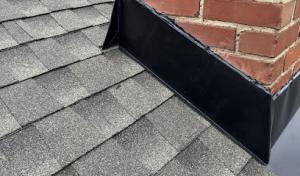
Greensboro's weather pattern pushes water toward penetrations and transitions. Flashing around skylights and chimneys is a common leak point during both repairs and full reroofs. The combination of frequent rain events and heat-driven expansion makes these details more vulnerable than you might expect from a dry-climate system. Pay extra attention to any signs of moisture around vents, skylights, and chimney bases after heavy rain or hail.
The local contractor market shows meaningful specialization in skylight work and flat or low-slope roofing. That specialization matters: a roofer comfortable with a steep-slope overhaul may struggle with a low-slope drainage plan or a skylight retrofit. When selecting a contractor, ask for recent Greensboro projects that included skylight flashing or low-slope membrane work. Verify the crew's experience with the specific materials you're considering, and request documentation of proper flashing detail installation at transitions and penetrations.
In the heat of summer, thunderstorms can reveal weaknesses at transitions, penetrations, and low-slope drainage points faster than dry-climate markets. Look closely at the roof-to-wall interface around chimney cricket systems, skylight curb flashings, and any membrane seam near roof drains or scuppers. Pay attention to mitered corners, termination bars, and counterflashing: these areas are prone to hairline leaks that become noticeable only after a few storm cycles.
Before committing to a repair or reroof, perform a targeted inspection after the next multi-hour rain event. From the attic, check for signs of moisture around skylight shafts, chimney flashing, and along the drip edge of low-slope sections. On the exterior, run a careful hand along flashing joints and around penetrations to feel for loose or separated pieces. If any flashing or sealant shows degradation, prioritize a dedicated flashing retrofit rather than a broad, superficial fix.
When scheduling work, coordinate skylight and chimney flashing with any adjacent roof deck or membrane work. Integrators who specialize in flat roofing can align transitions with proper drainage details, reducing the risk of pooling water that accelerates leakage at seams. For Greensboro homes, a carefully detailed mockup of flashing transitions at these points can help ensure that summer storms are less likely to find an easy route into the attic.
Find contractors experienced in skylight installation, flashing, and leak repairs to bring natural light into your home.
Pine Rock Roofing
205 Creek Ridge Rd suite e, Greensboro, North Carolina
5.0 from 155 reviews
Baker Home Exteriors
(336) 968-8313 bakerhomeexteriors.com
7922 Industrial Village Rd, Greensboro, North Carolina
5.0 from 223 reviews
Maen Roofing
(336) 285-6200 www.maenroofing.com
1710 E Bessemer Ave, Greensboro, North Carolina
4.9 from 152 reviews
Spring hail and wind bursts over the Piedmont create a fast-moving repair cycle. After a storm, the local contractor market swells with quick-response teams, and the urgency can make it easy to hire on the spot. In Greensboro, cleanup is a major priority because tear-off debris, nails, and landscaping damage show up in established neighborhoods long after the rain stops. The reality is that many projects start with a rush to cover, then drift into a longer, sometimes unsettled, process as inspections and paperwork unfold.
Long-established, family-owned firms are common, alongside manufacturer-certified crews, so a choice can reveal stability versus price alone. Seek firms with verifiable references who can show a track record of storm-related work, including documented prior repairs and warranty follow-through. Ask about how crews protect landscaping during a tear-off and how they handle nail clean-up, since nail and debris management remains a frequent homeowner concern in this market. A clear plan for site protection, debris containment, and post-job cleanup signals a partner that respects neighborhoods shaped by mature yards and tree cover.
In Greensboro, cleanup is not a one-day task but part of a reliable promise. Expect detailed attention to nail removal and proper disposal of old materials, not merely a cosmetic sweep. A responsible contractor will stage a thorough debris plan, including securing driveways and entry paths, preserving garden beds, and coordinating with waste services to avoid lingering hazards after a storm. If possible, confirm a written cleanup schedule tied to the roof work timeline to avoid surprises when spring winds flip into summer heat.
In a crowded storm-driven market, a choice that prioritizes company longevity, manufacturer certifications, and proven communication can save headaches later. A Greensboro-based firm with a family-history footprint often offers clearer accountability and a longer warranty alignment, reducing the risk of rushed decisions that leave gaps after the last shingle is set.
Get a clear picture of your project costs upfront - no commitment required.
Arthur's Roofing
(336) 223-5516 www.arthursconstructionnc.com
Greensboro, North Carolina
5.0 from 748 reviews
Baker Home Exteriors
(336) 968-8313 bakerhomeexteriors.com
7922 Industrial Village Rd, Greensboro, North Carolina
5.0 from 223 reviews

Universal Remodel
(336) 290-7116 universalremodel.org
121 S Elm St, Greensboro, North Carolina
5.0 from 51 reviews