Roofing in North Carolina
Last updated: Feb 28, 2026
North Carolina keeps roofs on their toes—from hurricane-grade winds on the coast to blistering summer heat inland and even the occasional mountain snow. Our climate asks a lot of roofs: wind-lift after storms, moss and algae in shaded corners, and rapid temperature swings that stress seals and flashing. Humidity accelerates wear on underlayment and gutters, while pine straw, leaves, and salt air in coastal areas add their own maintenance chore list. In short, a NC roof has to handle wind-driven rain, seasonal shifts, and regional flavor—from the Piedmont plains to the Blue Ridge coves. That local mix is exactly why NC-specific guidance matters—and why the advice here comes with a North Carolina lens you can trust.
On this page you'll find practical, neighborly guidance tailored to North Carolina homes. Expect clear explanations of how our climate shapes roofing choices, material options that hold up in different regions, and style ideas that fit the region's diverse architecture—from farmhouse and craftsman to brick ranches and colonial revivals. We'll touch on price ranges you're likely to encounter, what factors push costs up here, and how local permits and codes can influence a project. The goal is to help you plan with confidence, compare bids thoughtfully, and avoid surprises before you start.
Advice here is grounded in NC conditions—coastal, piedmont, and mountain climates—and backed by local resources: building departments, insurance agents familiar with NC policies, and reputable roofing contractors who work across counties. You'll also see common problems our neighbors encounter—wind damage, moss growth, gutter clogging, flashing failures—and practical fixes you can pursue safely or hand off to a pro. We include maintenance routines that fit a North Carolina calendar: spring inspections after storms, mid-summer checks for heat-driven wear, fall gutter care, and winter prep for freeze-thaw cycles.
With that context, let's begin by looking at how North Carolina's climate shapes the roof you choose and how you keep it performing year after year.
Local Climate & Its Impact on Roofs
Coastal NC roof considerations
- Salt spray and corrosion: The salt-laden air along the coast accelerates rust on metal flashings, fasteners, and vent collars. Use corrosion-resistant materials (stainless steel or coated metals) and seal joints thoroughly; flashing should be installed by a pro.
- Wind uplift and hurricane exposure: Coastal North Carolina faces hurricanes and tropical storms. Opt for wind-rated shingles and follow local building codes; consider hurricane straps or clips to reinforce the roof system.
- Heavy rainfall and drainage: Frequent downpours mean gutters and downspouts must funnel water away from the house. Keep flashing around chimneys and vents intact and ensure proper slope for drainage.
- UV exposure and heat: Long summer sun can shorten shingle life. Maintain adequate attic ventilation and consider lighter-colored or UV-resistant shingles to reflect heat.
- Moss, algae, and mold: Humidity and shade promote growth on roofs. Regular cleaning helps; zinc or copper strip installation can deter growth; algae-resistant shingles are a helpful option.
Inland NC variations
- Western NC mountains: Colder winters with freeze–thaw cycles raise the risk of ice dams. Use underlayment with ice-and-water shield at eaves and valleys; ensure solid attic insulation and proper ventilation; watch for damage from falling branches after storms.
- Piedmont: Humid summers and frequent severe thunderstorms with hail risk. Consider shingles with good impact resistance and ensure a robust underlayment plus proper ventilation.
- Coastal-inland transition: Still high humidity and shaded areas foster moss growth. Prioritize ventilation, moisture control, and regular roof upkeep to prevent moisture-related issues.
Seasonal patterns and their roofing impacts
- Spring: Thunderstorms and hail are common; inspect after events for damaged shingles or flashing.
- Summer: Heat and humidity accelerate aging; monitor for curling edges, granule loss, and attic heat buildup.
- Fall: Windy fronts can loosen flashing or gutters; pre-season checks help prevent leaks during storms.
- Winter: Ice dams and occasional snow in higher elevations; ensure appropriate ice-and-water shielding in susceptible areas and keep gutters clear.
Maintenance tips by season
1) Inspect attic ventilation and insulation; good airflow reduces moisture and heat damage.
2) Clean gutters and downspouts; remove leaves and debris to prevent backups.
3) Inspect shingles for curling, cracking, or missing areas; replace as needed.
4) Check flashing around chimneys, vents, and skylights; reseal or repair as necessary.
5) Clear debris from roof surface after storms; trim overhanging branches.
6) After major storms or hurricanes, schedule a professional roof inspection to assess uplift and flashing integrity.
Warnings & official resources
- Coastal NC hurricane season warning: June 1–November 30; wind-driven rain and storm surge. See National Hurricane Center updates at and safety guidance at
- Flood risk: check FEMA Flood Map Service Center at state and local flood resources at
- Climate context for NC: North Carolina Climate Office and NOAA climate data for the state.
- Insurance consumer resources: North Carolina Department of Insurance
Recommended Roofing Materials for North Carolina
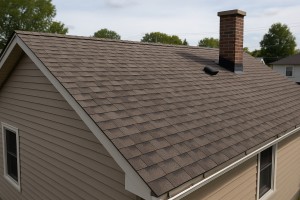
- Ideal for: most single-family homes, offering solid value and broad availability.
- Pros: affordable upfront cost, easy to install, wide color and profile options, many wind-rated choices (often 110–130 mph with proper installation), good warranty options, quick repairs can be done.
- Cons: shorter lifespan than metal or tiles (typical 15–30 years for basic 3-tab; 25–40 years for architectural/dimensional), performance depends on ventilation and attic temperature, hail can dent or crack in some climates.
- NC tips: opt for architectural (dimensional) shingles with a wind-resistance warranty and a high SRI option for hotter months. Pair with a quality underlayment and ensure proper attic ventilation.
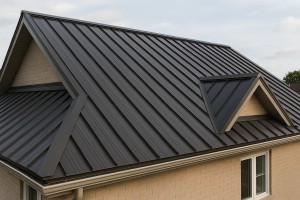
- Ideal for: coastal NC, hillside homes, or any roof facing harsh sun, heavy rain, or hail.
- Pros: long lifespan (40–70 years), excellent wind uplift resistance, great hail resistance, lightweight, fast installation, reflective coatings can reduce cooling costs.
- Cons: higher upfront cost, potential noise without insulation, more pronounced color/fade considerations, requires professional installation to maximize warranty.
- NC tips: choose metal (aluminum or steel with a protective coating) in reflective finishes; ensure proper attic insulation to minimize noise and temperature swings; verify supplier and installer provide wind-rated flashing and hurricane clips where required.
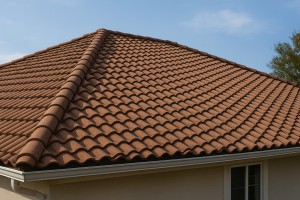
- Ideal for: homes in hot NC summers or with a Mediterranean aesthetic; suitable on roofs with adequate structural support.
- Pros: excellent thermal performance, long lifespan (40–70+ years), fade resistance, sturdy against wind-driven rain when properly installed on reinforced decks.
- Cons: very heavy; higher cost and more complex installation; wind uplift can be challenging in coastal gusts; can be brittle in hail.
- NC tips: confirm roof structure can bear the weight and that the installer uses appropriate nails and clips; consider decoupling underlayment and secondary sealants for coastal exposure.
Slate and other natural stones: timeless durability
- Ideal for: high-end homes, steep pitches, and structures built to handle heavy materials.
- Pros: unmatched longevity, classic look, low maintenance.
- Cons: extremely expensive, very heavy (requires structural assessment), limited availability, specialized installation.
- NC tips: only if your roof framing is designed for stone; ensure a licensed slate roofer handles installation to maintain warranty and performance.
Wood shingles and shakes: rustic warmth with maintenance when kept up
- Ideal for: craftsman and cottage-style homes; not the default NC choice, but workable in dry, well-ventilated roofs.
- Pros: natural, appealing aesthetics; good insulation when dry.
- Cons: high maintenance in humidity; prone to rot, mold, and termite exposure in NC; fire risk; resealing or re-staining required.
- NC tips: if you choose wood, select treated or fire-rated options and keep attic ventilation robust to prevent moisture buildup; plan for regular cleaning and coating.
Energy efficiency and reflective options
- Options: cool roofing shingles with high solar reflectance, white or light-colored shingles, or reflective metal coatings.
- Benefits: lowers attic and living space temperatures, can reduce cooling load in hot NC summers, often eligible for energy efficiency rebates.
- Tips: pair reflective roofing with proper insulation and ventilation for best results; check local weather patterns to pick coatings that resist local salt air if near the coast.
Ventilation, underlayment, and installation tips
- Use synthetic underlayment designed for wind-driven rain and frequent temperature swings.
- Prioritize attic ventilation: balanced soffit and ridge vents to manage humidity and extend roof life.
- For coastal NC: consider enhanced sealing at eaves, hips, and penetrations; use hurricane-rated fasteners and clips as required by local codes.
- Hire a licensed, experienced roofer familiar with North Carolina conditions and local building codes to preserve warranty and performance.
How to choose in a few steps (numbered)
1) Assess roof structural capacity for heavier options (tile or slate) and local wind requirements.
2) Compare wind-rated shingles and metal options suitable for your county (coastal vs inland).
3) Evaluate attic ventilation and underlayment needs for NC humidity and heat.
4) Consider long-term maintenance costs and energy savings.
5) Work with a qualified NC contractor who understands local weather patterns and building codes.
Popular Roof Styles & Architectural Trends in North Carolina
Gable Roofs: Classic NC charm
Gable roofs are timeless across North Carolina, offering straightforward construction, generous attic space, and good rain shedding. They work well with most architectural styles—from traditional Colonial to modern farmhouses. Practical notes:
- Pros: cost-friendly, easy insulation, strong for ventilation.
- Cons: wind uplift can be higher on exposed sides; consider reinforced sheathing and wind-rated shingles in coastal counties.
Hip Roofs: Wind-resilient and versatile
Hip roofs are popular in NC especially along the coast and in windy inland areas. Their slopes on all sides provide stability in storms and better drainage. They pair nicely with craftsman, bungalow, and Mediterranean-inspired homes.
- Pros: excellent wind resistance, balanced appearance.
- Cons: more complex framing and higher installation cost; attic space is often smaller.
Flat & Low-Slope Roofs: Modern and transitional spaces
Low-slope roofs show up on additions, sunrooms, and contemporary homes. They require careful drainage and high-quality membranes to handle NC rain and humidity.
- Materials to consider: TPO, EPDM, or PVC membranes; reflective cool-roof coatings.
- Practical tips: ensure a minimum slope for drainage; budget for periodic maintenance and timely re-sealing.
Metal roofs—especially standing-seam or corrugated panels—are increasingly common in NC for durability, hail resistance, and long life. They shed snow and rain efficiently and can be lighter on the structure.
- Pros: storm and fire resistance, long lifespan, low maintenance.
- Cons: higher upfront cost; dents from large hail are possible in some regions; color choices matter for heat reflection.
- Color strategy: lighter, cool-roof tones help reduce heat gain in hot months.
Clay & Concrete Tiles: Mediterranean warmth with weight considerations
Clay and concrete tiles bring Southern warmth and excellent UV protection. They're a good fit for Southwestern or Coastal NC homes aiming for a durable, upscale look.
- Pros: longevity, strong fire resistance, appealing textures.
- Cons: heavy, requires reinforced framing; higher installation cost.
- Important note: match structure and underlayment to tile weight, especially in older homes.
Cedar & Wood Shakes: Natural beauty with upkeep
Wood shakes and shingles add texture and curb appeal, echoing craftsman and bungalow aesthetics. They're less common in humid coastal zones unless properly treated and maintained.
- Pros: rich, organic appearance.
- Cons: high maintenance, rot risk in humidity, potential fire concerns in some areas.
- Maintenance: choose pressure-treated or engineered wood, seal every few years, and inspect for mold or rot after storms.
Shingle Choices: Asphalt architectural shingles reign
Asphalt architectural shingles dominate the NC market for their balance of look, price, and performance. They mimic the depth of wood shakes without the same upkeep.
- Pros: broad color range, good warranty options, easier repairs.
- Cons: not as long-lasting as metal or tile; older shingles may lift in heavy storms without proper installation.
- Lifespan: typically 30–50 years with proper ventilation and underlayment.
Regional Trends & Aesthetic Directions
- Styles on the rise: Modern Farmhouse, Craftsman, Southern Colonial, and coastal-inspired designs.
- Color palettes favor warm neutrals, stone and brick accents, and lighter roof tones to reflect heat where summers feel long.
- Integration of solar and energy-efficient components is increasingly common—think reflective coatings, proper roof ventilation, and engineered attic insulation to reduce cooling loads.
- Sustainability emphasis: longer-lasting materials, better underlayments, and venting strategies that align with NC humidity and heat.
Practical NC considerations for choosing a roof
- Wind and storm readiness: select materials and fasteners rated for your county's wind uplift requirements.
- Height and structure: heavier materials (tile, some metal) may require structural reinforcement.
- Heat management: light-colored or reflective roofing can reduce cooling costs in hot seasons.
- Local codes: verify permits and any hurricane or wildfire-specific rules for your area.
- Maintenance plan: every roof type benefits from periodic inspections after severe weather and routine cleaning of gutters and vents.
1. Assess your home's architecture and neighborhood style.
2. Match material characteristics to your climate, budget, and structure.
3. Plan for ventilation, insulation, and possible solar integration.
Average Roofing Costs in North Carolina
What affects NC roofing costs
North Carolina's varied landscape means costs can swing based on climate, wind rules, and local building practices. Coastal counties face higher wind requirements and salt exposure, while mountain areas deal with steep pitches and tougher access. Local labor markets, permit fees, and disposal costs also influence the bottom line. In short, two homes of the same size in different parts of the state can have noticeably different final prices.
Cost ranges by material (installed price per sq ft)
- Asphalt shingles (standard 3-tab): $3.50–$6.50 per sq ft installed
- Architectural shingles (laminated): $4.50–$7.50 per sq ft installed
- Metal roofing (steel, aluminum): $6.00–$14.00 per sq ft installed
- Concrete tile: $10.00–$18.00 per sq ft installed
- Clay tile: $12.00–$28.00 per sq ft installed
- Cedar shake or shingles (wood-look options included): $6.00–$12.00 per sq ft installed
- Slate: $15.00–$40.00+ per sq ft installed
- Flat roofing (EPDM, TPO, built-up): $4.00–$9.00 per sq ft installed
Note: “Per sq ft” means per 100 sq ft of roof area. For a typical home, multiply by the roof area to estimate project cost. Material choice is just part of the picture—the final price should include removal of any existing roof, underlayment, flashing, ventilation upgrades, and trim work.
Regional differences within North Carolina
- Coastal counties (outer banks, tidewater): expect higher costs due to wind code upgrades, salt corrosion considerations, and more frequent storm-related edgework. Add 10–20% more for materials and labor in some coastal projects.
- Piedmont and central NC: relatively standard pricing range; common home designs and pitches keep installation straightforward.
- Western NC mountains: steeper pitches, challenging access, and potential for more complex rooflines (dormers, multiple ridges) can push costs up 5–15%, even before material choice.
Other cost factors to consider
- Roof size and pitch: steeper or higher-slope roofs require more time and safety measures.
- Roof complexity: multiple ridges, dormers, chimneys, skylights, and vents add flashings and labor.
- Tear-off vs. re-roof: full tear-off typically adds $1.00–$3.00 per sq ft; re-roofing over an existing layer is cheaper but not always permitted or recommended.
- Underlayment and ventilation: reinforced underlayment, ridge vents, and drip edge improve performance and may raise price slightly.
- Permits and inspections: local permit fees vary; coastal counties often have heightened inspection requirements.
- Debris disposal: removal of old roofing material and disposal fees can add several hundred dollars, depending on roof size.
- Insurance requirements: some carriers favor wind-rated products in hurricane-prone zones, which can influence material choice and cost.
How to estimate your NC roof project (numbered steps)
1. Determine roof area: measure or use plans; most homes range from 1,200 to 2,800 sq ft of roof surface.
2. Pick a material category: decide between asphalt, metal, tile, or slate to anchor the per-sq-ft price.
3. Add tear-off/removal cost: decide if you'll tear off existing roofing; include disposal fees.
4. Include upgrades: ventilation, underlayment, flashing, ice/water shield in vulnerable areas.
5. Check local codes: verify wind & seismic requirements for your county and any permit fees.
6. Get at least three local bids that itemize labor, materials, removal, and permits; compare apples to apples.
7. Plan for weather windows: coastal summers and mountain winters can affect start times and scheduling.
Permits & Local Regulations
Do I need a permit to replace my roof?
- In North Carolina, most roof replacement projects require a building permit from your city or county. Even if a job seems cosmetic, many jurisdictions still require permitting for tear-off, re-roof, vent changes, or any structural work.
- Always check with your local building department before starting. If you're unsure, a quick call can save delays and fines.
Who issues permits and how to check
- Permits are issued by the local building department (city, town, or county). Some areas use a county office; others handle permits through the municipal building department.
- To confirm requirements, contact the permit office with your project address and a brief description of the work. They'll tell you if you need a permit and what documents to submit.
Licensing and contractor requirements
- North Carolina generally requires licensed contractors for many contracting jobs. Verify that your roofer holds current, active liability insurance and workers' compensation coverage.
- Ask to see a copy of the contractor's license and proof of insurance. Keep certificates on site during the project.
- If you plan to do the work yourself on your own home, permits and inspections typically still apply, and licensing rules may differ. Check with the local authority to confirm what's allowed.
What documents are typically required
- Permit application with owner/contractor information and a project description.
- Proof of contractor license status (where required) and contact information.
- Insurance certificates (general liability and workers' comp).
- Scope of work: number of roof layers, materials, vent changes, skylights, and any structural alterations.
- Site plan or roof layout (some jurisdictions require basic sketches or measurements).
The permit process: step-by-step
1) Contact the local building department to confirm permit needs for your address.
2) If a permit is required, your contractor or you submit the application and supporting documents.
3) Pay the permit fees; processing times vary by jurisdiction.
4) Schedule required inspections and prepare for them (see below).
5) After inspections pass, the permit is closed and work can proceed to completion.
Inspections
- Common inspections include a roof installation inspection and a final inspection. Some areas require an initial inspection if there are structural changes or if work involves framing.
- Be sure the inspector has access to the attic and roof area, and keep your permit on-site for reference during inspections.
HOA and community rules
- Check your homeowners association covenants. HOAs often require architectural review and may have rules on roofing materials, colors, and approval processes.
- Even with county/city permits approved, HOA approvals can pause or delay the project if not addressed.
Special considerations for coastal North Carolina
- Coastal counties may have additional wind-resilience requirements and related inspections, especially in flood-prone or high-wind zones.
- If you carry homeowner's insurance, be aware that insurers sometimes request wind mitigation information. This is typically separate from the permit process but can affect approvals and coverage.
What if you're unsure?
- When in doubt, call ahead to the building department. Quick clarifications can prevent delays.
- Hire a licensed, insured roofing contractor who can navigate permits, licensing, and inspections on your behalf.
Common Roofing Problems in North Carolina & Solutions
Severe weather and wind damage
North Carolina's coastal and Piedmont areas see heavy storms, high winds, and hurricane activity. Wind uplift can loosen shingles, lift flashing, and expose underlayment.
- Signs to look for:
- Missing, curling, or lifted shingles
- Asphalt shingle granules in gutters
- Loose or damaged flashing around chimneys, vents, or valleys
- Sags or droops in the roof edge after a storm
- Solutions:
- Do a quick post-storm inspection and secure any loose objects on the roof safely from the ground or with a ladder.
- Replace missing or severely damaged shingles and repair or reseal flashing.
- Consider wind-rated shingles and hurricane clips if you've had repeated damage or live in a high-wind area.
- Schedule a professional roof inspection after major storms to catch hidden damage and prevent leaks.
Hail damage
Hailstorms—common in summer across NC—can bruise shingles and dent metal components.
- Signs to look for:
- Bruises or dark spots on shingles
- Granule loss gutters and on the lawn after a storm
- Dents in metal edges or vents
- Solutions:
- Have a roofer perform a hail inspection to assess the extent and potential hidden damage.
- Replace damaged shingles and check for compromised underlayment.
- If metal components are dented, replace or repair flashing and vent hardware to maintain seals.
Moisture intrusion from attic ventilation or condensation
In humid NC summers and warm winters, poor ventilation and insufficient insulation lead to condensation, attic mold, and deck rot.
- Signs to look for:
- Condensation on attic ducts or decking
- Warm, moist air in the living space or attic smells
- Dark spots or mildew on sheathing
- Solutions:
- Improve ventilation: add soffit vents, ridge vents, or gable vents as needed.
- Increase attic insulation to reduce heat transfer and condensation.
- Seal gaps with proper vapor barriers and address any leaks from flashing or penetrations.
Moss, algae, and lichen growth
The humid climate supports growth on shingles, which can trap moisture and shorten roof life.
- Signs to look for:
- Dark streaks or greenish patches on the roof
- Slippery, slick surface when algae is present
- Solutions:
- Use a non-acidic roof-cleaning solution and gentle brushing to remove growth.
- Install zinc or copper strips near the ridge to slow regrowth.
- Improve drainage and trim overhanging branches to reduce shade and moisture.
Aging asphalt shingles
Most NC homes use asphalt shingles; sun exposure and heat accelerate aging.
- Signs to look for:
- Curling edges, curling tabs, or significant granule loss
- Visible underlayment or sagging sections
- Solutions:
- Plan a roof replacement if granules are shedding heavily or the membrane is exposed.
- If budget allows, consider a partial roof refresh or a full re-roof with a shingle type suited to NC climate (e.g., impact-resistant options).
Improper or outdated flashing and valley problems
Faulty flashing is a frequent leak source, especially around chimneys, vents, and valleys.
- Signs to look for:
- Water stains or damp insulation near flashing
- Rusty or cracked flashing material
- Solutions:
- Re-flash or reseal seams with compatible sealant and metals.
- Replace damaged valleys and ensure a proper seal at penetrations.
- Have a professional verify roof-to-wall transitions and re-seal where necessary.
Gutter and valley issues
Blocked gutters and clogged valleys push water toward the roof deck and fascia.
- Signs to look for:
- Standing water in gutters or at the fascia
- Ice dams in winter, or water stains at eaves
- Solutions:
- Clean gutters and downspouts at least twice a year; install guards if appropriate.
- Ensure proper slope to direct water away from the roof edge.
- Clear debris from valley channels and repair damaged metal.
Ice damming (occasional in NC winters)
Even in NC, cold snaps can cause ice dams on sloped roofs.
- Signs to look for:
- Icicles and roof melt at the eaves
- Water seepage inside attic or walls near eaves
- Solutions:
- Improve insulation and roof ventilation to keep the roof cold from edge to peak.
- Use heat cables sparingly for safe, targeted mitigation and remove large ice build-up carefully.
- Have the roof inspected to ensure flashing and underlayment are intact.
Roof ventilation and insulation problems
Hot attics waste energy and shorten roof life by cooking shingles from beneath.
- Signs to look for:
- unusually high attic temperature, high energy bills
- attic sagging or warped decking in extreme cases
- Solutions:
- Add or balance intake and exhaust vents; consider ridge vent upgrades.
- Increase attic insulation to meet or exceed local code.
- Seal attic penetrations to minimize air leaks.
NC trees provide shade but also risk from branches and debris.
- Signs to look for:
- Brush or leaves clogging gutters
- Branch strikes or visible denting after storms
- Shingle or fascia damage from overhanging limbs
- Solutions:
- Trim back branches that rub or can fall on the roof.
- Regularly clear debris from gutters and valleys.
- Inspect for damaged shingles after strong storms and address promptly.
Pest intrusion and nesting
Rodents, birds, and insects can nest under eaves or in attic air paths.
- Signs to look for:
- Droppings, teeth marks on wooden components, or unusual odors
- Nests near vents or along eaves
- Solutions:
- Seal entry points around vents, soffits, and penetrations.
- Maintain critter guard products and window/vent screens.
- Schedule a professional inspection if you notice ongoing activity.
Maintenance & Repair Tips for North Carolina
Seasonal maintenance checklist
- Spring: after winter storms, walk the roof if safe to do so. Look for loose, curling, or missing shingles; check flashing around chimneys, vents, and skylights; inspect the attic for signs of moisture or mildew. Clean and inspect gutters and downspouts; ensure any debris is removed to maintain proper drainage.
- Summer: high heat can accelerate wear on asphalt shingles. Inspect for heat-induced curling, blistering, or granule loss. Improve attic ventilation to reduce heat buildup and extend shingle life. Trim overhanging branches to reduce impact from wind, ice, or falling limbs.
- Fall: severe weather and hurricane season approaches. Re-check all flashing seals, caulk lines, and chimney edges; reseal where needed. Clean gutters and downspouts again; ensure water will shed away from the foundation. Schedule a professional inspection if you see recurring leaks or widespread shingle damage.
- Winter: NC winters are milder but cold snaps and occasional ice can occur. Check for ice dams and interior signs of roof leaks; ensure attic insulation is adequate to keep warm air from meeting cold roof surfaces. If you see ice buildup, remove it safely or call a pro to assess ventilation and insulation.
Gutter and drainage care
- Clean gutters twice a year or after major storms to prevent overflow. Remove leaves, twigs, and moss that can clog downspouts.
- Ensure downspouts extend at least 4–6 feet away from the foundation or direct water away from walkways and crawlspaces.
- Check for loose fasteners or sagging sections; secure with gutter hangers and seal any leaking joints with a high-quality sealant.
- Keep a 1/4 inch per foot slope so water flows toward the downspouts; install gutter guards if trees shed heavily near the roof.
Shingle and roof surface care
- Inspect shingle surfaces for curling, cracking, or loss of granules, especially after storms.
- Look for lifted or loose shingles around edges and in valleys; replace damaged shingles promptly to prevent leaks.
- Check roof valleys and flashing for corrosion, gaps, or rust; reseal or reflash as needed.
- Monitor algae or moss growth in shaded NC areas; treat with approved cleaners and ensure no damage to the shingle surface. Avoid high-pressure washing that can lift granules.
Flashing, vents, and chimney
- Inspect chimney flashing where it meets the roof; look for rust, gaps, or loose sealant. Recaulk with exterior-grade silicone or polyurethane caulk as needed.
- Check vent boots and chimney caps for cracks or gaps; replace worn boots and reseal seams.
- Examine roof-to-wall flashing at corners or dormers; ensure it's intact and properly sealed to prevent water intrusion.
- If you see interior staining around a vent or chimney, call a pro to assess possible leaks and repair quickly.
Attic insulation and ventilation
- Verify adequate attic insulation; NC homes often benefit from R-38 to R-60 equivalents depending on region and code. Increase insulation if you see heat escaping into the attic.
- Ensure soffit intake and ridge or turbine exhaust vents are clear of debris. Proper ventilation reduces moisture buildup and helps protect the roof deck.
- Look for any signs of moisture, mold, or attic condensation; address leaks and improve ventilation before they cause wood rot.
Emergency leak response and temporary fixes
- If you detect a leak during rain, place a bucket under the drip and protect nearby flooring with drop cloths.
- Place a tarp over small, reachable sections of a damaged roof if safe to do so; call a roofer promptly for a permanent patch.
- Document damage with photos for insurance and contractor estimates; avoid delaying repairs to prevent further damage.
When to call a professional
- Missing or significantly damaged shingles after storms; visible sagging or structural rot.
- Persistent leaks or multiple leaks in different roof areas.
- Damaged flashing, chimney, or vent seals that require resealing or re-flashing.
- Signs of mold, widespread attic moisture, or suspected termite/wood-boring insect activity.
- Complex roof repairs, hail damage, or large-area replacements—work that requires safety equipment and building-code knowledge.
When to Repair vs. Replace
Key factors to weigh in North Carolina
- Climate and wind risk: Coastal NC faces higher wind uplift from hurricanes and tropical storms; inland areas see heavy humidity and rain. Your choice should account for wind performance and drainage.
- Roof age and material: Asphalt shingles typically live 15–25 years; metal can last 40–70; tile or synthetic options vary. As roofs age, repairs become riskier for long-term performance.
- Extent of damage: Localized issues (one section, flashing, or a few missing shingles) often justify repair. Widespread damage or multiple leaks usually points to replacement.
- Structural condition: Any rot in decking, sagging, or compromised underlayment means replacement is more reliable than patching.
- Cost vs. value: If repair costs near or exceed 50% of a new roof's price over the short term, replacement may offer better long-term value.
- Warranties and insurance: Some damage may be covered by insurance; check material warranties and whether repairs affect coverage or your deductible.
When to Repair
- Damage is isolated: A few damaged shingles, loose flashing, or sealant failures.
- No deck or structural issues: The roof deck feels solid; no signs of rot or bending joists.
- Roof is reasonably young: If your roof is mid-life, a targeted repair can buy several more years.
- Quick fix is practical: Patch stops leaks and prevents more damage until the next major weather event.
- Steps to follow:
1) Have a licensed roofer confirm the exact scope and cost.
2) Get an itemized, written estimate with material specs and labor.
3) Ensure the repair uses matching shingles and proper flashing detail.
4) Address contributing factors (ventilation, drainage, moss control) to prevent recurrence.
5) Schedule repairs in dry weather and consider temporary protective measures if a storm is approaching.
When to Replace
- Widespread damage: Numerous leaks, curling or buckling shingles, large patches missing granules.
- Structural concerns: Sagging ceilings, soft decking, or widespread rot require decking replacement and a new roof system.
- Roof age beyond life expectancy: Asphalt past ~20–25 years, or approaching end of life for the chosen material, with continued leaks or failure.
- Energy and performance gains: If you want better insulation, ventilation, or a system that meets current wind-resistance codes, replacement is often the best route.
- After severe weather: Hurricanes, hail, or sustained wind may compromise decking, underlayment, and flashing, making a full replacement more reliable.
- Steps to follow:
1) Obtain 3–4 written estimates; verify warranties and installers' credentials.
2) Have the roof deck inspected and repaired or replaced as needed.
3) Choose a material with appropriate wind rating for your NC county (coastal vs. inland).
4) Plan for ventilation upgrades and attic insulation improvements.
5) Schedule timing to minimize disruption and coordinate with homeowner's insurance if applicable.
North Carolina climate considerations
- Coastal counties: Prioritize wind-resistant options and secure nailing patterns; ensure proper storm clips and fasteners for high wind zones.
- Humidity and moss risk: Improve attic ventilation and consider zinc or copper-based moss treatments to extend life; keep gutters clean to prevent trapped moisture.
- Mountain regions: Be mindful of snow and ice buildup in higher elevations; ensure adequate attic insulation to reduce ice dam risk.
- Insurance and maintenance: In NC, storm-damage claims can influence repair vs. replacement decisions; document prior repairs and keep maintenance records for future claims.
Practical decision steps
1) Do a candid assessment of damage scope and roof age.
2) Gather at least 3 written estimates from reputable NC roofers.
3) Compare material options (wind-rated vs. standard shingles) and their warranties.
4) Check the roof deck condition with professional decking inspection.
5) Decide based on total cost, expected lifespan, and peace of mind for future NC weather.
What to ask your roofer
- What wind ratings and installation methods will be used for NC conditions?
- How will underlayment, flashing, and ventilation be addressed?
- Are there transferable warranties on materials and workmanship?
- Will decking be inspected or replaced if needed?
- Who handles permits, cleanup, and site protection during work?
When to Hire a Professional
Recognize when you need a pro
- Leaks, ceiling stains, or damp spots inside your home—water intrusion almost always needs a licensed roofer to locate the path and fix it properly.
- Visible damage after a storm: missing shingles, curling tabs, dented metal, granule loss, or exposed decking.
- Sagging decking or roof lines, soft spots in the attic, or any sign that structural wood could be compromised.
- Projects beyond your comfort or training: installing attic venting, underlayment, flashing, or a full roof replacement.
- You're dealing with an insurance claim: an adjuster's report should align with a professional's assessment and scope.
Age and condition signals
- Asphalt shingles in North Carolina typically show their age after 15–25 years in mixed climates; beyond that, replacement is common. If you're unsure, a pro can perform a roofing life expectancy check and advise on replacement vs. repair.
- For metal or tile roofs, pay attention to corrosion, flashing wear, or fastener issues; these often require a skilled contractor to restore water-tight integrity.
Storms and NC-specific hazards
- After hail or strong winds, have a pro inspect even if damage isn't obvious from ground level. High winds and hail in NC can cause hidden damage under shingles or in flashing.
- NC storm-chasers are common after severe weather. Hire locally, verify licensing, and request references. Don't rush into a quick deal with a contractor who knocks on your door uninvited.
Safety and scope
- If you'd have to work from a ladder for more than a quick, cautious inspection, or you'd need specialized equipment (roof anchors, harnesses), hire a licensed professional who follows safety standards.
- Projects that require building permits or code-compliant installation should be handled by a pro who knows local permitting and inspections.
How to evaluate a roofing contractor in North Carolina
- Verify licensing and classification
- Check that the contractor holds a valid North Carolina license appropriate to roofing work (Residential/General Contractor classifications as required). Confirm license status, expiration, and any disciplinary history with the North Carolina Licensing Board for General Contractors.
- Insurance and financial responsibility
- Request a current certificate of insurance (general liability) and workers' compensation coverage. Verify the carrier and policy limits directly with the insurer.
- Local references and portfolio
- Ask for 3–5 recent NC-based projects, with contactable references. Look for similar roof types and climate considerations.
- Written contract and clear scope
- The contract should spell out scope, materials, exact start/end dates, permit handling, disposal, and a detailed payment schedule.
- Warranties and standards
- Obtain both manufacturer warranties for shingles or underlayment and a workmanship warranty from the contractor. Confirm how claims are handled.
- Permits, codes, and cleanup
- The contractor should pull any needed permits and arrange for debris removal and site protection. Confirm who handles inspections.
- Payment practices
- Avoid paying in full upfront. A phased payment plan aligned with milestones is common in NC projects.
- Lead times and scheduling
- Get a realistic timeline that accounts for weather, especially in NC's hot summers and hurricane season.
Step-by-step vetting process
1. Gather 3–5 written estimates from NC-based roofing pros.
2. Verify licenses on the NC licensing board and confirm classifications.
3. Check insurance certificates with the providers; confirm current dates.
4. Contact references and inspect recent NC projects.
5. Review written proposals for materials, scope, and warranties.
6. Confirm permits, inspections, and cleanup plans before signing.
Putting A Lid On It: Roof Maintenance, Repair, and Replacement in North Carolina
North Carolina's climate is a homeowner's blessing and a test for roofs. Hot, humid summers, heavy rains, and the occasional tropical storm or hurricane mean your roof endures sun-scorched shingles, wind uplift, and a damp attic if ventilation lags. Coastal areas also face salt air and higher corrosion risk. Regular maintenance helps your roof resist these pressures, protect your home's shell, and keep living spaces comfortable year-round.
Keeping up with care saves money and headaches in the long run. By staying on top of small issues, you prevent leaks, limit interior damage, and extend the life of your roof—often avoiding the much larger costs of premature replacement. A proactive approach also helps energy bills stay in check and preserves the value of your home.
What to check and when
- Inspect twice a year, in spring and fall, and after major storms. Look for loose, curling, or missing shingles; damaged flashing around chimneys, vent pipes, and skylights; and signs of sagging or rot in visible areas.
- Dimensional issues are easier to catch from the attic: check for daylight through rafters, signs of moisture, and insufficient insulation or ventilation.
Gutters, debris, and drainage
- Keep gutters and downspouts clear of leaves, pine needles, and nests. Poor drainage invites rot and leaks into the attic.
- Ensure splash blocks and grading move water away from the foundation. Check for standing water near walls after heavy rains.
Ventilation and moisture control
- Adequate attic ventilation reduces heat buildup in summer and helps prevent ice damming in winter. If you notice unusually hot attic spaces or condensation on cooler days, have a professional assess insulation and baffle placement.
Moss, algae, and materials
- Shaded, humid areas can foster moss or algae growth. Gentle cleaning and, where appropriate, treatment protect shingles without damage.
- Coastal homes may see more metal corrosion or seal wear on flashing. A quick inspection of metal components after storms can catch issues early.
Repair vs. replace: when to decide
- Small leaks, isolated damaged shingles, or minor flashing issues are good candidates for repair.
- Widespread curling, shingle loss, structural rot, or aging beyond the product's expected life (often 15–25 years for asphalt in NC, longer for metal) usually signals replacement consideration.
- Consider climate, roof pitch, and insurance requirements when weighing options.
Choosing a pro and starting fresh
- Hire a local, licensed roofer with solid references, insurance, and clear warranty terms. Get multiple written estimates and check recent projects in your area.
- If you're replacing, choose materials suited to North Carolina conditions and your budget—think energy-efficient options, wind uplift ratings, and appropriate underlayment for humidity.
A warm, confident send-off
You're not alone in this—neighbors, local pros, and your own care routine can keep your roof strong for decades. With a little regular attention and smart choices, your NC roof can remain beautiful, resilient, and protective—a true centerpiece of a comfortable, well-loved home. Here's to a long-lasting roof that stands up to our weather and brings peace of mind to your family.
