Last updated: Apr 19, 2026
A severe thunderstorm can turn a simple roof lift into a full-on leak crisis within hours in this area. Hail and gusty wind are the culprits that often drive rapid damage, and the rush of hot, humid air afterward speeds up water intrusion once flashing or shingles are compromised. If you notice audible hail impact, lifted shingles, marred flashing, or suddenly drippy ceilings after a storm, treat it as urgent. Do not delay a careful roof inspection from the ground if safe; your goal is to identify visible breaches before moisture spreads to attic spaces, insulation, and ceilings.
When the phone call to the insurer finally comes, the adjuster will expect solid documentation. North Carolina insurers commonly ask for roof age records, prior repair history, and photo evidence when evaluating storm-related roof claims. Gather recent photos showing the roof surface from multiple angles, close-ups of damaged shingles or flashing, and any interior signs of leakage (staining, warped attic insulation, or mold). Keep a dated record of every storm episode and every leak event, especially if multiple storms have hit within a short window. If you've had prior repairs, locate invoices or work orders that demonstrate what was fixed and when. This history helps insurers see the full picture and can influence claim outcomes.
Protective measures are essential, but act quickly and deliberately. Place tarps over exposed roof areas if you can do so safely, especially where you can visibly see daylight or water intrusion from the attic. That temporary shield buys you time while awaiting an adjuster, reducing potential interior damage on hot afternoons when leaks expand rapidly. Maintain a clear path for the contractor or adjuster to access the most affected areas. If you cannot safely access the roof, arrange a professional inspection and document their report-insurers respond more readily when a qualified eye confirms damage.
Storm damage responses in this area hinge on credible, timely assessments. When you interview roofing contractors, prioritize those who can provide a detailed exterior inspection and a write-up that aligns with the documentation you've gathered for the insurer. Ask for a copy of the shingle or flashing warranty, and request a projected timeline that accounts for the weather-limited window after a thunderstorm event. A responsive contractor will help you interpret whether you're facing isolated surface damage or more extensive underlying issues that could influence a partial versus full replacement decision.
The hot, humid summers in this region complicate leak escalation after storms, so timing matters. If a late-afternoon storm follows earlier shingle uplift or flashing damage, moisture can penetrate quickly through roof lines and into the attic. Prioritize a quick initial assessment after every storm, then plan a targeted, staged response: immediate temporary protection, documentation collection, and a coordinated claim-and-repair schedule with your insurer and chosen roofing team. This approach minimizes interior damage and helps keep the claim process moving without undue delays.
Find local contractors experienced in assessing and restoring roofs after hail, wind, and severe weather events.
Iron Horse Roofing
(984) 205-5638 ironhorseroofing.com
2140 Page Rd STE 103, Durham, North Carolina
4.8 from 195 reviews
Cole Roofing & Construction
(919) 698-3207 www.coleroofingconstruction.com
3622 Lyckan Pkwy Suite 1003, Durham, North Carolina
4.7 from 313 reviews
Feazel Roofing
(984) 377-7663 www.feazelinc.com
5417 S Miami Blvd, Durham, North Carolina
4.7 from 597 reviews

Carolina Home Specialists
(336) 742-0492 carolinahomespecialists.com
411 Andrews Rd STE 220, Durham, North Carolina
4.9 from 73 reviews
Carolina Home Specialists is your trusted roofing and exterior home services contractor serving Durham, NC and surrounding areas. We offer roofing, siding, gutters, windows, door, and exterior home services using premium materials backed by industry-leading warranties. As a certified GAF installer, we provide full lifetime warranties on roofing, plus double lifetime transferable warranties on siding and lifetime protection on windows. Our team delivers expert installations with a no-stress, transparent process. We’re proud to add value for life to every home we service. Call us today to schedule your free consultation with a team that puts your home first!
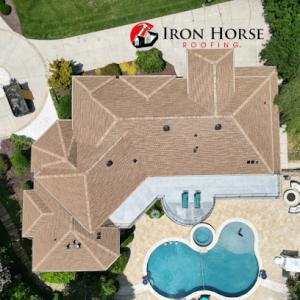
Iron Horse Roofing
(984) 205-5638 ironhorseroofing.com
2140 Page Rd STE 103, Durham, North Carolina
4.8 from 195 reviews
Iron Horse Roofing is a trusted roofing contractor serving North Carolina, South Carolina, and nearby areas. With over 23 years of experience, we specialize in roof replacements, repairs, and new roof installations for both residential and commercial properties. Our certified team works with asphalt shingles, metal roofing, and flat roofs—delivering durable, weather-resistant solutions. We offer free roof inspections, insurance claim assistance, and exclusive discounts for military and first responders. Contact us today for reliable roofing you can count on.
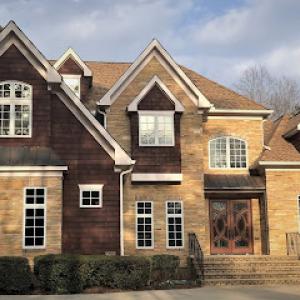
Boxer Roofing
(919) 730-1735 boxerroofing.com
5900 Knight Dr, Durham, North Carolina
5.0 from 38 reviews
Boxer Roofing established in 1973, located in Durham, N.C., serves the Raleigh, Durham, Chapel Hill and surrounding communities. We specialize in roof replacement for residential dwellings and have earned an Accredited Membership with the Better Business Bureau, A+ Rating. All installations are warranted. Specializing in roof replacements, roof repair, wood rot, attic ventilation and gutter installation. Certified roofing contractor for GAF and Certainteed.
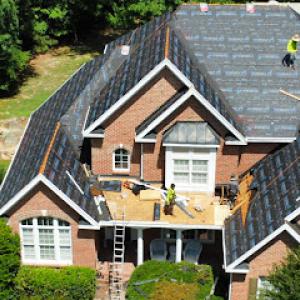
MJ's Roofing & Remodeling
(919) 295-0404 mjsroofingandremodeling.com
1135 Amber Shadow Dr, Durham, North Carolina
4.9 from 72 reviews
MJ’s Roofing & Remodeling is a locally owned and operated company, deeply rooted in the Raleigh-Durham community. With more than 30 years of experience in the industry, we have built our reputation on quality craftsmanship, professional staff, and a commitment to customer satisfaction. Our team specializes in providing durable and reliable solutions for both residential and commercial properties, ensuring a seamless remodeling experience that truly enhances your home or business space.
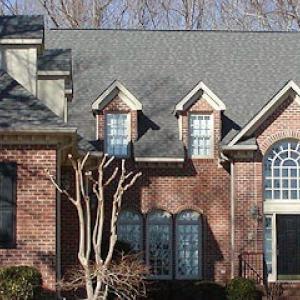
Cole Roofing & Construction
(919) 698-3207 www.coleroofingconstruction.com
3622 Lyckan Pkwy Suite 1003, Durham, North Carolina
4.7 from 313 reviews
Since 1973, Cole Roofing & Construction has provided homeowners with high-quality home repair services throughout the Triangle area. Our roofing and construction business has more than 11,000 satisfied customers throughout the state of North Carolina, and we’ve grown to become one of the region's most respected home repair companies. We are proud of our reputation for offering quality work at a fair price. The quality of our work can be seen in some of the most prestigious buildings in the state. Our teams have worked on North Carolina's Governor's Mansion, the North Carolina Museum of History, the North Carolina Legislative building, and several universities in the state.
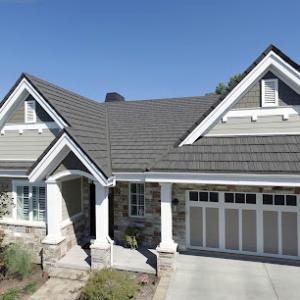
Erie Home
2224 Page Rd STE 108, Durham, North Carolina
4.7 from 354 reviews
Since 1976, Erie Home has manufactured, supplied, and installed the best-performing roofing on the market. By providing ironclad warranties and convenient financing, we ensure that every homeowner we work with receives top quality service and value for their homes and properties. Erie Home professionals are the roofing company of choice in the greater Raleigh, NC area. Whether you need roof inspections or roof damage repair services, Erie Home has been the go-to roofing contractor for nearly 50 years because of our attention to detail and dedication to making sure our customers are satisfied with their results. Contact us today for a quote and see why we're the trusted roofing company Raleigh counts on.
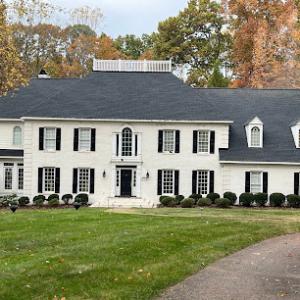
Feazel Roofing
(984) 377-7663 www.feazelinc.com
5417 S Miami Blvd, Durham, North Carolina
4.7 from 597 reviews
Proving exceptional roof replacement, repair, window replacement, gutters, solar, and siding since 1988, Feazel maintains an honorable reputation and is an accredited roofing company with the Better Business Bureau with an A+ rating. With a commitment to serve clients on a personal and professional level, you can count on Feazel to deliver an end-product you’ll be confident in. Feazel offers high-value solutions for roofing, windows, siding, gutters, chimneys, masonry, skylights, and more. Changing the way roofers do business, Feazel’s software, ServicePointTM, provides instant access to estimates, service scheduling, and project status information. You’ll never have to wait when it matters most.
Roofing
3706 Crabtree Ave, Durham, North Carolina
5.0 from 21 reviews
Here At Premier Roofing Sheet Metal & Construction we specialize in residential roofing, chimney repair, gutters, decks/porches and so much more with home improvement. You name it we can do it. we have over ten years of experience and are always committed to getting the job done and doing what's right for our customers always.
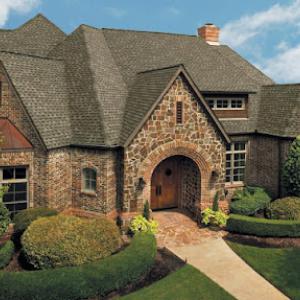
ARAC Roof It Forward
(919) 794-7333 www.roofitforward.com
2530 Meridian Pkwy, Durham, North Carolina
4.7 from 83 reviews
ARAC Roof It Forward is a residential and commercial contractor specializing in retail and insurance restoration projects. Our expertise includes all types of roofing, gutters, insulation, woodwork, and more. We pride ourselves on uncompromising character, ethics, and workmanship. At the core of our mission statement, we feel a tremendous sense of gratitude and fulfillment in the fact that we've made a commitment to give back to the communities that we are blessed to serve through our Roof It Forward initiative. This involves volunteering our time and giving a portion of every dollar we earn to fund Camp Sunshine. The purpose of this beneficiary is to help kids battling cancer get back to being kids again. "Together we can Roof It Forward"
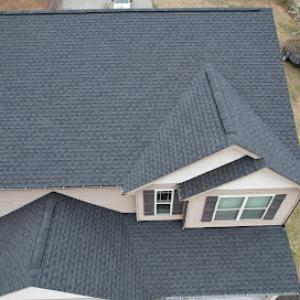
Murcia's Roofing & Home Improvement
3008 Firth Rd, Durham, North Carolina
4.8 from 48 reviews
Murcia's Home Improvement is dedicated to providing our customers with the very best home services by using only high quality materials and excellent craftsmanship that will last for years to come. We specialize in all home projects and pride ourselves on 100% satisfaction for the work we provide. If you're looking for a local Durham area general contractor, you can count on Murcia's to get the job done the right way - the first time.
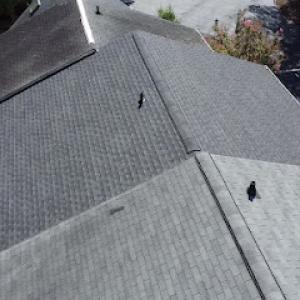
The Shingle Master
(919) 804-8870 www.theshinglemaster.com
4804 Page Creek Ln Office 128, Durham, North Carolina
5.0 from 17 reviews
The Shingle Master is a family-owned GAF Master Elite contractor in Durham, NC, providing expert roof replacement, repair, and storm restoration. We offer same-day estimates, 20-point inspections, and flexible financing for GAF roofing, solar shingles, James Hardie siding, and NeverLeak gutters. Our team ensures top-tier craftsmanship with real-time project tracking via our Master Connect app. Protect your home with Durham’s trusted, award-winning exterior experts today.
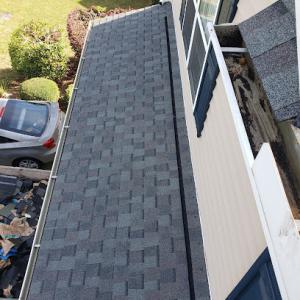
D.E.C. Restorations
2530 Meridian Pkwy Suite 300, Durham, North Carolina
4.8 from 24 reviews
At DEC Restorations, we specialize in exterior home repair and storm restoration with four main areas of focus—roof repair, roof replacement, siding and gutters. Since 2008, we have completed many successful projects. We never complete a job until you’re fully satisfied, and our goal is to make your house look as good as the day it was built. Call Now and get a FREE Inspection. Roofing, Windows, Gutters & Sinding.
Spring is a practical default for many Durham homeowners because it sits between the end of winter cold and the heat buildup of summer. The air is typically milder, which helps sealants and underlayment cure steadily without the risk of early heat shock. This is also when the tree canopy is beginning to leaf out, so you'll have good daylight on the roof without the harsh glare of peak summer. Plan tear-off and re-sealing tasks for mid- to late spring before the first hot stretch, and you'll reduce the chance of delays caused by sudden heat or unexpected storms. If a storm rolls through, you've usually still got a window to regroup before the next round of heat returns. Have a clear plan with your crew to protect exposed decking during any unexpected shower and to coordinate temporary coverings that stand up to local humidity.
Durham's summer roofing schedules are commonly affected by heat and pop-up thunderstorms, which can interrupt tear-off and dry-in sequencing. If you must work in summer, aim for early morning starts and wrap up by mid-afternoon when temperatures crest. Short, focused work bursts with built-in catch-up days tend to keep projects on track and reduce the risk of blistering adhesive failure or accelerated wear on exposed underlayment. Pop-up storms often form quickly; use a simple disruption protocol so you know when to cover open decking and when to pause for safety. In practice, this means coordinating on-site tasks with reliable weather forecasts, and having a dry-in plan ready so a sudden shower doesn't cascade into a longer delay. If possible, choose materials that tolerate warm, humid conditions, and confirm that sealants and fasteners are specified for higher summer temperatures.
Fall brings more predictable weather in this region, making it a natural rollover from spring without the heat stress of July and August. It's common to complete critical stages before the first frost, which reduces the risk of slow curing and helps ensure a solid seal before winter. The daylight hours are still ample for practical progress, and you can align steps that require ambient temperatures within a comfortable range. Roofing crews appreciate the steadier rhythm of fall, which often translates into fewer weather-driven stoppages and a more predictable sequence from tear-off through to final inspection. If you're coordinating with a storm calendar, you'll find that fall gives you a reliable buffer to wrap up before the most demanding days reappear in late autumn.
Winter is usually milder than mountain regions of North Carolina, but cold snaps and occasional ice can still slow shingle sealing and job progress. If a cold spell hits, you'll notice slower adhesive cure times and stiffer materials; plan accordingly by adjusting the schedule to emphasize tasks that can be completed in cooler conditions. Protect exposed decking from ice formation by ensuring tarps and temporary coverings are secure, and avoid scheduling the most sensitive work during periods of freezing rain. When warm spells briefly arrive, use them as opportunities to advance the dry-in process or complete critical sealing tasks, then resume normal pacing as temperatures stabilize. The key is to treat winter as a series of short windows rather than a continuous run, with a contingency plan for rapid changes in weather.
Asphalt shingles dominate replacements because they fit the city's large stock of conventional sloped residential roofs and remain the broadest budget option locally. For most Durham neighborhoods, a standard 3-tab or architectural shingle provides reliable protection against the Piedmont's spring storms and summer heat. These shingles pair well with the common roof pitches found on brick colonials and ranch homes, making matching colors and textures straightforward after a patch or full replacement. If a storm response scenario arises, asphalt shingles are forgiving when rapid repairs are needed, and the available local distributors make ordering replacement bundles easier to coordinate with a quick inspection cycle. When evaluating shingles, prioritize options with good impact resistance and a durable nailing zone to stand up to high winds typical of severe thunderstorm bursts.
Metal roofing is a meaningful Durham niche for homeowners seeking better heat performance and storm resilience in the Piedmont climate. Metal panels or standing-seam systems shed heat more efficiently, which can help reduce attic temperatures and curb cooling loads on hotter days. In neighborhoods with mature tree canopies, metal's weathered look and long service life can also complement the architectural variety found in established streetscapes. A key practical consideration is the fastener pattern and panel overlap, which influence leakage risk after heavy downpours. Metal roofs are less prone to shingle tear and blow-off under gusty conditions, but careful flashing at chimneys, vents, and wall interfaces matters more than with asphalt. In addition, local contractors commonly offer color-coordinated finishes that mimic traditional textures while delivering enhanced wind resistance.
Tile and wood roofs exist in Durham but are a smaller share of the market, making replacement details and matching materials more specialized than standard shingle work. Clay and concrete tiles deliver a distinctive curb appeal, with excellent longevity when installed on mechanically sound, well-ventilated decks. However, they are heavier than asphalt and require a structurally prepared roof deck, plus careful flashing around penetrations. Wood shingles or shakes convey a natural, classic look but demand attention to moisture and splitting, particularly in shaded, tree-covered blocks where humidity can linger. If choosing tile or wood, plan for precise ridge venting, robust underlayment, and skilled crews experienced with specialty materials to avoid premature failures during Durham's storm season.
Storm damage in this area tends to expose roofs quickly to driven rain and branches from nearby trees. A proactive approach to leak response means inspecting for wind-driven gaps near vents, skylights, and chimney bases after every major storm. For material choices, consider color and texture compatibility with neighboring roofs to maintain street-line aesthetics when a partial repair is required. When documenting damage for insurance, photograph the affected area with a clear date stamp, capture the interior water intrusion path, and keep a record of weather reports and emergency board-up steps. In many Durham neighborhoods, timely documentation and a clear scope of work help expedite claims and scheduling, especially when storm windows or openings create multiple repair points across a single roof.
A full re-roof typically requires a permit processed through the City of Durham Building Services. Before any shingles come off, you should verify whether your address triggers the standard permit path or a neighborhood-specific submittal quirk. If the permit is not pulled correctly or on time, you risk a stop-work order that can delay your project and complicate insurance claims after a storm event.
Reroof jobs generally involve at least an in-progress roof or underlayment inspection and a final roof inspection after completion. The in-progress inspection is where inspectors verify proper underlayment, nailing patterns, and ventilation setup. The final inspection confirms that everything tied to the sheathing, flashing, and drainage meets code and the city's expectations. Failing the mid-phase check can require remediation, which creates additional downtime and potential moisture exposure if rain intervenes.
Some Durham neighborhoods may have minor documentation variances, so homeowners should confirm submittal expectations before tear-off begins. The building office may request site plans, contractor licenses, or storm-damage documentation depending on the block and recent weather events. Keep a clear copy of permits, approvals, and any correspondence in a dedicated folder. If a variance is found late, you might face rework or a revised inspection timeline.
Some weather events and inspections in Durham can compress or extend schedules depending on the month and the inspector's workload. If a storm interruption occurs, the city may require additional documentation or resubmission. Build in buffer days for inspection windows and coordinate with the building Services early to reduce the risk of delays.
Coordinate with a licensed contractor who understands how Durham handles storm-damaged roofs. Notify your insurer about the permit path and anticipated inspection dates, since storm documentation timing can influence claim processing. Schedule the tear-off to minimize exposure during late-season storms and arrange protection for landscaping and nearby structures to avoid subsequent weather-related claims or disputes with the city.
If a final sign-off is not achieved, future permits for additions or roof work could be jeopardized, and your homeowner's policy may flag an incomplete job during a claim. Stay proactive with the inspector's contact information and keep your contractor accountable for turning around requests quickly. With the right preparation, a Durham re-roof can proceed smoothly, even when thunder rolling outside and a mature canopy of trees looms over the project site. If something seems off, pause and call your permit clerk to confirm the correct path before proceeding. That clarity can prevent costly rework, and peace of mind. Keep records ready for any claim.
Durham homeowners should expect local pricing to move within the provided per-square ranges, with asphalt shingles generally at the lower end and tile systems at the upper end. In practice, a simple re-roof on a modest ranch can land near the asphalt band, while homes with clay or concrete tile-common on some hillside streets and older brick precedents-tend to push into the higher end of the spectrum. The sticker shock you'll notice tends to come from additional materials like starter courses, underlayment, and flashing, but the core per-square cost ladder remains aligned with the material type.
Storm-driven surges in reroof demand around Durham can tighten scheduling and push pricing upward when many homeowners seek repairs at once. After a heavy thunderstorm, it's not unusual to see a flurry of quick roof checks and urgent tarping requests. If your project timing overlaps with a wider cleanup period, expect some scheduling delays and a few days of price adjustments as crews balance multiple urgent jobs. Planning ahead, even by a few days, can help avoid peak-demand spikes and keep the project on a steadier pace.
Costs in Durham can also rise with steeper rooflines, complex flashing around chimneys and skylights, and specialty material sourcing for less common tile or wood roofs. Steeper pitches add both labor hours and safety considerations, nudging the per-square rate upward across all materials. Flashing around chimneys and dormers often requires custom pieces, which can extend lead times and affect totals. Tile materials-whether clay, concrete, or wood shingles-rely on specialty suppliers; when stock is tight, you'll see modest upticks that show up in the final bid, especially for non-standard configurations. Synthetic and composite options, while typically more affordable, still reflect local availability and the logistical realities of Durham's storm-season demand.
Don't let upfront costs delay a critical repair - these contractors offer payment plans to fit your budget.
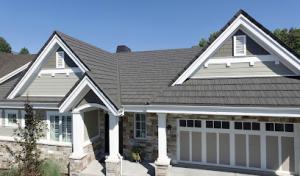
Erie Home
2224 Page Rd STE 108, Durham, North Carolina
4.7 from 354 reviews
Feazel Roofing
(984) 377-7663 www.feazelinc.com
5417 S Miami Blvd, Durham, North Carolina
4.7 from 597 reviews
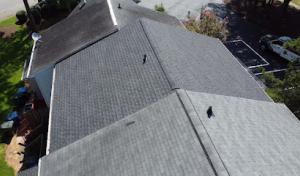
The Shingle Master
(919) 804-8870 www.theshinglemaster.com
4804 Page Creek Ln Office 128, Durham, North Carolina
5.0 from 17 reviews
Durham sits in an active North Carolina roof-claim environment where carriers may scrutinize age, prior damage, and maintenance history before approving full replacement. After storm events, adjusters may request dated photos, installation records, and evidence separating new storm damage from older wear. The sequence you document now can influence whether a claim moves smoothly or stalls. Underwriters in this region can shift requirements when the slate of storms changes from season to season, so a careful record helps you stand up to those reviews without surprises.
Begin with clear, dated imagery of the roof from multiple angles after a storm, including attic conditions and interior ceilings if leaks appear. Keep a chronological file of prior repairs, contractor notes, and any previous claim actions. Gather installation records or invoices that show original materials and roof age, and keep a copy of the most recent professional inspection if available. When you file, propose a conservative narrative that distinguishes recent storm effects from existing wear, and attach any weather reports or local damage assessments that corroborate timing.
Be prepared to answer questions about maintenance history, previous patchwork, and any known issues with flashing, vents, or valleys. In this climate, insurers may request extra proof of progression, so provide updates promptly and maintain consistent contact. If a claim seems delayed, revisit the documentation package for gaps and consider obtaining a second opinion from a local roofer who understands Durham's common shingle lifespans and storm patterns. This approach helps anchor your case in concrete, verifiable facts rather than impressions.
Skylights are a frequent leak point in Durham's storm cycles, especially where established tree cover funnels wind-driven rain toward the roof. The transition from roof deck to skylight curb is a common spot for sealant failure or deck degradation to begin. After a heavy shower, inspect the skylight flashing from the attic access or ceiling side for any damp spots, condensation, or peeling sealant around the curb. On the roof, look for lifted shingles around the skylight perimeter, silicone sealant that has turned brittle, or mismatched flashing under valley bends. If you're preparing for a reroof, count on inspecting the entire skylight flashing as part of the project scope and consider upgrading to a more robust, integrated flashing kit designed for irregular roof pitches common in Durham neighborhoods. When you notice recurring damp patches near a skylight, document the date, the specific flashing condition, and any nearby wind gusts or hail marks to build a clear picture for your insurer.
Chimneys raise both the visual and the leakage risk on many Durham homes. The throat flashing, step flashing, and counter-flashing around a chimney are the most frequent failure points once wind-driven rain pushes through. During reroofing or a targeted leak diagnosis, confirm that all flashing pieces sit tight against the masonry and meet the shingle line cleanly. Look for gaps where mortar crumbles or flashing corners have lifted, and test for sealant dryness along the chimney sealant bead. A small crack here can channel water down the interior wall or into the attic framework, especially after a thunderstorm. If a flare of dampness appears near the chimney during inspections, record the location and the flashing type in use, as this directly influences repair strategy and material selection.
After a Durham storm, walk the upper rooms around skylights and chimneys to catch the telltale drip patterns or musty odors early. On the exterior, perform a careful scan for loose shingles near penetrations, flaring around the skylight curb, and any exposed fasteners at the chimney step flashing. Note any peeling sealant or dark staining along the flashing joints. If a leak traces to a skylight or chimney, prioritize documenting the exact location and the observed failure mode, as this guides both temporary mitigation and the subsequent repair plan.
Find contractors experienced in skylight installation, flashing, and leak repairs to bring natural light into your home.
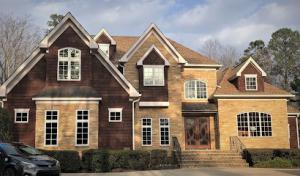
Boxer Roofing
(919) 730-1735 boxerroofing.com
5900 Knight Dr, Durham, North Carolina
5.0 from 38 reviews
Feazel Roofing
(984) 377-7663 www.feazelinc.com
5417 S Miami Blvd, Durham, North Carolina
4.7 from 597 reviews
Low-slope sections in Durham are most often found on additions, porches, or mixed-roof designs rather than as the dominant roof type for the whole house. This reflects local contractor specialization and the pattern of home expansions over time. Flat and low-slope roofing is present, but it tends to sit alongside a pitched main roof, creating a layered drainage reality that must be treated as its own system worth inspecting on its own terms.
These sections need evaluation separately from the main roof because thunderstorm rainfall can expose drainage and seam weaknesses quickly. Pay particular attention to transitions between a low-slope addition and a steeper main roof, as mismatches here are common trouble spots. Check for clogged or undersized scuppers, interior parapets, and flashing where the low-slope surface meets walls or other roof planes. In Durham, heavy leaf litter and acorns from established trees can exacerbate drainage issues, so ensure adjacent gutters, downspouts, and debris screens are clear before storm season.
A quick storm-responsive check is essential after Durham thunderstorms. On additions, leaks may appear at seam lines, fastener heads, or around penetrations where plumbing or HVAC ventures through the roof plane. Document any moisture intrusion with photos showing both the interior ceiling and exterior edge conditions. If you notice staining near a low-slope edge during or after a storm, prioritize resealing or re-flashing to prevent extended water intrusion along the seam.
Schedule targeted inspections for low-slope areas following significant rainfall events, especially after storms with strong winds or hail. Inspections should focus on membrane integrity, edge detailing, and the condition of any transitions to the main roof. Keeping a careful eye on these sections reduces the risk of hidden leaks that can worsen between rain events.
Find specialists in TPO, EPDM, and built-up flat roofing systems for residential and commercial properties.
Iron Horse Roofing
(984) 205-5638 ironhorseroofing.com
2140 Page Rd STE 103, Durham, North Carolina
4.8 from 195 reviews

Accurate Renovation
(984) 999-8547 accurateroofingnc.com
905 Lynn Rd, Durham, North Carolina
4.5 from 74 reviews
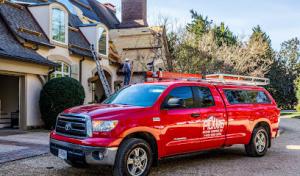
Pickard Roofing Company
(919) 682-5702 www.pickardroofing.com
823 E Trinity Ave, Durham, North Carolina
4.5 from 45 reviews
In the contractor market, warranty messaging is active, and you will commonly see offers tied to manufacturer-backed installation standards that address storm exposure and tall tree cover. Look for specifications that describe proper nailing patterns, underlayment choices, and flashing detail that align with the manufacturer's installation manual. A good warranty in this area signals that the crew followed those standards under rain, wind, and temperature swings typical of Piedmont storms.
Workmanship vs material coverage matters in this re-roofing-heavy climate. Because many homes in the area have aged decking or mixed roof lines, the warranty should clearly separate what is covered if a leak arises from installation practice, and what is covered for the actual shingles or panels over time. Ask for a written statement that explains how labor promises travel with the same crew, and whether there are exclusions tied to existing damage discovered during removal.
Partial storm repairs can change warranty terms. If a contractor proposes replacing only the damaged section rather than the whole system, compare whether the new installation carries the same workmanship warranty as a full-system replacement. In practice, you may see longer coverage on the material when the full system is replaced, but verify what happens to the original warranty on the untouched portions.
Documentation is key. When storm events are documented, insurers and manufacturers may refer to repair timelines and which layers were present at the time of replacement. Keep copies of inspection reports, photos, and the names of personnel who performed work. Ensure the warranty documents include a clear process for filing claims, with contact points and required notices.
Ask for a local reference check. Talk to neighbors who had similar storm repairs and ask whether the warranty claim process was straightforward, and whether the contractor honored both material and workmanship promises in the long run. This practical check helps you avoid gray areas when a future leak develops after the next severe season.
Solar-integrated roofing exists in the market but remains a small specialty compared with storm repair and standard reroofing. Most homeowners encounter solar as an add-on after addressing the roof's age, its flashing, and its ability to shed heavy Durham storms efficiently. In neighborhoods shaded by mature oaks and pine canopies, solar choices must be matched to roof orientation, shade patterns, and the likelihood of debris buildup from seasonal storms. The practical takeaway is to treat solar as a complement to a solid roof, not a quick afterthought glued on top of aging materials.
Durham homeowners considering solar should coordinate roof replacement timing first so they do not install panels over an aging roof system. If a major reroof is imminent, plan to install the new roof surface before adding solar components. This reduces the risk of roof penetrations, improves panel mounting reliability, and helps ensure that any future maintenance or panel upgrades don't require disturbing a recently installed system. In practice, align panel procurement and installation windows with the peak status of the roof deck, underlayment, and flashing to minimize the chance of early wear around penetrations.
Given Piedmont thunderstorm exposure and dense tree cover, panel placement should favor roof areas with consistent sun exposure and minimal shade from mature branches. Evaluate potential panel arrays for wind uplift resistance and defensible space for debris. Solar systems should be planned to avoid critical roof features such as vent stacks, chimney terminations, and skylights, which can become leak paths if not properly detailed. When storms roll through, you want quick access to panels for inspection and a straightforward path to any needed edge repairs on the underlying roof.
Because roofing work and solar-related scope can overlap, the sequencing of inspections and milestones can become more complex. Engage both teams early to map out penetrations, flashing transitions, and the preferred order of tasks. The goal is a single, coherent installation that preserves roof integrity while allowing efficient solar integration and documentation for future maintenance or insurance needs.
Find contractors who integrate solar panels or solar shingles into your roof for long-term energy savings.
Feazel Roofing
(984) 377-7663 www.feazelinc.com
5417 S Miami Blvd, Durham, North Carolina
4.7 from 597 reviews
The Shingle Master
(919) 804-8870 www.theshinglemaster.com
4804 Page Creek Ln Office 128, Durham, North Carolina
5.0 from 17 reviews