
Last updated: Apr 19, 2026
Fayetteville homeowners face the highest roof-risk stretch during the June-November hurricane and wind season, even though the city is inland rather than coastal. Hot, humid summers feed rapid aging of roofing substrates, and frequent thunderstorms create a perfect setup for small flashing gaps or loose shingles to become active interior leaks in minutes. Every late afternoon build-up of heat can push moisture through the roof deck, especially where underlayment or flashing has seen prior wear. The pattern is predictable: a storm rolls in, wind gusts drive debris and lift at vulnerable edges, and without immediate attention, you could be staring at hidden moisture behind ceilings before you realize it.
When a storm arrives, your first move is simple but critical: get up on the roof only if it's safe and you can do so without power lines or standing water nearby. Walk the most exposed sections first, checking ridge lines, hips, and valleys where wind-driven moisture tends to accumulate. Look for lifted shingles, torn flashing, or granule loss in areas adjacent to vents and chimneys. If a roof edge shows any lift, squash the area with temporary sealing measures such as heavy-duty tape or a board over the exposed section until a pro can seal it properly. In Fayetteville's heat, even sun-warmed shingles can crack, so treat any suspect spot as a potential leak source until proven otherwise.
Spring and fall storms in the Fayetteville area can bring heavy rain and hail, making post-storm inspections a practical priority before hidden moisture spreads. After a storm, inspect interior ceilings and walls in the attic and on upper floors for dark spots or damp insulation. Hail damage may leave bruising on metal flashings and edge metals that isn't immediately visible from below; if you notice dimpling or pitting, treat it as a red flag. In these times, you should also check gutters and downspouts for shingle granules or dented metal work, since clogged drainage can force water under the roof deck even without a dramatic leak. If a weak flash is found, do not delay calling a roofing professional to assess whether the underlayment remains intact.
During Fayetteville's hurricane season, documentation becomes a practical shield. Start a storm-damage file right after a storm: timestamped photographs of vents, flashing, shingles, and any exterior deck or gutter damage; notes on wind direction and rain intensity; and a log of weather conditions. If a claim becomes necessary, you'll need clear, contemporaneous visuals. Keep receipts for temporary repairs you perform to prevent interior damage, and document any interior leaks with photos from multiple angles. When talking with your insurer, you'll want to reference specific failures seen on the roof or around vent stacks and flashing to support your case. A quick, organized file reduces back-and-forth and helps ensure a more predictable claim process, which matters when time is of the essence during a fast-moving storm episode.
A Fayetteville roofer will focus first on limiting further interior damage and then on verifying the roof's readiness for repair. Expect the initial assessment to cover shingle integrity, flashing around chimneys and vents, underlayment exposure, and attic ventilation, since Cumberland County's inspection standards emphasize these areas on reroof jobs. If a leak is confirmed, the contractor will plan a staged approach: secure the vulnerable edge, replace or reseal flashing, and then restore the ventilation balance to prevent future moisture buildup. Because the region endures rapid weather shifts, proactive scheduling for a full replacement or a comprehensive repair is often driven by storm history, not calendar dates, so prioritize timely, decisive action when a problem is identified.
This section speaks to the way prolonged summer heat and muggy conditions in the Sandhills accelerate aging of shingle and underlayment systems. The high humidity keeps roof decks damp longer, which can keep fasteners corroded and sealants softening. Asphalt shingles, in particular, face accelerated granule loss and curling edges when exposed to repeated cycles of heat, sun, and moisture. Metal roofs can mirror this wear, with fastener heads and seam laps showing stress from expansion and contraction. Clay and concrete tiles weather differently but still suffer from thermal fatigue that makes coatings, sealants, and underlayment layers more prone to cracking in Fayetteville's sun-baked afternoons.
In this climate, roof replacement timing hinges on whether materials have absorbed stress from multiple humid summers and thunderstorm cycles. A shingle roof that has endured several hot seasons and repeated wind-driven leaks from passing storms will often reach a point where the remaining service life is diminished, even if appearance looks fine from the ground. The combination of heat, humidity, and intermittent severe weather means that the critical wear indicators are not only visible dimples or curls, but subtle changes in roof deck dryness, flashing flexibility, and underlayment tautness that can only be felt or tested up close. Plan for proactive evaluation after the peak storm season and before the next prolonged heat spike.
Winter in this area tends to be milder than the mountains, but winter rains and occasional freezes can trap moisture in vulnerable roof assemblies. Moisture that penetrates through minor gaps can freeze and thaw, widening gaps and accelerating deterioration of underlayment and sealants. This is a common trouble point for older homes with aging roof systems or for homes where previous repairs did not restore a continuous, watertight barrier. Look for soft spots on the roof deck, persistent staining on interior ceilings after a good rain, or frost pockets along eaves and vent penetrations. These are often early signs that moisture is lingering in the system and that winter conditions could compound existing wear.
A practical approach starts with a measured annual inspection cadence that aligns with Fayetteville's storm rhythm. After the thunderstorm season and before the height of summer, walk the roof with a critical eye for loose granules, lifted shingles, or curling edges. Pay special attention to areas around penetrations-vents, plumbing stacks, and chimneys-where heat-driven expansion stresses flashing and sealants more quickly. In the attic, check for dark spots, moldy smells, or damp insulation near vents and soffits. Those signs point to moisture being trapped and can indicate that the underlayment's protective function is no longer reliable.
Ventilation is a frontline defense against heat and humidity wear. A roof system with adequate intake and exhaust vents helps keep the decking cooler and reduces the rate at which underlayment deteriorates. If attic air feels hot or if soffit baffles are blocked by insulation, the heat buildup behind the underlayment can accelerate aging. Consider addressing vent blockages and ensuring a continuous air pathway from soffits to ridge lines. For homes with observed moisture accumulation, upgrading a tired underlayment or improving flashing continuity around edges and transitions can yield notable longevity gains, especially when paired with proper attic ventilation.
Finally, storm-season readiness matters. June through November brings more wind-driven moisture risk, so reinforcing primary roof edges, hips, and ridges with quality flashing and ensuring shingle tabs are sealed against blow-off are practical steps. Documenting hail or wind impact, taking photos of damaged areas, and tracking the timing of wear development support a clear, organized approach when insurance discussions arise after a storm. In this climate, proactive care and timely, localized repairs can extend the usable life of a roof facing Sandhills heat and humidity wear.
Asphalt shingles dominate replacements in this market because they fit a large reroofing demand and offer broad affordability. In a climate with inland tropical-storm exposure and hot, humid summers, asphalt shingles provide reliable, straightforward installation and broad color choices that help homes blend with established neighborhoods. When considering a reroof, focus on architectural or laminated options that increase wind resistance and reduce heat absorption. Proper ventilation and a solid underlayment are essential to extend the life of asphalt in storm-prone seasons, especially during the June through November peak activity. Local crews know how to square away drip edge, valley protection, and ridge vent alignment to minimize wind-driven leaks.
Metal roofing has a strong local specialty presence, reflecting homeowner interest in wind resilience and long-term performance through humid summers and storm seasons. Metal panels or shingles can offer impressive resistance to wind uplift and rapid rain, while also shedding heat more efficiently than many traditional options. In this market, metal often lines the more storm-focused or higher-end replacements, where neighborhoods with mature trees and open exposures benefit from its durability and quick installation timelines. When selecting metal, look for finishes rated to endure ultraviolet exposure and coastal-leaning humidity, and verify adequate attic ventilation to prevent condensation issues that can mimic leaks after heavy rains.
Tile, wood, and synthetic/composite roofs exist in the market but are less common specialties locally, so material choice can affect installer availability and scheduling. Clay and concrete tiles deliver a distinctive curb appeal and excellent longevity, but weight, fragility on steep pitches, and a more selective installer pool can complicate scheduling during peak storm seasons. Wood shingles and shakes bring a traditional look, yet they require ongoing maintenance to resist humidity-related rot and insect activity; in humid climates, they can shorten service life if not properly treated and ventilated. Synthetic or composite shingles offer a middle ground-lasting performance with manageable weight and a wider installer base-but still require careful vetting to match local weather demands and roofing crews' experience with sealant compatibility and flashing details. When choosing these materials, prioritize local references, confirm that the contractor can coordinate underlayment and flashing to withstand wind-driven rain, and plan for realistic timelines during the busy storm-season window.
In practice, the best approach for Fayetteville homes balances a roof that can resist wind and rain with the realities of installer availability and service schedules. Asphalt continues to be the most accessible, while metal represents a growing niche for wind-focused homes, and tiles or wood offer aesthetic variety at the cost of scheduling complexity. Ensure that any choice includes a robust underlayment, well-sealed flashings, and thoughtful ventilation to manage humidity and prevent hidden leaks after severe storms.
Spring and fall are the preferred reroof windows in this area because conditions are milder than the city's peak summer heat and humidity. If you're planning ahead, target a stretch with dry days and moderate temperatures-roughly a few solid weeks of calm weather to complete a tear-off, install underlayment, and finish with shingles or tiles. This timing reduces the risk of heat-related adhesion problems, excessive sweating from the roof deck, and stress on roof penetrations.
Scheduling gets harder after tropical-storm and thunderstorm events because Fayetteville has a strong emergency-repair and storm-response contractor presence that gets pulled into urgent work. If a storm hits, expect a temporary uptick in demand and possible delays for non-urgent reroofs. In that window, securing a reputable local contractor with storm-response experience helps ensure the project remains on track when the weather finally clears and crews can return to complete tear-off, underlayment, and ventilation checks.
Summer replacements in Fayetteville often have to account for afternoon thunderstorms that can interrupt tear-off and dry-in sequencing. Plan for weather buffers-allowing extra days for potential rain delays-and ensure the crew can complete critical steps in dry, consecutive shifts. Propping up tarps and coordinating with the crew to tackle underlayment and flashing in morning hours can help keep the project moving when pop-up storms roll in during the afternoon.
Roof age, visible shingle granule loss, and recurring leaks during heavy rain are practical triggers to consider reroof planning. If wind-driven leaks become a pattern after strong fronts, evaluate flashing integrity around chimneys, skylights, and valleys, as these areas often bear the brunt during storms. A proactive assessment during the spring or fall window can prevent expedited damage from tropical-season bouts.
Coordinate reroof timing with maintenance of attic ventilation and insulation. Proper ventilation helps with moisture control in the Cumberland County climate and supports longer-lasting roof performance after a full replacement. Prior to starting, verify that the chosen shingle or tile type is compatible with local wind-driven rain exposure and reflective thermals for summer heat mitigation.
Get a clear picture of your project costs upfront - no commitment required.
Calvary Roofing
(910) 494-4022 www.calvaryroofingusa.com
1402 Sapona Rd, Fayetteville, North Carolina
5.0 from 193 reviews
The Roof Mentors
(910) 987-2727 theroofmentors.com
1903 Bragg Blvd, Fayetteville, North Carolina
5.0 from 132 reviews
Best Choice Roofing
(910) 407-0075 bestchoiceroofing.com
135 S Racepath St, Fayetteville, North Carolina
4.8 from 149 reviews
Calvary Roofing
(910) 494-4022 www.calvaryroofingusa.com
1402 Sapona Rd, Fayetteville, North Carolina
5.0 from 193 reviews
Calvary Roofing, based in Fayetteville, NC, offers expert residential roof repairs, replacements, & inspections with a focus on quality, integrity, and customer satisfaction. Free estimates available.
Blue Ribbon Roofing
(910) 483-7663 blueribbonroofingnc.com
1740 Owen Dr Suite C, Fayetteville, North Carolina
5.0 from 94 reviews
Blue Ribbon Roofing serves homeowners and businesses throughout Fayetteville, NC and nearby communities with reliable, professional roofing services. From leak repairs and storm damage to full roof replacements, our team brings years of hands-on experience and a commitment to quality workmanship on every job. We work with both residential and commercial properties, handling everything from routine maintenance to complex roofing projects. Customers choose us for clear communication, honest recommendations, and roofs built to stand up to North Carolina weather. When you need dependable roofing service in the Fayetteville area, our team is ready to help—reach out today to schedule an inspection or get a quote.
The Roof Mentors
(910) 987-2727 theroofmentors.com
1903 Bragg Blvd, Fayetteville, North Carolina
5.0 from 132 reviews
We are a professional roofing contractor serving Fayetteville and surrounding North Carolina communities. We specialize in residential and commercial roofing, roof repairs, storm damage restoration, and gutter services. Our team is committed to high-quality workmanship, clear communication, and dependable service from inspection through completion. Whether you need a full roof replacement, emergency repairs, or routine maintenance, we focus on doing the job right and standing behind our work. Contact us today to schedule an inspection or request a quote from a local roofing company you can trust.
Premier Builders Roofing Specialists
(910) 485-3479 www.pbroofingspecialist.com
485 Robeson St, Fayetteville, North Carolina
5.0 from 58 reviews
Premier Builders & Roofing Specialists has been proudly serving Central and Eastern North Carolina since 1983. Since then, we have been providing professional, thorough and reliable roofing services to both homeowners and businesses in the local community. Our company is family owned & operated and we are committed to providing 100% customer satisfaction. We are dedicated to providing our customers the very best roofing services by using only high-quality materials and superior craftsmanship that will last for years to come. If you're looking for a roofer you can count on to get the job done the right way, the first time, give us a call today.
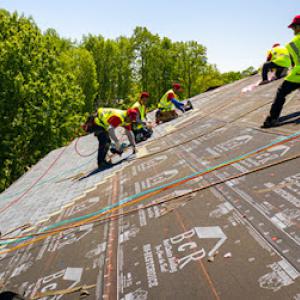
Best Choice Roofing
(910) 407-0075 bestchoiceroofing.com
135 S Racepath St, Fayetteville, North Carolina
4.8 from 149 reviews
Best Choice Roofing is a roofing contractor in Fayetteville serving Lumberton, Laurinburgh, Rockingham, and nearby areas. Our roofing company offers residential roofing, roof repair, and asphalt shingle roofing, and more. Customers love us because of our comprehensive roof warranties and our affordable roof financing options. We also have industry affiliations and certifications such as Owens Corning Platinum. If you want to experience how your most trusted Wilmington roofing company embraces our motto “You Chose The Best!", call us now for a free estimate!
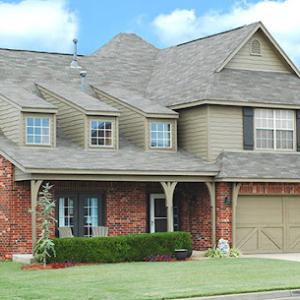
ABBA Roofing
1016 Appalachin Dr, Fayetteville, North Carolina
5.0 from 28 reviews
ABBA Roofing is a trusted local roofing company providing professional roof installation, roof replacement, roof repair, and emergency roofing services for residential and commercial properties. We specialize in asphalt shingle roofing, flat roofing, metal roofing, storm damage repair, and leak detection. Our licensed and insured roofing contractors are committed to delivering high-quality workmanship, honest pricing, and reliable service on every project. Whether you need a small roof repair or a full roof replacement, ABBA Roofing ensures durable, long-lasting results and customer satisfaction. We proudly serve our local community with fast response times, free roof inspections, and expert guidance to help you protect your home

ATD Roofing
(910) 807-8939 www.atdroofing.com
2501 Bragg Blvd, Fayetteville, North Carolina
4.9 from 54 reviews
Are you looking for a trusted roofing contractor in Fayetteville, NC? If yes, ATD Roofing is here for you. We are a top-rated roofing company Fayetteville you can count on for roof installation, repair, or replacement. We have highly trained and experienced roofing technicians to offer unmatched roofing services. We are honest and use high-quality roofing materials from top manufacturers. Our roofing materials come with warranties, and we provide workmanship guarantees. Besides roofing, we provide gutter, downspout, and siding services. We also offer dependable storm restoration services. Please note that we are licensed and insured, and our services are very affordable. Contact us for more information.
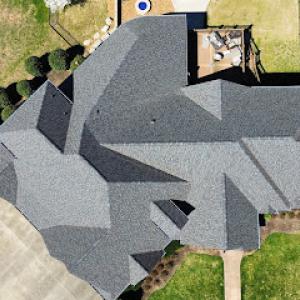
Big Timber Roofing NC
(910) 964-2299 bigtimberroofingnc.com
6893 Kingsgate Dr, Fayetteville, North Carolina
5.0 from 24 reviews
Big Timber Roofing is a high quality roofing company providing our community with an efficient roofing process accompanied with fair and honest pricing. We put our clients first each and every time and we look forward to working with you!
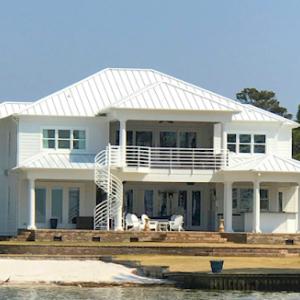
Pope Metals
6883 Butler Nursery Rd, Fayetteville, North Carolina
5.0 from 23 reviews
Pope Metals & Roofing is Southeastern North Carolina’s trusted choice for all types of roofing—metal, shingle, and commercial flat systems. With over 20 years of experience, we serve homeowners, business owners, and farm properties with roof replacements, repairs, and honest advice. From Fayetteville to the coast, we deliver dependable work, fair pricing, and real peace of mind.
TKPA Roofing
(910) 990-2965 tkparoofingllc.com
962 Bragg Blvd, Fayetteville, North Carolina
4.8 from 56 reviews
With over 21 years of industry experience, TKPA Roofing is the leading provider of top-tier residential and commercial roofing and siding services in Salemburg, NC and surrounding areas. As a proudly locally owned family business, we stand out for our exceptional workmanship and unwavering attention to detail. Our comprehensive roofing services specialize in asphalt and metal roof repairs, installations, and replacements. Fully licensed and insured, we deliver a hassle-free experience from start to finish. Contact us today to discover how we can meet your roofing needs, or request your free estimate—we're ready to serve you!
Advanced Roofing Solutions
(910) 988-8245 advancedroofingsolutionsllc.com
418 McArthur Rd, Fayetteville, North Carolina
4.7 from 94 reviews
Advanced Roofing Solutions (ARS) provides top-quality and budget-friendly roofing services in the Fayetteville, NC area. Our team of highly qualified and certified roofing contractors are fully licensed and insured, with years of experience and a proven track record of satisfied customers. From new roof installations and reroofing to repairs and maintenance, Advanced Roofing Solutions offers top brands and materials from trusted suppliers . With tailored financing solutions, you can access the roofing services you require today. Visit our website today to learn more about our professional team and get a FREE estimate!
SH Barnes East Coast Roofing
(910) 429-0509 www.barnesecr.com
906 Hope Mills Rd, Fayetteville, North Carolina
4.7 from 61 reviews
SH Barnes East Coast Roofing is a roofing contractor in Fayetteville NC, providing roof replacements, roof repairs, roof inspections, siding repair, fascia and soffit repairs, attic insulation, deck installation and repair, privacy fence installation, and emergency storm damage services to the Fayetteville, NC, area and Always "Free Estimates" and "Fully Insured"
A full roof replacement in Fayetteville typically requires a building permit through Cumberland County rather than being handled informally. The process is designed to ensure underlayment, flashing, and ventilation meet local standards, especially after storm events when roofs show wear from wind-driven leaks. If contractors suggest skipping permits or rushing through the paperwork, you should pause and verify; a permit infers a documented inspection path and helps prevent later complications with insurance claims or neighbor disputes.
The local process commonly includes an underlayment-stage inspection and a final inspection, with attention to fasteners, flashing, ventilation, and flashing integration. Expect the underlayment check soon after tear-off, confirming material type, fastening pattern, and visibility of roof deck condition. The final inspection focuses on overall workmanship, proper sealing around penetrations, and proper integration of flashing with walls, chimneys, and vent pipes. Plan for potential re-inspection if panels or details fail to meet the county's criteria, which can push a project back by days rather than weeks.
Homeowners in Fayetteville can run into online-portal processing issues, HOA-related approval quirks, or plan review delays that affect project start dates. The online portal may experience outages, misfiled documents, or slow status updates during peak months. HOA requirements can demand specific shingle lines, color approvals, or additional flashing details before permission to begin is granted. Plan for slower responses during hurricane-season windows, and keep a built-in buffer for inspections that may require revised drawings or added details to satisfy county inspectors.
To minimize surprises, secure preliminary feedback from the building department early when selecting materials and venting plans. Coordinate with your contractor to align the permit submission with weather forecasts, since Fayetteville summers bring heat and humidity that complicate staging and ventilation checks. If delays arise, document communications and maintain ready access to plans, test reports, and product specs to expedite any required revisions during plan review.
In Fayetteville, storm-driven demand spikes after wind and tropical-storm events push emergency work ahead of planned reroofs. That surge can lift material and labor prices for a stretch, then flatten as the market cools. When you're evaluating bids, expect shifts tied to weather windows, with crews juggling urgent repairs and full replacements. This is not a uniform market year-round; price readings can jump between storm season peaks and calm periods, so a plan that locks in a start date during a slower stretch can save you money.
Material choice matters sharply here: asphalt shingles remain the budget leader, while metal and tile options rise more quickly because they require more specialized labor in this market. The typical cost ranges reflect that; asphalt shingles sit at the low end, with other options climbing toward the higher end as installation complexity, wind resistance, and reuse of fasteners and underlayment drive labor needs. For most homes, asphalt shingles offer a predictable, value-forward path, but if high wind tolerance or longer service life is the goal, metal and tile can be worthwhile despite higher upfront prices.
Soft costs and scheduling considerations add to the bottom line beyond raw material pricing. After a storm, crews may negotiate faster timelines to meet demand, but that can tighten availability and push around labor calendars. In practical terms, expect some variance in start dates, inspection coordination, and crew travel time. A well-timed project-preferably during a lull between major storm cycles-helps keep the overall project lower than peak-season peaks while still delivering a good wind-resistance install.
When comparing bids, ask for a detailed breakdown: roofing material, underlayment, flashing, ventilation, disposal, and any staging or access costs. Look for clarity on waste handling and site protection, which can vary with weather-related scheduling. Ask specifically about wind-rated components if you're prioritizing hail or wind performance, and verify that the bid aligns with your roof's size and complexity to avoid surprises later on.
Don't let upfront costs delay a critical repair - these contractors offer payment plans to fit your budget.
Blue Ribbon Roofing
(910) 483-7663 blueribbonroofingnc.com
1740 Owen Dr Suite C, Fayetteville, North Carolina
5.0 from 94 reviews
Best Choice Roofing
(910) 407-0075 bestchoiceroofing.com
135 S Racepath St, Fayetteville, North Carolina
4.8 from 149 reviews
Advanced Roofing Solutions
(910) 988-8245 advancedroofingsolutionsllc.com
418 McArthur Rd, Fayetteville, North Carolina
4.7 from 94 reviews
Wind, hail, and tropical-storm losses are common claim drivers for Fayetteville roofs, so insurers often look closely at whether damage is storm-related or age-related. During the June through November peak storm season, quick reporting matters, because a single event can cascade into multiple damaged components-flashing, underlayment, and vent boot installations are common points of failure after a hard wind or a hail burst. If a claim hinges on a storm, timely documentation can make the difference between a simple repair and a larger, more scrutinized reimbursement. This city's exposure to inland tropical systems means adjusters will be watching for patterns that tie damage to a specific event rather than long-term wear.
In this region, adjusters commonly weigh roof age and visible deterioration when deciding how much of a Fayetteville claim is covered. Shingles that have curled, granules shed, or granule loss on the gutter line may be interpreted as aging, especially on roofs nearing the end of their expected life. Before pursuing repairs, you should anticipate that cosmetic wear paired with newer damage could influence outcomes. If the roof is older, you may face partial coverage or a higher proportion of the replacement cost deemed attributable to aging rather than a single storm's impact.
Detailed photos and prompt documentation matter in Fayetteville because insurers may request strong evidence tying damage to a specific storm event rather than long-term wear. Photograph the entire roof from multiple angles, focusing on missing shingles, lifted edges, damaged flashing, and any interior signs of leaks around ceilings and attic spaces. Include weather reports, claim dates, and any notices from the adjuster. Keep a dated log of communications and keep all receipts for temporary repairs, which helps establish a clear timeline tied to a known storm occurrence.
Connect with contractors who help homeowners navigate the claims process from damage assessment to final approval.
Calvary Roofing
(910) 494-4022 www.calvaryroofingusa.com
1402 Sapona Rd, Fayetteville, North Carolina
5.0 from 193 reviews
Blue Ribbon Roofing
(910) 483-7663 blueribbonroofingnc.com
1740 Owen Dr Suite C, Fayetteville, North Carolina
5.0 from 94 reviews
The Roof Mentors
(910) 987-2727 theroofmentors.com
1903 Bragg Blvd, Fayetteville, North Carolina
5.0 from 132 reviews
Local inspectors in Cumberland County pay close attention to flashing integration, reflecting how often leak problems trace back to flashing details rather than field shingles alone. When inspecting a roof, look at step flashing where the roof meets walls, chimneys, and sidewall penetrations. In this climate, low-slope transitions and any misalignment between flashing and shingles are common culprits. Sealant lines should be clean, continuous, and free of puckering or gaps. If flashing is concealed by overlying materials, request a careful uncovering during inspection to verify its proper seating and overlap.
Wind-driven rain during thunderstorms can expose weak points around roof penetrations, transitions, and improperly fastened edge details. Pay close attention to vent stacks, plumbing vents, and skylights, especially where flashing wraps around curbs or base plates. Inspect for loose or corroded fasteners, and check that shingles near these areas lay flat without lifting. Edges and rakes should have continuous metal or termination bars intact, with no gaps that would allow wind-driven spray to reach underlayment.
Skylight and chimney intersections deserve extra scrutiny in Fayetteville because sudden summer downpours can reveal installation defects fast. Ensure skylight flashing is properly integrated with the surrounding shingles and that the curb is properly sealed to the roof deck. For chimneys, look for step-flashing continuity up the chimney chase and at any transitions to siding or brick. If flashing appears to bend or crease under pressure, it may need adjustment or replacement to prevent leaks during heavy rain events. Regular checks after major storms help catch issues before interior damage develops.
Find contractors experienced in skylight installation, flashing, and leak repairs to bring natural light into your home.
In a market with frequent storm activity, you want a contractor who can be reached quickly after a wind event and who sticks to the project through every step. Ask for a timeline and a firm delivery date, and confirm that cleanup after tear-off is included. Fayetteville roofs take a beating from wind-driven rain, and missed debris removal can lead to later leaks.
The local mix includes long-established, family-owned outfits and manufacturers certified installers. Those sellers tend to stand by their warranties longer and offer follow-through after the job. Check how they handle any factory defects and whether they provide a written workmanship guarantee that covers reroofing on occupied homes.
Residential work dominates here, so confirm that the contractor's strongest track record is with occupied homes rather than primarily commercial projects. Evaluate recent storm-related reroofs in similar housing stock and how crews protect interior spaces during tear-off and system replacement.
Ask for a written plan that shows weather planning, staging, and protection for landscaping and vehicles. Request a sample site visit and a staged cleanup checklist, including post-tear-off debris removal and disposal. Check references from neighbors with comparable homes and verify that the crew will coordinate with insurance adjusters when needed.
When storm damage is obvious, ask for a contractor who will help you document losses with photos, notes on flashing and underlayment, and a written summary for the adjuster. A responsive roof crew will schedule tarp protection quickly and keep you informed of any delays due to weather.