
Last updated: Apr 19, 2026
Burlington homeowners face the most roof disruption from heavy spring rain and wind events, followed by hurricane-season impacts from August through October. The Piedmont heat and humidity stress roofing materials, while brisk spring gusts can lift edges and loosen shingles before a proper repair can take hold. The combination means a small leak today can become a larger interior problem tomorrow if it's not addressed promptly. Late-summer storms bring rapid shifts in wind direction and driving rain that push water toward seams, vents, and flashing. When storms arrive, the surge in emergency demand pulls local roofers toward tarping and leak calls first, potentially delaying nonurgent work. Expect these dynamics to shape how quickly a repair or replacement can occur.
If a storm is imminent or actively delivering heavy rain, your priority is tarping and securing entry points to slow water intrusion. Place a watertight tray or bucket under active drips and move valuables away from affected areas to reduce collateral damage. For visibly damaged shingles, loose flashing, or signs of wind uplift, avoid ladder work in high wind and call a professional as soon as the weather allows. Do not assume a small attic condensation patch is harmless; moisture traveling through decking or studs can degrade structure faster than it appears. When wind-driven hail is possible, inspect after the storm only if it is safe to do so; otherwise document with photos from ground level and wait for an inspected assessment. In Burlington, storms don't respect weekend timing-plan for after-hours outreach from reputable roofers who can provide temporary protection and a rapid on-site evaluation.
North Carolina storm claims in this area are commonly driven by wind, hail, and water intrusion documentation rather than obvious catastrophic roof loss. Start a damage log the moment you notice a problem: record dates, storm details, and windshield-weather reports; photograph the attic, ceilings, and exterior roof lines from multiple angles. Capture close-ups of lifted shingles, missing granules, punctures, and any signs of leaks around dormers, pipes, or chimneys. Save any temporary tarps or protective measures with timestamps. When you reach out to your insurer, present the damage chronology clearly: what happened, when you noticed it, and what actions you've taken to mitigate further harm. If an adjuster's visit is delayed by storm volumes, continue to document ongoing issues so claims don't stall on interpretation.
During busy storm periods, crews can be prioritized for emergency leak calls over full-replacement projects. Reach out to multiple established local roofers for a triage assessment rather than waiting for a single recommendation. Ask for written timelines, a clear plan for temporary protection if needed, and a detailed scope of work that distinguishes tarping, leak repair, and full roof replacement. Verify that any temporary fixes are compatible with the roof's material and the home's structure, and request a written second opinion if you suspect hidden water damage. In peak season, speed matters, but so does accuracy-choose a contractor who provides transparent communication, thorough inspections, and documented, staged repair plans to weather the storm's aftermath.
Asphalt shingles and metal roofing are the most practical mainstream choices in Burlington, offering solid durability against hot Piedmont sun, humidity, and spring downpours. The typical cost ranges reflect common local homes: asphalt shingles run from about 350 to 550 USD per square, while metal roofing spans roughly 700 to 1100 USD per square. Clay tile and slate sit at the higher end of the spectrum, and they demand careful planning on older or structure-sensitive homes. Clay tile generally falls from 900 to 1500 USD per square, with slate at 1000 to 1800 USD per square. Wood shingles or shakes, and synthetic or composite shingles sit in between, with wood at roughly 600 to 900 USD per square and composites from 400 to 650 USD per square. For a Burlington resident evaluating reroof options, the choice often comes down to balancing upfront cost with long-term performance under heat, humidity, and heavy spring rain.
Costs in the Alamance County area can move upward after regional storm events when reroof demand spikes across nearby Piedmont markets. When a spring storm dumps on neighborhoods, contractors see tighter schedules and increased material fluctuation, which can push the bottom-line a bit higher than typical. This is especially true for asphalt shingle projects that require quicker staging and more overhead to accommodate tight timelines after hail or wind damage. Steel and metal roof installations may also incur higher labor hours if roof geometry is complex or if venting and flashing details must be upgraded to meet weathered conditions. For clay tile or slate, the structural implications remain a key driver: homes with older framing or weaker ceilings can require reinforcement, which adds to both time and cost.
In Burlington's spring storm and hurricane season, the economics of a reroof are influenced by urgency. If a storm hits and damage is widespread, crews may prioritize faster installations to minimize further leaks, potentially affecting material choices. Asphalt shingles are often the most cost-effective, fastest to install, and widely available for quick response. Metal roofs, while pricier upfront, can offer better wind resistance and a longer service life-some homeowners consider the higher initial cost worth the reduced risk of repeated storm damage. For high-end options like clay tile or slate, the decision hinges on the structure's ability to bear heavier weights and the willingness to fund premium installation time and labor.
Hot, humid installation conditions are common in late spring and summer, and they can extend labor time on steeper residential pitches. If your roof has a pronounced slope or is a multi-story section, expect longer staging and more crew hours, which translates to higher daily rates. In Burlington, traditional North Carolina housing often features steeper pitches, so the impact on labor time is real. That means a quoted square-foot cost could escalate if the crew needs additional safety measures, more extensive ventilation work, or meticulous flashing around chimneys and dormers. When planning, you'll want to discuss anticipated weather windows with your contractor to avoid rushed work during peak heat, which can affect shingle warranties and overall adhesion quality.
Superior Roofing & Gutters
(336) 675-3359 superiorroofingandguttersnc.com
2848 Faucette Ln, Burlington, North Carolina
5.0 from 117 reviews
SUPERIOR ROOFING & GUTTERS - Residential & Commercial Roofing Contractor At Superior Roofing & Gutters, we do more than fix roofs - we build trust. Based in Burlington, NC, we serve homeowners in Mebane, Graham, Elon, Gibsonville & surrounding areas with expert roofing & gutter services. We specialize in full roof replacements, storm damage repair, leak fixes, roof inspections, asphalt shingle & metal roofing, seamless gutter installation, gutter guards, fascia & soffit repair, and seasonal maintenance. Locally owned, fully insured & committed to quality, our skilled team treats every home like it’s our own. Call today for a free estimate & experience the Superior difference.
Riley Roofing Company
1240 Norris Trl, Burlington, North Carolina
5.0 from 50 reviews
Call your professional residential Roofing we specialize in re-roofing older homes
Just In Time Roofing & Restoration
720 Chapel Hill Rd, Burlington, North Carolina
4.9 from 269 reviews
At Just In Time Roofing & Restoration, we take pride in providing the highest level of customer service possible along with superior results from a job done right the first time. Our commitment to honesty and integrity is evident in every project we complete. Our local, family-owned company is dedicated to ensuring the use of top-quality products and offering extended warranties on roofs for residential and commercial customers in the Burlington, North Carolina area. We offer roof installations, repairs, and inspections, as well as emergency tarping services. We also specialize in working with your insurance company when storms hit. We can also help with solar energy, gutters, siding, fences and windows.
North Carolina Roofing & Gutter Company
(336) 684-8470 www.northcarolinaguttersandroofingcompany.com
3240 Mansfield Rd, Burlington, North Carolina
4.9 from 108 reviews
Discover excellence in roofing and gutter solutions with our family-owned business in central North Carolina. From seamless gutter installations to roof replacements and repairs, we're your trusted local experts. Led by John Davis, our dedicated team prioritizes quality work and personalized service. Experience the difference today – contact us for a free estimate on your next project, whether residential or commercial. BBB Accredited Business!
Suretop Roofing
(336) 270-9292 www.suretoproofing.com
3413 S Church St, Burlington, North Carolina
4.9 from 64 reviews
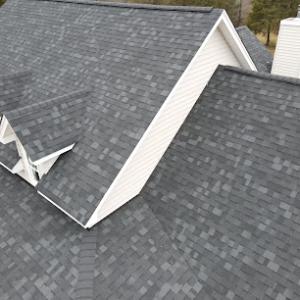
Suretop Roofing is a premier roofing contractor in Burlington, NC, offering a wide range of services including new roof installation, roof repair, storm damage repair, insurance claims assistance, and professional roof inspections. Our team of experienced roofers specializes in metal roofing, shingle roofing, and flat roofing. Trust Suretop Roofing for all your roofing needs in Burlington, NC.
Rodriguez Roofing
(336) 792-8246 rodriguezcontractorroofers.us
903 Maple Ave, Burlington, North Carolina
5.0 from 38 reviews
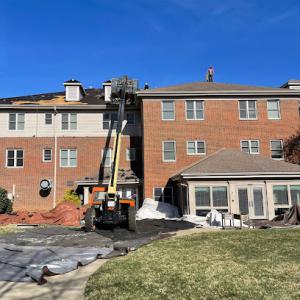
Rodriguez Roofing is a company that was established in burlington, NC many years ago under the values of professionalism, integrity and responsibility.
All About Roofing
(336) 729-2586 www.allaboutroofing.net
819 NC-87, Burlington, North Carolina
4.7 from 234 reviews
Since 1984, All About Roofing has been providing quality roofing systems for Greensboro, NC, Burlington, NC, Eden, NC and surrounding areas. Our Greensboro, NC roofing contractors provide quality roofing products and first-class craftsmanship. All About Roofing is factory trained and certified to provide good advice about roofing & chimney products and procedures, to help educate you so you can choose what is best for your needs.
Gonzalez Roofing & Construction
Burlington, NC
4.8 from 80 reviews
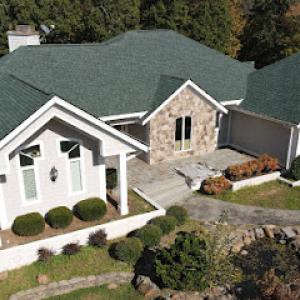
Welcome to Gonzalez Roofing & Construction, your premier choice for residential roofing services based in Mebane, NC. We specialize in a wide array of services including metal roofing, asphalt shingle roofing, seamless gutters, metal buildings and structures, and storm damage recovery. Our commitment to excellence sets us apart. Unlike many competitors, we don’t subcontract – we perform all work ourselves, ensuring the highest standards of quality and care for every job.
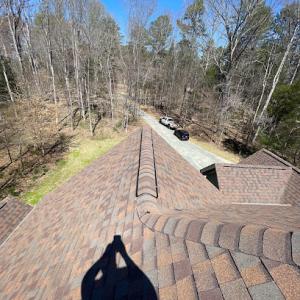
MCSquared Roofing
(336) 988-7663 www.myroofer.com
1416 Whites Kennel Rd, Burlington, North Carolina
4.9 from 42 reviews
Welcome to MCSquared Roofing, the premier roofing company specializing in professional roof replacement services. If you’re in need of having your roof replaced, you’ve come to the right place. With years of industry expertise and a strong commitment to customer satisfaction, we are the trusted choice for all your roofing needs.
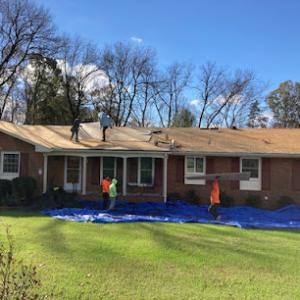
RNT Roofing & Construction
(336) 901-8101 www.rntroofing.com
5715 Mt Vernon Church Rd, Burlington, North Carolina
5.0 from 20 reviews
At RNT Roofing & Construction we specialize in Metal & Shingle Roofing, Gutters, Windows, Doors, Fences, Decks, Concrete & More. We are a Full Service, Licensed Contractor. Our company motto is "No job too big, or small. We do them all!" Give us a call anytime at.
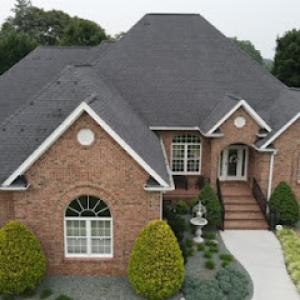
Sipe Roofing & General Contracting
(336) 264-7532 www.siperoofingandgeneralcontracting.com
2459 Corporation Pkwy Suite C, Burlington, North Carolina
4.8 from 49 reviews
Sipe Roofing & General Contracting is your go-to roofing contractor in Burlington, NC, specializing in roof replacement, roof repair, storm damage roofing, and emergency roofing services. Our expert team is ready 24/7 for emergency roof repairs, ensuring your home or business is protected. We excel in metal roofing, TPO roofing, shingle replacements, and new roof installations, using only the best roofing materials from leading brands like GAF and Owens Corning. With decades of experience since 1992, we guarantee top-quality workmanship and customer satisfaction. Contact us today for a free inspection and experience our reliable, community-focused service firsthand.
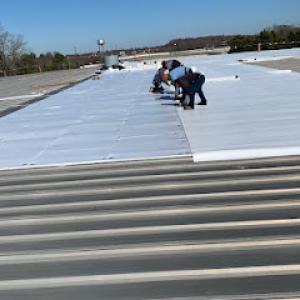
Mitchell Roofing
(336) 227-9704 www.mitchellroofingnc.com
2355 Durham St Ext, Burlington, North Carolina
4.0 from 50 reviews
Mitchell Roofing has provided residential and commercial roofing services since 1965. We are a full-service roofing provider, providing professional roofing services throughout North Carolina and South Carolina. We provide residential roof repairs and replacements, gutters, and commercial flat roof new installs, repairs, and replacements. No job is too large or to small. Unlike many competitors, Mitchell Roofing is licensed and insured. We have been around for nearly 60 years, and we will be here tomorrow. Mitchell Roofing are certified installers of Carlisle, Firestone, Duro-Last, Versico, FiberTite, and WindSmart products.
A full roof replacement in Burlington typically requires a building permit issued through Alamance County Building Inspections. The process is designed to ensure underlayment, ventilation, and the finished roof meet local code, especially after heavy spring rains and late-summer wind events that are common around Alamance County. In most cases, the permit application is handled online or in person by the contractor, though a homeowner can pull the permit if preferred. If a contractor is pulling the permit, they are responsible for posting the permit on site where it's clearly visible during the project. This posting is not just a formality; it acts as the official notification to inspectors and neighbors that work is in progress.
Before submitting anything, have the project specifics ready: the exact address, a scope of work that includes roof type, square footage, shingle or panel material, and any reinforced ventilation or underlayment upgrades. You will need a clear set of plans or a simple site drawing showing roof dimension, eave lines, and any attic ventilation changes. If a storm-damaged roof needs emergency work, document the condition with photographs and notes, as this helps with insurance coordination and timely inspections once the permit is issued. For Burlington properties, verify that the planned replacement complies with applicable local amendments, including those related to venting and attic insulation if upgrades are part of the job.
Inspections in Alamance County focus on more than the visible surface. After the permit is posted, the first inspection typically checks underlayment installation, roof deck integrity, and ventilation provisions. A mid-project inspection may be required if there are substantial structural or underlayment changes, especially when upgrading to higher-performance underlayment or adding additional vents. The final inspection confirms that the roofing system-completed shingles, metal panels, or other materials-has been installed correctly and that all flashing, drip edges, and penetrations are sealed and functional. In Burlington, inspectors will verify that the work aligns with the permit scope and that any modifications during construction were properly documented.
During Burlington's spring storm and hurricane season, delays can occur if weather events affect access to sites or create high volumes of permit activity. It's prudent to coordinate with the contractor to ensure the permit is pulled promptly and that inspection appointments are scheduled as soon as weather allows. If an emergency repair is necessary to protect the home, document the work and communicate with the permit office about pursuing a temporary or supplemental permit path, if applicable, to avoid gaps in compliance while repairs proceed. Keeping the permit on site and maintaining ready access for inspectors helps prevent scheduling bottlenecks as the season progresses.
The Piedmont heat and humidity cycle hits roofs differently here than in cooler or more rugged mountain climates. In the peak of summer, attic spaces can trap heat and moisture, accelerating the aging of underlayment, shingles, and flashing unless ventilation moves air effectively. If attic vents are weak or obstructed, you may notice faster granule loss on asphalt shingles, elevated indoor attic temperatures, and more pronounced and rapid wear around rakes, eaves, and drip edges. Practical steps include verifying that soffit vents are clear, ensuring a balanced attic ventilation plan, and inspecting for trapped moisture after long heat waves or heavy afternoon storms. Regular checks of ridge vents, soffit intake, and balanced circulation matter more here because the heat can compound small defects into bigger leaks.
Occasional winter freezes in this part of the state can stress aging roofing systems after wet periods, especially at flashing details, transitions around chimneys, skylines, and vent boots. When damp conditions follow a freeze-thaw cycle, seams and flashings are prime spots for micro-leaks to develop. You'll want to pay attention to any staining along walls or ceiling spots that coincide with wind-driven rain or rapid temperature swings. During mild spells that precede a cold snap, perform a proactive check of flashing solder joints, sealant integrity, and the condition of step-flashings along roof-to-wall transitions. If you notice hairline cracks or loose caulk during a dry spell, address them before a deep freeze to reduce interior water tracking when temps swing again.
Late fall and winter cold snaps can slow installation and influence how some roofing materials perform during replacement scheduling. Cold weather can reduce the pliability of certain underlayment and sealants, affecting how neatly flashing seats and how well adhesive-backed components bond. If a replacement window falls during colder periods, plan for slightly longer in-progress safety margins, and anticipate that some materials may require temporary protection during installation days with freezing overnight temperatures. In practice, this means coordinating with a contractor to designate moderate-weather install days, protecting open roof sections with tarps, and confirming that temporary seals around penetrations are maintained until full system integration is complete. With careful timing and attention to transitional conditions, a roof replacement can keep performance standards intact even when temperatures dip.
Asphalt shingles dominate replacements in this market because they fit the local cost range and align with the large re-roofing activity you see after a storm season. In this climate, they handle the Piedmont heat and humidity reasonably well when paired with proper attic ventilation and a quality underlayment. For homeowners facing frequent spring rains, asphalt shingles offer straightforward repairs and dependable wind resistance, especially when installed with a wind-rated variety. If a home features older, lighter roofs, a modern asphalt system with appropriate underlayment can refresh curb appeal while maintaining solid protection against rain-driven leaks.
Metal roofing has strong local traction in Burlington and surrounding Piedmont areas because homeowners want better wind and water performance during storm season. Metal panels shed rain quickly and resist impact better than many other options, which matters during sudden spring downpours and tropical storm remnants. Corrugated or standing-seam metal can also extend roof life in homes subjected to high heat and radiant sun. For a property with a taller silhouette or expansive roof surface, metal's longevity and low maintenance can be a practical long-term investment. The main considerations are compatibility with existing architecture, potential attic heat gain, and the need for precise flashing around chimneys and vents to keep moisture out during heavy storms.
Wood shakes and clay tile appear in the market, but their use tends to be selective. Shakes bring a distinctive texture that suits particular craftsman or cottage styles, yet they require more maintenance in humid settings to prevent mildew and deterioration. Clay tile offers excellent durability in hot conditions and can be very striking on Mediterranean-inspired designs, but weight and retrofit feasibility matter on many Burlington homes. Synthetic and composite shingles provide a middle-ground blend of look and resilience, with reduced maintenance needs and enhanced impact resistance compared to traditional materials. Slate delivers premium longevity and a refined aesthetic, yet its weight and cost restrict it to homes with compatible structure and budget flexibility. When a home's roof line, deck structure, and interior ceiling heights align with these materials, the result can be a high-performance, visually distinctive upgrade.
Choose asphalt shingles for a cost-effective, familiar option that covers most neighborhoods and allows reliable performance after heavy spring rains. If storm season wind resistance and long-term durability are priorities, consider metal roofing for its rapid runoff and robust weather tolerance, especially on homes with straightforward framing and no significant attic heat buildup. For architectural harmony or distinctive curb appeal, evaluate wood shakes, clay tile, or slate only if the home's structure and maintenance plan support their specific demands. Synthetic products can bridge gaps when a balance between appearance, weight, and maintenance is needed.
In a climate with intense heat, humidity, and seasonal storms, proactive maintenance counts. Regular inspections after severe weather help identify loose fasteners, damaged flashing, and any shingle or panel issues before leaks develop. Ventilation and attic insulation play a key role in keeping roof systems durable under heavy rain and high temperatures, especially for metal and heavier tile installations. Planning ahead for seasonal storms means choosing a material that aligns with your home's style, structural capacity, and local weather patterns.
Explore specialists in steel, aluminum, and standing seam metal roofs built to last 50 years or more.
Superior Roofing & Gutters
(336) 675-3359 superiorroofingandguttersnc.com
2848 Faucette Ln, Burlington, North Carolina
5.0 from 117 reviews
Riley Roofing Company
1240 Norris Trl, Burlington, North Carolina
5.0 from 50 reviews
Just In Time Roofing & Restoration
720 Chapel Hill Rd, Burlington, North Carolina
4.9 from 269 reviews
In Burlington, insurers commonly evaluate roof claims with photos, condition notes, and storm-date documentation tied to wind, hail, or heavy rain events. After a spring storm or during hurricane-season weather, early, clear records can shape how quickly a claim moves and what the adjuster sees on first inspection. If a wind-driven shingle lift or hail dent appears, take wide shots of all affected roof sections from multiple angles, plus close-ups of damaged flashing, gutters, and decking edge. A dated file of weather reports and any neighborhood reports adds context when the roof sample you provide later seems ambiguous.
Local adjusters may ask for detailed roof condition reports, which makes early documentation especially important after spring storms and hurricane-season weather. If you can arrange a trusted roof technician to record a concise condition summary, including roof slope, visible wear, and any interior signs of leakage, you shave back-and-forth time. Keep track of when damage is first noticed, and note any subsequent rainfall that worsened the issue. The more precise the early notes, the less room there is for disagreements later in the claim.
Claim activity after major North Carolina weather events can influence replacement timing and premium pressure for homeowners in this market. The surge in claims can push an adjuster's schedule, sometimes front-loading inspections for insureds who present well-documented, storm-date evidence. Delays in documenting damage may allow water intrusion to progress, complicating repairs and possibly increasing total loss indicators. Understanding that timing matters helps you coordinate temporary mitigation and documentation while you await the official assessment.
Coordinate with a reputable local roofer for an independent assessment soon after a storm, then photograph any repairs or temporary tarping. Store all communications, notes, and receipts together with your storm documentation. When the adjuster appointment comes, present a concise package showing the sequence of events, the date of each observed issue, and corresponding weather records to minimize back-and-forth and protect your home's interior from escalating damage.
Connect with contractors who help homeowners navigate the claims process from damage assessment to final approval.
Superior Roofing & Gutters
(336) 675-3359 superiorroofingandguttersnc.com
2848 Faucette Ln, Burlington, North Carolina
5.0 from 117 reviews
Just In Time Roofing & Restoration
720 Chapel Hill Rd, Burlington, North Carolina
4.9 from 269 reviews
Suretop Roofing
(336) 270-9292 www.suretoproofing.com
3413 S Church St, Burlington, North Carolina
4.9 from 64 reviews
Flat-roof expertise is present in Burlington's contractor market even though the city is primarily residential, reflecting demand from additions, porches, and commercial properties. When planning a low-slope section, start with the overall structure: confirm that the framing can handle a drainage-appropriate slope, usually 2:12 or higher for new add-ons. Choose a membrane system that stands up to heat and humidity, and ensure installers have experience with transitions from flat to pitched roofs common on older homes. A seasoned local crew will anticipate typical problem spots in our climate.
Heavy spring rainfall in Burlington makes drainage details more important on low-slope sections than on the main pitched roof alone. Ensure the parapet flashings, edge metal, and internal transitions are well sealed, and verify that any scuppers or gutters are sized for the typical downpour. In late-spring storms, a small drainage issue can become a leak behind a wall or under a porch. Ask for a water test during installation or a thorough leak-detection check before completion.
Mixed rooflines on older and expanded homes can create leak-prone transitions where low-slope sections meet shingle roofs. Pay particular attention to meet lines at valleys and at the point where the flat add-on ties into existing rafters or trusses. Booting around plumbing vents and HVAC curbs on the low-slope area should be tight and clean. Where a parapet runs along the edge, insist on continuous cap flashing and proper termination into the gutter system.
Practical steps for inspection and response: after a storm, check for damp spots along the edge of the low-slope section and inside adjacent attic spaces. If a leak is found, document with photos and note the line where water appears. Contact your contractor promptly for a warranty-approved evaluation, and keep a written log of when patches were made and what materials were used. Regular maintenance, including clearing debris from any drain pathways, helps prevent recurring leaks in later seasons and plan for spring.
Find specialists in TPO, EPDM, and built-up flat roofing systems for residential and commercial properties.
Suretop Roofing
(336) 270-9292 www.suretoproofing.com
3413 S Church St, Burlington, North Carolina
4.9 from 64 reviews
Sipe Roofing & General Contracting
(336) 264-7532 www.siperoofingandgeneralcontracting.com
2459 Corporation Pkwy Suite C, Burlington, North Carolina
4.8 from 49 reviews
Mitchell Roofing
(336) 227-9704 www.mitchellroofingnc.com
2355 Durham St Ext, Burlington, North Carolina
4.0 from 50 reviews
In this market, Burlington contractors favor reroof specialists over niche new-construction firms. That bias shows up in crews' scheduling, response windows, and the speed at which a damaged roof can be assessed and covered. The mix of long-established and family-owned companies means you're more likely to work with teams that ingrainedly understand storm-driven demand and the local housing stock. Prioritize firms with a clear track record on storm damage, rapid tarping, and prompt insurance coordination, since these are the services homeowners rely on after heavy spring rains and late-summer alerts.
Look for specialists who can demonstrate recent reroof projects in your neighborhood and a method for documenting damage for insurance purposes. Ask for a written inspection report that outlines what needs to be repaired, reroof vs. repair options, and a realistic timeline. Choose firms that emphasize cleanup as part of the package-storm work often leaves debris on driveways and yards, and a clean site prevents post-work damage claims. With a meaningful share of family-owned companies in the mix, seek references from neighbors who faced similar weather events and compare how each contractor handled communication and follow-up.
Contact at least two qualified crews quickly after damage occurs, focusing on those with quick response times and established local crews. Prioritize contractors that offer tarp-and-trade options to minimize further damage before work begins. Ensure the chosen roofer can coordinate with your insurer, providing clear photos, a detailed scope, and a written change-order process if conditions change. In this market, you'll notice pricing and scheduling flexibility; factor that into your decision so you can secure dependable service during peak storm weeks without sacrificing quality.