
Last updated: Apr 19, 2026
Clinton sits in North Carolina's coastal plain inland from the coast, so roofs are regularly exposed to tropical-storm remnants that bring wind-driven rain even when the city avoids direct coastal landfall. That pattern creates repeated punch-points for roofing systems: gusty winds, sudden deluges, and moisture-laden air that can drive rain under edging and through seams long after a storm has passed. The result is a weather reality where a roof's vulnerability isn't a single event but a sequence of fast-moving stress tests stretched across the summer and early fall.
Late-summer and early-fall storm periods matter more here than pure snow-load concerns. The recurring combination of high heat, high humidity, and tropical-system remnants means roofs endure back-to-back deluges and wind events. Those cycles pressure flashing, ridges, and joints, and they challenge drainage and ventilation just as moisture attempts to dry out. When storms come through, the rain can arrive with enough wind to pry shingles or shake loose loose fasteners, especially on older installations or roofs that have seen prior weather hits. Expect this sequence to dictate inspection timing, maintenance windows, and the urgency of addressing any minor opening before the next pulse of rain.
The city's hot, humid summer pattern means roof systems often face back-to-back moisture exposure from thunderstorms before assemblies can fully dry. This creates a cycle where decking and underlayment stay damp, which weakens fastener hold and accelerates aging of seals and joints. In Clinton, that means a single storm can expose existing vulnerabilities, and successive storms can compound damage before a contractor has a chance to fully dry out and repair. Moisture can travel along curves and penetrations, so attention to hip and valley areas, roof-to-wall junctures, and vent penetrations is critical after each significant downpour.
Clay and concrete tiles offer long life but rely on precise installation and solid substrate support to resist wind-driven uplift. Metal roofs respond quickly to wind and can shed rain rapidly, yet flashing details around chimneys, skylights, and transitions must be impeccable to prevent hidden leaks. Asphalt and synthetic shingles provide a balance of flexibility and resilience, but high humidity and heat can soften materials and affect sealants over time. In this climate, the best-performing roofs are those with robust edge detail, reinforced fasteners, and continuous sheathing that can tolerate moisture cycling without losing structural integrity.
Start with a proactive, storm-timing plan: conduct a focused inspection ahead of the late-summer storm window, focusing on flashing around chimneys and vents, ridge vent continuity, and edge closures. After heavy rain events, walk the roof only if safely accessible from ground level or via a professional inspection, looking for lifted shingles, displaced flashing, pooling water on flat sections, and signs of moisture intrusion around penetrations. For repairs, prioritize restoring watertight seals and resealing joints that interact with wind-driven rain paths, and address any signs of mold or rot promptly to prevent rapid deterioration during the next storm sequence. Maintain a conservative stance on any repair that involves resealing or reflashing until dry conditions prevail and a thorough moisture assessment confirms substrate health.
In this region, wind and hail events are a primary driver of roofing claims, so you should have photo documentation, roof-age records, and material details ready before adjusters inspect. Gather recent roof photos taken after storms, close-ups of missing or loosened shingles, and shots that show the general condition of flashing, gutters, and soffits. Keep a simple log noting when storms hit, wind speeds you recall, and any hail reports from the local weather outlets. Have product manuals or receipts handy to prove the exact shingles or panels installed years ago, including color, granule wear, and any warranties that might apply. The goal is to give the adjuster a clear view of what happened and what is still in place, so the visit moves efficiently toward the right conclusion.
Insurers serving eastern North Carolina commonly evaluate not just damage but also roof type and installation method when deciding repair versus replacement eligibility. For Clinton homes, that matters because many roofs sit on older decks or with flashing and starter courses that differ from newer builds. If the original installation used mismatched or hail-sensitive materials, the claim may lean toward replacement rather than patch. Be prepared to show the exact roof profile, nail pattern, underlayment type, and any secondary water barriers that you know were installed. If you have a diagnostic report from a roofer or a prior claim note describing wind-resistance features, include those as well. Clear documentation of the installation details helps the adjuster understand how the roof performed in the last wind-driven rain event.
Because tropical storms and severe thunderstorms both affect Clinton, claim files that separate sudden storm damage from older wear are especially important. If you notice granule loss, curling shingles, or compromised hips from years of sun exposure, mark those areas distinctly as pre-existing. Contrast them with freshly damaged zones where debris caused immediate, localized impact or where shingles or flashing failed during the latest storm. When the adjuster arrives, provide a concise map of the house showing sections that were impacted by wind-driven rain versus pre-existing deterioration. This delineation helps avoid disputes about eligibility and supports a more accurate assessment of what components need replacement versus repair.
Once the adjuster has reviewed the damage, you'll want a clear path forward. If the outcome favors replacement, confirm that the scope includes the specific roof type and installation details discussed earlier, and verify any ancillary components like attic ventilation and drip edge that may affect performance during future storms. If repair is approved, insist on a plan that addresses wind-driven rain vulnerabilities identified during the inspection, especially around flashing details and edge zones where leaks often start. In Clinton, capturing a thorough, well-documented claim file that distinguishes storm-caused damage from age-related wear reduces ambiguity and supports timely decisions on coverage.
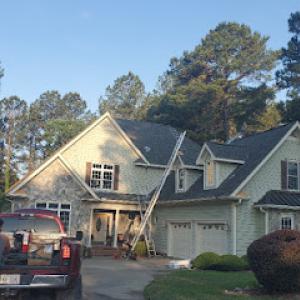
Luis Roofing
3107 Old Warsaw Rd, Clinton, North Carolina
4.8 from 82 reviews
Best company in Clinton now
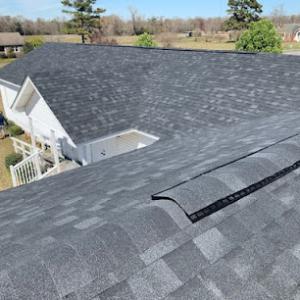
Highly Affordable Roofing
(910) 366-2006 www.highlyaffordableroofing.com
110 E Main St Suite 211, Clinton, North Carolina
4.9 from 9 reviews
Best Roofing Company in Clinton NC. Are you looking for the best roofing company in Clinton NC? Highly Affordable Roofing is the roofing company you are looking for. No jobs are too big or too small to work on. We offer Free Roof Inspections and Free Estimates all the time. BEST MATERIALS. BEST LABOR WARRANTY. GUARANTEED. We are only a phone call away; don't hesitate to get in touch with us now to book an appointme Got HAIL, WIND or STORM DAMAGE? Call Us Today for a FREE Estimate. ☎️ Text/Call 910-366-2006 Fast Service at Affordable Prices. Neat & Clean Replacements - we protect your house/property and haul away old shingles. Call Today to Schedule a free roof quote plus a consultation on your roofing needs. Licensed and Fully Insured

Pope Roofing Company
(910) 592-6890 www.poperoofingcompany.com
270 W Elizabeth St, Clinton, North Carolina
5.0 from 6 reviews
Pope Roofing Company is Sampson County's most experienced roofing company. We have 50+ years experience and take roofing to a whole new level. We put the best on your top. When it comes to quality work we can't be beat. Contact us today for a free estimate.

Smith’s Roofing
2985 H B Lewis Rd, Clinton, North Carolina
4.7 from 3 reviews
We are over 35 years of experience! Give us a call today, we love to see our customers happy.
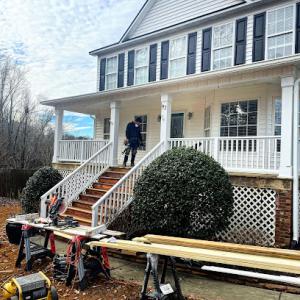
TLC Roofing & Construction
(919) 610-4131 tlcroofingnc.com
Serving
5.0 from 55 reviews
TLC Roofing & Construction helps install and fix Roofs all over Johnston, Wake and Harnett County! We also specialize in gutters, fascia and soffit!
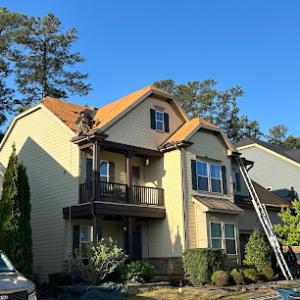
Armored Roofing
(910) 469-4879 armoredroofingnc.com
Serving
5.0 from 19 reviews
At Armored Roofing, we bring the same discipline, integrity, and dedication forged in the U.S. Air Force to every roof we build or repair. We protect our neighbors’ homes as if they were our own — with honest assessments, superior craftsmanship, and a commitment to safety and service that sets the industry standard. We offer discounts for all active duty or veteran military members, law enforcement and first responders. We look forward to serving you.
The Roof Mentors
(910) 781-8597 theroofmentors.com
Serving
4.9 from 25 reviews
For quality service and trusted local roofers Dunn NC, don’t hesitate to reach out to The Roof Mentors! We are your local roofing company, dedicated to providing you with not only outstanding roofing service but also customer service. We are here whenever you need us to conduct a FREE roof estimate and provide you with reliable roof replacements, efficient roofing repairs, seamless gutter installation, and completely hassle-free insurance roofing claims assistance. We believe that providing high-quality work and great customer service every time, without exception, is the key to success. Our roofing company in Dunn NC strives to not only build roofs but to build relationships with each homeowner. Call for a FREE estimate!
F.O.G Roofing
Serving
2.3 from 3 reviews
Full service, locally owned Christian roofing company. Each and every install is done with the utmost attention to detail. We are fully aware that you chose us, you didn’t have to but you did. For that and for the opportunity to serve your family, we are extremely grateful. We specialize in asphalt shingles, metal roofing, EPDM and gutter installation.
When planning a roof replacement, the dry spring and fall periods are the most dependable in this area. Those months tend to bring fewer soaking rain events and less humidity than the peak of summer, which helps you avoid moisture-driven delays. Scheduling tasks around dry, cool days helps with tear-off and underlayment sequencing, reducing the risk of moisture being trapped under new layers. In practice, aim for a weather window where several days in a row look dry and the daytime temperatures stay moderate. That alignment matters especially if the project bookends a week or two of milder, vacancy-friendly conditions that allow crew and materials to move without interruption.
Spring in Clinton means thunderstorm potential almost every week. Those downpours can interrupt tear-off and underlayment steps, leaving exposed decking and fresh underlayment vulnerable to moisture if a rain cell rolls through during active work. A practical approach is to time the beginning of the tear-off for a stretch of forecasted dry days, then plan for the most critical sequencing-strip removal, decking inspection, and underlayment installation-on days that look reliably dry. If a storm hits mid-project, expect a pause to protect exposed areas, which can shift downstream tasks by a day or two. Have a contingency plan for covering exposed areas and securing materials so moisture doesn't infiltrate the roof deck during an unplanned rain event.
Summer heat in Sampson County can slow progress and affect shingle handling and adhesive performance. High temperatures make shingles more pliable and prone to damage if walked on improperly, and crews may lose productivity when heat fatigue sets in. Mitigate by scheduling the most labor-intensive actions during the cooler parts of the day-early morning starts and brief, tempered breaks-to preserve material integrity and crew safety. If heat advisories coincide with your project window, it may be worth stacking more predictable days for roof installation, while leaving horizon periods with potential heat spikes for tasks that don't demand intense handling of materials.
Winter cold snaps can slow work, even though frozen conditions aren't the primary weather threat in this coastal plain setting. Colder days can stiffen underlayment and slow fastening, while damp, cool air can affect sealant sets. The prudent strategy is to target more forgiving winter afternoons for interior or protective work and reserve high-precision tasks for milder days. If a cold snap lines up with the scheduled sequences, adjust by advancing or delaying steps so the most critical, moisture-sensitive work happens during warmer, drier hours. In Clinton, the goal is to maintain a steady rhythm that avoids long interruptions caused by unpredictable winter spells.
Asphalt shingles and metal roofing are the dominant practical choices for Clinton homeowners, offering a balance of performance, availability, and service life in a humid coastal plain with frequent tropical-storm winds. Asphalt shingles provide straightforward installation, strong wind resistance when rated appropriately, and easy repair options after storms. Metal roofing brings exceptional resilience against driving rain and blowing debris, plus rapid shedding of moisture in the humid climate. In this setting, the way a roof is fastened, the quality of underlayment, and edge detailing become decisive factors in overall performance. If choosing asphalt, look for high-wind rated shingles and a robust sealant line along eaves and hips, paired with a reliable synthetic underlayment. If selecting metal, ensure the system uses an approved deck attachment method and properly integrated flashing around chimneys, vents, and roof-to-wall transitions. In both cases, future storm winds can put a premium on how well the edges and penetrations are sealed and protected.
Tile and wood products are less common here and carry heightened sensitivity to the humid climate. Clay or concrete tiles can perform well when the roof structure is prepared to carry the load and when edge detailing is meticulously executed, but the added weight, potential for moisture-related freeze-thaw issues, and maintenance demands can complicate repairs after storms. Wood shingles and shakes bring a distinctive look, yet moisture poses a steady maintenance pressure in this environment. Expect more frequent checks for cupping, splitting, and potential mold or mildew along shaded or high-humidity sections. If a wood roof is in place, regular treatment for moisture intrusion and proactive gutter and flashing maintenance become especially important to prevent accelerated deterioration after heavy rains.
Across all roof types, edge Detail matters more than you might think in this climate. Wind-driven rain drives water toward the eaves and rakes, so secure fasteners in corners and along drip edges, and use continuous edge protection with compatible flashing. Underlayment choices should prioritize moisture resistance and breathability, allowing the roof assembly to shed humidity while resisting leaks. For any material, routine inspections after tropical-storm season are prudent to catch fastener loosening, flashing gaps, or shingle or tile displacement before the next storm.
Within the City of Clinton, reroof work is treated as a permit project rather than a simple no-permit maintenance item. That distinction matters at the moment you choose a contractor and sign a work order. If a contractor tells you a permit isn't needed, pause and verify with the Clinton Building Department - the risk is not just a delay, but a failed inspection and the potential for noncompliant work that could affect wind-damage liability and future insurance claims. A licensed contractor must pull the permit before work begins, which directly affects how homeowners choose contractors for city jobs. Trust a firm that has a current lease with city rules, a clear plan for inspections, and a track record with local insurers who scrutinize wind-driven rain vulnerabilities after a storm.
Inspections are staged through the Clinton Building Department, typically including a rough or underlayment inspection and a final inspection, with fees varying by project scope. Expect the rough or underlayment check to verify that the roof deck is sound, underlayment is correctly installed, and any flashing details will stand up to a tropical-storm scenario that could push rain sideways through eaves and valleys. The final inspection confirms that the installation aligns with the permit, meets local wind and humidity standards, and that any new roof system has proper venting and alignment to prevent moisture traps. If a city inspector flags an issue, delays are common and can extend weather exposure for an already vulnerable surface.
Coordinate timing with the permit process so that installation aligns with favorable weather windows, especially in late summer when tropical activity aggravates wind-driven rain risks. Inspections can't be skipped or rushed without risking hold-ups, rework, and potential liability if wind damage occurs before a reinspection. A responsible contractor will schedule around the Clinton Building Department's inspection cadence and communicate clearly about any weather-related delays. A well-planned sequence reduces the chance that your roof sits under prep-work or partial coverage during a storm, helping you avoid expensive repairs later tied to improper installation.
Typical material ranges for Clinton are about $350-$550 per square for asphalt shingles, $700-$1100 for metal, $900-$1700 for clay tile, $900-$1600 for concrete tile, $800-$1300 for wood shingles or shakes, and $500-$900 for synthetic or composite shingles. When you're budgeting, use these ranges as your starting point for the square-foot cost, then multiply by the roof's area in squares (1 square = 100 square feet). Note that premium shakes, specialty profiles, or architectural details can push the price upward quickly, especially if the job requires extra underlayment or improved ventilation.
In Clinton, costs can rise after tropical storms or major thunderstorm events when regional demand spikes and scheduling tightens across southeastern North Carolina. If a storm hits, expect contractors to prioritize emergency repairs and then fill gaps with replacements, which can shorten lead times for some jobs but inflate labor rates and material access fees. Dry, sunny windows are the best time to lock in a price and a start date, but hurricane-season windows often conspire to push schedules forward and can stall permitting and delivery of long-lead items.
Plan for a mid-range project by budgeting toward the upper end of the material range plus a contingency for weather delays and potential storm-related scheduling. For asphalt, that puts you around $7,000 to $11,000 for a typical 20-square roof, while metal might run $14,000 to $22,000. Tile options (clay or concrete) can push well beyond $18,000, with texture and underlayment choices driving the total. Synthetic shingles generally offer a lower, more predictable price point in the $5,000 to $9,000 range for a comparable area. In any case, confirm exact per-square pricing based on roof pitch, deck complexity, and in-home insulation or attic ventilation needs to avoid surprises later.
When gathering quotes, ask for a breakdown: bulk material cost, underlayment, fasteners, flashing, and any roof deck repairs. Require a realistic schedule that accounts for potential weather-induced delays and anticipated inspection milestones. If two bids are close, favor the one with a clear plan for storm-season timing and a transparent change-order process for weather-related adjustments.
Starting reroof work in Clinton without a city permit is a local compliance problem because the permit must be pulled before work begins by a licensed contractor. That oversight can derail insurance claims, complicate future inspections, and create exposure if a storm casualty prompts an audit. A small misstep here isn't just a formality; it can trigger delays, fines, and headaches when the weather turns and you need the roof to be sound for the next big thunderstorm. Ensure the process is done by a contractor who understands the timing and the sequence of steps required to keep a project moving smoothly from tear-off through inspection.
Scheduling tear-off during Clinton's wetter thunderstorm periods without a clear dry-in plan increases the risk of moisture intrusion during installation. In this climate, humidity and sudden rain are common even in late summer, and a half-done roof can quickly become a moisture trap. A practical approach is to coordinate a weather window, stage materials, and have temporary coverings ready for unexpected showers. If rain interrupts work, the crew should have a coherent plan to protect exposed decking and interior spaces, rather than letting days slip by with vulnerable gaps in the roof line.
Using repair-only documentation after a wind event can hurt Clinton-area insurance outcomes when carriers want detailed photos, age data, and material identification. Insurance checks aren't a formality here; carriers scrutinize whether the work was done to proper standards and with appropriate materials. Photos should clearly show all damaged components, the age of the roof, and the exact products installed. Simple repair notes without this level of documentation can complicate claims and slow recovery after a storm.