
Last updated: Apr 19, 2026
Late summer through early fall is the highest-risk period for roofing delays and damage because Wilmington sits on the southeastern North Carolina coast in a hurricane-prone zone. The moment a tropical system funnels toward the Cape Fear coast, rain bands and gusty winds multiply roof stresses. In practical terms, that means roofs that looked solid last week can reveal vulnerabilities after a storm passes. Plan for a tighter readiness timeline: inspect now, reinforce where possible, and have rapid response options lined up for when a storm warning hits.
After tropical systems, Wilmington homeowners commonly need immediate tarping and leak control before full replacement scheduling opens up. Interior spaces can flood quickly if leaks ride on wind-driven rain through openings that seem minor. Start with a tarp and a sturdy moisture barrier over any visible breaches as soon as safe access is possible. Document damage with photos from multiple angles, including the interior ceiling spots that first show staining. Keep a log of who you call for repairs, when they arrive, and what temporary fixes they implement. This record helps with insurance dialogue and keeps your recovery timeline from stretching out during the busiest post-storm weeks.
Coastal wind-driven rain in the Cape Fear area can turn small flashing or ridge failures into interior leaks even when shingles are not completely blown off. The strongest leaks often aren't at the shingles edge but at the joints where the roof meets chimneys, vents, and skylights. If you notice any damp spots near ceilings adjacent to these features, treat them as emergencies rather than cosmetic problems. Check for loose chimney cap sealants, lifted step flashing, or corroded boot flashing around vents. In a hurry, a rented tarp can protect the worst breaches, but prioritize securing flashing and sealant integrity as soon as a storm threat passes.
Keep a ready-to-access kit of essentials: utility knife, heavy-duty tarps, exterior-grade fasteners, rope or bungee cords, and a ladder that reaches all critical edges safely. Before a predicted storm, trim branches that overhang the roof, secure lightweight equipment stored on the roof, and clear gutters to prevent water backup. After a storm, avoid ladder work in windy conditions; instead, arrange a tarping plan with a local contractor who can respond quickly to re-tarp and stabilize leaks. Remember, sustained wind and salt-laden humidity accelerate wear; treating small issues promptly reduces the risk of interior damage and buys essential time for proper repairs.
Hurricanes and tropical storms are part of life along the Cape Fear coast, and that reality shapes every roofing decision you make. In this market, wind damage turns into claims far more often than in drier inland counties. The way your roof is built, maintained, and documented can tilt the odds of a successful claim in your favor when a storm passes through. The force of salt-laden air, shifting winds, and saturated humidity accelerates wear on underlayment, fasteners, and venting, so the difference between a roof that stands up to a storm and one that doesn't often comes down to a combination of design choices and ongoing care.
Insurers in this coastal environment pay close attention to roof age, prior claim history, and the details of wind-mitigation features. Underlayment quality, venting adequacy, and how a roof is fastened to the structure can influence whether a claim is approved or denied, and at what threshold of coverage. Documentation matters: keep a detailed file of every inspection, every repair, and every upgrade that affects wind performance. If a storm knocks off shingles, for instance, having a clear record of when updates were made to the roof deck, underlayment type, and attic ventilation can smooth the path to a fair assessment.
Carrier tightening in coastal markets means that the after-action photos you take and the notes you keep about roof condition after a hurricane or tropical storm are not just helpful-they're often essential. Post-storm photo documentation should capture the overall condition of shingles, flashing, ridges, and vents, as well as any visible damage to the roof edge and the eaves. If temporary repairs are needed to prevent interior damage, note the timing, the materials used, and who performed the work. This isn't about fear mongering; it's about creating a solid, verifiable trail that reduces delays and dispute risks when a claim is filed during wind-season chaos.
Start with a proactive attitude toward wind mitigation. Ensure underlayment is appropriate for high-wind zones and that ventilation paths are clear and effectively balanced to reduce heat buildup in the attic. Schedule a mid-season roof check with a qualified local contractor who understands salt exposure and the specific wear patterns that coastal roofs endure. When you plan repairs or upgrades, document the specifics of materials and installation methods-news you can bring to an insurer to demonstrate resilience rather than simply reacting to damage after a storm. If a hurricane approaches, photograph critical components: the ridge line, hip joints, flashing around chimneys, vents, and skylights, plus any existing wind-damage indicators like lifted shingles or curling at the edges.
A weather-aware plan focuses on both durability and documentation. Choose materials that perform well in wind and salt, and pair them with reliable interior and exterior venting solutions to minimize moisture buildup. Maintain a steady maintenance rhythm so minor issues don't become major failures after a storm. In this coastal environment, the decision to repair promptly and to document every step can determine not only the roof's lifespan but also the financial outcome of a future claim. Staying ahead with consistent upkeep and organized records gives you a clear advantage when the next storm season rolls in.
Connect with contractors who help homeowners navigate the claims process from damage assessment to final approval.
Burish Builders
(910) 469-1387 burishbuildersinc.com
3333 Wrightsville Ave Unit G Suite 120, Wilmington, North Carolina
5.0 from 459 reviews
Stormgrade Roofing
(910) 524-8577 stormgraderoof.com
3819 Park Ave Ste B, Wilmington, North Carolina
5.0 from 156 reviews
Southern Premier Roofing
(910) 839-5222 southernpremierroofing.com
1601 College Rd #101, Wilmington, North Carolina
5.0 from 394 reviews
Burish Builders
(910) 469-1387 burishbuildersinc.com
3333 Wrightsville Ave Unit G Suite 120, Wilmington, North Carolina
5.0 from 459 reviews
Now servicing homes throughout all of North and South Carolina! We are a family-owned and operated company, based in the South- Eastern region of North Carolina. Our company provides roofing and restoration services, while always striving for top quality and treating our clients like family. We work with insurance companies to get the best coverage possible when replacing your roof and restoring any potential interior damage that may have occurred during a storm. We use the top products, both experienced and reliable workers, and will always ensure you are satisfied with the work done on your home. We also always provide a two-year workmanship warranty on any and all of our work. Give us a call today for a free inspection.
Stormgrade Roofing
(910) 524-8577 stormgraderoof.com
3819 Park Ave Ste B, Wilmington, North Carolina
5.0 from 156 reviews
Looking for a reliable roofer in Wilmington, NC? Look no further than Stormgrade Roofing. As a small, family-run business, we pride ourselves on providing personalized attention to every customer. From start to finish, we'll be there with you every step of the way, ensuring that your residential shingle roofing project is completed to perfection. With our GAF and Fortified certifications, you can trust that our team has the expertise to handle any repairs or replacements you may need. Contact us today to schedule your consultation!
Southern Premier Roofing
(910) 839-5222 southernpremierroofing.com
1601 College Rd #101, Wilmington, North Carolina
5.0 from 394 reviews
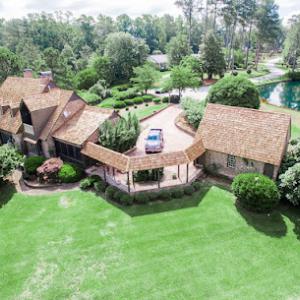
Southern Premier Roofing is the trusted choice for roof replacements, roof repairs, gutter installation, gutter guards, and storm damage restoration in Wilmington NC. Our experienced roofing team understands coastal weather and provides dependable service to homeowners in Wilmington, Leland, Hampstead, Carolina Beach, Wrightsville Beach, and Kure Beach. From full roof replacements to emergency leak repairs, we deliver quality results and honest customer care.

Best Choice Roofing
(910) 565-6680 bestchoiceroofing.com
3710 College Rd Suite 133, Wilmington, North Carolina
4.9 from 385 reviews
Best Choice Roofing is a roofing contractor in Wilmington serving Wrightsville Beach, Carolina Beach, Oak Island, and nearby areas. Our roofing company offers residential roofing, roof repair, and asphalt shingle roofing, and more. Customers love us because of our comprehensive roof warranties and our affordable roof financing options. We also have industry affiliations and certifications such as Owens Corning Platinum. If you want to experience how your most trusted Wilmington roofing company embraces our motto “You Chose The Best!", call us now for a free estimate!
Sunny Day Roofing - Leland/Wilmington
(910) 399-4900 sunnydayroofing.com
3951 Market St Suite A, Wilmington, North Carolina
5.0 from 161 reviews
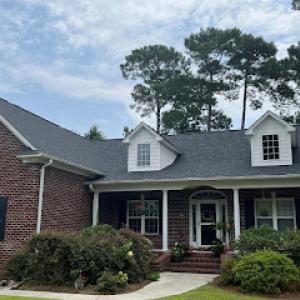
We Are Sunny Day Roofing - a family-owned FULLY LICENSED AND INSURED roofing company located in the Greater Wilmington area servicing the communities of Leland, Willmington, Oak Island, Southport, Shalotte, Jacksonville, Hubert, Sneads Ferry, Hampstead, Swansboro, White Oak, Surf City, Holly Ridge, Topsail, and many more! Roof replacement or repair is a big investment, so you need a roofing company that is responsive, trustworthy, and extremely knowledgeable. We have built our reputation on honesty and integrity - that means when you work with SDR, you can trust we will answer your calls, show up on time, and exceed your expectations. We are experts in residential roofing, inspections, replacements, repairs, and interior roof leak repairs.
Monarch Roofing
(910) 519-1627 monarchroofing.biz
3621 Market St, Wilmington, North Carolina
4.9 from 513 reviews
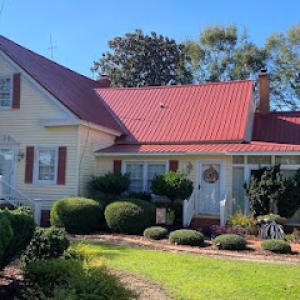
Monarch Roofing Wilmington specializes in Residential, Tile, Shingle, CedarShake, Metal and Commercial Roofing. As a Master Elite contractor with GAF, Monarch Roofing is able to provide the best installation, warranties, and service. You Deserve The Best is not only our motto, but a promise! Monarch’s Community involvement, donating meals to first responders, schools, and families in the Wilmington area, as well as donating a free roof to either a veteran or active military annually is our favorite way to give back. Monarch Roofing Wilmington has cemented its place as southeastern North Carolina’s #1 storm damage response roofer. Call us to schedule a free roof inspection!
Choufani & Bailey Roofing & Restoration
(910) 828-2955 www.choufaniandbailey.com
2017 Corporate Dr Unit 3, Wilmington, North Carolina
5.0 from 237 reviews
Choufani & Bailey Roofing & Restoration is a residential and commercial roofing company that works with insurance companies to provide roof inspection, repair, and replacement services for shingle and metal roofs. Contact us for a free roof inspection now! Our fully licensed, insured, and BBB-accredited team provides services to home and business owners in Wilmington, NC, and specializes in helping with roof damage insurance claims, ensuring you receive the necessary repairs or a completely new roof system. No matter if the damage was caused by hail, wind, storms, or some other destructive force, our team will provide high-quality service to inspect your roof and offer the right solution.
Affordable Roofing & Construction
609 Piner Rd suite a 667, Wilmington, North Carolina
4.9 from 198 reviews
Affordable Roofing & Construction is a leading roofing contractor in Wilmington, NC, offering top-tier residential and commercial roofing services. Our business was established in 2008, making us one of the oldest roofing companies in New Hanover County. We specialize in roof installation, metal roof installation, and prompt, professional roof repair. Whether you’re building a new home or need emergency repairs after a storm, our expert team delivers high-quality workmanship and durable materials at affordable rates. As a trusted Wilmington roofing company, we handle everything from asphalt shingles to custom metal roofs. If you’re searching for reliable roofing services in Wilmington, NC, count on us.
IBC Roofing Wilmington
141 Division Dr #120, Wilmington, North Carolina
5.0 from 230 reviews
Based in Wilmington, IBC Roofing is a trusted roofing service bringing over 40 years of combined experience to every job. Specializing in both residential and commercial projects, they provide professional, licensed, and insured services for new constructions, restorations, and repairs. Their dedicated team ensures your property has a solid and reliable roof. They also offer solar services, allowing customers to harness clean, renewable energy. IBC Roofing is committed to delivering quality craftsmanship and exceptional service to the Wilmington community and surrounding areas.
Atlantic Roofing Company
(910) 799-3858 www.atlanticroofingcompany.com
5212 Carolina Beach Rd B, Wilmington, North Carolina
5.0 from 92 reviews
Atlantic Roofing Company serves Wilmington and Jacksonville NC. Get a free estimate for roof installation, replacement, new gutters, and storm protection.
Flores & Foley Roofing + Sheet Metal
(910) 371-1400 floresandfoley.com
1536 Castle Hayne Rd, Wilmington, North Carolina
4.9 from 345 reviews
Flores & Foley Roofing + Sheet Metal has been proudly serving Southeastern North Carolina since 1999, earning the trust of thousands in Wilmington and beyond. We specialize in residential and commercial roofing, from small repairs to full installations, treating each project with care to ensure your roof is safe and comfortable. Our services include custom metal work, durable roofs, and seamless gutters that enhance your property’s beauty. With deep community roots, we tailor solutions for local needs. Our skilled professionals stay updated on industry innovations, ensuring quality materials and techniques. Committed to personalized service and proven reliability, we deliver projects on time and within budget. Call for a free estimates!
Masters Roofing
(910) 742-2250 www.mastersroofinginc.com
115 Hinton Ave #8, Wilmington, North Carolina
5.0 from 83 reviews
Masters Roofing proudly offers roof replacement and roof repair services from Sneads Ferry and Carolina Beach down to Ocean Isle Beach. With over 25 years of experience, you benefit from a quality-focused roofer with exceptional customer service and an attention to detail that only a local roofing contractor can deliver.
In a humid subtropical climate like this, spring humidity and frequent showers can disrupt tear-off and dry-in timing. The best months stack up when humidity is lower and rain gaps are more predictable, but you still need to account for coastal exposure and storm patterns. From late spring into early summer, the odds of a solid dry spell after a storm are better, allowing a cleaner finish before the heat drives faster curing. If a project runs into the shoulder seasons, you'll want a plan that tolerates short downtime without letting moisture sit on exposed decks.
Dryer windows are generally preferred for installation because exposed roof decks in Wilmington are vulnerable to moisture when rain interrupts work. The goal is a continuous tear-off and a dry-in sequence that minimizes standby exposure. Start the process when the forecast shows a stretch of at least several dry days, ideally following a dry spell after a storm system has moved through. Scheduling with the crew to maximize consecutive dry days reduces the risk of moisture intrusion and rework.
Springmore showers and coastal showers can pop up quickly, so build in extra buffer for weather delays. If you must begin in late spring, plan for mid-summer heat breaks and frequent roof-top checks to manage deck drying times. Coastal winds can also complicate material handling, so coordinate delivery and staging to keep shingles, underlayment, and fasteners out of direct gusts during high-wind days. The aim is a steady tempo that prioritizes consistent drying rather than racing to complete fixtures in tight windows.
Mild winters usually allow year-round roofing, but occasional nor'easters can still create short stoppages along the coast. In the colder, damper pockets, you'll want to keep deck moisture readings in mind and use temporary coverings if a dry-in would otherwise stall. If a project stretches into late fall or early winter, select a tear-off sequence that anticipates intermittent wet spells and uses fast-curing materials or adjusted sequencing to preserve warranty and performance.
Hurricane-season timing matters for scheduling, including how soon to re-check flashings and vents after a storm passes. Maintain a rolling weather outlook and have a contingency plan for post-storm inspection and potential deck drying. Proactively planning for wind-driven debris, salt spray, and sudden squalls helps keep the roof system close to its peak condition when recovery work begins. In practice, align your timeline with the typical pattern of coastal weather to minimize downtime and protect the newly installed roof.
Get a clear picture of your project costs upfront - no commitment required.

Best Choice Roofing
(910) 565-6680 bestchoiceroofing.com
3710 College Rd Suite 133, Wilmington, North Carolina
4.9 from 385 reviews
Atlantic Roofing Company
(910) 799-3858 www.atlanticroofingcompany.com
5212 Carolina Beach Rd B, Wilmington, North Carolina
5.0 from 92 reviews
Flores & Foley Roofing + Sheet Metal
(910) 371-1400 floresandfoley.com
1536 Castle Hayne Rd, Wilmington, North Carolina
4.9 from 345 reviews
Asphalt shingles remain common in Wilmington, but coastal wind exposure and heavy rain make installation quality and underlayment especially important. When choosing this route, focus on self-sealing and adhesive features designed to resist uplift, as well as a robust underlayment system that remains effective in salt-laden humidity. Shingle alignment and proper nailing patterns are essential to prevent blow-off during tropical-storm gusts. In practice, insist on a complete roof deck inspection before and after storms, and ensure the installer accounts for coastal ventilation and roof-to-wall transitions that are particularly vulnerable to wind-driven moisture. Quality sealant around vent pipes, chimneys, and attic access points matters just as much as the shingle choice.
Metal roofing has strong local relevance in this market because many homeowners want better wind performance and long-term durability in a storm-prone coastal environment. Standing-seam systems tend to perform well when installed with proper sealing at overlaps and fastener penetrations, and they shed rain quickly, which helps during heavy downpours. Look for corrosion-resistant coatings and a panel profile that minimizes water retention at eave drip edges. For a coastal home, the ventilation and attic moisture strategy matters as much as the roof itself; metal roofs pair well with well-sealed underlayment and attic baffles to reduce heat buildup and moisture accumulation. Choose a contractor who understands wind uplift calculations specific to Cape Fear storms and who sequences fasteners to maintain a tight, continuous seal around roof penetrations and transitions.
Tile, wood shake, and synthetic products appear in Wilmington's housing mix, but weight, moisture exposure, and maintenance demands vary sharply by home style and structure. Clay and concrete tiles offer excellent durability, but their heavier weight requires a reinforced structure and careful fastening to resist coastal winds. Wood shakes deliver a traditional look but demand consistent moisture management and protection against rot, mold, and insects, especially in salt-laden air and prolonged wet seasons. Synthetic composites can strike a balance, offering lighter weight and improved moisture resistance, yet still require a proper substrate and careful detailing to handle wind-driven rain. For any of these options, pay attention to sealants, flashing quality, and how the roof integrates with parapets, dormers, and coastal skylights. A well-planned maintenance schedule becomes essential to catch moisture intrusion early and to keep fastener systems from corroding in the salt air.
Provided local cost ranges run per square from $350 to $600 for asphalt shingles, $700 to $1100 for metal, $1000 to $1800 for clay tile, $900 to $1600 for concrete tile, $500 to $900 for wood shingles or shakes, and $600 to $1100 for synthetic or composite shingles. In practice, most Wilmington projects land in the midpoints of these bands, with asphalt shingles staying common for value and speed, and metal or concrete tile used where long life and wind resistance are prioritized. When choosing, be sure to compare per-square costs, not just overall project estimates, because shipping, waste handling, and utilization can swing the total.
During hurricane season, pricing can rise quickly after storms, and emergency demand, tarping, and re-roof backlogs tighten labor availability. If a roof needs replacement in the wake of a major tropical event, expect crews to schedule with priority, which can push both material lead times and labor rates higher for several weeks. If a storm hits, plan for the possibility of a temporary tarping solution followed by a full roof replacement when crews and funds align. Budget projections should include a contingency for expedited materials or delayed starts, especially for high-wind-rated systems.
Costs also shift with coastal detailing needs such as upgraded underlayment, flashing, ventilation corrections, and wind-focused installation choices common in this market. For example, higher wind zones may require additional edge metal, sealed or interlocked ridge systems, and more robust fasteners, all of which add to the square-foot cost. Concrete and clay tiles, while pricier up front, often justify themselves in salt-laced climates due to durability, but they demand precise installation and heavier structural support, which can influence labor time and total price. Synthetic or composite shingles can offer wind resistance while moderating costs, though installation methods still matter for coastal performance.
In this market, asphalt shingles remain a practical baseline for many homeowners, balancing upfront cost with reasonable wind resistance when installed with proper underlayment and ventilation. Metal roofs deliver excellent wind performance and long service life but carry higher material and install costs. Clay and concrete tiles provide exceptional durability against salt spray and heat, yet demand careful structural checking and potentially heavier framing. Wood shingles or shakes bring a classic look and adequate wind performance when properly fastened, but require maintenance and can be vulnerable to moisture if not properly sealed. Synthetic or composite options offer a middle ground, blending durability with moderate pricing.
Don't let upfront costs delay a critical repair - these contractors offer payment plans to fit your budget.
Stormgrade Roofing
(910) 524-8577 stormgraderoof.com
3819 Park Ave Ste B, Wilmington, North Carolina
5.0 from 156 reviews
Best Choice Roofing
(910) 565-6680 bestchoiceroofing.com
3710 College Rd Suite 133, Wilmington, North Carolina
4.9 from 385 reviews
Monarch Roofing
(910) 519-1627 monarchroofing.biz
3621 Market St, Wilmington, North Carolina
4.9 from 513 reviews
A full re-roof commonly requires a building permit in city limits and in New Hanover County. Homeowners or contractors typically apply through the local permit office before work begins rather than treating reroofing as minor maintenance. In coastal Wilmington, the permit process helps ensure the new roof system stands up to salt-laden humidity, wind exposure, and the fast-moving storm recovery cycle that you see after tropical systems. Plan for permit timelines to align with your project schedule, especially if weather windows are tight during hurricane season.
During hurricane-season recovery, the local permit office often experiences a surge of activity as property owners move quickly to restore roofs damaged by wind and debris. It helps to have a clear, up-to-date set of roof plans and manufacturer-approved installation details ready for submission. Expect additional reviews if the existing roof deck has moisture concerns, or if the project involves changing roof pitches, venting layouts, or skylight alterations. The goal is to avoid delays that could leave your home exposed to the next storm event.
Inspections commonly occur during and after installation, with local reviewers checking items such as venting, underlayment, and shingle height before final approval. A typical sequence may include an initial framing/structure check when the decking is exposed, followed by a mid-process inspection to verify underlayment and ventilation, and a final inspection once shingles or tiles are installed. If penetrations for vents, chimneys, or attic air intakes were modified, expect additional scrutiny to ensure proper sealing and moisture management. Satisfying these checks is essential for avoiding re-inspection fees and for ensuring the roof meets current wind- and rain-load expectations common to this coastal climate.
Before filing, gather any existing roof diagrams, vent details, and a materials list that conforms to local code references and HOA or neighborhood requirements. Communicate clearly with your contractor about the storm-season time frame and how potential delays might impact permit approval and inspection scheduling. If a storm event has recently occurred, ask the permit office about expedited processing options and any safety advisories that apply to roof work in heightened wind or humidity conditions. Keeping the project well-documented helps reviewers confirm the installation aligns with New Hanover County and city standards, reducing the chance of rework after the final inspection.
In Wilmington, repeated wind-driven rain events often expose weaknesses at flashing transitions, ridge areas, and roof penetrations before the main field of roofing fails. The salt-laden humidity adds a corrosive edge to metal flashings, causing tiny leaks to spread behind siding and under shingles. You'll notice wicking along chimney lines or around vent pipes long before a visible panel failure occurs. If you see staining near roof-to-wall transitions after a storm, inspect the flashing with a flashlight and feel for dampness behind the exterior trim. Small failures here can become big leaks after a few more squalls, especially during hurricane season when wind-driven spray reaches higher rooftops.
Frequent rainfall in spring and fall increases the risk of deck moisture problems when tear-off is started and weather pauses the project. A paused roof tear-off leaves exposed decking to soaking rain or humid air, which can push moisture deeper into the roof system. In these conditions, exposed sheathing can ghost moisture into the attic, hiding rot or mold until a heat wave dries the wood enough to reveal the problem. When weather finally clears, that dry-out delay can also complicate drying times, delaying the restoration and inviting additional interior moisture issues if the attic is not properly ventilated.
Poor ventilation and underlayment details matter more in this humid coastal climate because trapped moisture can shorten roof life and complicate insurance reviews. If attic vents aren't balanced, hot, moist air lingers, saturating decking and weakening fasteners. Underlayment that doesn't seal well against salt-laden rain invites leaks at seams and corners. In storms, this combination is a classic accelerant for rot, mold, and ceiling stains-well before any visible shingle failure appears. Prioritize an airtight, well-vented attic and a quality underlayment that tolerates coastal humidity.
Find contractors experienced in skylight installation, flashing, and leak repairs to bring natural light into your home.
Southern Style Roofing & Remodeling
(910) 399-3204 www.southernstyleroofingandremodeling.com
3916 Carolina Beach Rd #102, Wilmington, North Carolina
5.0 from 78 reviews
Norato Roofing & Renovations
(910) 228-5748 noratoroofingilm.com
1319 S 15th St, Wilmington, North Carolina
5.0 from 60 reviews
Hallman Roofing
(910) 537-6347 hallmanroofing.com
5122A Greenville Loop Rd, Wilmington, North Carolina
4.9 from 135 reviews
Wilmington's mix of residential and commercial buildings includes enough low-slope roofing that flat-roof specialists are a meaningful part of the local market. The area's frequent rain and tropical weather make drainage and seam integrity especially important. On projects near the coast, transitions from main steep-slope sections to low-slope additions, porches, or overhangs require careful detailing to avoid ponding and lift.
In stepped or hybrid roof lines, assess drainage paths first. Ensure gutters are sized for tropical downpours and that downspouts discharge away from foundations. Seams must be inspected for loose membranes, suction from wind-driven rain, and salt spray creep that can dry out flashing. If a low-slope roof uses a single-ply or modified bitumen system, confirm that edge detailing and parapet counterflashing remain watertight where wind exposure is highest.
Choose materials and configurations that tolerate salt-laden humidity and heavy rain. For flat sections near the coast, reinforced membranes or low-slope assemblies with robust flashing are preferable to simple waterproof coatings. When a porch or addition ties into the main roof, use a compatible membrane and ensure shared drainage points don't create standing water. Transitions between low-slope and steeper roofs should include integrated flashing, a visible term for the intersection, and a tested sealant schedule that stands up to wind-driven spray.
Create a twice-yearly inspection routine focused on joints, penetrations, and the terminations along parapets. After tropical storm events, recheck fasteners, seam seals, and flashing at all transitions. Keep a record of patch locations and any weathered sealants to guide timely maintenance before the next storm season. For properties with multiple low-slope sections, establish a simple inspection map to track which areas were most exposed to wind and rain.
Homes with additions or porches along the coast often present mixed rooflines that demand different roofing approaches on low-slope transitions than on the main roof. Prioritize a continuous drainage plane across the whole system, and ensure edge details at these transitions are reinforced to resist wind uplift and salt corrosion. A coordinated detailing plan between the main roof and the low-slope interfaces reduces leak risk during heavy rains.
Find specialists in TPO, EPDM, and built-up flat roofing systems for residential and commercial properties.
RGR Construction & Roofing
(910) 408-6026 www.rgrconstructionllc.com
340 Shipyard Blvd, Wilmington, North Carolina
5.0 from 110 reviews
Norato Roofing & Renovations
(910) 228-5748 noratoroofingilm.com
1319 S 15th St, Wilmington, North Carolina
5.0 from 60 reviews
Premiere Roofing & Gutters
(910) 408-6760 premiereroofingnc.com
3735 Scotts Hill Loop Rd, Wilmington, North Carolina
5.0 from 42 reviews
Because Wilmington sees repeated storm-driven surges in roofing demand, quick response and cleanup are major hiring priorities for local homeowners. When a contractor promises we-can-start-tomorrow timing, verify they actually have crews ready to mobilize and a plan for debris removal within 24-48 hours after a storm. Ask how they handle tarping, temporary stabilization, and site access during peak recovery weeks. A reputable roofer should outline a clear Yukon-yellow-green approach: rapid on-site assessment, prioritized temporary protection, and a specific cleanup sequence that minimizes waiting days for your yard, driveway, and landscaping.
The local market includes many re-roofing-focused contractors, so homeowners should compare storm-response capacity, inspection thoroughness, and follow-through after final inspection. Look for a company that can assign a primary crew with a dedicated supervisor for storms, plus a secondary team for overflow. Inspections should be thorough: roof, attic ventilation, flashing, underlayment, and wind-rated fasteners, with a written checklist you receive. Ask how their process adapts to salt-laden humidity and coastal wind exposure, which can reveal hidden vulnerabilities in otherwise sound roofs.
Manufacturer-certified and warranty-offering contractors are present in Wilmington, which matters when homeowners want stronger documentation in a coastal insurance market. Confirm the contractor's certifications, the specific product lines they install, and how warranty transfers will be handled if you move or refinance. Request a written warranty packet that names the materials, installation standards, and the exact inspection milestones tied to warranty validity. This documentation often matters more after a storm when insurers review your claim history and roof condition.
After the final inspection, insist on a comprehensive closeout package: product specs, installation notes, and a 1- to 2-year post-storm maintenance plan. The contractor should offer a clear follow-through window for addressing any minor issues uncovered during the first months after recovery. In coastal settings, reliable communication matters as waves of after-storm checks begin; ensure they provide a dedicated point of contact and a written schedule for any follow-up visits.