
Last updated: Apr 19, 2026
Goldsboro sits in eastern North Carolina's coastal plain, so roofs are regularly exposed to inland impacts from tropical systems even though the city is not directly on the coast. The daily heat, thick humidity, and frequent thunderstorms tilt the risk toward rain-driven damage and wind uplift rather than snow load. Your roof must be able to shed tropical-downpour heft and withstand gusts that arrive with short notice during peak storm season. This isn't a "nice-to-have" feature; it's a reality that shows up in shingle warranties, underlayment choices, and the way a crew sequences a tear-off.
The timing of a roof replacement in Goldsboro is governed by the weather calendar in a very local way. Summer afternoons bring explosive thunderstorms that can roll in with little warning, and tropical storm activity can linger through parts of late summer and early fall. If a tear-off starts too late in the warm season, you risk having to halt work when a front or tropical system breaks the heat with rain, or you end up with a roof half-stripped, leaving the home vulnerable to wind-driven leaks. The window for a clean, uninterrupted tear-off is narrow and highly weather-dependent, and that means scheduling must build in contingency days for storm delays. A practical plan is to push for a solid stretch of dry days in late spring or early fall, with flexibility to pause and reposition if a tropical system approaches the area.
Wind patterns here align with inland tropical activity. Gusts can surge suddenly from passing storms, stressing fascia, decking, and the edge of shingles before the crew can complete the hand-nailing work along rakes and hips. Local practice emphasizes proper nailing patterns and wind-rated shingles, because a misstep in fastening can translate to lift in a sudden gust. You are especially at risk if the roof is replaced with products that lack established wind resistance or if installation shortcuts are taken to squeeze in a tight schedule. The wind doesn't wait for a calm day to test a roof; it tests the entire installation, from the eaves to the ridge.
Prioritize a tear-off schedule that prioritizes dry, wind-stable days. Ask your contractor to mark a preferred installation sequence that minimizes exposure time of exposed decking and ensures continuous protection with underlayment and starter strips when a wind event is forecast. Confirm that the chosen shingles carry proven wind resistance ratings appropriate to inland tropical exposure, and verify that the crew uses a consistent, correct fastening pattern across the entire roof, including vents and skylights where leaks commonly start. If a storm is forecast to cross the region during the project, discuss temporary protective measures you can apply to vulnerable areas like dormers, chimneys, or low-slope sections to reduce the chance of wind-driven intrusion during a delay. The goal is to complete the roof in a block of dry days with a margin for weather-driven disruption, not to chase a perfect weather window that doesn't exist.
If the project stretches into late summer without a completed tear-off, ask about staging a temporary protective layer and whether partial decking exposure is being managed to limit wind uplift risk. Watch for signs that the schedule is slipping due to frequent thunderstorms-areas with inadequate temporary protection can become weak links under pressure from wind and rain. In this climate, aggressive planning, responsive weather monitoring, and a focus on solid wind-rated installation aren't optional-they're the difference between a roof that performs and one that leaks.
Shingle aging speeds up in the region's hot, humid summers. That means attic ventilation and moisture release are not luxuries but daily necessities for a long-lasting roof. In practice, check that soffit vents and ridge or turbine vents are clear and balanced so air can flow from the eaves to the peak. If you notice attic temps climbing above outdoor temperatures on still days, your ventilation may be undersized or obstructed. A simple, repeatable check is to open the attic access on a calm day and look for consistent airflow along the ridge. Address any blockages, replace damaged baffles, and plan a vent audit every couple of years, especially after significant storm seasons.
Late spring and summer humidity can affect both material performance and crew efficiency during installation, which matters for scheduling and quality control locally. When planning replacement, target a stretch of mild, dry weather if possible, but be prepared for occasional humidity spikes. Humidity affects sealant curing and the handling of underlayment, so proper staging matters. Make sure tarps and ground protection are ready to manage damp conditions without trapping moisture under the deck or underlayment. Keep crews hydrated and allow extra time for adhesive or fastener guidelines that prefer lower ambient moisture. Scheduling flexibility helps maintain consistent quality when the air carries more moisture than typical.
Because the city sits in a low-lying coastal plain rather than a mountain or arid climate, moisture-related wear is a more persistent roofing issue than freeze-thaw damage. Roof systems in this area contend with frequent thunderstorms and tropical-system rain, so the focus should be on moisture blocking and drainage efficiency. Ensure high-quality underlayment rated for high humidity, and verify flashing details around chimneys, skylights, and transitions are sealed to resist wind-driven rain. A well-vented attic combined with a continuous vapor retarder in appropriate locations reduces condensation risks that can lead to mold, wood rot, or fastener corrosion over time.
You can reduce moisture-related problems by committing to a proactive attic moisture plan. Start with insulation levels that minimize warm-air ascent into the attic, then couple that with properly sealed penetrations where electrical or plumbing lines pass through. Consider a digital hygrometer in the attic to track humidity trends across seasons; if you notice RH consistently above 60% for extended periods, that's a signal to adjust ventilation or add a small exhaust cooling strategy. For re-roofs, insist on a ventilation assessment as part of the project scope, and confirm that the chosen roof system includes a moisture-control layer compatible with humid conditions.
In practice, that translates into year-round vigilance: after storms, inspect for wind-driven moisture intrusion around edges and penetrations, and after severe heat waves, re-check attic vents and insulation settlement. Routine maintenance in Goldsboro means treating humidity as a daily partner rather than an occasional nuisance. When you notice damp spots on ceiling sheets or a musty attic odor, address it promptly before it compromises decking or fasteners. A durable, properly vented roof is less vulnerable to the rapid aging that humidity can impose on shingles and sealants in this climate.
HRH Roofing
Goldsboro, NC
4.8 from 72 reviews
we are custom hand nail installers of single family homes, apartments, townhome communities.
GDH Roofing
(919) 396-7451 www.gdhroofingnc.com
Goldsboro, North Carolina
5.0 from 19 reviews
GDH Roofing provides gutter installations, window replacements, chimney and roof repairs and asphalt and shingle roof installations in Goldsboro, NC. You can depend on us to work carefully to deliver long-lasting results.
Wayne Sanchez Roofing
(919) 252-5033 www.waynesanchezroofing.net
1501 S George St U.S. 117, Goldsboro, North Carolina
4.6 from 114 reviews
For over 10 years, Wayne Sanchez Roofing has provided professional, thorough, and reliable roofing services to both homeowners and businesses throughout Wayne County and the surrounding areas. Our commitment to customer satisfaction has made us the top roofing company in the area. We specialize in all roofing types and offer a 100% satisfaction guarantee on all the work we do. If you're looking for a roofer, you can count on to get the job done the right way on the first time. Give us a call today.
Custom Roofing by Mark Bruno
(984) 277-4844 customroofingbymar.wixsite.com
305 Windsor Dr, Goldsboro, North Carolina
4.6 from 16 reviews
Serving Wayne County since 1990. Family owned and operated roofing company servicing all your needs under one roof. Any roof, any type. We got you covered. Custom Roofing was started by Mark Bruno in 1990. His passion and desire to give quality roofs at affordable prices is still the driving force behind what we do today. We also offer remodeling, custom builds, garage builds and power washing. A home is not just a place you lay your head; its a place where memories are made, children are raised, and love is sown. At Custom Roofing by Mark Bruno, we understand the importance of a lifetime spent under one roof. Call, email or message us today. We got you covered.
Wayne Roofing & Sheet Metal
(919) 734-5475 wayneroofingnc.com
710 N James St, Goldsboro, North Carolina
3.5 from 8 reviews
Wayne Roofing and Sheet Metal is a family owned and operated roofing company started in 1947 in Goldsboro, North Carolina.
D & D Armoured Roofing
(919) 920-1808 ddarmouredroofingnc.com
Serving
4.9 from 35 reviews
Honest, Local, Professional, and Blessed! Serving the Goldsboro, Rosewood, Snow Hill NC and surrounding areas! We know how frustrating it is to have to re-do work which is why we strive to get the job done right the first time. D & D Armoured Roofing serves your local community and the surrounding areas of Eastern North Carolina. We’re a team of fully-certified professionals who tackle everything from complex projects to simpler operations. Fueled by our commitment to excellence, we go the extra mile to make sure clients are completely satisfied with our work. Get in touch with us today for a free consultation!
Valley Pro Roofing
(919) 221-2024 valleypro-roofing.com
Serving
5.0 from 57 reviews
Valley Pro Roofing is a trusted Local Roofer serving Pikeville, NC, delivering professional roofing solutions for homes and businesses. As an experienced residential and commercial roofing contractor, we install and maintain durable roofing systems built for long-term performance. We also provide fast emergency roofing services to handle storm damage and urgent repairs with efficiency. Our team is known for skilled workmanship, clear communication, organized project management, and reliable timelines. Property owners choose us for honest evaluations, quality materials, and consistent results that protect their investment. Contact us today to schedule your roofing consultation.
Richardson Brothers Roofing
(919) 901-2021 www.rbroofingnc.com
Serving
5.0 from 9 reviews
Protect your largest investment with our reliable roofing services. We are a locally owned and operated roofing company currently serving Kenly, NC and surrounding communities. If you want to make your roof last as long as possible, it is vital that you never put off a roof repair. Small issues with roofing become big issues in a hurry. No matter how major or minor the repair you need, we are here to help. We offer roofing contracting, gutters installation, and shingle roofing.

Boykin Construction & Roofing
Serving
5.0 from 4 reviews
Welcome to Boykin Construction & Roofing! Boykin Construction & Roofing is the premier home improvement and roofing company in Mount Olive, NC. We are family-owned and operated and have been since 1987. Boykin Construction & Roofing specializes in home improvements and roofing. We also offer services for vinyl siding, roof repair, window replacement and installation, and door replacement. We are meticulous in our work to ensure quality to every client. Boykin Construction & Roofing is your first choice for all your home improvement needs. Call us today for your free estimate.
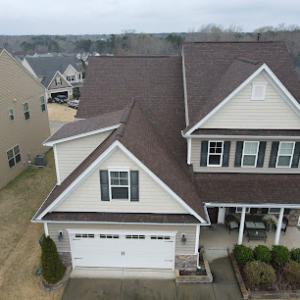
Serranos Contracting
Serving
5.0 from 41 reviews
We offer free roof inspections, free estimates and free consultations for any roofing or home improvement needs. We do quality work with quality products. Get all your home improvement needs done right the first time. With over 15 years experience.
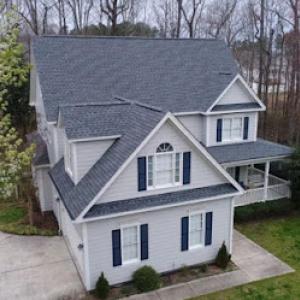
Lane's Contracting & Roofing
(919) 631-6112 lanescontracting.com
Serving
4.9 from 244 reviews
Lane's Contracting and Roofing offers dependable roofing, siding, and painting services to homeowners and businesses. Our skilled team specializes in roof repairs, replacements, and gutter installations, ensuring your home is protected. We also provide expert window installation and window film services, enhancing your home's energy efficiency and privacy. As experienced painting contractors, we handle residential, commercial, and exterior projects with precision. Trust Lane's Contracting and Roofing for quality workmanship and reliable service in every project. Your satisfaction is our priority.
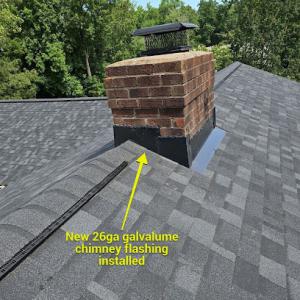
Coreyco Roofing Services
(252) 526-0312 www.coreycoroofing.com
Serving
4.9 from 152 reviews
The experienced roofers at Coreyco Roofing Services pride themselves on their quality roofing services and dedication to complete customer satisfaction. Our family-owned and operated company can complete nearly any roof service for your residential or commercial property, including leak and roof repair, roof replacement, and new roof installation. Our experienced Kinston roofing contractors do everything from shingle and metal roofing though exterior services like siding, windows, and gutters.
Asphalt shingles are a dominant choice locally because they fit the area's common residential roof forms and can be selected in wind-rated products that align with local inspection expectations. In homes with standard gable or hip configurations, asphalt remains a straightforward, cost-effective option that pairs well with existing underlayments and venting layouts. When choosing asphalt, you can prioritize wind-resistant shingles tested to withstand Goldsboro's typical thunderstorm winds. Look for class ratings that line up with local expectations for wind uplift and ensure the installation crew uses proper sealing techniques at edges and penetrations. This material also tends to perform well in the humid, heat-heavy months, provided a quality underlayment and ridge ventilation are in place to manage moisture and heat buildup. For many homeowners, asphalt shingles strike a balance between familiar aesthetics, repairability, and the ability to match or blend with neighboring roofs on the block.
Metal roofing is especially relevant in Goldsboro because it performs well in heavy rain and can be attractive for homeowners planning around recurring storm exposure and long humid summers. Metal panels or standing-seam profiles shed water efficiently, resist impacts, and often provide better resistance to repetitive wind gusts compared to some traditional shingles. If choosing metal, prioritize concealed-fastener or corrosion-resistant finishes and consider a color and profile that complements the home's exterior while maximizing energy efficiency through reflective coatings. A well-installed metal roof with proper flashing around chimneys, vents, and skylights helps reduce wind-driven infiltration during severe storms. Metal also tends to handle the region's heat more predictably, reducing thermal expansion concerns when paired with compatible underlayment and deck fasteners. For homes with attic spaces or limited ventilation, ensure the installation includes adequate venting to manage the thermal drift that metal roofs can experience in the hottest months.
Clay tile, concrete tile, wood shakes, and synthetic/composite products are available locally, but their suitability depends heavily on structural load, moisture behavior, and how well they handle the region's heat and storm cycles. Clay and concrete tiles offer distinctive curb appeal and strong weather resistance when properly installed, yet they require a solid structural deck and careful attention to fastener patterns to weather high winds. The heavier tile options can necessitate structural evaluation to avoid post-install sagging or fastener failures after heavy storms. Wood shakes bring a natural look but demand meticulous maintenance to prevent moisture-related problems in humid summers, and they can be more vulnerable to pests if not properly treated. Synthetic or composite shingles aim to mimic traditional looks with improved moisture resistance and lighter weight, offering flexibility in design and color stability. When considering these materials, the main questions center on whether the home's structure can support the weight, how the system manages moisture during long, soggy seasons, and how well the material resists wind-driven debris during storms. In Goldsboro's climate, choosing any of these options should be done with attention to wind uplift ratings, moisture management, and the compatibility of underlayment and ventilation to keep attic temps and condensation in check. After evaluating the roof's geometry and exposure, these alternatives can provide distinctive aesthetics and resilient performance without compromising long-term durability.
In the Goldsboro region, storm timing can directly influence how quickly a claim moves and how the carrier views preexisting wear. Insurance claim activity tends to spike after wind and hail events, so when a storm fronts through, expectations shift-from fast response to thorough documentation. You're dealing with a weather pattern that often delivers rapid wind gusts and heavy rain in the same afternoon, which can complicate distinctions between what failed in a new event and what deteriorated over years of exposure. The result is more scrutiny and a higher bar for proof, especially during peak season.
Spring hail in some years creates a local problem where older wear and fresh storm damage can overlap, leading carriers to request detailed photos and close inspection notes. When the weather clears, gather clear, comprehensive evidence: roof elevations from multiple angles, all slopes visible, and any interior signs of moisture near ceilings or walls. Photograph exterior vents, flashing, and penetrations for both potential hail impact and wind uplift. Inside, collect evidence of leaks-stains, drips, and damaged insulation-so you can demonstrate progression rather than a single incident. The more precise your documentation, the smoother the claim review process tends to be.
Because carriers in the region often want timely reporting and thorough documentation, Goldsboro homeowners benefit from photographing elevations, slopes, and interior leak evidence immediately after storms. Start with daylight, keep a steady hand or use a tripod for exterior shots, and note the date, time, and meteorological conditions in a simple log. Include close-ups of damaged shingles, granule loss, and any ripped or displaced flashing. If nearby trees struck the roof or gutters, photograph those impacts too, since debris can complicate damage assessments and become a red flag in the file.
After a storm, if damage is suspected, avoid delaying a qualified inspection. A timely, professional assessment helps separate emergent needs from cosmetic wear and guides decisions about temporary protection versus permanent repairs. In Goldsboro, where moisture moves quickly through the system, acting fast to document and evaluate wind- and hail-related concerns reduces surprises once the claim reaches the adjuster.
In this inland eastern North Carolina setting, you'll find local material cost ranges that reflect both the climate and the housing stock. Typical local material cost ranges are about 350 to 650 USD per square for asphalt shingles, 700 to 1200 for metal, 900 to 1400 for clay tile, 850 to 1300 for concrete tile, 600 to 1100 for wood shingles or shakes, and 600 to 1000 for synthetic or composite shingles. When you're budgeting, count on one "square" (100 square feet) as your measurement unit, and multiply by the number of squares on the roof. In Goldsboro, those baseline numbers are a starting point, not a ceiling, because roof shape, attic ventilation, and existing deck condition will nudge prices up or down.
Storm activity creates a regional surge in demand for crews and materials across eastern North Carolina after wind or hail events. That means if a hurricane season or late-spring wind event rolls through, you can see price spikes and shorter scheduling windows. If you're aiming to replace after a storm, expect tighter timelines, faster decisions, and possible increases in material costs due to rushed procurement. Planning ahead for off-peak periods-when crews aren't as pressed-can help you secure better labor rates and more flexible scheduling.
Local pricing is influenced by permit requirements for full re-roofs, weather-related scheduling delays, and the need to use wind-rated products and installation methods that satisfy inspection expectations. Wind resistance is a common driver of both material choice and install methods in this region. If you opt for wind-rated shingles or integrated underlayment systems designed to meet higher wind standards, your per-square price will trend higher, but the long-term defense against wind uplift can pay off in fewer repairs after a severe storm. Labor availability matters too; in busy months, crews may implement longer workdays or subcontract parts of the project, which can shift the overall cost. When comparing bids, ask each contractor to list wind-rated products, underlayment, attic ventilation improvements, and any roof deck preparation steps as line items so you can see where costs arise.
A full re-roof in Goldsboro typically requires a permit submitted to the local building department with project details before work begins. The permit serves as the project's official authorization and a record that the roof replacement aligns with local code and wind-resistance expectations. Plan to assemble a clear scope of work, including roof type, underlayment, fasteners, and expected repair areas, so the permit reviewer can quickly assess compliance with wind-rated requirements.
The local process generally includes application review, permit fee payment, and inspections during and after installation rather than a purely paperwork-only approval. Expect a review period that can vary with workload and weather-driven backlogs. Submitting complete drawings or product data for the chosen shingles and fastening schedule helps keep the review moving. If a contractor suggests deviations from standard practice, be prepared to address them during the review to avoid delays.
Inspections occur at key milestones, including the framing stage if required, the finished roof installation, and a final occupancy or compliance check. Inspectors will look closely at proper nailing patterns and wind-rated shingles to ensure the roof can withstand the area's typical thunderstorm winds. Keep access clear for inspectors and have the project records handy, including the manufacturer's installation instructions and the chosen underlayment.
Expect processing delays caused by weather or backlog, especially in the late spring through early fall when storm activity is high. Scheduling inspections alongside contractor milestones helps minimize rework. If a storm interrupts progress, confirm with the building department how to resume and document any changes in the scope or timeline to prevent permit hold-ups.
Maintain open communication with the permit office, and provide contact information for the licensed contractor responsible for the installation. Confirm acceptable venting and wind-rated shingle choices before purchasing materials to avoid later plan changes. Having all required paperwork ready at submission reduces back-and-forth and speeds the path to a compliant, weather-ready roof.
In this region, wind and hail are common enough that roof condition can directly affect underwriting and renewal decisions. The humid, thunderstorm-prone days of spring and late summer can accelerate wear on aging roofs, and carriers watch for how well a roof is maintained when assessing risk for the coming year. The effect is not abstract: a roof that looks weathered or shows early signs of damage can influence how a policy is rated or whether a renewal is issued at all. In Goldsboro, those dynamics show up in every home with shingles that have curling edges, loose granules, or warped flashing after a storm season.
Some carriers serving the region have tightened underwriting or adjusted premium structures in recent years, which can influence whether homeowners repair, replace, or upgrade roofing materials. The decision is often tied to the roof's expected performance during the next substantial wind or hail event. If a roof is older or has visible deficiencies, a carrier may advise a replacement sooner rather than later, or steer toward materials that handle wind better. The practical consequence is that choices you make today can ripple into future insurance costs or eligibility, especially after a heavy storm.
For local claims, homeowners should keep dated photos, contractor inspection notes, and records of when leaks or shingle loss were first observed because carriers often request detailed support. A clear file slows down the process and reduces the chance of a dispute later. Store these records in a stable, organized system, and align notes with any professional assessments you obtain after a storm. The better your documentation, the more straightforward the negotiation around repairs or replacements when the insurer reviews your coverage after a wind event.
Storm timing matters, especially in a humid coastal plain climate where gusts can come through in sudden bursts. Wind-resistant replacements can mitigate risk of future claims, but the material choice should reflect local exposure, roof shape, and attic ventilation. In a neighborhood with a mix of aging roofs and newer builds, the best path balances reliability under frequent storms with the long-term durability you will rely on when the next system rolls through. The goal is to reduce vulnerability to wind-driven damage while maintaining a practical path for renewal conversations with your insurer. Remember that timing a replacement to align with a favorable underwriting review can influence how smoothly a claim, if needed, proceeds.
Goldsboro's climate makes replacement timing important because late spring and summer bring both high humidity and stronger storm interruption risk. If you can schedule a re-roof before the peak heat and storm activity hits, you reduce moisture exposure for decking and minimize the chance of shingle damage during wind-driven rain. Aim to lock in a start window when the forecast calls for stable days, not heavy storm potential.
The local climate profile favors planning replacements before peak storm season rather than waiting for midsummer weather disruptions. Scheduling earlier in late spring gives you a smoother workflow: crews can stage materials without chasing storms, and you avoid back-to-back rain delays that can linger into early summer. If your roof has aged under humid conditions, addressing it sooner rather than later reduces the risk of interior moisture intrusion during a tropical-system rain event.
Winter is generally milder than inland markets, but occasional freezes and ice can still slow work and affect material handling. If temperatures stay consistently above freezing during the work window, you can push a replacement through more reliably. When freezes threaten, crews may need to pause to protect decking, underlayment, and moisture barriers. Plan for a window that allows a few flexible days to accommodate brief cold snaps.
Start with a realistic two- to three-week cushion in your calendar to account for weather and material delivery variability. Coordinate with the contractor to identify a start date that avoids the heart of storm season while still giving enough lead time before humidity spikes. Build in a contingency for wind-driven rain days, which are common in the humid coastal plain and can stall progress.
Ask about how the team handles rapid rain interruptions, deck moisture, and staging in tight neighborhoods. Local crews familiar with the Neuse basin area know to protect landscaping and manage debris in storm-prone months. Confirm a plan for efficient waste removal and material protection so a spring or early-summer schedule stays on track despite unpredictable showers.