
Last updated: Apr 19, 2026
Spring and early summer in this Piedmont neighborhood bring sudden deluges and gusty winds that can turn a small roof drip into a rapid, interior threat in minutes. When a heavy downpour hits after a tear-off has started, tile or shingle gaps can suddenly open up, and attic or ceiling pockets can pressurize with water infiltration. Fall brings hurricane-season weather that can interrupt work, expose open roofs, and extend the exposure window. In Chapel Hill, a roof is most vulnerable during active storms, and an open roof is a race against time to keep water out of living spaces. The practical takeaway is simple: when rain is forecast within days of a tear-off, plan for immediate tarping and quick leak-control steps, even if interior surfaces appear dry at a glance.
When a leak appears, your first move is to identify the highest water entry point and protect it with a tarp, weighted down and secured to prevent billowing in wind. If shingles are missing or lifted, do not rely on temporary patches alone; reinforce with a sturdy tarp that covers surrounding shingles to prevent water from tracking under the remaining roof deck. In environments with frequent rain, a dry-in by end of day becomes a non-negotiable-especially once tear-off has begun. Check attic ventilation and any vent penetrations; a vent that projects into a saturated attic airspace can accelerate condensation and drama in the ceiling. Have barrels or containers ready in the attic to capture leaks, and set up a quick drainage path to the exterior to prevent water from pooling on joists or insulation.
Tarping is not a one-off gesture; it's a staged shield tied to the storm cycle. A durable, heavy-duty tarp should be secured with roofing nails or screws, along with battens or planks to prevent wind flapping. Pay special attention to edges; a loose corner can whip and cause new damage, especially when a gusty line of storms sweeps your neighborhood. If you notice wind-driven rain entering through a vent or chimney area, seal these penetrations temporarily with exterior-grade tape or flashing to direct water away from the interior. In practice, a homeowner-facing rule of thumb is to maintain coverage on any exposed roof area for the duration of active rain events until the roof can be fully resealed or replaced.
In Chapel Hill, the contractor signal mix leans toward storm damage, emergency repair, and insurance-related work. That means leaks are treated with urgency, and the answer to a sudden roof failure is often rapid temporary protection followed by a structured restoration plan. When a contractor arrives after a weather-driven event, expect a focus on securing the site, documenting damage for insurance, and initiating staged repairs that align with the town's typical inspection cadence. If a storm hits and the schedule tightens, a homeowner should insist on clear, written steps: immediate tarping, a numbered line of temporary fixes, and a transparent timeline for subsequent permanent work.
Seasonal weather patterns in this area favor proactive protection. Build a rain-ready plan: pre-cut plywood or boards to brace vulnerable edges, store extra tarps and fasteners, and keep a trusted water-damage crew on standby for after-storm rapid response. After a major rain event, perform a quick exterior check from the ground for lifted shingles or missing flashing; if any are found, arrange a prompt assessment. The goal is simple: minimize interior damage by moving fast on dry-in and securing the roof's envelope before the next wave of moisture arrives.
Carolina United Roofing & Construction
(919) 260-3803 www.carolinaunitedroofing.com
125 S Estes Dr #3699, Chapel Hill, North Carolina
5.0 from 192 reviews
SPECIALTIES Carolina United Roofing & Construction is a locally owned and operated roofing and construction company. Serving the Triangle and surrounding areas with over 30 years experience. Specializing in Insurance restoration work, we offer a variety of roofing and construction services such as: Residential Roofing, Commercial Roofing, Gutter, and siding services.
Storm Guard Roofing & Construction Durham Chapel Hill
(919) 372-3983 www.stormguardrc.com
121 S Estes Dr STE 104B, Chapel Hill, North Carolina
5.0 from 334 reviews
When you need a contractor who specializes in roofing, windows, siding, gutters, and painting in Durham, NC, turn to a local professional for assistance. Whether you need a roofer to fix or replace your old or leaky roof, want new windows to improve your heating bill, or just want new siding to update your home’s look, you can count on Storm Guard for excellent service.
JC Solutions
(919) 283-1772 jcsolutionsnc.com
1710 E Franklin St #1030, Chapel Hill, North Carolina
5.0 from 64 reviews
With over 15 years of industry experience, JC Solutions is your go-to Chapel Hill roofing contractor for all your residential and commercial roofing needs since 2021. Our team of highly-skilled professionals provides various services, including repair, replacement, and installation, utilizing only the finest quality materials. Whether you need a standard repair, gutter installation, protection with our Klean Gutter Guards, or a completely new roof, JC Solutions delivers exceptional craftsmanship and attention to detail, ensuring a beautiful and functional roof that will last for years.
CH Construction & Roofing
(336) 560-9596 chconstructionroofing.com
Chapel Hill, North Carolina
5.0 from 52 reviews
CH Construction & Roofing stands as one of the #1 choice for all your roofing needs in Hillsborough, NC and nearby areas. With over 19 years of industry experience, we guarantee exceptional workmanship right from the start. As a locally owned and operated business, we prioritize honesty, integrity, and superior customer service, ensuring your home improvement projects are handled with utmost care. Specializing in a wide range of roofing services for both residential and commercial properties, including Shingle, Metal, Flat, and TPO roofing, we also offer roof repair, replacement, gutters, and siding services in areas from Raleigh to Durham to Chapel Hill and 30 miles radius from Hillsborough NC,.
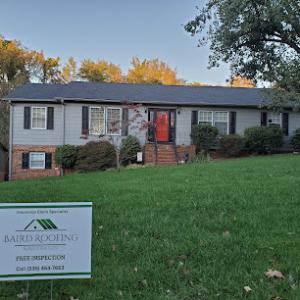
Baird Roofing & Restoration
(336) 464-7663 bairdroofingllc.com
Chapel Hill, North Carolina
5.0 from 42 reviews
Baird Roofing & Restoration, LLC offers a wide range of residential and commercial roofing services in the Raleigh, NC area. We can install an attractive, energy-efficient roof on your new construction home or replace the worn-out roof on your retail store. If your roof was damaged during a storm, our roofing contractor can help you file an insurance claim and repair the damage. You can count on us to repair or replace your faulty roof ASAP to help minimize water damage to your structure. Call 336-464-7663 now to get started on your new roof installation or roof replacement. We'll be glad to give you a free estimate.
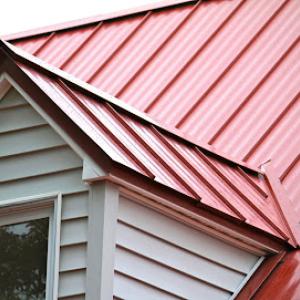
Roofcrafters
(919) 605-4426 www.ncroofcrafters.com
Chapel Hill, NC
5.0 from 33 reviews
Quality metal and shingle roofing with over 35 years of experience in the Triangle area. We specialize in metal roof conversions as well as new or replacement shingle roofs. Roofcrafters strives for quality and excellence through premium materials and attention to detail.
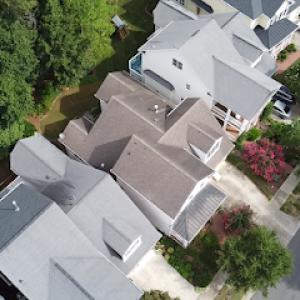
Carolina Professional Roofing
(919) 296-5157 carolinaprofessionalroofing.net
Chapel Hill, North Carolina
4.9 from 65 reviews
Carolina Professional Roofing provides roof repairs, commercial roofing, gutters, siding, and storm damage services to the Hillsborough, NC area.
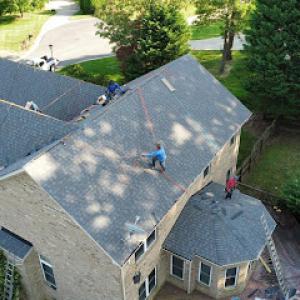
Chapel Hill Roofing Solutions
(252) 486-5819 chapelhillroofingservice.com
610 E Franklin St, Chapel Hill, North Carolina
4.8 from 58 reviews
Chapel Hill Roofing Solutions is your trusted roofing contractor in Chapel Hill, NC, delivering top-quality roofing services with expert craftsmanship. Whether you need roof installation, roof replacement, or roof repair, our skilled team ensures durable and reliable results. We specialize in metal roofing, asphalt shingle roofing, and commercial TPO roofing, providing tailored solutions for homes and businesses. Building a new property? Our new construction roofing services guarantee a solid foundation. We also excel in flat roofing, offering long-lasting protection. With a commitment to excellence and customer satisfaction, Chapel Hill Roofing Solutions is the go-to choice for all your roofing needs. Contact us today for a free estimate!

Dream Team Roofing
(919) 360-2717 www.dreamteamroofingco.com
Chapel Hill, North Carolina
5.0 from 15 reviews
🏅🏅The Team of Experts You Can Rely On for High-Quality Roofing! 🏠Our experienced professionals bring top-tier craftsmanship and precision to every project.🔨 From repairs to complete roof replacements, Your home deserves the best and that's our promise! 🏆
Tar Heel Roofing & Solar
(919) 245-7766 www.tarheelroofingandsolar.com
213 Providence Rd, Chapel Hill, North Carolina
5.0 from 12 reviews
With our detailed drone inspection reports and our contactless customer service, we have you (and your roof) covered. We pride ourselves in taking care of our employees. We embrace technological change, and are always looking for the best product to provide to our customers. We owe our success to integrity, hard work, and word of mouth promotion. Tar Heel Roofing and Solar is a construction contractor with an emphasis in roofing, solar, siding, gutters, and interior/exterior painting.
Thorne Roofing Company
(919) 260-0524 www.thorneroofingcompany.com
809 E Franklin St Unit D, Chapel Hill, North Carolina
5.0 from 8 reviews
Thorne Roofing Company, LLC, is Chapel Hill/Pittsboro go-to local roofing contractor. We specialize in Architectural shingles, Metal roofing, Flat roof systems, roof repairs, and skylight repair and replacement for both residential and commercial properties. With over 30 years of expertise, we can guarantee a full range of quality services tailored to your specific requirements and budget. Call today for a quote!
Roofing & Gutters of North Carolina
(919) 408-4405 www.roofingandguttersofnc.com
Chapel Hill, NC
4.7 from 12 reviews
Roofing is our heritage quality is our tradition
In this region, the combination of hot, humid summers and frequent rain pushes asphalt shingles to wear faster than they would in milder climates. The sun's UV exposure and high daytime temperatures cook the asphalt granules, causing them to shed more quickly and leave the underlayment exposed sooner. This dynamic is especially evident on roofs that face the afternoon sun or have limited shade from mature trees. Shingle neighbors notice more curling, color fading, and a shorter overall lifespan compared to roofs with cooler, less intense exposure. The practical takeaway is simple: expect accelerated aging markers in the first decade or two for typical residential roofs, and plan maintenance around heat-driven degradation rather than solely on winter wear patterns.
Timing matters here because high summer heat can affect asphalt shingle handling and sealing. Scheduling roof work during cooler shoulder seasons-spring and fall-helps installers manage the material without risking fragile shingle edges or compromised sealants. If work must occur in summer, crews will often pause on hot afternoons to prevent tearing or warping and will prioritize early mornings or late afternoons for critical sealing steps. For a reroof or major repair, consider a plan that leaves you with the least exposure to peak heat, which also reduces the chance of improper sealing that could lead to leaks after a storm. This climate nuance makes proper sequencing essential: surface prep, underlayment, and fastener choice should align with operations that minimize heat-induced distortions.
Asphalt shingles remain the dominant roofing material in this market, reflecting a balance of performance and affordability. They fare reasonably well in the Piedmont climate when installed with a quality underlayment and proper ventilation, but they also sit at a point where minor age-related failures become noticeable to homeowners. Because this material is widely used, choices and upgrades-such as higher warranty shingles, better wind resistance, or reflective granules-often come down to how the roof is executed locally. A practical approach is to evaluate age-related signs of wear (granule loss, curling edges, and loose fasteners) in the context of heat exposure patterns and shading from trees. In areas with dense canopies, gutter and underlayment protection from falling debris can extend shingle life by reducing surface abrasion and water infiltration risk during storms.
Storms in the Piedmont can expose aging shingles to sudden, intense water impact. After heavy rain or hail, inspect for lifted tabs, lifted flashings, or granule staining in gutters. Proactively address loose or damaged areas before they progress, since heat-stressed shingles are more prone to cracking and further wear. Given the local climate, it's wise to implement a quick, seasonal inspection routine: after the wettest months, confirm that sealants remain intact and that the roof still sheds water efficiently. For roofs with significant sun exposure or limited shade, consider proactive reinforcement or an early repair window to preserve the protective granule layer and maintain performance under the next round of storms.
The most popular roofing material in the US. Find pros who install, repair, and replace asphalt shingles.
Carolina United Roofing & Construction
(919) 260-3803 www.carolinaunitedroofing.com
125 S Estes Dr #3699, Chapel Hill, North Carolina
5.0 from 192 reviews
CH Construction & Roofing
(336) 560-9596 chconstructionroofing.com
Chapel Hill, North Carolina
5.0 from 52 reviews
Carolina Professional Roofing
(919) 296-5157 carolinaprofessionalroofing.net
Chapel Hill, North Carolina
4.9 from 65 reviews
In this town, the dominant materials span asphalt shingles, metal roofing, clay tile, concrete tile, wood shingles or shakes, and synthetic or composite shingles, which is a broader mix than many nearby markets. That variety matters when planning replacement or reroof projects, because each material behaves differently under the Piedmont climate. Asphalt remains a familiar baseline for quick replacements and reasonable performance, but the nearby tree canopy and summer humidity can challenge moisture management in any roof type. If a house already has an unusual material installed, staying with a compatible system and compatible fasteners, underlayment, and attic ventilation becomes a practical way to protect the investment over time.
Frequent rain and summer humidity in Chapel Hill make moisture management and drying performance important when comparing wood, tile, metal, and composite systems. Wood shingles and shakes can look appealing, but in damp seasons they demand attentive attic ventilation and kiln-dried stock to resist warp or mold. Tile systems-clay and concrete-offer long life but respond to weight and substrate conditions differently; their installation often requires careful assessment of roof framing and attic clearance. Metal roofs provide excellent shedding of rain and strong weather resistance, yet flashing details and panel seams demand precise workmanship to prevent slow leaks in heavy storm cycles. Synthetic or composite shingles bring flexible performance that can bridge moisture tolerance and curb appeal, but product selection should emphasize good dimensional stability in heat and humidity. In Chapel Hill, the right choice pairs material strength with a ventilation strategy that keeps attic air moving, reduces condensation, and helps long-term drying after rain events.
Heavier systems such as clay and concrete tile can change reroof scope compared with the asphalt-heavy replacement work common in local contractor markets. Structural checks for reinforcement, additional decking, and potential drainage adjustments are typical considerations when tiles replace or overlay a previous asphalt roof. Metal roofing often simplifies long-term maintenance with lighter weight and faster installation, but evaluation of existing fascia, rake details, and penetrations remains essential to prevent moisture intrusion at edges. For wood shingles or shakes, anticipate more frequent maintenance cycles in the humid climate, including careful treatment against moisture-related deterioration and periodic re-nailing or replacement of damaged sections. Synthetic or composite shingles can offer a versatile middle ground, balancing weight, installation speed, and moisture resilience, yet still require proper ventilation, underlayment choices, and compatible flashing.
Match roof type to the home's structure and exposure: consider weight, attic ventilation, and the likelihood of rapid drying after storms. Pay attention to tree proximity and shading, which influence moisture retention and temperature swings on the roof surface. A well-chosen system pairs durable materials with robust underlayment and precise detailing for edges, penetrations, and vents to maintain performance through Chapel Hill's dynamic rain and heat.
Chapel Hill sees pricing patterns that reflect the Piedmont climate: heat and humidity in summer, frequent rain, and a lot of mature trees that can drag debris onto roofs. For asphalt shingles, typical local pricing runs about 320 to 600 USD per square. If you're choosing metal, expect roughly 700 to 1100 USD per square. Clay tile sits higher, often 1000 to 1800 USD per square, with concrete tile from about 850 to 1400 USD per square. Wood shingles or shakes generally run 650 to 1100 USD per square, and synthetic or composite shingles are usually 600 to 950 USD per square. These ranges reflect common material choices in neighborhoods from campus-adjacent bungalows to established deep-roofed homes.
Storm-driven demand spikes are a real factor in this market. After spring cluster storms or during hurricane-season peaks, quick-response reroof crews can be booked out. When timing matters, you may see higher bid levels or faster turnarounds, even for standard replacement timelines. If a storm hits, plan for potential price pressure and tighter scheduling windows, especially for larger homes with multiple slopes.
Roofing projects in this area often take longer to schedule than a simple repair, thanks to the town's building workflow and the need to coordinate multiple crews for a full reroof. A full replacement tends to require more moving parts-material orders, crew mobilization, and staged progress-than a repair job. That means your project may stretch across several days or weeks, with windows for material delivery and weather gaps, particularly in the late spring and early summer monsoon periods.
When you compare quotes, weigh not just the bottom line but the project cadence. The same square footage can translate to different labor timeframes depending on roof complexity, attic access, and existing roof decking condition. In practice, a straightforward re-cover or replacement on a single-slope roof with standard plywood decking tends to move more quickly than a multi-hipped layout over an older structure with potential decking repairs. Keep an eye on downstream costs such as decking repairs or underlayment upgrades, which commonly surface in Piedmont homes after significant weather exposure.
In short, plan for a pricing band that reflects material choice, potential storm-driven demand, and the staged scheduling reality of full reroofs. This approach helps align expectations with the realities of a Chapel Hill roof replacement, keeping the project steady from site prep through final inspection.
Get a clear picture of your project costs upfront - no commitment required.
Baird Roofing & Restoration
(336) 464-7663 bairdroofingllc.com
Chapel Hill, North Carolina
5.0 from 42 reviews
Carolina Professional Roofing
(919) 296-5157 carolinaprofessionalroofing.net
Chapel Hill, North Carolina
4.9 from 65 reviews
Chapel Hill Roofing Solutions
(252) 486-5819 chapelhillroofingservice.com
610 E Franklin St, Chapel Hill, North Carolina
4.8 from 58 reviews
A full reroof in Chapel Hill typically requires a permit through the Town of Chapel Hill Building Inspections department. Before anything comes off the truck, a plan review is conducted to confirm the scope, materials, and sequencing comply with local codes and standing town requirements. That review helps prevent later backtracking when the project is under way and saves you from surprise delays. If the plan review flags concerns, address them promptly, because changes after approval can slow the job and complicate inspections.
Permit issuance is handled after plan review, and the permit is expected to be posted on site during the job. The posted permit signals to inspectors and neighbors that work is authorized and the project is proceeding within the official framework. A visibly posted permit also helps contractors coordinate staging, access, and material deliveries without missteps. If the posting is not clear or it seems missing, contact the Building Inspections department quickly to avoid gaps in oversight.
Inspections commonly occur at tear-off or underlayment, installation, and final completion, so missed scheduling can delay dry-in and closeout. The tear-off/underlayment inspection verifies that the old roof has been removed properly and that the roof deck and underlayment meet the required standards before any cover material goes on. Installation inspections confirm that the chosen roofing system is installed according to the approved plan and manufacturer guidelines, including nailing patterns, seals around penetrations, and flashing details. The final completion inspection is your last checkpoint to ensure all work meets code, all penetrations are sealed, and the project is officially closed out. Skipping or rescheduling inspections can create cascading delays, especially in humid months when weather windows are tight.
Keep the inspection calendar in sync with weather forecasts and your contractor's staging plan. In this climate, staged reroof work often means several separate site visits, so clarity with the town inspector and clear communication with the crew are essential. If a permit sits unposted or a scheduled inspection is missed, dry-in can be delayed, exposing decking to moisture longer and potentially affecting warranty eligibility. For homeowners, building a small buffer into the schedule helps absorb rain delays typical of the Piedmont summer and fall.
The permit process is more than a checkbox; it influences safety, warranty validity, and long-term performance. Ensure that plans reflect the actual installation approach, that the permit is visible on site, and that each inspection is scheduled with consideration of upcoming weather and material timelines. A careful, city-compliant sequence reduces surprises and supports a steadier path to a secure, weather-ready roof.
In this climate, moisture and heat can hide trouble behind aging shingles or decking. In Chapel Hill, carriers commonly expect clear documentation of roof condition before any repair or replacement work and again after the project is complete. This matters more when storms have driven leaks, since adjusters will compare pre- and post-work conditions to evaluate coverage and scope. Take comprehensive photos from multiple angles, note any sagging, missing shingles, or signs of leaks in the attic, and keep dated copies of all written assessments. If a contractor recommends replacing portions of decking or flashing, make sure those recommendations are reflected in the before-and-after records. Good documentation can prevent surprises during claims processing and reduce back-and-forth delays.
When major regional storms hit, expect adjuster timelines to stretch. In the wake of significant rainfall events, the focus shifts to identifying genuine storm damage rather than cosmetic wear, and the paperwork becomes a finely scrutinized path to approval for replacement. Be prepared for questions about the cause of leaks, prior repairs, and the alignment of scope with observed damage. Having a written scope of work tied to photos and detector readings can help the process stay on track. If a claim seems delayed, you may be dealing with the normal post-storm surge plus the local emphasis on accurate documentation.
The strong local presence of insurance-claims-focused roofers is no accident. Those specialists are adept at aligning paper trails with real field conditions, translating insurer expectations into clear scope language, and keeping the project moving when timelines compress after a storm. When you encounter a storm-related leak, lean on a contractor who regularly drafts claim-ready documentation and can explain how each item ties to coverage. The right partner keeps the claim grounded in reality and helps avoid cascading delays that can come from mismatched paperwork.
Connect with contractors who help homeowners navigate the claims process from damage assessment to final approval.
Carolina United Roofing & Construction
(919) 260-3803 www.carolinaunitedroofing.com
125 S Estes Dr #3699, Chapel Hill, North Carolina
5.0 from 192 reviews

Storm Guard Roofing & Construction Durham Chapel Hill
(919) 372-3983 www.stormguardrc.com
121 S Estes Dr STE 104B, Chapel Hill, North Carolina
5.0 from 334 reviews
CH Construction & Roofing
(336) 560-9596 chconstructionroofing.com
Chapel Hill, North Carolina
5.0 from 52 reviews
Chapel Hill's established neighborhoods mix mature tree cover with frequent roof penetrations, so flashing around skylights and chimneys often becomes the weak point after storms. The most common moisture trouble comes from debris accumulation in valleys and around penetrations, especially when late-spring rains push leaves into flashing channels. When a storm hits, skimming the roof for visible debris and ensuring the skylight flashing has a tight seal is a practical first step.
Skylight installations and repairs stand out in the local contractor signal set, reflecting how leak-prone detailing around skylights matters here. If a skylight shows any sign of condensation, fogging, or stair-step water marks on the ceiling, address it promptly. Expect attention to sealant compatibility with common roof coverings and to verify that curb, flashing, and crown details are coordinated with adjacent shingles or tiles to prevent bypass leaks during heavy rain.
Chimney flashing is a recurring focus because older homes with brick or stone chimneys often have long-standing settlement patterns that shift flashing over time. In practice, inspect both the base flashing where it meets the roof surface and the step flashing along sidewalls. Soot and creosote buildup can indicate moisture migration paths; cleaning and resealing should accompany flashing work. If masonry joints show deterioration, plan for repointing as part of a coordinated flashing repair.
Tree cover means more needles, twigs, and pitch on the roof after storms. Create a routine after heavy rain to remove debris from the roof and gutters, paying extra attention to valleys and around skylights. For chimney and vent neighbors, ensure a clear run of water away from the flashing, and consider installing a modest bird stop or leaf diverter to reduce future clogging. Regular inspections after fall storms help catch small issues before they become leaks.
Find contractors experienced in skylight installation, flashing, and leak repairs to bring natural light into your home.
Carolina United Roofing & Construction
(919) 260-3803 www.carolinaunitedroofing.com
125 S Estes Dr #3699, Chapel Hill, North Carolina
5.0 from 192 reviews
Storm Guard Roofing & Construction Durham Chapel Hill
(919) 372-3983 www.stormguardrc.com
121 S Estes Dr STE 104B, Chapel Hill, North Carolina
5.0 from 334 reviews
CH Construction & Roofing
(336) 560-9596 chconstructionroofing.com
Chapel Hill, North Carolina
5.0 from 52 reviews
Flat-roof specialization exists in Chapel Hill but is secondary to the dominant reroof and storm-repair market, suggesting low-slope sections are common add-ons rather than the citywide norm. Home layouts frequently include porches, decks, or sunrooms with shallow pitches that require the same attention as the main roof when storms arrive. A practical approach is to plan low-slope replacements in the same project window as the primary roof to avoid mismatches and ensure a cohesive exterior.
Frequent rain in this area raises the stakes for drainage and seam integrity on porches, additions, and other low-slope roof sections. Ensure a dedicated drainage strategy that includes properly gabled or negated gradient, secure ridge-line details, and continuous underlayment to resist capillary action and wind-driven moisture. Seams, penetrations, and edge details deserve extra attention, since even small laps can leak quickly after heavy downpours. A tight integration between low-slope and steep-slope systems helps prevent pooling on balconies or exterior living spaces.
Homeowners with mixed-slope roofs need contractors who can handle both main steep-slope replacement and smaller low-slope tie-ins under one permit workflow. This requires coordinated sequencing, matching materials, and consistent flashing practices across transitions. Ask for a single-point project manager who can oversee flashing continuity, gutter connections, and insulation details from the main roof to the low-slope areas. A unified plan reduces call-backs after storms and maintains a clean curb appeal.
Because Chapel Hill homes often feature additions and retrofit porches, insist on staged inspections that mirror the city's typical workflow. During staging, verify that edge fasteners, drip edges, and field joints on low-slope sections align with the main roof's flashing strategy. Check for waterproof deck coatings or membrane systems rated for pedestrian traffic if porches or balconies live directly above living spaces. Regular pre-season inspections can minimize storm-driven surprises.
Choose materials that perform well in hot, humid humidity cycles with consistent weather exposure. For low-slope sections, consider membrane or specialized synthetic products that resist uplift and thermal movement while pairing aesthetically with the adjacent steep-slope shingles or tiles. Compatibility between flashing details, fastener types, and substrate condition is essential to long-term performance in this climate.
Find specialists in TPO, EPDM, and built-up flat roofing systems for residential and commercial properties.
CH Construction & Roofing
(336) 560-9596 chconstructionroofing.com
Chapel Hill, North Carolina
5.0 from 52 reviews
Carolina Professional Roofing
(919) 296-5157 carolinaprofessionalroofing.net
Chapel Hill, North Carolina
4.9 from 65 reviews
Chapel Hill Roofing Solutions
(252) 486-5819 chapelhillroofingservice.com
610 E Franklin St, Chapel Hill, North Carolina
4.8 from 58 reviews
Warranty messaging is active but not universal, so homeowners should expect variation in how contractor and manufacturer terms are presented. In a storm-driven climate with heat, humidity, and heavy rain, coverage can hinge on installation specifics and maintenance history. Local crews often emphasize speed after storms, which can shape how warranties are discussed. Expect that some firms foreground manufacturer terms, while others highlight labor guarantees; both should be clearly documented in writing.
Because reroofs after storms move quickly, homeowners need a written scope and warranty details before tear-off starts. Demand a line-by-line scope of work, including underlayment, flashing, ventilation, and nail patterns, plus exact warranty terms for materials and labor. Ask for copies of manufacturer eligibility requirements and a precise definition of what constitutes an installation defect versus storm-related damage. Ensure the contract notes drainage and attic conditions, plus any required maintenance to keep coverage valid.
The local market includes some manufacturer-certified contractors, but long-established and quick-response positioning appears more common than certification-heavy branding. Look for a contractor who can substantiate both product and crew workmanship, with transparent timelines and post-install follow-up. Be aware that not every product carries the same warranty scope in a storm season, and some manufacturers require ongoing maintenance records or vent checks to preserve coverage.
Keep a file with photos, inspection reports, and installer notes. Read the warranty terms early and reference them if questions arise during the first major rainy season after installation. For any leak, know the warranty claim process, who handles it, and the expected response times. In a fast-moving market, a concise, well-documented agreement reduces disputes and helps the roof perform through Chapel Hill's Piedmont heat and rain.